“World order as we know it ‘no longer exists’” — Germany’s Merz drops a Munich shocker
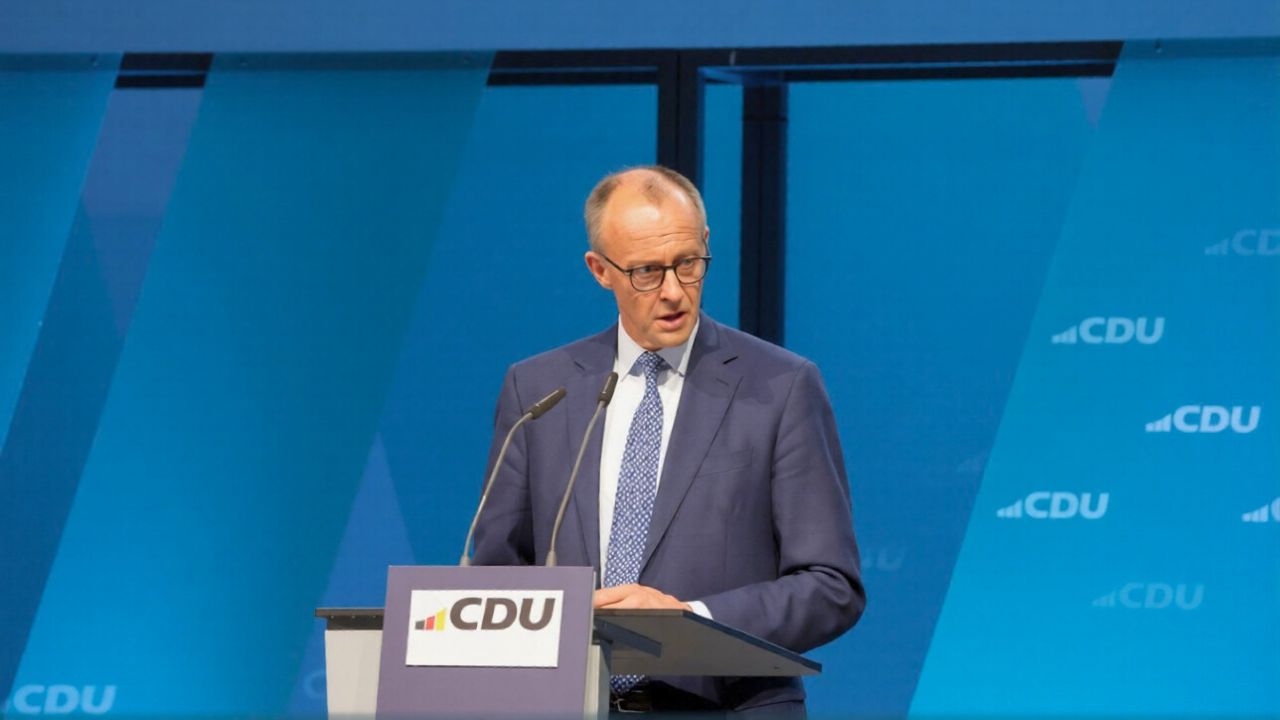
MUNICH — German opposition leader Friedrich Merz warned Friday that the international order built around U.S. leadership and transatlantic unity is no longer holding, delivering one of the bluntest speeches yet as officials and analysts gathered for the Munich Security Conference to debate Europe’s security future and the direction of the war in Ukraine. Merz said the “world order as we know it no longer exists” and argued that even the United States would struggle to manage global crises alone, language that underscored the anxieties in Europe about security, trade, and long-term American commitment to the continent.
Merz described the Munich Security Conference as “a seismograph for the political situation,” framing the gathering as a snapshot of a rapidly changing geopolitical climate. The remarks came as European governments weigh higher defense spending and deeper cooperation on weapons production, air and missile defense, and sustained military support for Ukraine. Even as leaders repeatedly stress that NATO remains central, the conversation in Munich has increasingly focused on building a more capable European pillar — partly to deter Russia and partly to reduce vulnerabilities exposed by years of uneven defense investment.
While Merz does not currently lead the German government, his comments drew attention because they echoed a broader theme surfacing throughout the conference: Europe needs stronger self-reliance even as it tries to preserve and rebuild transatlantic trust. In public appearances around the conference, officials have pointed to overlapping pressures — Russia’s ongoing war, intensifying cyber threats, and economic competition that increasingly overlaps with national security. Merz’s warning that the U.S. is “not powerful enough to go it alone” was widely interpreted as both an appeal to Washington and a message to European capitals that old assumptions may no longer be safe.
The Munich conference routinely draws top defense and foreign policy figures, and this year’s agenda includes deterrence, military aid, global economic competition, and the way new technologies are reshaping warfare. The war in Ukraine remained a central focus Friday, with officials and analysts watching for signals about diplomacy, including what conditions might be necessary for talks to move beyond early-stage discussions. At the same time, Europe’s strategic posture — including debate about nuclear deterrence and whether Europe should pursue deeper coordination alongside NATO — has become a more open topic than in past years.
Merz’s remarks are likely to reverberate beyond Munich because they combine a stark diagnosis with a practical political implication: Europe can no longer assume stability in the frameworks that shaped security planning for decades. In that sense, the “seismograph” line may be the clearest thesis for the moment. The conference, in Merz’s telling, is not only a place where leaders talk about the world’s direction — it is a place where they can measure how far the ground has already shifted.