You can’t rely on the county for this — and it matters more than you think
When you buy land, you quickly realize that “the county” isn’t some all-seeing entity ready to protect you from bad decisions. They’ll check boxes for permits and zoning, sure, but they’re not looking out for your best interests.
If you assume someone at the county office will flag every issue before you build, you’re setting yourself up for expensive lessons. There are things they simply don’t verify—and if you don’t do your own homework, you’ll end up paying for their blind spots later.
They won’t tell you if your land actually floods
Just because a property isn’t listed in a flood zone doesn’t mean it’s dry year-round. Counties base their maps on general topography, not on how your land behaves after a week of heavy rain. A low-lying spot can easily collect water even if it doesn’t technically count as a “flood area.”
If you want the truth, you have to go stand on that land after a storm or talk to neighbors who’ve lived there for years. County data won’t tell you about the places where water pools, where the driveway washes out, or where you’ll end up stuck in the mud.
They don’t inspect your soil before you build
Counties often require a basic soil test for septic, but that’s only to confirm whether the ground can handle wastewater—not whether it’s actually stable enough for a foundation or driveway.
If you’re building on clay-heavy or sandy soil, you need more than a passing grade. Certain soils shift, compact, or erode over time, which can lead to cracked slabs, sinking driveways, or poor drainage. A geotechnical survey costs extra, but it’s far cheaper than repairing foundation damage five years from now.
They won’t warn you about access problems
Just because your property has a road nearby doesn’t mean you have a legal right to use it. Many rural properties depend on easements—agreements that allow you to cross someone else’s land—and those don’t always show up clearly on county maps.
The county might approve your address or 911 registration without confirming your access rights. It’s your job to check deeds, survey plats, and recorded easements before you buy or build. Otherwise, you could end up with land you literally can’t reach without crossing someone else’s property.
They won’t help you find your property lines

A county plat map gives you a rough idea of your boundaries, but it’s rarely exact. Fence lines, trees, or even driveways can be misleading. Unless you hire a licensed surveyor, you have no guarantee that you’re building—or fencing—on your own land.
And once you pour a foundation or dig a septic line in the wrong place, it’s too late. Counties don’t verify your build site against your deed boundaries, so it’s up to you to know exactly where your property starts and ends.
They won’t keep track of your utilities
If you assume the county knows where every power line, water line, or gas connection runs, think again. Utility companies are separate entities, and their records can be outdated or incomplete—especially in rural areas.
Before you break ground, you need to call each utility provider directly and confirm what’s buried, where it runs, and what’s available. The county won’t double-check for you, and one bad guess with a post hole digger can turn into a serious safety issue.
They won’t tell you how your neighbors use their land
The zoning map might say “residential,” but that doesn’t mean your neighbor isn’t running a side business or raising livestock. Counties don’t police noise, smell, or late-night equipment use unless it’s a clear violation.
If you care about peace and quiet, take a drive through the area at different times of day and talk to nearby property owners. You’ll get a much better sense of what life there actually feels like than anything on a county form.
They won’t flag outdated or missing permits
Counties often lose track of what was approved years ago. Maybe a previous owner added a shed, ran power, or installed a septic tank without proper paperwork. Those records can easily go missing or never have been filed in the first place.
If you plan to build or sell later, missing permits can delay everything. Always pull your own permit history and confirm it matches what’s physically on the property. Don’t assume the county’s files are complete—they often aren’t.
They won’t protect you from bad contractors
A county inspector’s job is to make sure basic codes are met, not to judge the quality of the work. Many homeowners are shocked to find that their builder cut corners even though everything “passed inspection.”
If you want it done right, you need to check the work yourself or hire someone independent to look over key stages of construction. Passing code only means it’s legal—it doesn’t mean it’s good.
They won’t verify your well or septic performance long-term
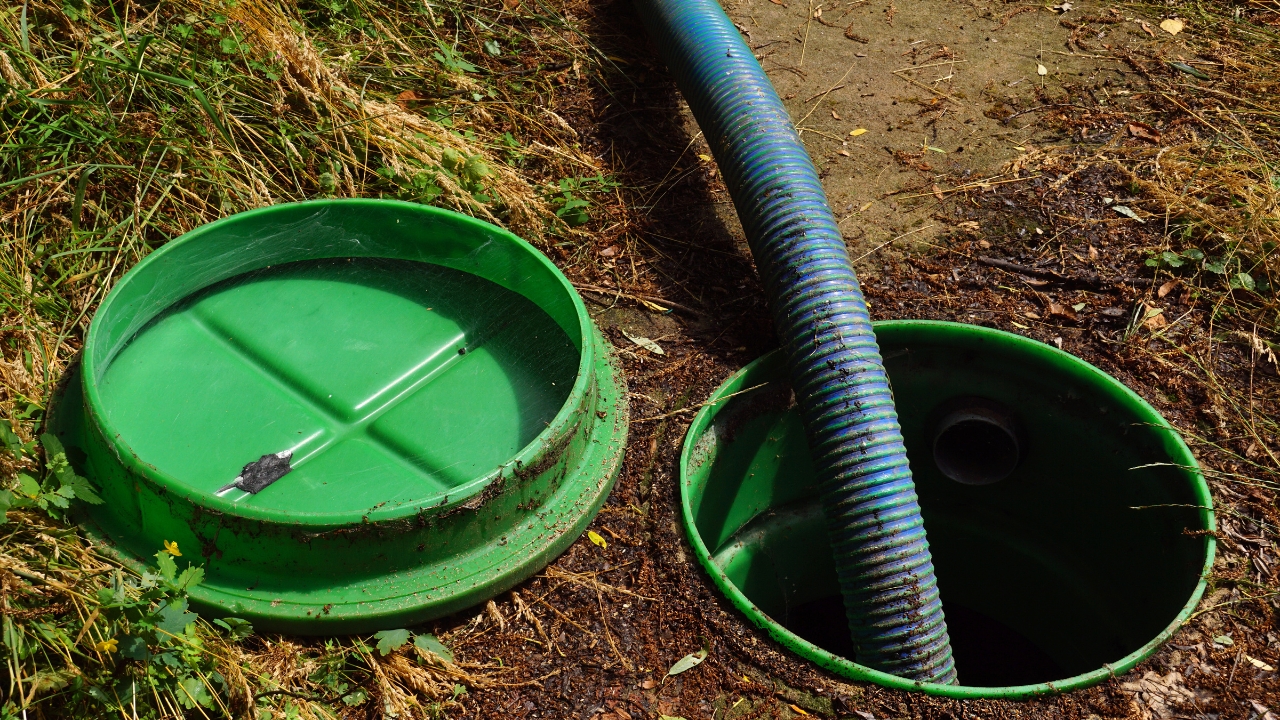
Once your well and septic are approved and installed, you’re on your own. Counties rarely follow up unless there’s a failure or complaint. That means you’re responsible for ongoing testing, pumping, and maintenance.
If you skip those checks, you could end up with contaminated water or a failing system that costs thousands to repair. It’s not glamorous, but it’s one of the most important parts of maintaining rural property.
They don’t care how your land actually functions day to day
At the end of the day, the county isn’t the one living on your land—you are. They don’t care if your driveway washes out every spring or your power flickers every time the wind blows. Their only job is to make sure you meet minimum requirements, not that your setup actually works well.
When you buy or build on land, your best protection is your own due diligence. The county can give you maps, permits, and records—but they can’t give you experience. That part is up to you.
Like Fix It Homestead’s content? Be sure to follow us.
- Man Says He Found Out the Fence He Paid For Wasn’t Actually on His Property
- Woman Says Her Neighbor Started Taking Mulch From Her Delivery Pile Before She Could Even Spread It
- I made Joanna Gaines’s Friendsgiving casserole and here is what I would keep
- What Caliber Works Best for Groundhogs, Armadillos, and Other Digging Pests?
*This article was developed with AI-powered tools and has been carefully reviewed by our editors.