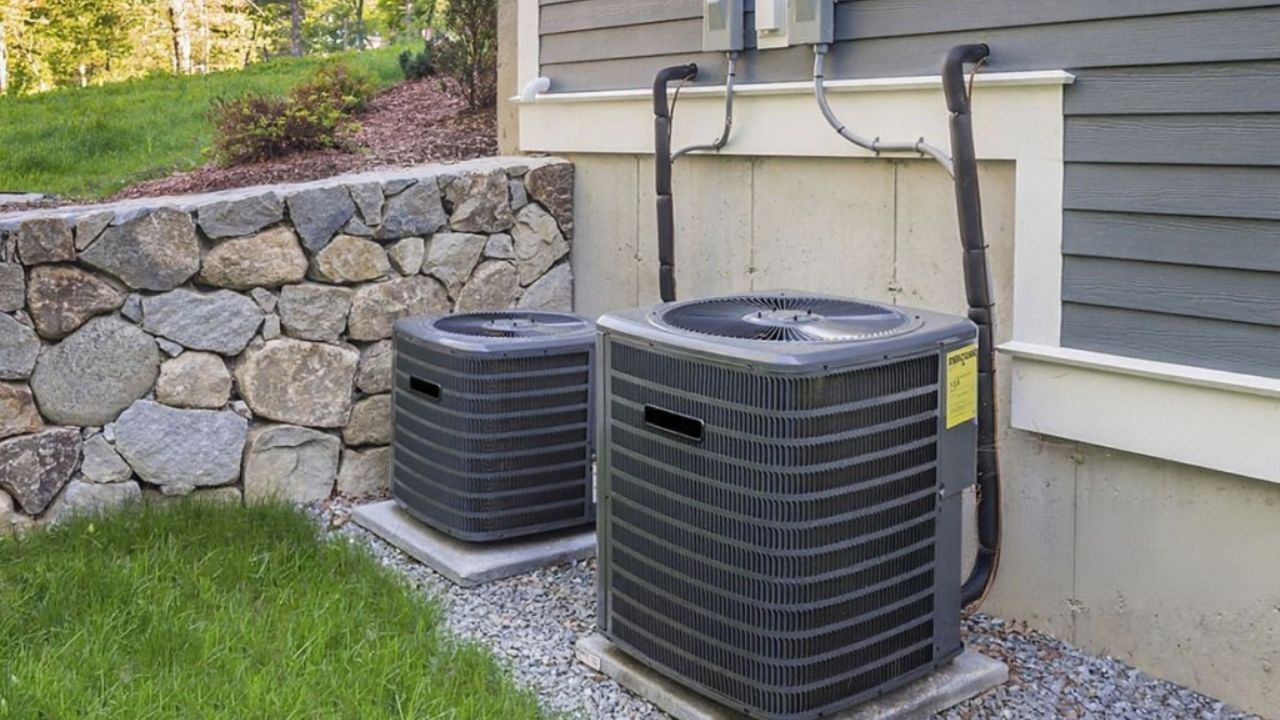
You don’t need a new system — you need this seal fixed
When your house starts feeling unevenly heated or cooled, it’s easy to assume the worst—that your HVAC system is dying. But before you spend thousands on a replacement, there’s a good chance the problem isn’t the unit at all.
It might be something as simple as a bad seal. A worn-out or leaky seal can make even a perfectly good system work overtime, costing you money every single month without you realizing it.
A bad seal can make a good system fail
Your HVAC system depends on an airtight setup to move heated or cooled air efficiently. When a seal breaks or loosens, that air escapes into the attic, walls, or crawlspace instead of the rooms you actually live in. The result? You end up paying for air that never reaches you.
Even a small leak in the ductwork, window frames, or around the air handler can make the whole system seem weak. It runs longer, the temperature fluctuates, and the energy bills creep up. You might think the system’s losing power, but it’s really just fighting against an air leak it can’t overcome.
Common places seals fail without you noticing
The most overlooked problem areas are duct connections, attic access doors, window seals, and around the air handler itself. Over time, the adhesive or foam that keeps them airtight dries out, cracks, or loosens.
If you feel uneven air pressure when you move between rooms, notice dust building up faster, or hear whistling or whooshing noises when the system kicks on, those are classic signs of air loss. You’re not imagining it—your system is literally pulling in or pushing out air where it shouldn’t be.
Duct leaks waste more energy than you think
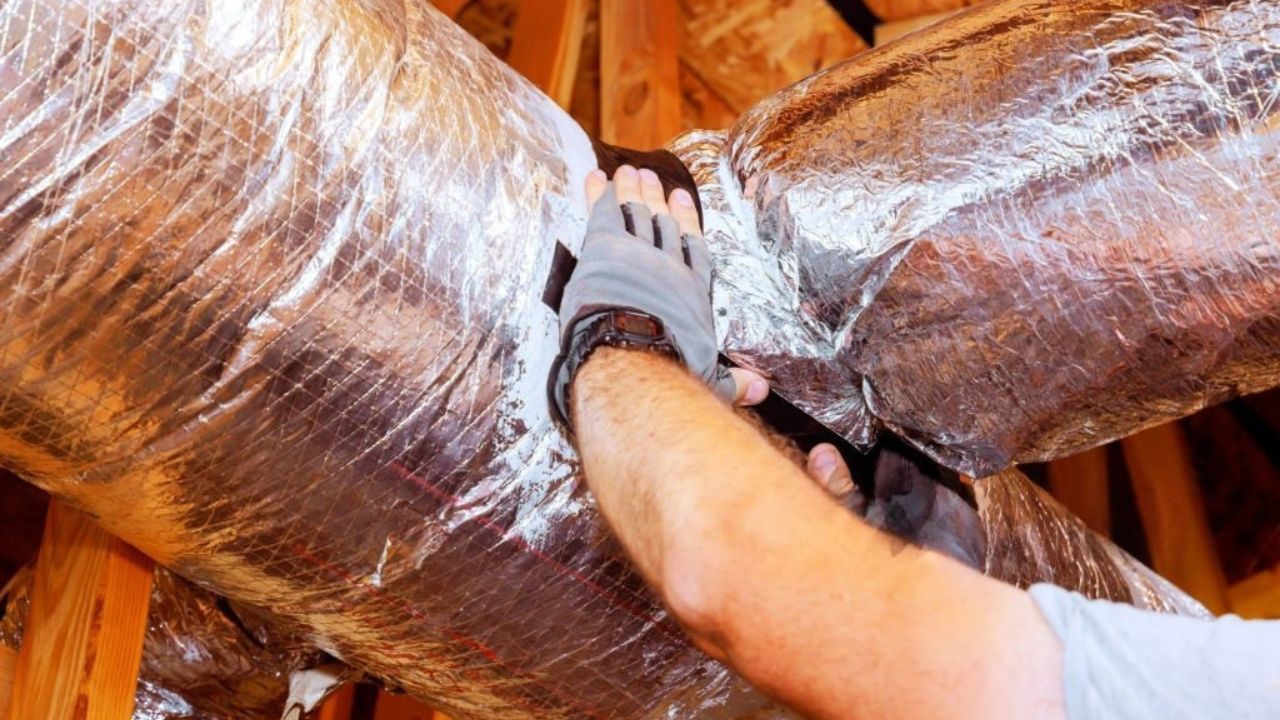
Ductwork is usually hidden, so it’s easy to forget about. But it’s also where some of the biggest leaks happen. Studies show that 20–30% of conditioned air can escape through leaks in ducts. That means for every $100 you spend heating or cooling your home, up to $30 of it is disappearing into the crawlspace or attic.
That wasted air forces your HVAC system to cycle longer to make up the difference. It’s like driving with your windows cracked open—the engine works harder for the same result. Sealing those joints with proper mastic or foil-backed tape can make an immediate difference in airflow and temperature consistency.
Window and door seals are sneaky culprits
Even if your HVAC system is airtight, weak seals around doors and windows can undo all that work. Gaps in weatherstripping and cracked caulk let conditioned air leak right outside. You’ll feel drafts near the baseboards or around the edges of the frames, especially when the wind picks up.
Replacing worn weatherstripping costs next to nothing but pays off fast. For older windows, resealing with silicone caulk can block major heat loss. These small fixes can easily shave down energy use and make rooms feel more stable in temperature again.
Don’t forget the attic and air handler
Your attic access door and air handler are often connected by ducts that rely on a tight seal to keep performance steady. If that door doesn’t close tightly or the handler’s gasket has deteriorated, you’ll lose warm air into the attic during winter and pull in hot air during summer.
Insulating the attic access and checking the gasket seal on the handler takes less than an hour but can make a surprising difference in how efficiently your system runs. You might even hear the system quiet down a bit once it’s no longer fighting pressure loss.
How to tell if your seal is the problem
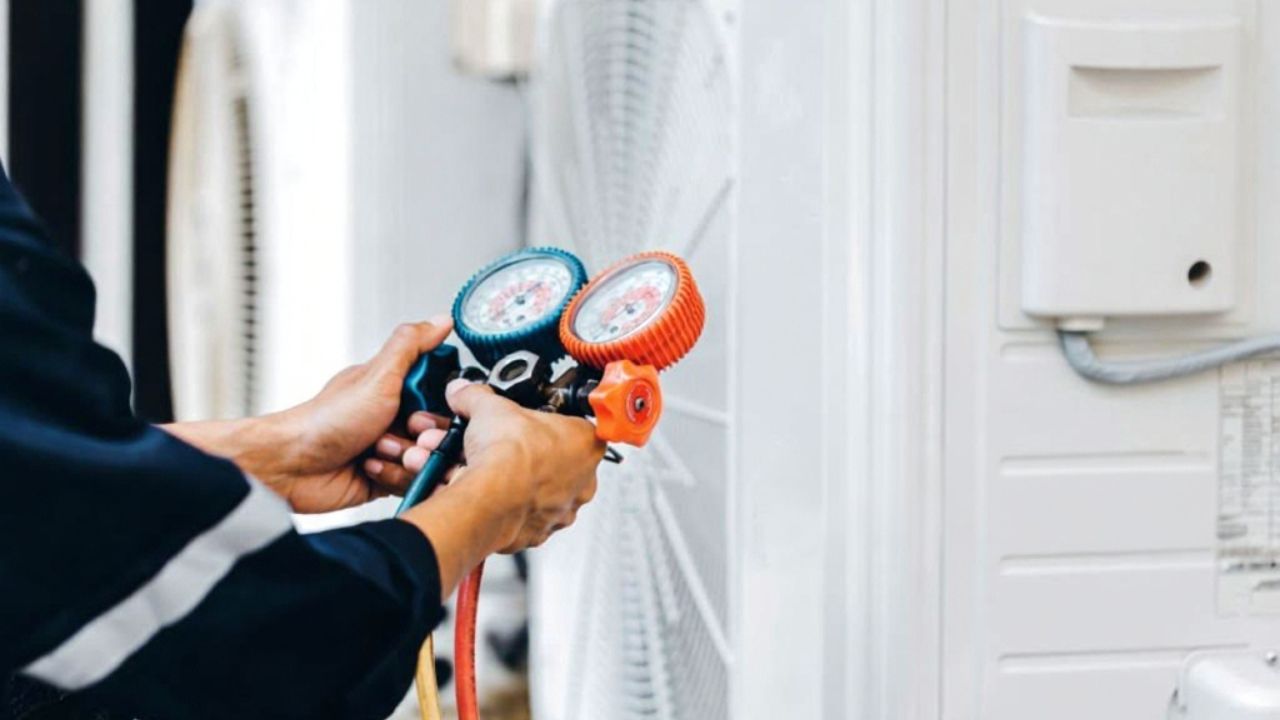
If your system runs constantly but can’t maintain a steady temperature, or if your energy bill has climbed even though usage hasn’t changed, that’s your first clue. You can also do a quick test: light a stick of incense and move it around vents, windows, and doors while the HVAC is on. If the smoke pulls or drifts sharply in one direction, air is moving where it shouldn’t be.
You can hire an HVAC technician to do a pressure test, but many homeowners can spot and fix smaller seal issues themselves. The key is knowing where to look—and not assuming every problem needs a full system replacement.
Replacing seals beats replacing systems
A new HVAC system might sound appealing, but if the seals are leaking, even a brand-new unit will struggle. Fixing the seal first ensures the air you’re paying for actually stays inside your home. You’ll immediately notice better airflow, steadier temperatures, and a quieter system.
And since most seal repairs are affordable—often under a few hundred dollars—it’s worth ruling them out before committing to something as costly as a full replacement. Sometimes, the smartest fix isn’t new equipment. It’s simply tightening up the setup you already have.
Like Fix It Homestead’s content? Be sure to follow us.
- I made Joanna Gaines’s Friendsgiving casserole and here is what I would keep
- Pump Shotguns That Jam the Moment You Actually Need Them
- The First 5 Things Guests Notice About Your Living Room at Christmas
- What Caliber Works Best for Groundhogs, Armadillos, and Other Digging Pests?
- Rifles worth keeping by the back door on any rural property
*This article was developed with AI-powered tools and has been carefully reviewed by our editors.