Your generator won’t work when you need it if you forget this
When the power goes out, everyone scrambles to get the generator running. But the people who panic the least are the ones who’ve actually maintained theirs.
You can spend a small fortune on a generator, but if you neglect one key detail—fuel, maintenance, or testing—it’ll fail you right when you need it most. A generator isn’t a set-it-and-forget-it kind of tool. It’s a machine that needs attention long before the lights go out.
Old fuel ruins everything
If your generator runs on gasoline or diesel, bad fuel is one of the biggest reasons it won’t start when it counts. Gasoline starts to break down after just a few months, especially when exposed to air or moisture. That degraded fuel gums up the carburetor and causes hard starts—or no starts at all.
If you store fuel long-term, use a stabilizer and rotate it every six months. Propane lasts much longer, but the lines, fittings, and regulators still need to be checked for leaks and wear. It’s not enough to have fuel nearby—you need good fuel that’s ready to burn.
Batteries don’t last forever
For standby generators, the battery is the heart of the starting system. If it’s dead, you’re dead in the water. The worst part? Batteries can go bad silently. They might show a full charge but fail to deliver enough power to crank the engine.
Checking the battery once or twice a year isn’t enough. Keep it charged, test it under load, and replace it every two to three years. If you’ve never checked it at all, that’s your red flag to do it now.
You can’t ignore oil and filters
Engines need clean oil to survive. Dirty oil thickens, collects debris, and makes your generator run hot or shut off under load. The same goes for air filters—clogged filters choke the engine, forcing it to work harder and burn more fuel.
Every generator has its own maintenance schedule, but a good rule of thumb is to change the oil after every 50–100 hours of run time. Even if you barely use it, change the oil once a year. A few minutes of maintenance can mean the difference between reliable backup power and a useless machine in a blackout.
You need to run it regularly
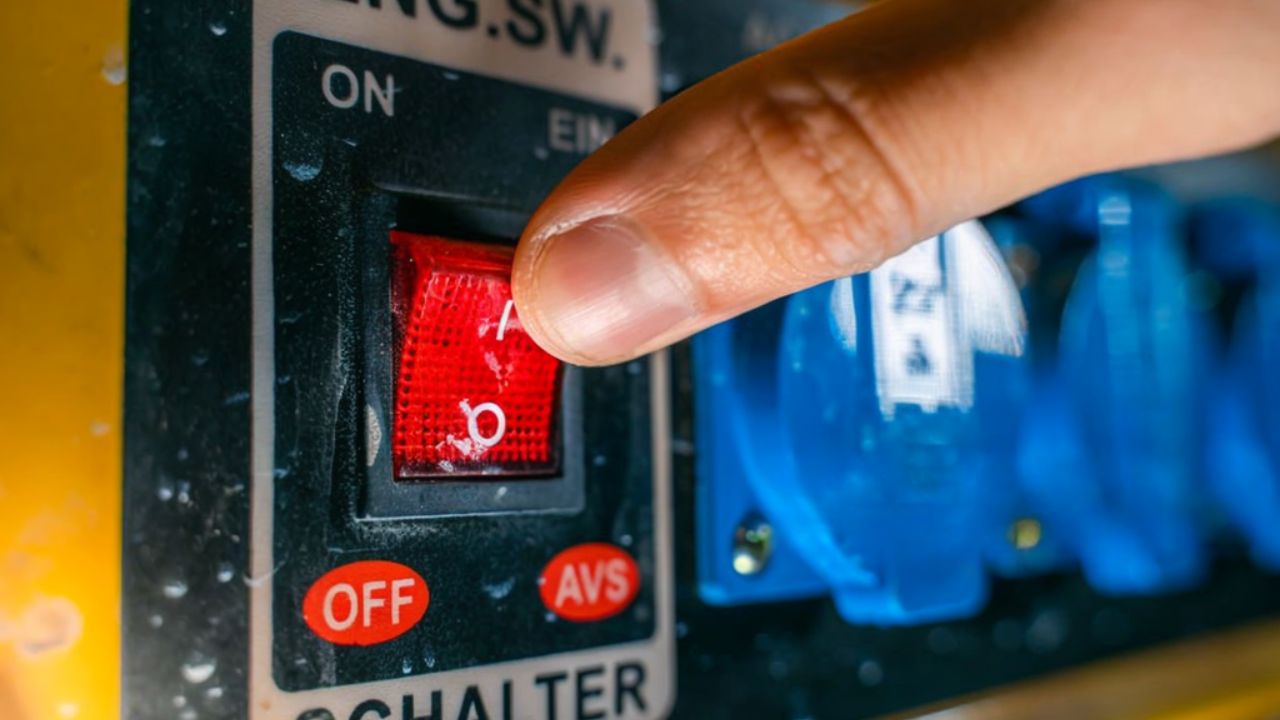
A generator that sits too long without running starts to corrode internally. Fuel separates, seals dry out, and small parts seize up. Running it every few months keeps the components lubricated and the carburetor clean.
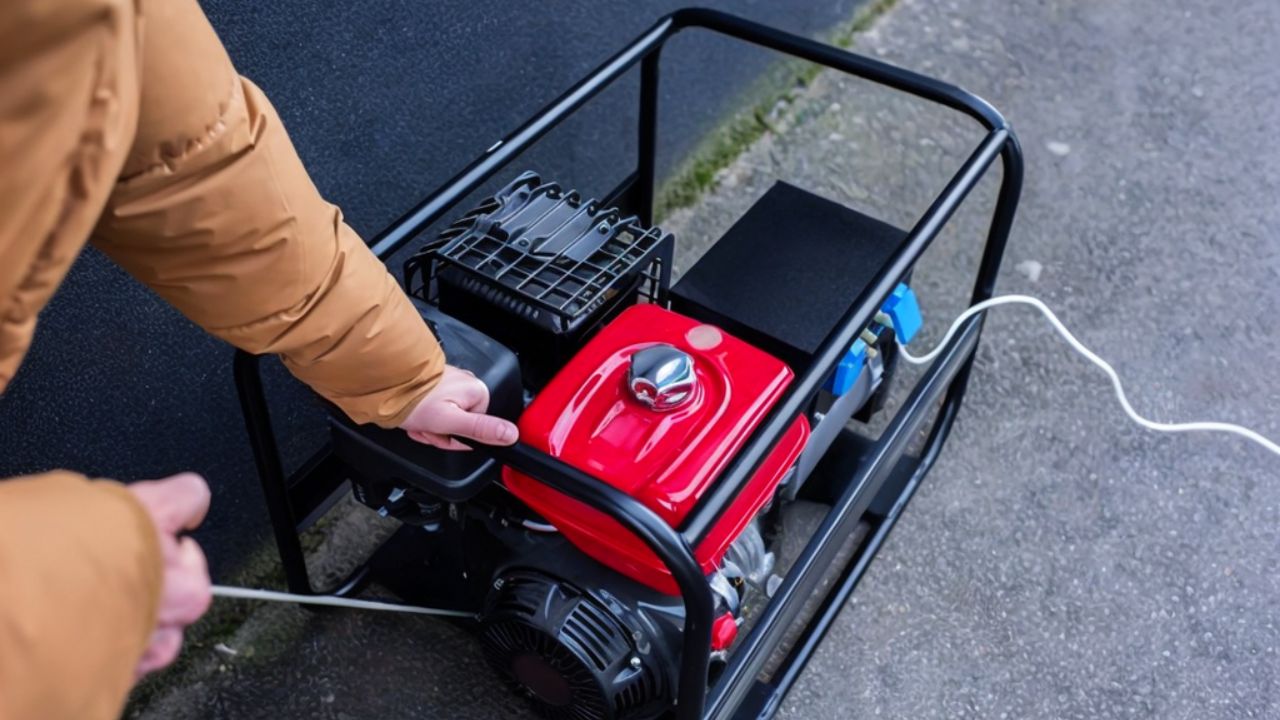
Don’t just start it for a minute and shut it down. Let it run under load—plug something in, simulate real use. That way, when the day comes that you actually need it, you know it’s capable of carrying the demand.
Extension cords can be the weak link
Even if your generator fires right up, bad extension cords can stop the power from reaching what you’re trying to run. Underrated cords can overheat or trip breakers, and damaged cords are a serious fire risk.
Use heavy-duty outdoor cords rated for the generator’s output. If your generator connects directly to your home, make sure it’s wired through a transfer switch—never a backfeed. That setup isn’t just illegal in many places; it’s deadly for utility workers.
Ventilation matters more than convenience
Every storm season, you hear stories of people running generators in garages or near open windows. It’s easy to forget how deadly carbon monoxide can be until it’s too late. Even with doors cracked or fans running, those fumes build up fast.
Always operate generators outdoors, at least 20 feet from your house, with the exhaust pointed away from any openings. It’s inconvenient when it’s raining, but the alternative is far worse.
You can’t trust your memory
It’s easy to think, “I know where everything is,” until you’re setting up in the dark with no power. Keep your fuel, oil, cords, and tools together in one spot. Label your containers and jot down the maintenance dates.
Write down startup instructions, too—especially if other people in your household might need to use it. When the lights go out, no one wants to be scrolling through their phone trying to remember which switch to flip first.
Test your setup before you need it
The time to find out something doesn’t work isn’t during an outage. Once or twice a year, run your generator as if the power were really out. Plug in what you’d need most—your fridge, freezer, or sump pump—and see if it holds the load.
Testing gives you a chance to spot issues early, like tripped breakers or fuel line leaks. It also helps you fine-tune your routine so you’re not figuring it out under pressure.
Protect it from the weather

Generators left out in the rain or snow deteriorate fast. Moisture leads to rust, electrical shorts, and corrosion. If you store yours outdoors, use a weatherproof cover and elevate it off the ground.
If it’s a standby unit, keep the area around it clear of leaves, grass, and debris. That airflow matters when it’s running for hours at a time.
Maintenance is the forgotten step
The number one reason generators fail when people need them isn’t bad luck—it’s neglect. They’re bought, tested once, then ignored for years. By the time a storm hits, something small—a battery, a seal, or a bad connection—takes the whole thing down.
The truth is, your generator will only take care of you if you take care of it first. That means checking it on clear days, not desperate ones. Because when the lights go out and everyone else is scrambling, the people who planned ahead are the ones still making coffee.
Like Fix It Homestead’s content? Be sure to follow us.
- Man Says He Found Out the Fence He Paid For Wasn’t Actually on His Property
- Woman Says Her Neighbor Started Taking Mulch From Her Delivery Pile Before She Could Even Spread It
- I made Joanna Gaines’s Friendsgiving casserole and here is what I would keep
- What Caliber Works Best for Groundhogs, Armadillos, and Other Digging Pests?
*This article was developed with AI-powered tools and has been carefully reviewed by our editors.