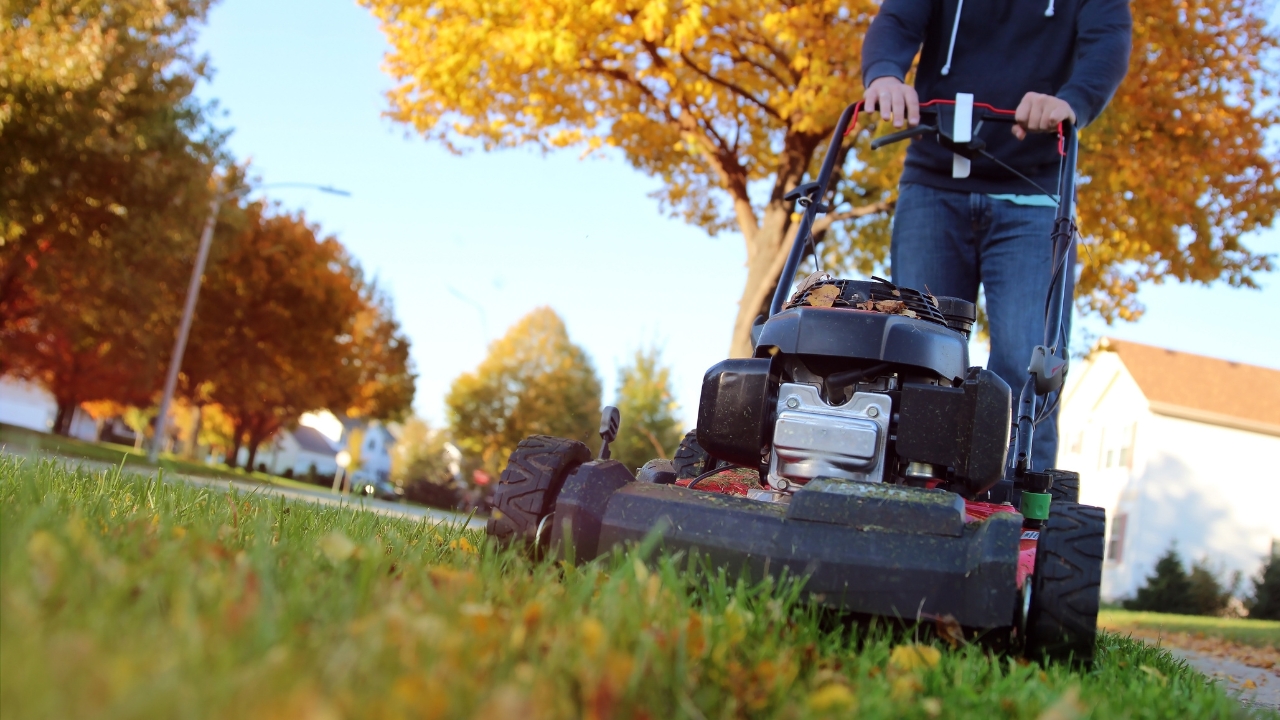
You’re mowing less—but doing this yard mistake puts you behind in spring
As fall sets in, most people breathe a sigh of relief when mowing season starts winding down. The grass slows, the days cool off, and the mower finally gets a break. But if you stop paying attention too early, you’re setting yourself up for a frustrating spring.
The biggest mistake homeowners make this time of year isn’t skipping a mow—it’s leaving their lawn too long before winter hits.
Why late-season mowing matters more than you think
Grass doesn’t stop growing the second the weather cools. It keeps growing until soil temperatures drop below about 50°F. That means if you pack away the mower too soon, your lawn may be a few inches taller than it should be going into dormancy. Long grass might not sound like a big deal, but it creates a perfect environment for disease, mold, and pests to take hold.
When grass lays over under snow or frost, it traps moisture. That’s where problems like snow mold start. The crown of the grass plant—the part that regrows in spring—can suffocate if it’s covered by wet, matted blades for months. You’ll see the result later as patchy brown spots or dead areas that take forever to green back up.
The right height before the first freeze
The ideal mowing height before winter depends on your grass type, but most cool-season lawns do best around 2.5 to 3 inches. That’s short enough to prevent matting but tall enough to protect the roots. Cutting too short before a freeze is just as risky—it exposes the crown to cold damage and dries the soil faster.
If you’re not sure where to land, aim for the middle ground. Lower the mower deck one notch for your final cut of the year, but don’t scalp it. You want a clean, even cut that leaves your yard looking tidy and helps it recover quickly come spring.
Don’t ignore those fallen leaves
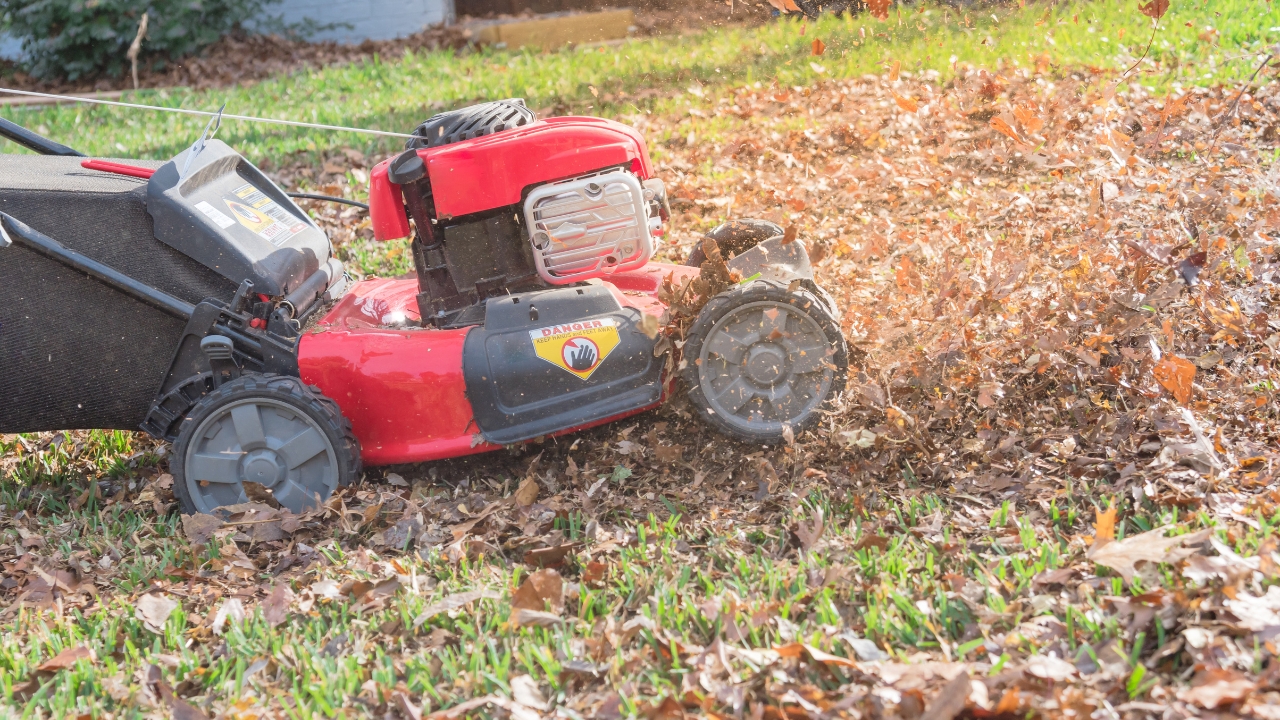
Another reason that last mow matters: it’s your best chance to clear debris and mulch leaves into the soil. Leaving thick layers of leaves smothers the grass and blocks sunlight. Even a thin layer traps moisture underneath, which can cause the same mold issues as long grass.
If you mulch your leaves with the mower, they’ll break down faster and feed the soil naturally. It’s an easy way to return nutrients to the lawn without extra fertilizer. Bagging is fine too—just don’t leave them sitting in piles for months.
Aeration and fertilizing make a difference now
Once mowing slows down, it’s the perfect time to aerate and feed your lawn before winter. Aeration helps loosen compacted soil and gives roots the oxygen and nutrients they need to handle freezing weather. Follow up with a slow-release fertilizer high in potassium, which strengthens the grass against cold stress.
Even if you skip aeration, feeding once before winter makes a huge difference in how your lawn wakes up in spring. It helps it store energy through dormancy and green up faster once temperatures rise again.
Why neglecting the last mow costs you in spring
When you skip that last cut or let the grass stay too long, you’re creating work for yourself later. Thick, matted turf takes longer to dry out in spring, making it harder to mow and more prone to fungus. You’ll also end up having to rake more, reseed bare patches, and fight weeds that sneak into thin spots.
A quick cleanup and one final cut before the first freeze prevent most of those problems. It sets your lawn up to wake up evenly, with fewer pests and less dead growth to deal with. Think of it as putting your yard to bed properly so it wakes up rested instead of ragged.
A strong finish beats a rushed start

Everyone gets eager to shut down yard work for the year, but spending one more afternoon on your lawn now saves you weeks of frustration in the spring. Sharpen your mower blade, lower the deck a notch, and make that last pass once your grass stops growing consistently.
When the thaw comes, your yard will green up faster, your mower will glide through evenly, and you won’t be stuck trying to fix winter’s damage. The secret to an easier spring isn’t more fertilizer or seed—it’s a clean, well-timed final mow that most people skip.
Like Fix It Homestead’s content? Be sure to follow us.
- I made Joanna Gaines’s Friendsgiving casserole and here is what I would keep
- Pump Shotguns That Jam the Moment You Actually Need Them
- The First 5 Things Guests Notice About Your Living Room at Christmas
- What Caliber Works Best for Groundhogs, Armadillos, and Other Digging Pests?
- Rifles worth keeping by the back door on any rural property
*This article was developed with AI-powered tools and has been carefully reviewed by our editors.