You’re storing batteries wrong if you keep them in the garage
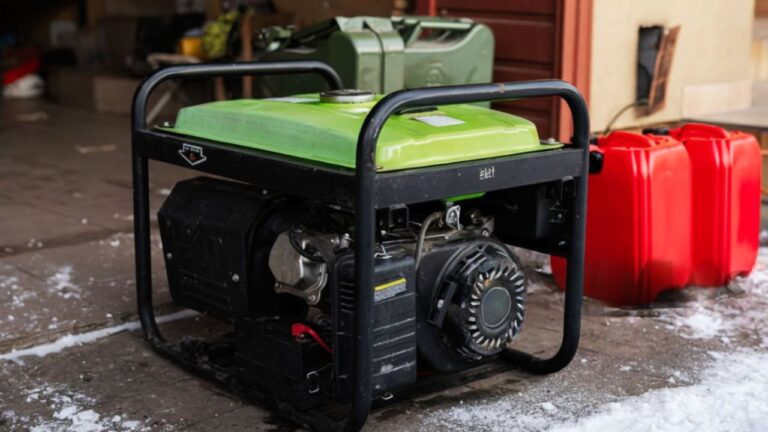
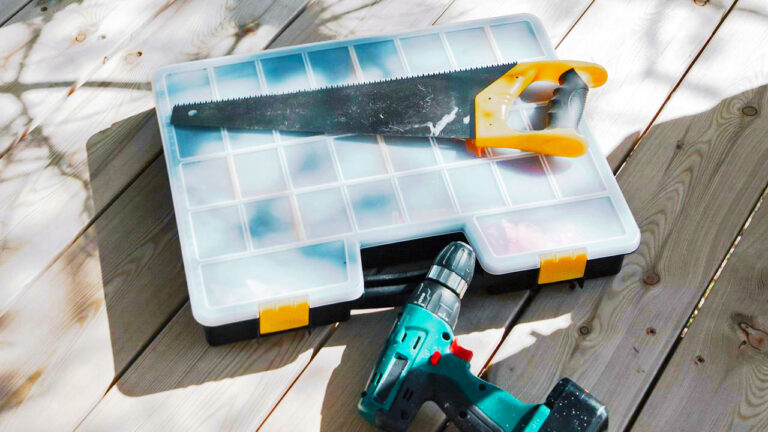
You treat your garage as the catch‑all for anything with a cord or a battery, from cordless drills to backup power packs. Yet the same space that protects your car from rain quietly chews through battery life, safety margins, and even warranties. If you are stacking cells on a garage shelf, you are almost certainly shortening their lifespan and, in some cases, increasing the risk of failure.
Instead of treating batteries as rugged hardware that can live anywhere, think of them as perishable components that respond to temperature swings, humidity, and how you store their charge. Once you do, the garage stops looking like a safe default and starts looking like the worst room in your house for long term storage.
Why the garage is so hard on batteries
Your garage is built for cars and lawn equipment, not for finely tuned electrochemistry. The biggest problem is temperature: most garages swing from winter cold to summer heat, sometimes within the same week. Battery specialists point out that garage battery storage often exposes cells to conditions far outside the range that designers expect for long periods of rest. When you park a box of alkaline cells or a stack of lithium packs next to the water heater or an uninsulated door, you subject them to cycles of expansion and contraction that slowly break down internal components.
Those swings are not just uncomfortable; they speed up the very reactions that you want to control. Technical guidance on why temperature matters explains that heat accelerates self discharge and aging, while cold reduces available capacity and can trigger plating and other damage. Even if you never see smoke or swelling, a pack that should give you an afternoon of work can feel tired after an hour because months on a garage shelf have quietly eaten into its performance.
Heat, cold and humidity: the triple threat
Heat is the stress you notice first, especially if you live where summer turns a closed garage into an oven. Research on the Effect of Temperature on lithium technology explains that all batteries experience a loss in performance at low temperatures, but high temperatures do something worse by permanently accelerating chemical breakdown. Consumer guidance on power tools echoes this, warning that hot temperatures can both runtime and safety, to the point where a pack left in a baking garage can vent or, in rare cases, end in a fire if a defect is already present.
Cold is not harmless either. Advice on winter care stresses that you should Store batteries at because repeated exposure to freezing conditions reduces available energy and can shorten life even if the pack seems fine once it warms up. On top of temperature, humidity adds a third stress. Technical guidance on Environmental Risks explains that section 1.1 High Humidity Impact and 1.2 Corrosive Factors describe how moisture and airborne contaminants attack metal parts, corrode contacts, and reduce safety, especially when corrosive factors become dangerous when moisture is present, which is exactly the environment you create in a damp garage.
Why “cool and dry” rarely describes your garage
You probably think of your garage as cooler than the driveway and drier than the outdoors, which makes it sound like a perfect place for storage. Guidance for drone and camera gear points out that Aug, While the garage might be your first idea of a controlled space, the reality is that it often fails the basic test of stable temperature and low humidity. One advisory bluntly notes that While the garage might feel safe, it subjects delicate packs to daily cycles that add up to months of extra aging every year.
Humidity science backs that up. A detailed analysis by Dr. Lee PAN, who is named as a Doctor of Science from Hubei University and a Postdoctoral Fellow in Materials Science and Engineering, explains that Air humidity plays role in both performance and longevity, and that test labs actively copy real world conditions to understand how moisture creeps into seals and interfaces. When you leave tool batteries on a shelf above a concrete slab that sweats in spring, or park a box of alkalines next to a garage door that leaks rain mist, you invite exactly the kind of condensation and corrosion that engineers try to avoid.
Safety myths, internet advice and what actually holds up
If you scroll through the Comments Section on hobby forums, you see a mix of reassurance and red flags. In one widely shared thread, a Top 1 percent Commenter insists that Properly made batteries will not just ignite on a shelf and that Either way you should avoid obvious abuse, then concludes that normal garage storage is fine. That perspective, captured in a discussion on Storing Li Ion packs, reflects a narrow focus on catastrophic failure instead of the slow grind of reduced capacity, higher self discharge, and growing internal resistance that you actually feel day to day.
Professional guidance paints a more demanding picture. A safety briefing on high humidity and corrosive sites explains that Sep, Environmental Risks and High Humidity Impact interact with High temperature and contamination to create a perfect storm for corrosion and leakage, and that 1.2 Corrosive Factors are especially dangerous when moisture is present, which describes many garages in coastal or industrial areas. Consumer facing myth busting goes further, warning that Feb, Storing a battery in a hot storeroom, a damp garage, or in direct sunlight degrades it while it sits unused and that Temperature fluctuations are not a pause between uses but an active source of wear, a point made explicit in a Debunking Battery Myths explainer.
How to store batteries safely and extend their life
Once you accept that the garage works against you, you can shift to a simple rule: treat batteries like pantry staples, not shop rags. Technical recommendations for long term storage of lithium packs advise that you aim for a stable, indoor location and avoid direct contact between cells. One guide answers the question Can Batteries Touch While They Are Stored by stating clearly that they should not, because When terminals make contact they can create a circuit, generate heat, and damage both the cells and anything around them, a point laid out in detail in a guide to long. That means you should keep loose cells in their original packaging or in dedicated organizers, never tossed together in a metal tin on a garage shelf.
For lithium packs that power tools, e bikes, or drones, you should also think about charge level. Guidance on Storage and Use of large batteries explains that Extreme heat speeds up the chemical reaction inside a battery and that damage from prolonged heat cannot be repaired, which is why you should avoid leaving fully charged packs in a hot space for weeks at a time, as outlined in a Storage and Use advisory. Practical home advice adds that Feb, Can You Store Power Tool Batteries in a Cold Garage is a real concern because Cold air, condensation and dust all work together in a typical Cold Garage to shorten life, and that Extreme cold followed by rapid warming is especially hard on seals and casings, a chain of effects explained in a Cold focused guide.
The practical alternative is simple. Move your batteries to an interior closet or cabinet where the temperature stays near room level and the air is relatively dry. Follow manufacturer guidance that Battery storage tips and state of charge dos and don’ts describe when they explain that One of the biggest things that reduces the life of any pack is exposure to extremes, and that Why you choose a stable environment is just as important as how often you charge, a point reinforced in a Battery focused checklist. If you still want quick access near the garage, you can mount a small insulated cabinet on the house side of the wall, which gives you convenience without sacrificing the controlled conditions that your batteries quietly depend on.
Like Fix It Homestead’s content? Be sure to follow us.
Here’s more from us:
- I made Joanna Gaines’s Friendsgiving casserole and here is what I would keep
- Pump Shotguns That Jam the Moment You Actually Need Them
- The First 5 Things Guests Notice About Your Living Room at Christmas
- What Caliber Works Best for Groundhogs, Armadillos, and Other Digging Pests?
- Rifles worth keeping by the back door on any rural property
*This article was developed with AI-powered tools and has been carefully reviewed by our editors.