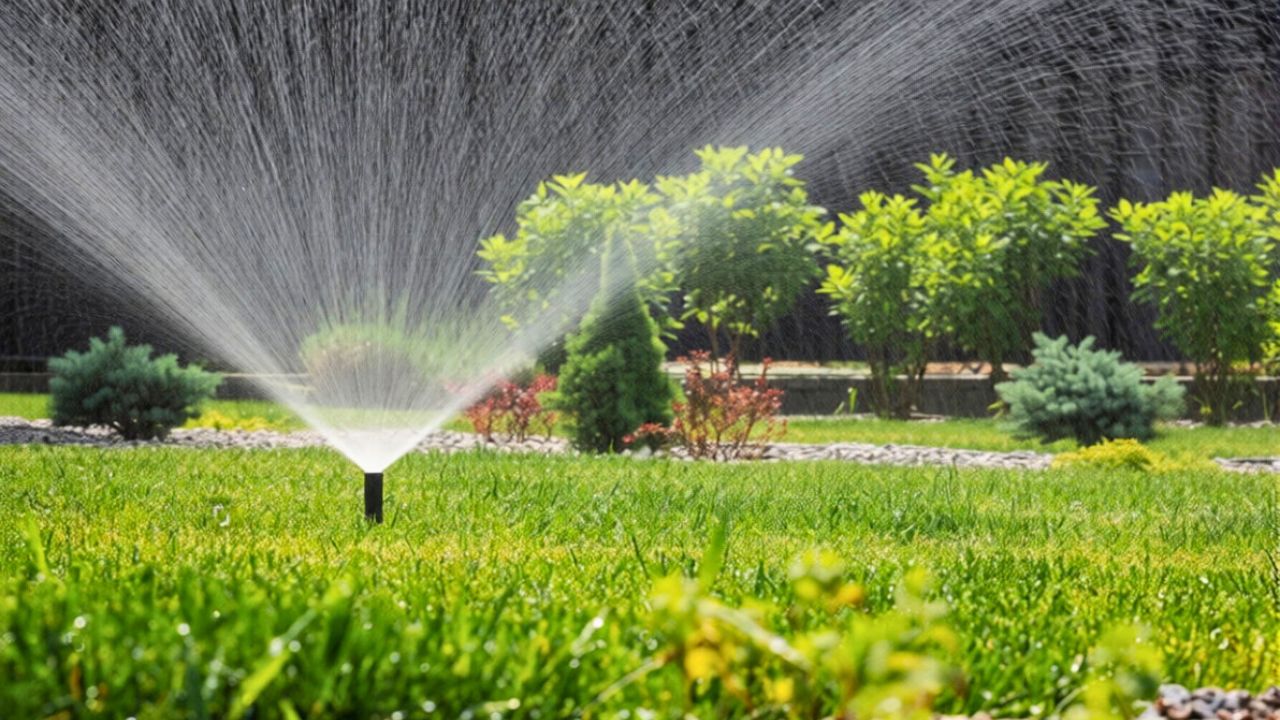
You’re wasting water if your sprinklers do this one thing
You put time and money into your lawn, but one quiet habit in your sprinkler system can undo much of that effort: running at the wrong pressure so the spray turns into a fine mist that drifts away instead of soaking in. When that happens, you are not just wasting water, you are paying for runoff, soggy spots, and stressed grass that still looks thirsty.
Once you know what to look for, you can spot that waste from the sidewalk. From misting spray and flooded corners to wacky controllers and leaking lines, the warning signs are visible if you pay attention, and small adjustments can keep your yard green without sending extra gallons down the street.
The one habit that wastes the most water
The single most damaging thing your sprinklers can do is run at a pressure that turns the spray into fog. When the water leaving each nozzle looks like smoke instead of clear, heavy droplets, wind can carry it off your property and heat can evaporate it before it ever reaches the soil. Many systems are installed on a municipal line with no pressure control, so they quietly operate far above what the manufacturer intended, and you pay for water that never reaches your plants.
Federal guidance on spray equipment notes that many irrigation systems run at higher pressure than recommended, which pushes flow rates up and sends more water into the air than the landscape can absorb. Combined with the way your yard slopes or the elevation changes in your beds, the problem compounds, and you can see puddles at the low end while high spots stay dry. That one issue, pressure that is too high for your heads, sits behind a surprising share of the waste you see on neighborhood sidewalks.
How high pressure turns sprinklers into fog machines
When you push more pressure through a spray head than it is designed for, the nozzle cannot form stable streams, so the water shreds into tiny droplets that hang in the air. Instead of a steady fan that lands in a defined arc, you see mist drifting across the driveway and into the street. The environmental guidance on spray products explains that operating a sprinkler increases flow and water waste, especially when supply pressure or elevation changes are involved.
Once misting starts, you lose control over where the water lands, and you see telltale streaks on fences, windows, and sidewalks. A local utility that tracks outdoor use describes misting as a condition where you cannot see individual droplets because the spray is so fine, and it lists that as a clear example of water that is being wasted rather than absorbed. If you stand back and your sprinklers look hazy instead of sharp, you are watching high pressure turn your irrigation into a fog machine.
The hidden cost: up to 60% of irrigation down the drain
High pressure and misting are not just cosmetic problems; they sit inside a broader pattern of waste that can swallow most of what you pay for. Research on residential irrigation has found that common problems such as leaks, broken heads, misaligned spray, and poor scheduling can push losses into a range where 30 to 60% of the water you run never does useful work. If your system is running at night for long cycles, that can mean thousands of gallons each month that simply move from your meter to the storm drain.
The same patterns show up at the scale of a single yard. A service that audits home systems points out that ignoring leaks, broken sprinkler heads, and misaligned nozzles is one of the most common water wasting mistakes in home sprinkler systems, and that those issues tend to appear together rather than in isolation. When you layer high pressure on top of that, you are essentially turning up the faucet on every flaw, so the share of wasted water climbs even higher.
Visual red flags: mist, runoff, and mushy turf
You do not need specialized tools to spot the worst waste, because your yard will show you. If you see water running down the curb while your sprinklers are on, or notice that the same low corner of your lawn is always soggy, you are watching runoff rather than irrigation. A regional contractor lists flooded or mushy areas as a clear sign that your system is wasting water, time, and money, because the soil has already reached saturation and cannot take in more.
Spray appearance offers another cue. The City of Round Rock describes water waste from misting as a condition where you cannot see individual drops, only a cloud that drifts away. If you walk your yard while the system runs and see fine spray blowing across the sidewalk, or notice overspray hitting the street or your neighbor’s fence, you can be confident that a portion of what you are paying for is not helping your lawn at all.
Why your controller might be part of the problem
Even if your pressure is dialed in, your controller can quietly undo your good intentions. When the schedule is set to run every day, or for long cycles in the middle of the afternoon, you are essentially programming waste into your routine. One irrigation company describes a “wacky” irrigation controller as one of the main ways your system could be wasting water, particularly when the settings no longer match the season or your current plantings.
Another contractor notes that if your watering schedule has not changed in years, while your yard, shade patterns, and plant mix have evolved, your signs your sprinkler is wasting water will show up as dry spots in some areas and overwatered patches in others. When you combine outdated programming with high pressure, the system delivers too much water too quickly, so you see runoff long before the soil has had a chance to absorb what it needs.
Leaks, broken heads, and the steady drip of waste
High pressure magnifies every small defect, especially leaks and damaged components. If a head is cracked or a seal has failed, extra pressure forces more water out of that weak point, so a minor drip becomes a steady stream. A conservation group that audits outdoor use reports that a single broken head can waste between 9 and 16 gallons per minute, and it lists broken heads among your sprinklers’ biggest water wasters, especially when they run unnoticed at night.
Contractors who maintain residential systems describe ignoring leaks and as a common habit that quietly drives up your bill. If you see a geyser in one zone or notice a head that never pops up, you can assume that section is not watering correctly, and that the rest of the system is compensating by running longer. When you add high pressure to that mix, the wasted volume climbs quickly, and you may still see brown spots because the spray pattern is no longer uniform.
Timing mistakes that turn good watering into waste
Even with perfect hardware, watering at the wrong time of day can undo your efforts. Running your system in the heat of the afternoon exposes every droplet to higher evaporation, and if the spray is already misting, much of it disappears before it reaches the roots. A guide on efficient lawn irrigation warns that running your sprinkler system during hot, windy conditions encourages both water loss and fungal growth, and it frames better technique as the key to cutting waste.
Local specialists who work in hot, dry summers, such as those who service Spokane lawns, point out that by July many yards are stressed and homeowners are tempted to run longer cycles. One guide on how to tell notes that when you see runoff or puddling during those longer runs, you are simply exceeding what the soil can take in at once. Shorter, multiple cycles at cooler times of day, combined with pressure that prevents misting, give your lawn a better chance to absorb what you apply.
What happens inside the pipes when the system shuts off
Water waste does not stop the moment your controller turns a zone off. Every time your irrigation system shuts down, the water left in the lateral lines drains out of the lowest heads, which can create small but steady puddles in those spots. A conservation message shared under the banner “Stop the Drain, Save the Green” explains that every shutoff can send line water out of the lowest sprinkler heads, especially when all the heads are the same type and lack check valves.
When your system already runs at high pressure, that drainage can be even more pronounced because more water is packed into the lines. Over time, that repeated emptying and refilling can contribute to erosion around heads, uneven turf moisture, and more frequent repairs. By pairing pressure regulation with heads that include check valves, you give yourself a better chance to keep that “every time your irrigation system shuts off” loss from becoming another quiet source of waste.
How to fix the pressure problem before next watering day
You have several ways to tackle the pressure issue before your next scheduled run. The most direct is to install pressure regulating devices that bring the system into the range your heads were designed for, which is exactly what federal guidance on operating spray sprinklers recommends when supply pressure or landscape elevation changes are driving waste. You can do this at the valve level with pressure regulating bodies, or at the head level with pressure regulated spray heads that keep each nozzle in its ideal zone.
Scheduling changes can help at the same time so you are not compounding pressure waste with timing mistakes. A guide that lists wasting water as a sign of an outdated schedule suggests revisiting your run times and frequencies whenever your plantings, shade patterns, or local rules change. If you combine that with a quick walk-through to repair broken heads, address leaks, and correct obvious overspray, you give yourself a realistic path to cut waste before your next watering day without sacrificing the health of your lawn.
Like Fix It Homestead’s content? Be sure to follow us.
Here’s more from us:
- I made Joanna Gaines’s Friendsgiving casserole and here is what I would keep
- Pump Shotguns That Jam the Moment You Actually Need Them
- The First 5 Things Guests Notice About Your Living Room at Christmas
- What Caliber Works Best for Groundhogs, Armadillos, and Other Digging Pests?
- Rifles worth keeping by the back door on any rural property
*This article was developed with AI-powered tools and has been carefully reviewed by our editors.