10 Appliances That Drain a Generator Faster Than Expected
Photo credit: Chebotaeva Ekaterina/Shutterstock.com
A generator feels like a big, steady bucket of power until you start plugging in the wrong stuff. Some appliances hit it with a hard startup surge. Others run nonstop in a way that quietly eats fuel. If your run time never matches what you expected, these are the usual culprits.
1. Electric Water Heaters On Breaker
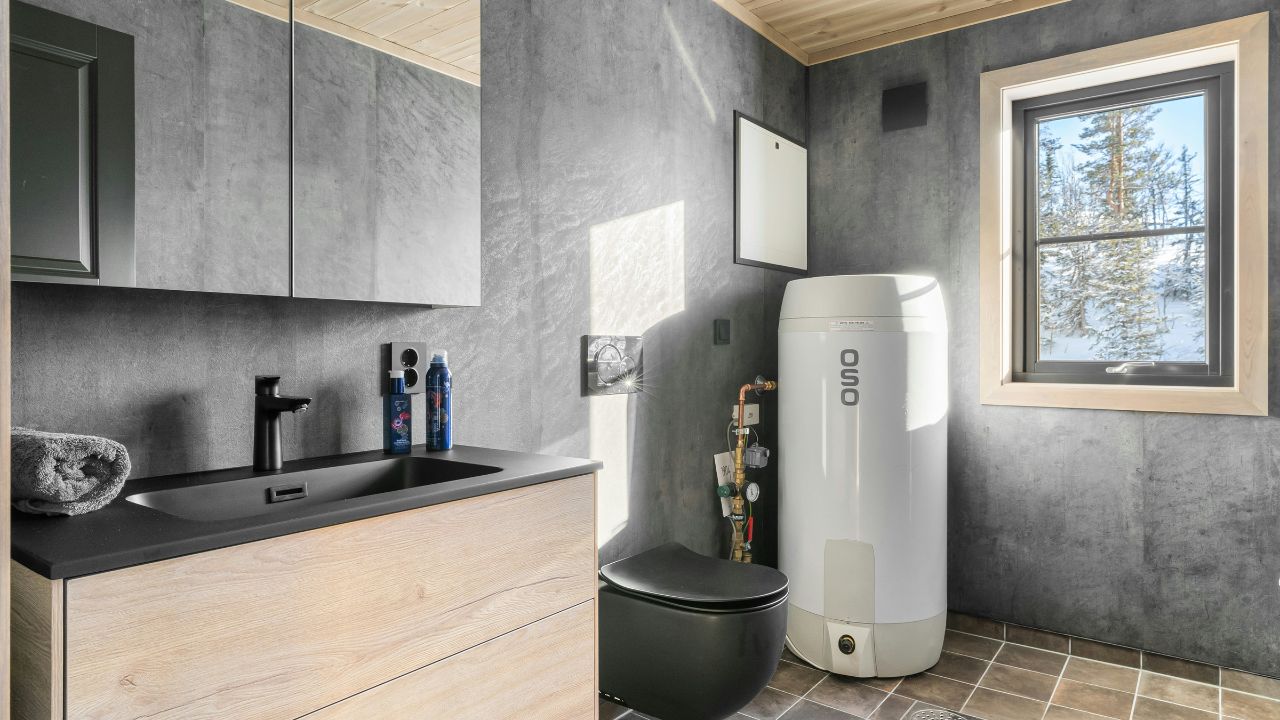
Flip on a breaker and the generator suddenly sounds loaded down, the engine note drops, and the fuel gauge starts moving like it means it. Standard electric water heaters pull a lot of watts and they run long enough to matter. If you’re on a smaller portable unit, a water heater can hog most of what you’ve got all by itself.
The fix is simple: don’t heat water with generator power unless you sized the generator for it. Turn off the water heater breaker at the panel and leave it off during generator time. Heat water on a propane camp stove, use a kettle, or take “navy showers” with a solar bag when it makes sense.
2. Electric Clothes Dryers And Combo Units

If you try to dry a load during an outage, you’ll learn fast how “big” your generator really is. Electric dryers are high-draw heaters with a motor on top, so they hit you twice. They also tend to cycle on and off, which keeps the generator from ever settling into an easy, fuel-sipping rhythm.
Hang racks, a clothesline, or a dehumidifier in a small room you’re already powering. The cheap option is fine here. A few lines of paracord and clothespins beat burning gas to get a towel dry.
3. Space Heaters That Pretend They’re Small

The little ceramic cube heater looks harmless until it clicks to “High.” Most plug-in space heaters are basically a toaster with a fan, and they’ll draw near the full rating of a standard household circuit. Run one for hours and you’re converting gasoline into warm air in the least efficient way possible.
Dress the house down instead. Close off rooms, hang a blanket over a doorway, and heat one space with a vented propane heater or wood stove if you have it and you use it safely. If you do run an electric heater, treat it as a short burst, not an all-night plan, and keep it on a heavy gauge cord rated for the load.
4. Well Pumps With Hard Starting Loads
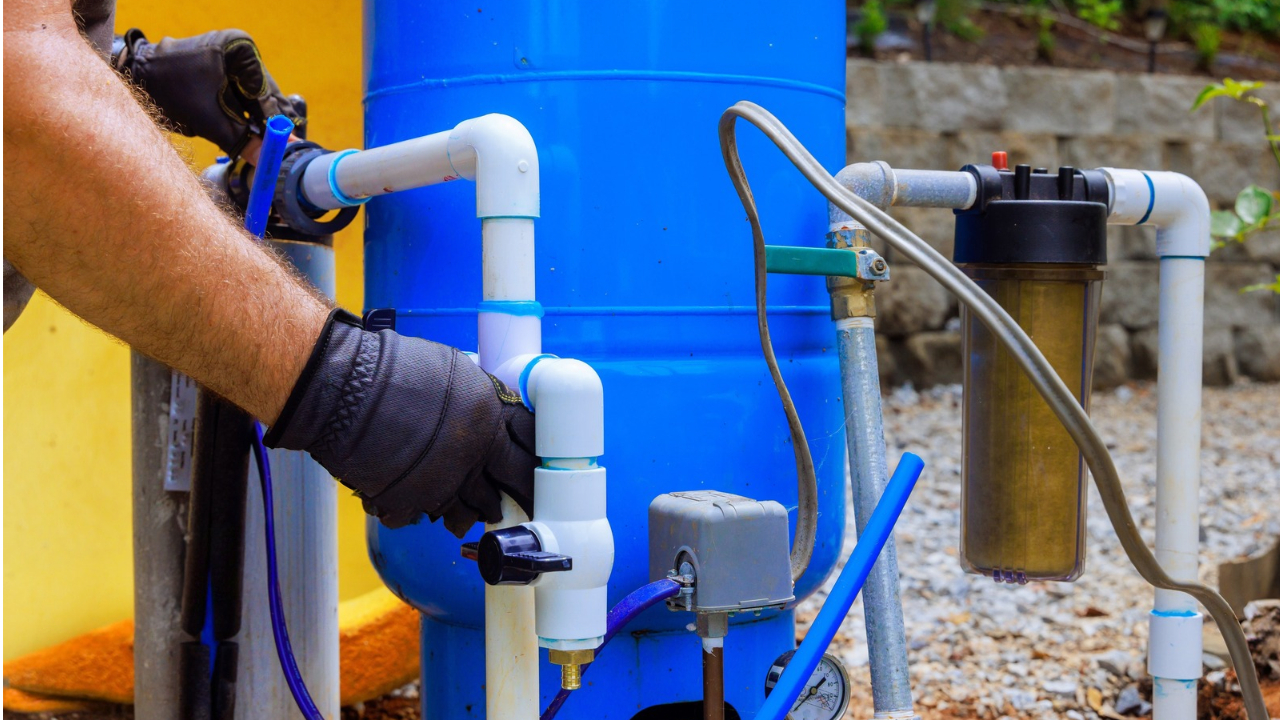
A well pump can be a generator bully. Even if the running wattage seems reasonable, the startup surge can spike high enough to lug the engine or trip the breaker. You’ll hear the generator grunt, lights dim, then the pump catches and everything stabilizes, but that surge repeats every time pressure drops.
Stretch out pump cycles by filling containers or a bathtub when the generator is already running for other needs. If the pump struggles to start, a pressure tank that’s waterlogged or a failing pump can make it worse, and that’s not a “wait and see” situation. Any work at the well head or wiring should be handled by a qualified well or electrical pro, and local codes apply.
5. Sump Pumps During Heavy Rain
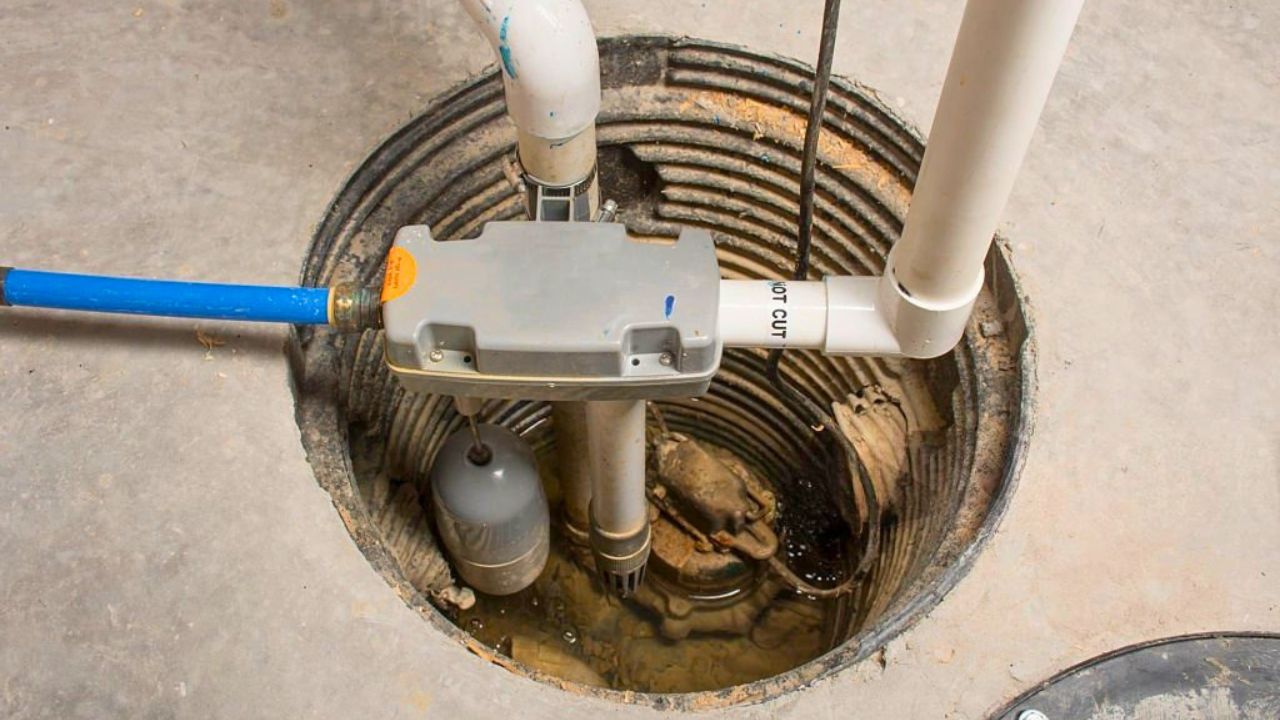
The worst time to learn this one is a spring downpour. A sump pump can run often or even nonstop if groundwater is high, and that steady run time chews through fuel while you’re busy with other storm problems. If the discharge line is frozen, crushed, or dumping too close to the foundation, the pump will cycle like crazy.
Check the discharge outside before bad weather, clear the end, and route water far from the house. If you’re on generator power, listen for short cycling, the pump kicking on every minute or two. Fixing drainage, adding downspout extensions, or improving grading saves fuel and saves the pump.
6. Refrigerators With Dirty Coils Or Two Doors
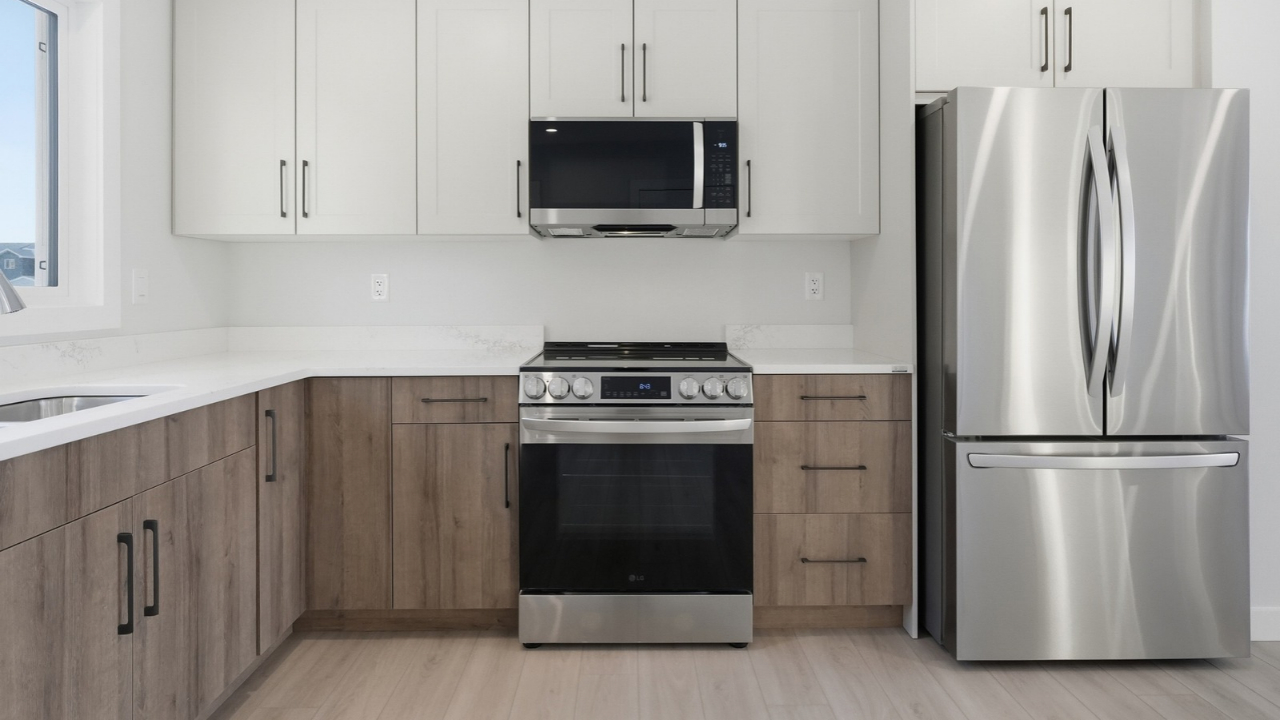
A fridge doesn’t look like a big load, but it runs all day and it hates heat. Dust-caked condenser coils make the compressor work longer, and older units can pull a lot more power than you’d guess. You’ll notice the generator cycling from idle to load more often, even when “nothing’s on.”
Unplug, pull it out, and vacuum the coils and the floor behind it with a crevice tool. Keep door openings tight, and move the most-used items into a cooler so you stop standing there deciding. One exception: if you’ve got a newer high-efficiency fridge, it’s usually a reasonable use of generator power as long as you don’t also run other big loads at the same time.
7. Chest Freezers Packed With Warm Food

Freezers are normally manageable, then someone stuffs in room-temp meat, garden produce, or a pile of still-warm leftovers. The compressor will run and run trying to pull that heat back out, and your generator pays for it in fuel. If the lid gasket is tired, it gets worse fast.
Pre-chill what you can, freeze in smaller batches, and keep the lid shut. A simple dollar-bill test on the gasket tells you a lot, close the lid on the bill and see if it slides out too easy. If it does, clean the gasket and mating surface first, and replace the seal if it’s cracked or deformed.
8. Window AC Units In Humid Heat
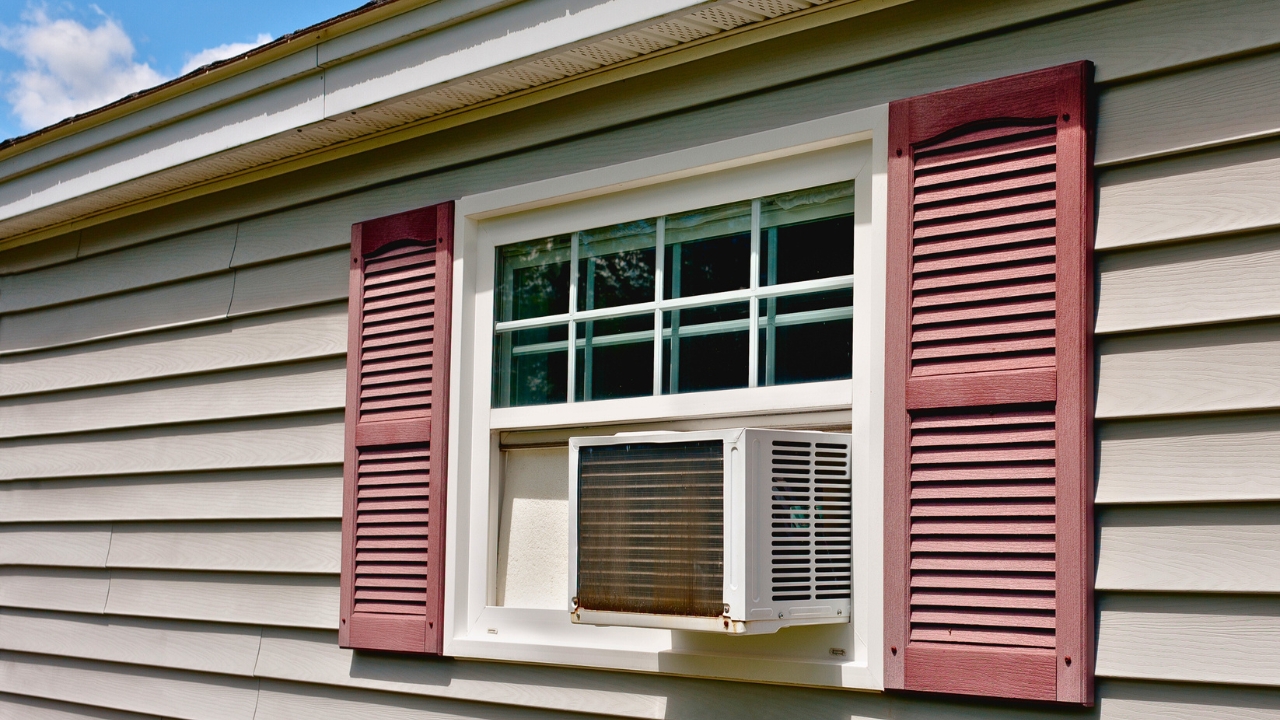
Portable generators and window AC don’t get along unless you planned for it. Air conditioners have a big startup surge, then they keep drawing steady power while fighting humidity. On a sticky day, they barely cycle off, so your “just for a bit” cooling plan turns into a fuel drain.
Start with shade and airflow. Close blinds on the sunny side, run a box fan, and cool one room with the door shut. If you do run a window unit, pick the smallest one that handles a single room, and don’t stack it with other heavy loads.
9. Microwaves And Countertop Hot Plates
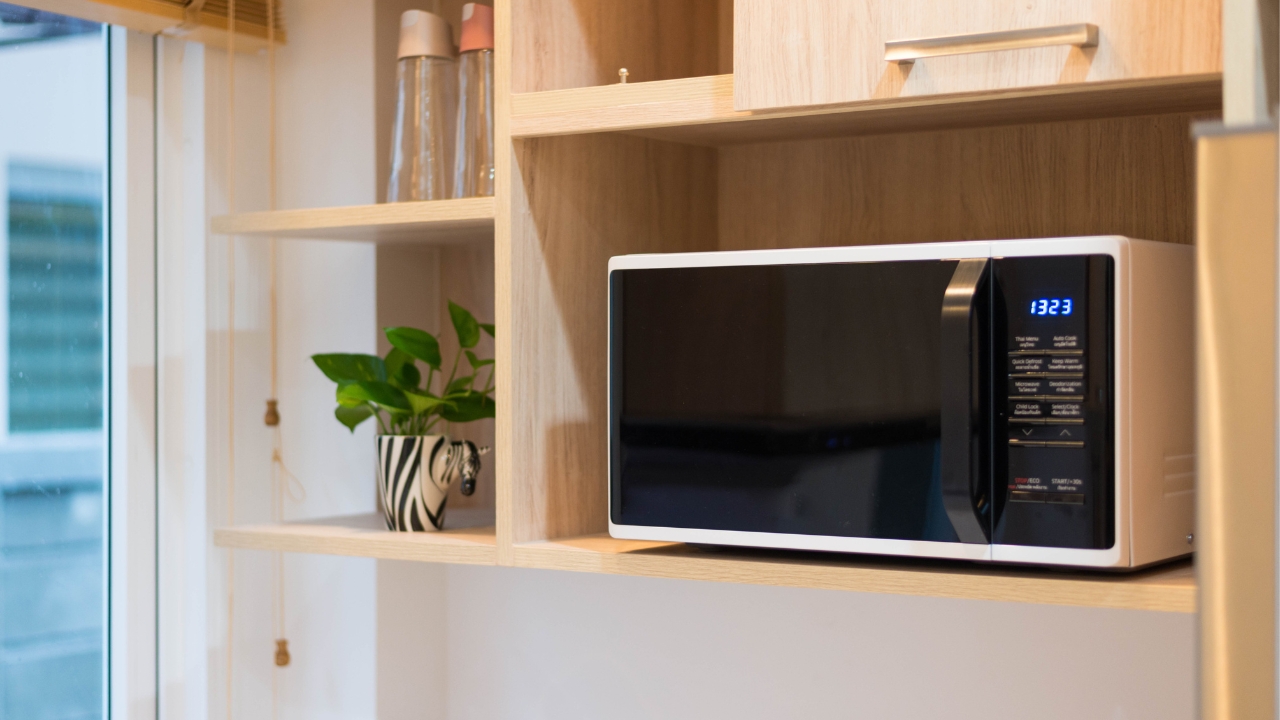
Microwaves look quick, but they hit hard. They draw a big chunk of power while they run, and cheap modified-sine inverters and some generators make them sound strained or louder than normal. Countertop hot plates are even worse because they run longer, and you forget they’re on.
Use propane for cooking when you can, even a basic camp stove outside or in a well-ventilated, code-appropriate setup. If you’re cooking inside, stick to short microwave runs and do it while other loads are off. You’ll feel the difference in generator sound right away.
10. Battery Chargers And Shop Chargers Left All Day
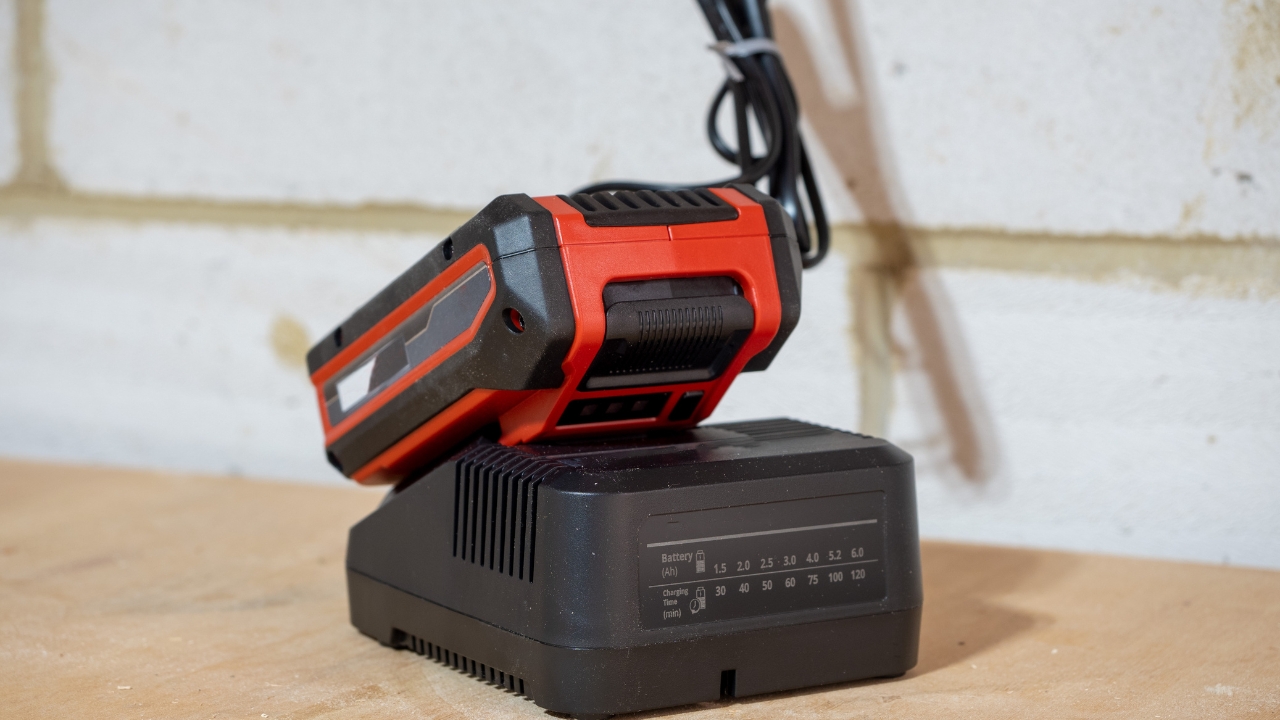
This one is sneaky. Tool battery chargers, cordless vac docks, e-bike chargers, and “smart” car battery maintainers sip power for hours, and some never really shut off. You don’t hear them, but the generator runs longer to cover the steady extra draw.
Charge in blocks. Plug chargers in when you’re already running the generator for the fridge or the well, then unplug when the batteries are topped off. If you need overnight battery charging, a small solar panel and a proper charge controller often makes more sense than burning fuel for a trickle load.
Before the next outage, walk your panel and decide what stays off, then tape a simple note inside the generator cover. The best run time gains usually come from fewer hours, not a bigger generator, and from keeping the big heating loads away from it.
Like Fix It Homestead’s content? Be sure to follow us.