10 “cheap” products that’ll cost you $400 in replacements later
Photo credit: Cooker King/Unsplash.com
It’s tempting to grab the lowest-priced version of something and call it a win. But when those “cheap” products break or fail faster than they should, you’re stuck paying for repairs or replacements that add up way past the upfront savings. Some budget buys are fine, but others will drain your wallet in the long run. Here are ten products that might look like a deal at checkout but can end up costing you hundreds later.
Low-quality power strips

Cheap power strips often don’t have proper surge protection, which means one lightning strike or power surge can fry your electronics. Spending $8 instead of $20 on a strip may not seem like a big deal until your $600 TV is toast.
Look for strips that are UL-listed and have a joule rating of at least 1,000. That extra investment keeps your devices safe and avoids the cost of replacing them after a surge.
Bargain extension cords
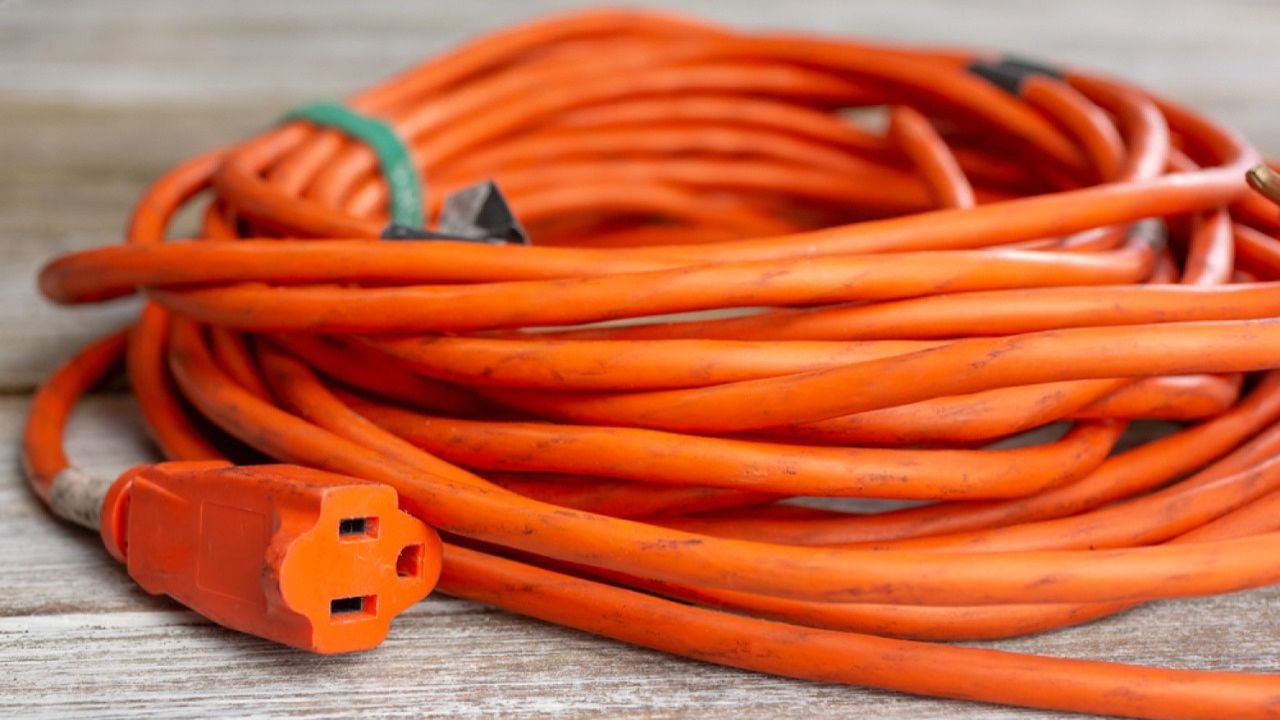
Thin, no-name extension cords can overheat, melt, or even spark under regular use. Not only does that create a fire risk, but it also shortens the life of the tools or appliances you plug into them.
For a few extra dollars, you can get a heavy-duty, grounded cord rated for the right amps. It’ll last years longer and keep you from spending hundreds on damaged equipment.
Cheap nonstick pans
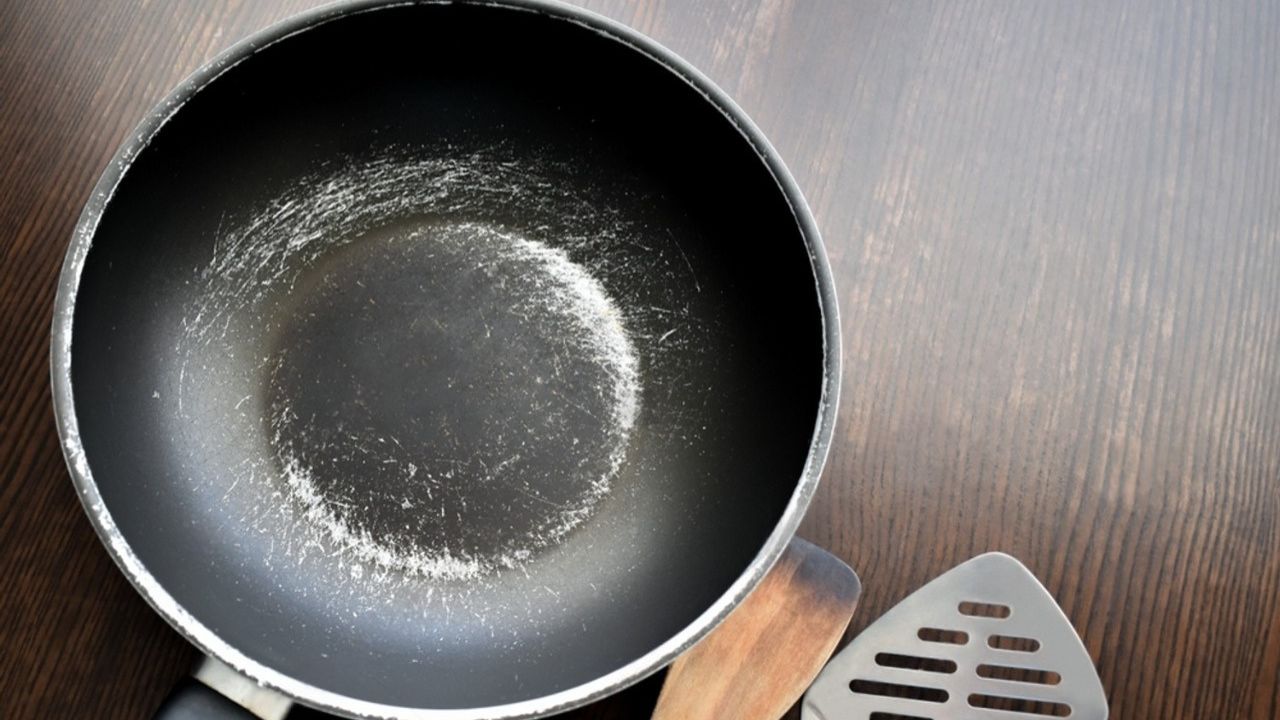
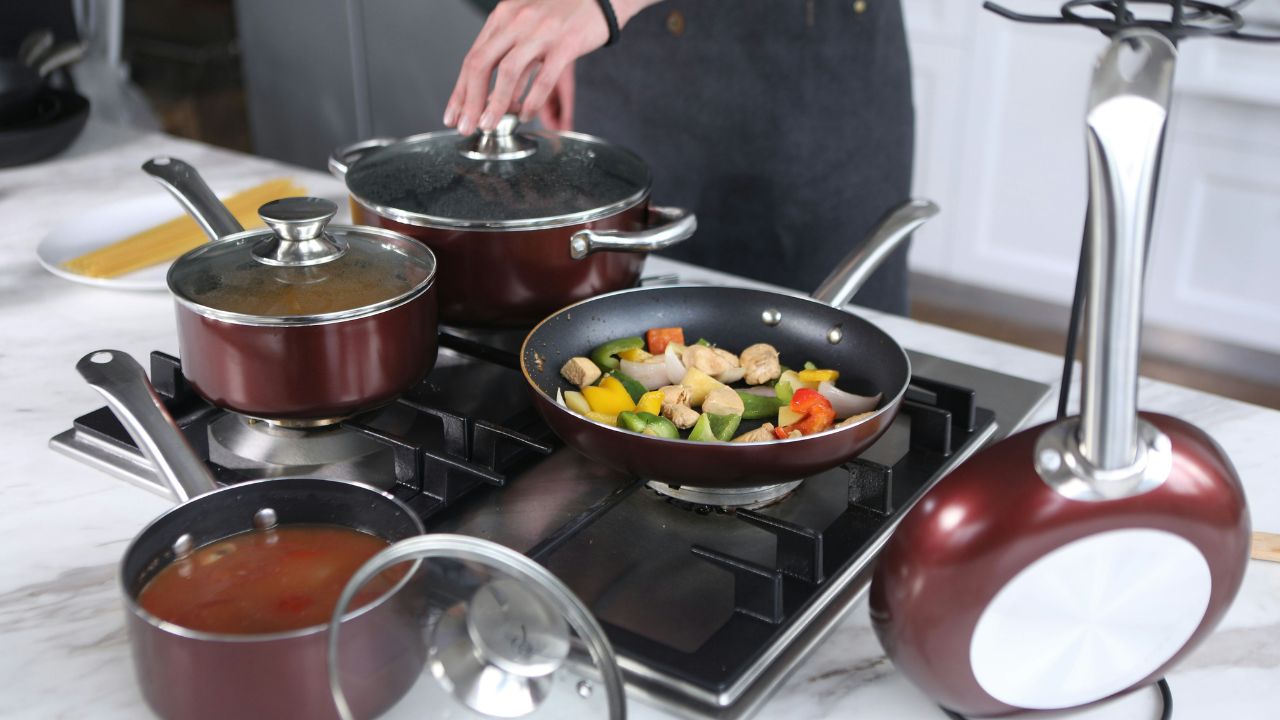
The bargain pan might cook eggs fine for a month, but the coating scratches and flakes quickly. Once that happens, food sticks, cleanup gets worse, and you’re back to buying another pan—or two or three over the year.
Higher-quality nonstick or stainless-steel pans may cost more upfront but save you in the long run. A cheap pan habit can easily cost hundreds over time.
Dollar-store phone chargers
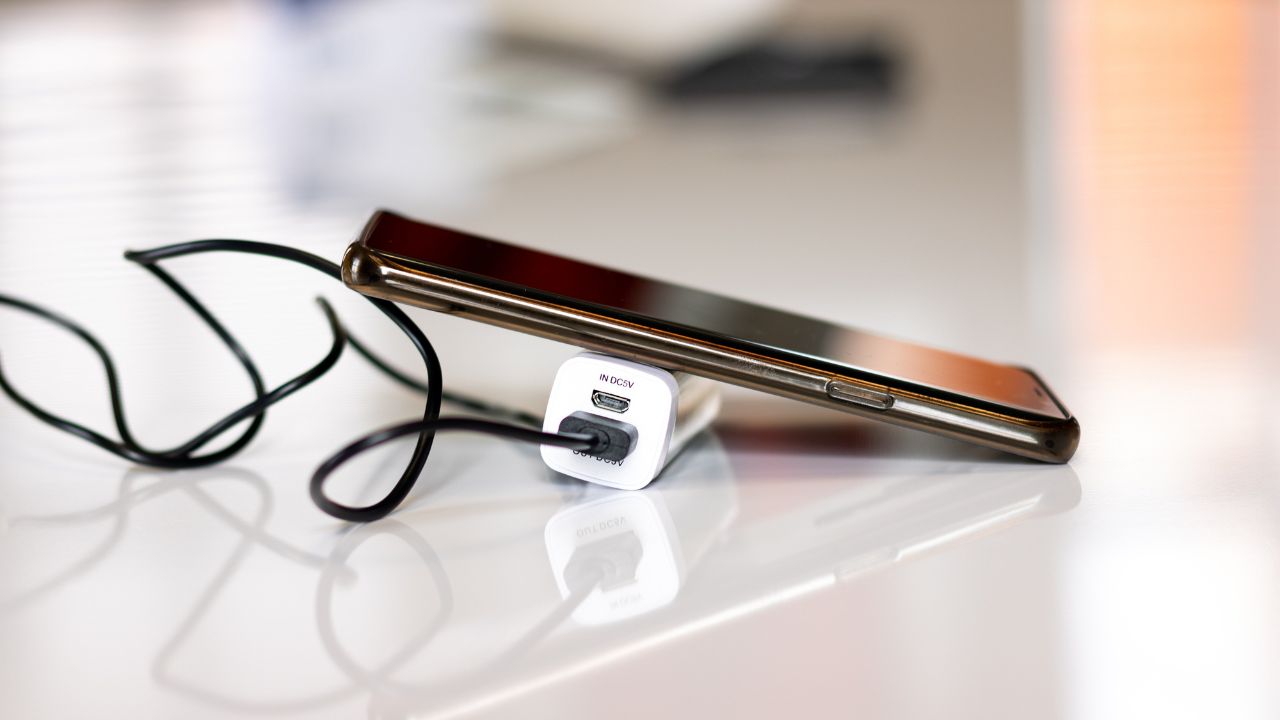
Knockoff chargers are known to fail fast and can even damage your phone battery. Saving $10 at checkout doesn’t mean much when your phone loses battery health months earlier than it should.
Buying certified cables and chargers protects your phone, which can easily cost $800 or more to replace. A charger isn’t where you want to gamble on quality.
Inexpensive drill bits
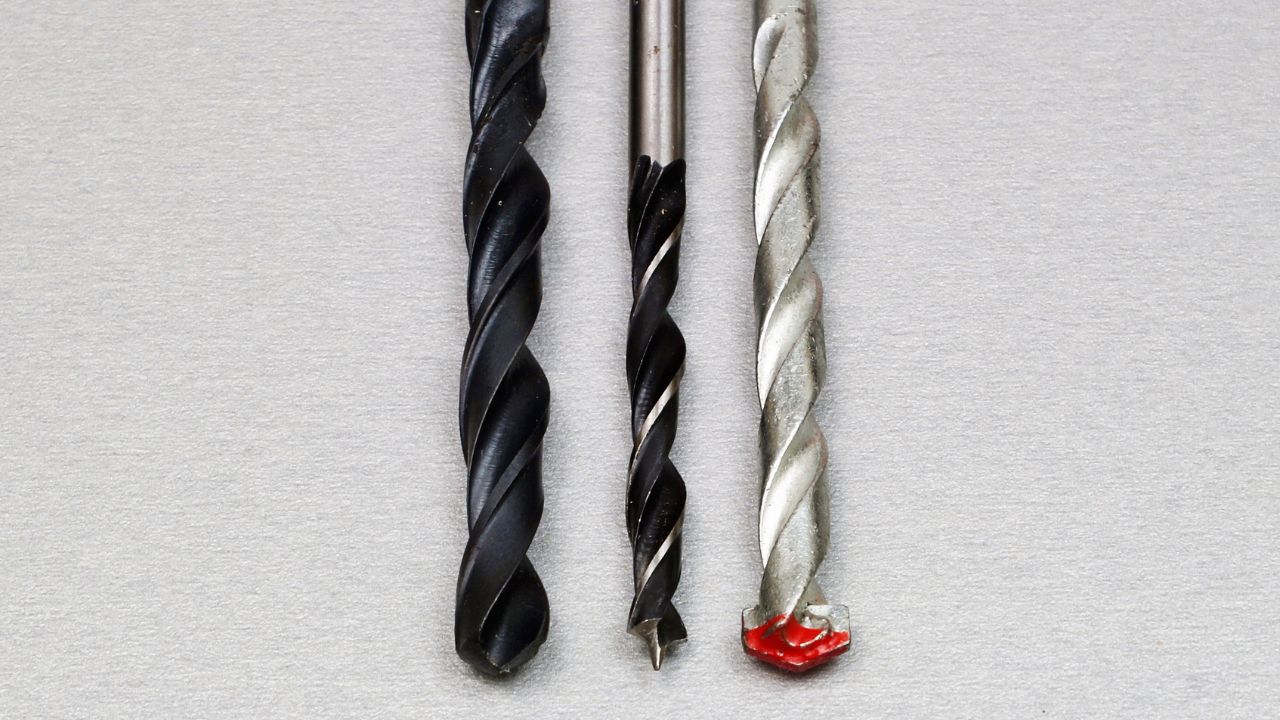
Cheap drill bits dull almost immediately, leaving you with stripped screws, split wood, or holes that aren’t clean. You’ll go through sets quickly, and they can even ruin the materials you’re working on.
Spending a little more for hardened steel or titanium-coated bits means they stay sharp longer. Otherwise, the damage from failed cuts can cost far more than the savings.
Budget garden hoses
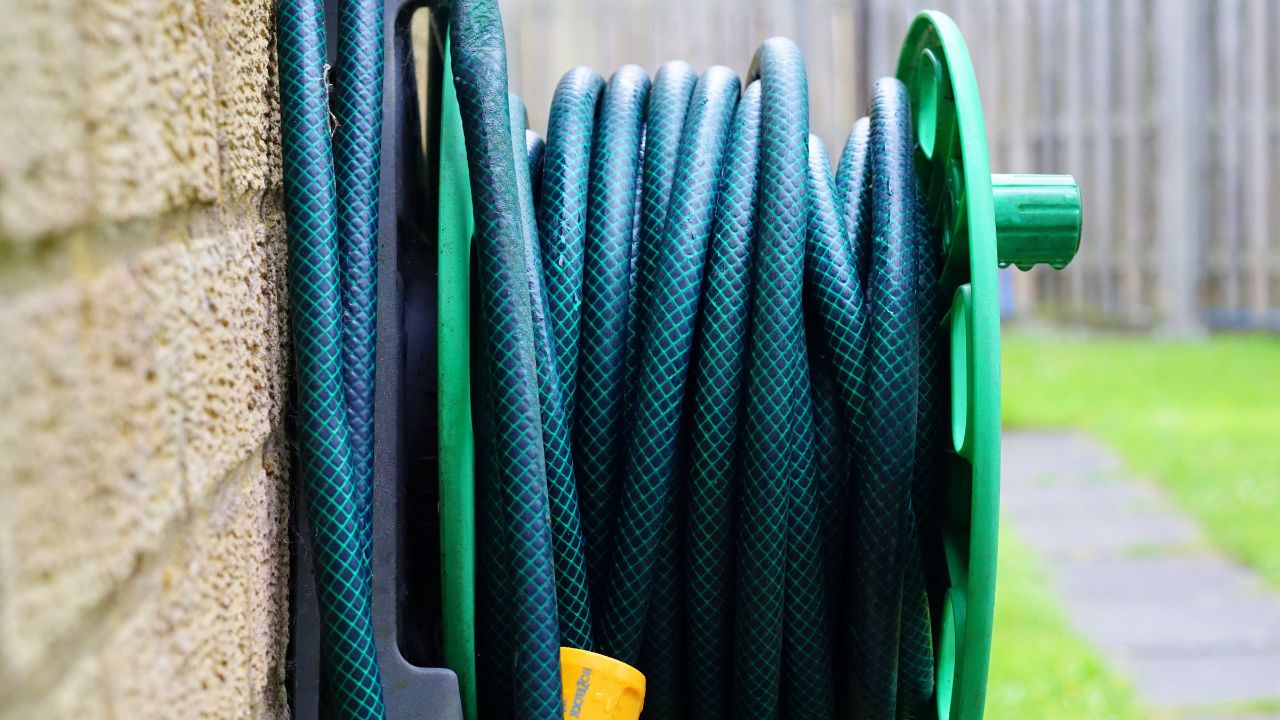
Thin vinyl hoses kink easily, crack in the sun, and leak at the fittings. That means you’re buying a new one every season—or worse, dealing with wasted water and damaged plants from poor watering.
A reinforced or rubber hose may cost $30–$40, but it can last five to ten years. Replacing cheap hoses every year adds up to hundreds quickly.
Flimsy storage bins
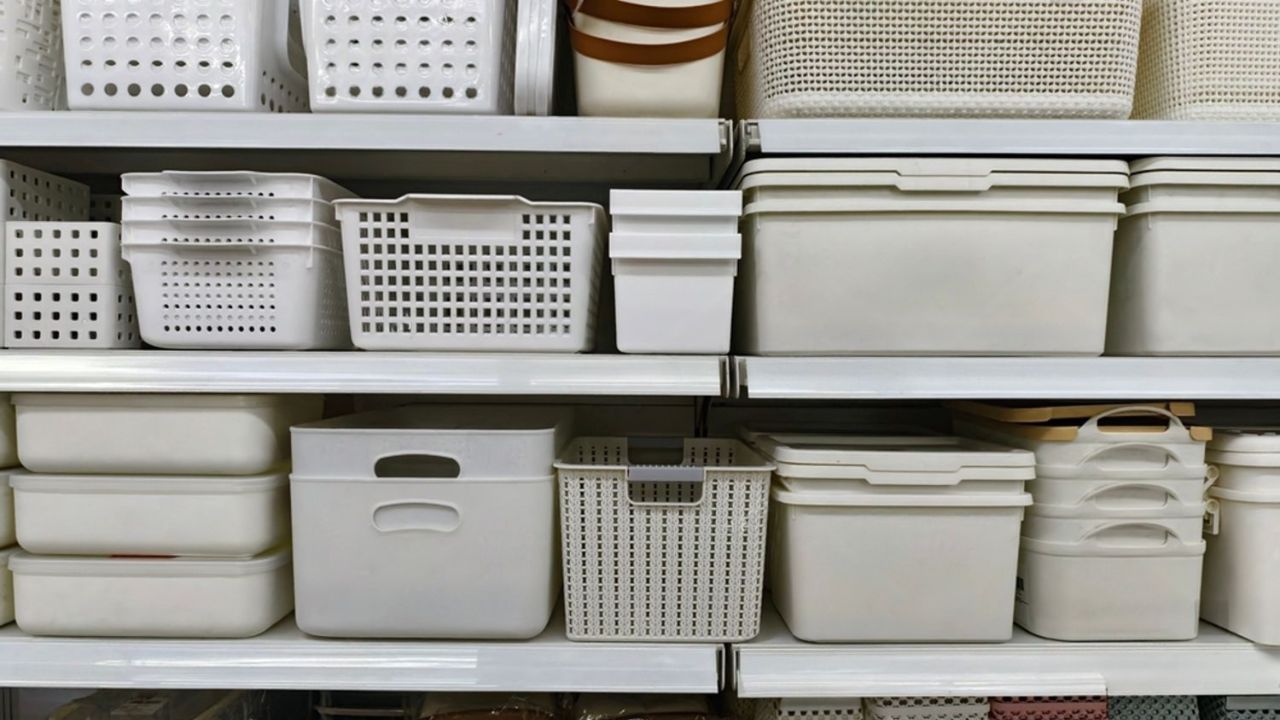
Bargain bins from discount stores are fine for light items, but when they crack under the weight of tools, holiday decorations, or pantry goods, you’re out more money replacing them.
Durable bins with solid latches keep things safe, stack better, and last longer. A cracked bin spilling contents can also damage what’s inside, multiplying your costs.
Low-cost shower liners
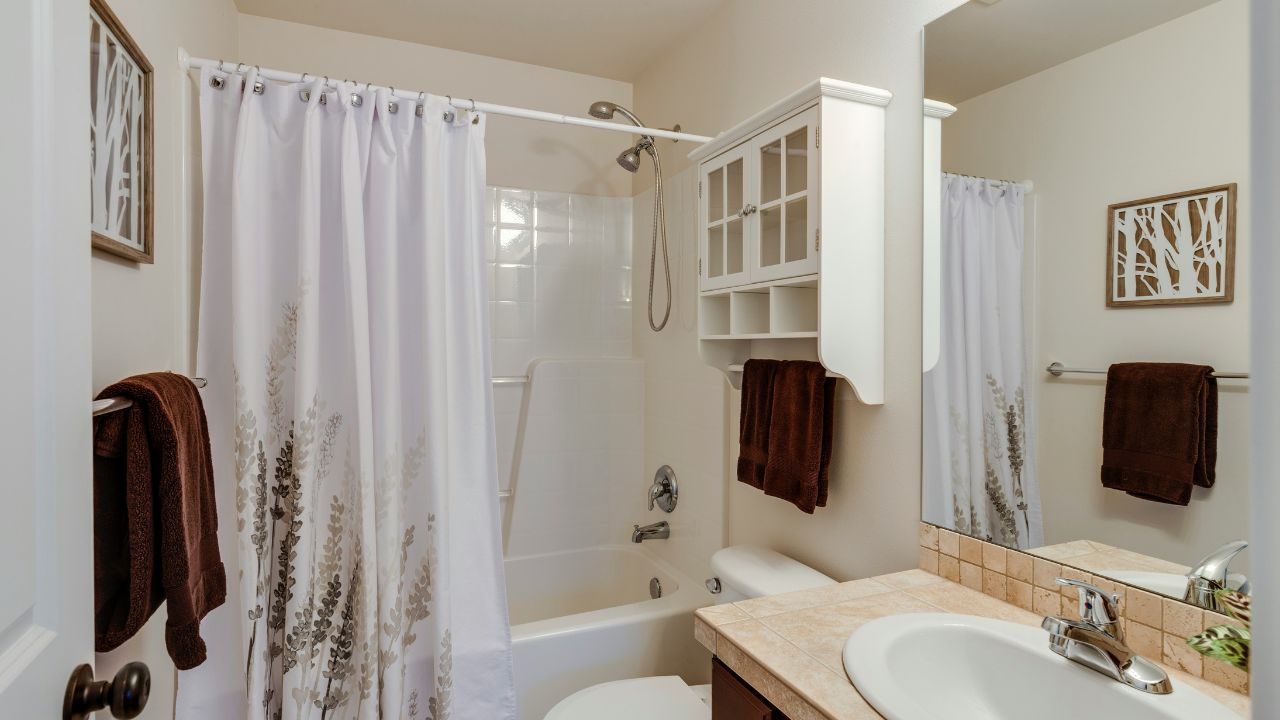
Thin vinyl liners mold, tear, and need replacing every couple of months. That cycle of buying new liners adds up fast, even if each one costs under $10.
Investing in a washable fabric liner or a mildew-resistant option saves you money and hassle over time. You’ll replace it far less often and spend less overall.
Discount tool sets
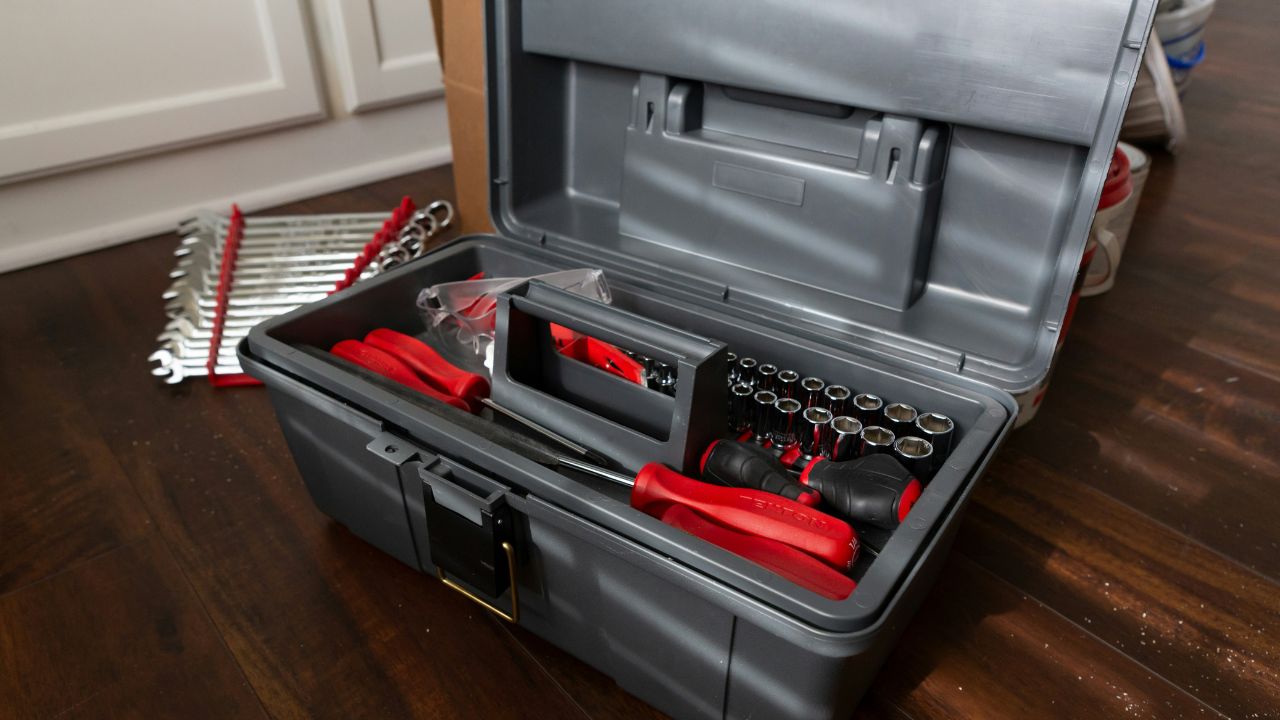
Those 50-piece toolkits for $20 might look like a bargain, but the metal is often soft, meaning wrenches bend and screwdrivers strip. Once they fail, you end up buying better tools anyway.
A few well-made tools are a better investment than a big set of cheap ones. The cost of replacing broken tools (and fixing the damage they cause) easily runs into hundreds.
Bargain air filters

Cheap air filters for your HVAC system clog faster and don’t trap dust well. That makes your system work harder, driving up your energy bill and wearing out parts.
Replacing an overworked blower motor or compressor can cost hundreds—or even thousands. Spending a little more on a higher-quality filter saves both money and stress on your system.
*This article was developed with AI-powered tools and has been carefully reviewed by our editors.