10 Common Edging Mistakes That Make Your Landscaping Look Messy
I’ve put in a lot of edging over the years—some of it looked great, some of it… not so much. Truth is, bad edging can make even the nicest yard look sloppy. It’s one of those little details that’s easy to miss but makes a big difference.
If your borders are crooked, sinking, or just not holding up, you’re not alone. I’ve made these mistakes myself, and I’ve seen plenty of others do the same. Here are the most common edging mistakes and how to keep your yard looking clean and sharp.
Using the Wrong Edging Material for the Space

Plastic might be cheap, but it can buckle, crack, or fade fast. Concrete looks sharp but can be overkill in a casual yard. The trick is picking something that actually fits your space and holds up over time.
If you’re edging a formal bed, go with stone or steel. For a more natural look, try wood or natural stone. The wrong material can stand out in a bad way—and not in the “wow, nice yard” kind of way.
Installing Edging Too Shallow
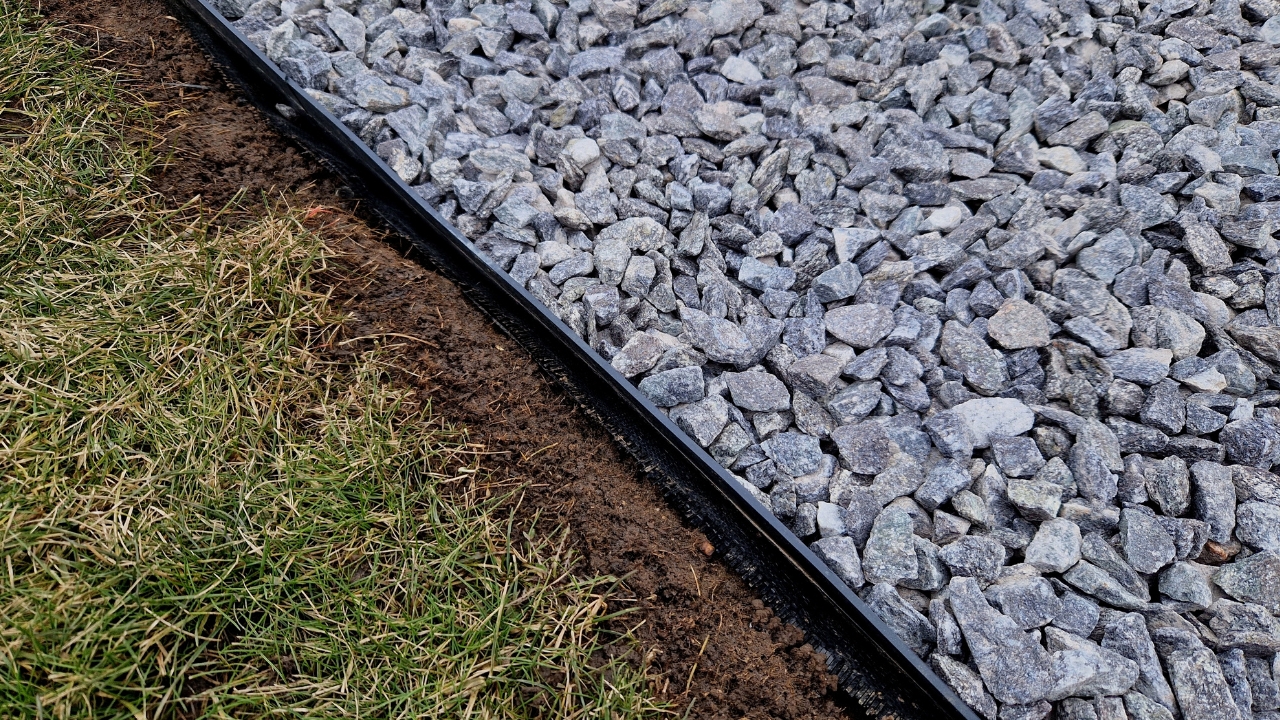
Shallow edging won’t hold anything back—not grass, not mulch, and definitely not gravel. It’ll shift, tilt, or pop up after the first good rain.
Make sure you’re digging deep enough to anchor it well. Most edging needs to go at least 4 to 6 inches deep. That extra effort on the front end saves you a ton of frustration down the line.
Not Anchoring Edging Securely
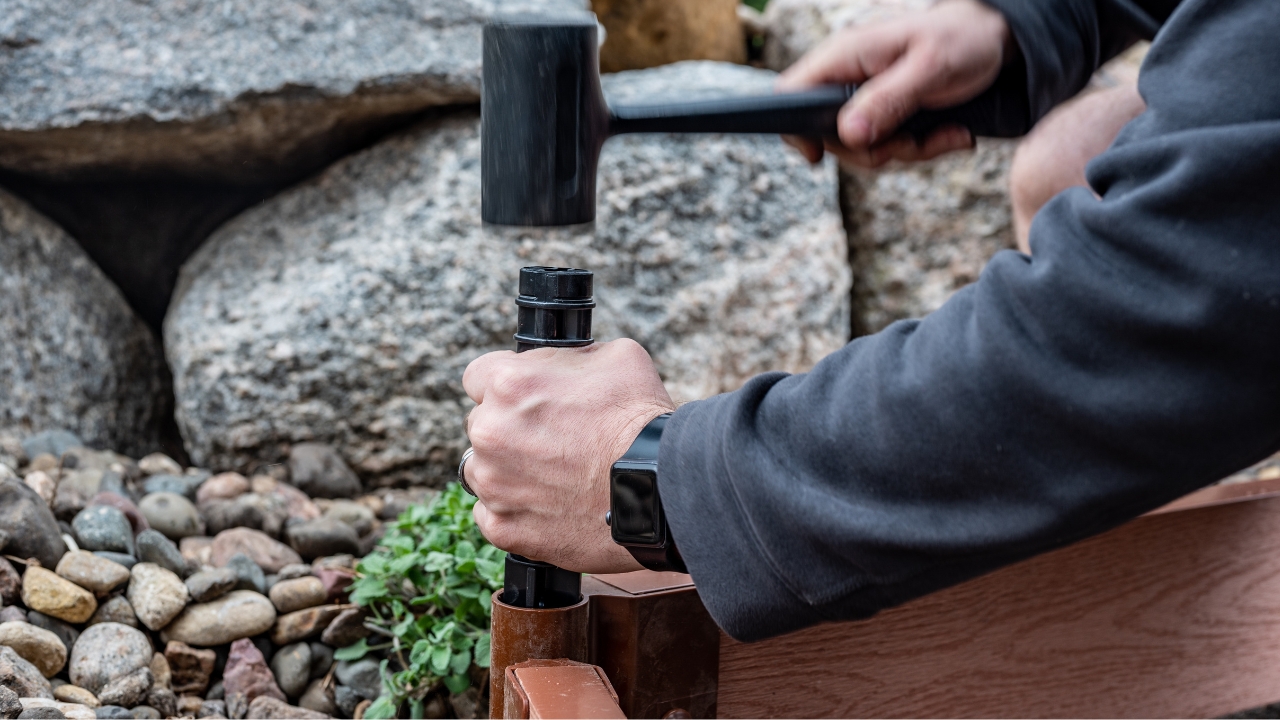
If you don’t anchor it properly, edging moves. It buckles, leans, or worse—pokes up and trips you while mowing.
Use proper stakes or spikes depending on the material. Don’t assume the soil will hold it in place. A solid edge should stay put even after hard rain or foot traffic.
Letting Grass and Weeds Creep Over the Edge

Once grass starts creeping over your edging, it doesn’t stop. Pretty soon, your clean lines are buried under overgrowth.
A quick trim every couple weeks with a string trimmer or manual edger keeps things tidy. Don’t let it get ahead of you—it’s a lot easier to stay on top of than to fix later.
Creating Curves That Are Too Tight or Uneven

Wavy lines can look nice if they’re done well, but tight or uneven curves are hard to mow and edge around. They also make the whole layout feel sloppy.
Stick with gentle, smooth curves you can mow easily. If you have to slow down or back up the mower to make a turn, the curve’s probably too tight.
Mismatched Edging Styles Throughout the Yard

Using three different types of edging in one yard can make everything look disjointed. It’s like wearing boots on one foot and sneakers on the other.
Pick one or two styles that go together and stick with them throughout. Keeping things consistent helps the space feel more pulled together—even if the rest of the yard isn’t perfect.
Skipping a Proper Base Under the Edging

Without a solid base, edging can shift, settle, or sink. That’s especially true with heavier materials like stone or concrete.
For most types of edging, lay a compacted gravel or sand base first. It adds stability and helps drainage, which means your edging holds up better over time.
Not Trimming Along the Edge Regularly
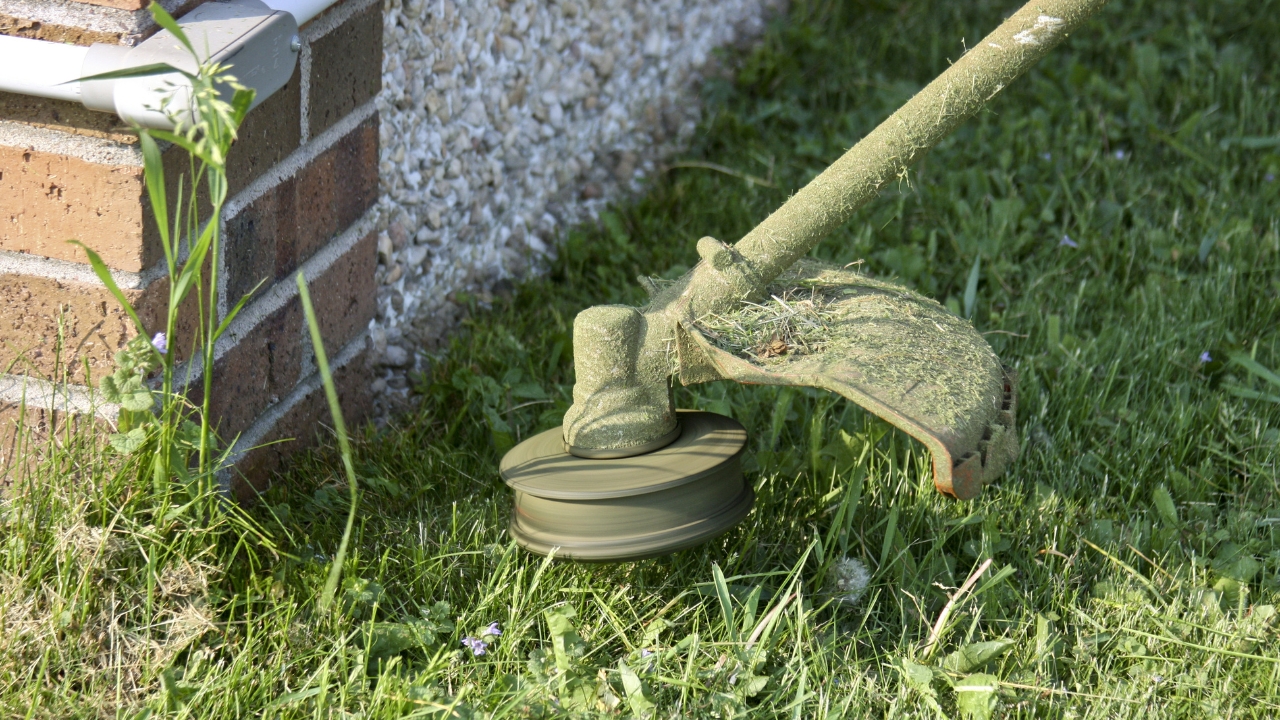
Even the best edging needs a little upkeep. Grass and weeds love to grow right along the edge, and if you don’t keep them in check, it’ll start to look messy fast.
A quick run with the string trimmer every mowing keeps your lines sharp. It takes maybe five extra minutes but makes a big difference in how finished everything looks.
Allowing Mulch or Rock to Spill Over the Edge

Edging should hold your mulch or stone in—not let it spill out onto the lawn. If it’s overflowing, the edging is either too low or not doing its job.
Rake things back into place and top off any low spots inside the bed. If it keeps happening, you might need to upgrade the edging to something taller or more solid.
Leaving Edging Unfinished or Broken

Nothing says “I gave up halfway” like broken or missing edging. It draws the eye in a bad way and makes even a neat bed look neglected.
If something breaks, fix or replace it right away. Keep a few extra pieces on hand if you can, so it’s easy to swap out when something goes wrong. Clean lines only count if they’re actually clean.
*This article was developed with AI-powered tools and has been carefully reviewed by our editors.