10 design choices that make a house look more expensive than it is
Photo credit: BM_27/Shutterstock.com
You don’t have to spend a fortune to make your house feel like it costs more than it does. Design choices carry weight, and the smallest details can shift the way a home is perceived. Buyers and guests alike tend to notice finishes, scale, and quality over anything else. If you’re strategic, you can create a polished look without draining your savings.
Tall Baseboards
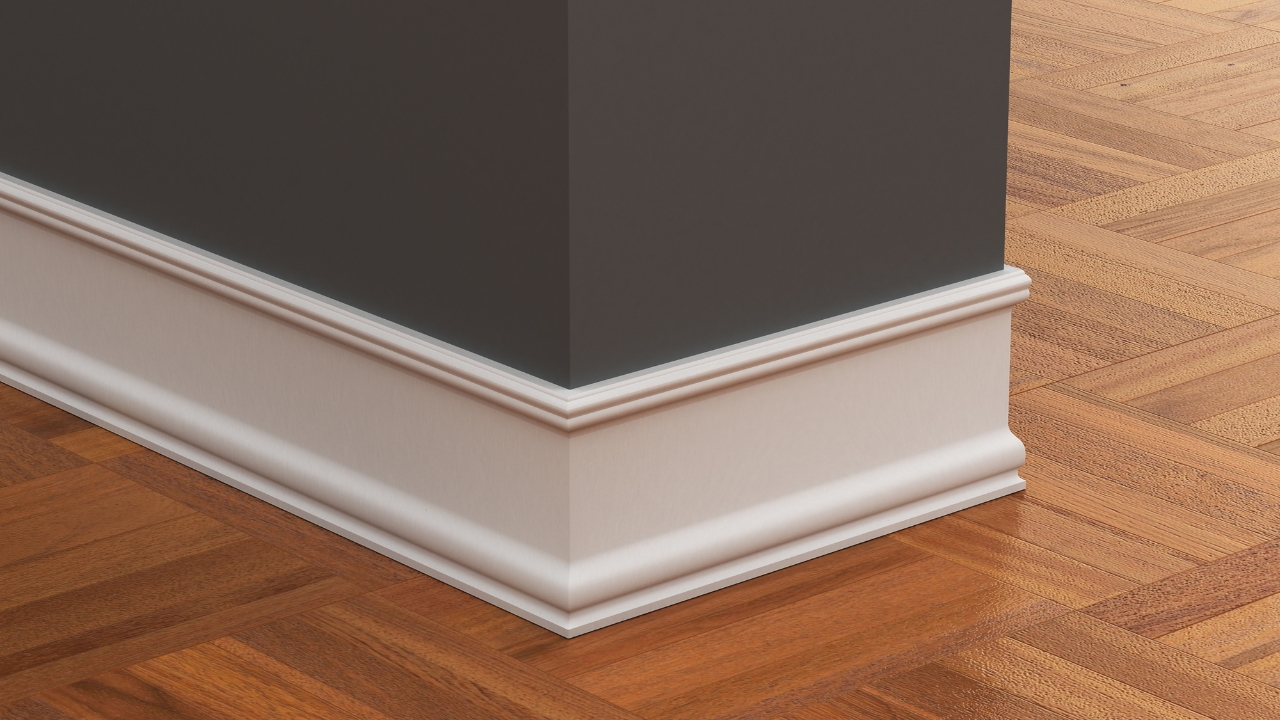
Swapping out skinny builder-grade trim for taller baseboards instantly elevates a space. They add weight and structure to walls, making rooms feel more finished. Even painting existing trim a fresh white can give the illusion of higher-end craftsmanship.
Statement Lighting
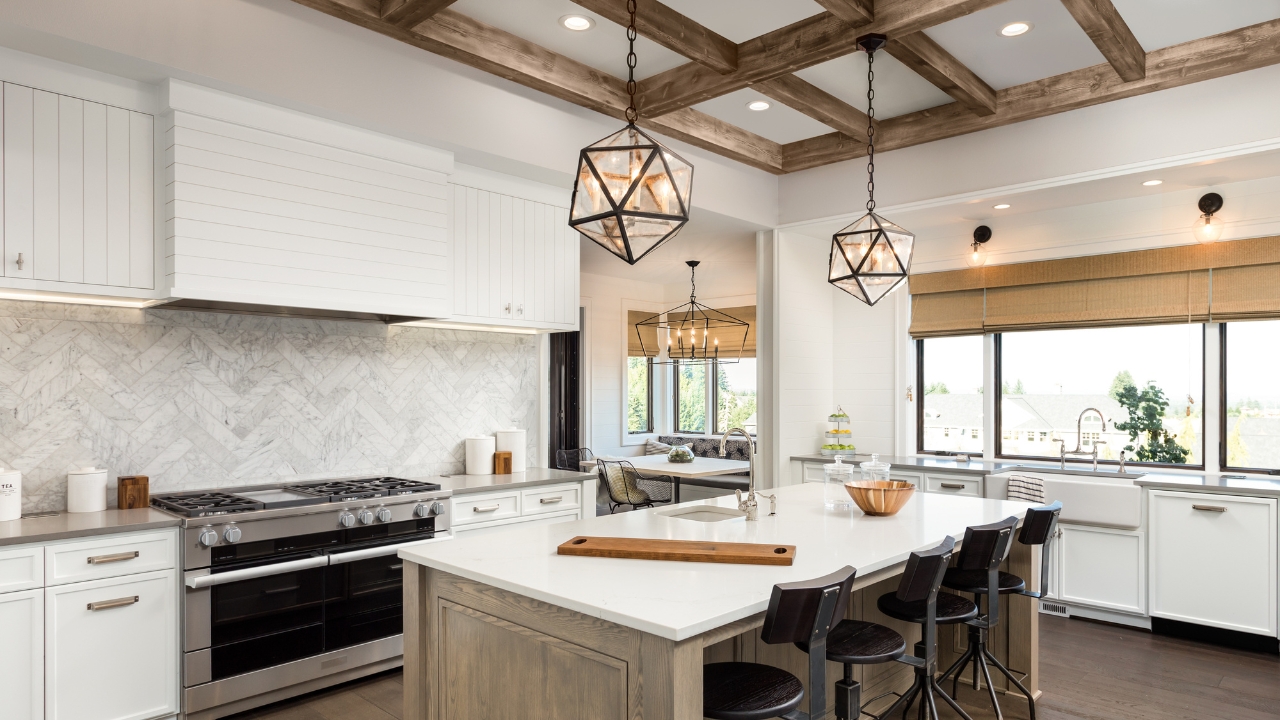
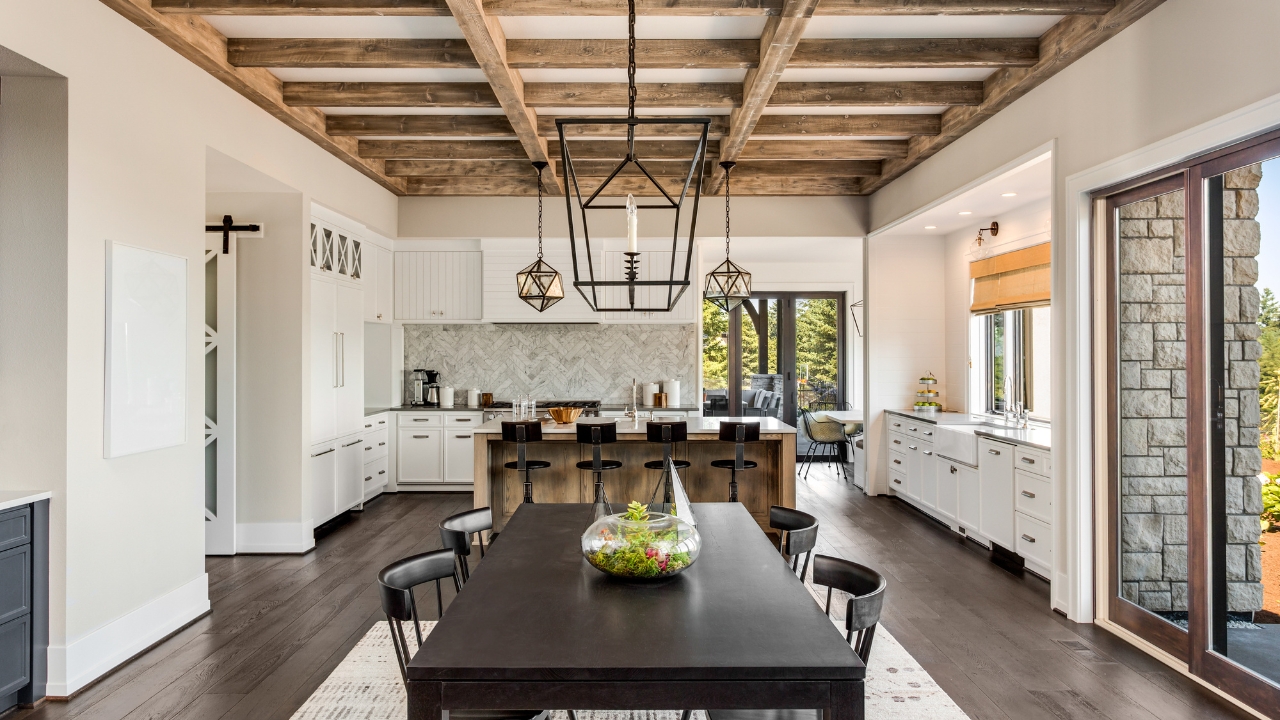
Cheap light fixtures date a room quickly, while thoughtfully chosen pendants, sconces, or chandeliers change the entire mood. You don’t need designer prices—stores like Wayfair and Lowe’s have budget options that look upscale. A dramatic fixture in an entryway or dining room makes a strong first impression.
Consistent Hardware Finishes
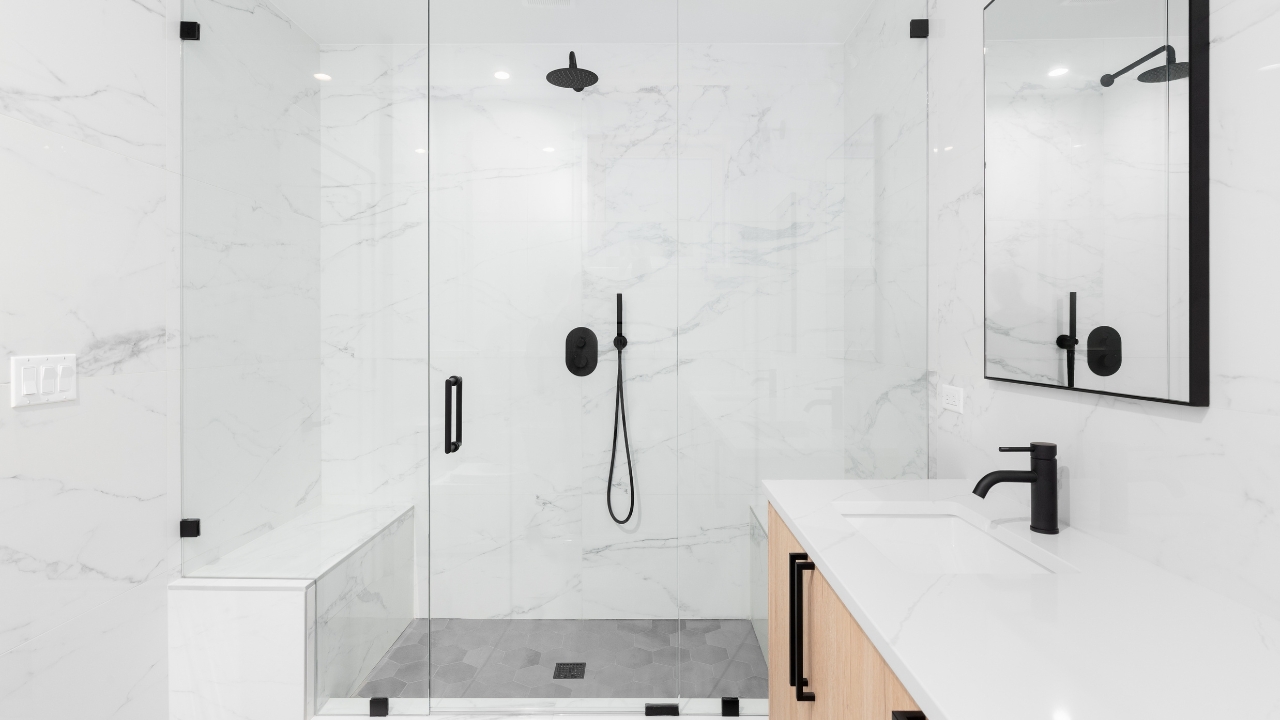
Nothing cheapens a space faster than mismatched knobs and pulls. Choose one metal finish and carry it through every room. Matte black, brass, or brushed nickel all look sharp when used consistently. Even swapping old hardware for clean-lined versions makes cabinets feel custom.
Neutral Wall Colors
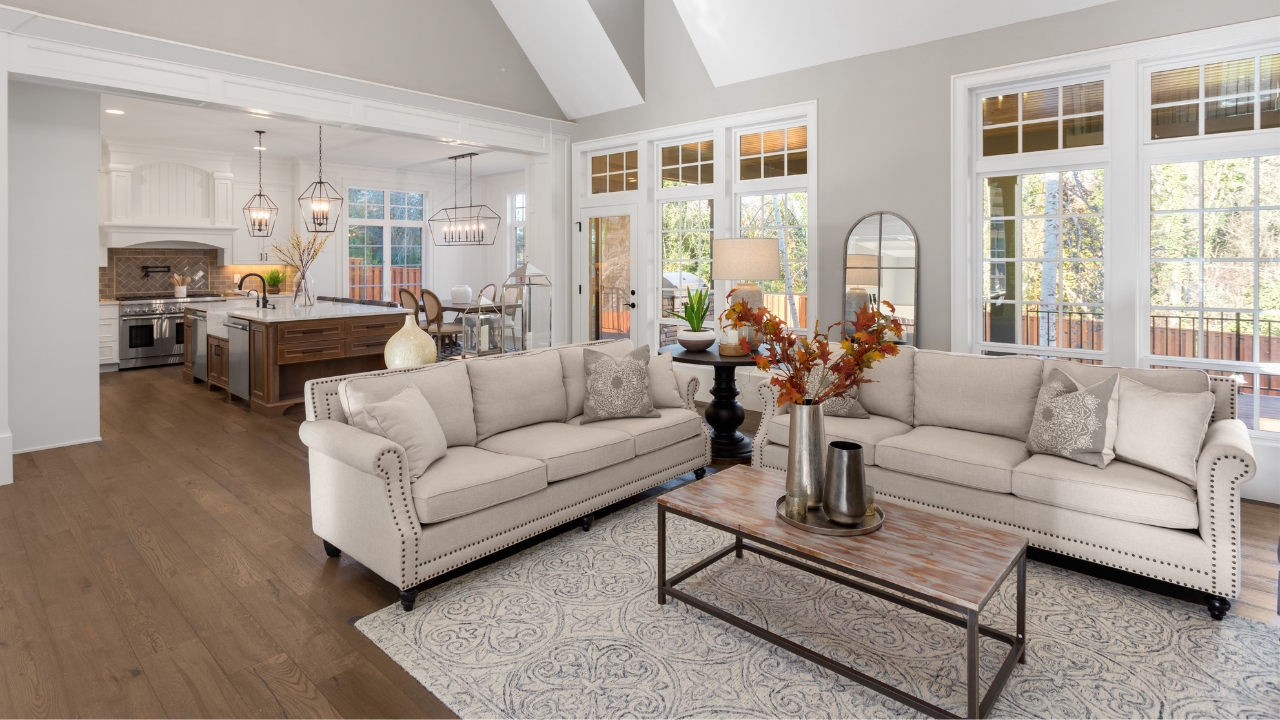
Beige, white, and soft grays are timeless choices that make rooms feel larger and more refined. Busy colors or builder beiges can feel dated, but neutral shades create a quiet, upscale backdrop. You can always bring in personality through art or textiles instead.
Framed Bathroom Mirrors
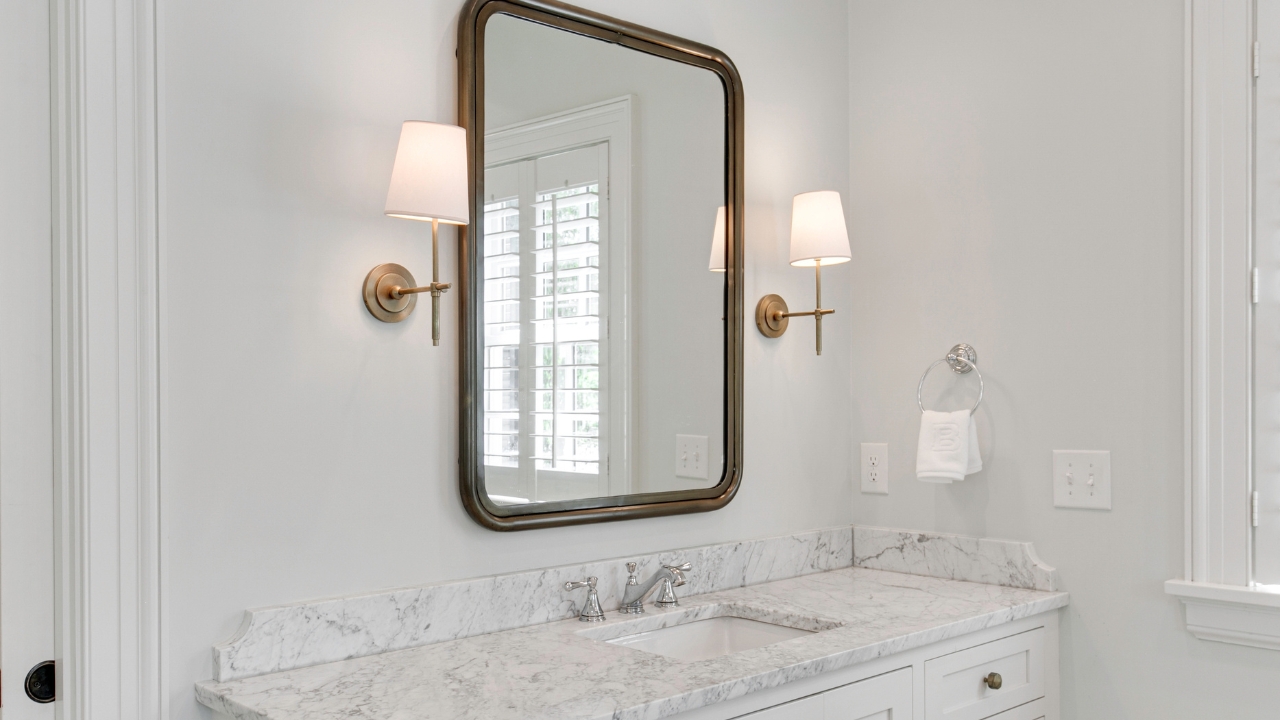
Large, frameless mirrors scream “builder-basic.” Adding a frame, or replacing them with two smaller framed mirrors, makes bathrooms look like they were professionally designed. It’s a small investment with a big payoff.
Quality Curtain Panels

Thin, short curtains make a room feel cheap. Hanging long, full curtain panels higher and wider than the window gives the illusion of taller ceilings and bigger windows. Even budget-friendly panels from IKEA or Amazon can look expensive if styled correctly.
Natural Textures
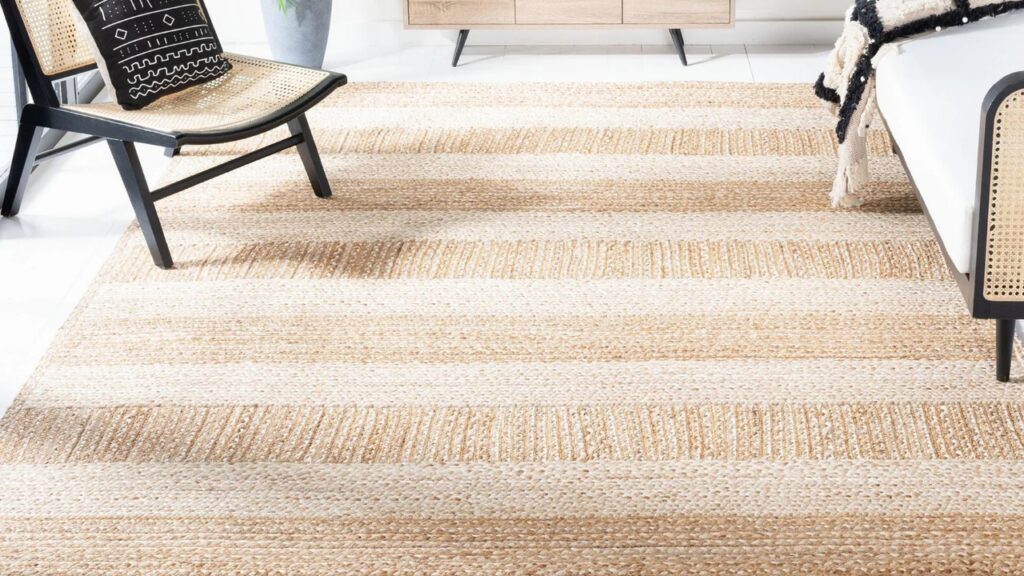
Incorporating natural elements—like a jute rug, linen throw, or wood accent—adds depth that mass-produced decor can’t mimic. Layering textures is a designer trick that makes spaces feel curated instead of flat.
Built-In Look for Storage
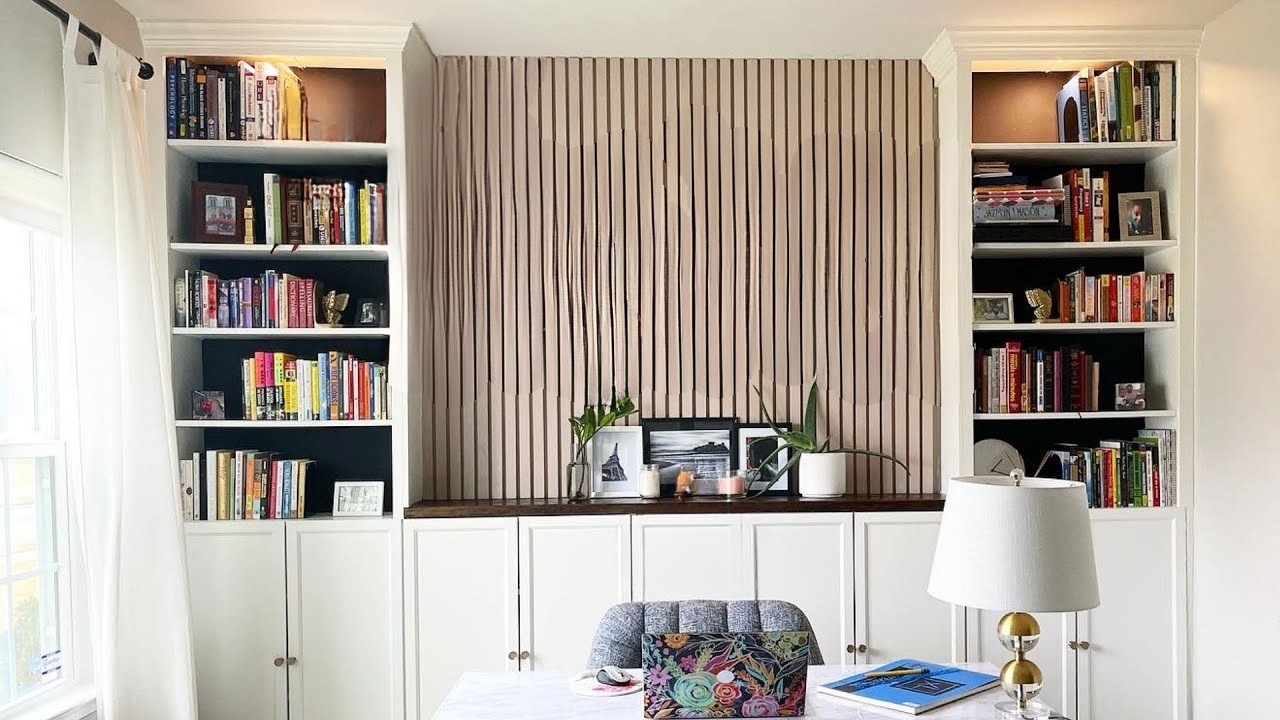
Flat-pack shelving works fine, but it rarely looks high-end. By adding trim or painting bookshelves the same color as the wall, you can fake a custom built-in look. Even a row of IKEA Billy bookcases can pass as designer with the right tweaks.
Symmetry in Furniture Placement

Balanced layouts make homes feel more expensive, while scattered furniture feels accidental. Pair chairs, balance lamps, and use rugs to anchor spaces. Designers lean heavily on symmetry to create polished rooms, and you can too without spending extra.
Upgraded Faucets
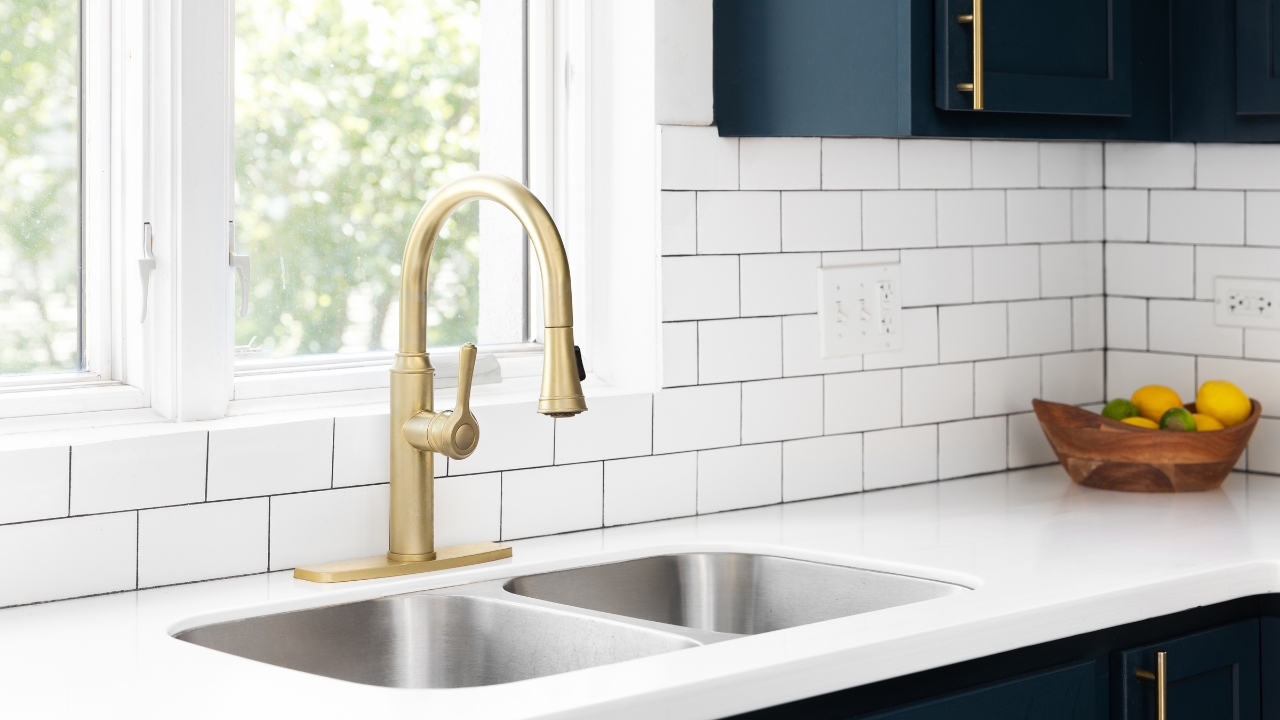
Kitchens and bathrooms show age the fastest. Swapping out a dated faucet for a modern, well-designed one instantly improves the space. Brands like Delta or Moen offer affordable options that look like luxury fixtures without the luxury price.
*This article was developed with AI-powered tools and has been carefully reviewed by our editors.