10 DIY Mistakes That End Up Costing More Than Hiring Help
Photo credit: ben44/Shutterstock.com
There’s a lot you can handle yourself when it comes to home projects. But let’s be honest—some DIY jobs end up draining your wallet way faster than calling a pro. Between the learning curve, surprise problems, and mistakes you didn’t see coming, these projects tend to cost more in repairs than if you’d hired help in the first place.
Here are the DIY mistakes that backfire the most (and end up being anything but budget-friendly).
Tile Installation Without Prep
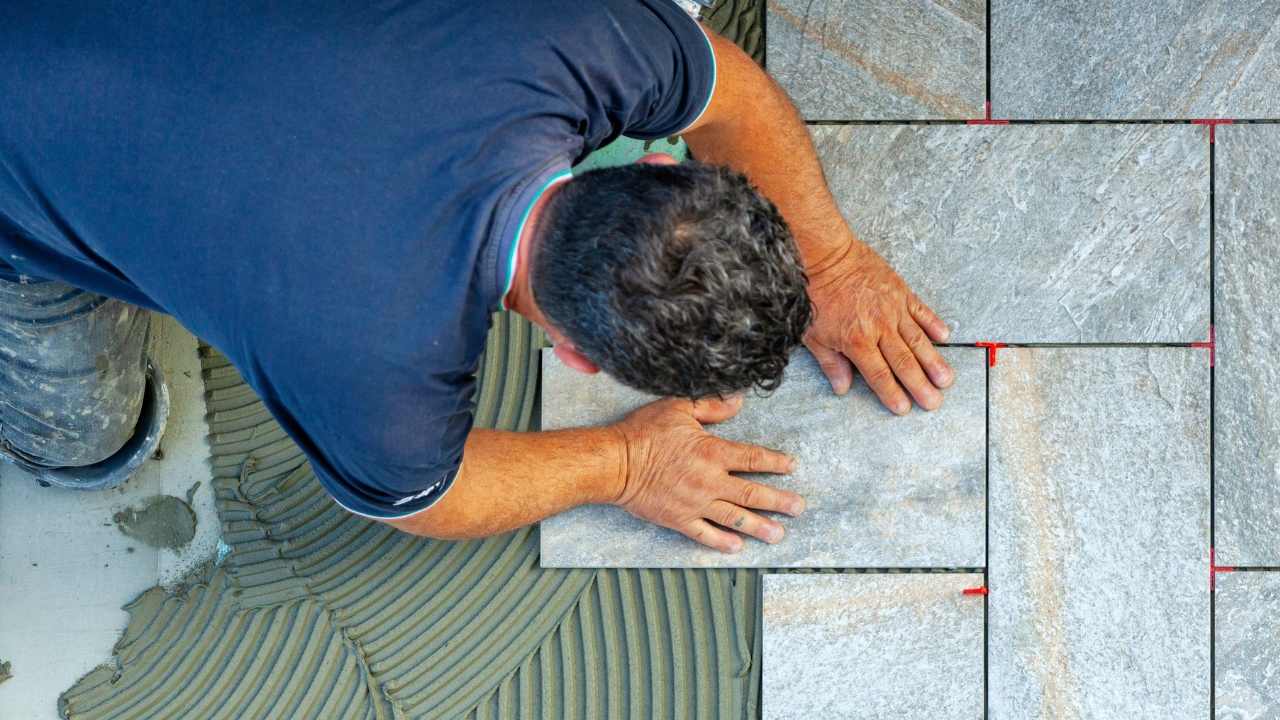
Laying tile sounds straightforward until you skip the prep work. Not leveling the floor, skipping backer boards, or using the wrong mortar leads to cracks, uneven lines, and tiles popping loose.
By the time you rip it out and redo it—or pay someone else to—you’ve spent more than hiring it out from the start. Prep is everything with tile, and mistakes show fast.
Hanging Drywall
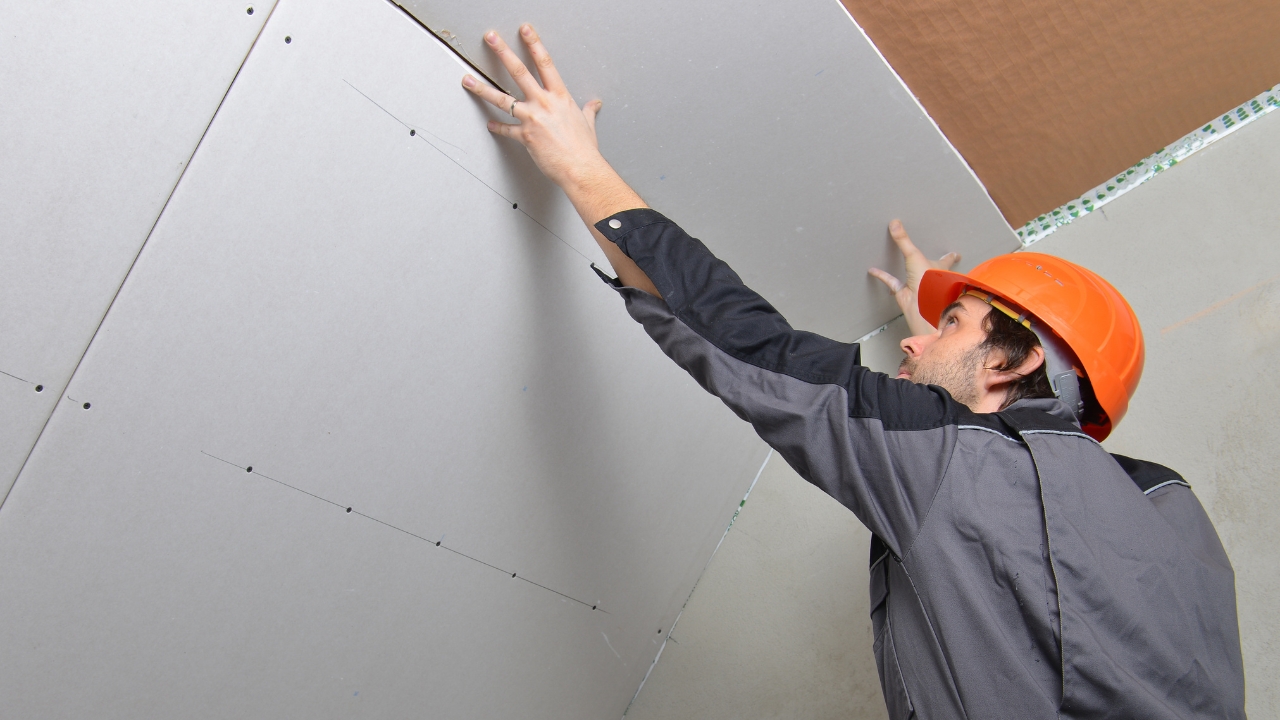
Hanging drywall looks easy until you’re dealing with crooked seams, cracked mud, and ugly bumps that show through paint. Getting it smooth takes skill.
Fixing bad drywall work often means sanding forever or paying someone to skim coat and repair it. Drywall pros are faster, cleaner, and honestly save you the headache.
Flooring Installations Gone Wrong

Misaligned planks, poor cuts, or skipping expansion gaps can ruin a floor. Floating floors start buckling, hardwood starts warping, and seams don’t line up.
By the time you rip it out and replace damaged boards, the cost blows right past what a professional install would’ve run. Flooring isn’t where you want to learn as you go.
Painting Without Prep

Slapping paint on walls without prepping properly is a classic mistake. Skipping patching, sanding, and priming leads to peeling, streaks, or a finish that looks terrible.
When it chips within a few months, you end up buying more paint and doing the job twice. Prep takes time, but pros know it’s the only way paint actually lasts.
Bad Exterior Drainage Fixes

Trying to fix grading or drainage yourself without knowing how water flows around your house can backfire fast. Water ends up in your basement, under your foundation, or flooding your yard.
Correcting drainage mistakes is expensive. Dirt work, sump pumps, or even foundation repairs cost way more than hiring someone who knows how to slope properly the first time.
Electrical Work Beyond Your Skill
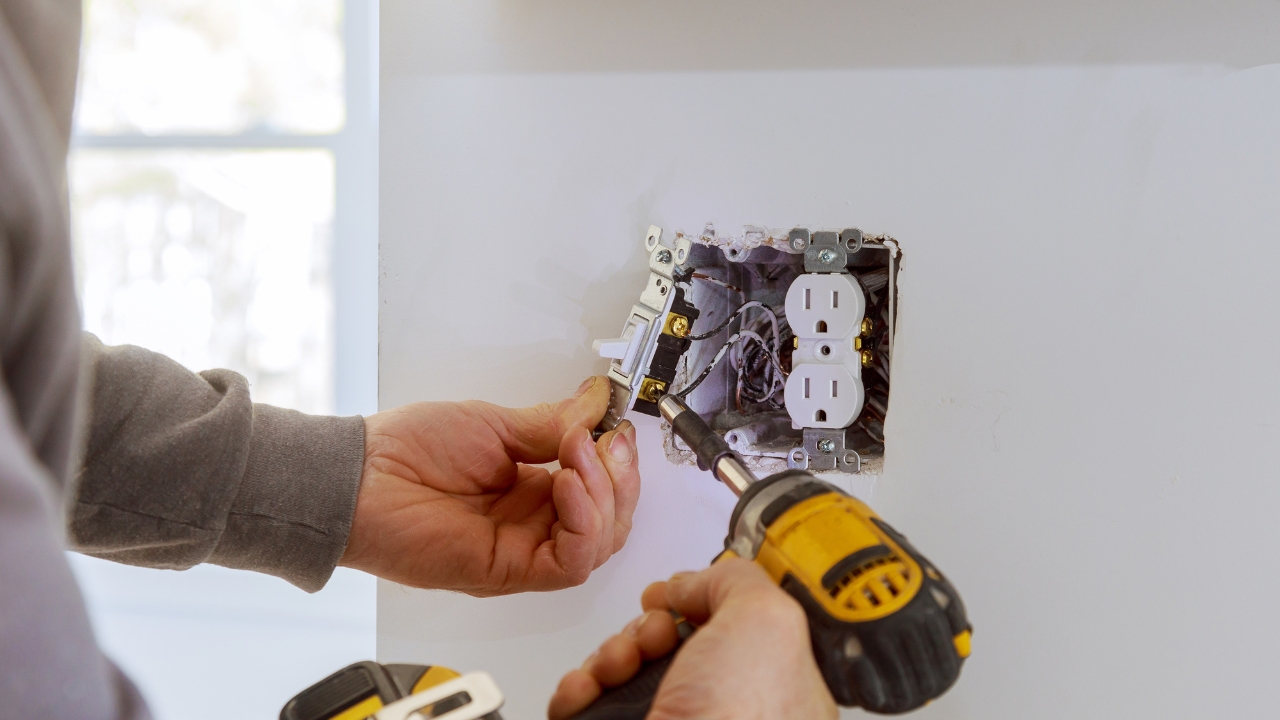
Installing a light fixture or swapping an outlet? Reasonable. Trying to wire a subpanel or new circuit? That’s where expensive mistakes happen.
Mess it up, and you risk blowing breakers, ruining appliances, or even starting a fire. Plus, you’ll still have to hire an electrician to fix it—plus whatever you damaged in the process.
Bad Trim or Crown Molding
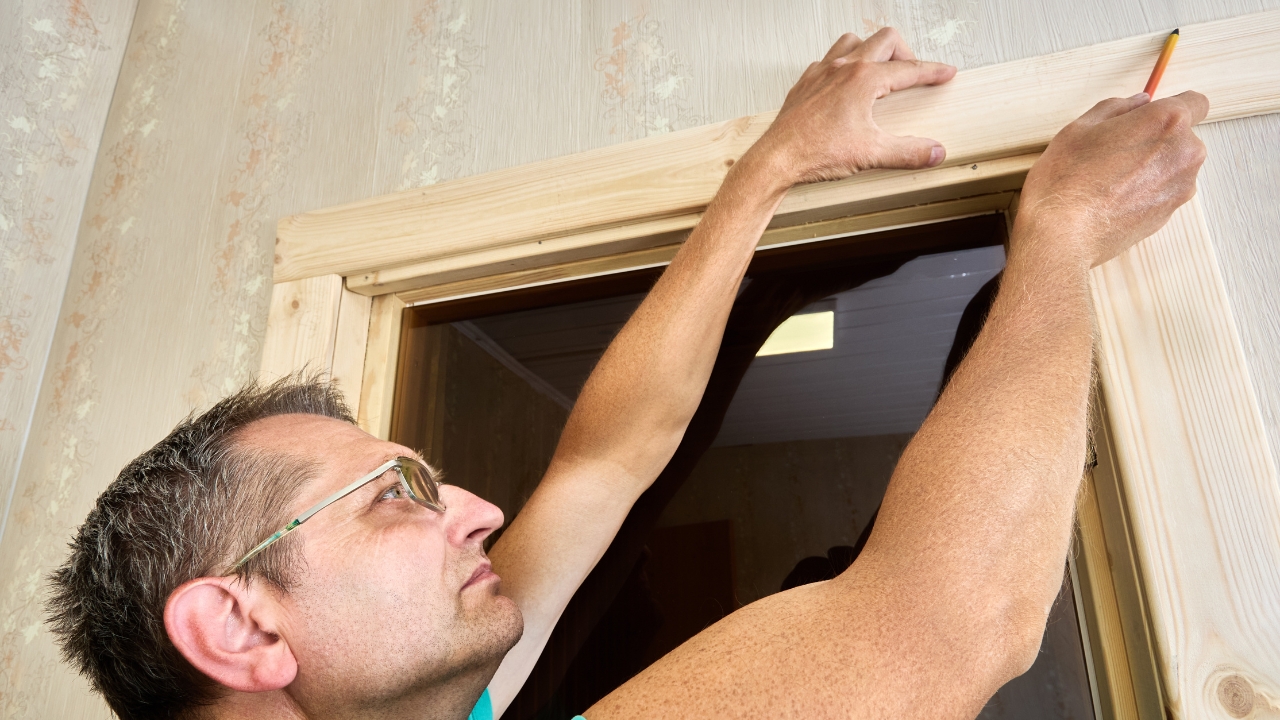
Cutting angles on trim, crown, or baseboard is a geometry test most folks don’t pass on the first try. Gaps, weird corners, or misaligned pieces ruin the finished look.
Fixing it means buying more materials, recutting, and patching—if it’s even salvageable. Carpenters earn their keep because trim work takes serious precision.
Plumbing That Leaks Later
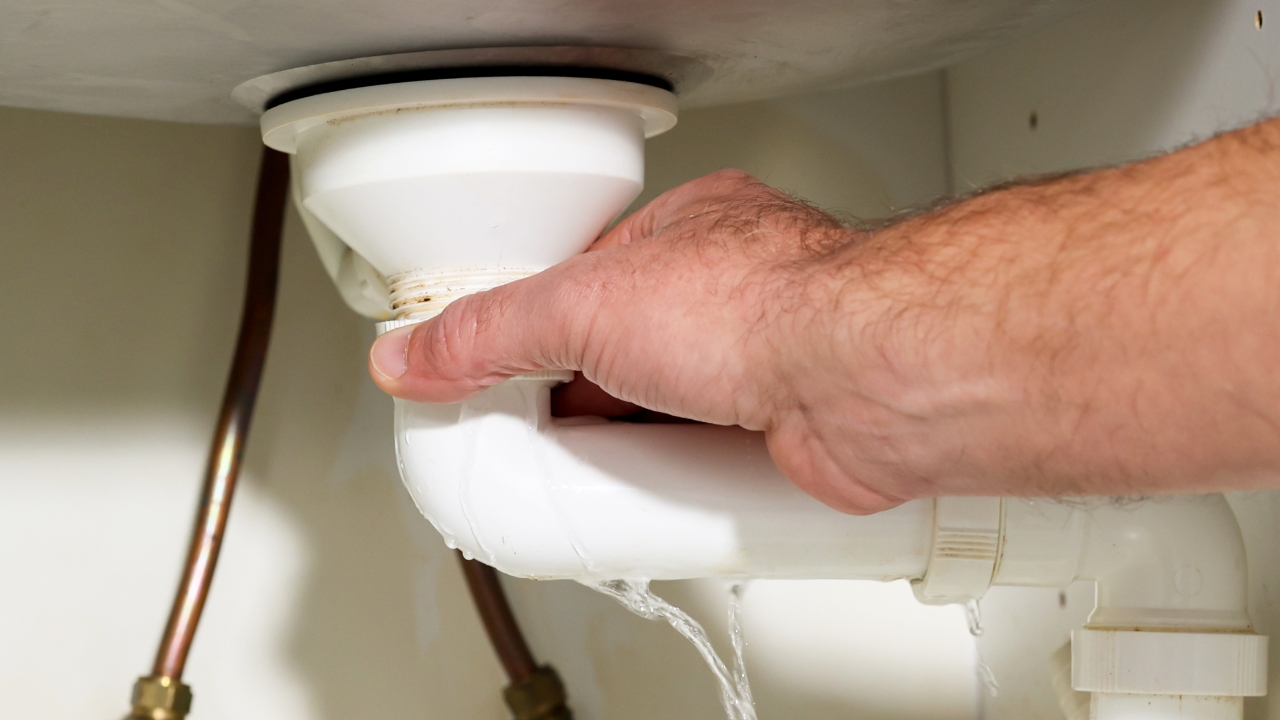
You think you’ve tightened everything perfectly… until the slow leak starts behind a wall or under the sink. Water damage sneaks up fast.
Fixing bad plumbing usually means cutting drywall, replacing warped cabinets, or repairing floors. It’s way pricier than paying a plumber upfront for a job that won’t flood your house later.
DIY Concrete Work

Pouring a patio, sidewalk, or slab sounds doable… right until it cracks, slopes the wrong way, or cures unevenly. Concrete’s unforgiving.
Fixing bad concrete usually means demoing the entire thing and starting over. At that point, you’ve paid for it twice—plus the haul-off fees.
Fence Building Fails
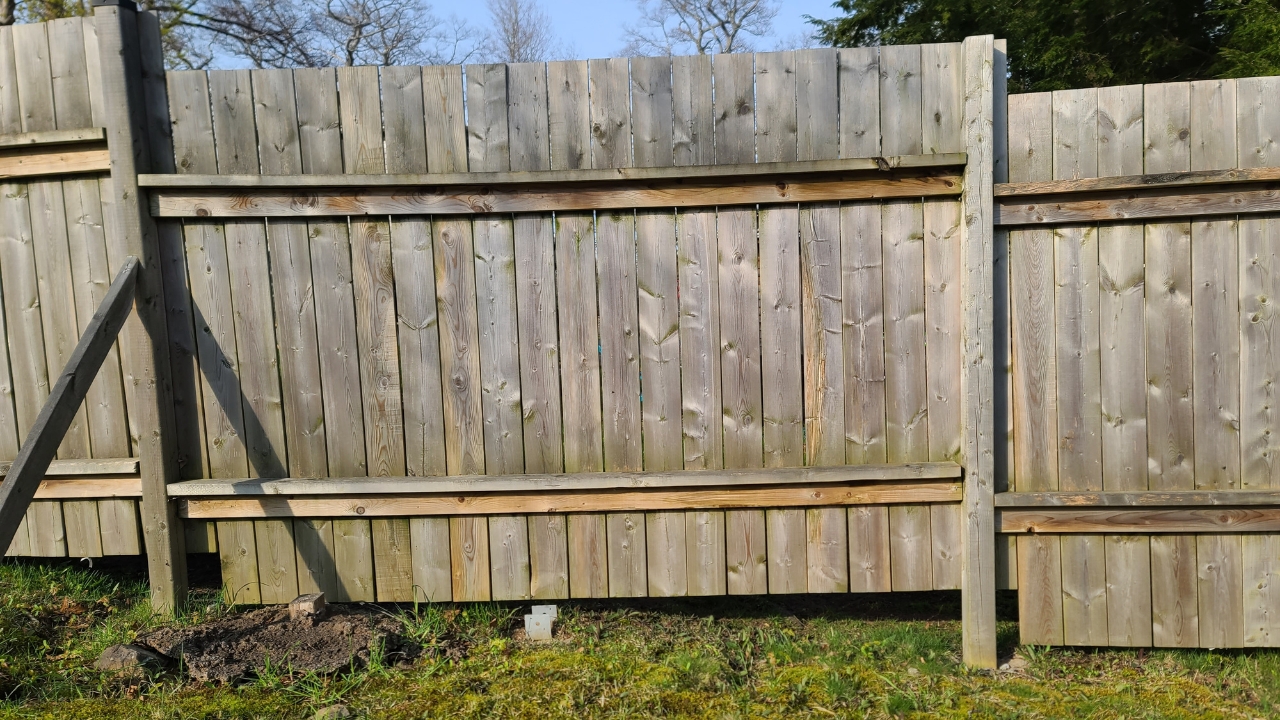
Throwing up a fence seems easy until the posts aren’t level, the gate won’t close, or a windstorm takes it out because it wasn’t anchored deep enough.
Paying for new materials plus a pro to tear it down and rebuild costs a lot more than getting it built right the first time. Fencing’s one of those “looks easier than it is” projects.
Like Fix It Homestead’s content? Be sure to follow us.