10 Easy Ways to Reduce Your Power Bill With Homesteading Hacks
Cutting back on your power bill doesn’t mean sacrificing comfort. With a few practical homesteading habits, you can lower your energy use and keep things running smoothly. Most of these changes don’t cost much, and once they’re part of your routine, they just make sense.
If you’re looking to live a little lighter, save some money, or get more out of what you already have, these hacks are a great place to start. Here are 10 easy ways to shrink that power bill without making life harder.
Line Dry Your Laundry Year-Round

Running a dryer can eat up more electricity than you’d think, especially if you’ve got a big family. Hanging clothes outside on a line—or even inside during the colder months—cuts out that energy use completely. It takes a little planning with the weather, but once it’s part of your routine, you won’t miss the hum of the dryer.
Inside the house, hang clothes on a rack or a rope line in the laundry room. Bonus? Your clothes will last longer, especially jeans and shirts that get worn out faster in a hot dryer. Less energy and less wear—hard to beat.
Switch to LED Lighting Across the Board
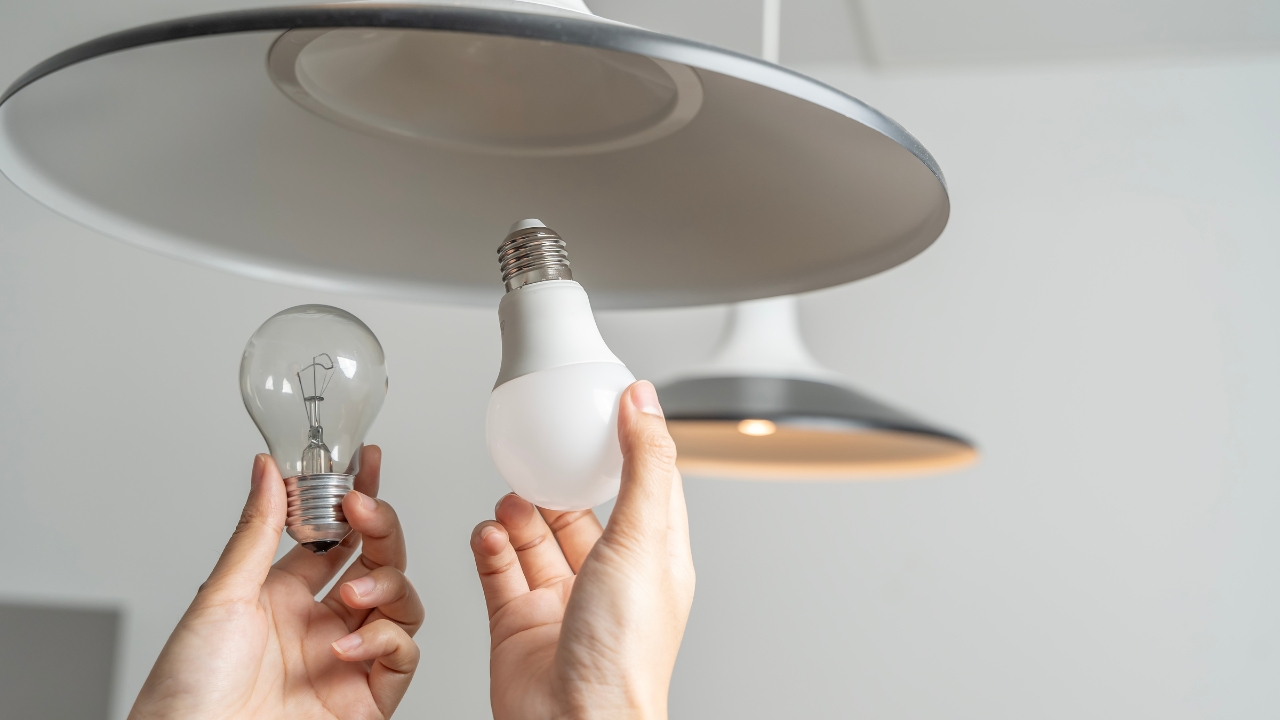
Swapping every bulb in your house for LEDs might seem like a small move, but it adds up fast. LEDs use way less energy and last a lot longer than traditional bulbs, which means you’ll see savings over time—and you won’t be changing bulbs every few months either.
They also give off less heat, which helps in the summer when you’re trying to keep the house cool. If you’re still running old-school incandescent bulbs, you’re basically lighting your house with dollar signs. Time to make the switch and keep more of that money in your pocket.
Use a Wood Stove for Heat and Cooking
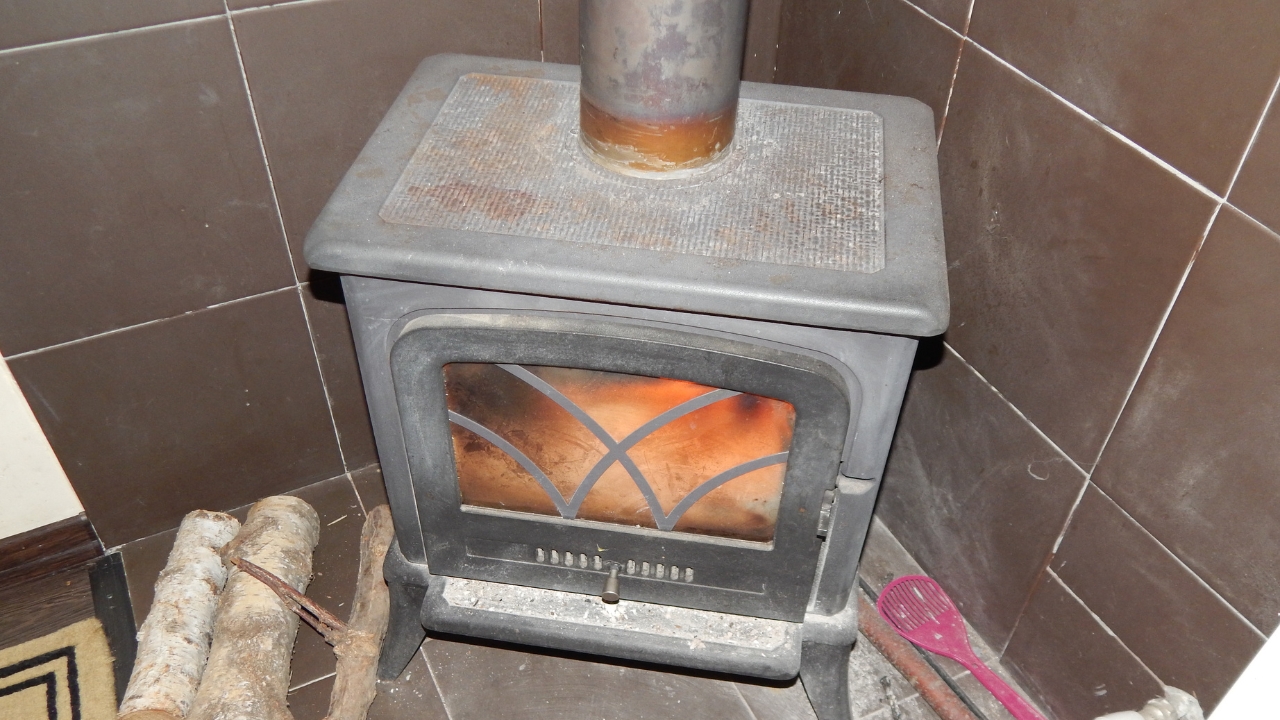
A good wood stove can take a big bite out of your heating bill—and even your cooking energy costs. If you’ve got access to your own firewood, you’re basically heating your house for free. Plus, many homesteaders use the stove to cook stews, boil water, or even bake if the setup allows.
It takes a little know-how and a solid setup, but once you get in the groove, it works like a charm. Just be sure your stove is well-maintained and properly vented. It’s a reliable, old-school solution that still pulls its weight today.
Unplug Appliances You’re Not Actively Using
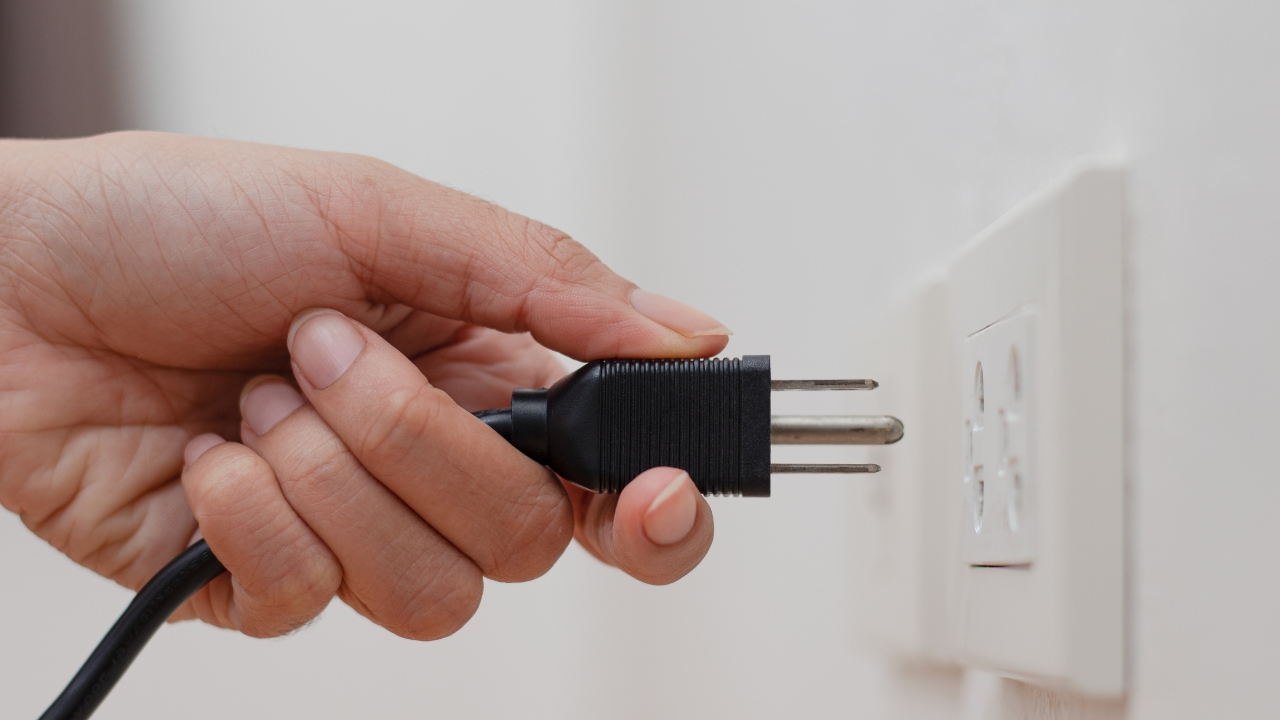
Even when they’re off, appliances like TVs, microwaves, and coffee makers draw small amounts of power. It’s called “phantom load,” and it’s sneaky. Over time, all those little power draws add up and cost you money without you even realizing it.
The fix is easy: unplug what you’re not using. Or use a power strip and shut it off with one switch. You won’t notice the difference in your daily routine, but your power bill will. It’s one of those easy wins that just takes a little habit change.
Install a Rainwater Collection System for Outdoor Use
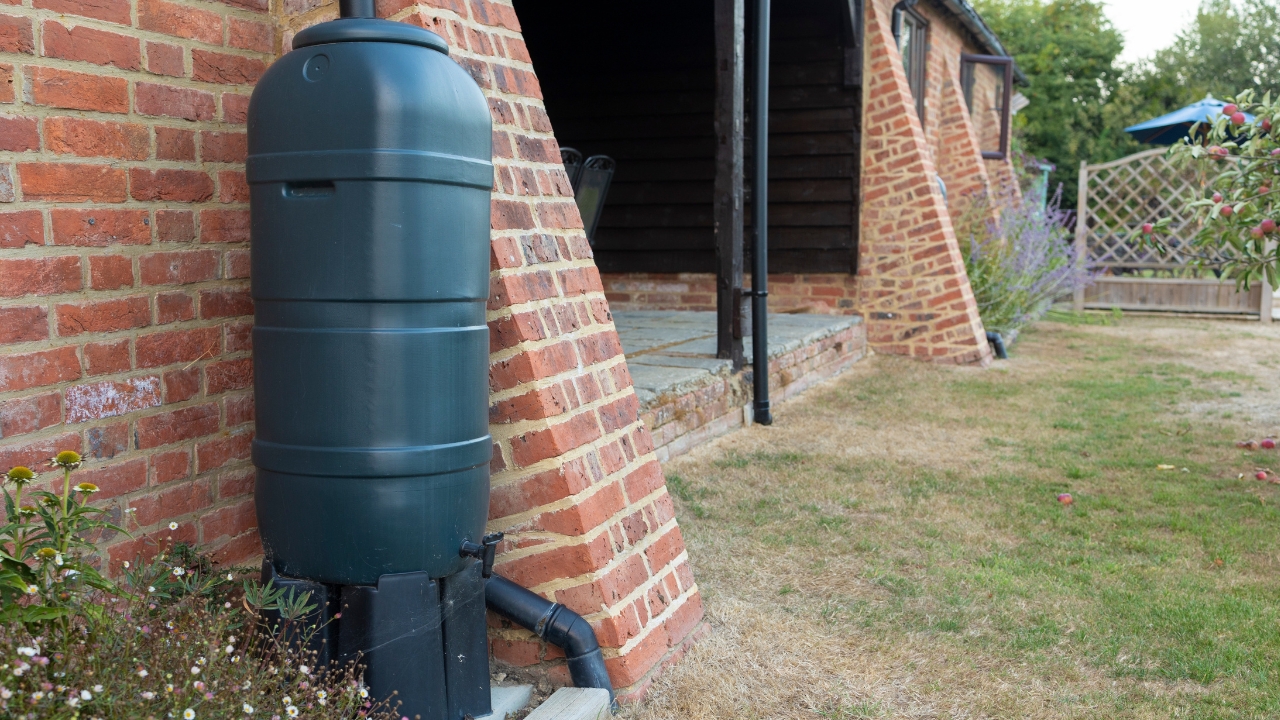
If you’re on a well or city water, using rainwater for things like garden irrigation, washing tools, or even filling livestock troughs can ease up the demand on your electric-powered pump or water system. Rain barrels are easy to set up and don’t need to be fancy.
The less you rely on electric systems to move water, the more you’ll save. You’re also making better use of what nature gives you for free. It’s simple, it works, and it’s a solid step toward being more self-reliant.
Grow Food to Reduce Refrigerator Use
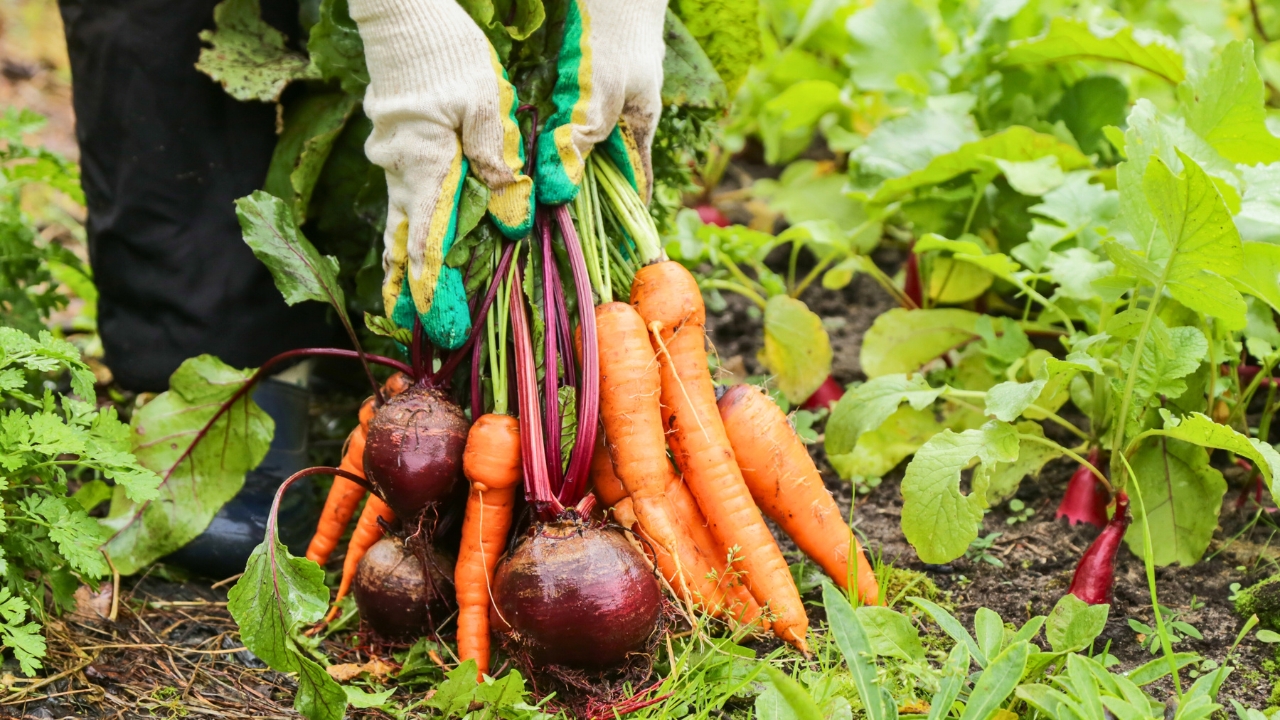
The more you grow and eat fresh from your garden, the less you rely on your fridge and freezer. Things like leafy greens, tomatoes, and root veggies don’t need to be refrigerated if you’re eating them the same day. Even eggs, if they’re fresh and unwashed, can sit out for a while.
This won’t eliminate your fridge, but it cuts down on how hard it has to work. And during harvest season, you’re pulling food right from the yard to your plate—no electric storage needed. It’s another way growing your own food pays off.
Use Thermal Curtains to Regulate Temperature

Thermal curtains are a cheap way to help control your home’s temperature without running the AC or heat constantly. In the summer, they block out sun and help keep things cool. In the winter, they hold heat in and keep the cold out.
They’re especially helpful on older homes with drafty windows. You don’t have to install new windows to make a big difference—just hang up the right curtains and use them smart. Open them up when the sun’s helpful, close them tight when it’s not. Easy and effective.
Rotate Livestock or Garden Tasks to Match Daylight Hours
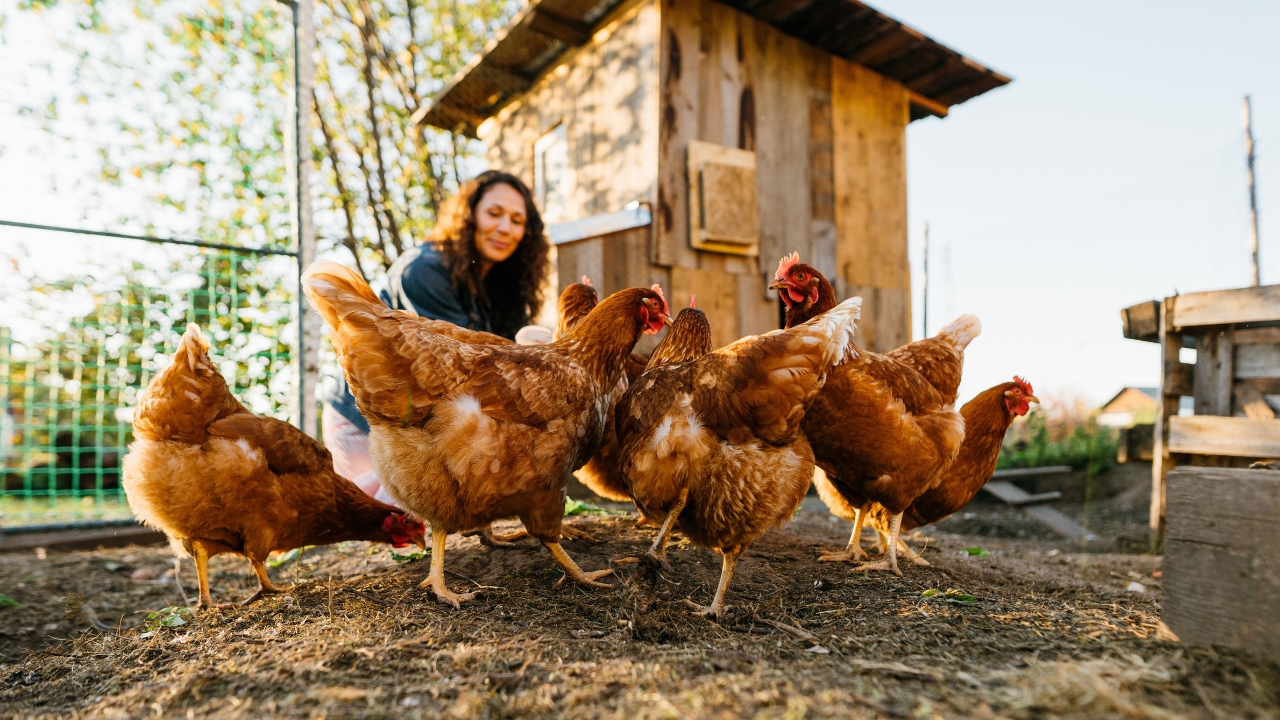
If you’ve got a habit of working outside after dark with floodlights or barn lights blazing, that electricity adds up fast. Try shifting your routines to line up with natural daylight as much as possible. That might mean starting chores earlier or adjusting feeding times a bit.
Animals don’t care what the clock says—most of them follow the sun anyway. Aligning your schedule with theirs cuts your electric use without making life harder. And let’s be honest: doing chores in the daylight is a whole lot better than fumbling with a flashlight.
Install Solar-Powered Outdoor Lighting

Motion-sensor solar lights are a great way to light up walkways, barns, or outbuildings without adding a cent to your power bill. They charge during the day and turn on only when needed. No wiring, no electric bill, no stress.
They’re especially handy for high-traffic spots like back doors or gates. Set them up once and let them do their job. It’s a small investment upfront, but you’ll save long-term—and they keep working even when the power’s out, which is a bonus out here.
Use Crock Pots and Pressure Cookers Instead of the Oven
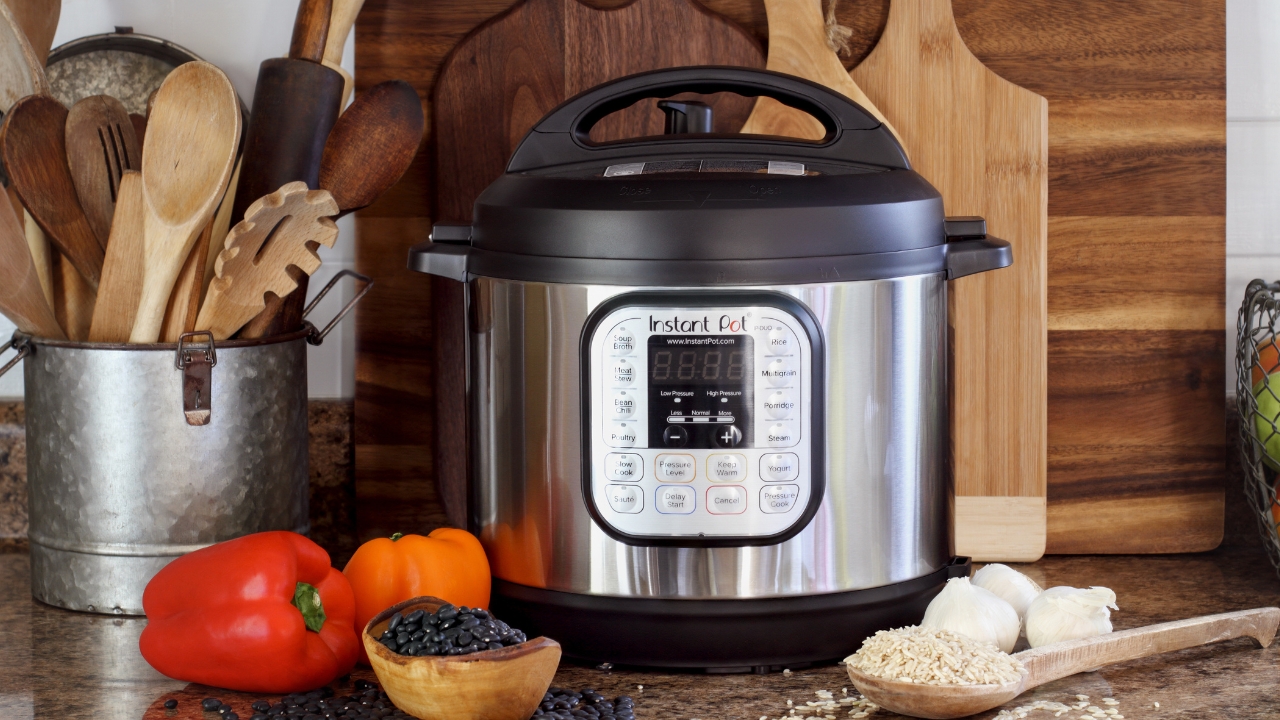
Cooking with a full-size oven heats up your house and racks up your electric bill—especially in the summer. Crock pots and pressure cookers use way less power and still turn out solid meals. You can plug them in, walk away, and come back to dinner done.
They also don’t heat the house like an oven does, which means your AC doesn’t have to work as hard. That’s double savings. If you’re already running these appliances, keep it up. If not, it’s worth making the switch for everyday cooking.
*This article was developed with AI-powered tools and has been carefully reviewed by our editors.