10 “energy upgrades” that won’t qualify for credits in 2025—and what to spend on instead
Energy tax credits can be a powerful way to cut the cost of home upgrades, but the rules are narrow and getting stricter as 2025 approaches. If you assume every “efficient” product qualifies, you risk spending thousands on improvements that never show up on your tax return. To protect your budget, you need to know which popular upgrades are shut out of the credits and where your money will actually earn a federal break.
Below, you will find ten common projects that sound green but typically do not qualify, along with smarter alternatives that align with current federal incentives. By steering your 2025 home plan toward the right systems and documentation, you can avoid expensive missteps and still move your house toward lower energy use and stronger resale value.
1. Standard HVAC replacements that miss efficiency thresholds
Swapping an aging furnace or air conditioner for a basic new model feels like an “energy upgrade,” but many standard systems fall short of the performance levels required for federal credits. When you hear about tax breaks for efficient HVAC, it is easy to assume any new unit will qualify, yet the rules for the Energy Efficient Home Improvement Credit focus on specific efficiency ratings and product categories, not just the fact that the equipment is new. If your replacement system is sized or priced to hit the bare minimum code requirements, you are likely paying for comfort and reliability, not a tax benefit.
To turn a necessary HVAC replacement into a qualifying investment, you need to look at equipment that clearly meets the criteria tied to the Energy Efficient Home Improvement Credit, often higher efficiency heat pumps, advanced air conditioners, or furnaces that exceed baseline standards. Guidance on what HVAC equipment does not qualify underscores that you should verify model numbers and ratings before you sign a contract. In practice, that means asking your contractor to specify the exact Seasonal Energy Efficiency Ratio (SEER), Heating Seasonal Performance Factor (HSPF), or other required metrics and to provide documentation you can keep with your tax records.
2. “Comfort” add‑ons that do not change energy use
Many of the most tempting home upgrades improve comfort without meaningfully cutting your utility bills, which is why they typically do not earn federal credits. Whole‑home humidifiers, basic air purifiers, zoning dampers added to an existing duct system, or smart vents that redirect airflow can make your rooms feel better, but they do not qualify as energy efficiency measures in the eyes of the IRS. These products are often marketed alongside efficient HVAC systems, which can blur the line between what is eligible and what is simply a comfort accessory.
If you want your comfort upgrades to work harder for your wallet, focus on measures that directly reduce energy consumption, such as high‑performance insulation, air sealing, or qualifying heat pump systems that fall under the Energy Efficient Home Improvement Credit. A detailed guide to the Energy Efficient Home Improvement Credit explains how the credit is structured around system and envelope improvements, not comfort gadgets. You can still add accessories if they matter to you, but you should plan them after you have locked in the core upgrades that actually qualify for a tax break.
3. Plumbing projects that look “green” but are treated as routine
On the plumbing side, it is common to assume that anything labeled “low‑flow” or “efficient” will unlock a credit, yet the IRS draws a sharp line between true energy‑saving systems and everyday repairs. Standard plumbing services, such as fixing leaks, replacing a toilet, or installing a basic water heater, are treated as routine work and are excluded from federal energy incentives. Even if a new fixture uses less water than your old one, that alone does not move it into credit territory.
To qualify, your plumbing‑related work usually needs to involve equipment that directly reduces energy consumption, such as certain high‑efficiency water heaters or systems that integrate with broader home energy improvements. Reporting on plumbing upgrades and tax credits makes clear that the IRS is focused on energy use, not general water savings or maintenance. When you plan 2025 projects, you should separate must‑do repairs from strategic upgrades, then channel your credit expectations toward qualifying water heating or integrated efficiency systems rather than everyday plumbing work.
4. Solar‑adjacent purchases that miss the clean energy credit
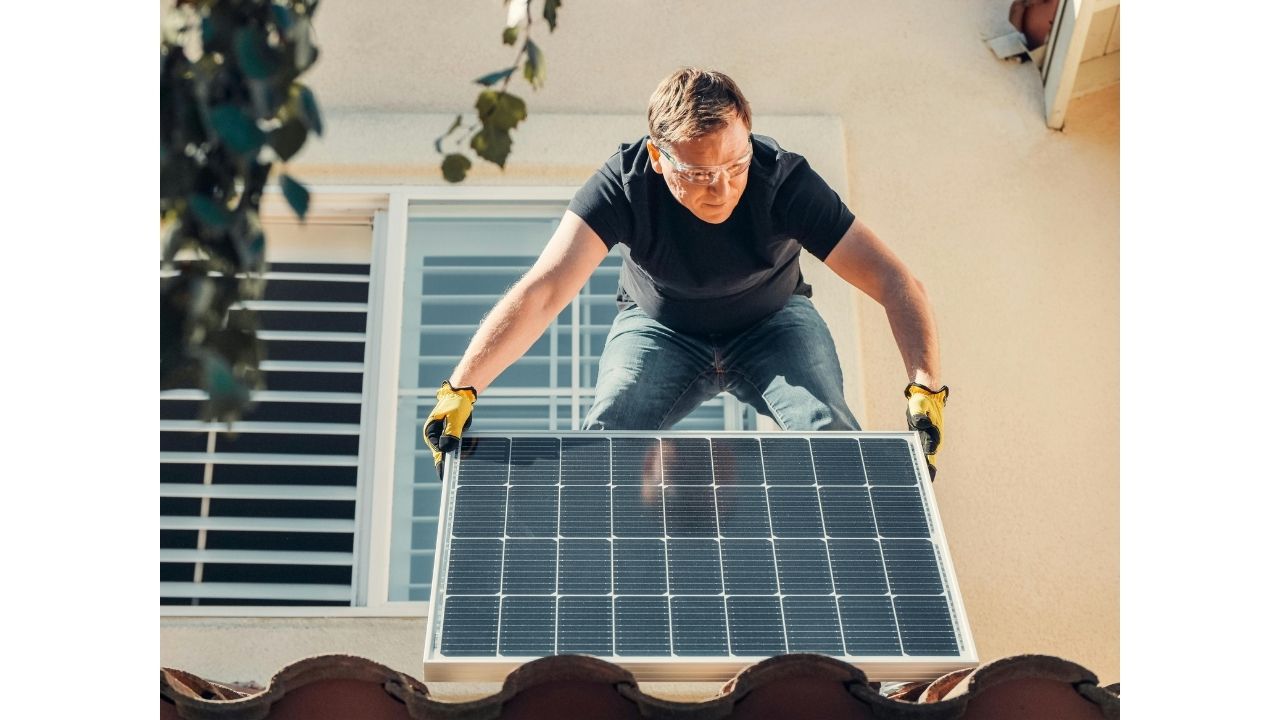
As solar and battery storage become more visible in neighborhoods, you might be tempted by a range of “solar‑ready” or “clean energy” products that sound like they belong in the same tax category. Decorative solar lights, small plug‑in panels for a shed, or generic backup power gadgets often get lumped into the mental bucket of green technology, but they do not necessarily qualify for the residential clean energy incentives. The federal rules distinguish between full systems that meet defined standards and incidental products that happen to use the sun.
Homeowners also face a ticking clock on some of the most generous clean energy incentives, which are scheduled to phase down or end after 2025. Guidance aimed at Homeowners who want to use credits before they end stresses that you should prioritize full qualifying systems, such as properly installed solar arrays or eligible clean energy equipment, rather than scattering money across smaller gadgets that do not meet the criteria. If you are serious about tapping the remaining clean energy credits, you should work with a reputable installer who can document that your system meets the relevant section of the tax code and provide the paperwork you will need at filing time.
5. Generic “green” upgrades that lack IRS backing
Beyond HVAC, plumbing, and solar, there is a long list of products marketed as eco‑friendly that simply do not appear in the federal credit framework. Recycled countertops, bamboo flooring, basic double‑pane windows that do not meet efficiency thresholds, or smart home hubs that track energy use may all support your sustainability goals, but they are not automatically recognized by the IRS as credit‑worthy improvements. The gap between marketing language and tax law is wide, and if you rely on product packaging or sales pitches, you can easily overestimate the financial help you will receive.
To avoid that trap, you should cross‑check any planned purchase against a current list of federal credits and the underlying IRS rules before you commit. A comprehensive overview of what tax credits you can claim points you back to official IRS guidance, including references to “Here,” “Please,” “IRS,” and “The IRS” instructions that spell out which categories and forms apply. Once you know which upgrades have explicit backing, you can still pursue other green projects for comfort, aesthetics, or resale value, but you will do it with clear eyes about which costs are on you and which might be offset at tax time.
Like Fix It Homestead’s content? Be sure to follow us.
- Man Says He Found Out the Fence He Paid For Wasn’t Actually on His Property
- Woman Says Her Neighbor Started Taking Mulch From Her Delivery Pile Before She Could Even Spread It
- I made Joanna Gaines’s Friendsgiving casserole and here is what I would keep
- What Caliber Works Best for Groundhogs, Armadillos, and Other Digging Pests?
*This article was developed with AI-powered tools and has been carefully reviewed by our editors.