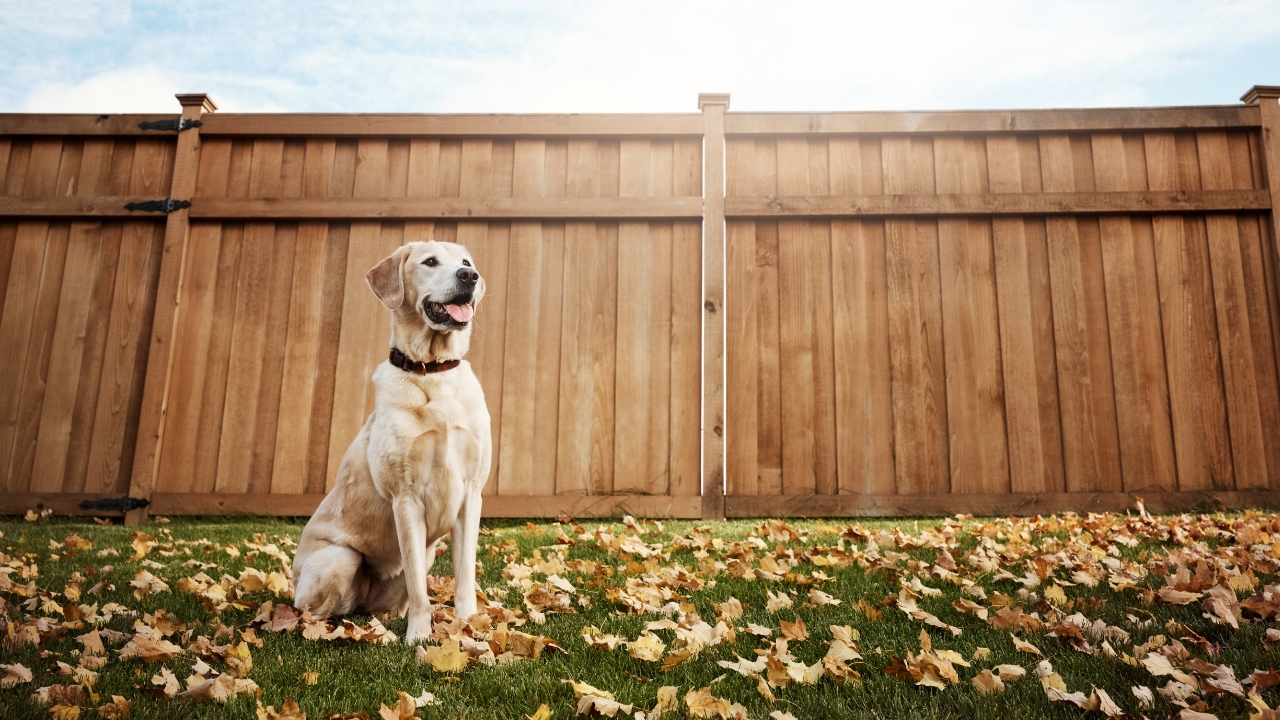
10 Fixes That Actually Help With Dogs That Won’t Stay Put
If your dog’s figured out how to escape—or just flat-out refuses to stay put—you’re not alone. Some dogs are born roamers. Others get smart after a single taste of freedom. Whether you’re dealing with a jumper, a digger, or one that bolts at the first open gate, there are real fixes that actually work.
Tether Lines That Rotate Freely
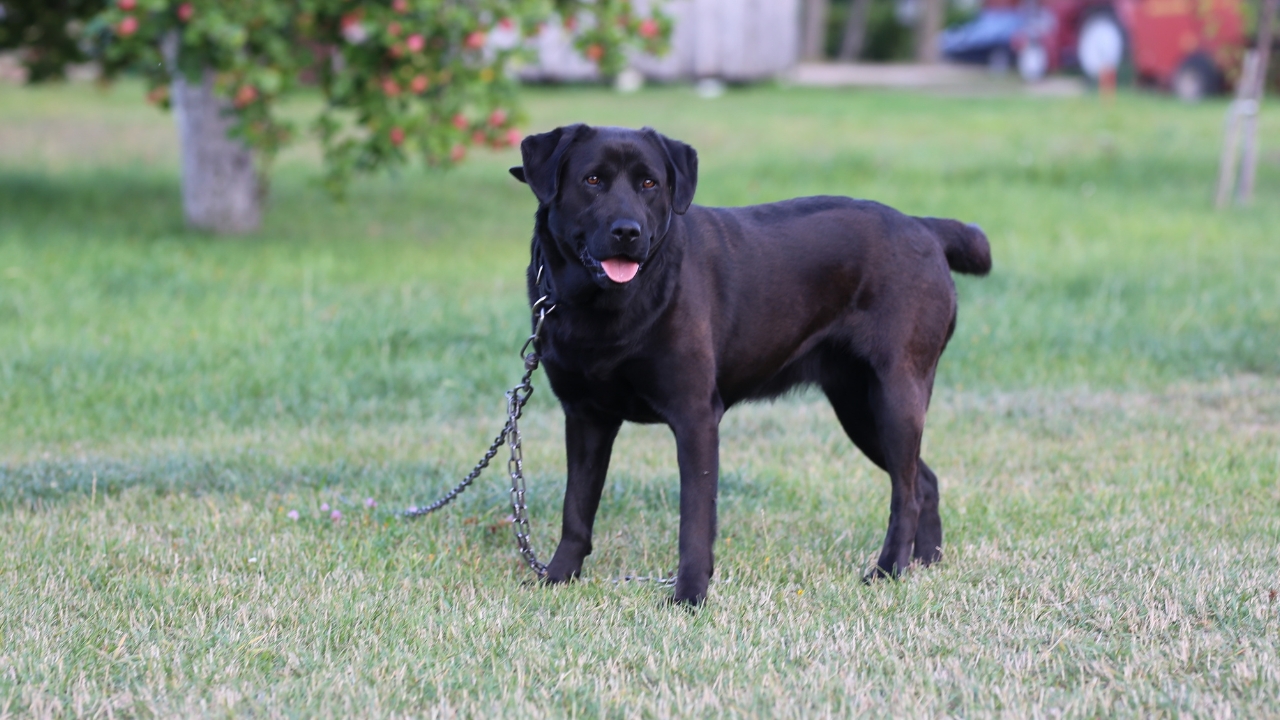
Fixed tethers cause frustration fast. They tangle, pull tight, and limit movement. A rotating tether or trolley line gives room without full freedom.
It’s one of the better setups if you’re in a pinch and don’t have a fence yet. It keeps them out of trouble and still lets them enjoy being outside.
Tie-Out Posts That Don’t Shift
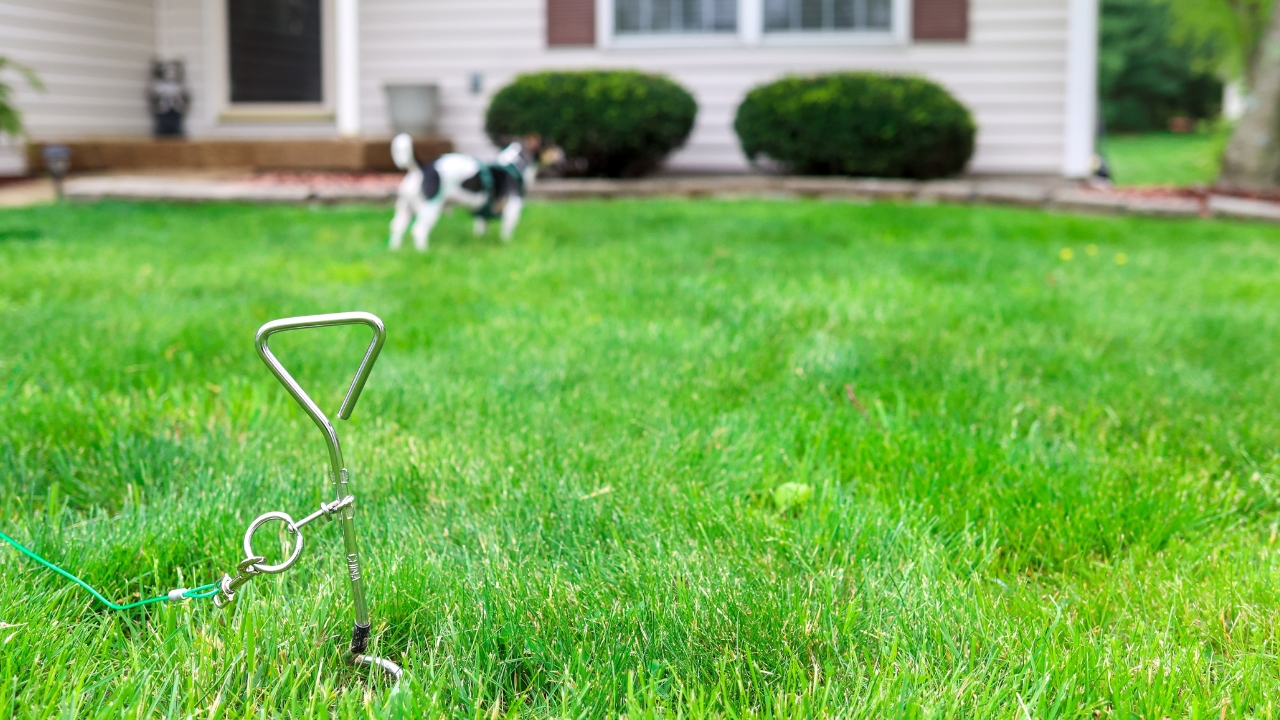
A lot of tie-outs fail because the stake isn’t secure. If it starts leaning or pulls loose, your dog learns they can work it free.
Anchor it deep, place it in solid ground, and make sure the cable isn’t fraying. A weak tie-out is a one-time fix that turns into a repeat problem.
Shade and Shelter Where You Leave Them
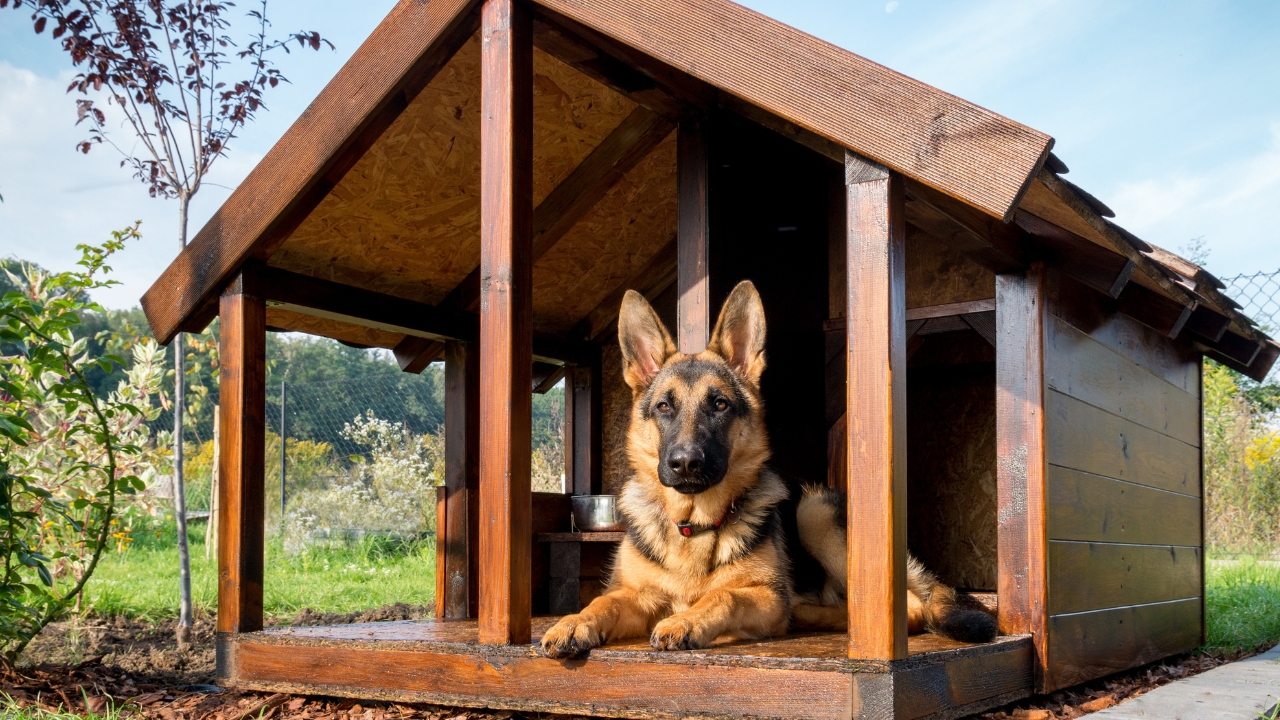
Dogs that get hot, cold, or overwhelmed will look for a new spot—and that often means out of bounds. If you’re leaving them out, give them a place to rest and feel safe.
That basic comfort goes a long way in reducing the urge to wander. No dog wants to stay put in miserable conditions.
Fencing That’s Not Worth the Jump

Some dogs will scale anything under 4 feet. And if they’ve succeeded once, they’ll try again. Upgrade to a taller fence or add an inward-facing barrier at the top.
Breaking the jump habit early is important. Once they learn they can clear it, a plain fence won’t stop them.
Underground Wire Systems with Consistent Training
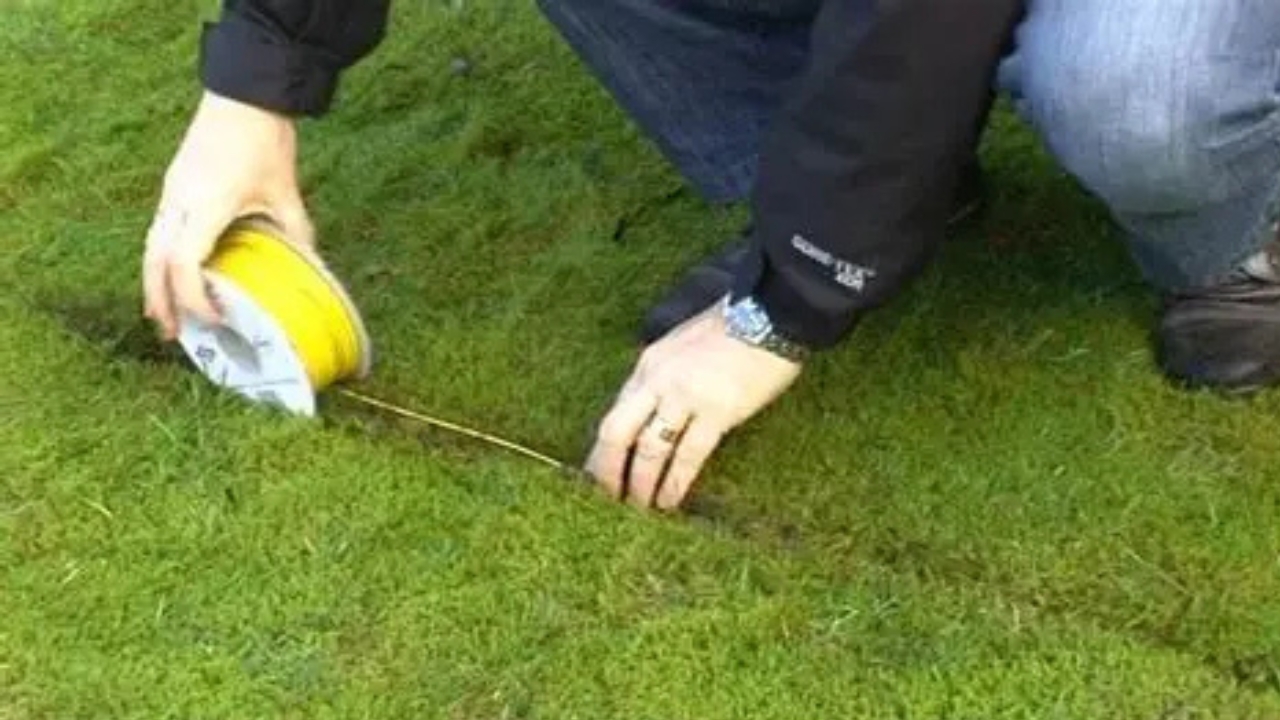
These aren’t magic solutions, but they do work when paired with training and correction. Skipping the training phase is where most people go wrong.
Take the time to reinforce the boundaries before going live. Dogs need to understand what the beep and zap actually mean.
Double Gates or Backup Barriers
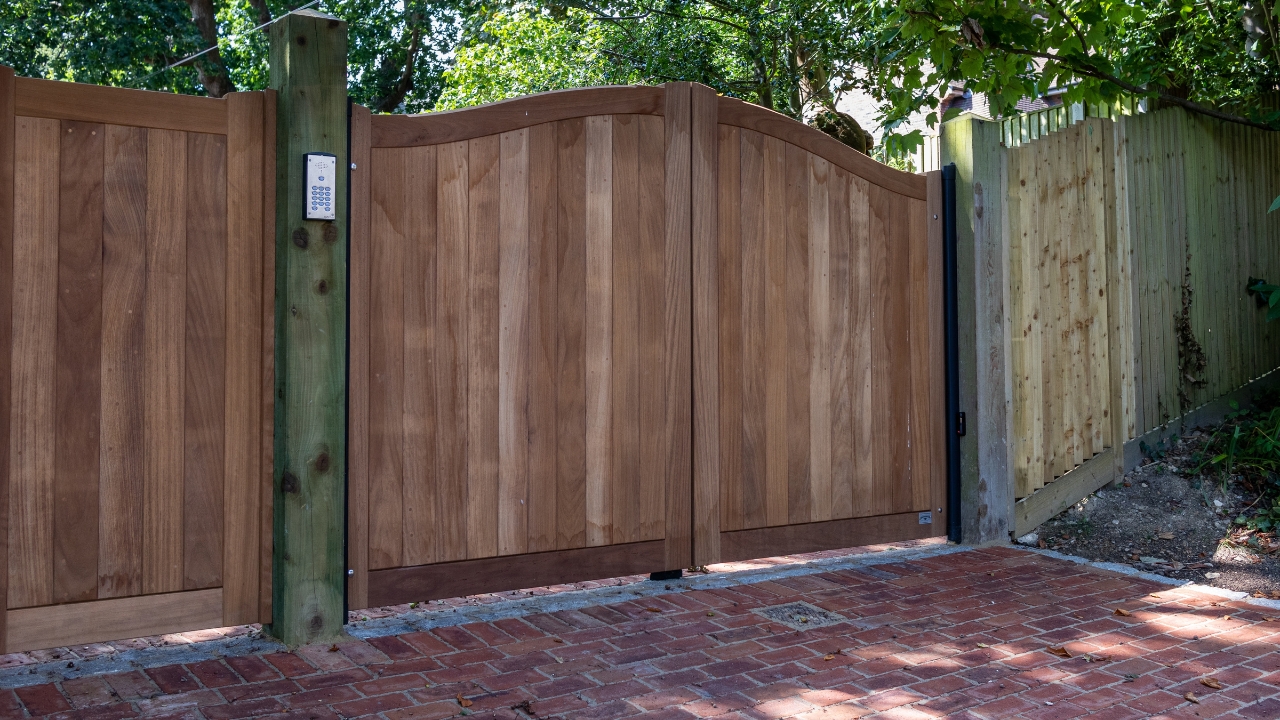
One gate is easy to slip through. Two gates with a buffer zone in between give you extra security—and time to react if they make a move.
This setup is especially helpful for driveways or common exit spots where the door or gate is frequently opened.
Walks That Burn More Energy
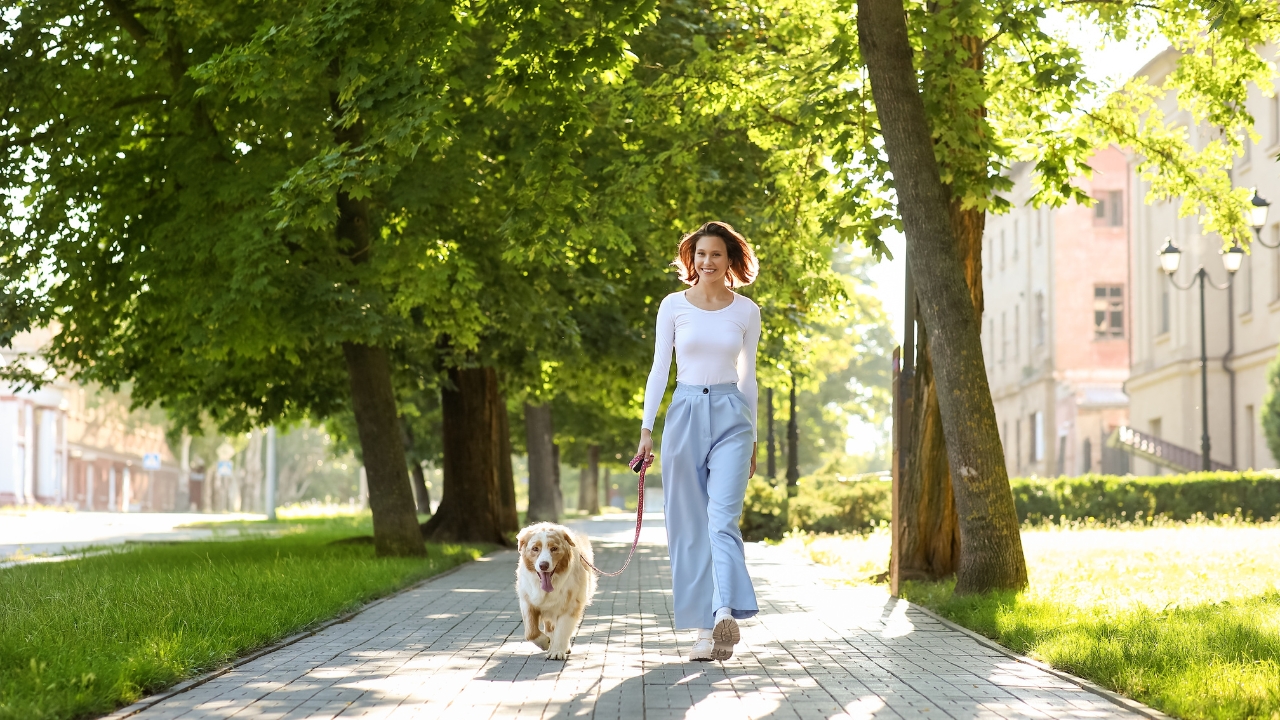
Some dogs roam because they’re bored. Daily walks—even short ones—give them an outlet and reduce the temptation to find their own adventure.
Mental stimulation matters, too. A tired dog isn’t as likely to find creative ways to escape.
Higher Value Training Rewards
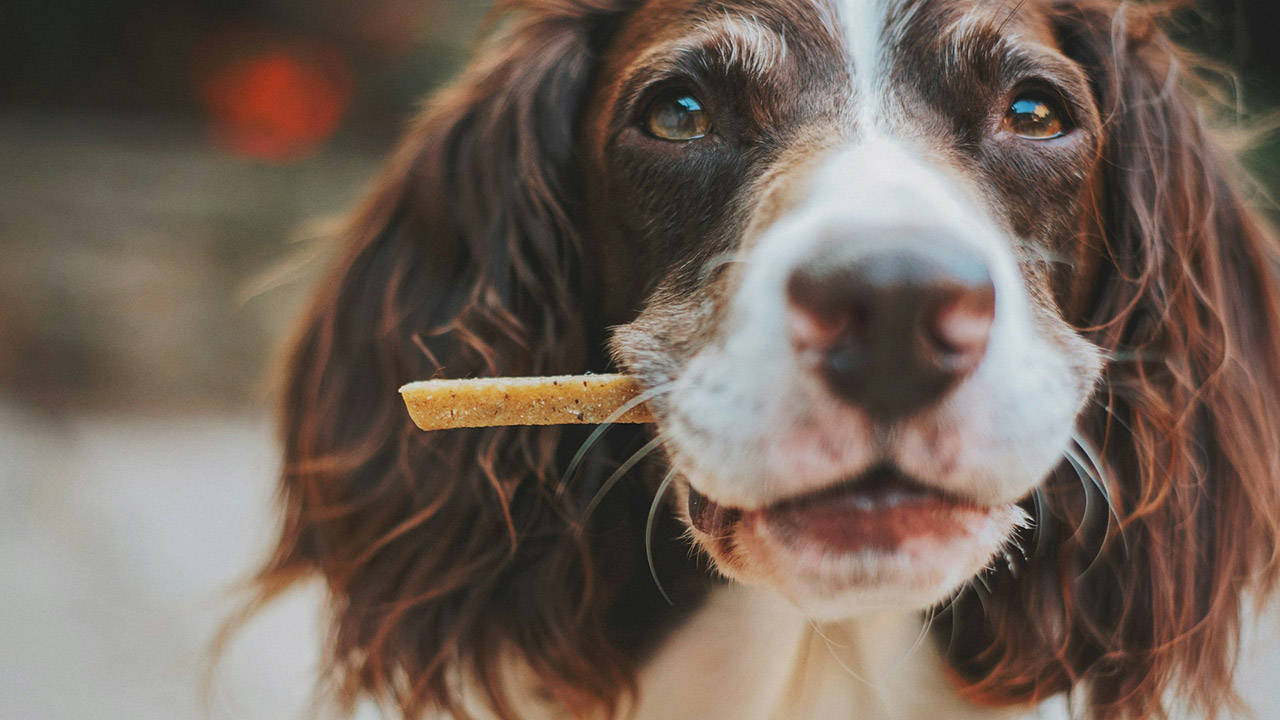
Dry biscuits won’t cut it when your dog’s looking at open fields. If you want recall to work, use high-value treats during training.
Save the good stuff for outdoor sessions. Reinforcement works better when there’s real incentive on the table.
Motion-Activated Alarms at Exit Points
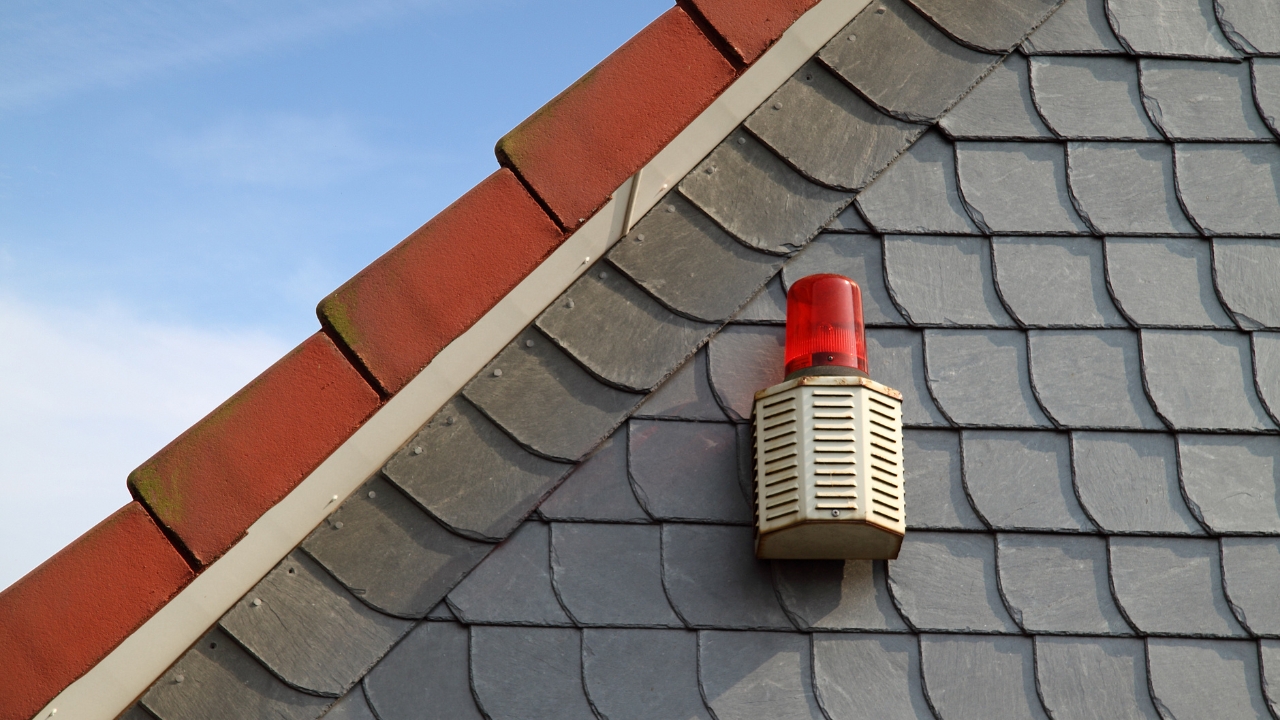
If your dog always breaks free from the same gate or path, set up a motion alarm. You’ll hear them making a move before they’re gone.
It gives you a chance to intervene before it turns into a full-on chase.
Behavior Shaping, Not Just Commands
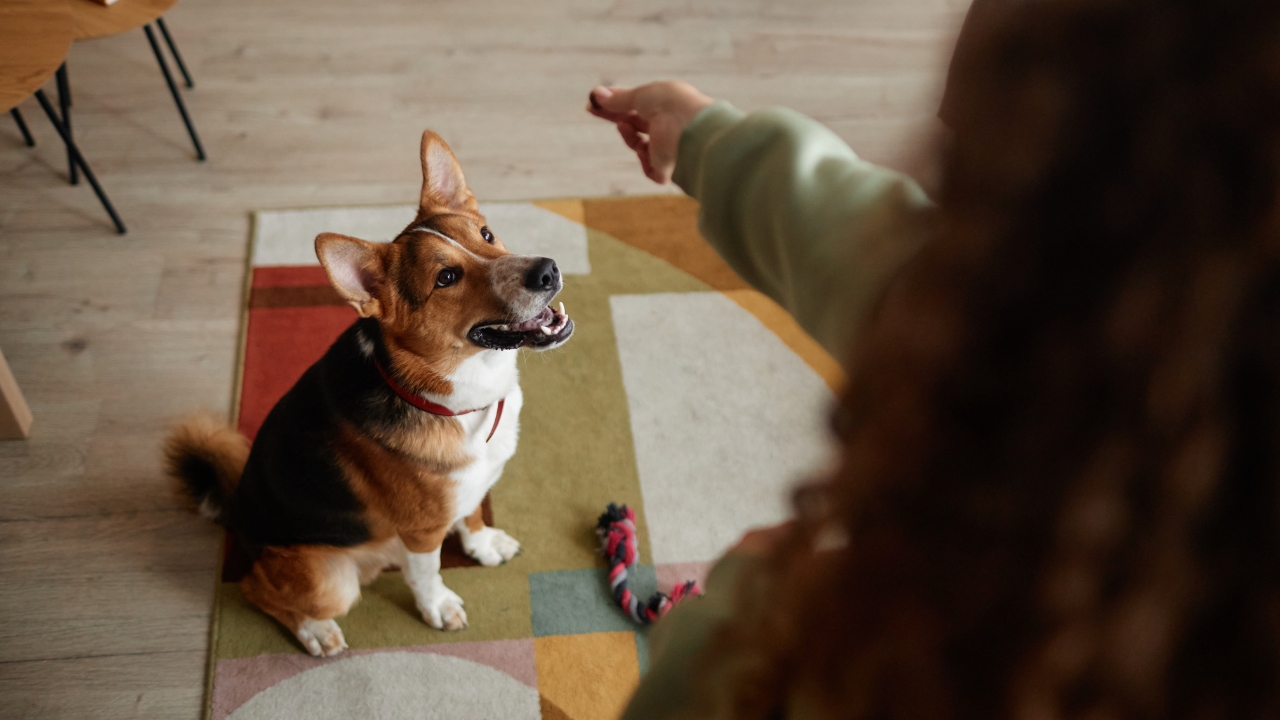
If your dog doesn’t respect boundaries, you need to go beyond “sit” and “stay.” Work on impulse control, response to distractions, and redirection.
It takes more time than basic obedience, but it’s the long-term fix that prevents future escapes—especially if you’ve got a smart, stubborn dog.
*This article was developed with AI-powered tools and has been carefully reviewed by our editors.