10 home trends that didn’t survive the internet
Photo credit: Kaboompics/Kaboompics.com
Some design trends look great in a photo but fall apart the second real life hits. The internet has a way of speeding up that process—what was once “everywhere” on Pinterest quickly becomes the thing everyone’s tired of seeing.
Between influencers, overexposure, and DIY fails, plenty of home trends have officially worn out their welcome. Here are the ones that didn’t make it through the online spotlight.
All-white everything

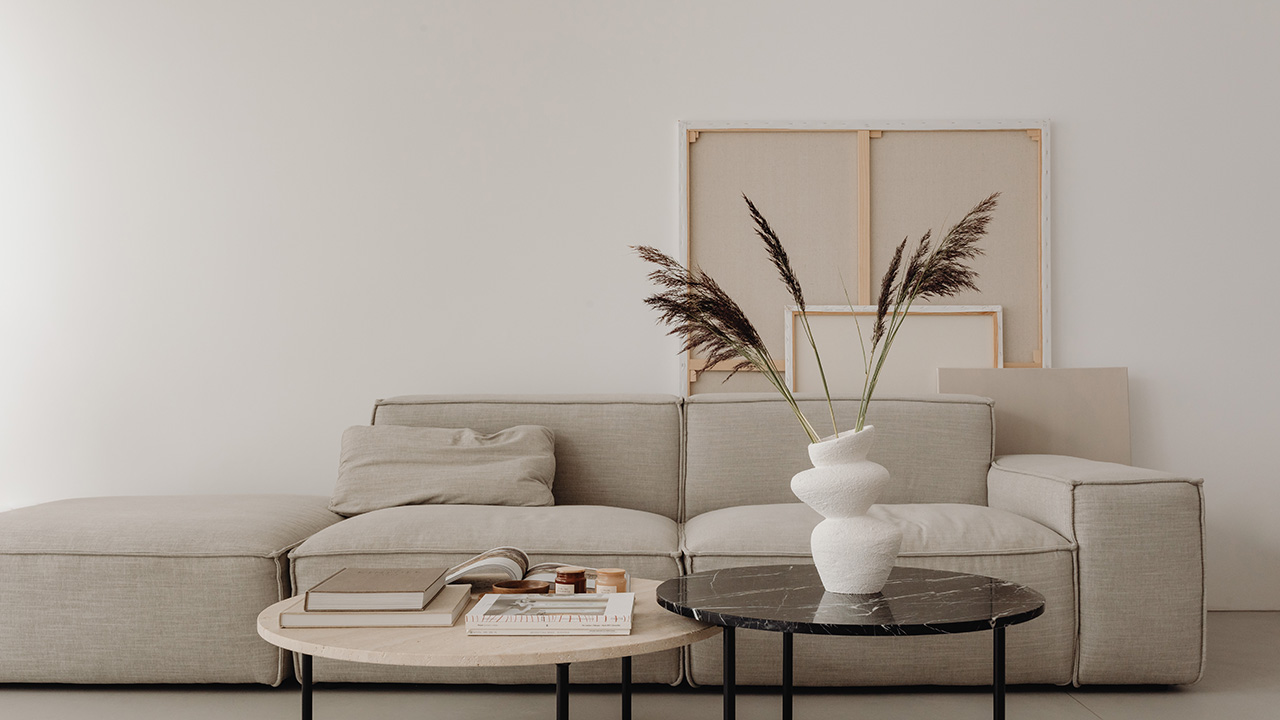
At one point, the internet convinced everyone that white walls, white furniture, and white decor were the height of sophistication. But after years of trying to live in spaces that look like art galleries, people realized they’re impossible to keep clean and feel cold fast.
Designers are shifting toward warmth and depth—muted tones, natural textures, and lived-in layers that actually hold up to family life.
Open shelving kitchens

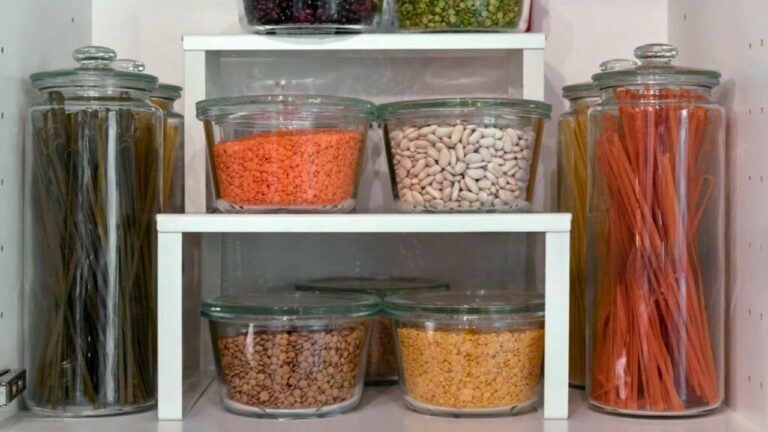
Pinterest made open shelves look perfect—rows of neatly stacked dishes and pretty jars. In reality, they collect dust, grease, and clutter faster than anyone expected.
The internet helped people see what those “after” photos look like six months later. Now, most homeowners are back to cabinets with doors, maybe keeping one shelf for display and hiding everything else behind closed panels.
DIY concrete countertops
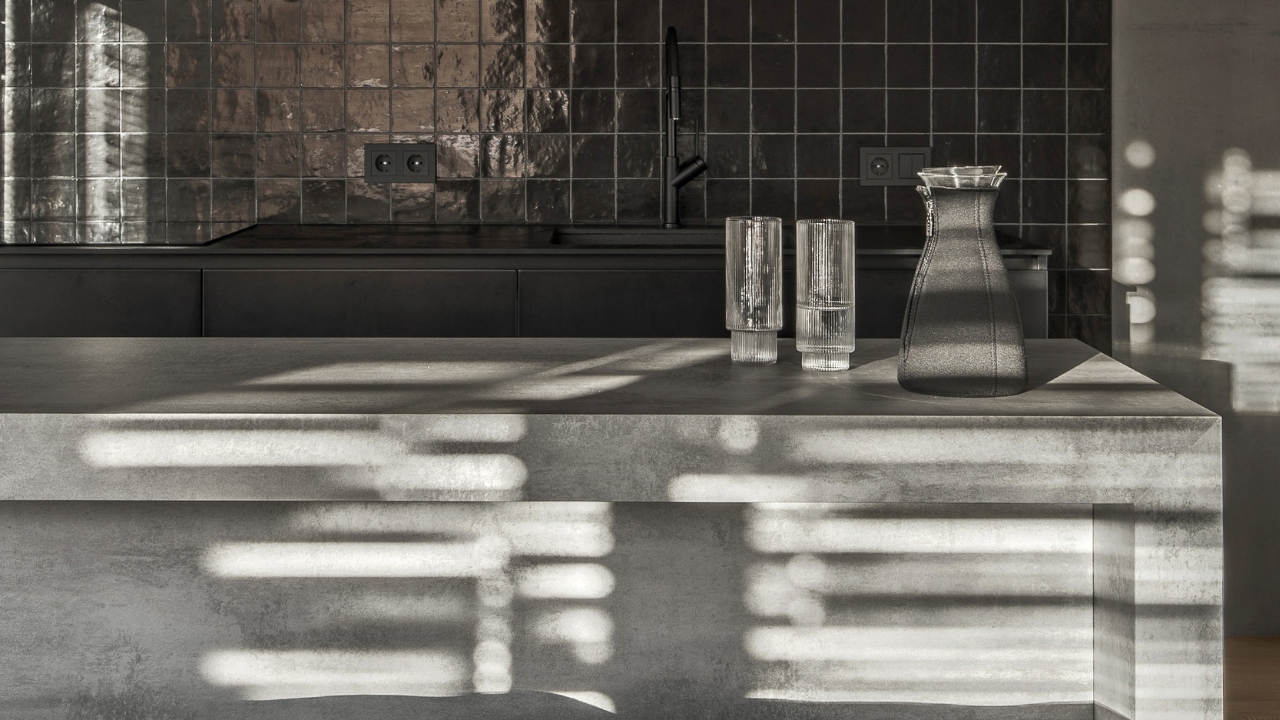
Instagram made concrete countertops seem like the ultimate budget-friendly fix, but too many people found out the hard way they stain, crack, and require constant sealing.
Designers have moved back to quartz, butcher block, and solid surface options that look clean and actually last. The internet’s endless “fail” videos sealed concrete’s fate as a short-lived trend.
Farmhouse signs

Every “gather,” “home,” and “blessed” sign had its run, but social media overexposure killed the charm. Once every influencer had one, they stopped feeling personal.
Now designers lean toward art, textiles, and vintage pieces that feel authentic. The shift online made people crave originality again—not mass-produced decor that’s been reposted a thousand times.
Gray everything
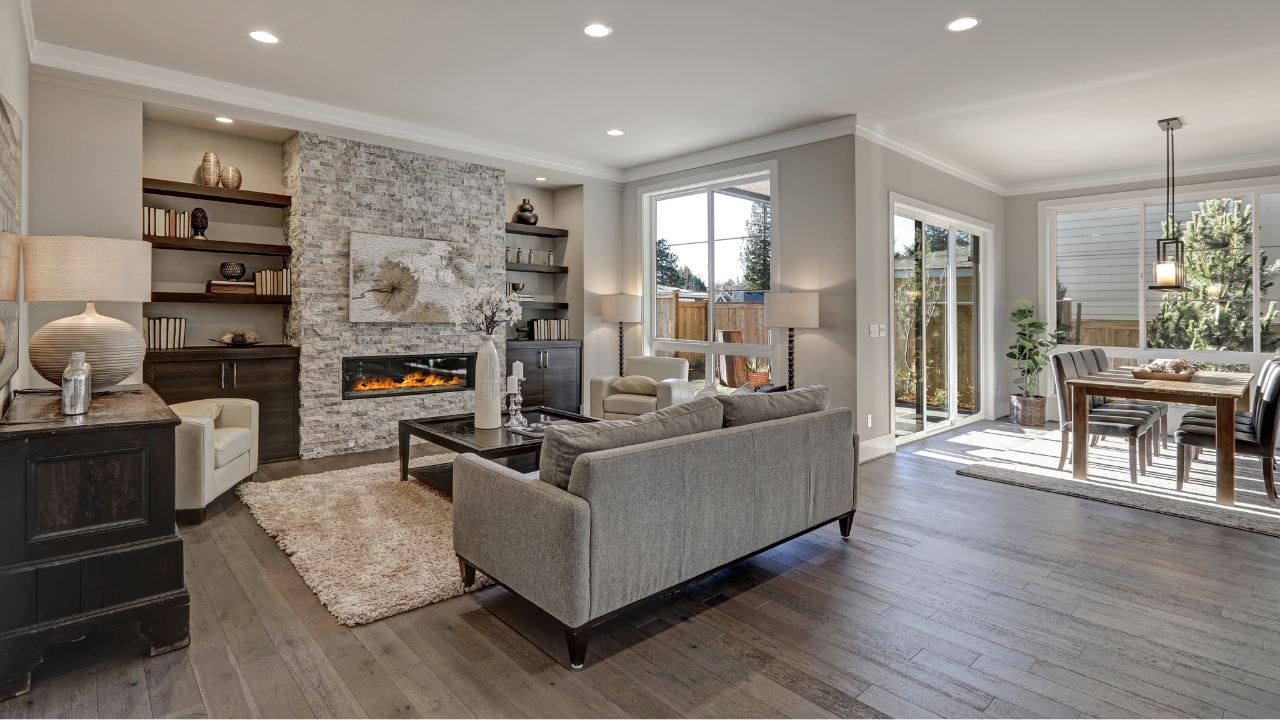
For years, gray was the color of modern homes. But between over-filtered Instagram posts and overuse in every remodel, it quickly became the new beige—flat and lifeless.
The internet’s design community turned against it in favor of warmer neutrals like taupe and greige. Online, even gray enthusiasts admit it’s hard to make gray feel cozy or high-end anymore.
Chevron patterns
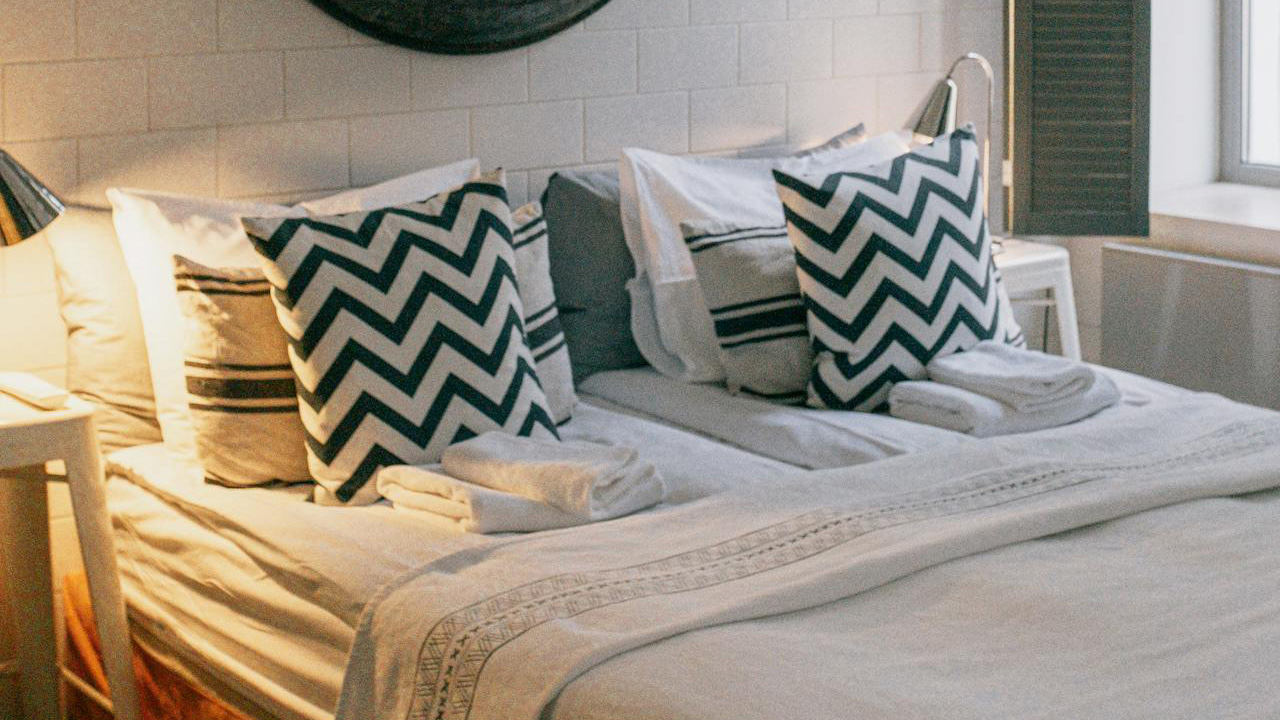
Chevron had its 15 minutes of fame thanks to Pinterest crafts and DIY walls, but once every pillow, rug, and nursery had the same zigzag print, people got tired of it.
Now, subtle textures and organic patterns have replaced the sharp lines of chevron. It’s one of those trends that instantly timestamps a space back to the early 2010s.
Pallet furniture

The internet turned shipping pallets into coffee tables, headboards, and even patios. But over time, people realized how splintery, rough, and often unsafe those projects really were.
Designers and DIYers have moved toward reclaimed wood or vintage furniture instead. The pallet craze faded once people saw how many “Pinterest fails” came out of it.
Sliding barn doors
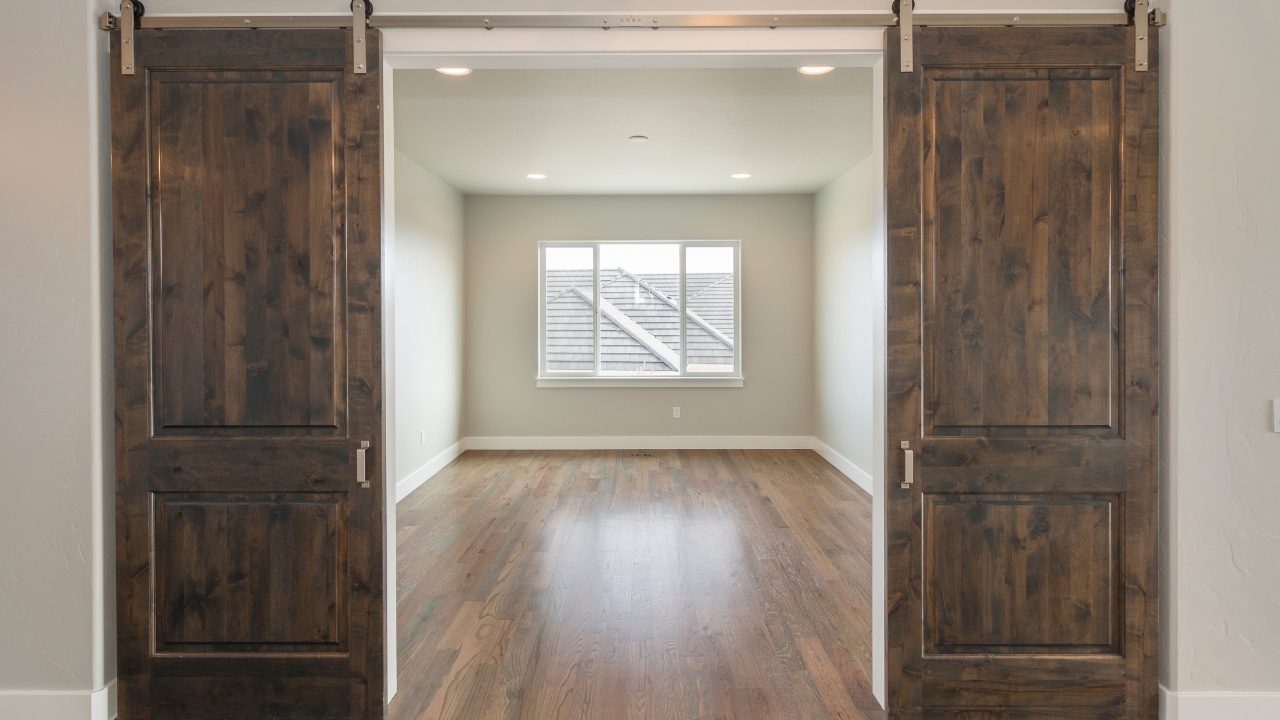
Thanks to HGTV and social media, barn doors were everywhere for years. But the internet did what it does best—overexpose them until everyone got tired of the look.
They don’t block sound, they scrape walls, and they’ve been used in every style of home imaginable. Now, pocket doors or clean-paneled ones have replaced them for good.
Epoxy floors and tables

TikTok made epoxy projects go viral, but the results often didn’t match the filtered videos. Over time, epoxy can yellow, chip, or crack, and many people found the finish looked plastic in person.
Designers are going back to natural materials—wood, tile, and stone—that age better and feel timeless. The internet hype cycle made epoxy look great for a season, but not for a decade.
Ultra-minimalist interiors
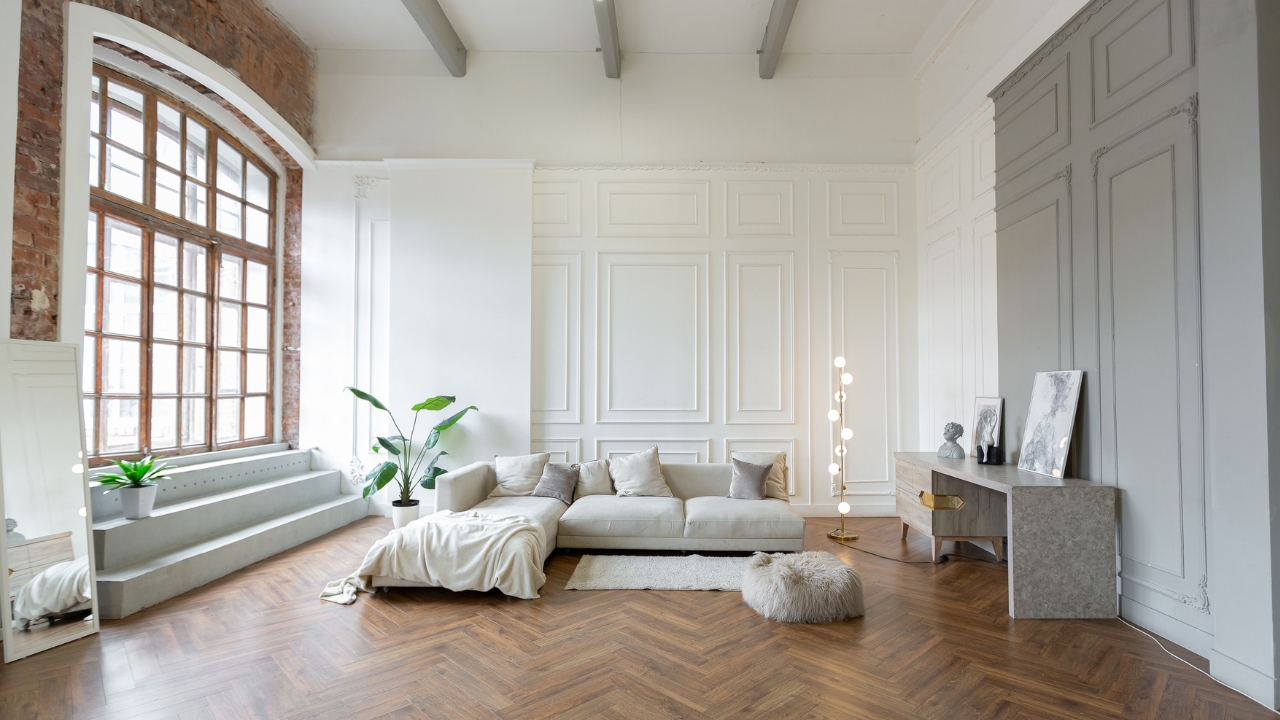
Minimalism looked appealing online—empty spaces, clean lines, and muted colors—but living in them often felt cold and impractical.
The pendulum has swung toward “warm minimalism,” where homes still feel uncluttered but comfortable. The internet helped people realize there’s a big difference between a calm space and one that feels sterile.
*This article was developed with AI-powered tools and has been carefully reviewed by our editors.