10 Landscaping Tricks That Help Keep Your House Cooler
When the heat kicks in, most people crank up the AC and hope their power bill doesn’t climb too high. But smart landscaping can do more than make your yard look good—it can actually help cool your house down.
The right shade, materials, and layout can block heat, redirect airflow, and cut back on how much energy you need to stay comfortable. It’s not about overhauling your whole yard. These small changes can make a noticeable difference when the temps start climbing.
Plant Shade Trees on the West Side

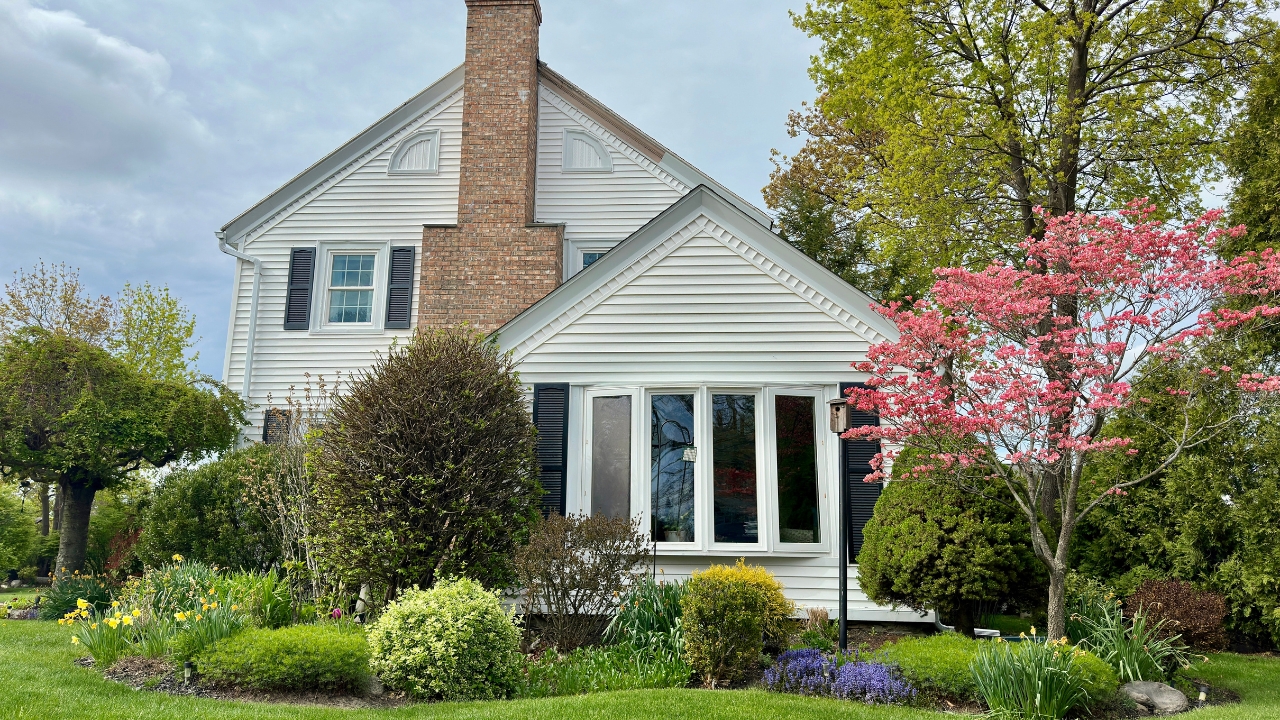
The west side of your house takes the brunt of the late afternoon sun, and that heat sticks around. Planting large, leafy trees in that area can block those harsh rays and keep your siding, windows, and walls cooler.
Fast-growing options like red maple, elm, or hybrid poplar are good choices, but even slower growers pay off long-term. The key is to give them enough space to grow wide and tall so they can actually block the sun—not just look nice from the street.
Add Vines or Trellises Near Walls
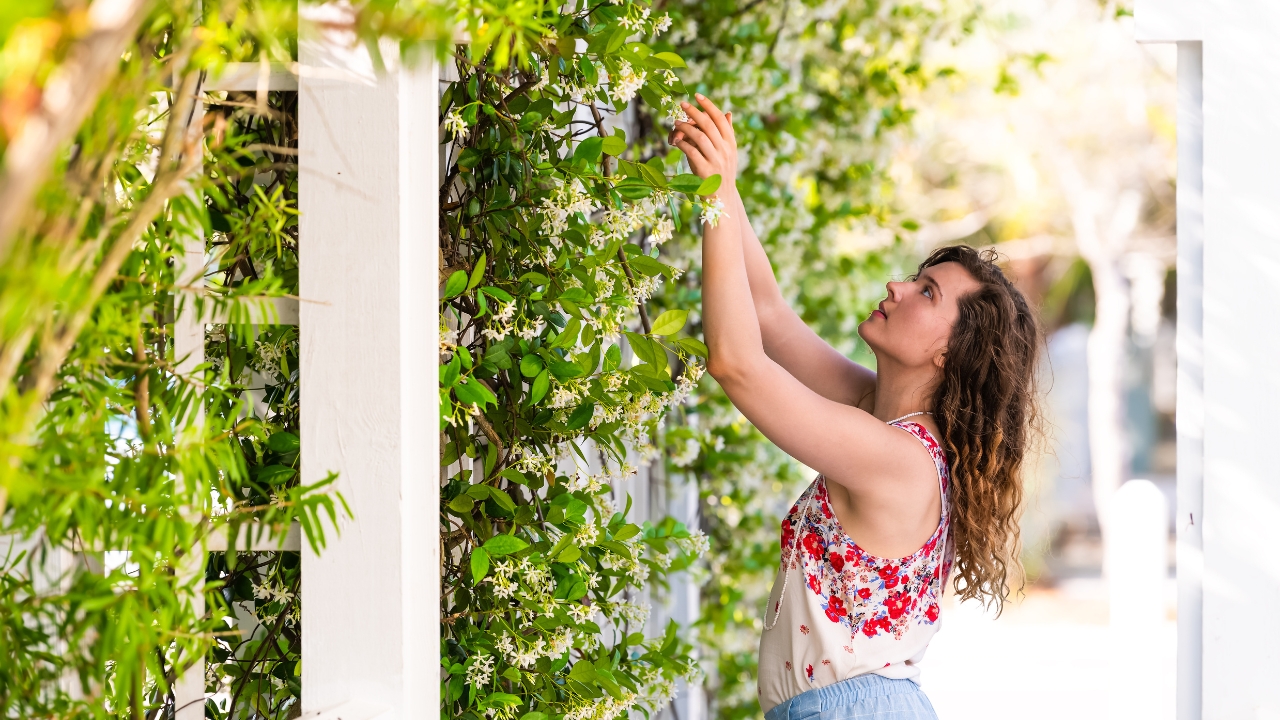
Climbing vines help cool nearby walls by creating a natural layer of shade. Whether they grow directly on your house or on a trellis set a foot or two away, they reduce surface temps and help keep indoor spaces cooler.
Choose non-invasive vines like Virginia creeper or star jasmine, and avoid letting aggressive types take over your siding. If you’re in a hotter region, go with a trellis setup so the wall can still breathe while staying shaded.
Use Light-Colored Mulch
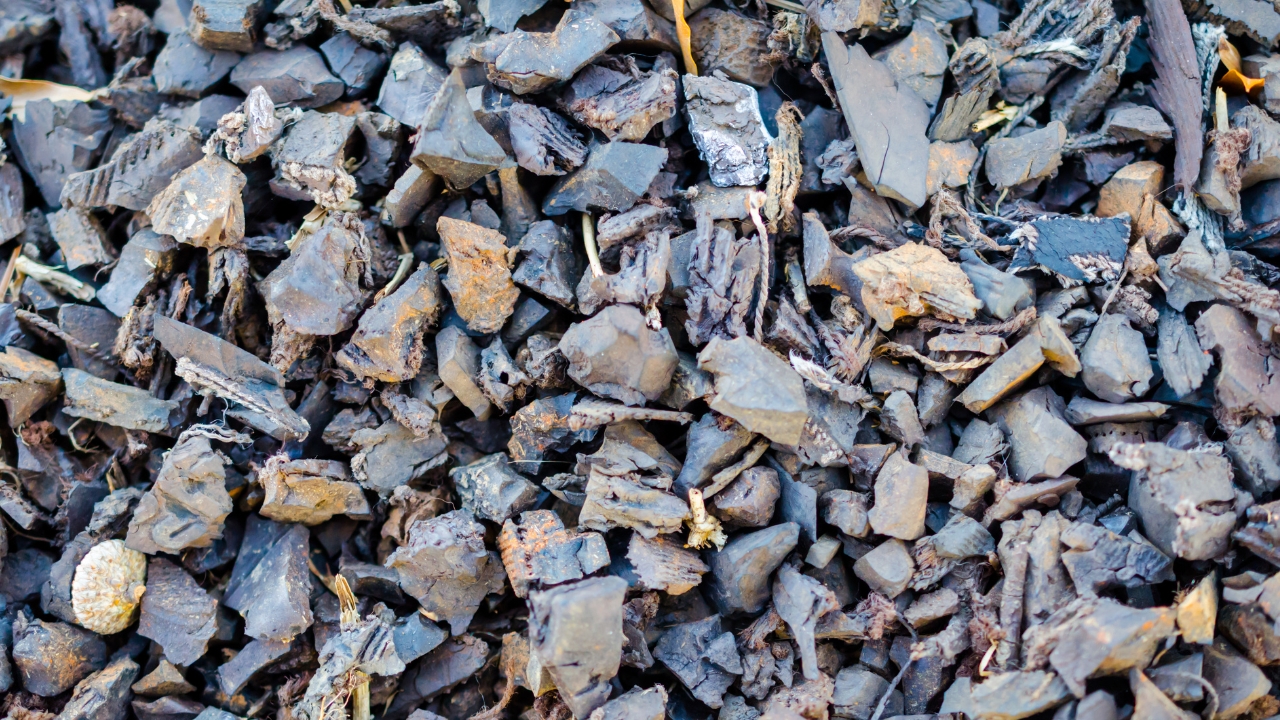
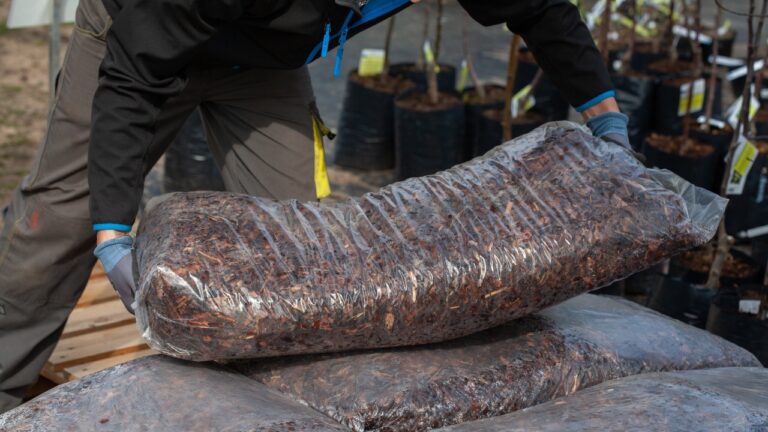
Dark mulch absorbs heat, which can warm up the surrounding air and even reflect some of that warmth back toward your house. Swapping it out for lighter-colored mulch can help reduce surface temperatures around your foundation.
Pine straw, shredded bark, or even stone in lighter tones won’t trap as much heat. Bonus: it reflects more light, which helps nearby plants stay healthier and keeps the overall yard cooler too.
Add a Pergola Near the House
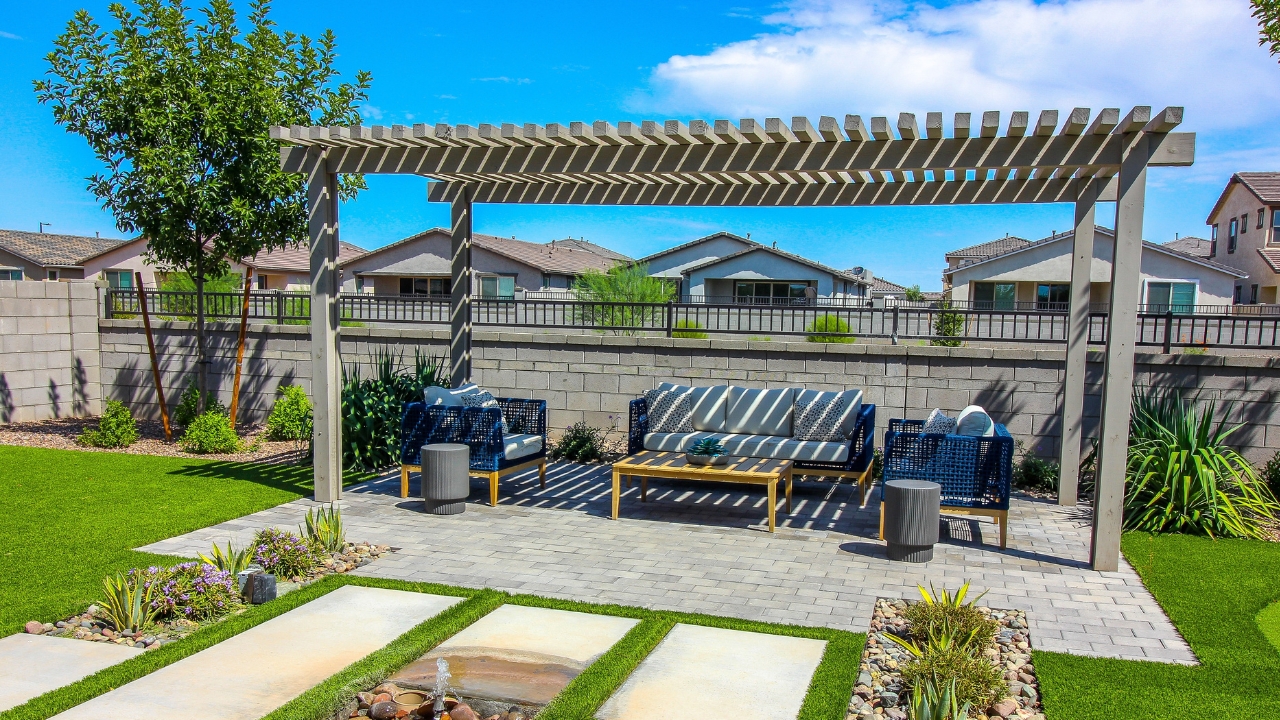
A pergola offers partial shade without cutting off airflow. When placed near a patio, deck, or wall that gets full sun, it helps block direct rays and cool down surfaces that radiate heat back into your home.
You can let vines grow over it or add a fabric shade for more coverage. Even a basic pergola can drop the temperature around your home by a few degrees, especially in areas that trap heat like concrete patios or siding.
Install a Gravel or Mulch Perimeter

Grass and concrete right up against your house can reflect heat onto your exterior walls. Adding a 2–3 foot buffer of gravel or mulch helps break that up and absorb less heat.
This trick is especially useful around foundations and under windows. It also helps with drainage, cuts down on weed growth, and keeps your siding cleaner. You don’t need anything fancy—just a basic layer can make a big difference.
Use Deciduous Trees Strategically

Deciduous trees give you the best of both worlds—shade in the summer and sun in the winter. If you plant them where they can block hot summer light, they’ll help cool your home when you need it most, then let light through when the leaves fall.
Look for trees with broad canopies and strong branch structures. Oak, ash, and hackberry are all solid choices. Just make sure they’re far enough from the house to avoid root issues but close enough to shade upper windows and rooflines.
Keep Lawn Areas Away from the House
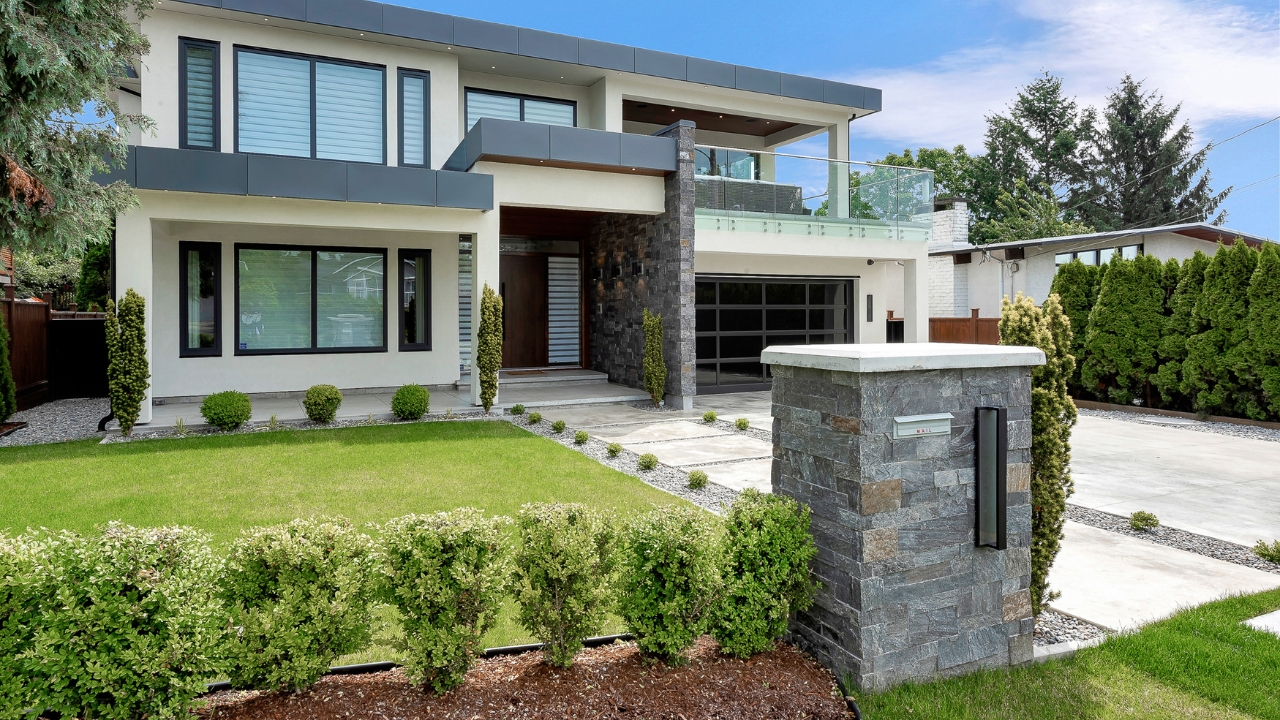
Lawns may look nice, but they actually reflect sunlight and release heat as they dry out. If your lawn runs right up to the house, it could be making things warmer. Keeping grass a few feet away from your walls can help reduce that bounce-back heat.
Instead of lawn, use mulch, gravel, native plants, or shade-tolerant groundcovers. These areas require less water and create a cooler zone around your foundation compared to hot, exposed turf.
Create a Shade Garden
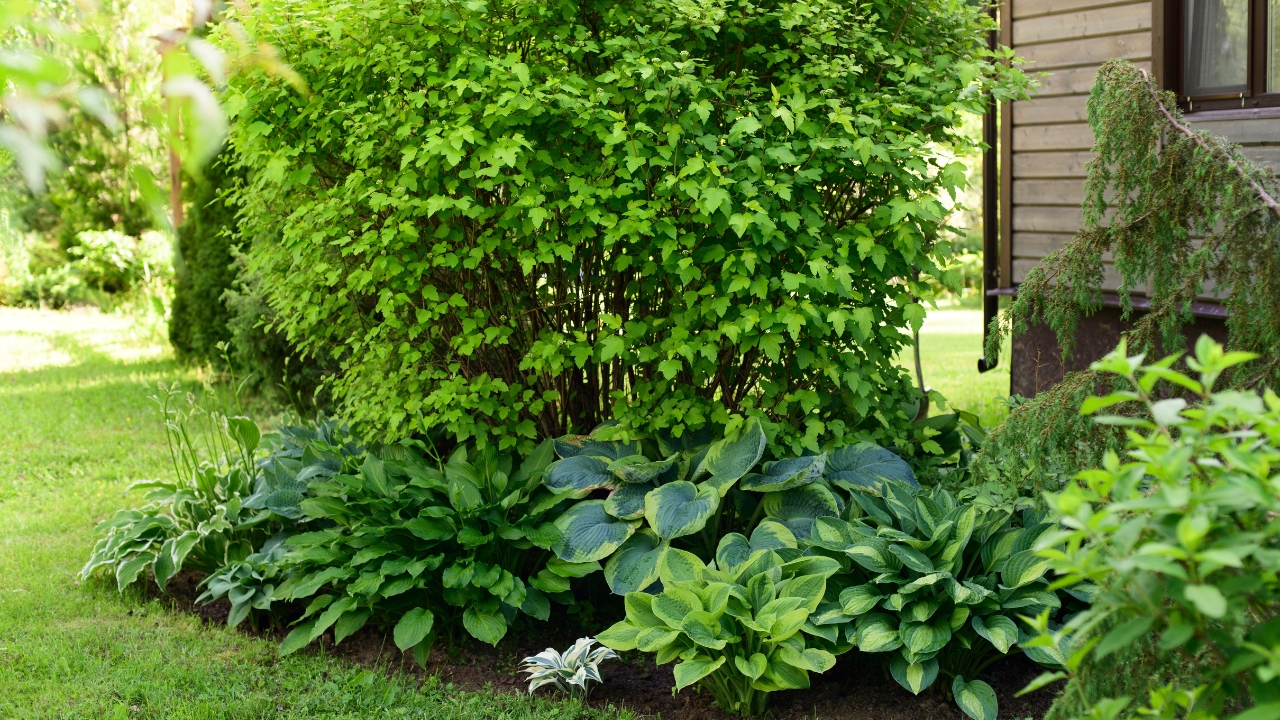
The more greenery you have near the house, the cooler it stays. A shade garden with shrubs, perennials, and low plants helps block sunlight, reduce ground heat, and improve airflow around your walls.
Stick to drought-tolerant options if you’re in a hot climate, and aim for layers—taller plants in the back, lower ones in front. Not only does it help with cooling, but it also adds texture and color without needing tons of maintenance.
Avoid Too Much Hardscape
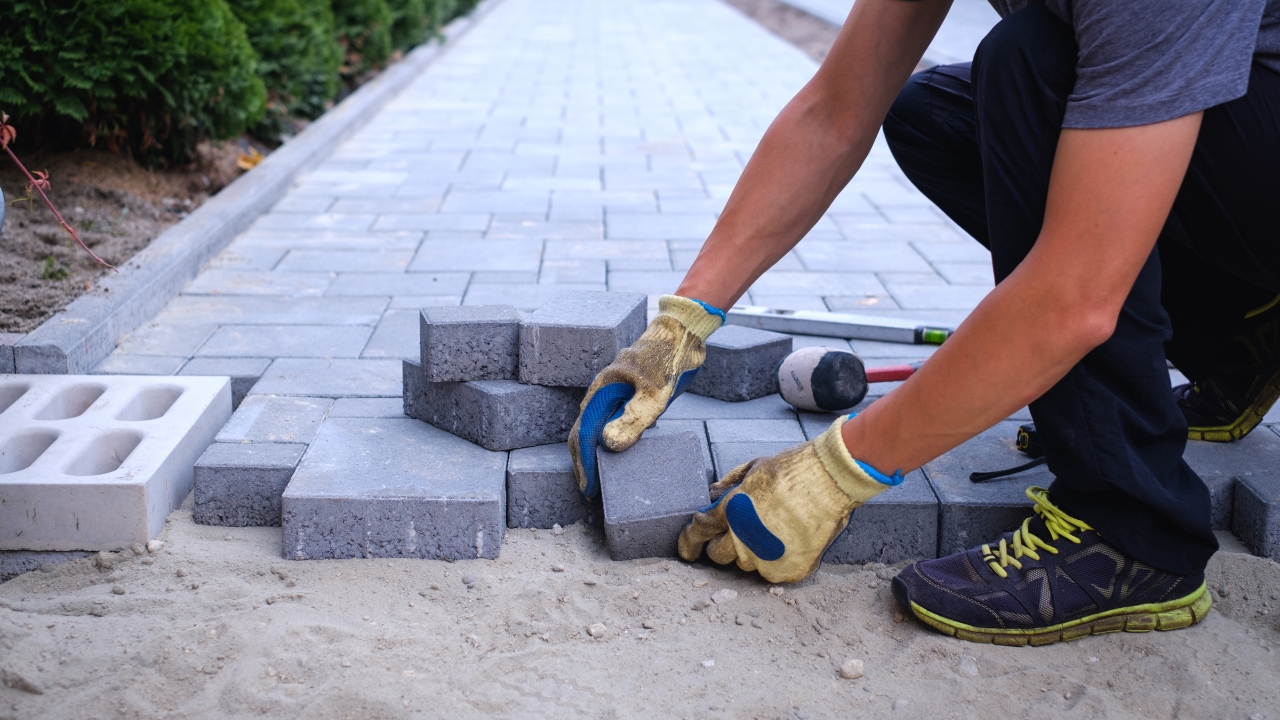
Large patios, walkways, and driveways made of concrete or stone hold heat and radiate it back into the air long after the sun goes down. If you’re planning hardscape areas, break them up with shade or greenery.
You don’t have to rip anything out, but adding shade sails, raised planters, or even a few trees nearby can help keep those surfaces from becoming heat traps. The more you can soften the space with plants, the less heat buildup you’ll have near your house.
Use Windbreaks to Your Advantage
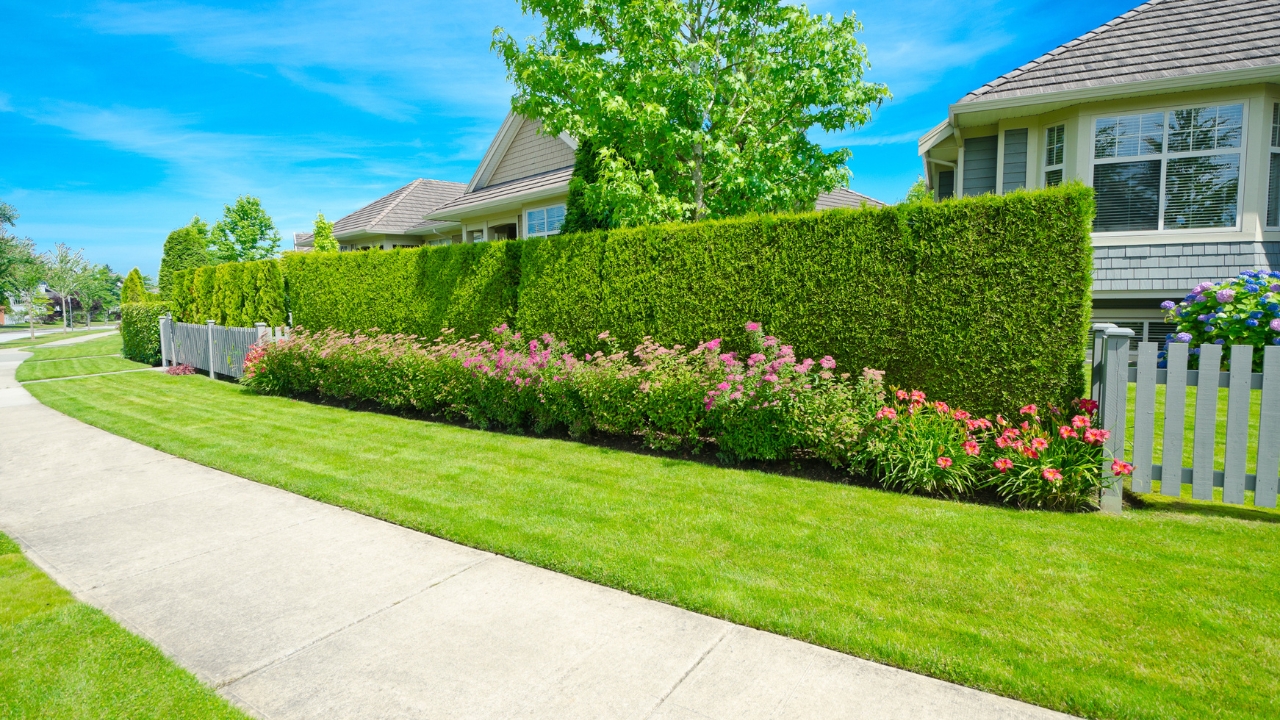
In hot climates, airflow matters. A row of hedges or shrubs can help redirect hot winds or slow them down before they hit your home. That small buffer can reduce how much hot air is pushed into your outdoor spaces and windows.
Make sure your windbreak doesn’t trap heat too close to the house. Position it several feet out, especially on the south or southwest side, and go with dense, leafy shrubs that can handle summer sun without frying.
*This article was developed with AI-powered tools and has been carefully reviewed by our editors.