10 Habits That Make Mowing Take Way Longer
Keeping up with your yard doesn’t have to eat your whole weekend. But if mowing takes forever, there’s a good chance it’s not your mower—it’s the habits leading up to it. A few small changes can save you a ton of time and make the job feel less like a chore.
These are the habits that slow you down more than you realize.
Letting the Grass Get Too Long

Waiting too long between mows makes the job harder than it needs to be. When grass gets too tall, your mower has to work harder, clumps build up faster, and you’re probably going to need to go over each section more than once.
Keeping up with mowing once a week during growing season helps you move faster and avoid bogging down. It also keeps your lawn healthier, which makes future mowing even easier.
Mowing Before You Trim

If you’re mowing first and trimming after, you’re adding time you don’t need to spend. You end up circling back to spots the mower missed near fences, trees, or flower beds.
Trimming first makes it easier to see where you’ve already cleaned up. Then you can mow without stopping or backtracking, which makes the whole job go faster and cleaner.
Skipping Pre-Mow Cleanup

Toys, sticks, hoses, and dog bones slow you down fast. If you’re constantly hopping off the mower to move stuff out of the way, you’re wasting more time than you think.
Take a couple of minutes before you start to clear the yard. You’ll be able to mow straight through without stopping every few minutes, and you’ll avoid nicking blades or damaging your equipment.
Ignoring the Mowing Pattern

Wandering all over the yard without a plan leads to missed spots and extra passes. If you’re overlapping too much or doubling back, it’s going to take way longer than it should.
Pick a pattern that makes sense for your yard—stripes, spirals, whatever works—and stick with it. You’ll cover every inch without wasting time or fuel, and your lines will look a whole lot neater.
Cutting When the Grass Is Wet

Wet grass clogs the deck, slows the blades, and sticks to everything. It also leaves you with uneven results, which usually means redoing parts of your yard.
If your shoes are getting soaked just walking across the lawn, wait it out. Dry grass cuts faster, cleaner, and won’t gum up your mower, saving you a ton of time and frustration.
Using Dull Blades
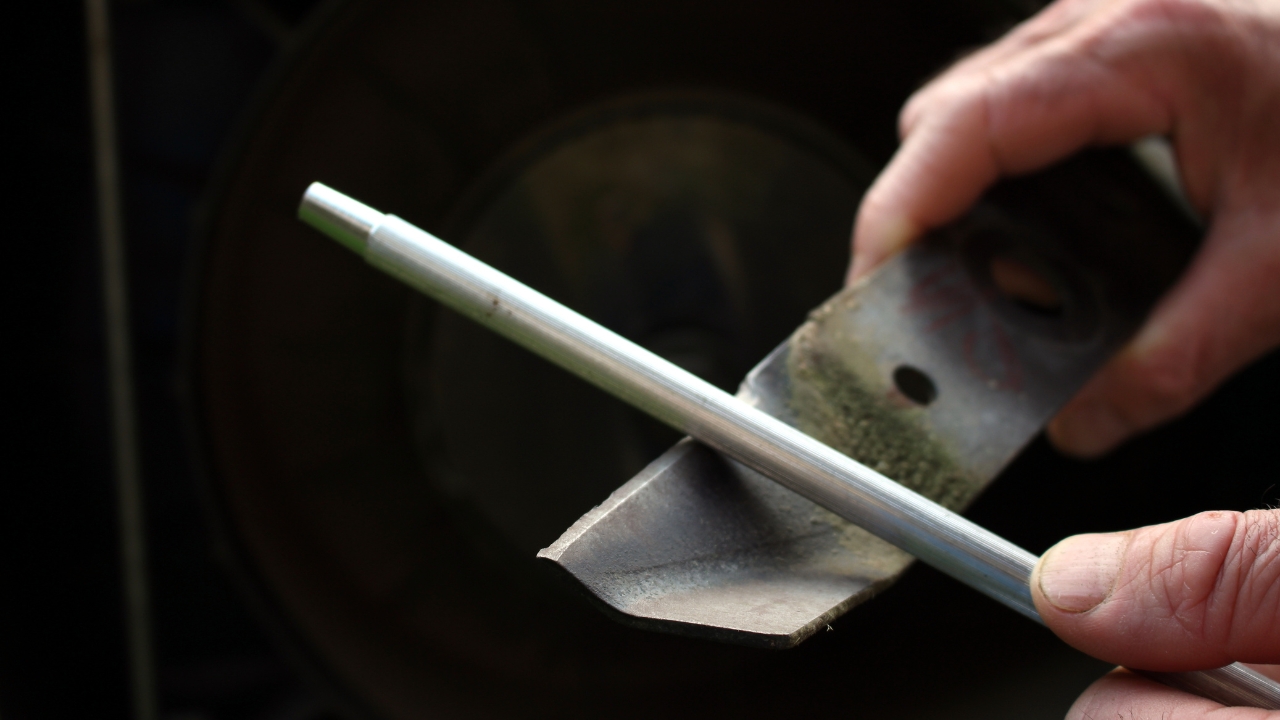
A dull blade doesn’t cut—it shreds. That slows your mower down and forces you to make extra passes to get the lawn looking even halfway decent.
Sharpen your blade at least once a season, more if you mow often or hit a lot of debris. A sharp blade moves quicker, gives a cleaner cut, and helps keep your yard in better shape overall.
Letting the Edges Overgrow
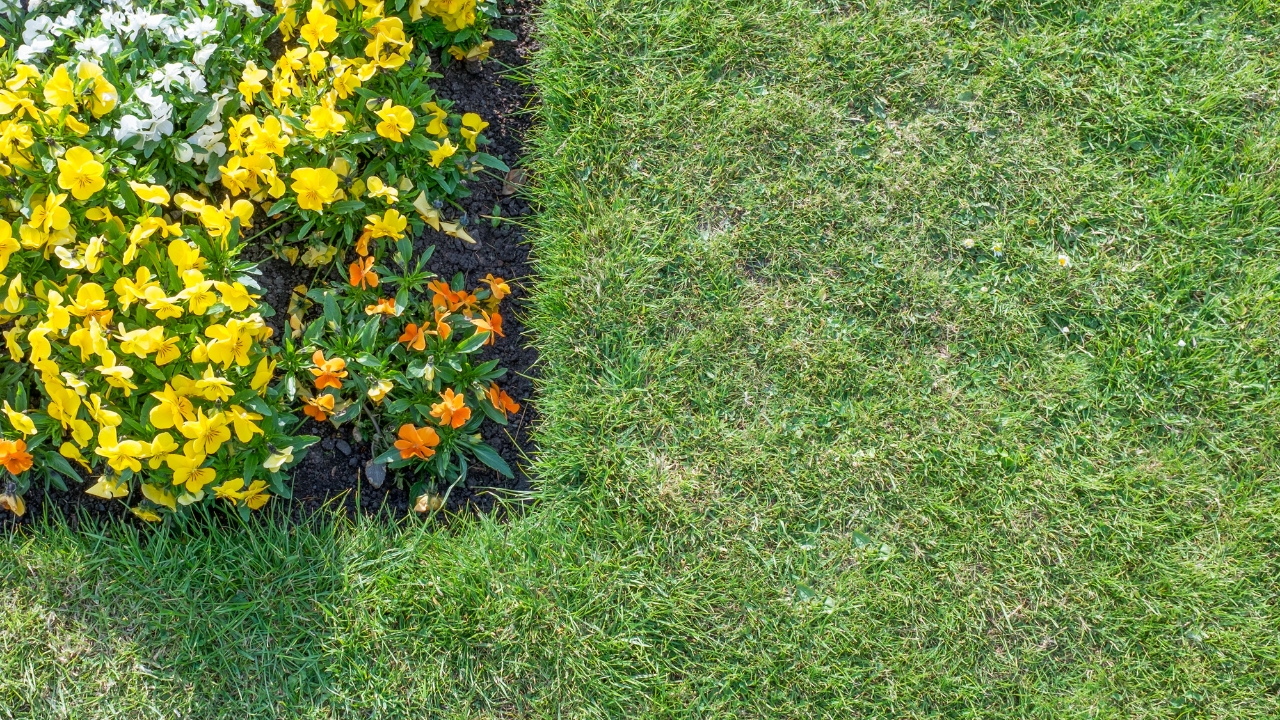
When the edges of your yard get out of hand, mowing becomes a puzzle. You either waste time trying to sneak the mower in close or end up trimming the whole edge by hand later.
Keep edges in check between mows so you can hit them in one pass. It also helps prevent grass from creeping into beds and walkways, which cuts down on cleanup later.
Using the Wrong Deck Height
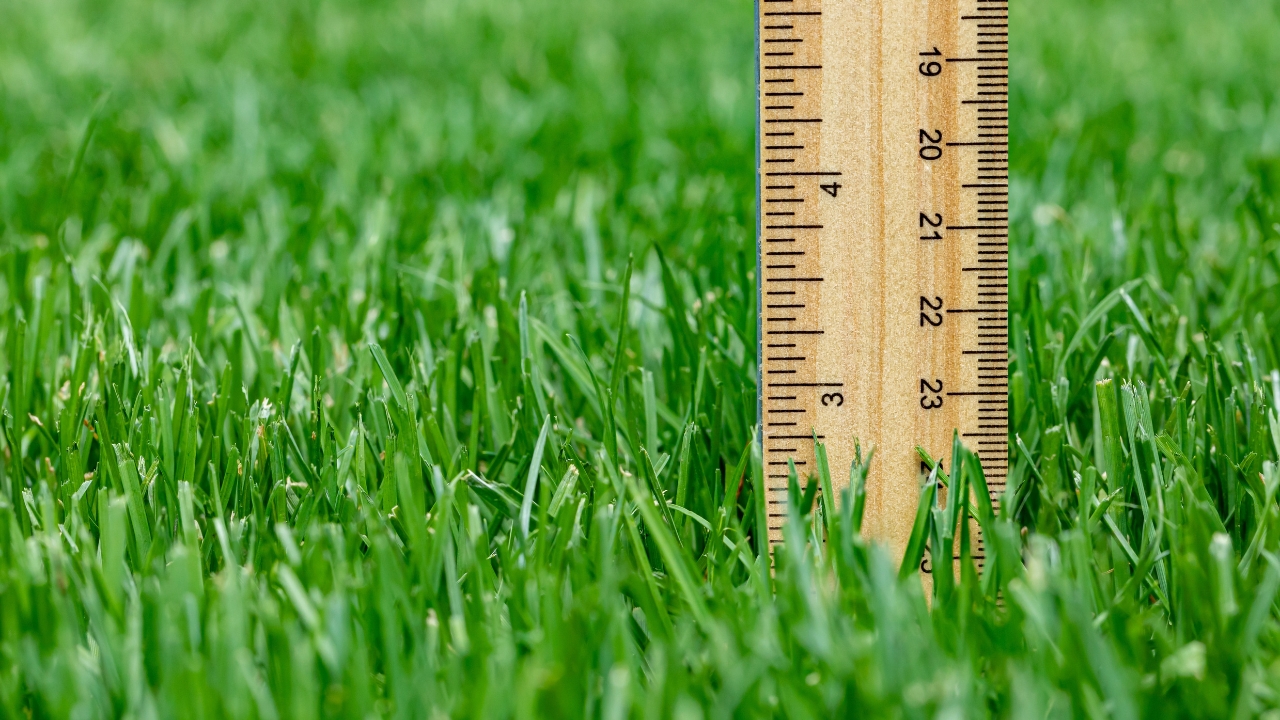
Mowing too low might seem like a shortcut, but it usually means you’re mowing more often and dealing with a stressed-out lawn that takes longer to clean up.
Find the right height for your grass type and stick with it. Cutting too low can also lead to more weeds and bare patches, which turn into more maintenance long term.
Overlapping Too Much
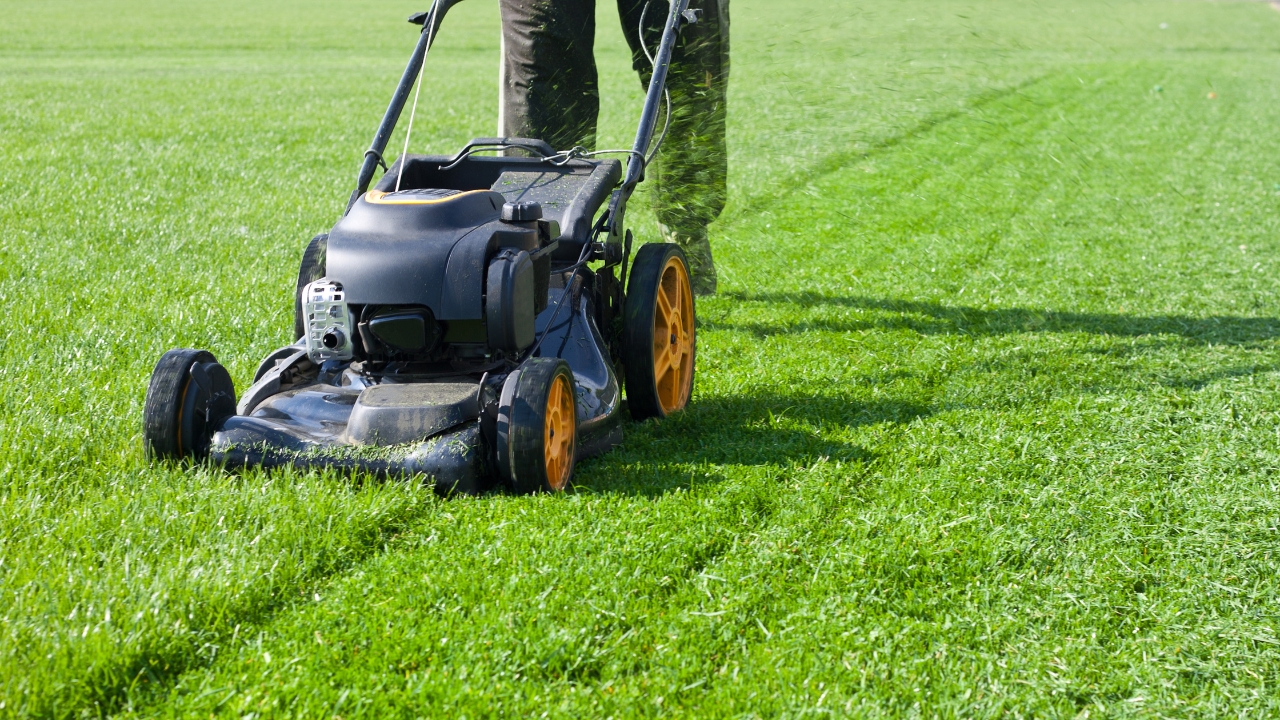
Some overlap is normal, but doing too much wastes fuel and time. You’re covering ground that’s already been mowed, which adds up across the whole yard.
Keep an eye on your tire tracks or mower lines and aim for consistent overlap—just enough to avoid strips, but not so much you’re doubling your workload.
Not Maintaining Your Mower
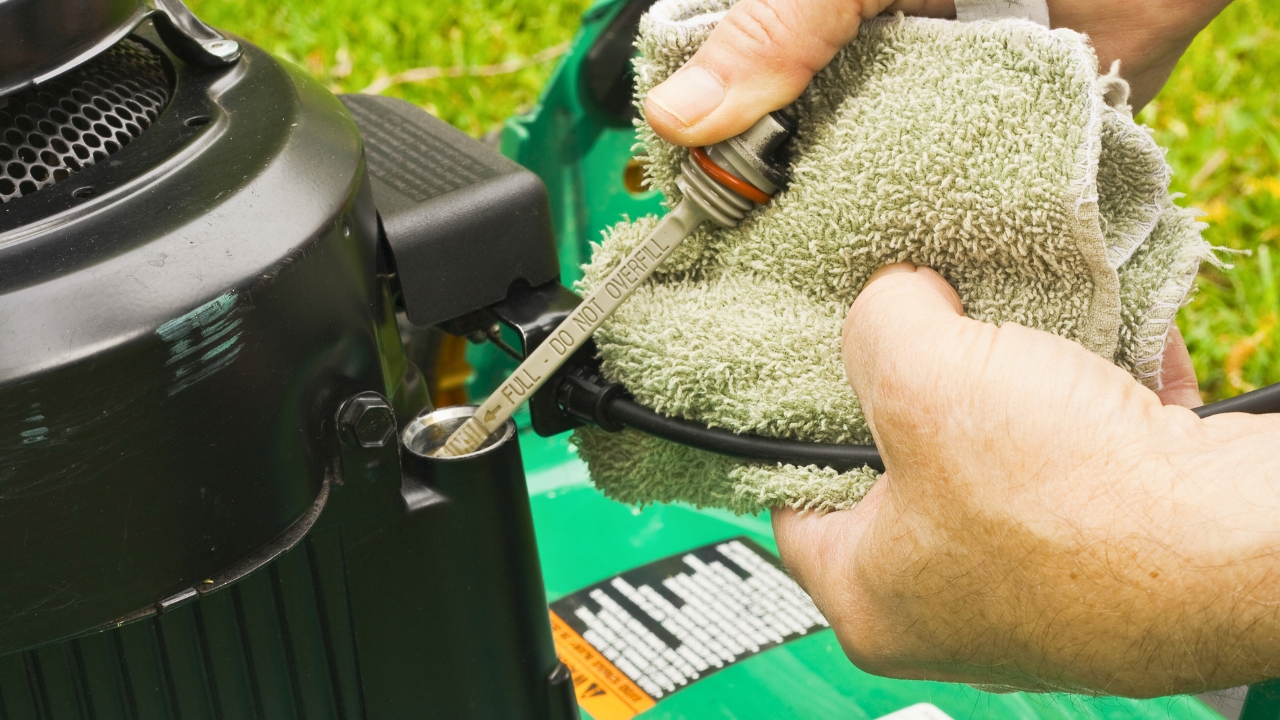
If your mower’s sputtering, bogging down, or losing power, it’s not going to cut efficiently. That turns a 30-minute mow into a drawn-out hassle.
Check the basics: air filter, spark plug, oil, and blades. Keeping your mower in decent shape helps it run stronger and smoother, which means you’ll get done faster without fighting with your machine.
*This article was developed with AI-powered tools and has been carefully reviewed by our editors.