10 luxury builds that forgot people actually live there
Photo credit: Pexels
Some luxury homes are so focused on looking impressive that they completely miss what makes a house livable. Oversized spaces, impractical materials, and designs made for show—not for real life—end up making these homes more of a burden than a dream.
It’s one thing to have nice finishes and high-end details, but when comfort and function disappear in the process, no amount of square footage can make up for it. Here are a few ways luxury builds go wrong when they forget the people who have to live there.
Kitchens that look like showrooms
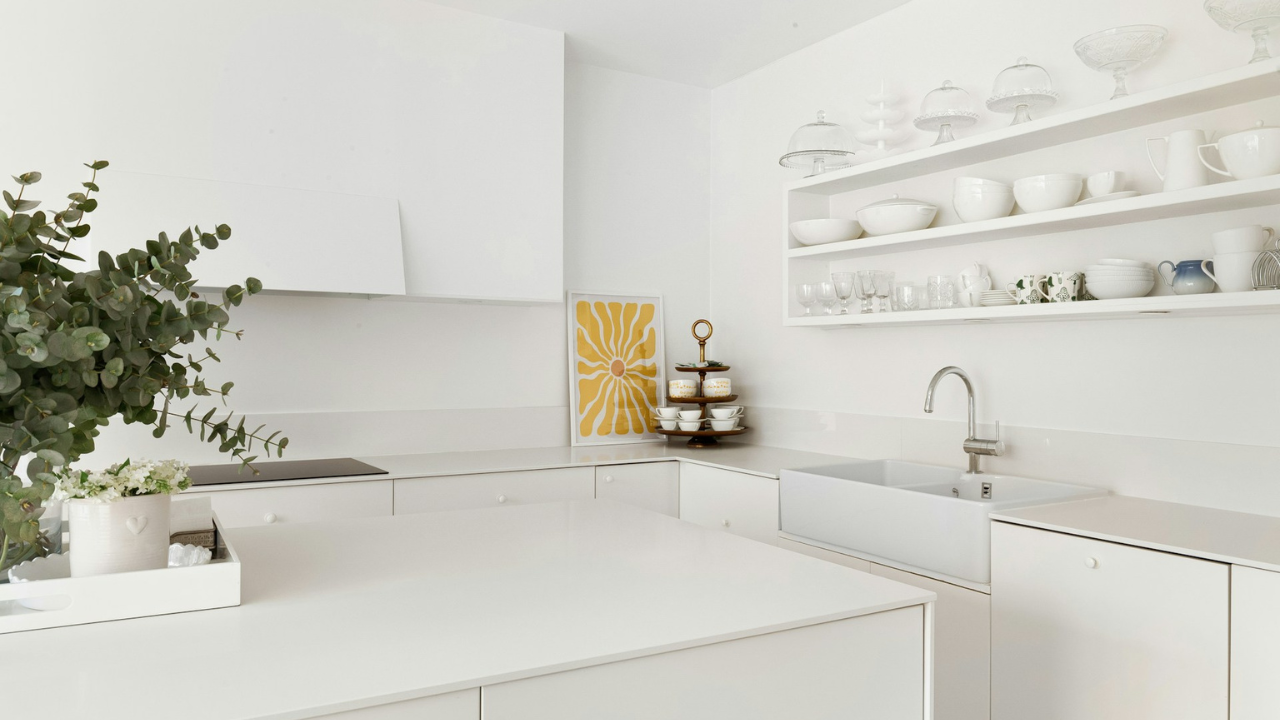
Luxury kitchens often prioritize glossy finishes and statement pieces over practical layouts. You’ll see marble everywhere, open shelving that’s impossible to keep clean, and oversized islands that make cooking harder, not easier. They’re designed for photos, not real meals. When you actually try to cook, you realize there’s no room for movement or storage where you need it. Pretty only goes so far if it doesn’t function day to day.
Bathrooms with zero privacy
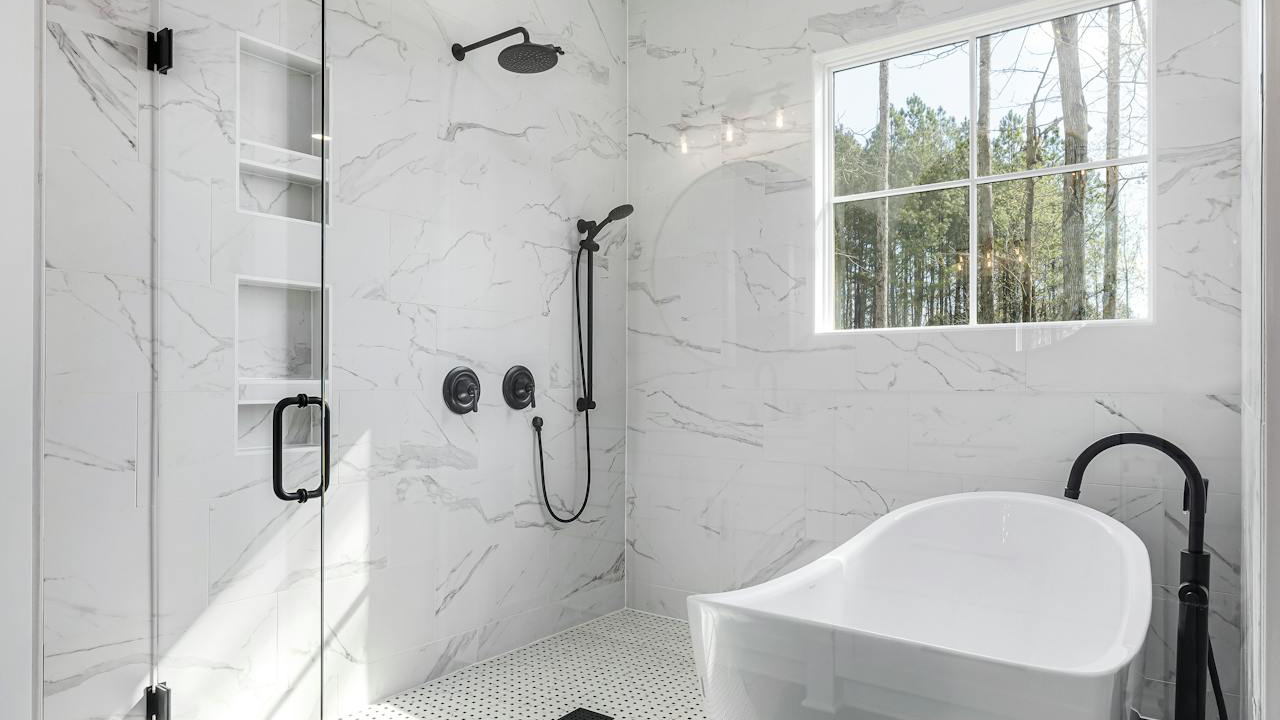
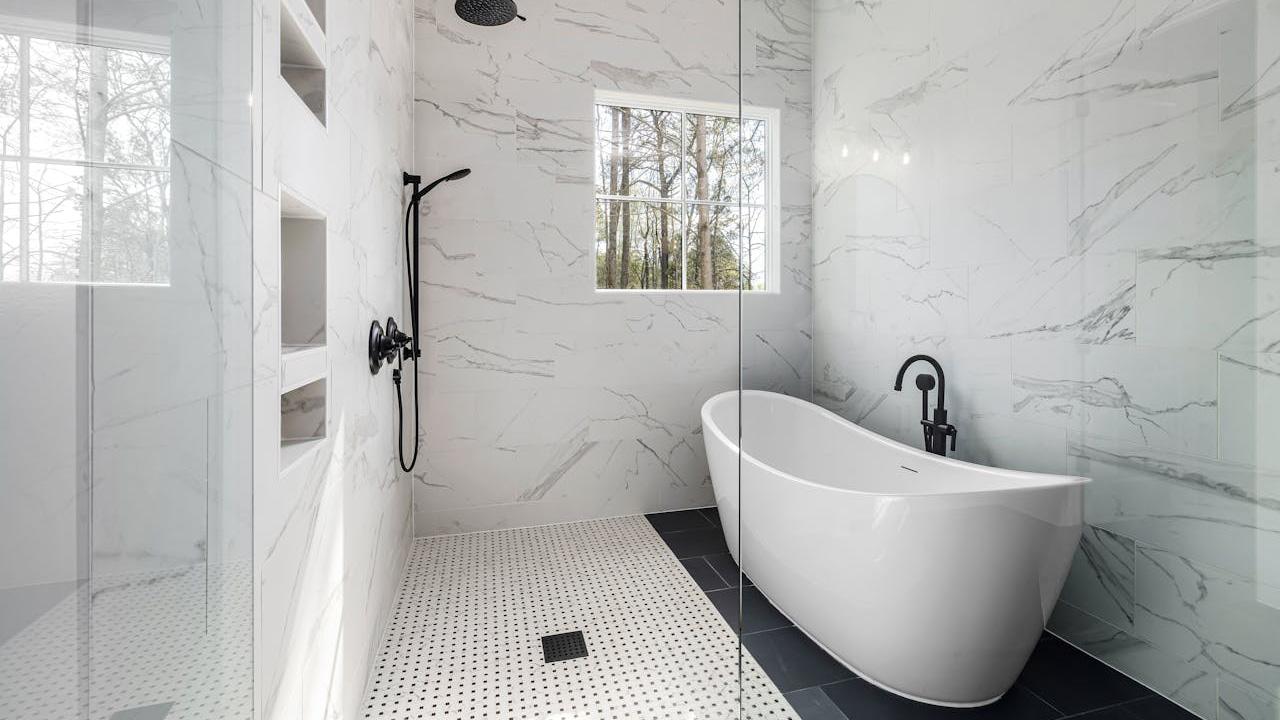
Luxury builders love massive glass showers, floor-to-ceiling mirrors, and windows that overlook the tub. It all looks glamorous—until you realize there’s no privacy and no way to keep it spotless. Many of these designs skip storage too, leaving you with fancy finishes but nowhere to put towels or toiletries. A bathroom should feel comfortable, not like you’re on display.
Staircases built for drama, not safety
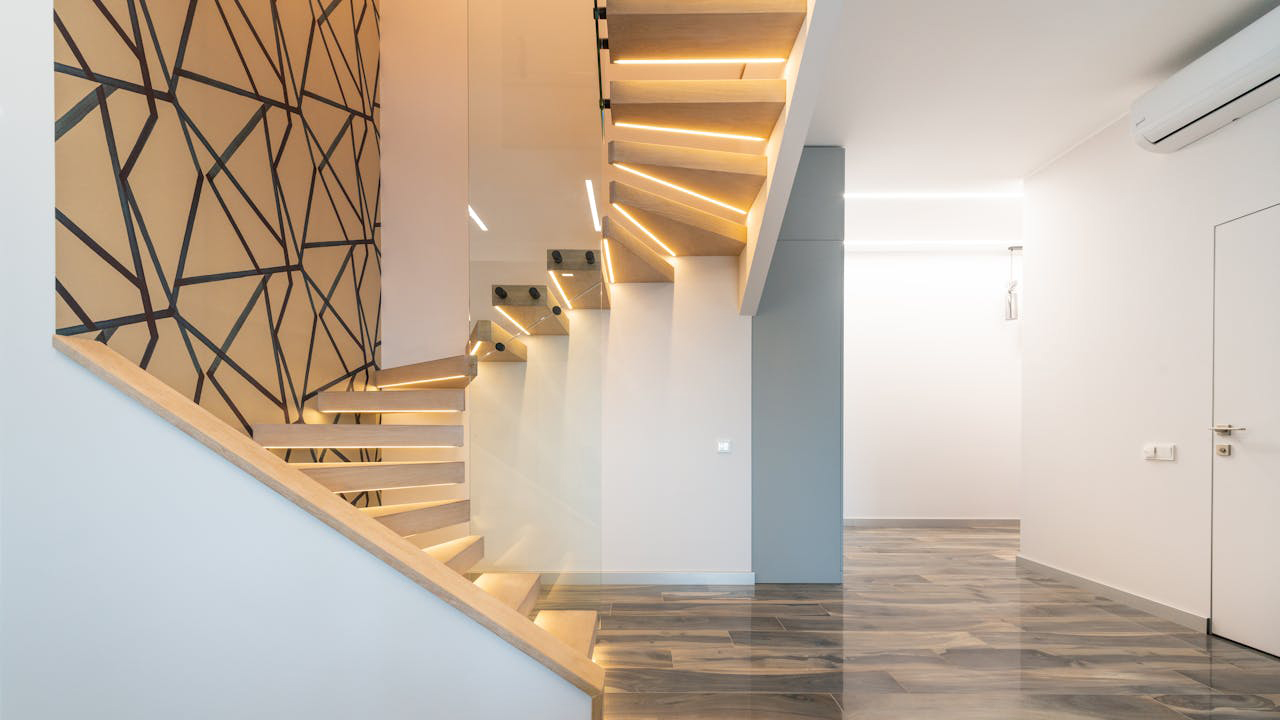
Floating staircases and glass railings are a designer favorite, but they’re not practical for families or anyone with mobility issues. They’re slippery, hard to clean, and make you feel uneasy walking down them at night. A statement staircase might photograph well, but when you’re trying to carry laundry or groceries, it’s one wrong step away from regret.
Living rooms too big to feel comfortable
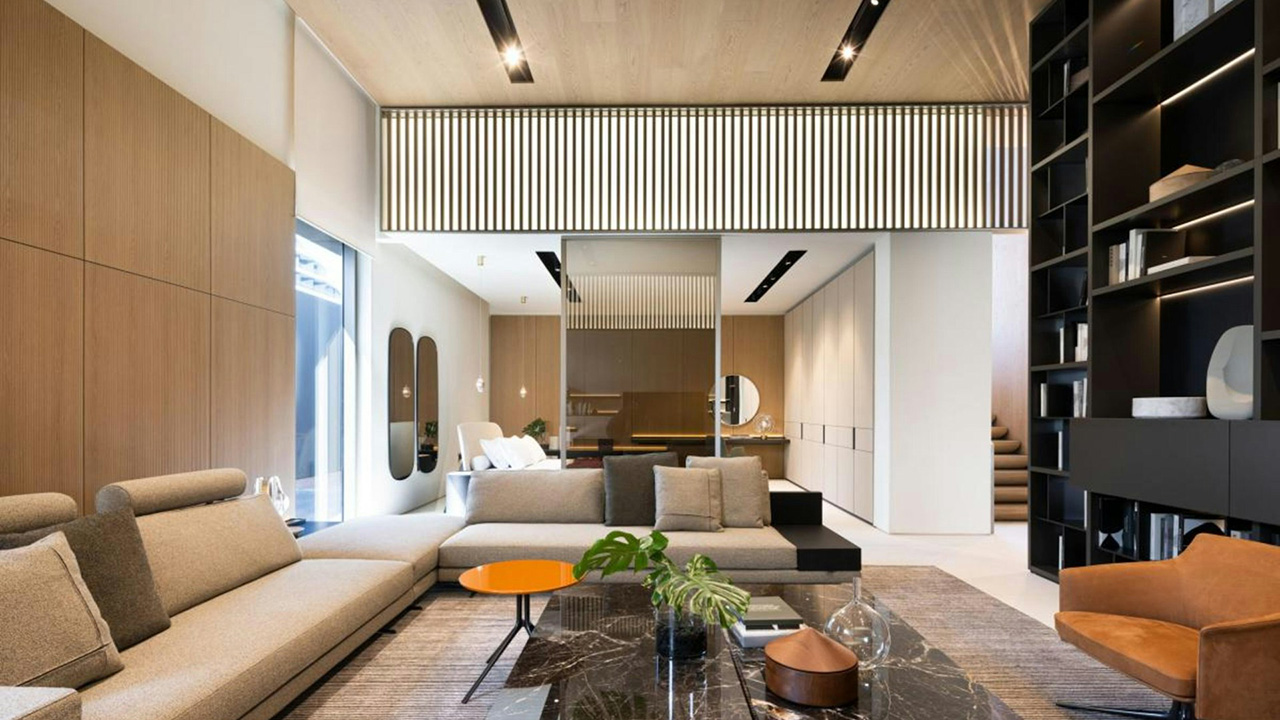
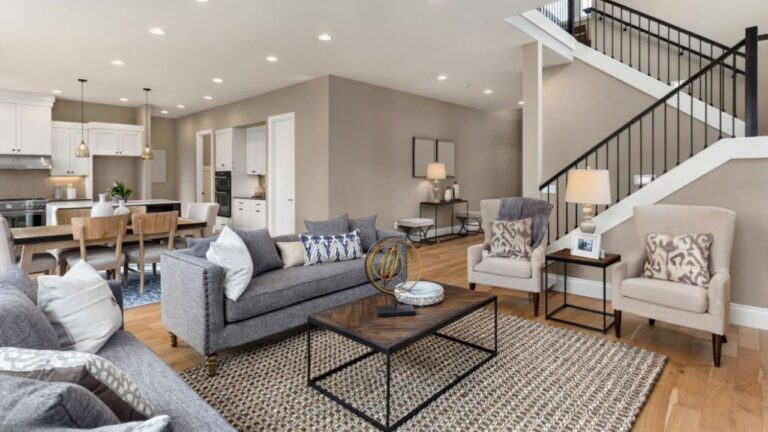
Open-concept luxury living spaces can feel impressive at first, but once you move in, they’re hard to heat, hard to furnish, and impossible to make cozy. High ceilings and massive layouts make conversation echo and drive up energy bills. A room doesn’t have to feel small to feel inviting—but many luxury builds lose that sense of comfort in the name of grandeur.
Bedrooms that feel more like hotel suites

A 600-square-foot primary bedroom sounds luxurious, but oversized spaces can feel empty and sterile. When the bed looks small and you have to walk thirty steps to reach your dresser, it stops feeling restful. Many of these rooms also skip functional details like proper outlets or good lighting placement. The result is a space that looks rich but doesn’t actually feel livable.
Glass walls with no escape from the sun
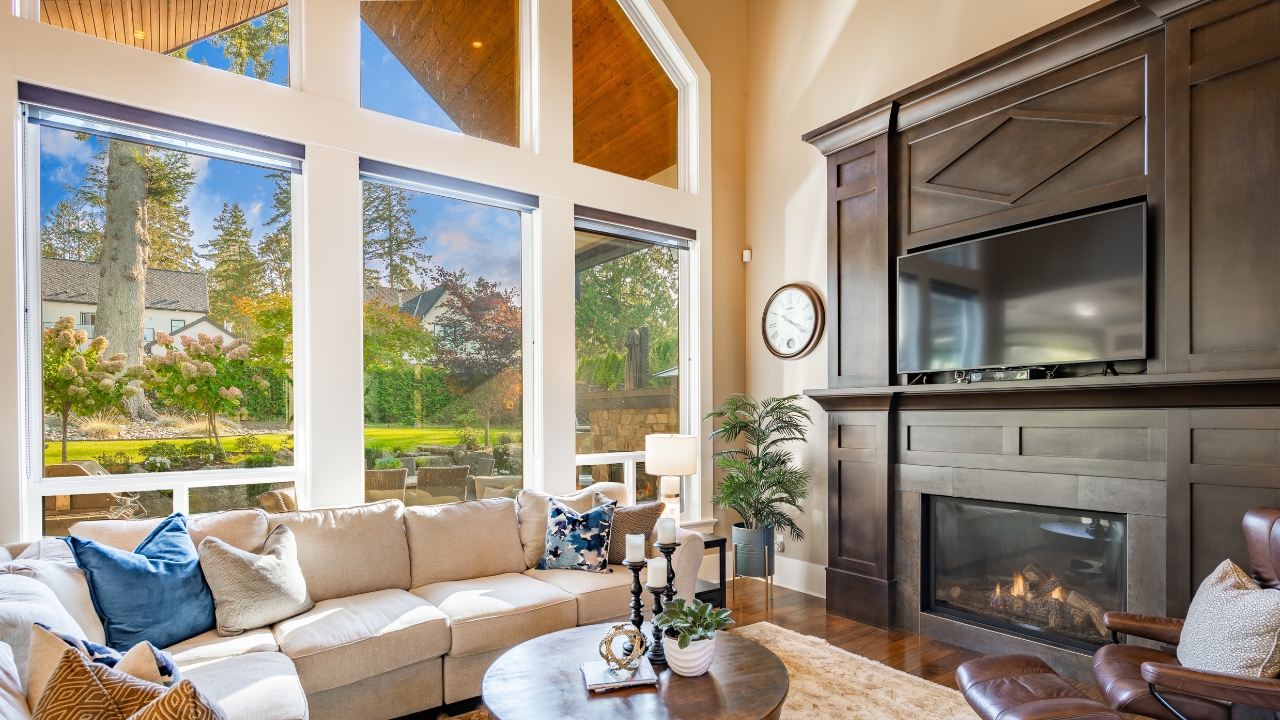
Floor-to-ceiling glass looks beautiful until the sun beats through it all day long. These designs often ignore heat control, privacy, and glare, making it miserable to relax or even watch TV. Unless you invest in expensive window treatments or smart tinting systems, you’ll spend more time managing light than enjoying the view.
Minimalist designs with nowhere to hide clutter

Luxury builders love sleek, minimalist designs—no upper cabinets, no visible storage, everything tucked away. It looks amazing in photos but unrealistic in daily life. Families have stuff, and there’s nowhere to put it in homes like these. Before long, the spotless look turns into piles on countertops or corners because there’s simply nowhere else for things to go.
Outdoor spaces that don’t make sense
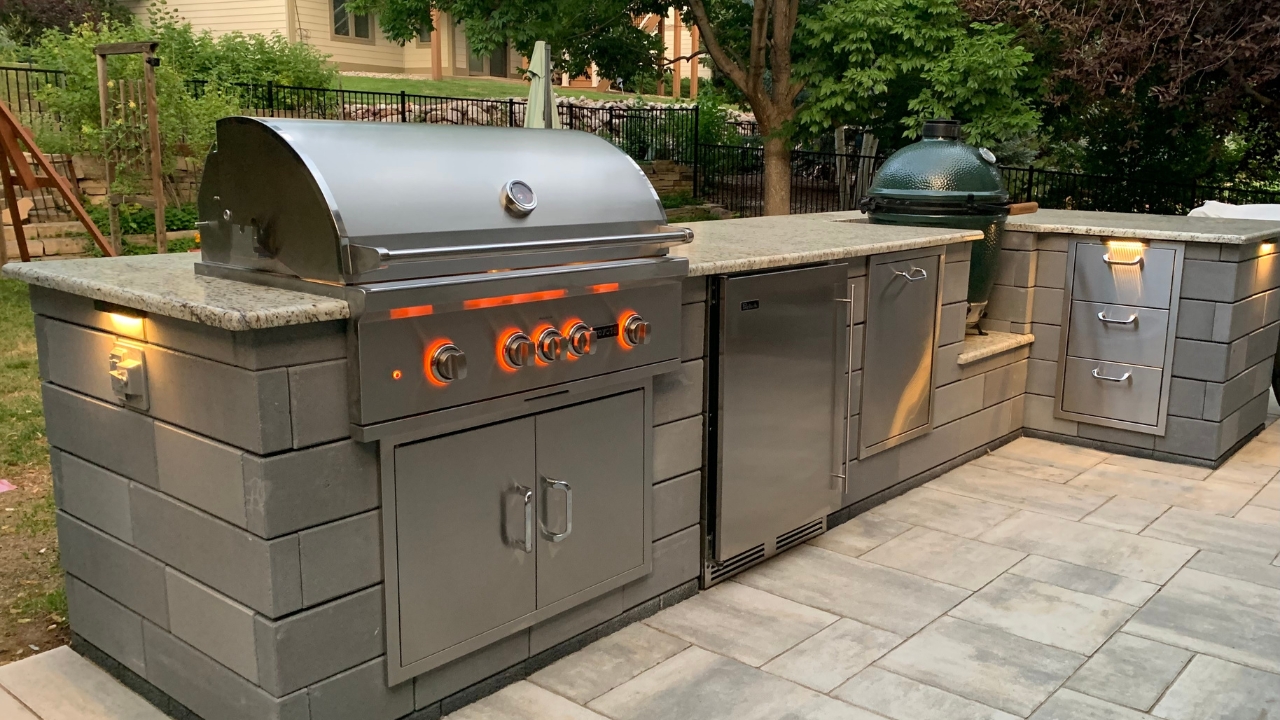
Infinity pools, rooftop decks, and outdoor kitchens all sound nice—until you realize they require constant upkeep and barely get used. Many luxury builds place these features for aesthetics, not practicality. If your deck bakes in the sun or your outdoor kitchen sits far from the house, you’ll find yourself avoiding them more often than not.
Smart homes that make life harder
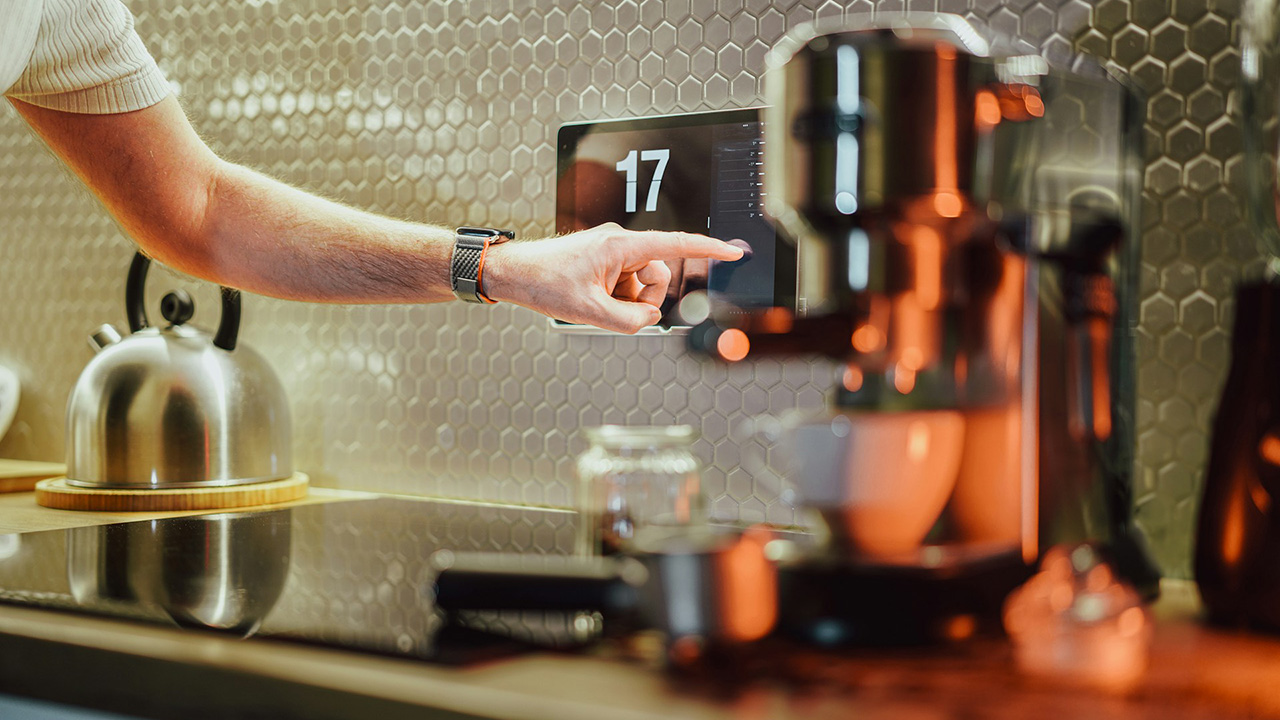
High-end homes often come loaded with smart systems that control everything from lights to blinds to thermostats. But when those systems glitch or require constant app updates, they turn simple tasks into daily frustrations. You shouldn’t need a tech manual to turn on your lights or adjust the temperature. Convenience shouldn’t come at the cost of simplicity.
Materials that don’t match real life
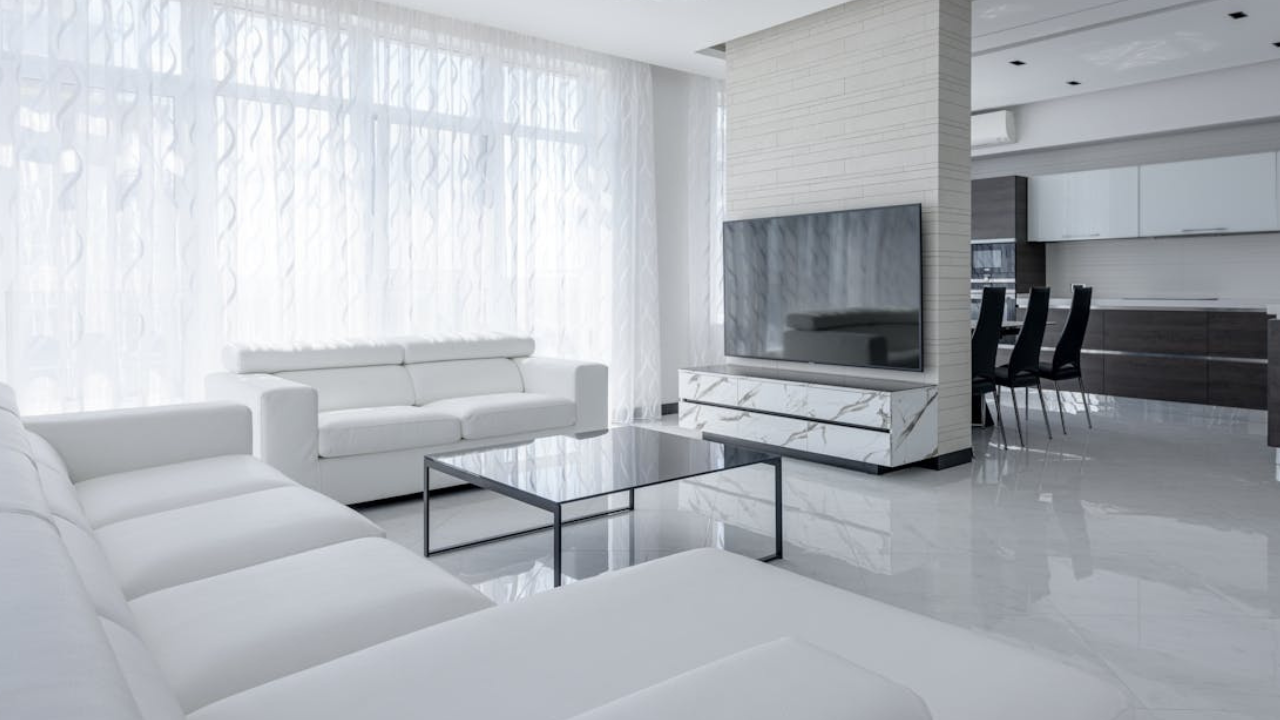
All-white interiors, marble countertops, and light wood floors look expensive—but they show every mark of real life. Scratches, stains, and fingerprints become constant reminders that these homes weren’t designed for living. Durable finishes age better than delicate ones, but luxury builds often ignore that in favor of appearance. The best homes balance beauty with practicality—something many high-end designs forget altogether.
*This article was developed with AI-powered tools and has been carefully reviewed by our editors.