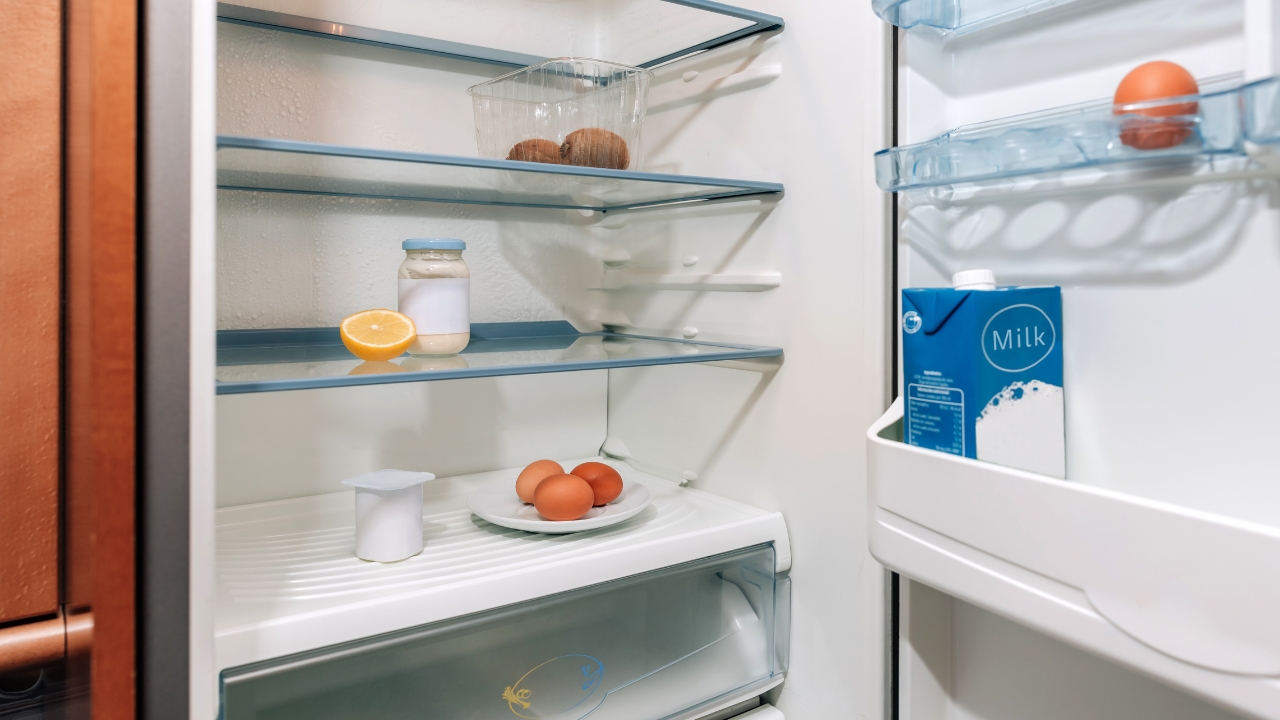
10 mistakes that make the fridge work harder
Your fridge is one of the hardest working appliances in the house. Small mistakes in how you use it can make it work overtime, raising your energy bill and wearing it out faster than necessary. Over time, these habits can also cause food to spoil sooner.
Making a few small changes keeps your fridge running efficiently, saving money and extending its lifespan. It also keeps your food at a safer, more consistent temperature.
Leaving the door open
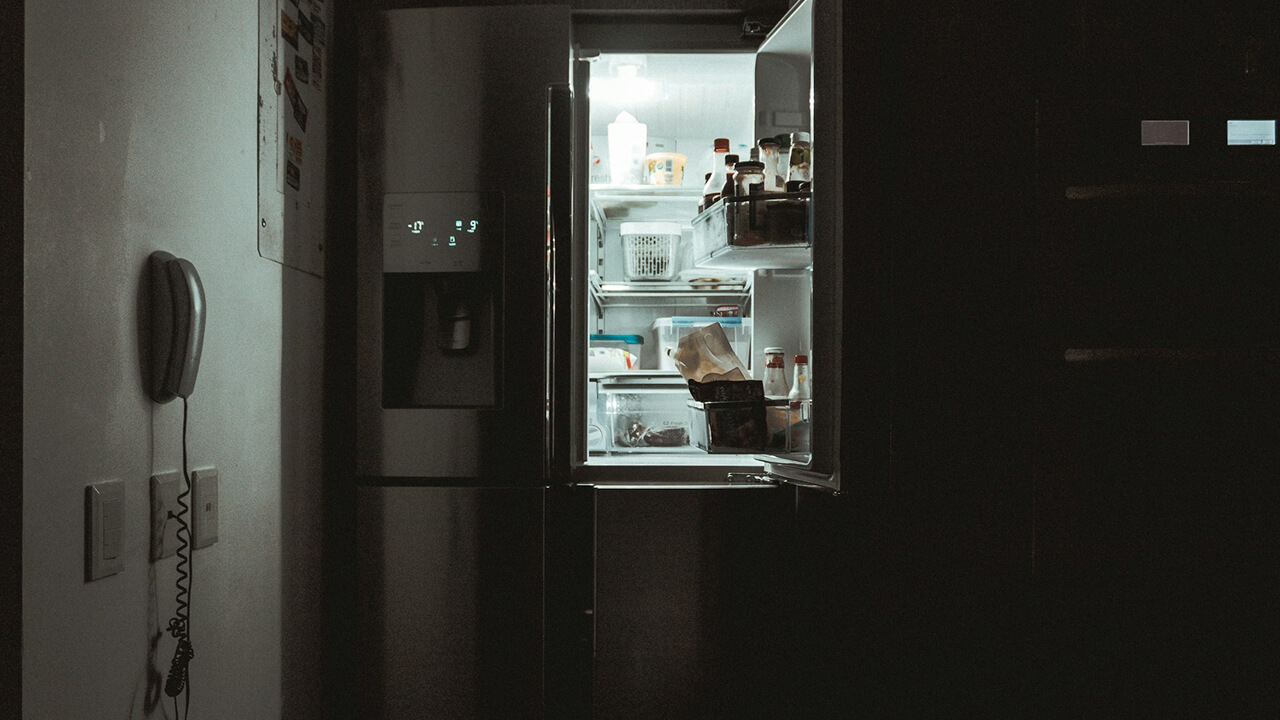
Every second the door is open lets cold air out and warm air in. The fridge has to work harder to bring the temperature back down.
Keeping the door closed while deciding what you need helps maintain efficiency. Even quick peeks add up over the course of a day.
Overstuffing shelves
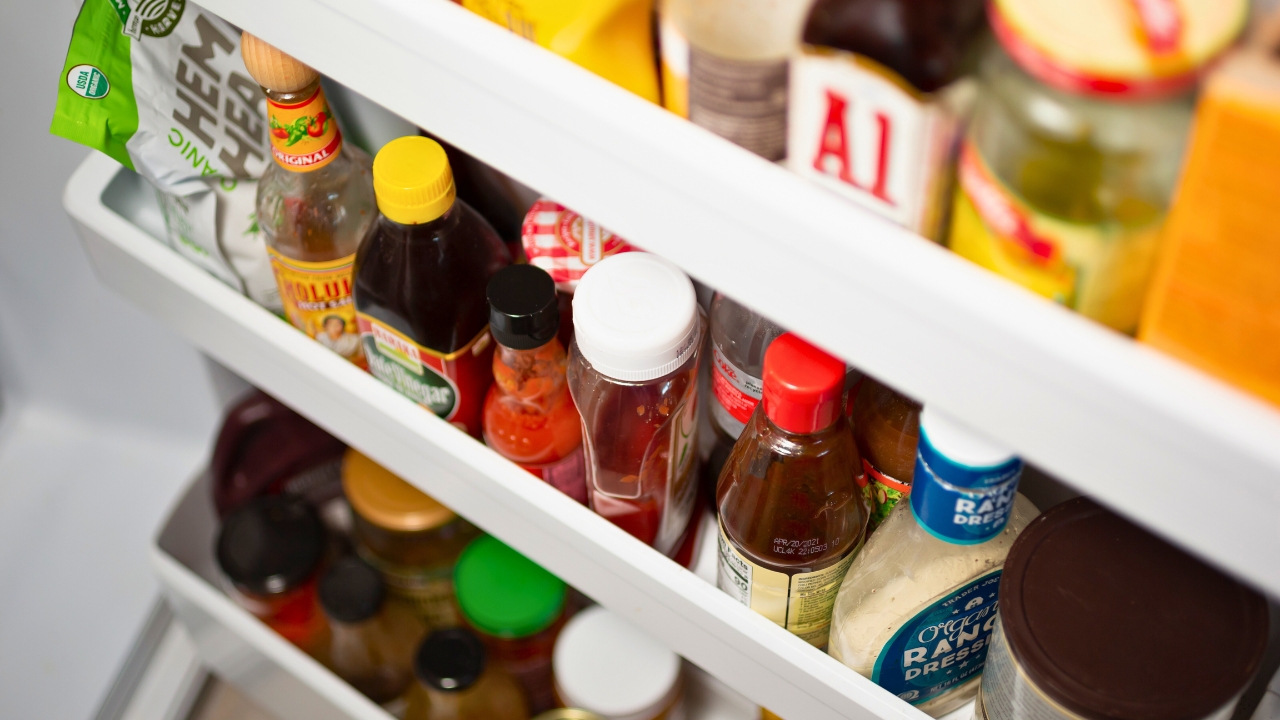
An overloaded fridge blocks airflow, leaving some spots warmer than others. Food near the back might freeze while other items spoil faster.
Leaving space between items keeps air moving. Organizing shelves so you can see what’s there also prevents wasted food.
Storing hot food right away
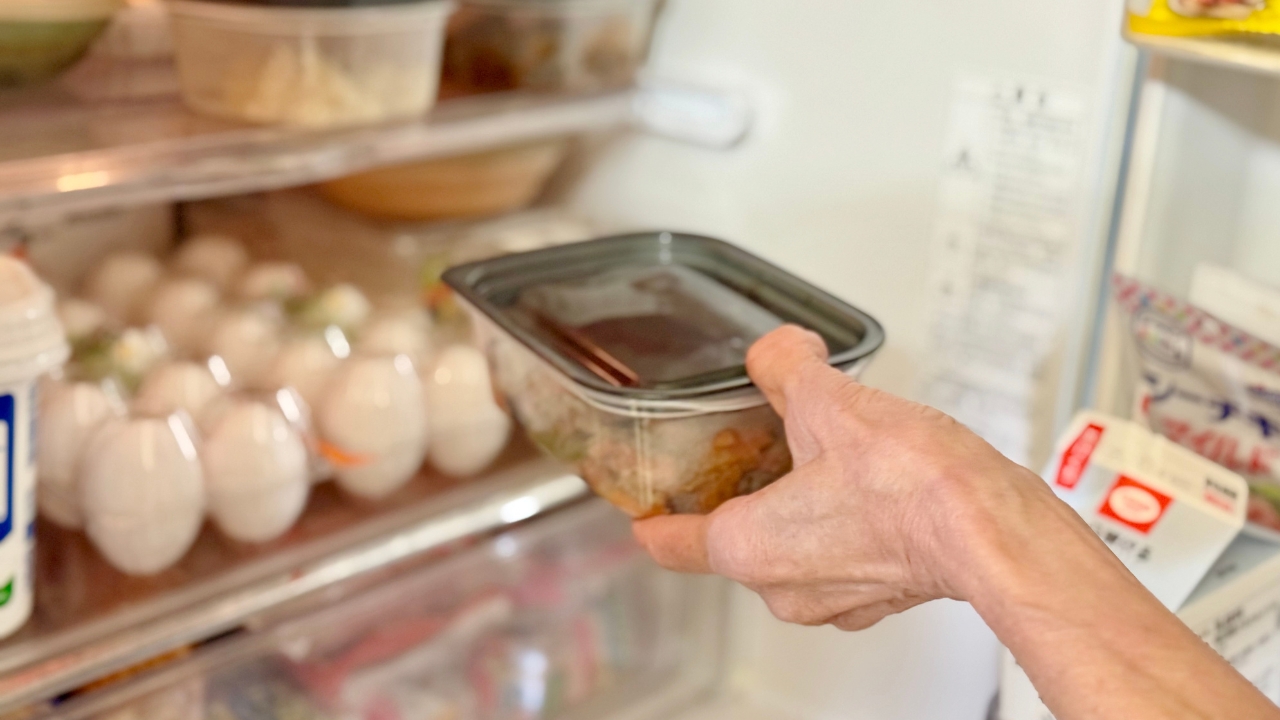
Putting hot leftovers directly in the fridge raises the overall temperature. That forces the compressor to run harder.
Letting food cool slightly on the counter before storing makes it easier on the fridge. Covering containers also helps prevent excess moisture.
Ignoring door seals
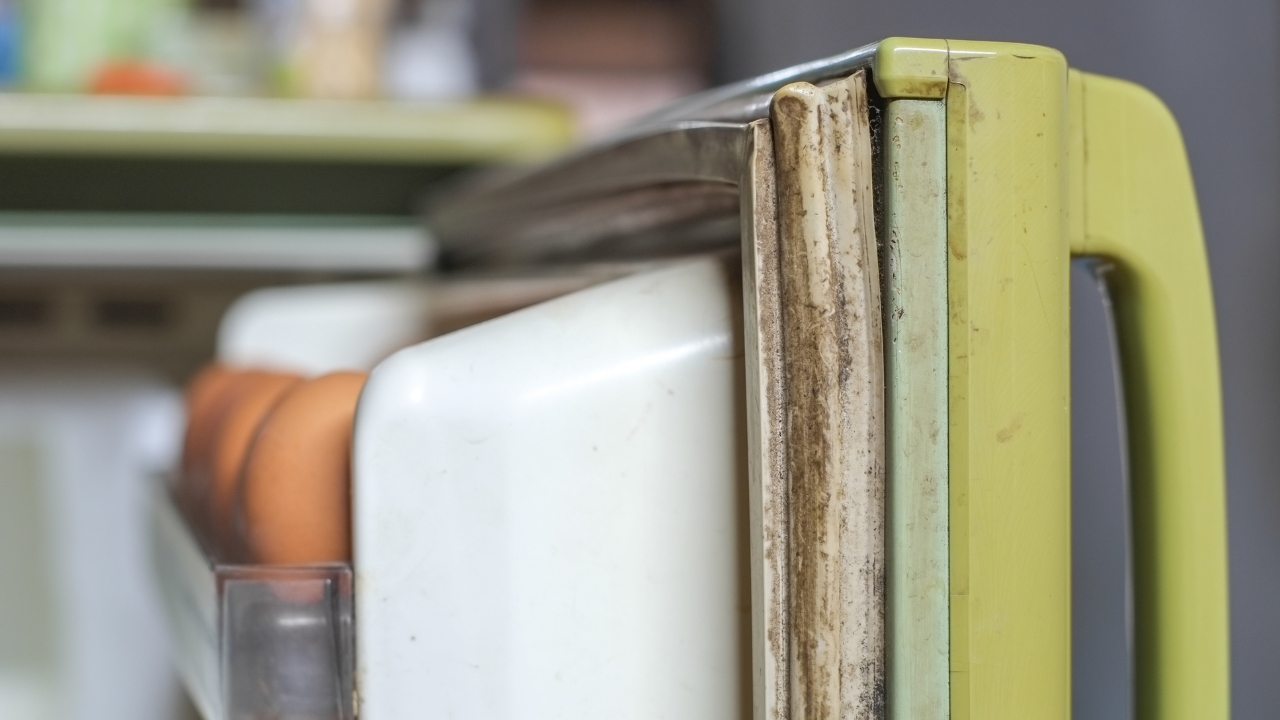
Worn or dirty gaskets let cold air leak out constantly. This makes the fridge cycle more often and wastes energy.
Wiping seals clean and checking for cracks helps maintain a tight seal. Replacing damaged gaskets is an inexpensive way to prevent bigger issues.
Setting the wrong temperature
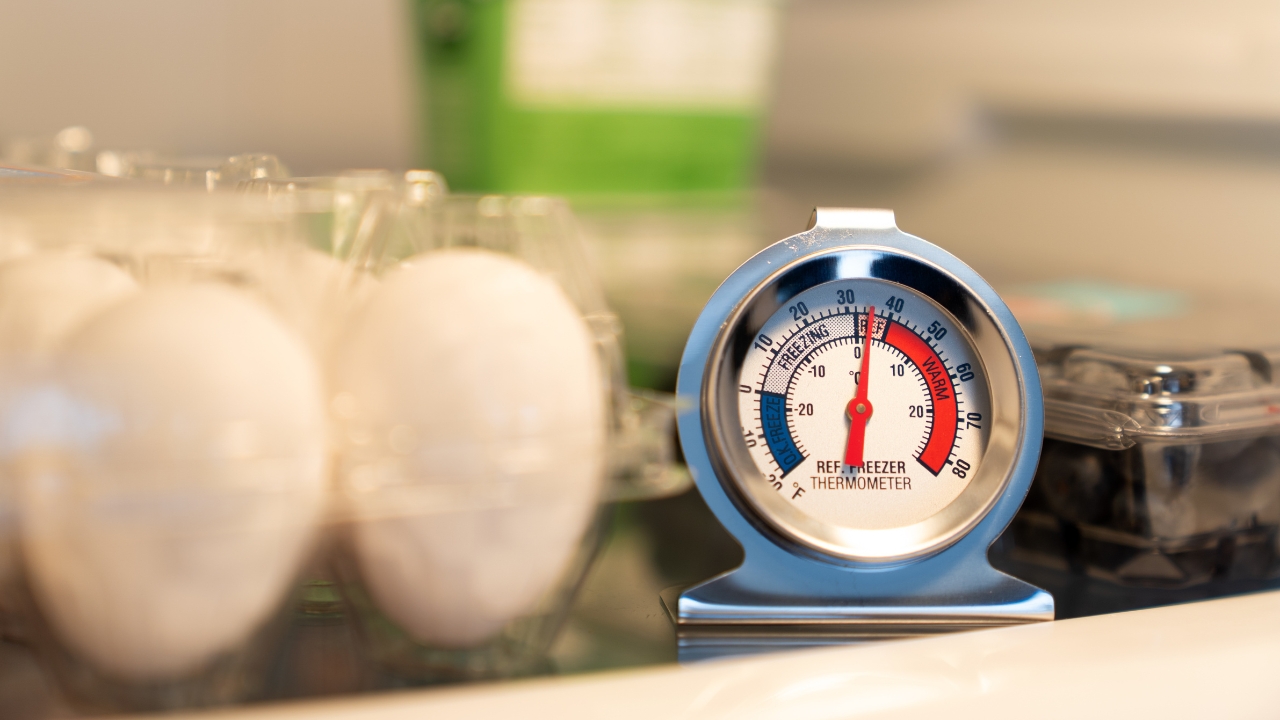
A fridge that’s too cold wastes energy, while one that’s too warm lets food spoil. The recommended range is 37–40°F.
Using a thermometer inside helps ensure your settings are accurate. Small adjustments can make a big difference.
Not cleaning coils
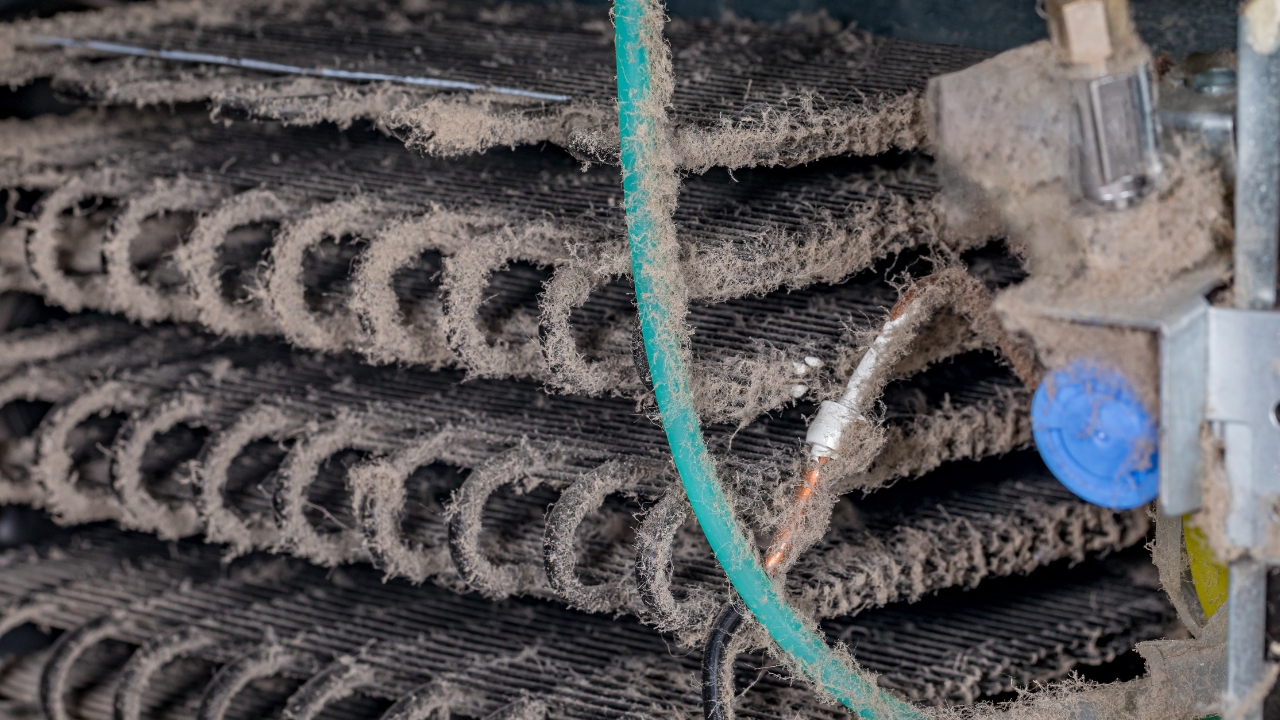
Dust and dirt on condenser coils make it harder for the fridge to release heat. This strains the compressor and shortens its lifespan.
Vacuuming coils every few months keeps things running efficiently. It’s a small task with a big impact.
Blocking air vents
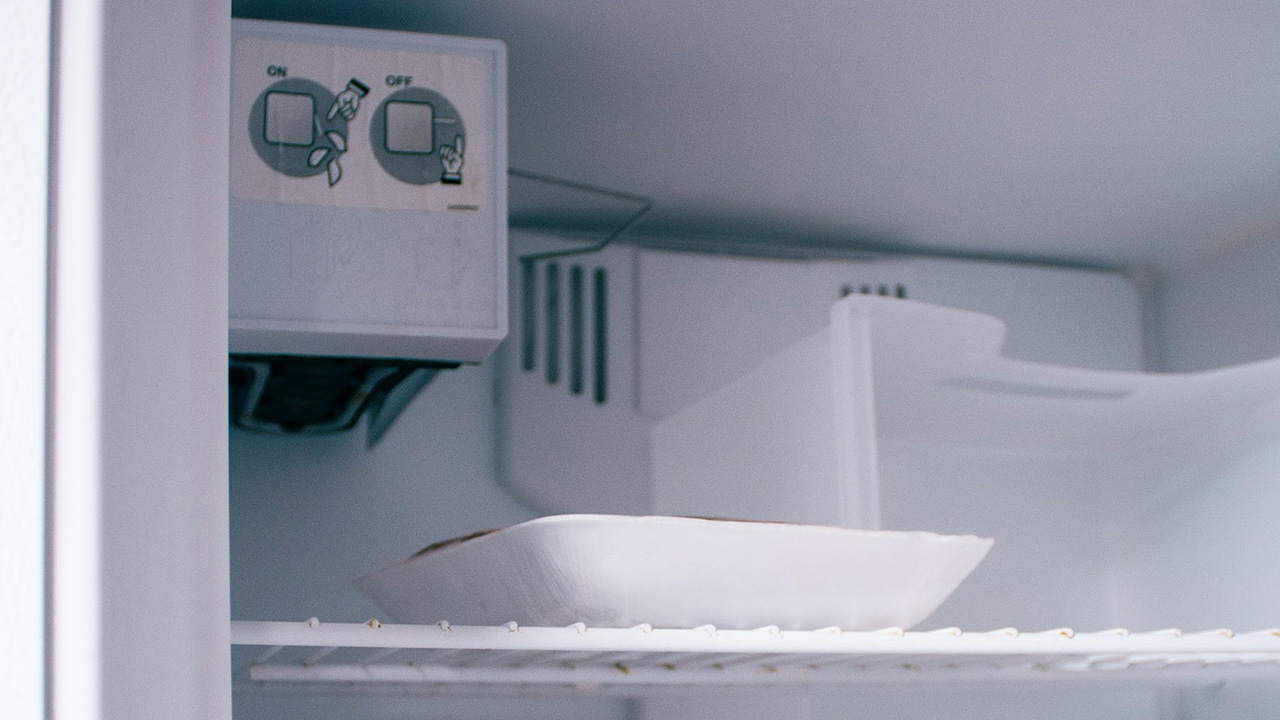
Storing containers or bags directly in front of vents restricts circulation. This makes the fridge work harder to maintain even cooling.
Checking that vents are clear keeps temperatures steady across all shelves and drawers.
Using damaged shelves or drawers
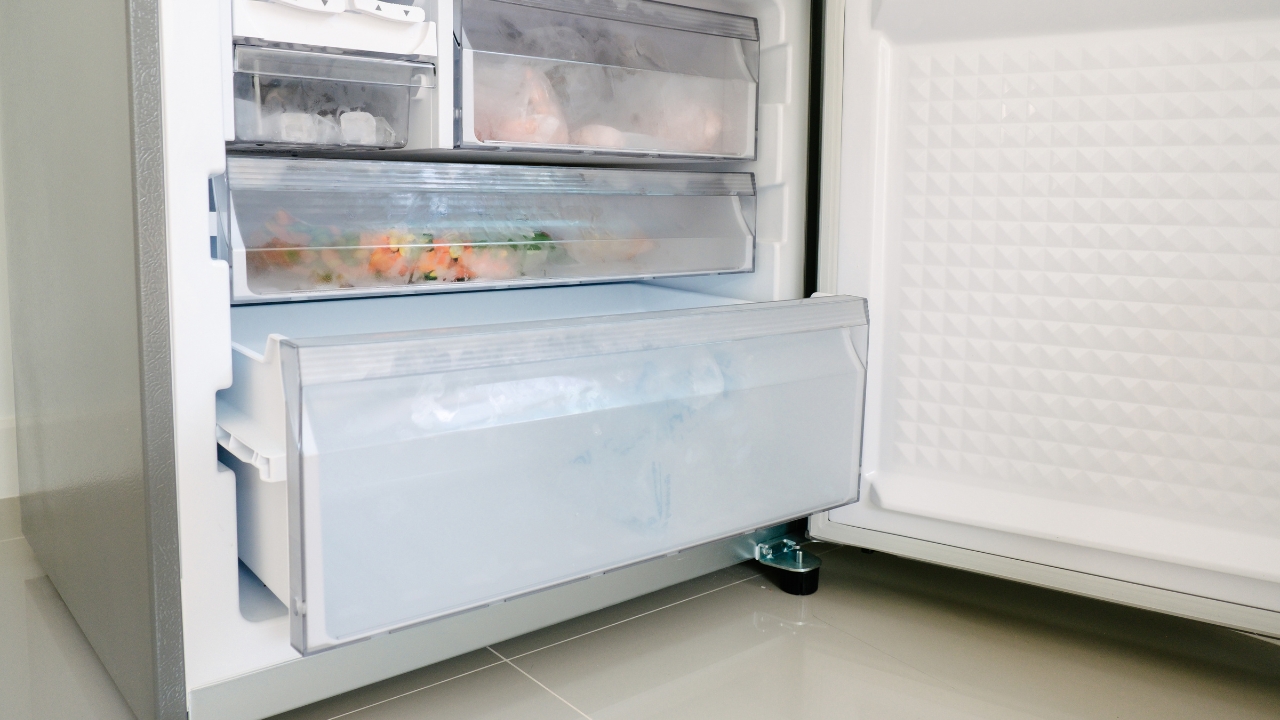
Broken shelves or drawers can block airflow and force the fridge to cycle longer. They also increase the chance of spills, which make the appliance work harder.
Replacing damaged parts helps maintain efficiency and prevents further wear.
Keeping it too empty

A nearly empty fridge struggles to hold temperature because there’s less thermal mass. Every time the door opens, cold air escapes more quickly.
Storing water jugs or other fillers helps regulate temperature and reduces strain.
Skipping maintenance checks
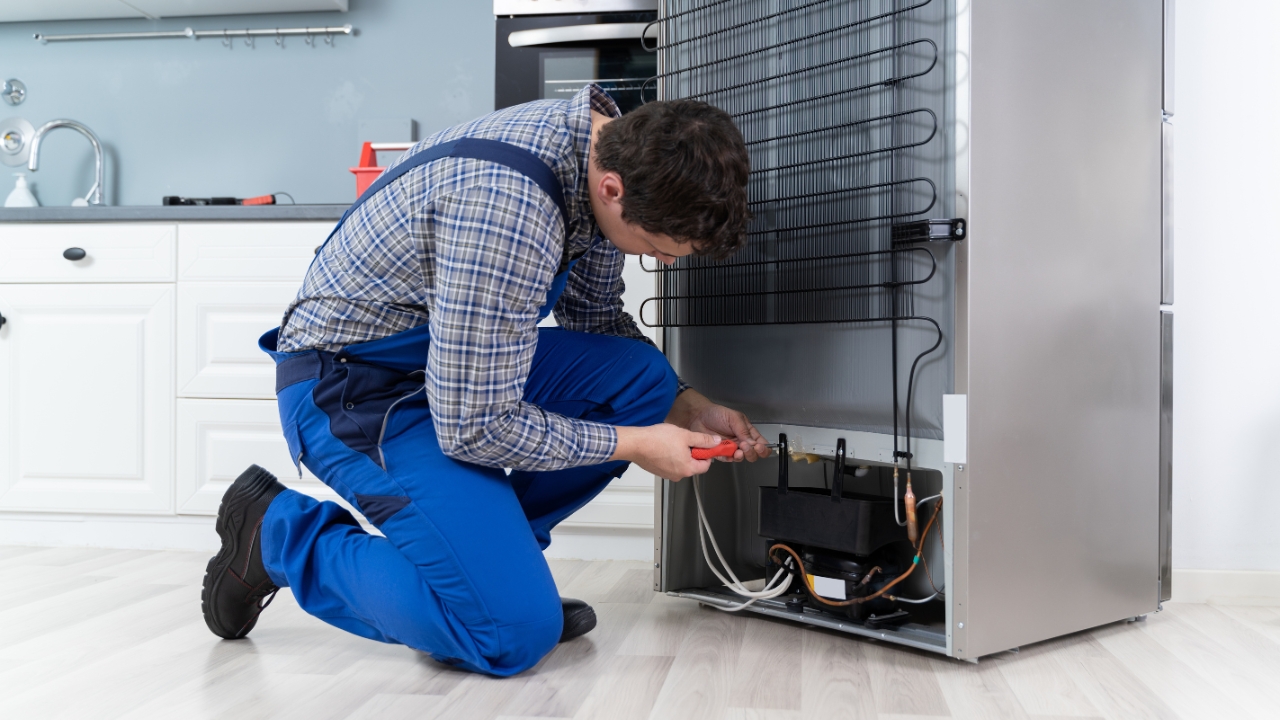
Strange noises, frost buildup, or uneven cooling are signs the fridge is working too hard. Ignoring them can lead to bigger problems.
Scheduling routine checks or addressing issues early extends the life of your fridge and keeps energy costs down.
*This article was developed with AI-powered tools and has been carefully reviewed by our editors.