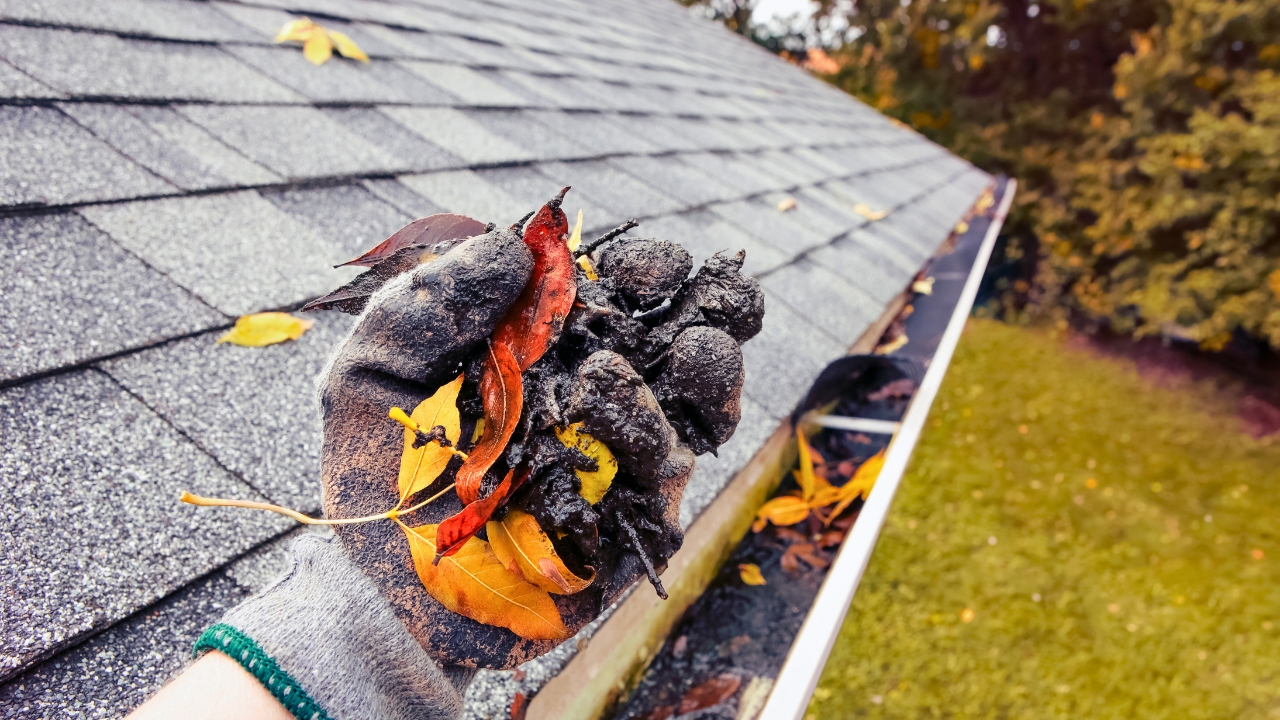
9 fall chores people skip right before disaster strikes
Photo credit: Suzanne Tucker/Shutterstock
Fall can sneak up fast, and before you know it, you’re pulling out sweaters while your house is still in summer mode. The problem is, skipping a few key chores now can lead to major headaches once the weather turns.
Frozen pipes, roof leaks, and flooded yards all start with small oversights in the fall. Taking a weekend to stay ahead of these chores can save you from expensive repairs later. Here are the ones too many people put off until it’s too late.
Cleaning out the gutters
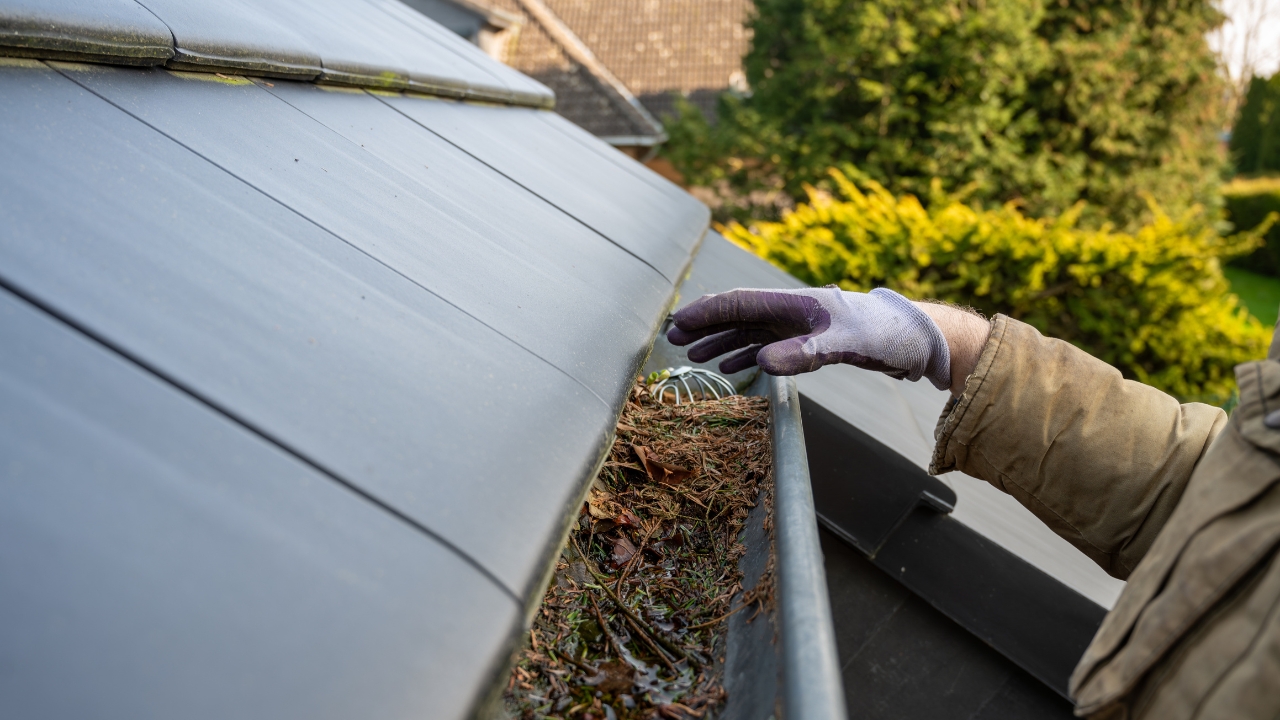
Clogged gutters are one of the most common causes of roof leaks and water damage. When leaves pile up, rainwater has nowhere to go except under shingles or down your siding. Once freezing temperatures hit, that trapped water turns into ice dams. Cleaning your gutters before the first frost lets water flow freely and prevents heavy buildup that can pull gutters loose over time.
Draining outdoor faucets and hoses

Leaving water in outdoor spigots or garden hoses might not seem like a big deal, but once it freezes, it can split pipes and valves wide open. Even frost-proof faucets can burst if the hose is still attached. Disconnect everything, drain the lines, and shut off the water to outside connections. It’s a five-minute job that can prevent a costly plumbing repair mid-winter.
Checking the roof for damage
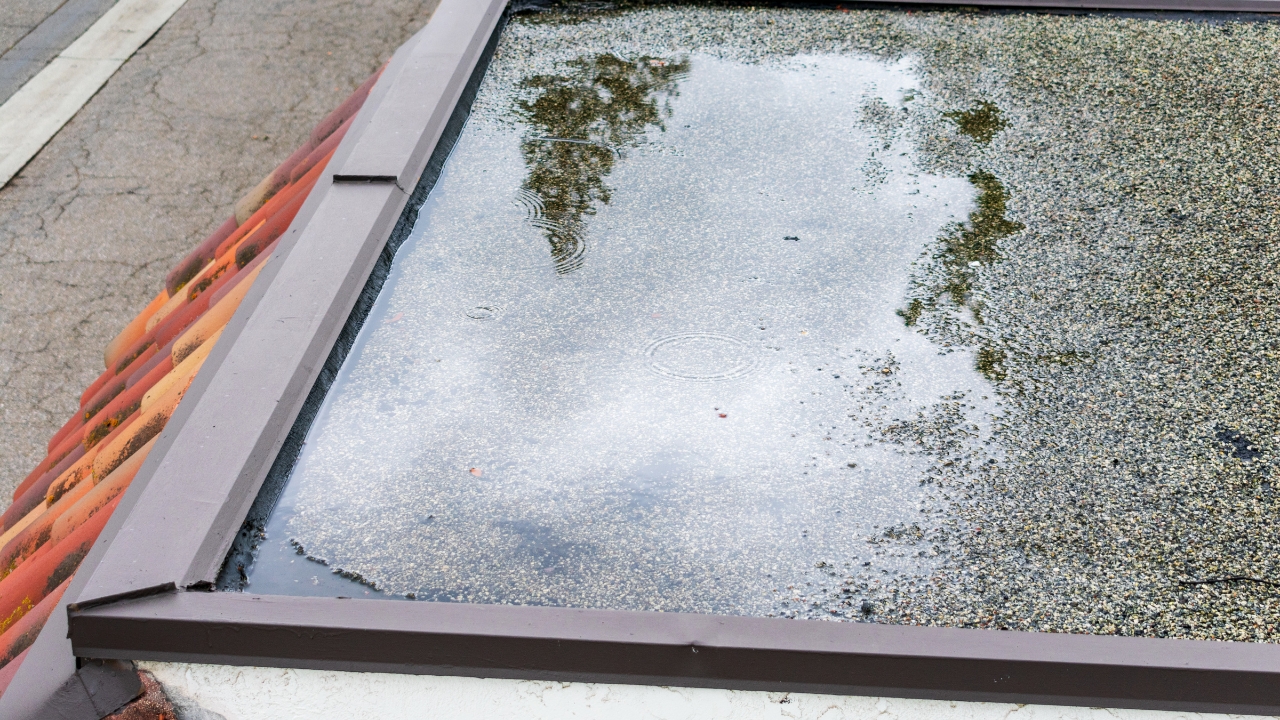
Missing shingles, loose flashing, and small cracks around vents can all turn into leaks once snow and ice set in. Most people don’t look up until water spots show up on the ceiling, but by then, it’s too late. Take a good look before bad weather hits—or better yet, have someone inspect it safely for you. Fixing small issues now is always cheaper than replacing a roof later.
Cleaning the dryer vent
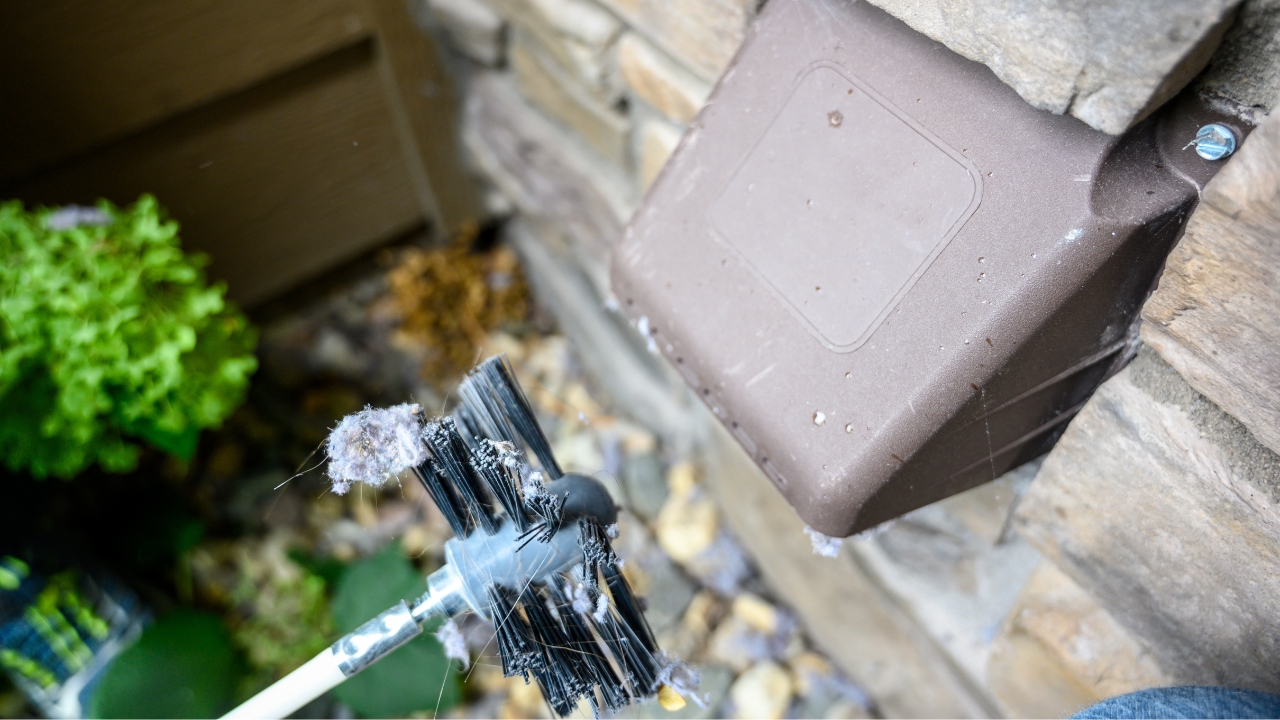
Lint buildup isn’t just a fire hazard—it also keeps your dryer from running efficiently, which costs you more on energy bills. The fall is the perfect time to pull the vent hose and clear it out, especially if you’ve been drying more towels and blankets lately. A clean vent helps your dryer work faster and cuts the risk of a dangerous clog when you’re running it more in winter.
Checking your furnace filter
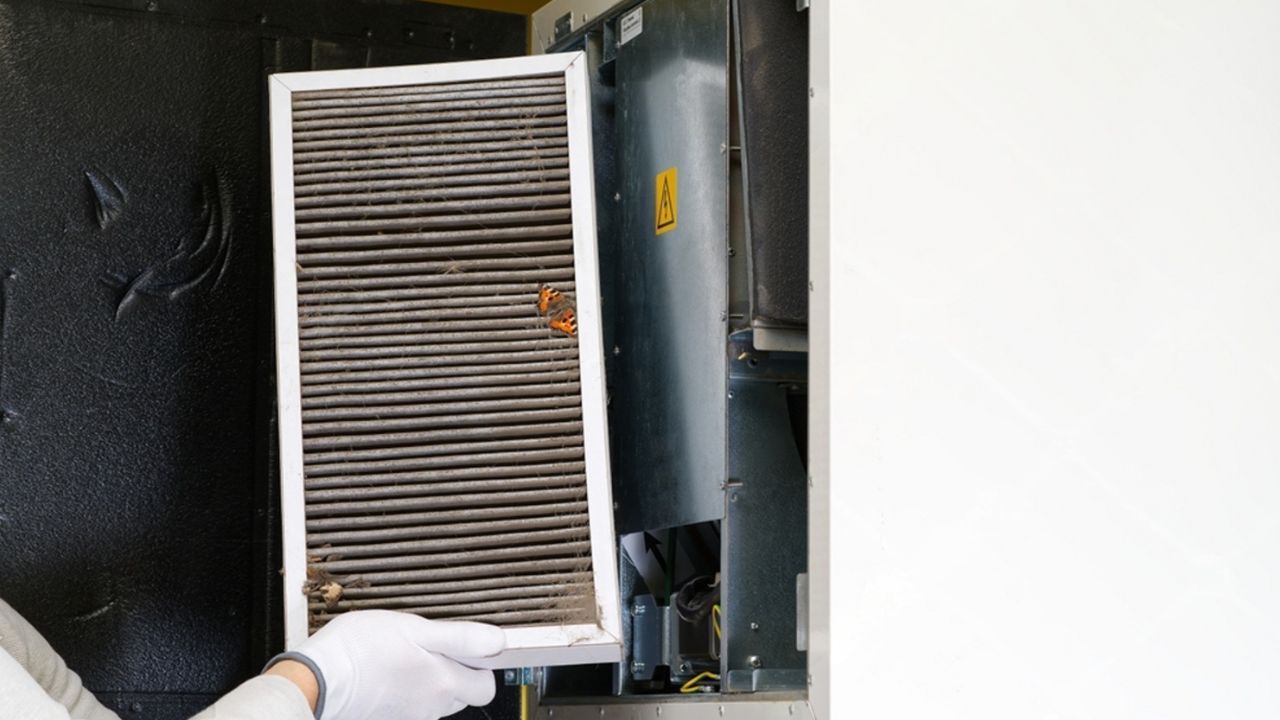
Running the furnace with a dirty filter forces the system to work harder and shortens its lifespan. Most people forget to swap it until the air starts to feel stale or unevenly heated. Replacing it before winter starts helps the system breathe, heat evenly, and save money on energy use. It’s one of the cheapest and easiest ways to keep your home comfortable all season.
Sealing gaps and cracks
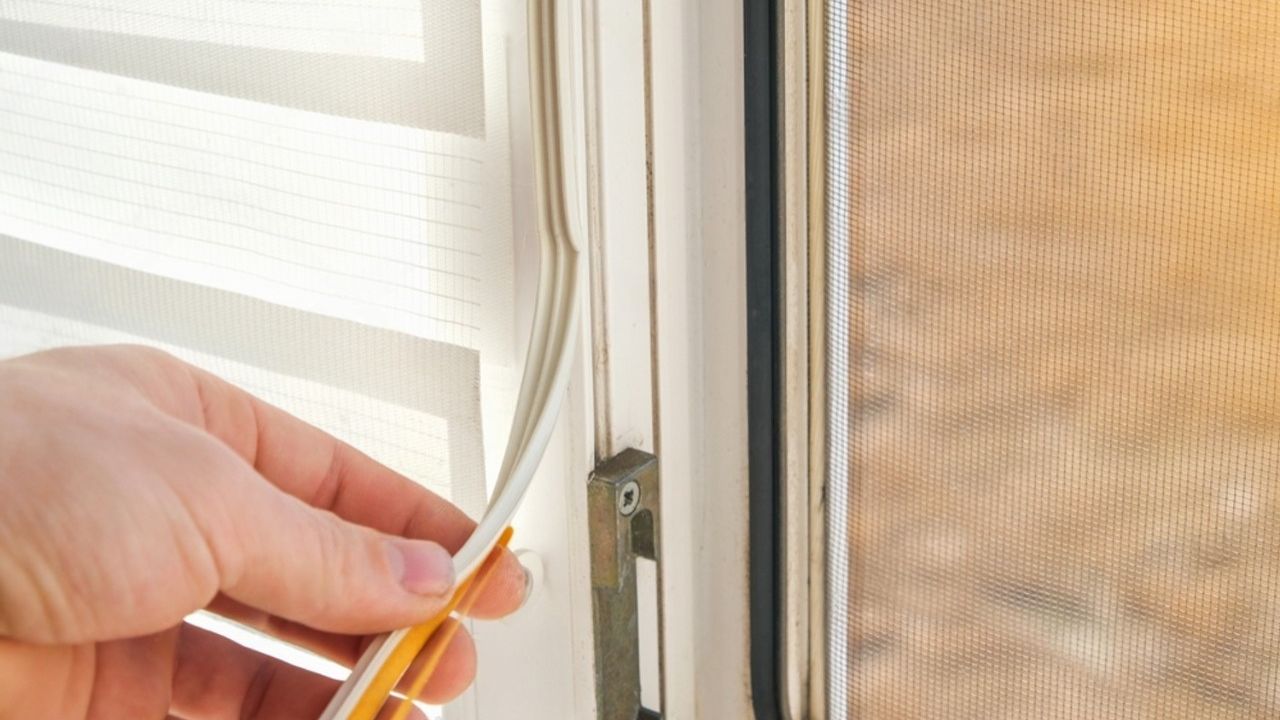
Cold air sneaks in through the smallest openings—around windows, doors, outlets, and even light switches on exterior walls. A quick pass with a tube of caulk or some weatherstripping can stop drafts and keep your energy bill from climbing. If you can feel a breeze on a windy day, that’s heat escaping and money wasted. Seal it up before the temperatures drop too far.
Clearing leaves away from the foundation

It’s easy to forget about the pile of leaves building up around the base of the house, but that wet, decomposing layer traps moisture against your foundation. Over time, it can cause cracks or create a haven for pests. Rake away leaves, mulch, and debris so water drains properly and your siding and concrete can dry out between rains.
Inspecting the chimney and fireplace
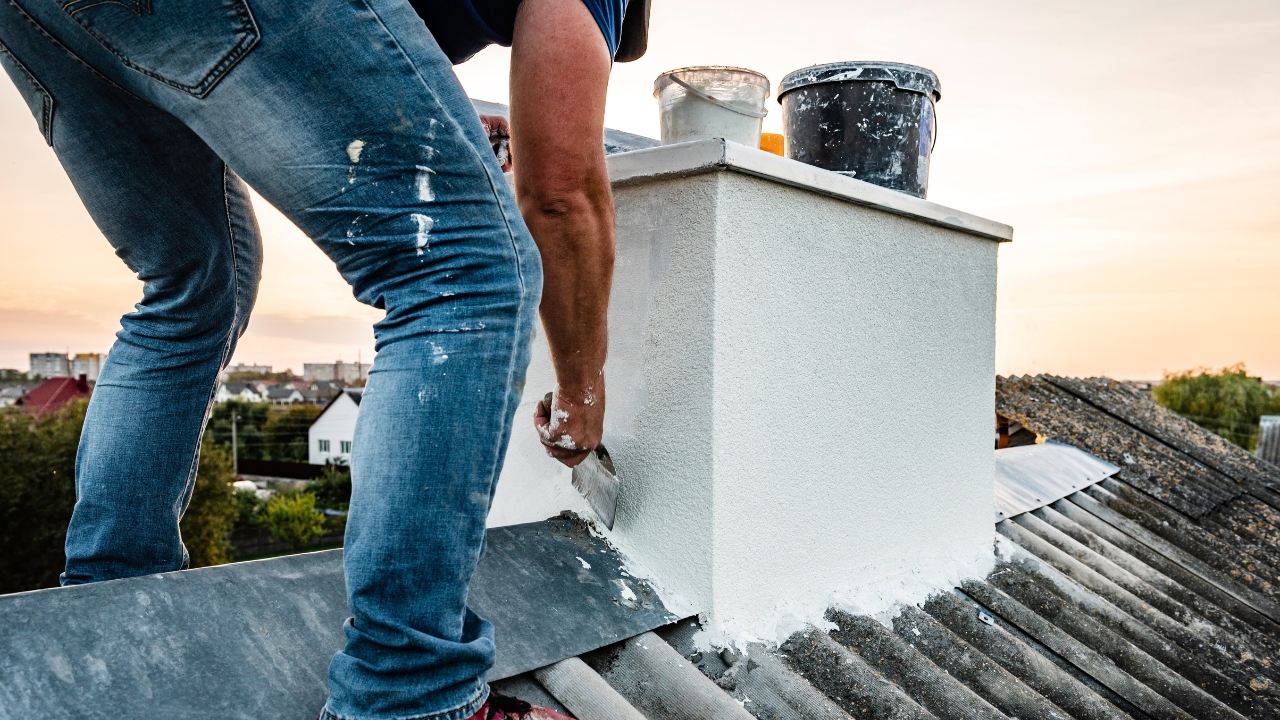
Even if you didn’t use your fireplace much last year, soot and creosote can still build up and cause chimney fires. Birds and small animals also like to nest there in the off-season. A quick inspection and cleaning before your first fire of the season keeps the smoke flowing out—not into your living room. It also ensures carbon monoxide can’t back up inside your home.
Testing sump pumps and drainage systems
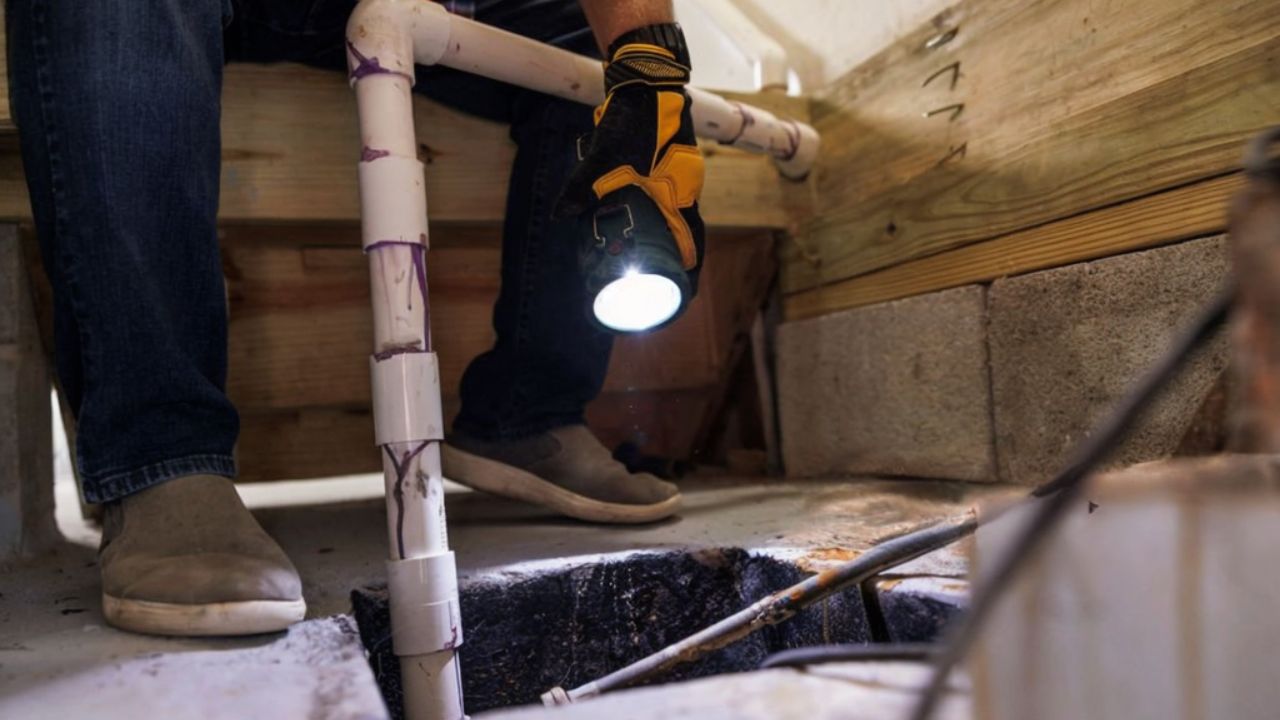
If your home has a sump pump, you want to know it works before the next big rain. Pour water into the pit to make sure it kicks on and drains properly. Fall rains often hit before the ground freezes, and if your system fails, you could end up with a flooded basement or crawl space. A quick test now can prevent a major mess later.
*This article was developed with AI-powered tools and has been carefully reviewed by our editors.