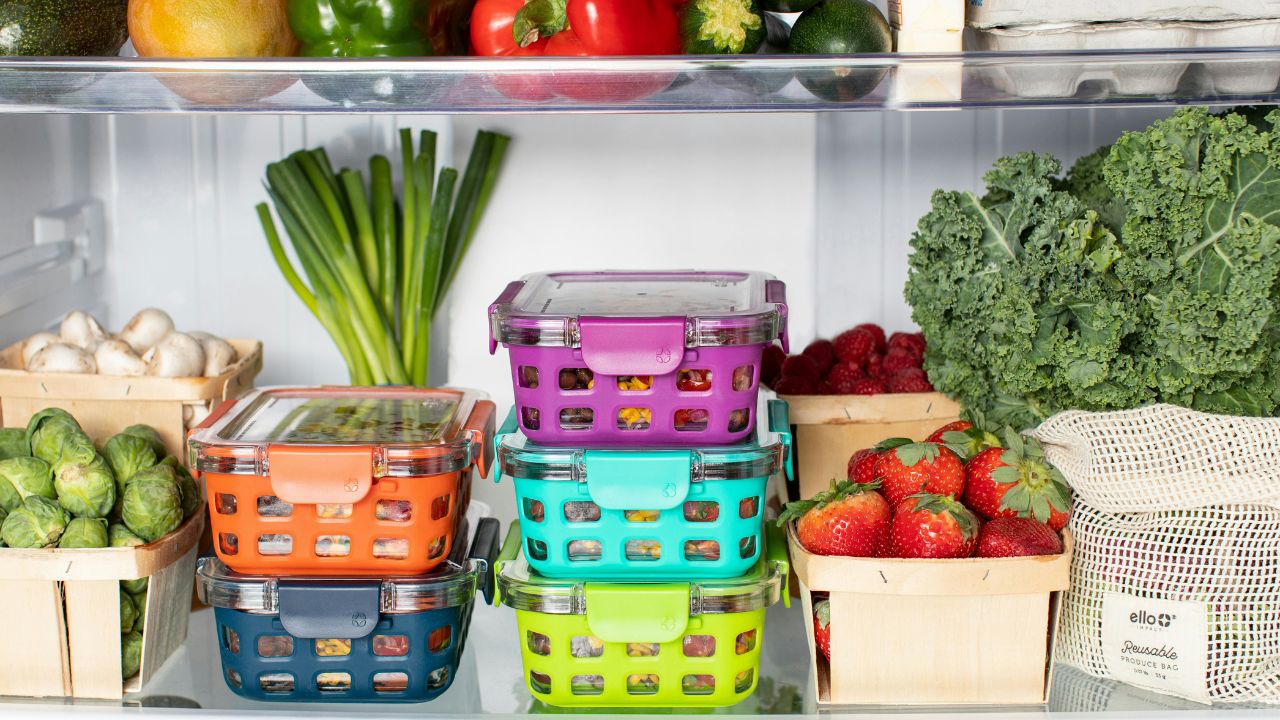
10 organizing fixes that’ll save you $300 in food waste
Photo credit: Ello/Unsplash.com
Food waste is one of those hidden costs that sneaks up on you. A few forgotten leftovers, produce that went bad too quickly, or pantry items that expired before you got to them—it all adds up. The good news is, a little organization can stretch what you already buy and keep more money in your pocket. With some small changes, you can easily save $300 or more a year by using up what you already have instead of tossing it.
Keep a “use first” bin in the fridge
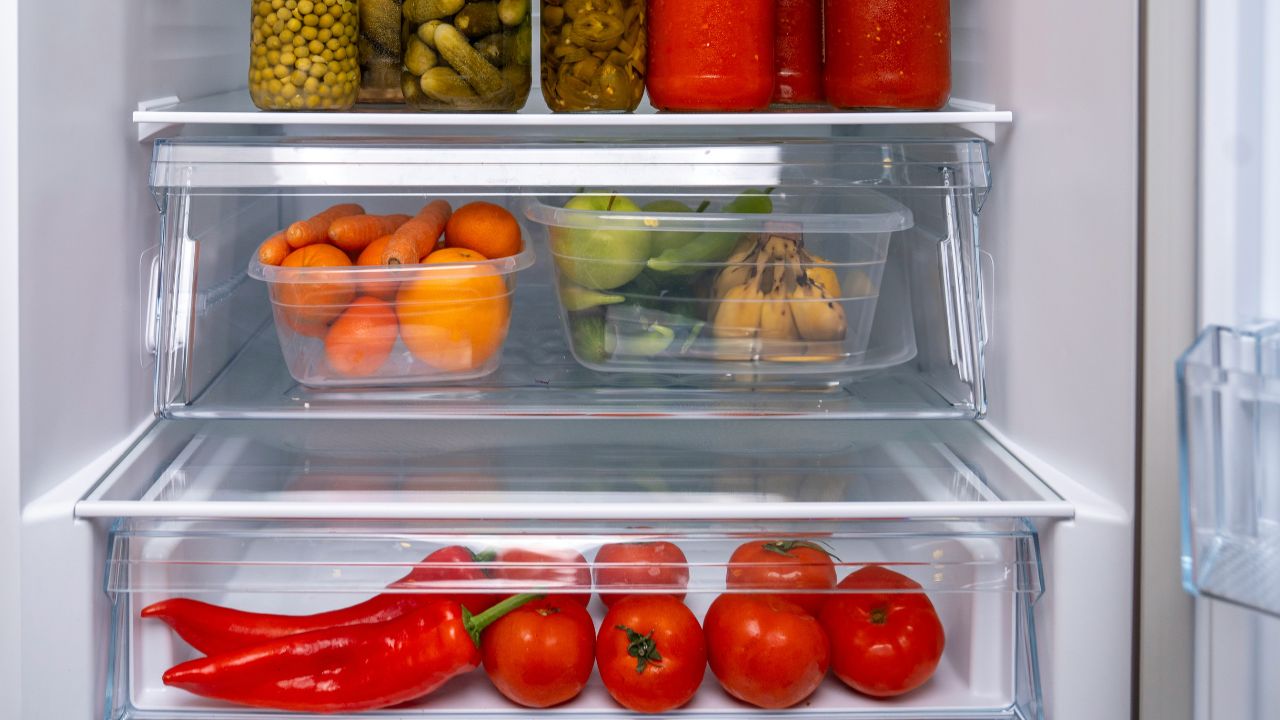
Designating one bin for food that’s about to expire helps you stop forgetting what needs to be eaten. Instead of digging around and finding spoiled yogurt or wilted spinach, you’ll have it front and center.
This system works especially well for produce and leftovers. You’ll find yourself eating what you already have before it goes bad, instead of letting it get pushed to the back.
Label and date your leftovers
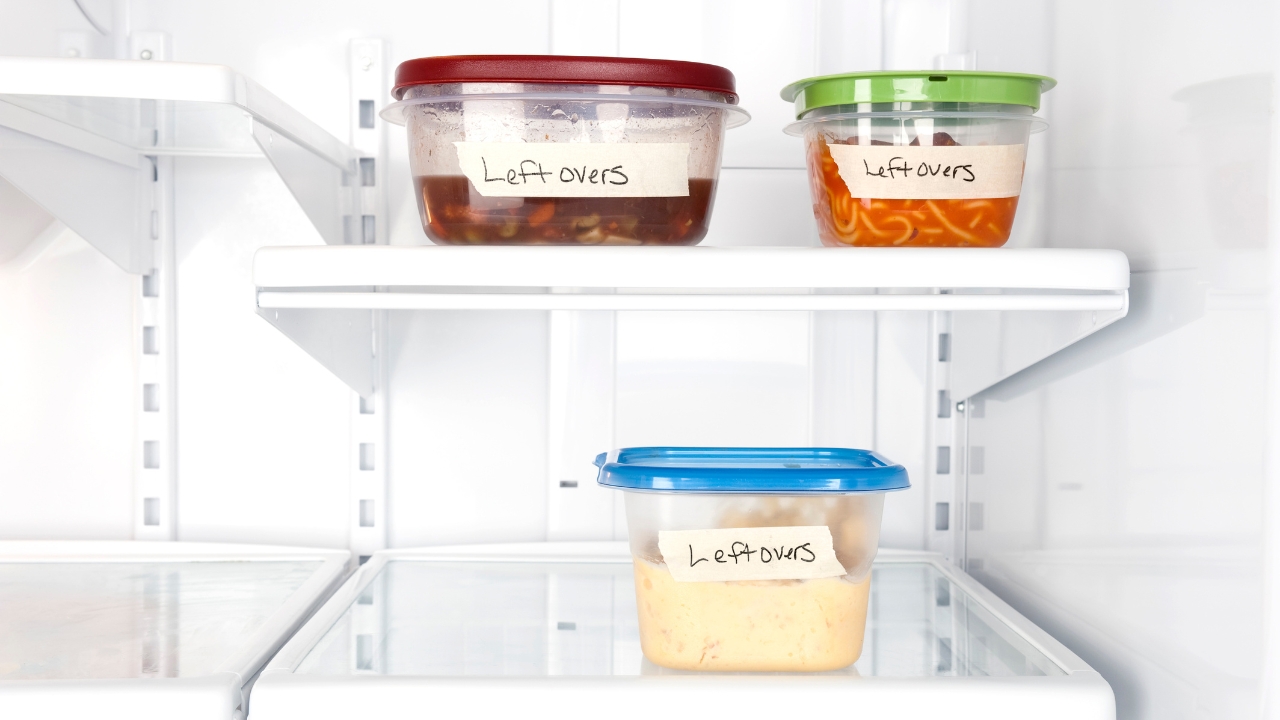
Leftovers are great—until you forget when you made them. A quick label with the date lets you know what’s still safe to eat and what should be frozen or tossed.
Even masking tape and a marker work fine for this. You’ll end up actually eating the food you worked to cook instead of tossing it because you weren’t sure if it was too old.
Rotate pantry items regularly
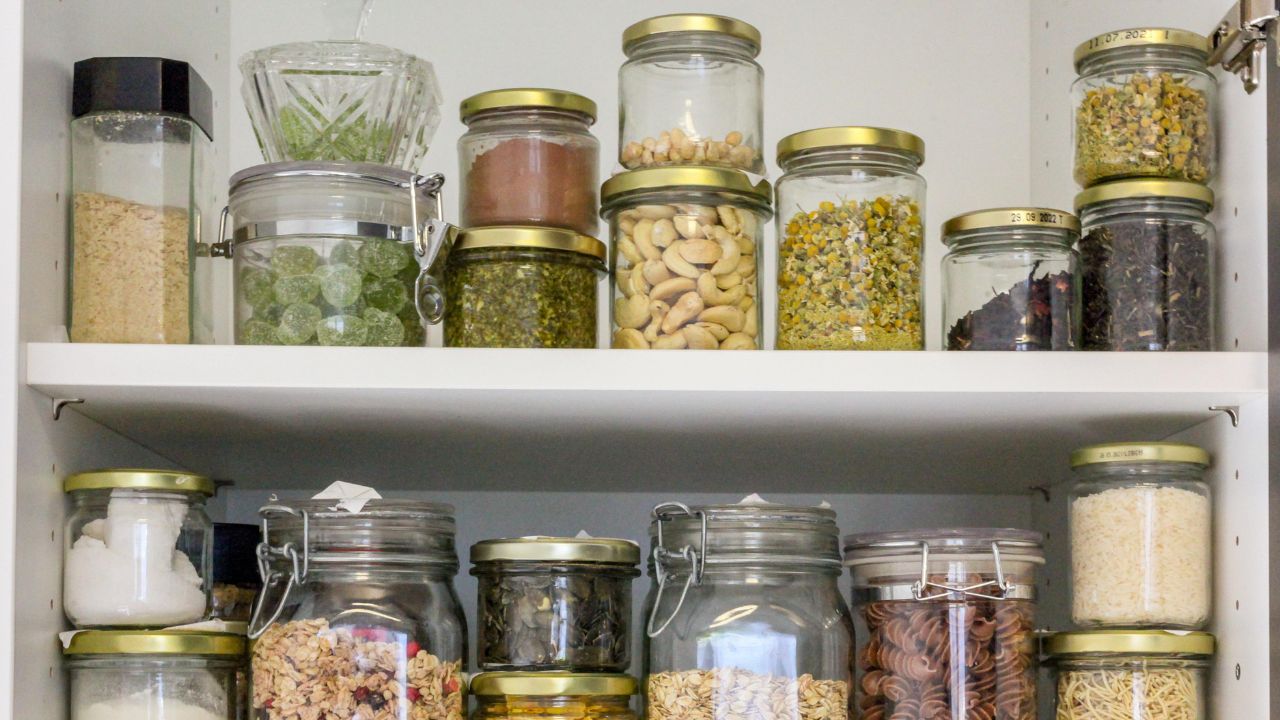
Cans, boxes, and bags often get buried in the back of the pantry. By rotating items—moving the older ones forward—you’ll naturally use them before they expire.
This takes just a few minutes each week and saves you from discovering a shelf full of expired pasta or canned beans. It also keeps your pantry looking neater and more manageable.
Store produce where you can see it
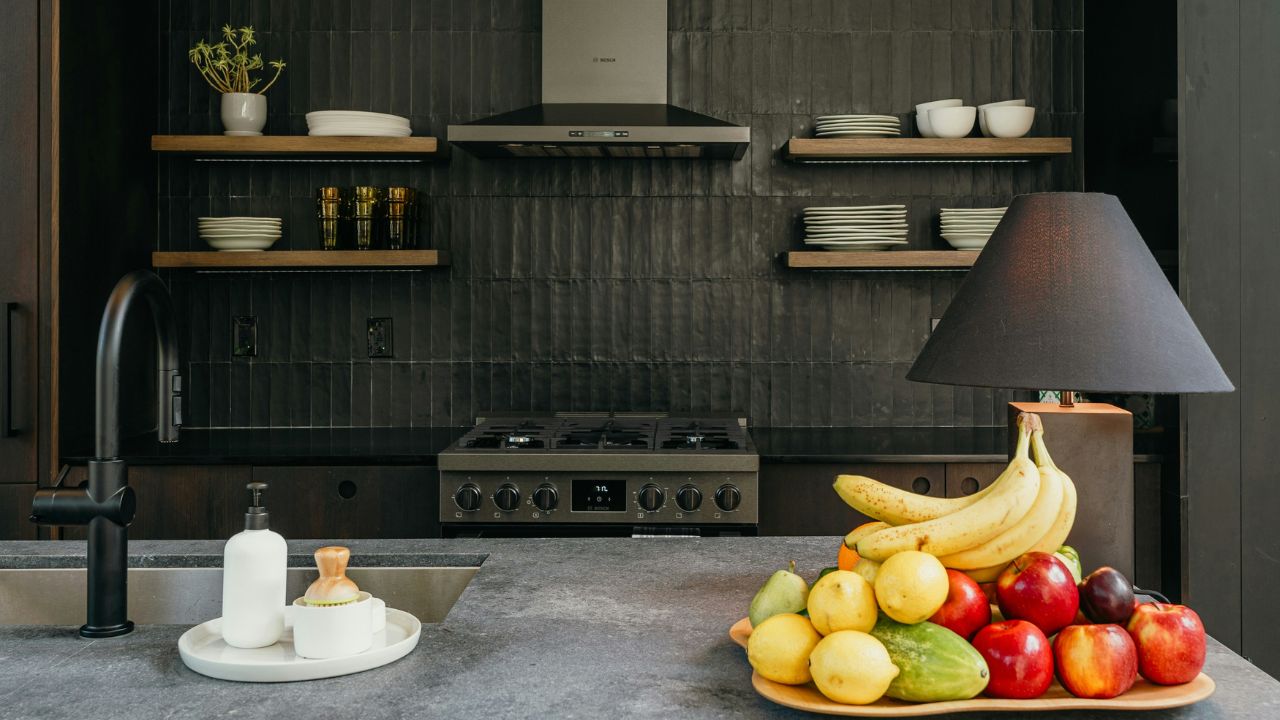
If fruits and vegetables are hidden in drawers, you’ll forget about them until they’ve gone slimy. Keeping them in clear containers or at eye level makes it more likely you’ll eat them in time.
You’re far more likely to snack on an apple or cucumber if it’s visible. It’s a simple switch that saves money and encourages healthier eating.
Freeze extras before they spoil
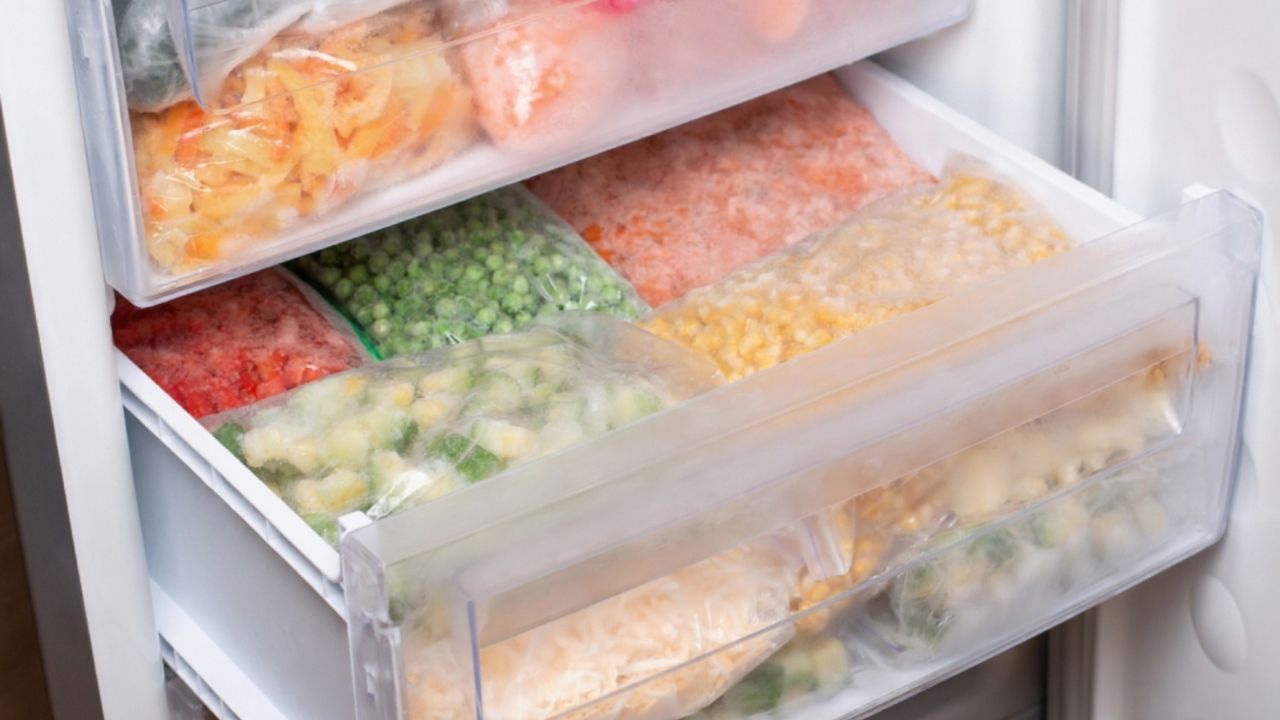
If you notice something won’t get used in time, toss it in the freezer. Bread, shredded cheese, berries, and even cooked rice freeze well and can be used later without losing quality.
Freezing extends the life of food by weeks or months. It’s one of the easiest ways to cut waste without changing your shopping habits.
Portion snacks ahead of time
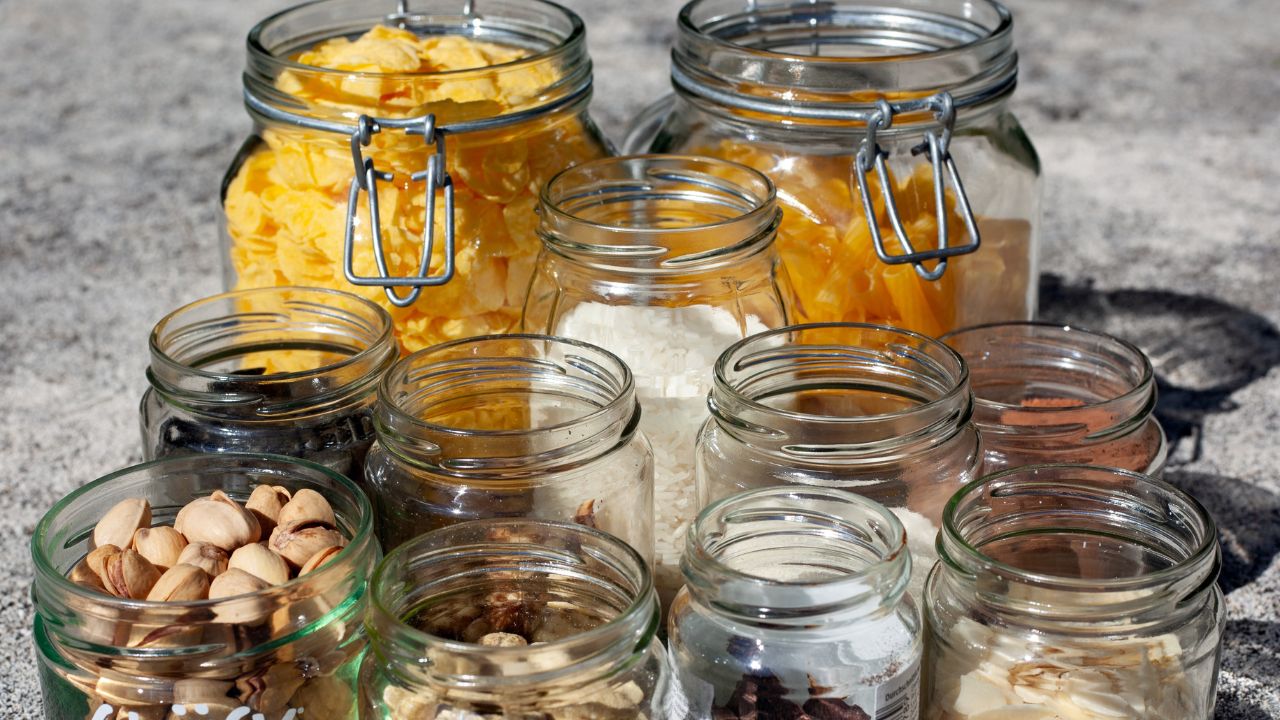
Big bags of chips, crackers, or even fruit often go stale or spoil if left open too long. Portioning snacks into smaller containers helps you eat through them before they lose freshness.
This also makes it easier for kids (or you) to grab a ready-to-go portion, instead of leaving an open bag in the pantry to go bad.
Keep a running fridge and freezer inventory
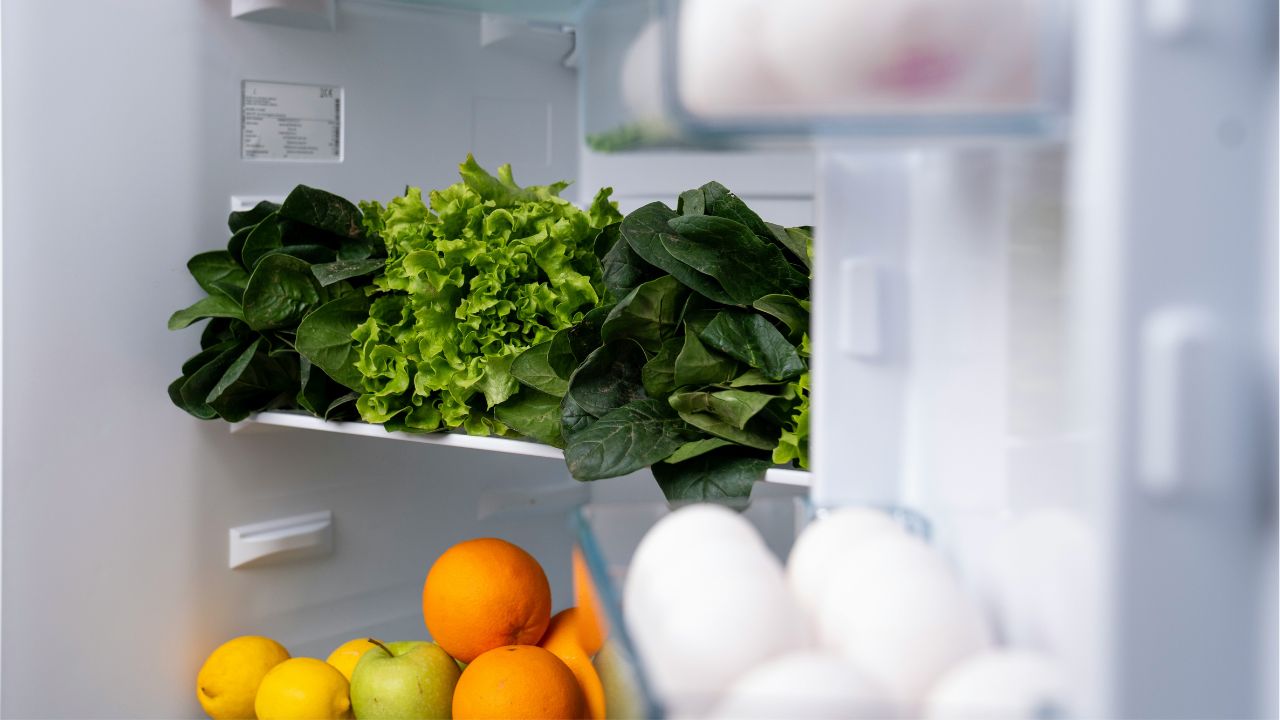
It sounds like a hassle, but knowing what’s in your fridge and freezer prevents duplicate buys and forgotten food. A dry erase board on the fridge works perfectly.
Crossing items off as you use them helps you stay on top of what’s left. You’ll waste less and shop smarter, which directly translates to savings.
Use clear containers for pantry staples
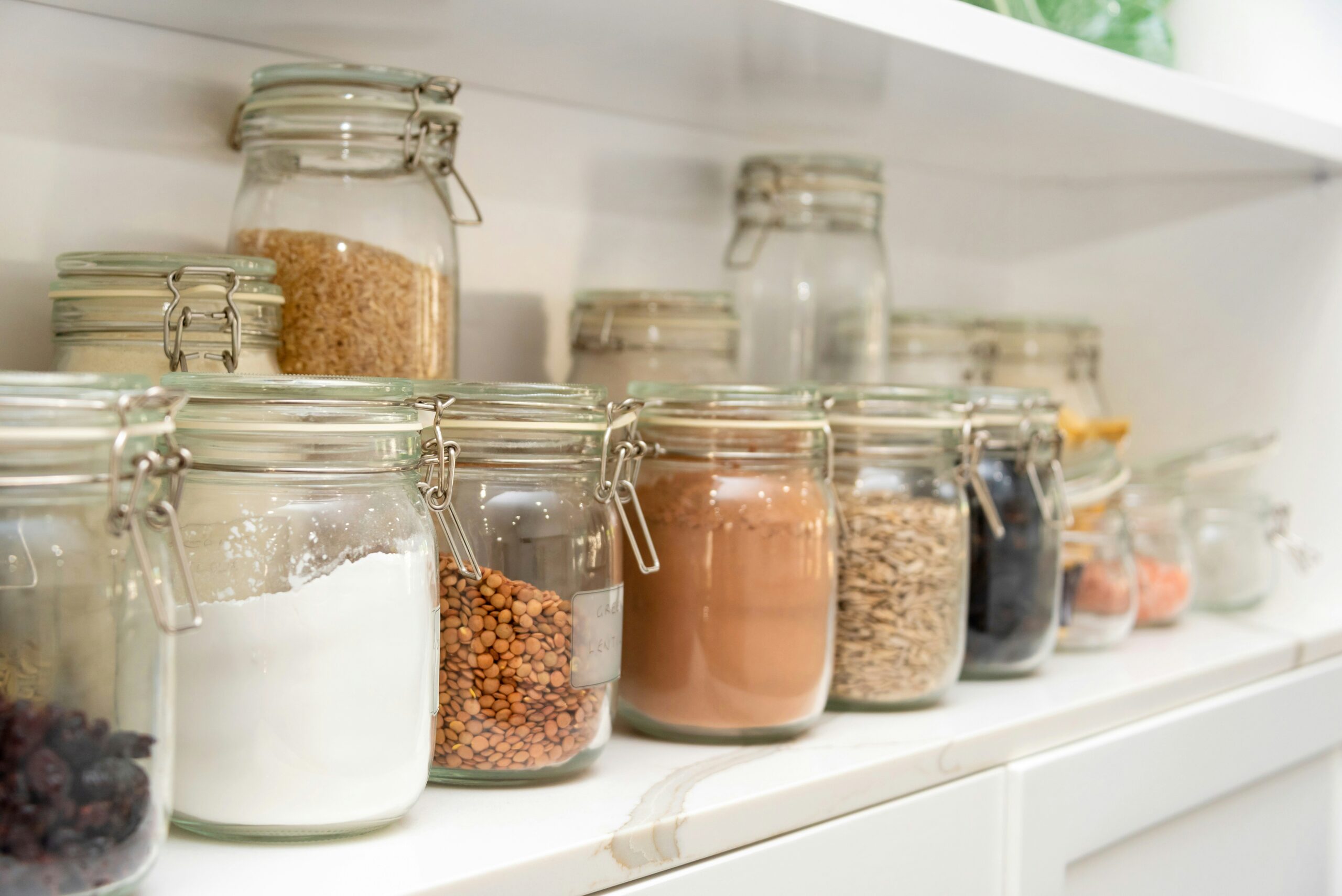
Opaque packaging makes it easy to forget what you have. Transferring rice, flour, or cereal into clear containers not only looks better but also makes it obvious when something needs to be used.
Clear containers help you avoid buying duplicates because you’ll see exactly how much is left at a glance. Less duplication means less waste.
Plan meals around what’s on hand
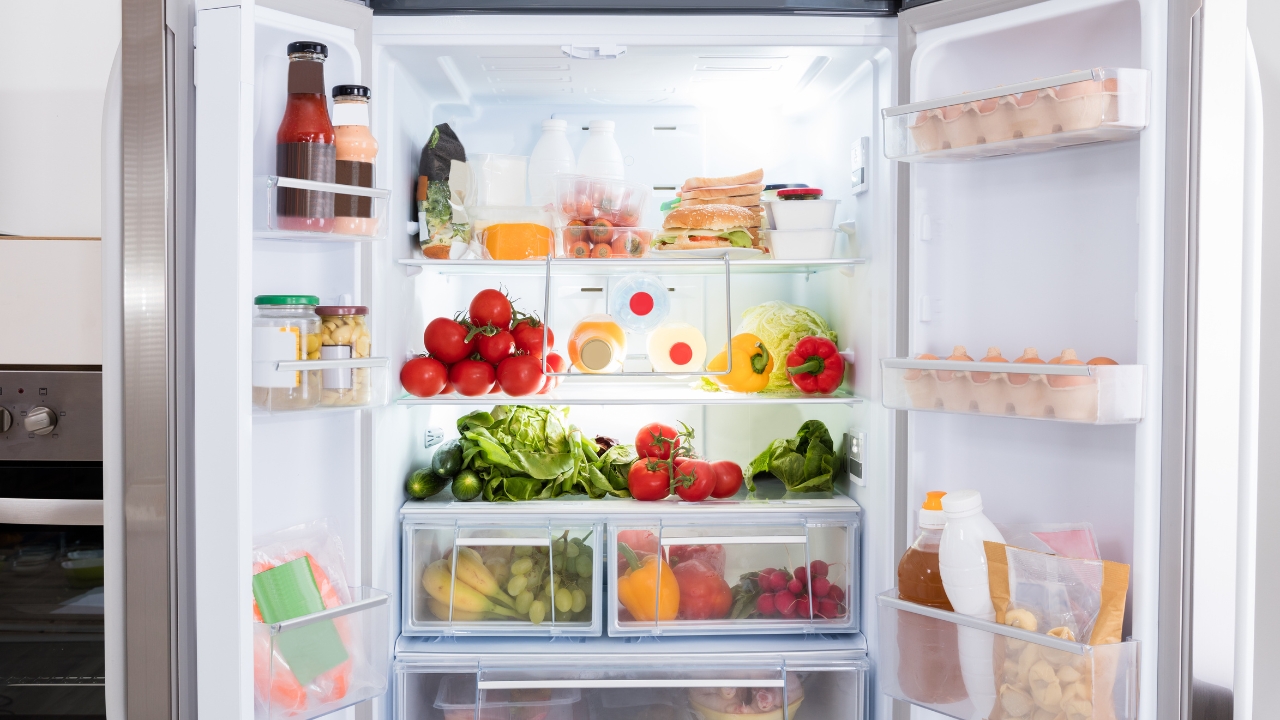
Instead of starting with recipes and then shopping, look at what you already have in the fridge and pantry. Building meals around what’s available keeps food moving instead of expiring.
It also helps you get creative with combinations, making use of every last carrot or half-bag of spinach before it spoils.
Store food in the right zones
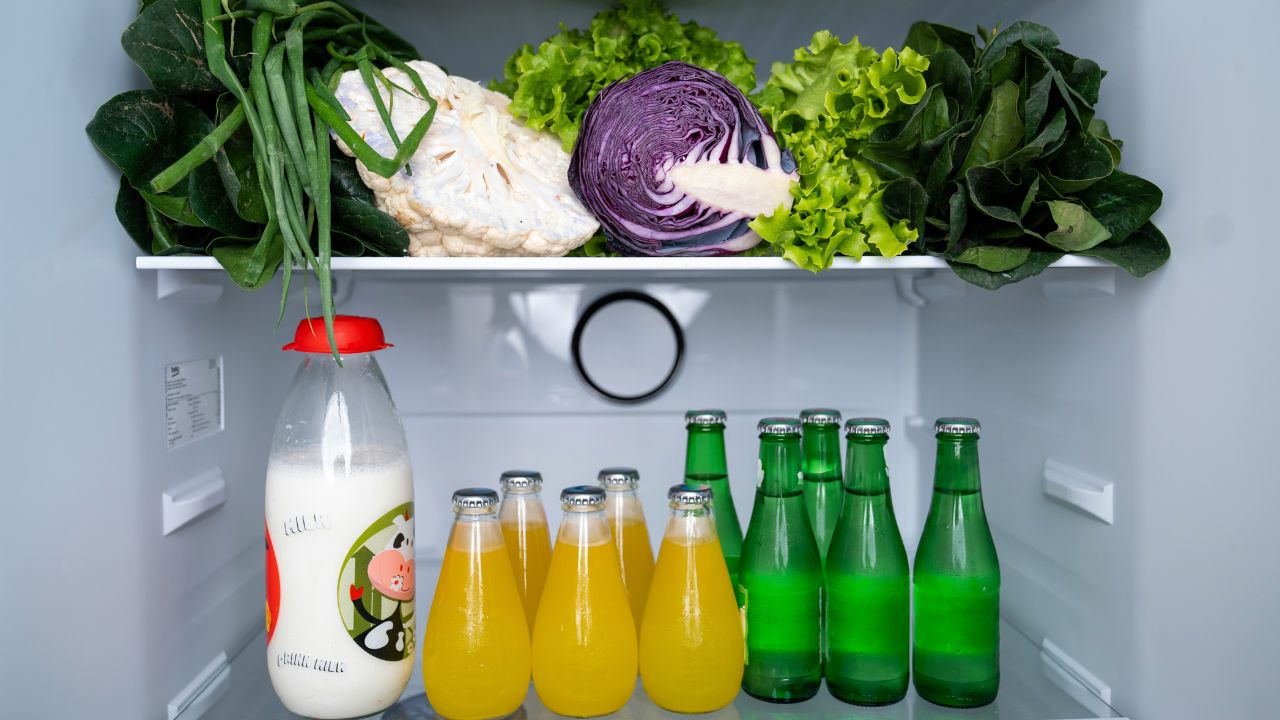
Your fridge is designed with different temperatures in different areas. Milk stays fresher on the bottom shelf, while the door should be reserved for condiments since it’s the warmest spot.
Understanding where to store things makes them last longer. Following those natural zones helps you stretch food further without effort.
*This article was developed with AI-powered tools and has been carefully reviewed by our editors.