10 Places Water Sneaks In During Spring Storms
Photo credit: Yurich84/istock.com
Spring storms move in quickly, and water rarely takes the obvious route into your home. While you watch the windows and listen to the wind, moisture can slip through hairline cracks, clogged channels, and overlooked gaps that quietly turn into expensive repairs.
By understanding the most common weak spots, you can turn a chaotic season into a manageable maintenance checklist. Focusing on ten specific paths water uses to infiltrate your house gives you a practical way to stay ahead of leaks, mold, and structural damage when the forecast turns ugly.
1. Roof Shingles And Flashing
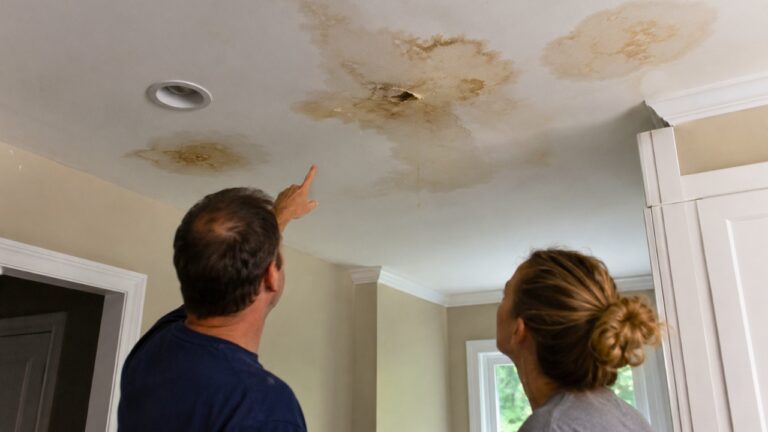
Your roof is the first line of defense during a spring downpour, yet many homeowners only notice it when water has already reached the ceiling. Wind-driven rain exploits missing or curled shingles, worn sealant, and gaps around chimneys or vents, then gravity carries that moisture into attic insulation and drywall. When you inspect the roof, look for missing or damaged shingles and any exposed nail heads, and pay close attention to metal flashing where slopes meet walls or penetrations, because these intersections tend to open up over time.
Guidance on storm preparation stresses that you should check the roof for missing shingles and small openings that might allow water infiltration before heavy Spring rain arrives. If you see granules from asphalt shingles collecting in your gutters or on the driveway, that is another sign the surface is wearing thin and more likely to absorb and transmit water. Catching those details early reduces the risk that a single intense storm will push water under the roofing and into the structure below.
2. Gutters, Downspouts, And Eaves
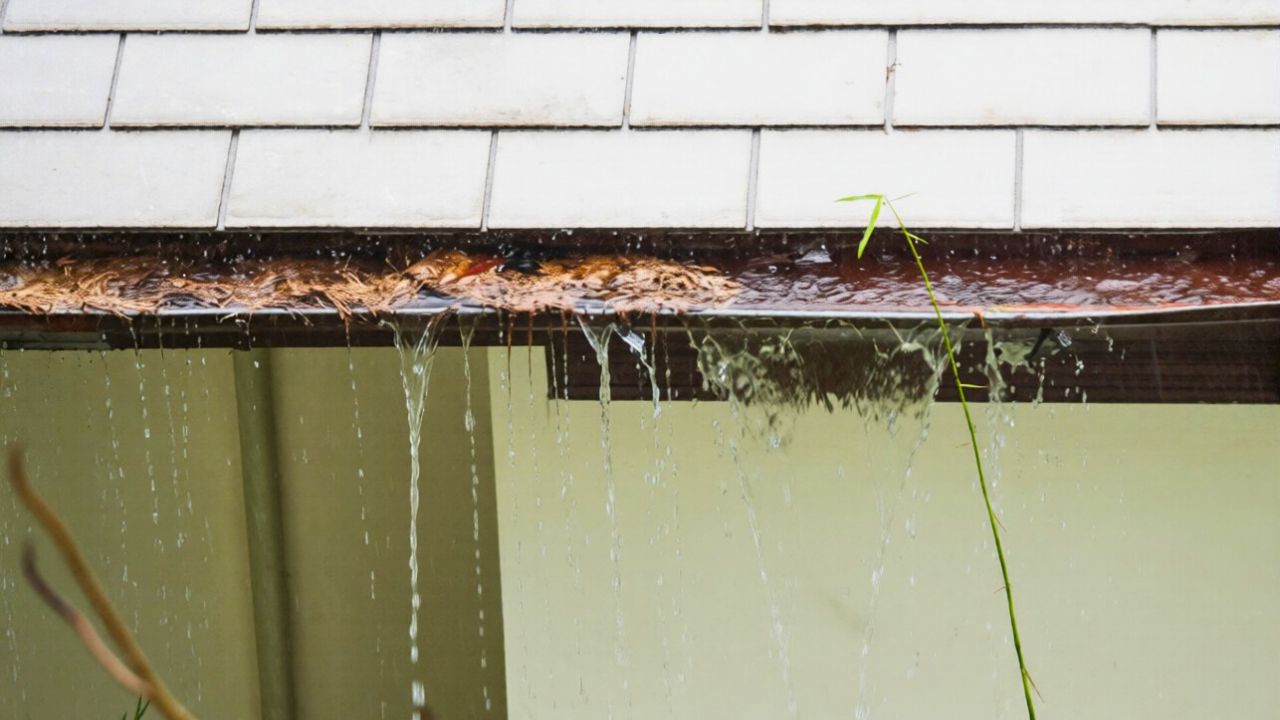
Even a solid roof cannot protect you if water has nowhere to go once it reaches the edge. When gutters fill with leaves or shingle grit, they overflow at the eaves and send sheets of water down siding and into the soil right against your foundation. That overflow can stain fascia boards, rot soffits, and saturate the top of your basement wall, which is exactly where you least want extra moisture during a prolonged storm.
Storm preparation checklists emphasize that the condition of your gutter system is a key part of keeping your home free of rainwater, and they advise you to inspect gutters for clogs, sagging sections, and leaks. Downspouts should discharge several feet away from the house, not into short splash blocks that let water curl right back toward the wall. When you combine clean gutters with properly extended downspouts, you keep roof runoff moving away from your home instead of letting it pool in the most vulnerable spots.
3. Windows, Doors, And Wall Penetrations
Water does not need a wide opening to make its way indoors; it only needs a consistent path. Around windows and doors, that path often appears as cracked caulk, shrinking weatherstripping, and tiny gaps where trim meets siding. During a windy Spring storm, rain can be driven horizontally, turning those hairline gaps into active leak channels that wet interior sills, swell wooden casings, and stain drywall below.
Home assessments that focus on Spring Storms and Water Damage recommend carefully assessing vulnerabilities around openings in the building envelope so you can seal any gaps that might allow water infiltration. It is also important to think beyond obvious windows and doors and look at wall penetrations such as dryer vents, cable entries, and hose bibs. When the sealant around those fixtures fails, water can track along the pipe or conduit and end up inside wall cavities where you may not notice the damage until mold or peeling paint appears.
4. Siding, Exterior Walls, And Joints
Even if you never see a dramatic leak, slow seepage through exterior walls can quietly compromise your home. Siding systems rely on overlapping pieces and underlying weather barriers to shed water, but wind-driven rain and repeated wetting can expose weak points. Cracked stucco, loose vinyl panels, warped fiber cement boards, and gaps at vertical joints all create opportunities for moisture to reach the sheathing and framing behind the visible surface.
Guides that focus on identifying common areas of water intrusion in homes highlight siding and exterior walls as frequent trouble spots, especially where they meet roofs, decks, or masonry. You should check for staining, bubbling paint, or algae growth on the exterior, because those visual clues often mark places where water repeatedly lingers. By re-caulking joints, repairing damaged panels, and maintaining a consistent paint or sealant layer, you help the wall system shed water instead of absorbing it.
5. Foundations, Basements, And Slab Cracks
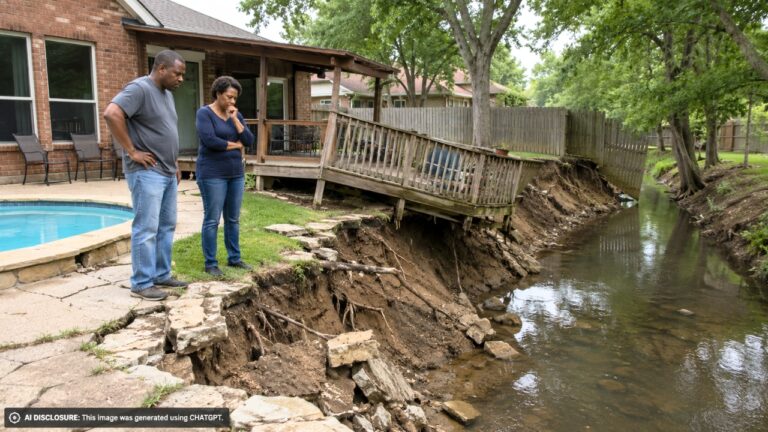
Once water reaches the ground, gravity keeps working on your house from the bottom up. Poor grading, saturated soil, and hydrostatic pressure can push moisture through foundation walls or under slab floors, especially if there are existing cracks. You might first notice this as a damp basement corner, a musty smell, or a thin line of discoloration along the floor where water has seeped in during heavy rain.
Flood prevention advice for Spring storms urges you to check for foundation cracks and to make sure the ground slopes so water runs away from the house. Small cracks can expand as seasons change, giving water a direct route into your basement or crawlspace. By sealing minor openings with appropriate materials and improving surface drainage with soil, downspout extensions, or French drains where needed, you limit the amount of water that ever reaches the foundation in the first place.
6. Crawlspaces, Vents, And Low-Lying Areas
Crawlspaces sit out of sight, which makes them an easy place for water to hide during Spring storms. When the soil around your home becomes saturated, water can collect under the house, especially if the crawlspace floor is bare dirt or if there is no vapor barrier. That standing moisture can lead to wood rot, rusted metal supports, and mold that spreads upward into your living space.
Reporting on Hidden Impact of explains that when a spring storm rolls through, many homeowners focus on roofs and windows while ignoring low crawlspaces that trap moisture and contribute to poor indoor air quality. You should inspect vents to ensure they are not blocked, check for signs of pooling water or mud lines, and consider adding drainage improvements or sump pumps in areas that stay wet. A properly installed vapor barrier and controlled ventilation can significantly reduce the volume of moisture that reaches structural elements beneath your floors.
7. Interior Plumbing, Appliances, And Hidden Lines
Not all water that appears during a storm comes from outside; sometimes heavy weather simply reveals weaknesses in your interior plumbing. Pressure changes, power outages, and shifting soil can stress supply lines and drain systems, which may already have small leaks that only show up when the system is under load. Washing machines, water heaters, and dishwashers can also discharge large amounts of water if hoses fail or drains back up at the same time rainwater is overwhelming exterior systems.
When you review your home for Spring Storms and Water concerns, treat interior systems as part of the same vulnerability map that covers exterior elements. That means checking shutoff valves, inspecting flexible hoses for bulges or corrosion, and testing floor drains to confirm they are clear before the wet season. If you pair that effort with knowledge from Spring Water Damage guidance that highlights how intense rainfall can overwhelm drainage systems and cause leaks in roofs and siding, you see how indoor and outdoor risks often compound each other during the same storm.
8. Drainage Systems, Yards, And Surface Runoff
The way water moves across your property during a storm often decides whether it ever reaches your house. If your yard slopes toward the foundation, if landscape beds trap water, or if storm drains are blocked, then surface runoff can pool against walls and seep into lower levels. Even a modest Spring shower can cause problems when the soil is already saturated and there is no clear path for water to flow away.
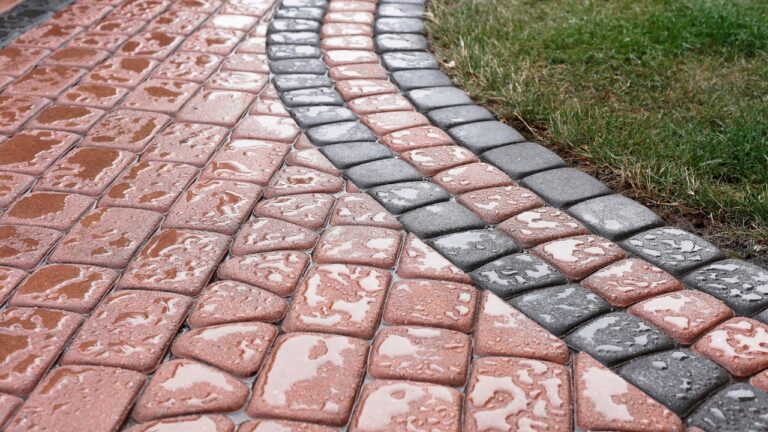
Advice that focuses on drainage systems and seasonal water damage explains that poor grading and clogged drains can lead to flooding around homes, especially when Spring storms arrive with heavy rain that overwhelms existing infrastructure. You can reduce that risk by reshaping soil so it slopes away from the house, cleaning yard drains and culverts, and avoiding landscape features that create basins near the foundation. When you pair these outdoor adjustments with the earlier steps on gutters and downspouts, you create a continuous path that guides water off your roof, through your yard, and safely away from the structure.
9. Attics, Insulation, And Hidden Condensation
Even after the rain stops, moisture can keep working inside your home in less obvious ways. Warm, humid air from lower floors can rise into the attic, where it meets cooler surfaces and condenses into water droplets. If storms have already introduced small leaks through roofing or flashing, that extra humidity can accelerate mold growth and wood decay in a space you rarely see.
Guidance on building materials and home performance, along with resources that help you manage stormwater, point to ventilation and insulation as key tools for controlling hidden moisture. Look for dark stains on rafters, compressed or damp insulation, and any daylight showing where it should not. By sealing air leaks from living spaces, confirming that attic vents are open and unobstructed, and repairing minor roof defects before the next Spring system rolls through, you cut off one more route that water uses to sneak into your home.
Like Fix It Homestead’s content? Be sure to follow us.
Here’s more from us:
- I made Joanna Gaines’s Friendsgiving casserole and here is what I would keep
- Pump Shotguns That Jam the Moment You Actually Need Them
- The First 5 Things Guests Notice About Your Living Room at Christmas
- What Caliber Works Best for Groundhogs, Armadillos, and Other Digging Pests?
- Rifles worth keeping by the back door on any rural property
*This article was developed with AI-powered tools and has been carefully reviewed by our editors.