10 Places You’re Probably Forgetting to Check for Water Leaks
If there’s one thing I’ve learned from fixing up homes and poking around crawl spaces, it’s that water has a sneaky way of showing up where you least expect it. A small leak might not seem like a big deal, but over time it can lead to warped floors, mold, and some expensive repairs. And the kicker? Most people don’t even know there’s a problem until it’s already done some damage.
That’s why I make it a habit to check these out-of-sight spots regularly. A little time spent looking now can save you a ton of time (and money) later.
Under the Dishwasher

Leaks under dishwashers are sneaky. You might not see puddles, but if the floor feels soft or smells musty, something’s probably wrong. A small drip from a hose or fitting can go unnoticed for weeks.
To check it, pull the dishwasher out (carefully) and look for damp spots, discoloration, or warped flooring. Catching a slow leak here early can save you from dealing with major floor damage down the road.
Behind the Washing Machine
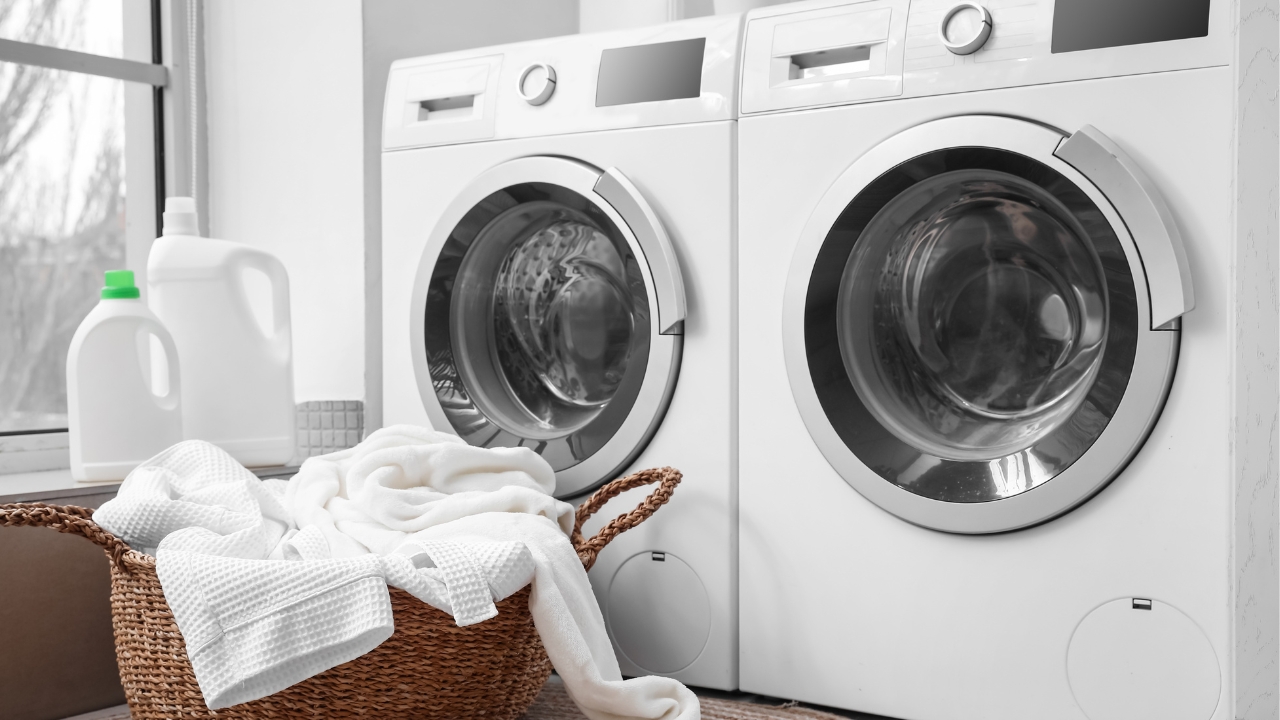
The hoses behind your washer deal with a lot of pressure and wear over time. Cracks, loose connections, or old rubber lines are all common problems that can start small and get bad quick.
Take a minute to pull the machine out and inspect the hot and cold water lines. If they’re more than five years old or feel brittle, it’s worth swapping them out for braided stainless steel lines. Cheap fix, big peace of mind.
Under the Refrigerator
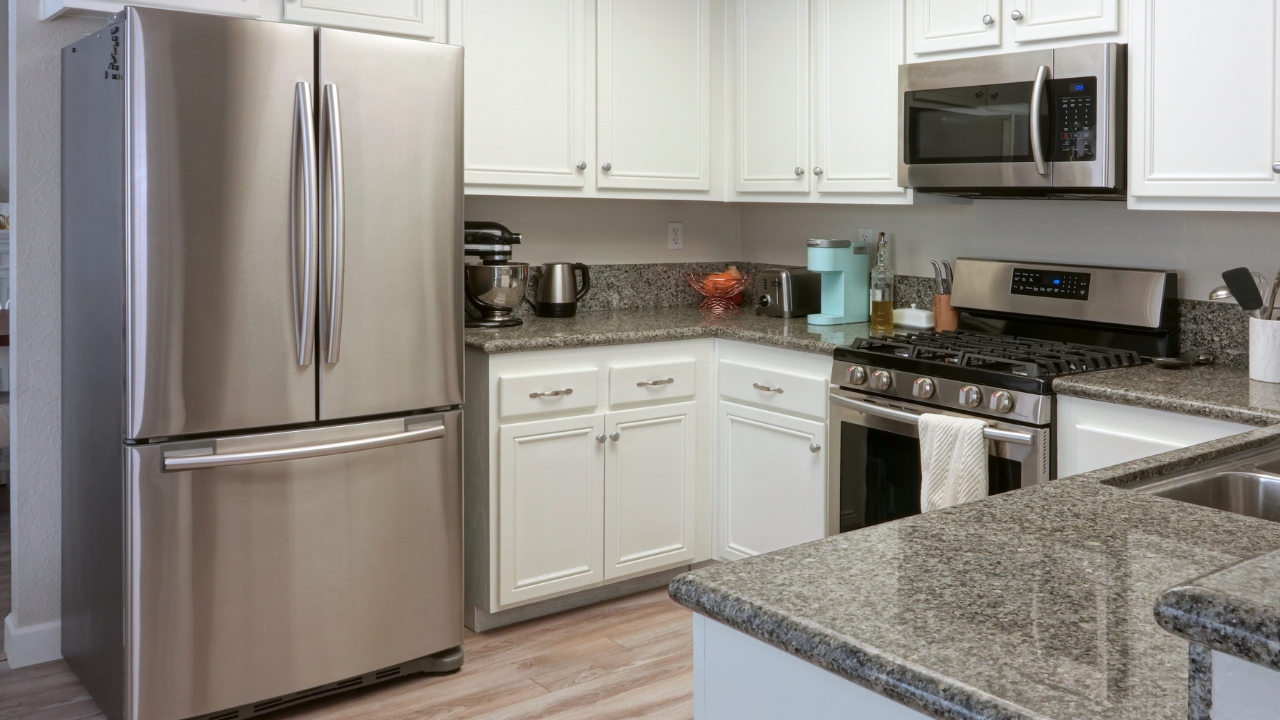
If your fridge has an ice maker or water dispenser, there’s a supply line running behind it—and it can be a problem spot. Plastic lines are especially prone to cracking or popping loose.
Slide the fridge out and look for water stains, warped flooring, or mold. If the line looks questionable, replace it with a braided metal one. You’ll avoid a mess and potentially a very expensive floor repair.
Around the Base of Toilets
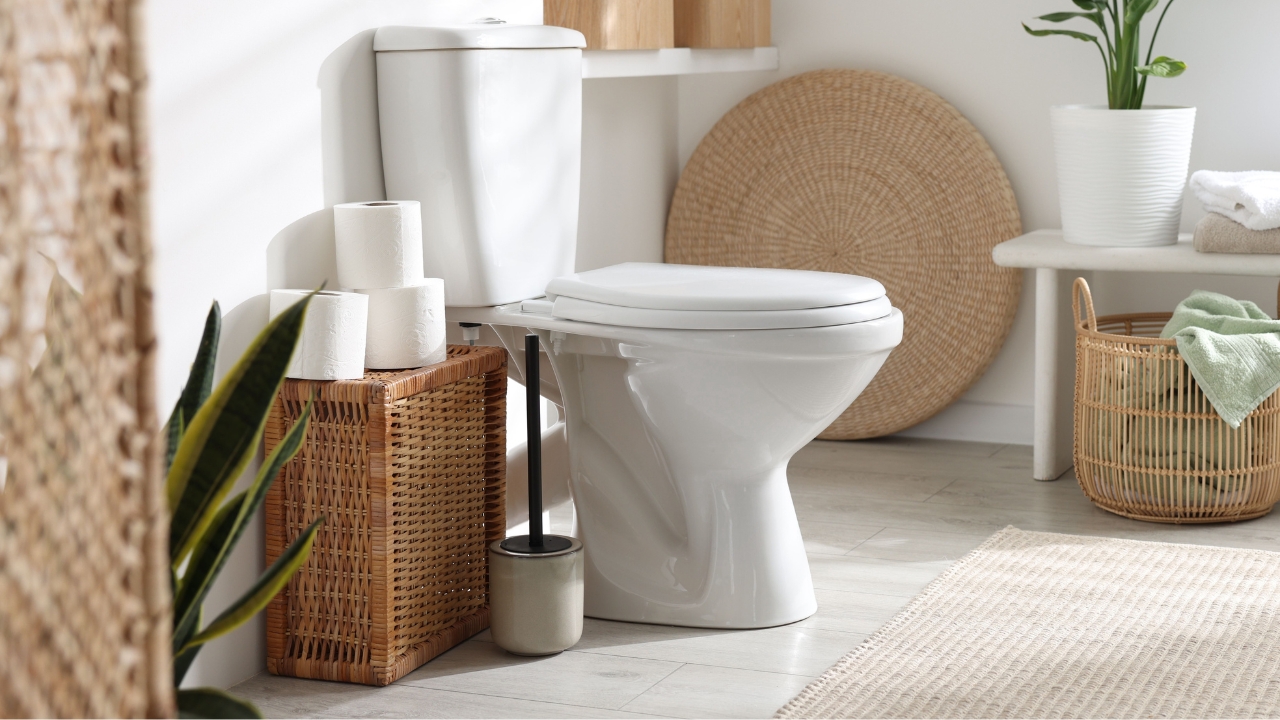
Water at the base of the toilet might not seem like much, but it could mean your wax ring seal is toast. That slow leak can rot your subfloor over time, and you might not notice it until the floor feels spongy.
Check for staining around the toilet or any give in the floor. Replacing the wax ring isn’t hard and it’s cheap—definitely worth doing before bigger problems show up.
Inside Bathroom Vanities and Under Sink Cabinets
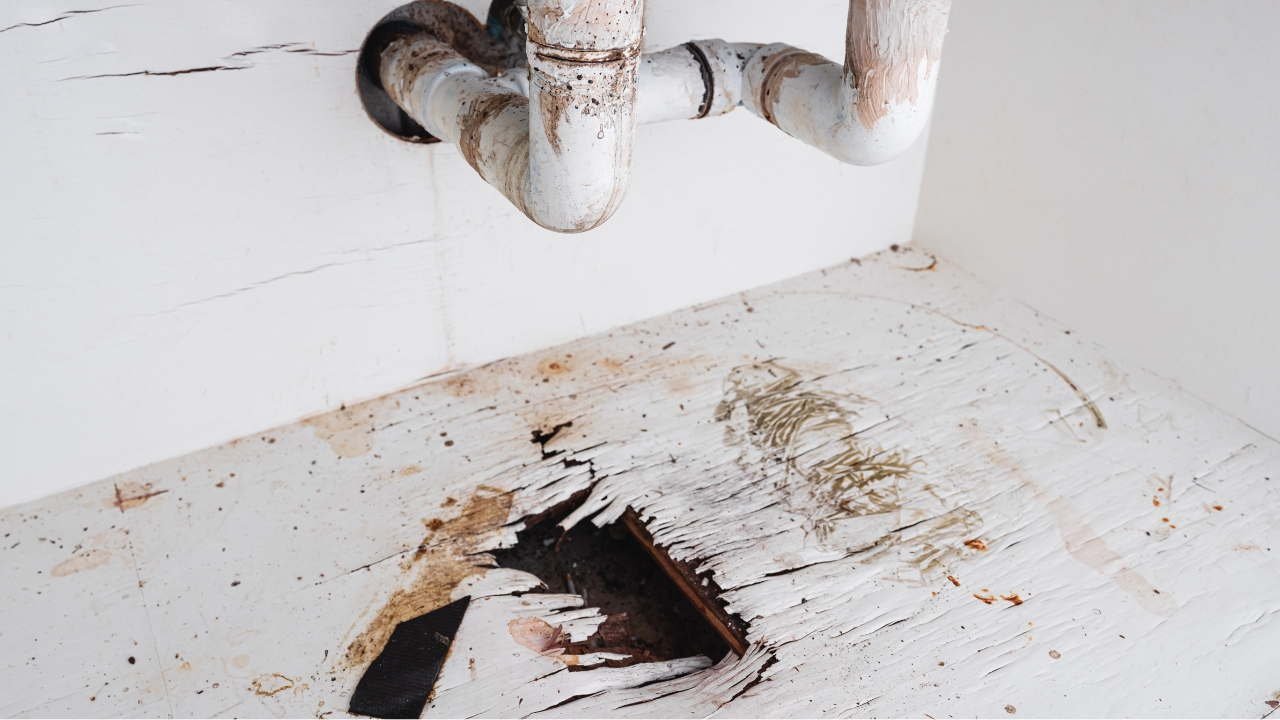
The supply lines and drain pipes under sinks are prime leak territory. Leaks here often stay hidden until you’ve got water damage or mold creeping up the cabinet wall.
Open the cabinet, feel around for damp spots, and look for any swelling in the wood or base. Tighten up loose connections and replace any old supply lines showing signs of corrosion or cracking.
Inside the Water Heater Closet or Around the Base

Water heaters can spring a slow leak at the bottom, especially if they’re older. Sometimes it’s from the tank itself, and sometimes it’s just a loose valve—but either way, you don’t want it sitting undiscovered.
Check the floor around your water heater regularly. If you see rust, staining, or even just feel dampness, figure out where it’s coming from and deal with it right away. Don’t wait for the tank to fail.
Basement or Crawl Space
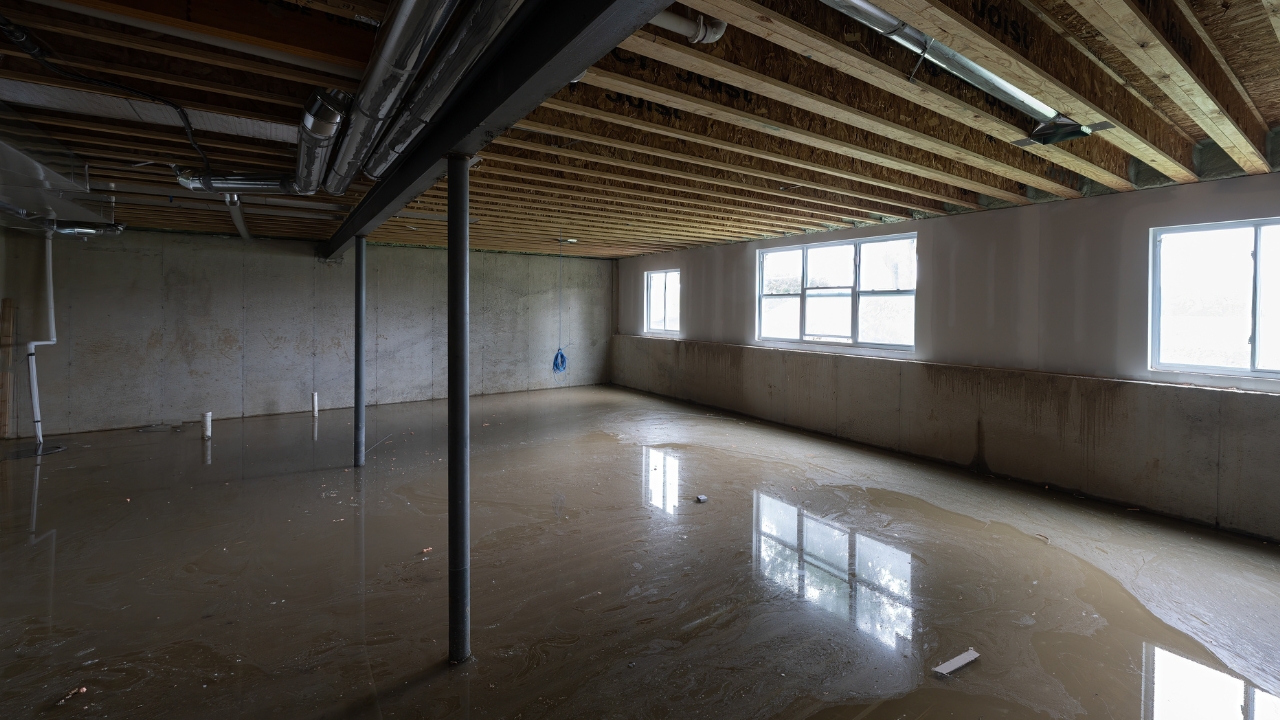
Leaks from plumbing, poor drainage, or foundation issues can leave water pooling in your crawl space or basement without much warning. It’s easy to miss unless you make a habit of looking.
Walk through and check for damp spots, musty smells, or water lines on the walls. If you see moisture, figure out the source—could be a pipe, could be grading, could be a cracked foundation.
Under Outdoor Spigots and Hose Bibs
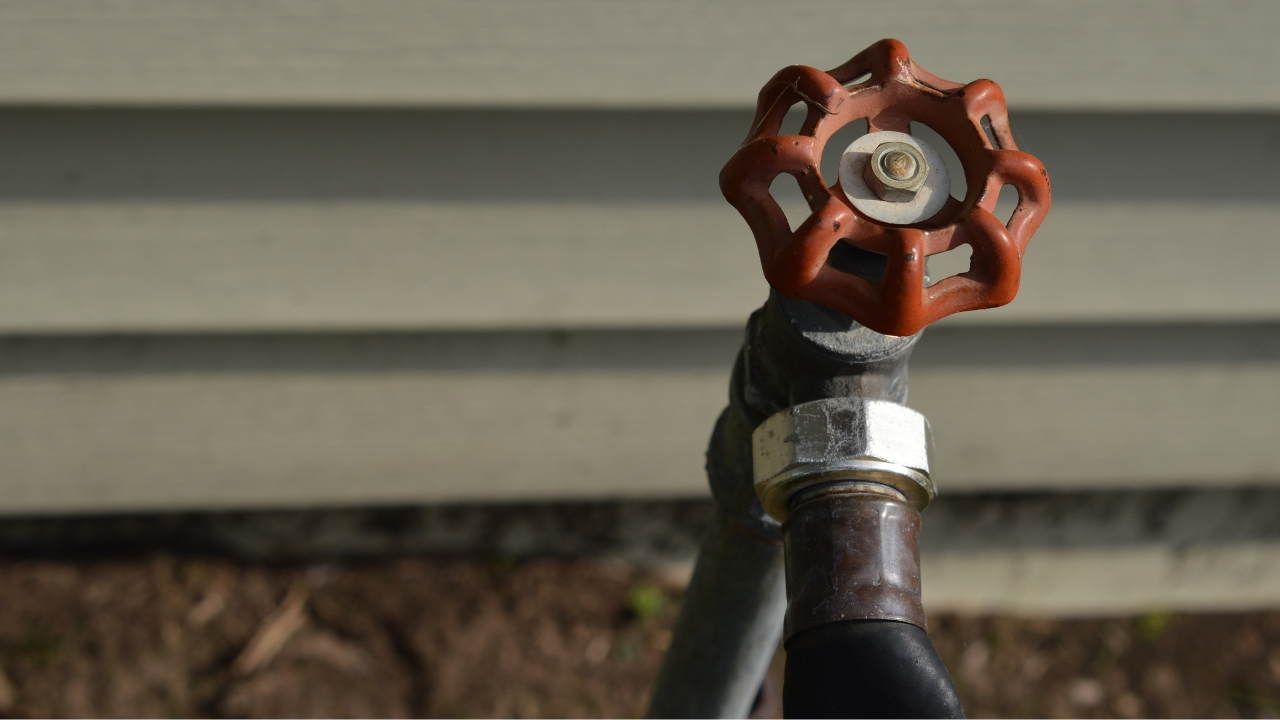
Outdoor faucets can develop leaks where the pipe meets the wall, especially if they weren’t winterized properly. Water can leak into the wall and cause rot or even get into the foundation.
Turn the spigot on and look inside the wall or crawl space where the pipe runs. If it’s wet inside, you may need to replace the faucet or tighten up the connection inside the wall.
Around Windowsills
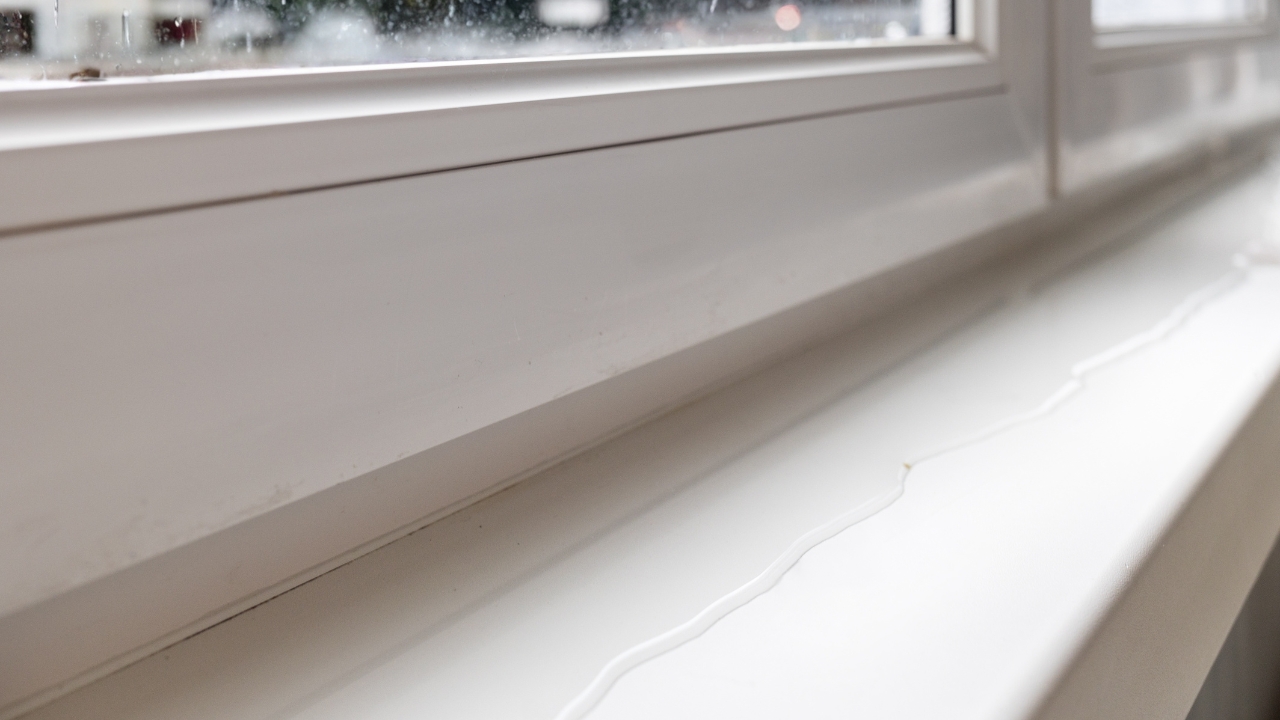
If your landscaping or gutters are directing water toward your home, it can seep in around windows. You might not see water dripping, but signs like peeling paint, soft wood, or a moldy smell are red flags.
Check after a hard rain for moisture inside or around the sills. Caulk and flashing are your best friends here—keep them in good shape, and they’ll help keep the water out.
Behind Access Panels for Tubs or Showers
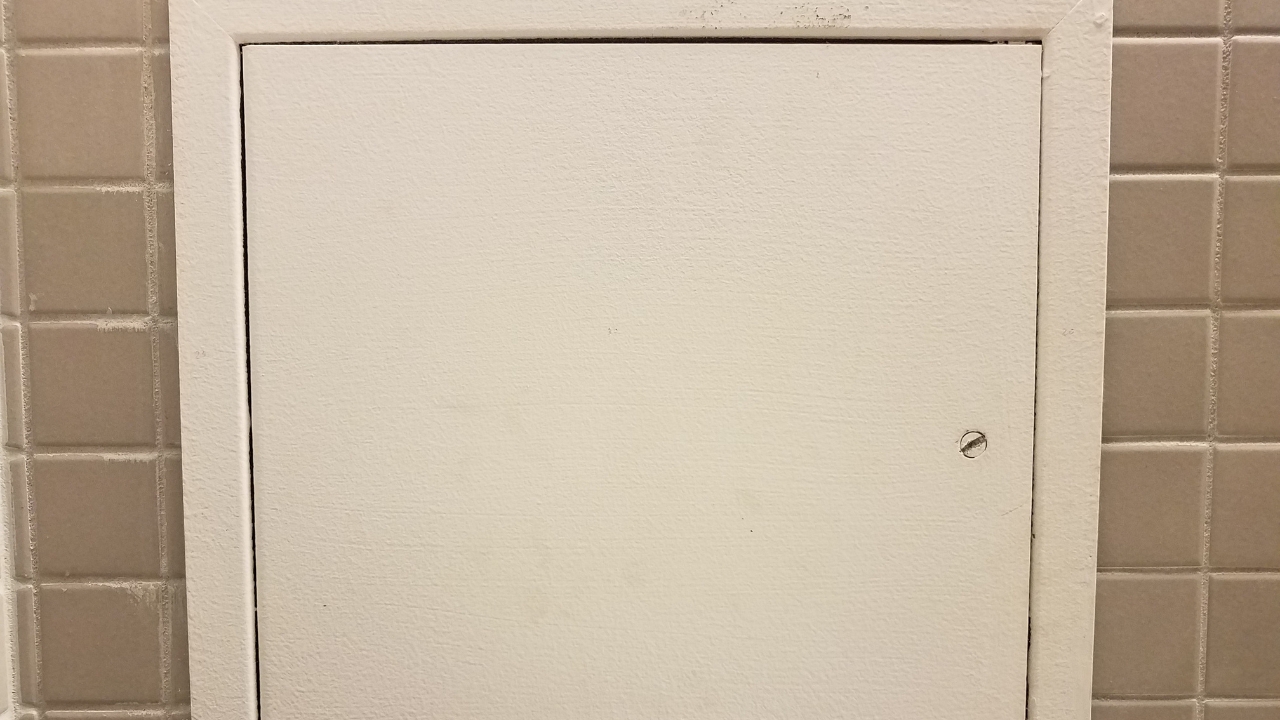
If you’ve got a removable panel behind your tub or shower plumbing, pop it open once in a while. Leaks at shower valves or pipe joints are pretty common and can stay hidden until they’ve done some real damage.
Look for water spots, rust, or mold around the pipes. Even a slow drip is worth fixing before it turns into a bigger mess—and mold isn’t something you want growing in your walls.
*This article was developed with AI-powered tools and has been carefully reviewed by our editors.