10 Power Tools That Should’ve Come With Better Instructions
Some tools show up with instructions that are practically useless—especially if you’re new to using them. A lot of times, the manual skips over real-world use and jumps straight to safety warnings and diagrams that don’t help much.
I’ve had to learn the hard way how to actually get some of these tools running right. Here are the ones that needed a lot more explanation than they came with.
Chain Sharpeners

The “manual” usually just shows how to plug it in and maybe set the angle, but doesn’t walk you through actually sharpening without ruining your chain. If you don’t know the difference between pitch settings or file types, you’re left guessing—and that’s not where you want to be with a spinning grinder.
Portable Sawmills
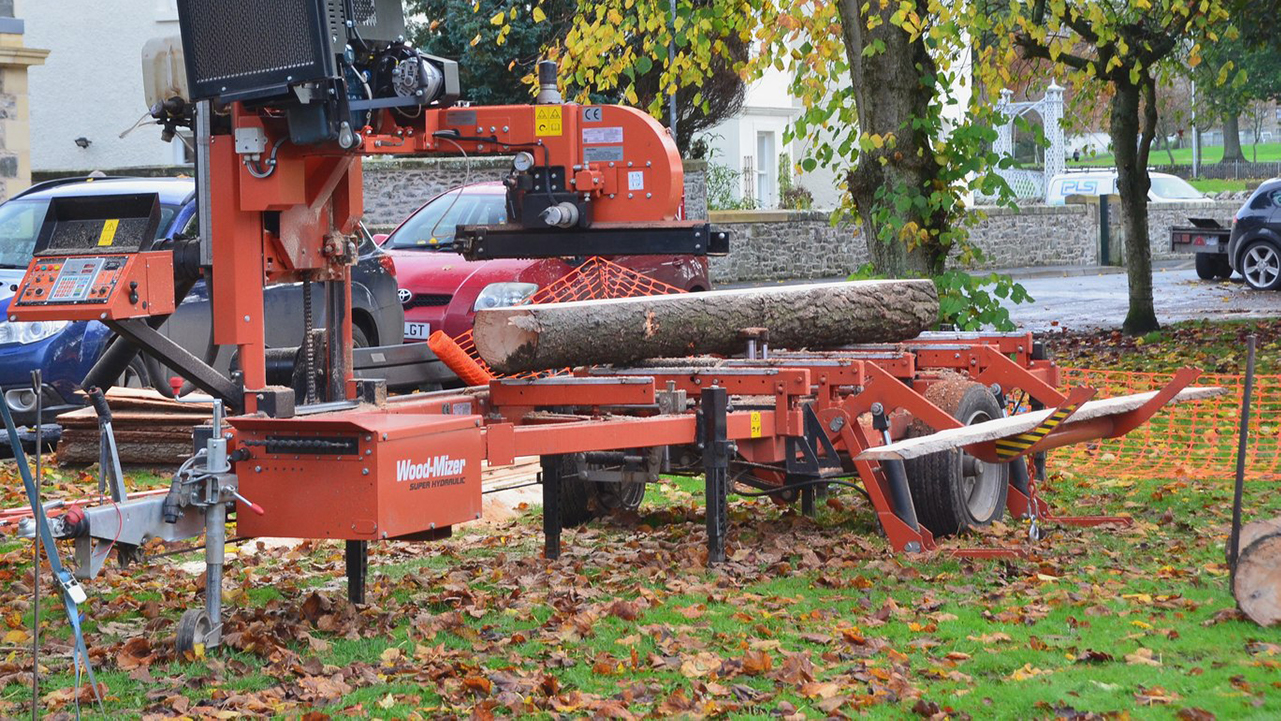
You’d think for the price, they’d give you more than a folded piece of paper and a QR code. Getting the tension right, setting the track, and learning blade behavior all takes trial and error. YouTube helps, but a good printed manual would save a lot of wasted lumber and crooked cuts.
Mortar Mixers

They show you how to load the drum but not how to balance your water ratio or how fast to run it without slinging material everywhere. Using one properly means understanding timing, weight distribution, and even how it affects cleanup later. None of that’s in the instructions.
Nail Guns
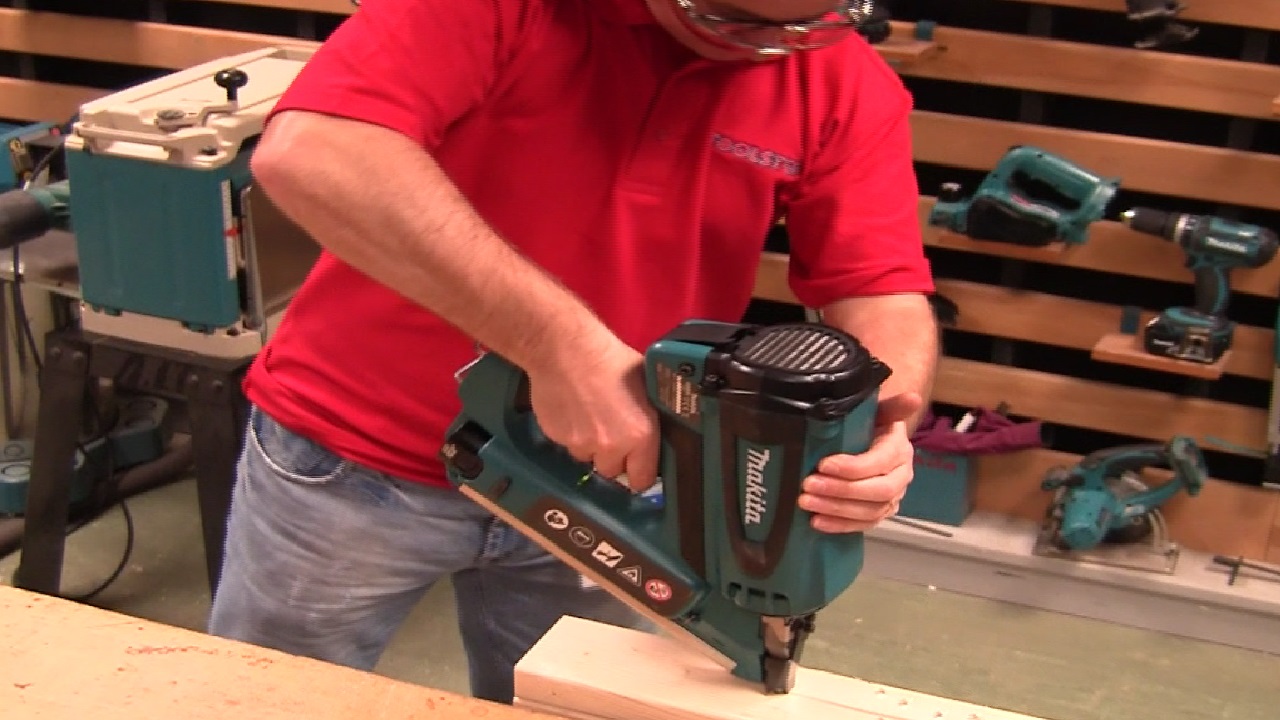
Some skip over adjusting pressure or what kind of nails to use. If you’ve never dealt with dry-firing or blowback, the tool feels unpredictable and even dangerous. You need to know how to avoid jams and misfires without hunting through forums.
Wood Chippers

The “do not put limbs over 3 inches” advice isn’t the issue—it’s everything else they don’t tell you. Things like how fast to feed material, how to prevent clogging, and when to shut it down for cleanout. The learning curve is steep, and the manual is no help.
Augers
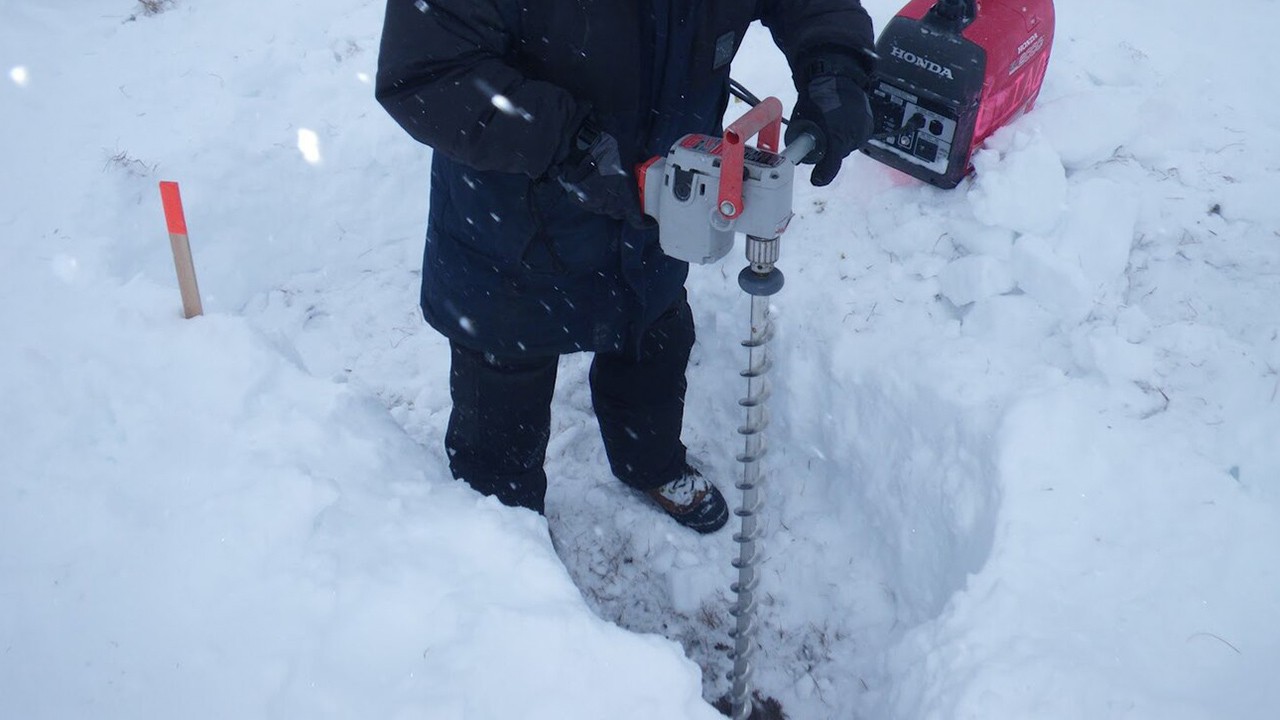
They’ll show you how to start it, but not how to use body weight, manage the kickback, or get it out of a sticky hole. If you’re drilling post holes and the auger locks up underground, you need to know what to do—and it’s not in the booklet.
Portable Generators
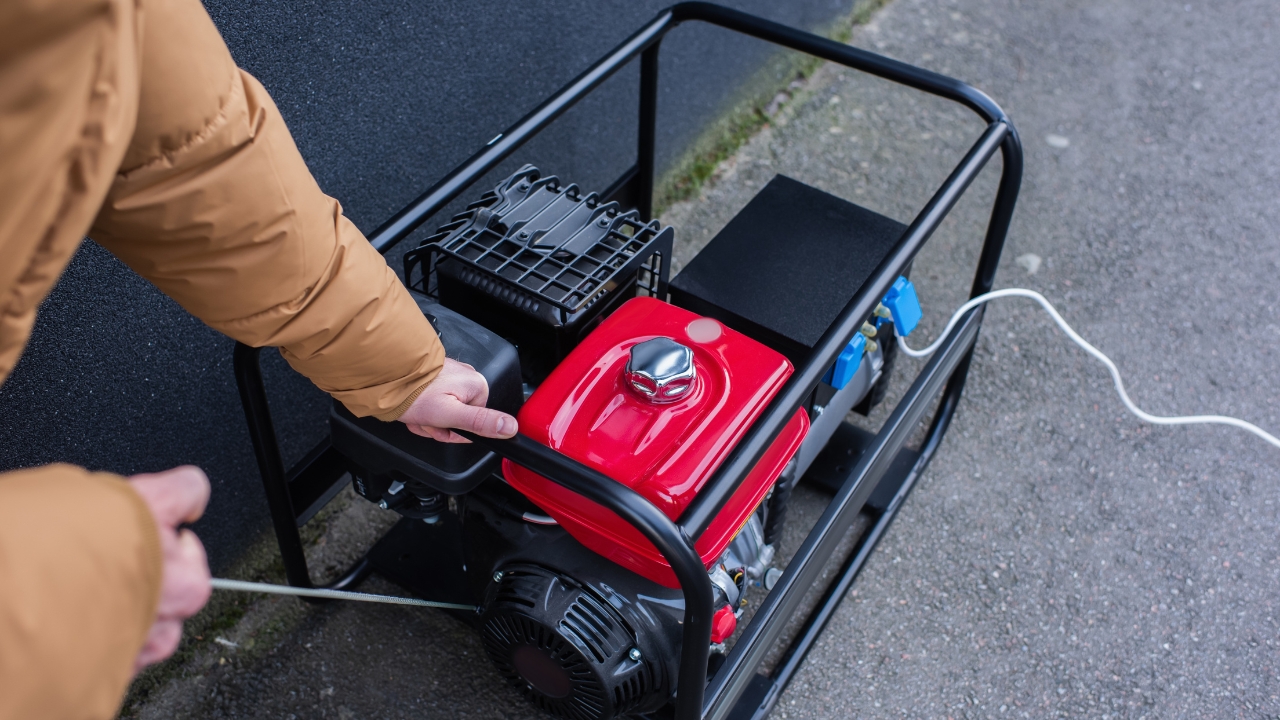
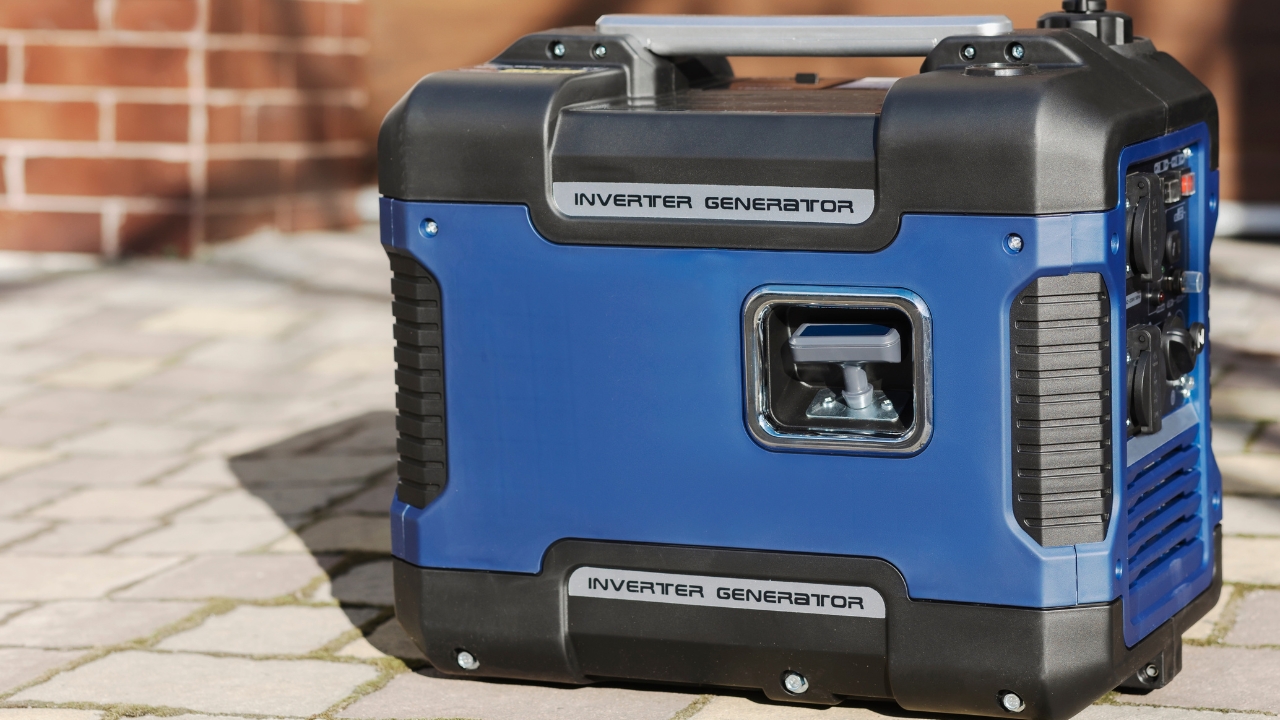
They skip over load balancing, maintenance cycles, and the fact that some need to be grounded depending on use. It’s not always plug-and-play like they suggest, especially when running big appliances or powering a house. That fine print matters, and it’s barely explained.
Reciprocating Saws
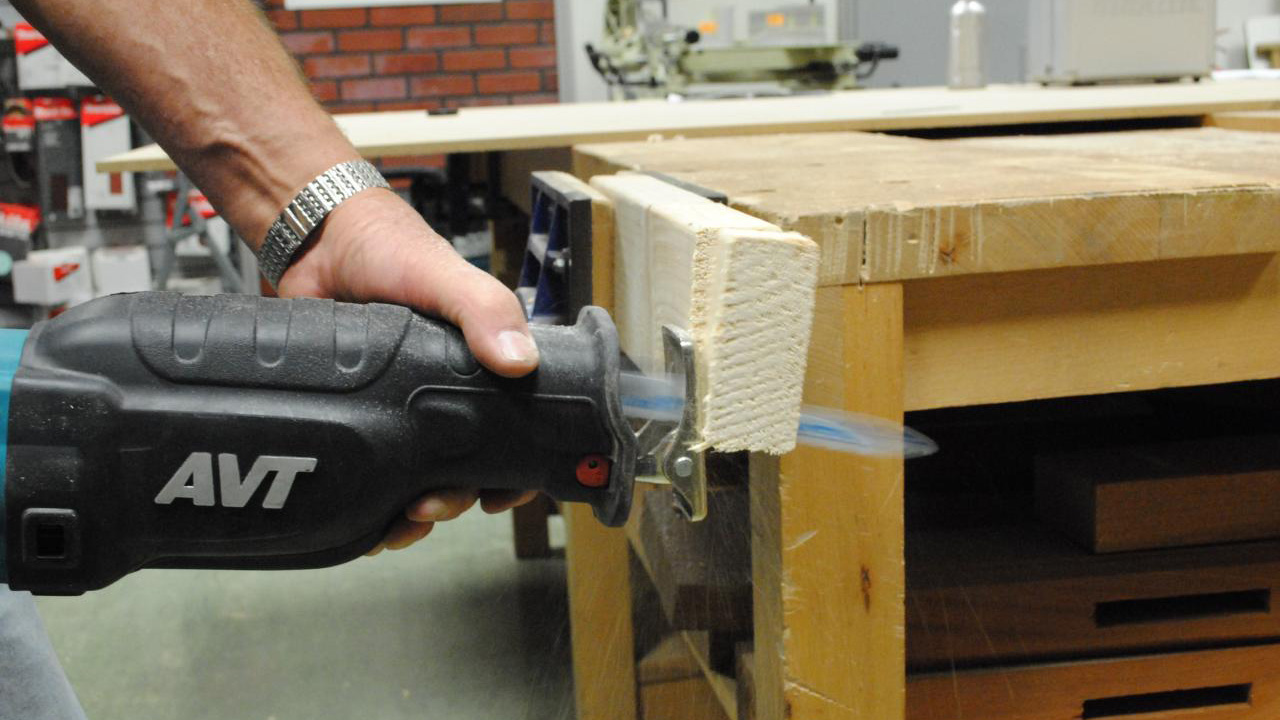
They assume you know how to match blade type with material, but a lot of folks ruin their blades fast or bind up the saw completely. The “insert blade here” instructions don’t warn you about pressure control or how to avoid snagging on nails.
Compact Tractors

You get a thick manual, but it’s full of service diagrams and not much about daily use. You’re left wondering how to actually use the PTO, how to swap implements, or even how to know when you’re overloading the thing. Real-life usage should be a whole separate section.
Log Splitters
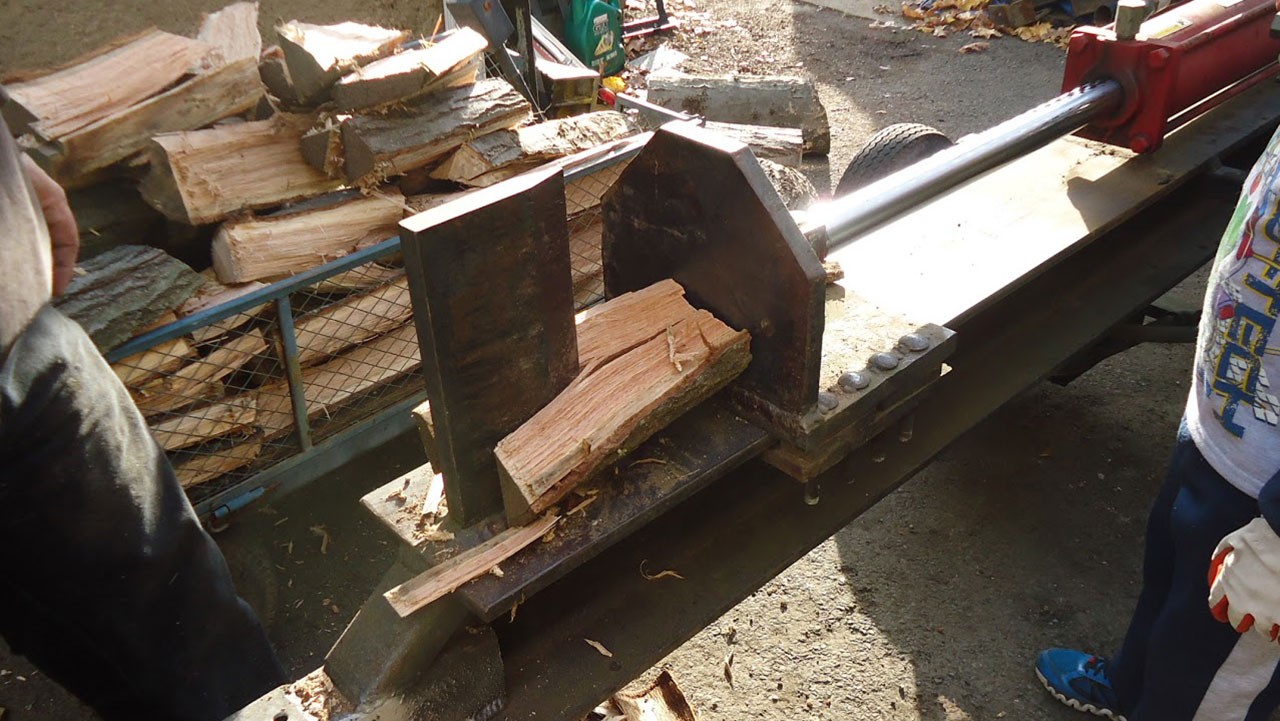
Most of the instructions talk about engine start-up and safety—but skip technique. If you’re not placing logs right or using consistent size, you’ll waste time and risk damaging the wedge. Good instructions could make these way more efficient (and less frustrating) right out of the gate.
*This article was developed with AI-powered tools and has been carefully reviewed by our editors.