10 Shrubs That Love the Shade
Shady areas in the yard can be tricky, especially when you’re trying to add structure or color without relying on sun-loving plants. But some shrubs do more than tolerate shade—they actually prefer it.
Whether you’re working under tree cover, along a north-facing wall, or in a spot that just never sees direct sun, these shrubs will hold up and still look good. If you’re tired of guessing what will survive in low light, start with these.
Hydrangea (Hydrangea macrophylla & arborescens)

Most hydrangeas grow well in partial shade, and some like Hydrangea arborescens (such as ‘Annabelle’) can thrive in deeper shade. They still bloom reliably and bring big summer color to darker areas.
Keep the soil moist and rich, especially in drier shade. Too much sun can scorch their leaves, so shady locations are actually ideal for many varieties.
Japanese Kerria (Kerria japonica)
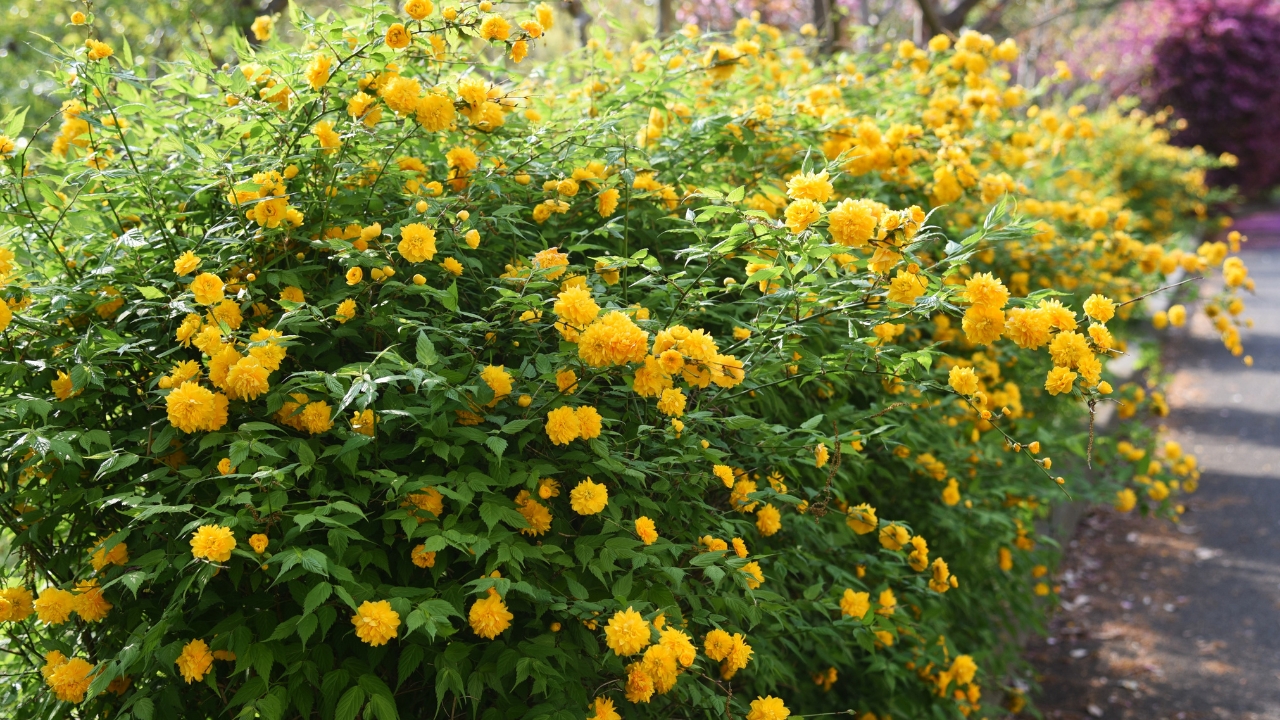
This is a reliable bloomer for shady spots. It produces bright yellow flowers in spring and can light up an area that would otherwise be a blank wall or under a tree canopy.
It tolerates deeper shade better than many flowering shrubs, and it doesn’t mind poor soil. Just give it a little trimming after bloom to keep its shape.
Mahonia (Mahonia aquifolium)
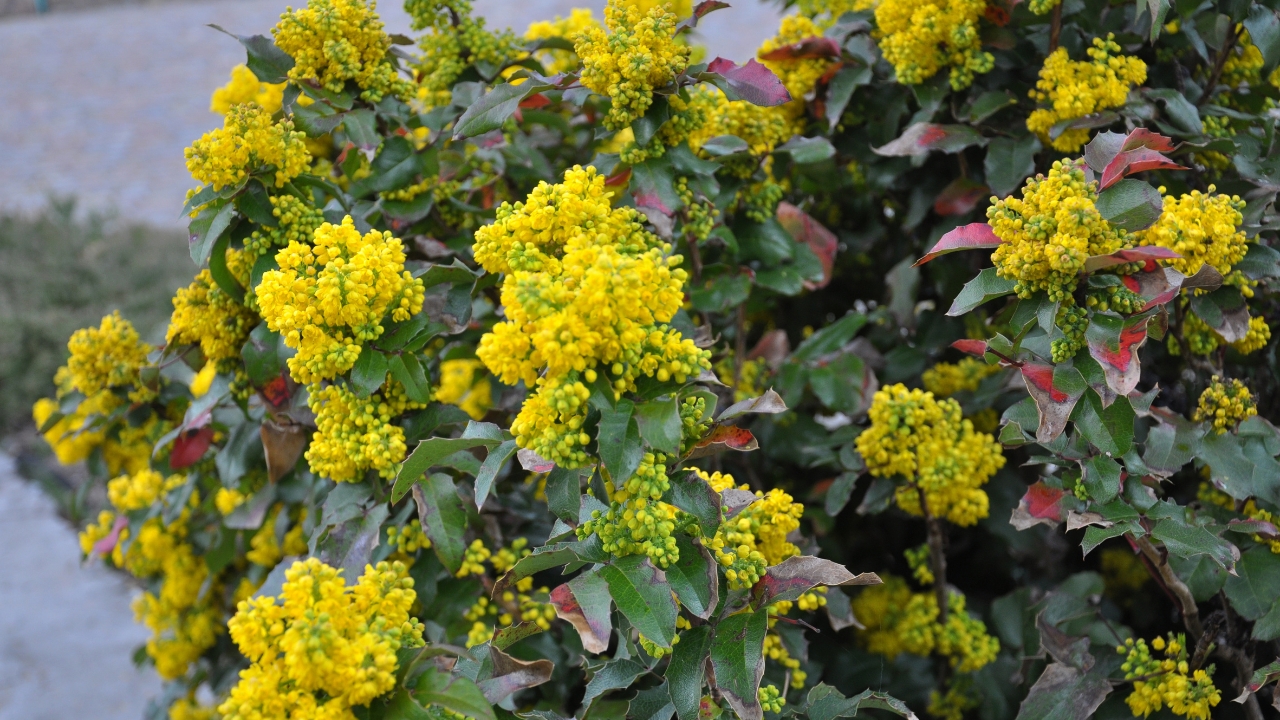
Mahonia is a tough evergreen shrub with spiny leaves and yellow flowers that bloom in late winter. It handles deep shade and dry conditions better than most.
It also produces blue-black berries that birds love. Mahonia spreads over time, so it’s a great choice for naturalized or woodland areas.
Oakleaf Hydrangea (Hydrangea quercifolia)
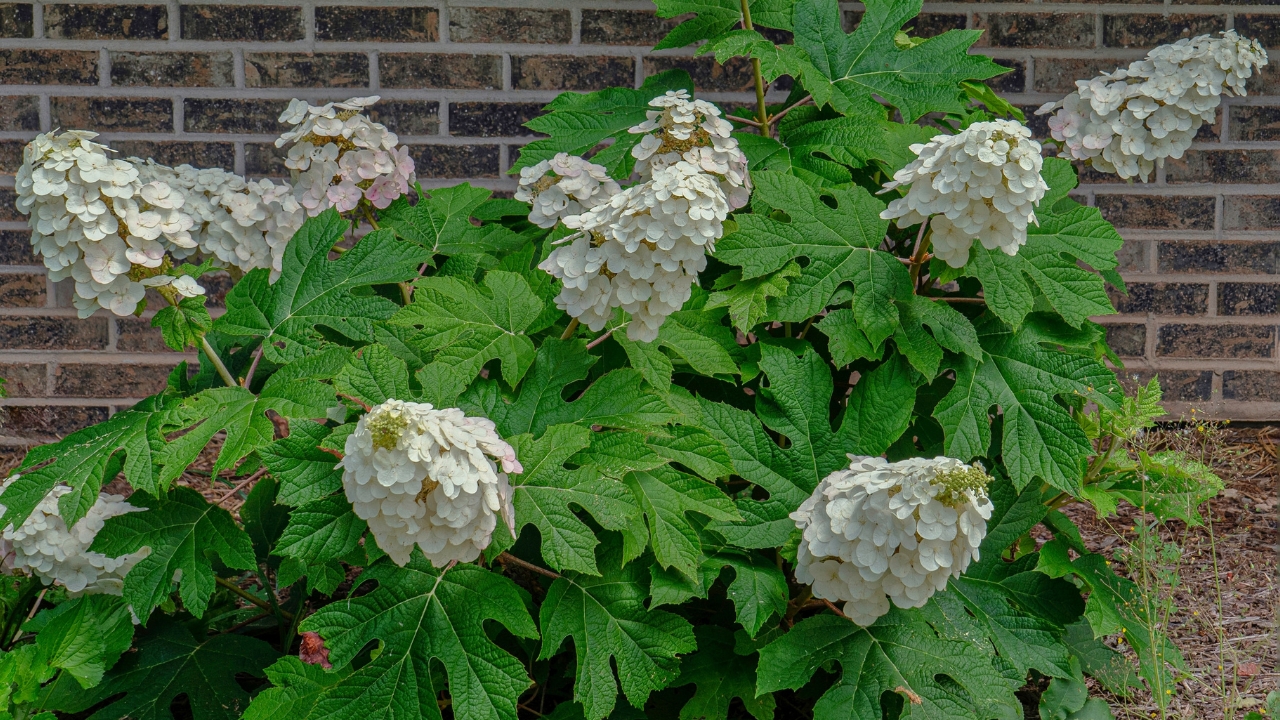
Oakleaf hydrangeas are one of the most shade-tolerant hydrangeas you can plant. They bloom with cone-shaped white flowers and have great fall color too.
They do best in partial to full shade with moist, well-drained soil. These are especially useful under trees where many plants struggle to get going.
Pieris Japonica
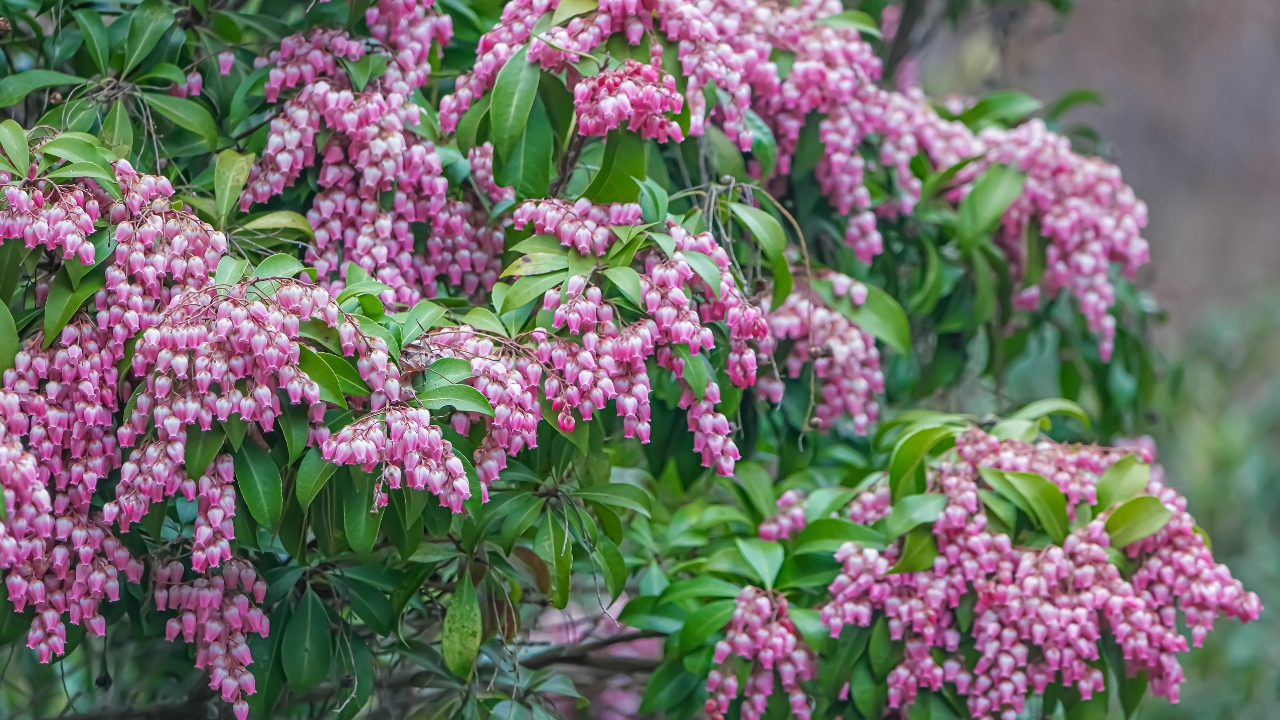
Pieris is an evergreen that prefers part to full shade and blooms in early spring with bell-shaped flowers. Its new growth often emerges red or bronze, giving it year-round interest.
It likes acidic, well-draining soil and appreciates protection from wind and hot sun. Once it’s settled in, it’s low-maintenance and dependable.
Sweet Box (Sarcococca spp.)
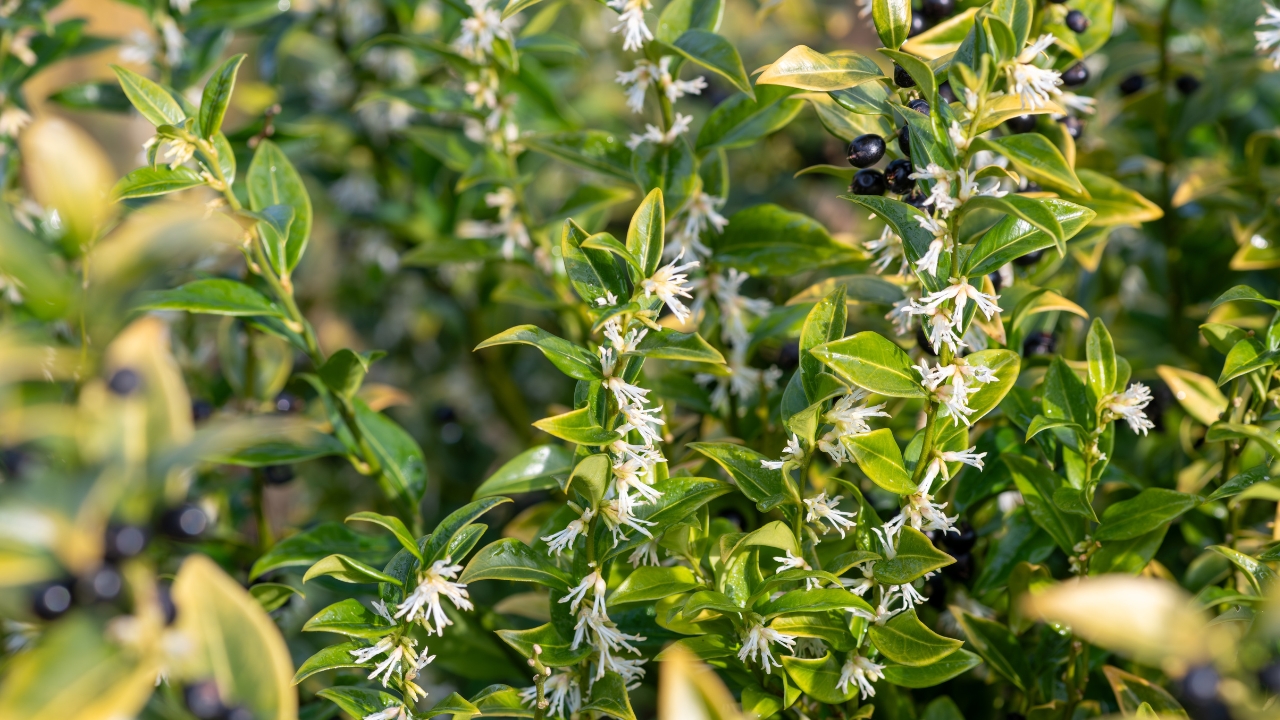
Sweet box is one of the few shrubs that thrives in deep, dry shade. It has glossy evergreen leaves and tiny white flowers in late winter that smell surprisingly sweet.
It’s slow growing but fills in nicely over time. Great for shaded entryways, under trees, or anywhere else you want something green year-round.
Leucothoe (Leucothoe fontanesiana)

This arching evergreen shrub grows well in full to part shade and works beautifully along foundations or shady slopes. Some varieties have variegated or reddish foliage.
It needs acidic soil and consistent moisture but rewards you with a soft, graceful form that stays tidy without constant trimming.
Rhododendron
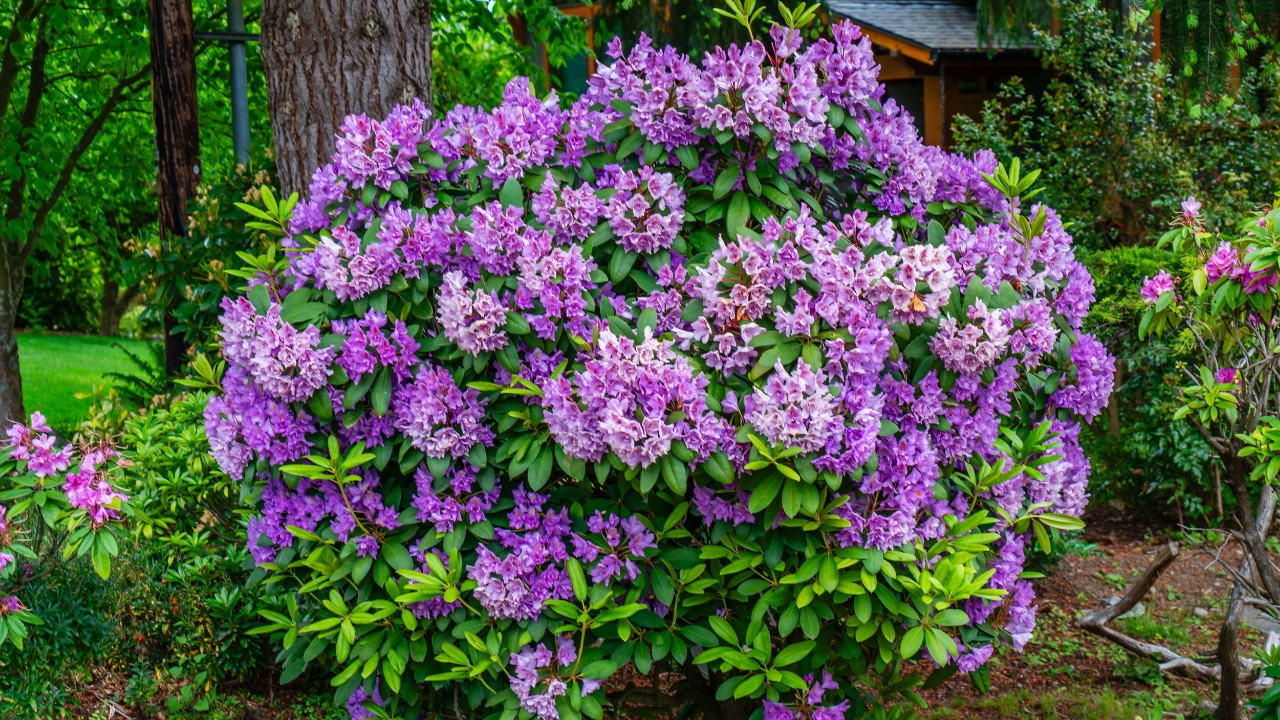
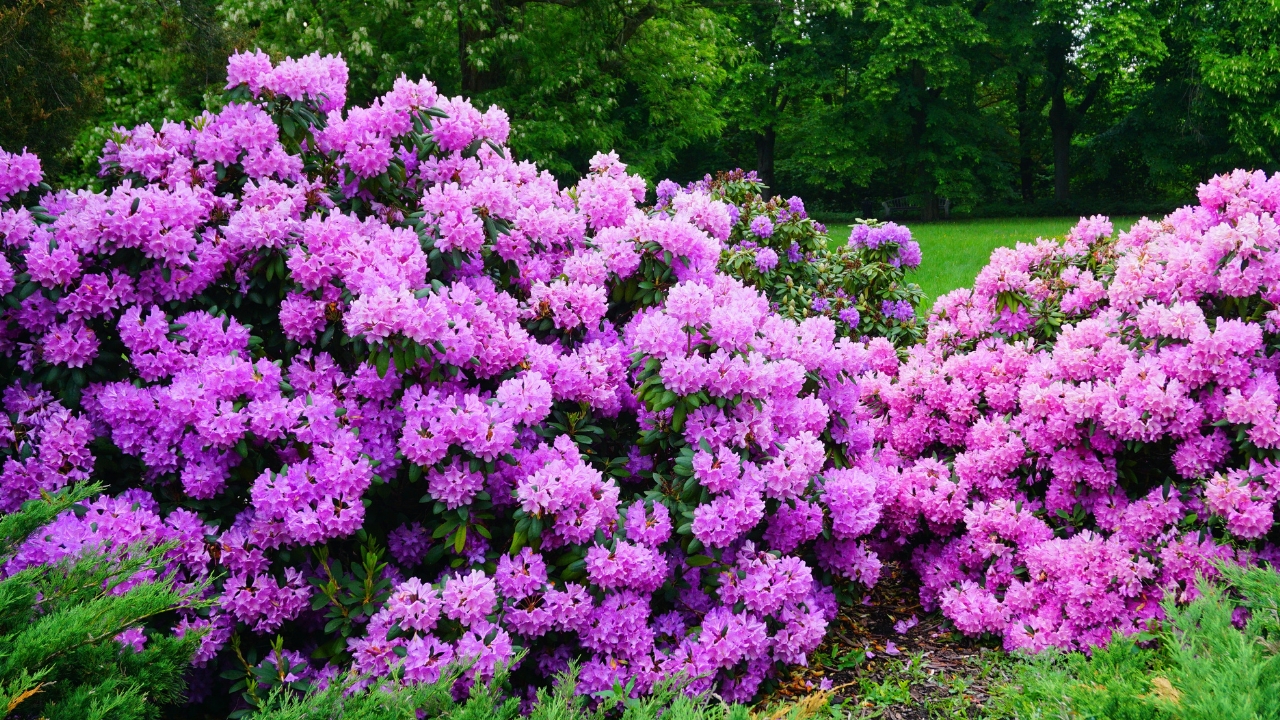
Rhododendrons do best in filtered light or dappled shade. They bloom in spring with bold flower clusters and hold their evergreen leaves year-round in most zones.
They like acidic, well-drained soil and do poorly in spots that stay wet. A layer of mulch helps keep their roots cool and moist.
Mountain Laurel (Kalmia latifolia)
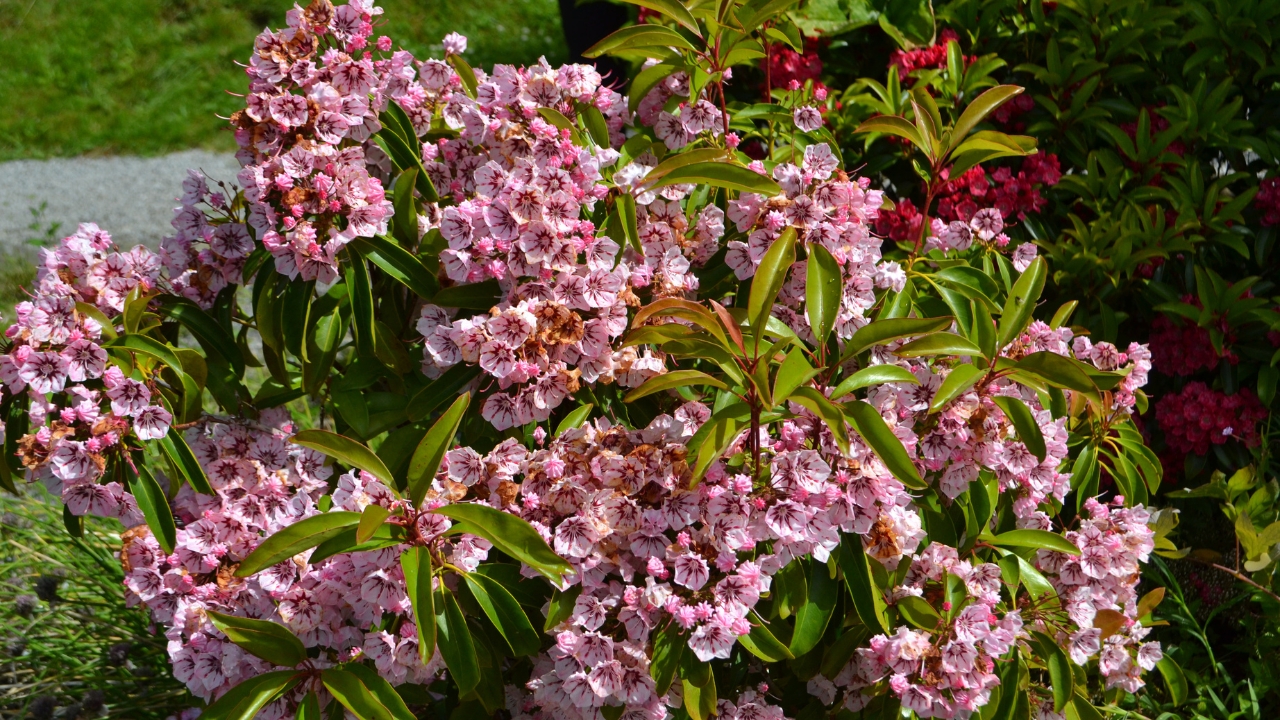
Mountain laurel is a native evergreen that thrives in woodland shade. Its late spring blooms look almost too perfect, with clusters of pink or white cup-shaped flowers.
It needs acidic soil that drains well and doesn’t like being waterlogged. If you’ve got a shady slope or understory area, this is a top pick.
Virginia Sweetspire (Itea virginica)

This native shrub tolerates shade well and adds interest with arching branches and summer blooms. In fall, its leaves turn a deep red, even in lower light.
It grows well in moist soils and spreads gradually, making it a great choice for naturalizing or stabilizing shaded areas near water or slopes.
*This article was developed with AI-powered tools and has been carefully reviewed by our editors.