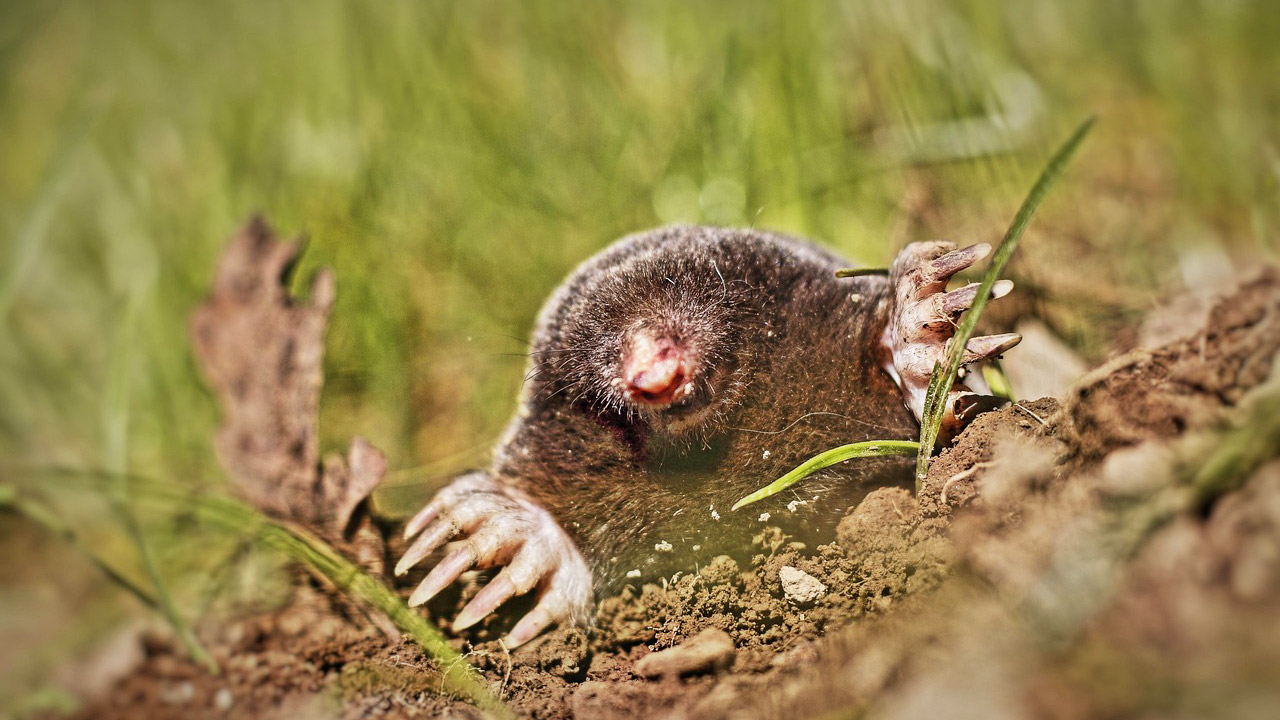
10 Signs You Have Moles and Not Something Else
Photo credit: Tabble/Pixabay.com
You look out at the yard and see fresh dirt, dying patches, and little ridges that weren’t there last week. The first guess is usually “moles,” but a handful of other critters and problems can make a similar mess. If you get the ID right, you save time, money, and a lot of pointless digging.
1. Volcano Shaped Soil Mounds Appear Overnight
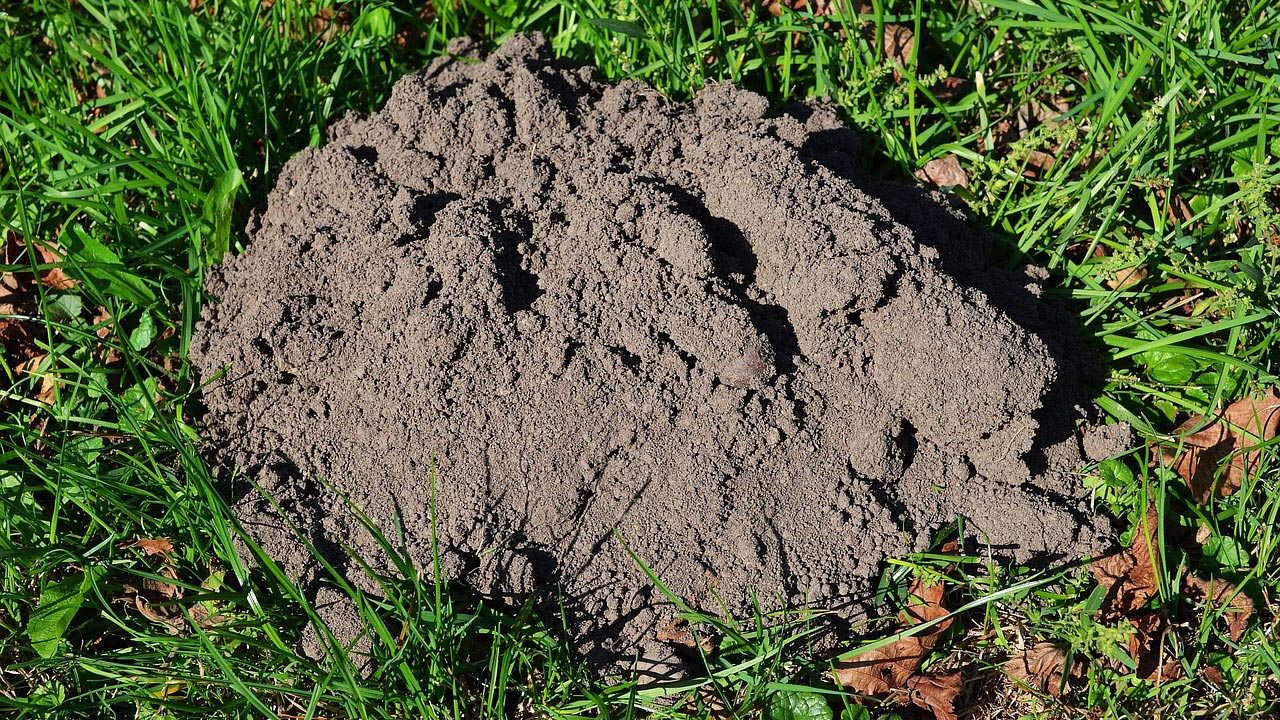
Those round, puffy piles with the dirt pushed up in a ring are classic mole work. The soil often looks finely crumbled, like it was sifted, because a mole is pushing it up from a deeper run. You’ll usually find them in damp lawn areas, along a fence line, or in the soft soil at the edge of a garden.
Gophers can leave mounds too, but theirs tend to look more like a fan or crescent, with a plugged hole off to one side. If you can’t spot any obvious entrance hole at all and the mound is more “volcano” than “fan,” you’re leaning toward moles.
2. Raised Surface Ridges Feel Like Mini Tunnels
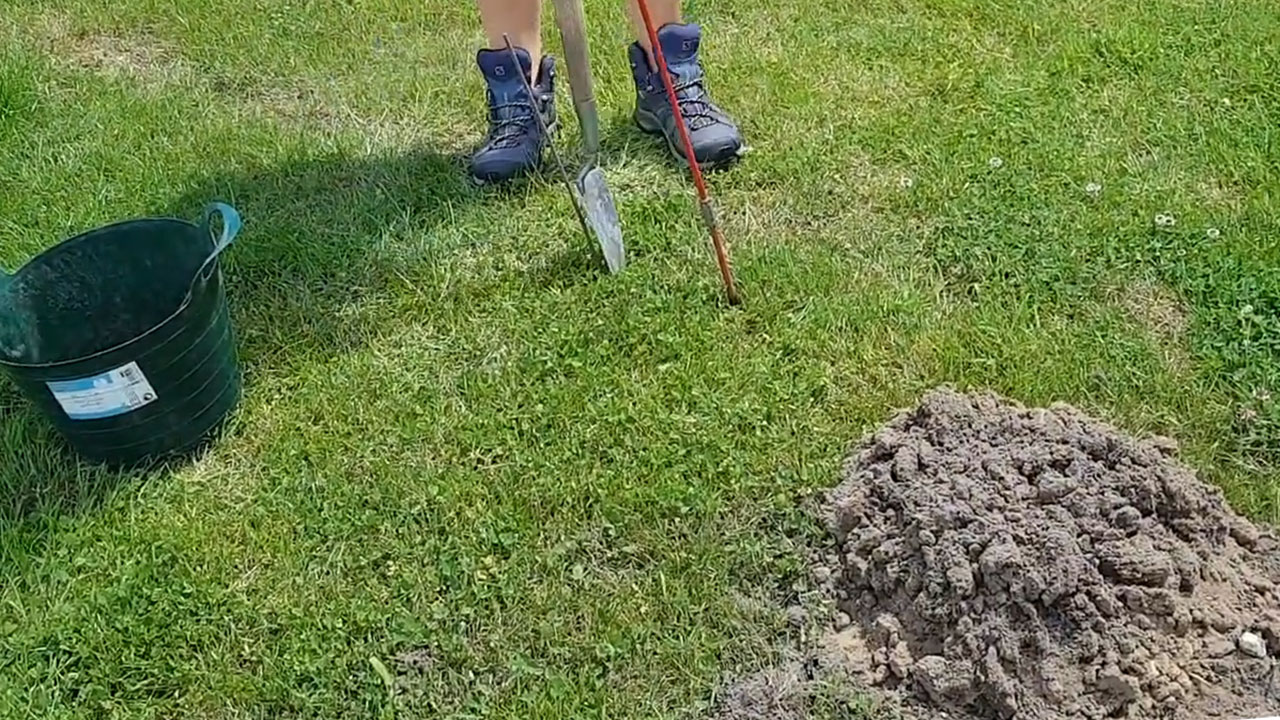
Walking the lawn, you feel a squishy line underfoot, like a hose is buried an inch down. That’s a shallow mole run, and it often zigzags as the mole hunts for grubs and earthworms near the surface. The turf may lift up like a carpet in spots.
Voles don’t usually make raised ridges. They make narrow runways on top of the soil or just under the thatch, and you can often see the grass clipped down along the path.
3. Little Grass “Volcanoes” Pop Up After Rain
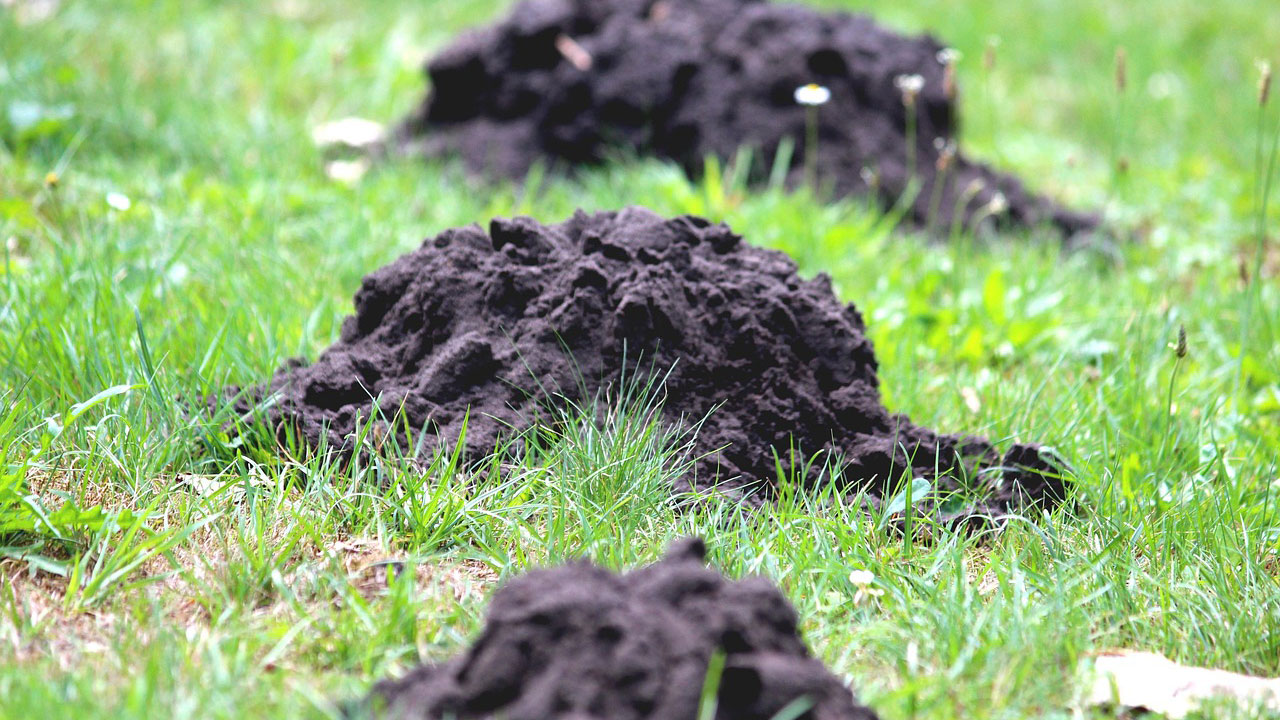
Right after a good rain, new ridges and fresh mounds show up fast. Moles move more when the ground has some moisture and their prey is active near the surface. Dry spells can quiet them down, then a storm flips the switch back on.
If damage only shows up when the lawn is soaked and you also see muddy paw prints, you’re looking at something else, like a dog, raccoon, or skunk messing around. Mole work is tidy dirt and lifted sod, not churned-up mud.
4. Plant Roots Stay Intact But Get Lifted
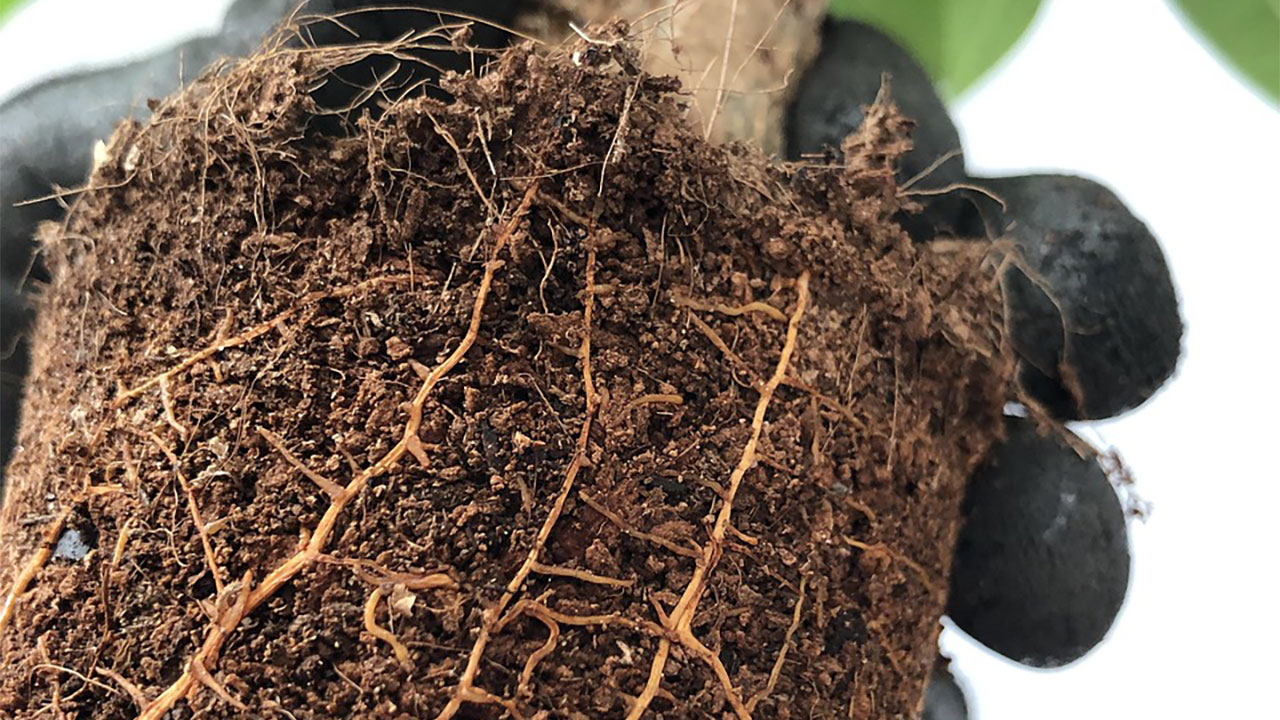
Moles don’t eat your plants. They can wreck them anyway by tunneling under rows and loosening the soil so roots dry out or seedlings tip over. You’ll pull on a struggling plant and it feels like it’s barely anchored, but the root mass isn’t neatly chewed off.
Compare that to voles, which chew bark and roots like little beavers. If you find gnaw marks, missing roots, or a plant that comes up with a clean bite line, put “moles” lower on your list.
5. No Visible Open Holes In The Middle
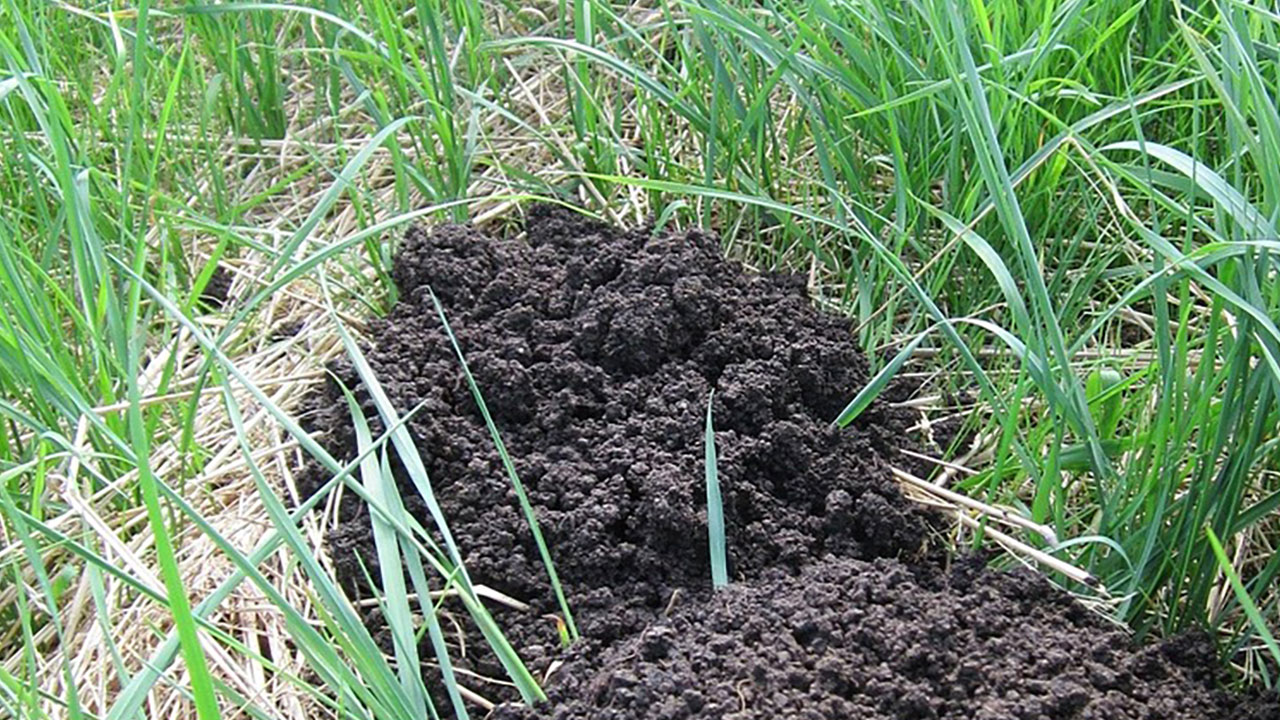
Mole tunnels are usually sealed from the surface. You’ll see the ridge, but not a line of open entrances. The mounds are soil dumps from below, not doorways you can drop a marble into.
Chipmunks, rats, and some ground squirrels leave obvious open holes with clean edges. If you can stand there and see a hole that looks like a little cave mouth, you’re probably dealing with a different tenant.
6. Your Mulch Beds Get Soft, Not Excavated
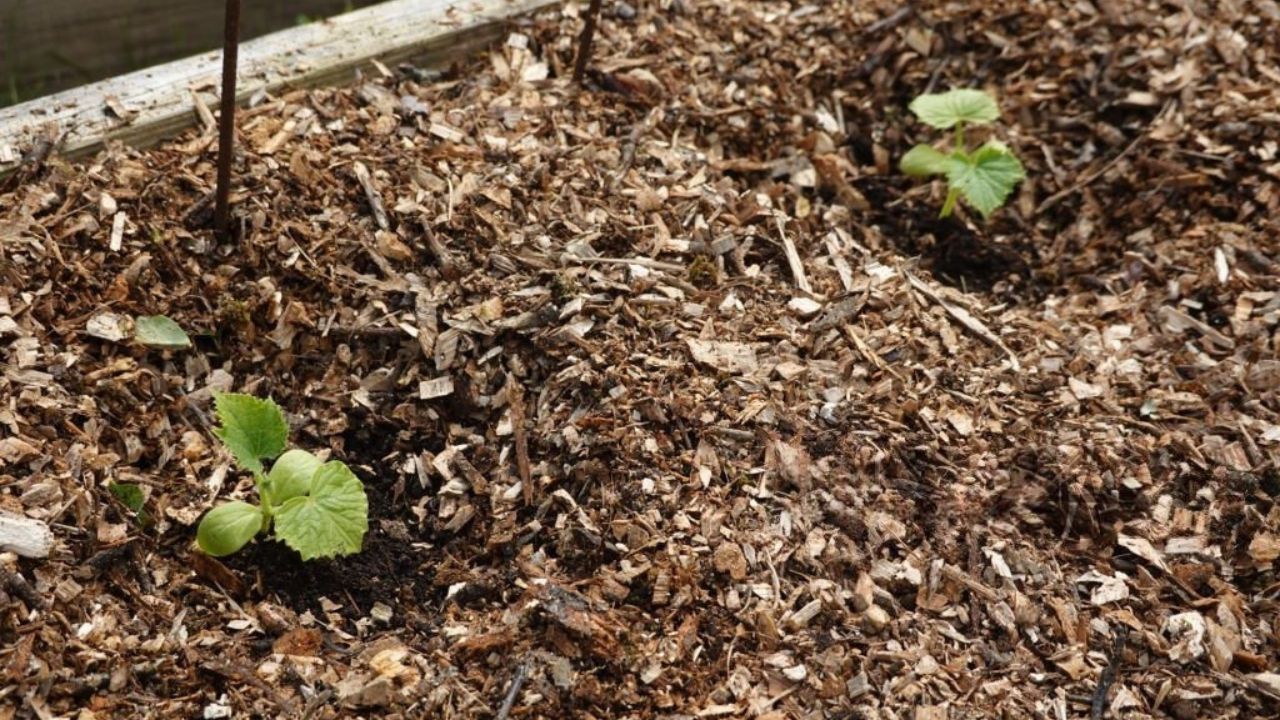
In flower beds, mole tunnels make mulch feel spongy, and plants lean without being yanked out. The bed still looks neat on top, just oddly hollow in spots. You might see one or two small mounds at the edge where the mole dumps soil.
Armadillos and skunks go after grubs too, but they leave cone-shaped digs and flipped mulch like somebody worked the bed with a hand rake. If it looks like shallow potholes everywhere, that’s not mole style.
7. You Find Grubs, But The Sod Isn’t Torn
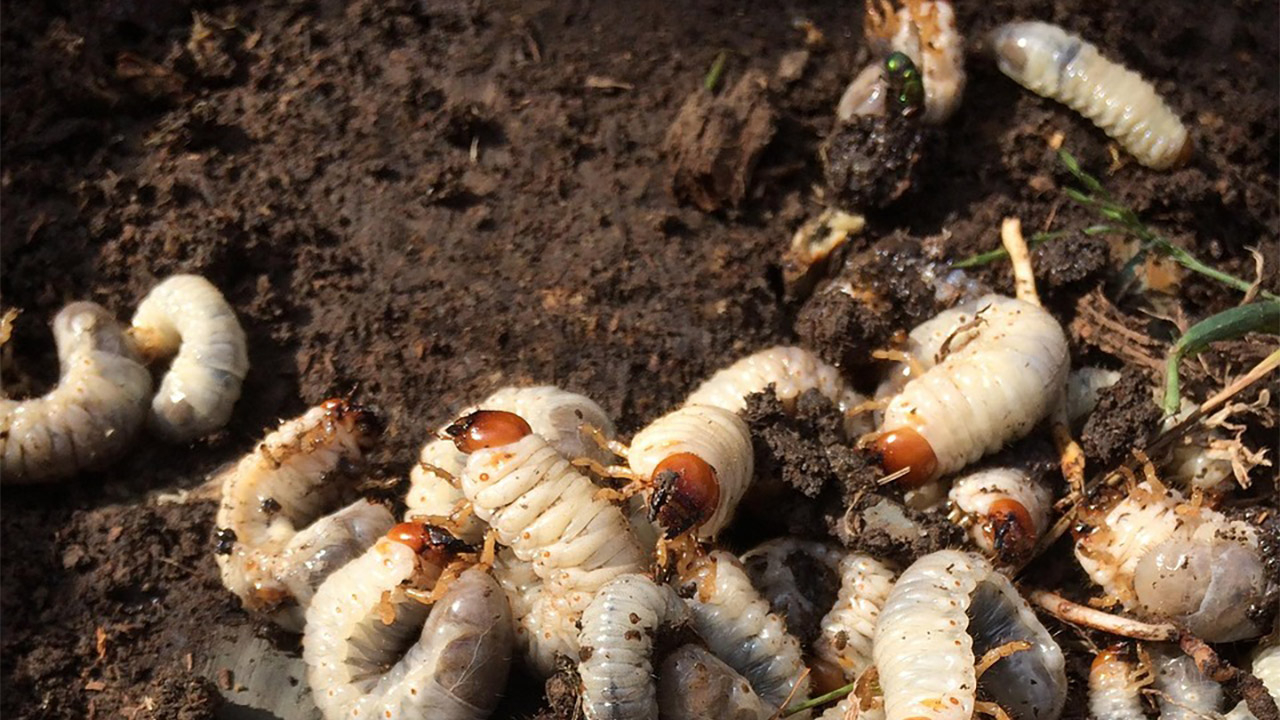
People blame moles any time grubs show up, but the clues matter. Moles will follow a food supply, yet they rarely peel back big sheets of turf. If your lawn has ridges and mounds without chunks of sod rolled back, that fits.
On the other hand, if you wake up to torn-up turf and scattered clods like a rototiller hit just the top inch, that’s usually a larger animal feeding on those same grubs. Fixing the grub problem helps either way, but the critter doing the tearing isn’t a mole.
8. Damage Tracks A Straight Yard Feature
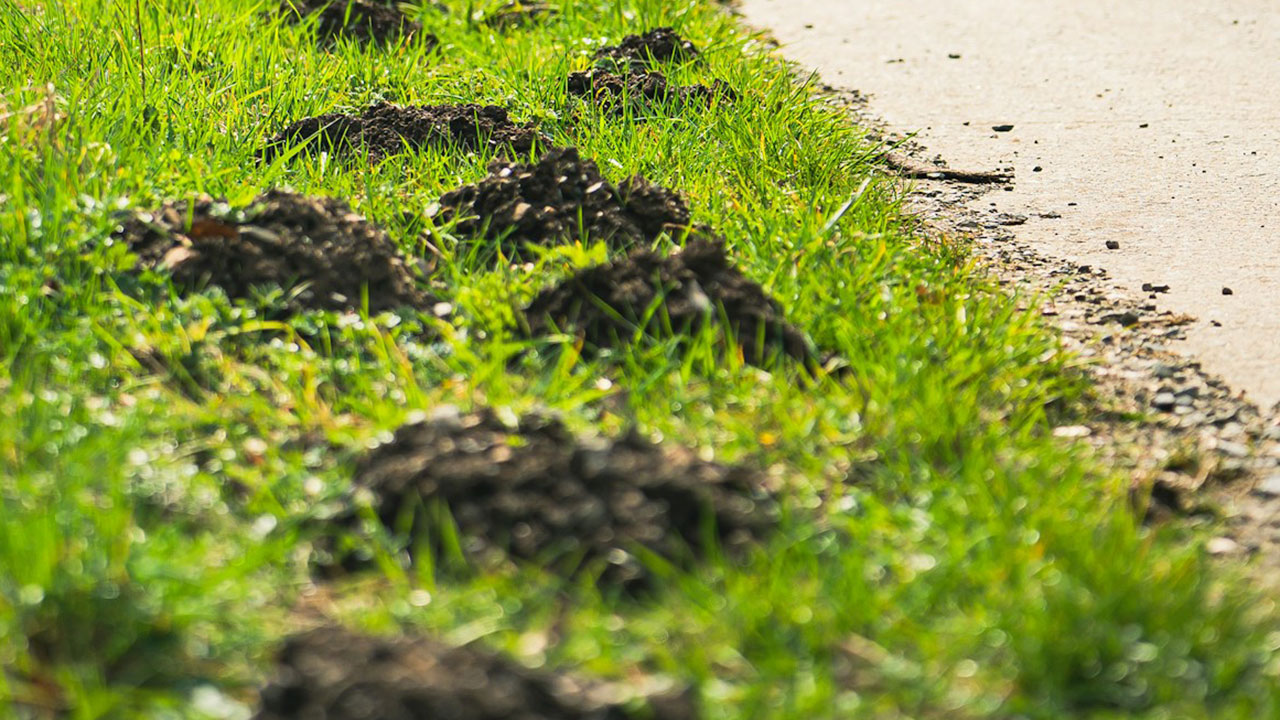
Mole runs love edges. You’ll see them parallel to a driveway, along a patio, beside a foundation bed, or right down the line where the sprinkler keeps soil damp. That edge gives them a travel lane and steady moisture.
Tree roots can also raise a straight-ish ridge, but those ridges don’t grow overnight and they feel hard, not hollow. If the “ridge” changes week to week and you can press it down with your boot, you’re dealing with a tunnel, not a root.
9. You See Mole Hills In Winter Thaws

When the ground isn’t frozen solid, moles keep moving. A mid-winter warm spell can produce fresh mounds even when the grass is dormant. That can throw you off because you expect rodent problems in winter, not tunneling.
Vole damage in winter often shows up as surface runways once snow melts, plus girdled shrubs or chewed bark near the base. If you’re seeing soil mounds instead of gnawed stems, moles are a better match.
10. Traps Outperform Repellents In One Spot
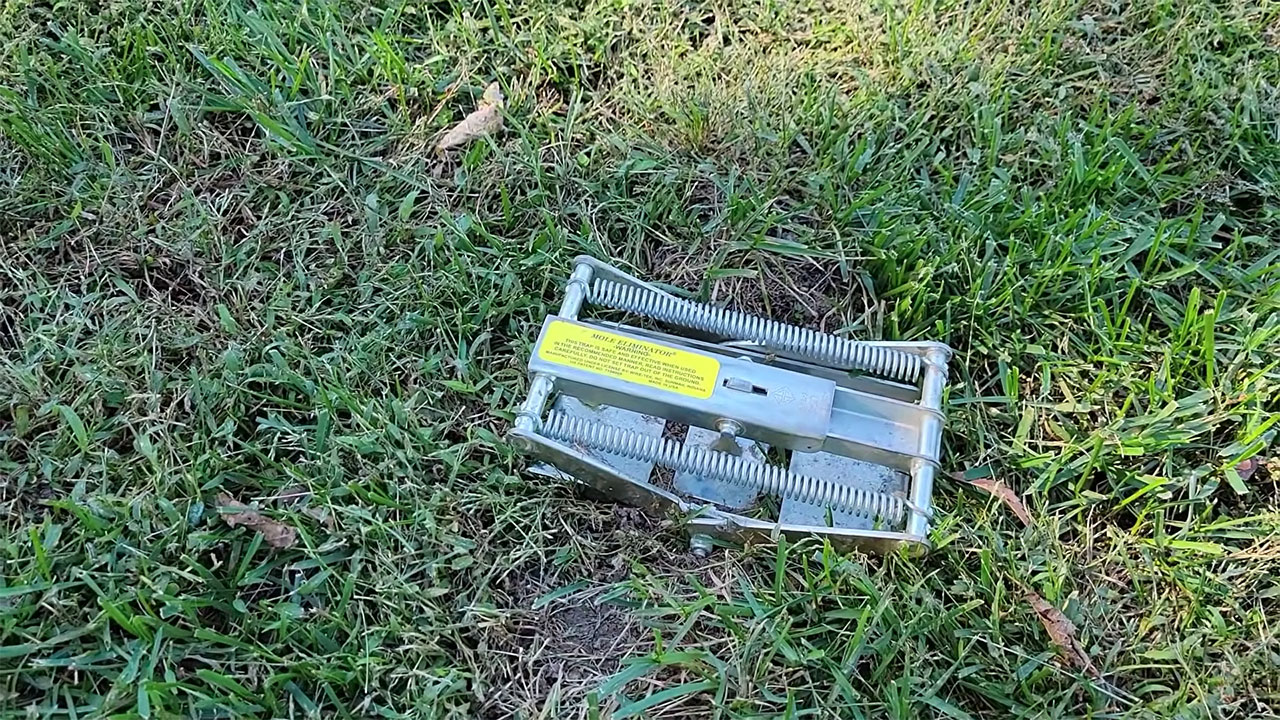
Solar stakes, castor oil pellets, ultrasonic gadgets, and strong-smelling mixes get bought because they’re easy. They also disappoint a lot of people, especially in larger yards or heavy soil. If you set a proper mole trap in an active run and get results within a few days, you just confirmed what you’re dealing with.
Here’s the honest exception: repellents can be fine for a small, temporary issue, like a single shallow run along a garden edge after a rainy week. If the activity keeps popping up in multiple areas, skip the gimmicks and go straight to trapping, or hire a wildlife control pro if you don’t want to handle it.
Once you’re confident it’s moles, focus on active tunnels, not every old ridge you can see. Flatten a few runs with your boot and check back in a day or two to find the ones being used. If you plan to dig, call 811 for utility locates first and keep your shovel out of marked zones.
Like Fix It Homestead’s content? Be sure to follow us.