10 Signs Your Cast Iron’s Not Actually Seasoned Right
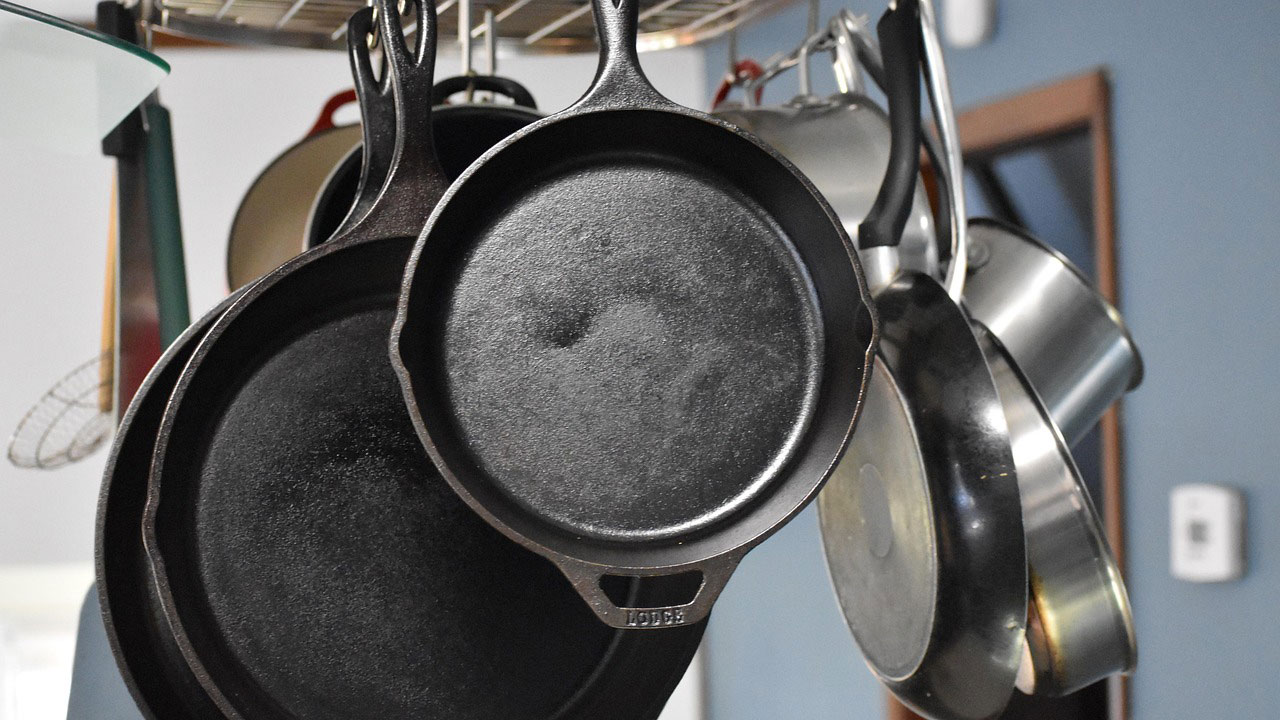
You can’t fake a well-seasoned cast iron skillet. It should feel slick, dark, and easy to cook with. But a lot of pans that look seasoned are hiding issues that’ll show up the second you start cooking. Whether you bought it new, inherited it, or tried seasoning it yourself, it’s worth knowing what actually counts as “done.”
If things keep sticking, rust keeps showing up, or your food tastes off, there’s a good chance your seasoning needs another round (or two).
Food Always Sticks No Matter What
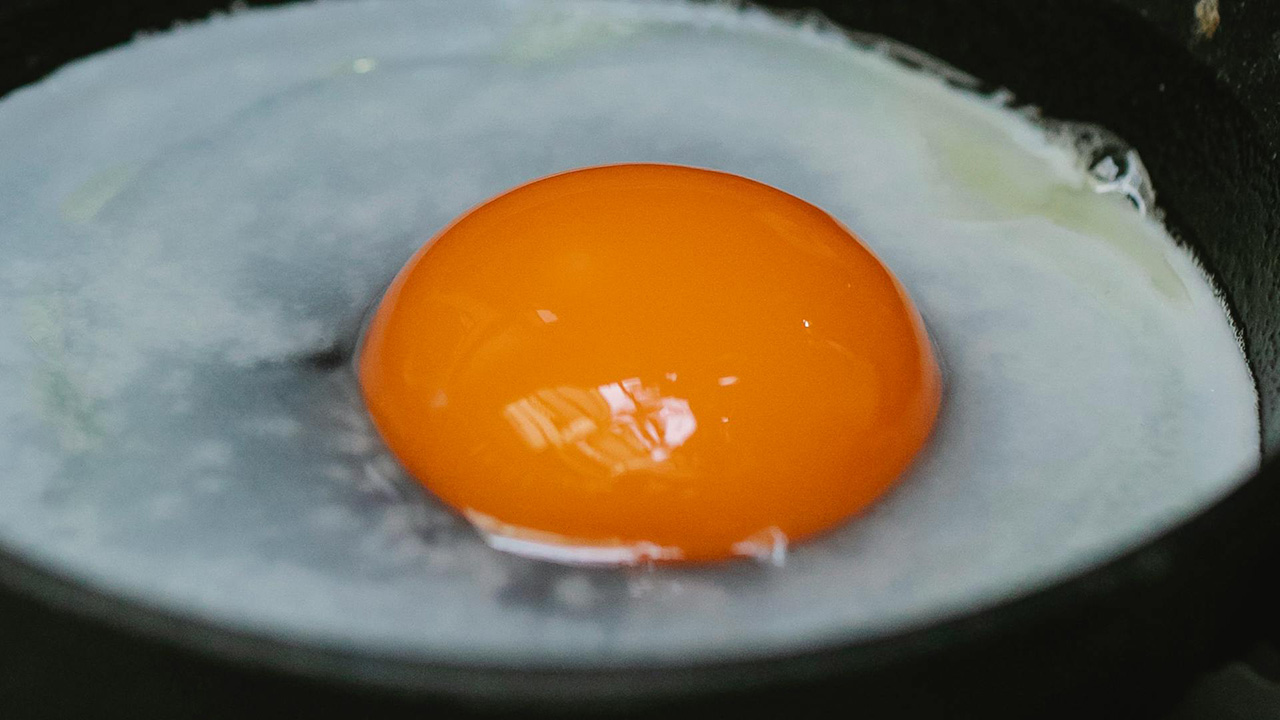
If you’re greasing the pan properly and still end up scraping scrambled eggs off the bottom, your seasoning probably isn’t fully there yet. A seasoned pan should release food easily once it’s had time to cook.
Sticking usually means the oil didn’t polymerize right or wasn’t baked long enough to build that nonstick layer. You can fix it—but you’ll need to clean it up and do another round of seasoning in the oven, not just a quick coat after rinsing.
The Surface Feels Gritty or Sticky
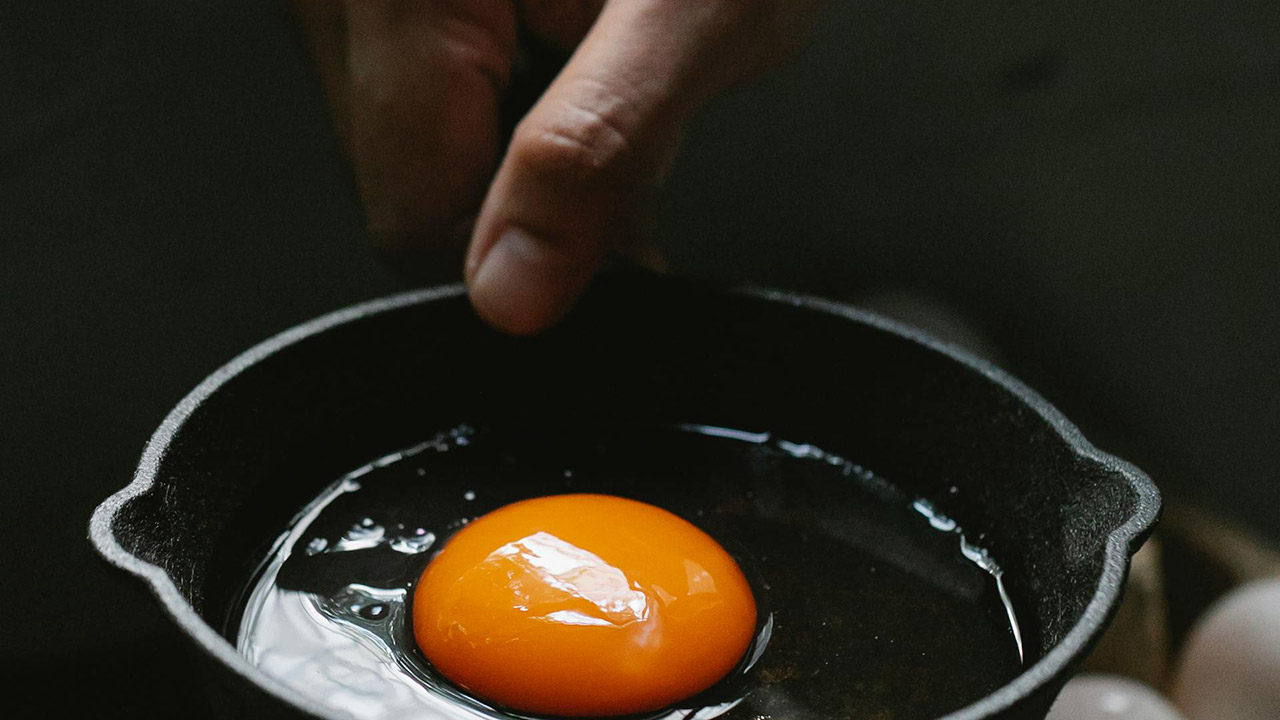
Run your fingers over a seasoned pan—it should feel smooth and dry, not bumpy or tacky. If it feels sticky, there’s likely too much oil baked on. And if it’s gritty, the surface wasn’t prepped well before seasoning.
Too much oil or uneven heat can cause splotches that attract food and moisture. Strip it down with steel wool or an abrasive pad, dry it well, and try again with thinner layers and longer bake time.
It’s Starting to Rust Again
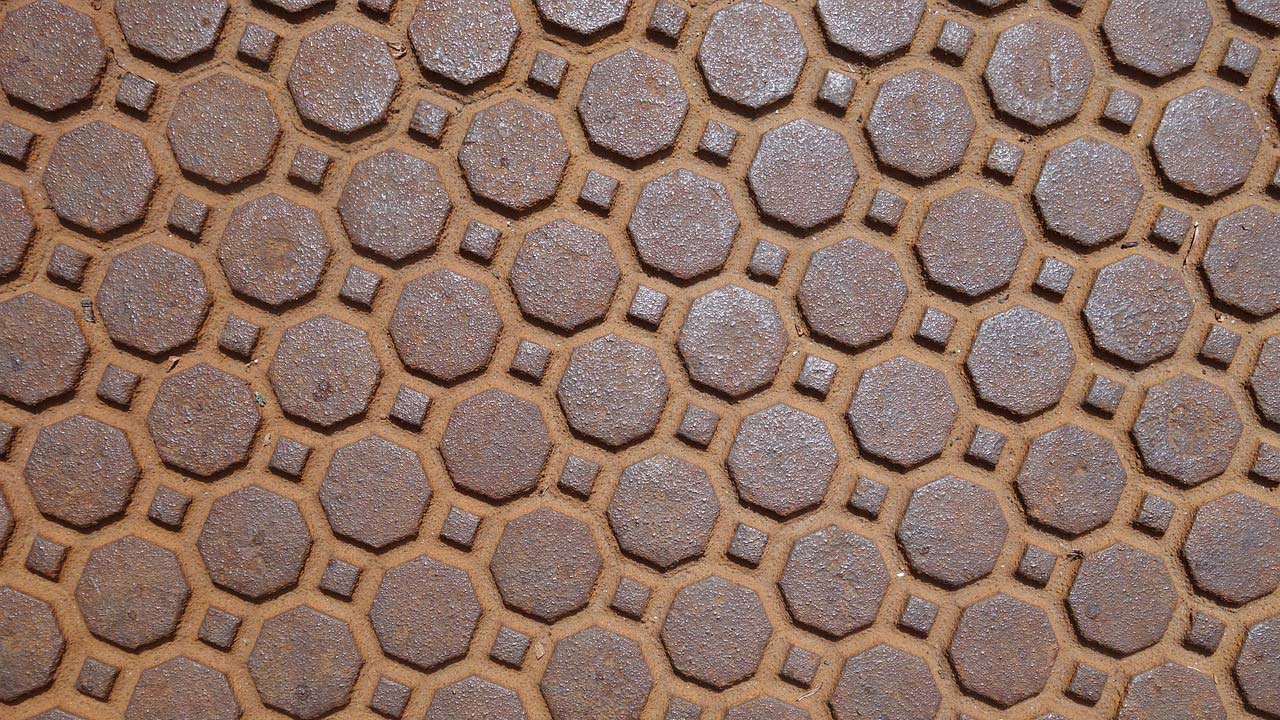
If your cast iron is rusting even though you’re oiling it after each use, that’s a red flag. A well-seasoned skillet has a strong barrier that protects the metal from moisture. Rust means that barrier’s weak or uneven.
You’ll usually see this around the edges or in low spots first. Tackle it fast—scrub off the rust, re-oil, and bake it hot. And always dry the pan thoroughly before storing it.
The Finish Looks Uneven or Dull
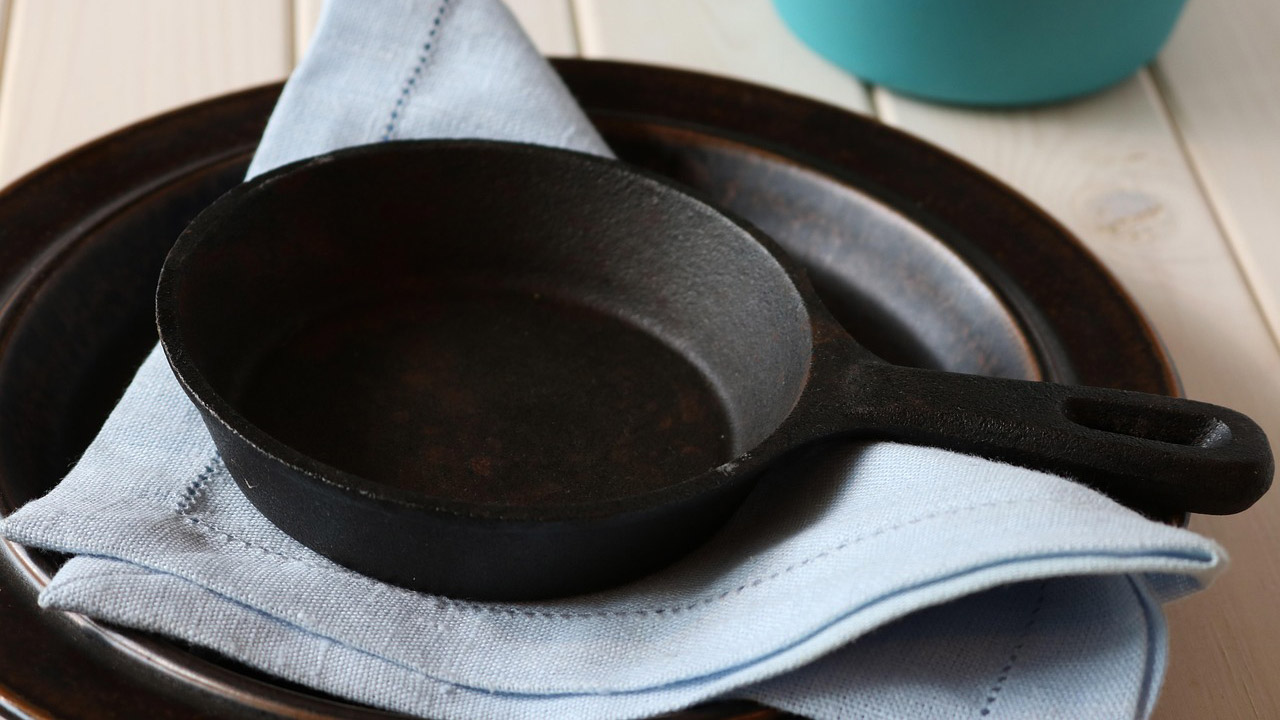
Seasoning should leave your pan with a dark, even sheen—not patches of gray or areas that look blotchy. Dull spots usually mean the oil didn’t bond to the metal, or parts of the pan weren’t fully clean before baking.
Start by wiping down your skillet with vinegar or a bit of soap (yes, it’s okay when reseasoning). Get it clean and dry before applying a super thin coat of oil and baking it again at high heat.
It Smells Rancid When Heated
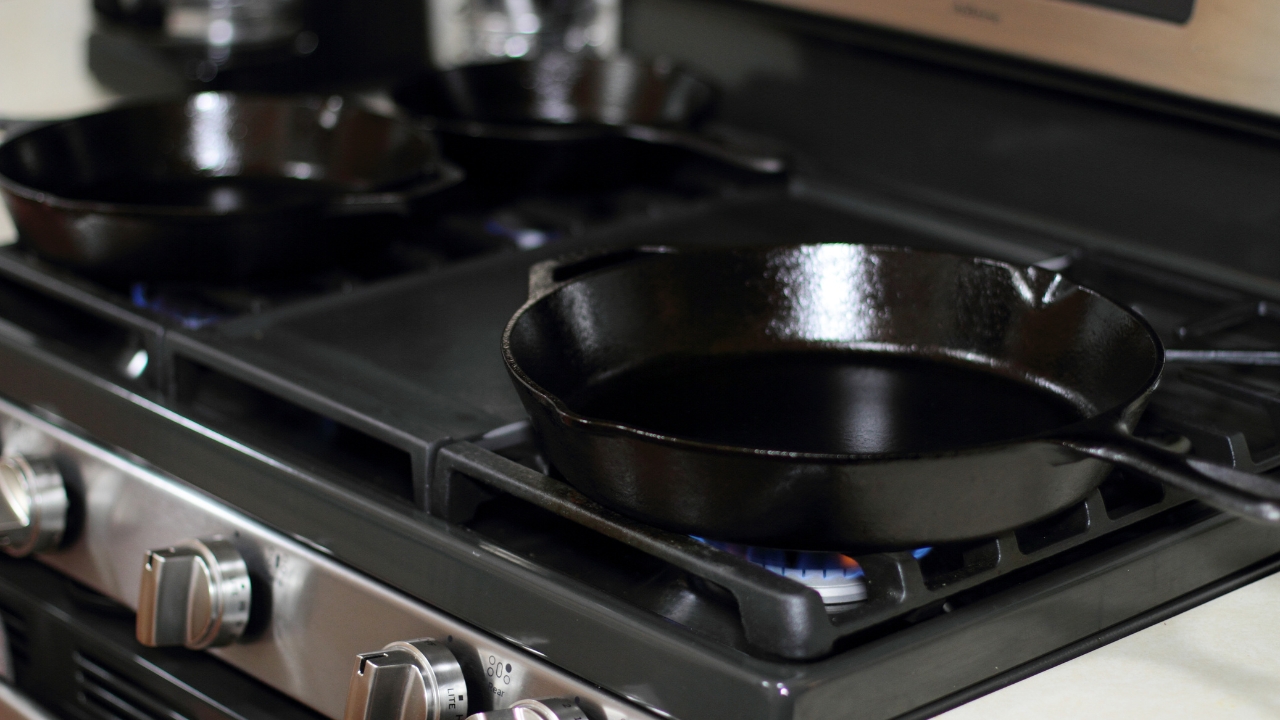
If your pan smells bad when you warm it up, there’s probably old oil trapped in the seasoning layers that never fully cured. This happens when oil is applied too thick or not baked long enough.
To fix it, you’ll need to strip off the old layers—usually with steel wool or a self-cleaning oven cycle—and start fresh. Stick to neutral oils like grapeseed or flaxseed, and go light with each coat.
Flakes Are Coming Off Into Your Food
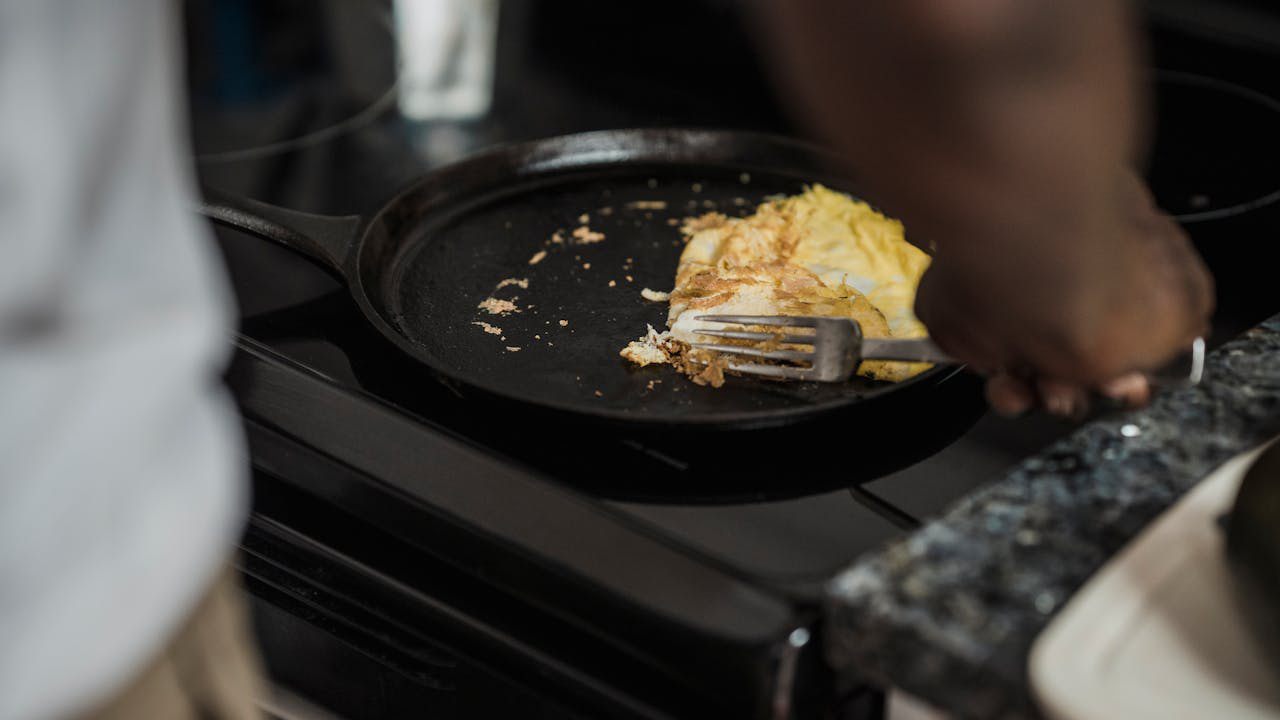
If you see black flakes showing up in your cornbread or clinging to your eggs, that’s not normal. It means your seasoning layer is lifting, either because it was built up too thick or it’s starting to degrade.
Flaking seasoning usually happens when the pan was over-oiled between coats or wasn’t cleaned well before baking. You’ll need to scrub it back and build up the seasoning again slowly, using thin, even layers.
It Takes Forever to Heat Evenly
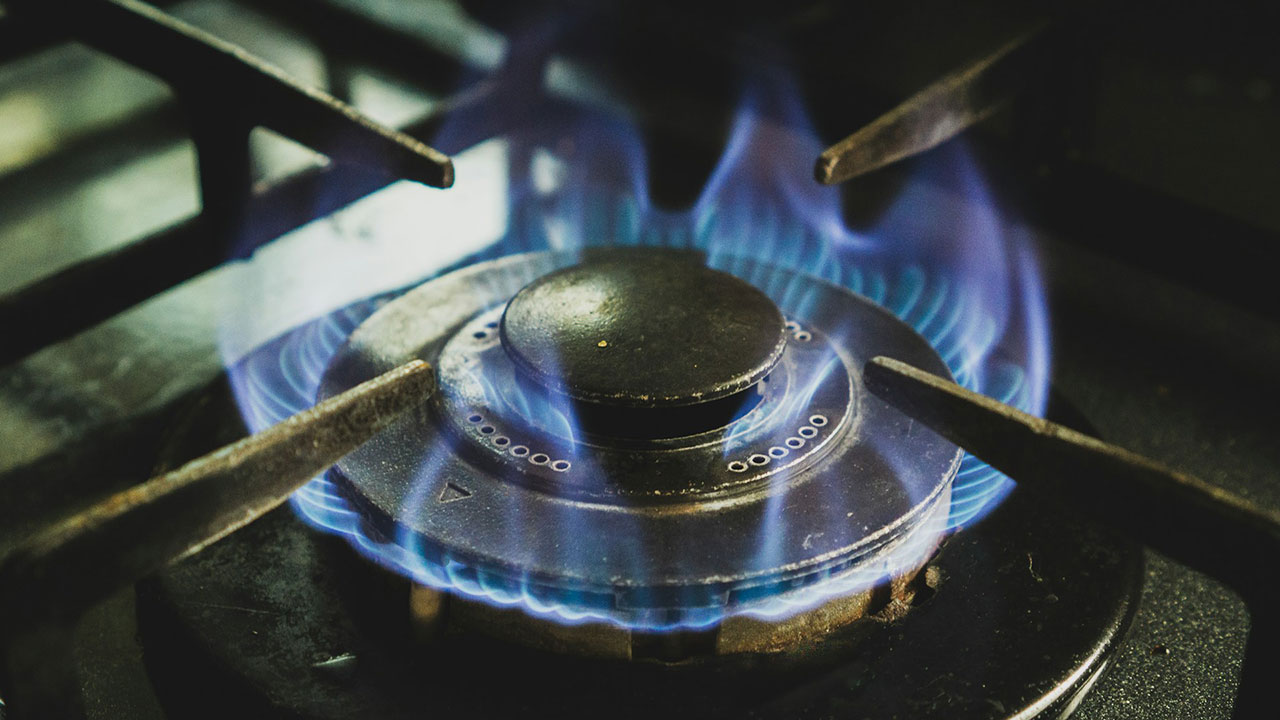
Cast iron holds heat well—but if your skillet heats unevenly or takes forever to warm up, it could be caked with poor seasoning. Thick, gummy layers of oil can mess with heat transfer and slow the pan down.
Try heating it empty for a few minutes and feeling for temperature differences across the surface. If it’s noticeably uneven, you might need to strip it back and reseason with more control.
The Color Never Got Deep Black
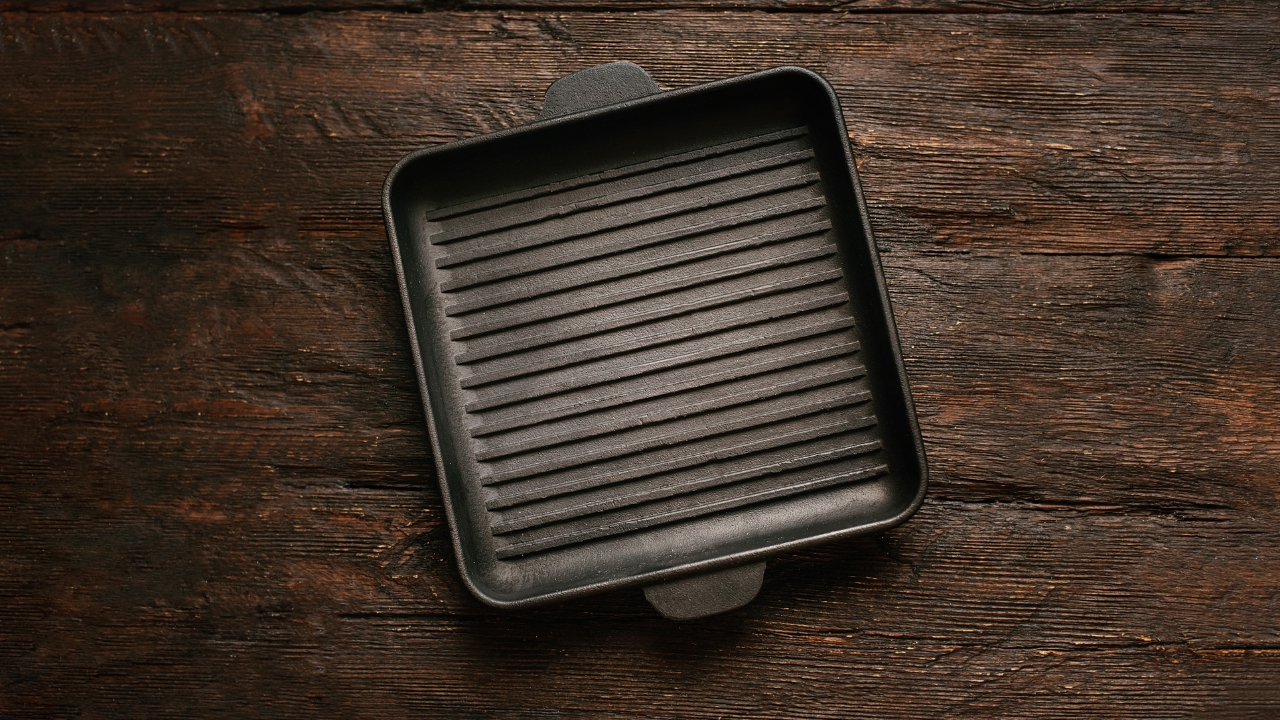
New pans usually start gray or charcoal-colored, but a well-seasoned skillet turns deep black over time. If yours still looks dull or uneven brown after several rounds of seasoning, the oil likely wasn’t applied right.
That rich black patina takes time and use to develop, but you should see progress after each bake. If you don’t, check your oil type, temperature, and coating method.
It Still Reacts With Acidic Foods

If tomato sauce or vinegar pulls metallic flavors from your skillet—or worse, lifts off the seasoning—you’re not ready for those kinds of meals yet. Good seasoning should be stable enough to handle occasional acid.
Until then, stick to fatty foods like bacon or fried potatoes to keep building the layer. Once it’s solid, you’ll notice a big difference in how the pan handles moisture and acidity.
It Looks Oily After Every Use
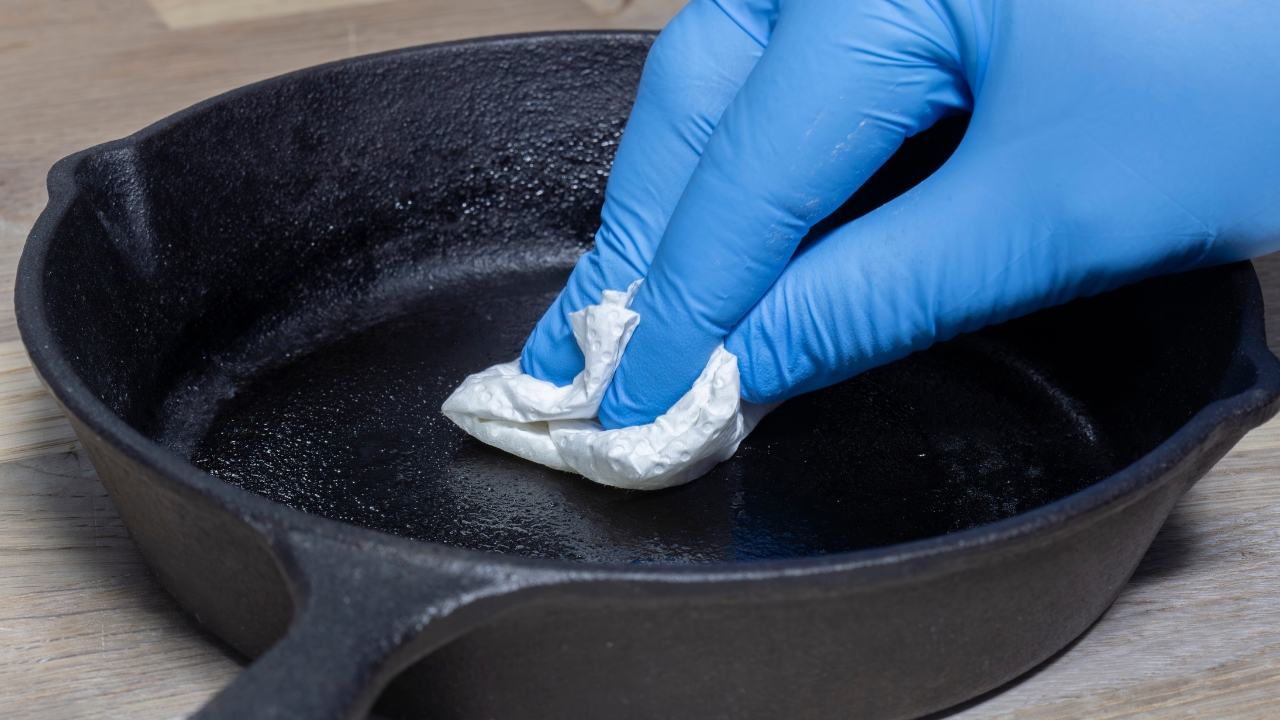
If your pan always looks greasy or you need to wipe it down before cooking, something’s off. Good seasoning feels dry and slightly glossy—not wet or oily to the touch.
This usually means too much oil is being used between cleanings. Try using less and wiping thoroughly after applying. A thin layer that disappears into the surface is all you need to maintain it.
*This article was developed with AI-powered tools and has been carefully reviewed by our editors.