10 Things to Do Before Winter to Protect Your Home
Photo credit: Kirill Chernyshev/ Shutterstock.com
Winter always feels like it shows up faster than we expect, and if your house isn’t ready, things can get messy—and expensive—real quick. Frozen pipes, drafty windows, or a heating system that quits on the coldest night? No, thank you. But with a little prep now, you can avoid all that stress later.
It’s like getting your home bundled up for the season. A few small checks and fixes can keep things running smoothly, save you money, and help you avoid those “why didn’t I handle this sooner?” moments when the snow starts falling.
Cut the Power to Your AC
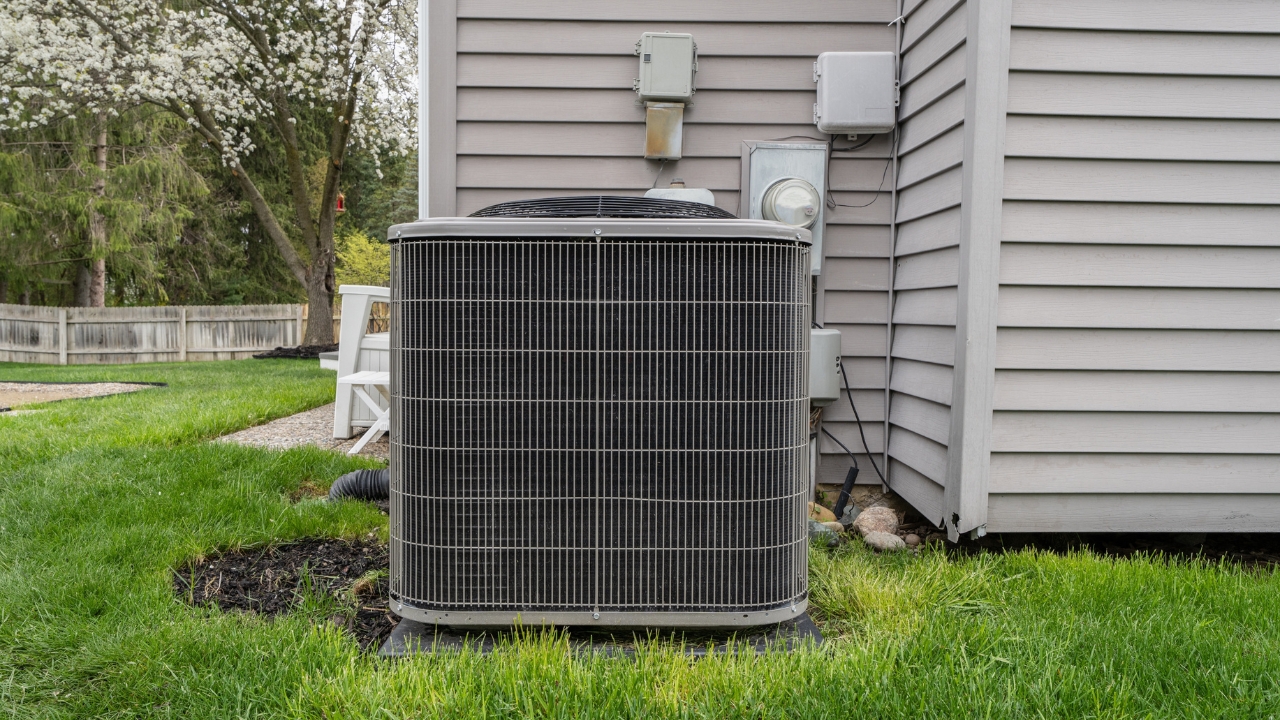
Your air conditioner doesn’t need to work in the winter, and leaving it powered on can lead to some pricey repairs. If it accidentally runs in freezing temps, it could damage the compressor. Plus, many units have a heater to keep the oil warm, which not only wastes energy but can also attract critters looking for a cozy spot.
Find the disconnect block outside by the unit or flip the breaker to “off.” It’s a quick task that saves you money and hassle. Just remember to power it back on a day before spring startup.
Check Your Roof
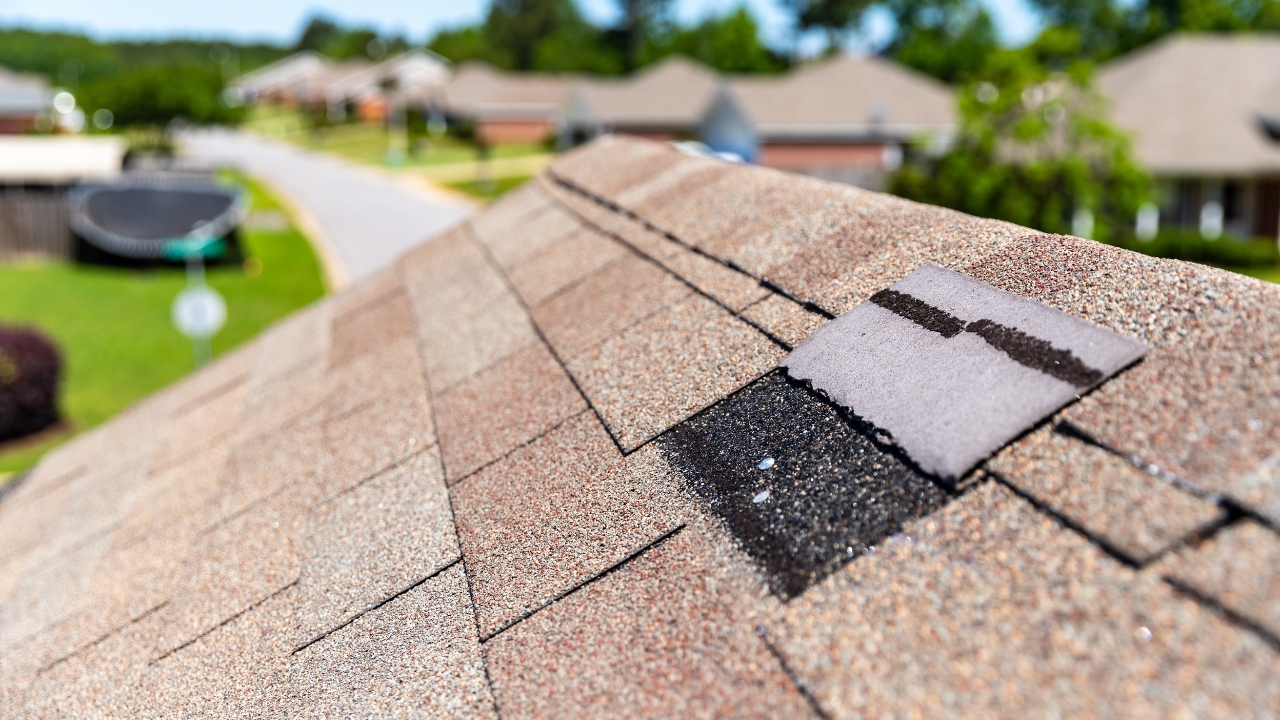
Your roof is your first line of defense against winter weather, so it’s worth a quick check. Loose or missing shingles can let water seep in, and snow makes problems even worse. Climbing up there yourself isn’t exactly safe, so this is one of those times when hiring a pro is a smart move. They can spot and fix issues now, giving you time to order repairs before the snow settles in.
Inspect for Drafts
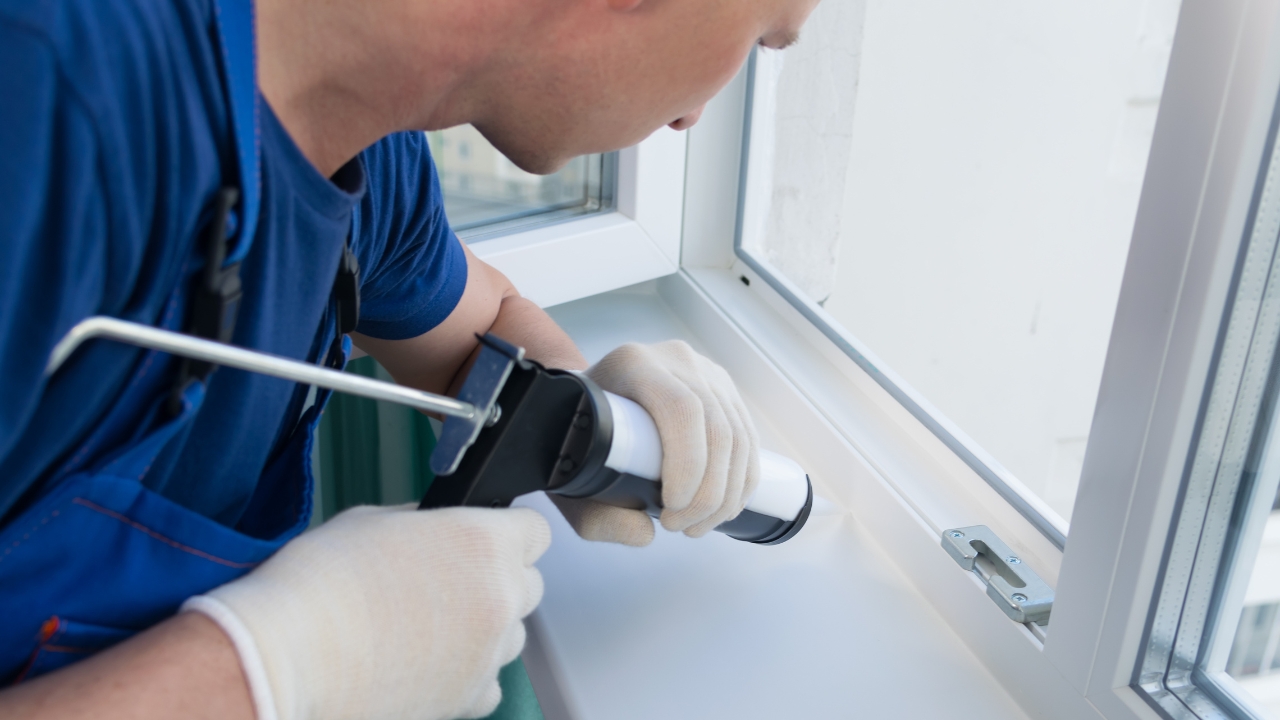
Drafts sneak in through windows, doors, and even electrical outlets, making your home chilly and spiking your heating bill. Now’s the time to seal them up. Weatherstripping, caulking, or insulation kits are easy fixes and can make a noticeable difference. Don’t forget to check outlets on exterior walls—they’re an unexpected culprit for cold air.
Check Your Heat Sources
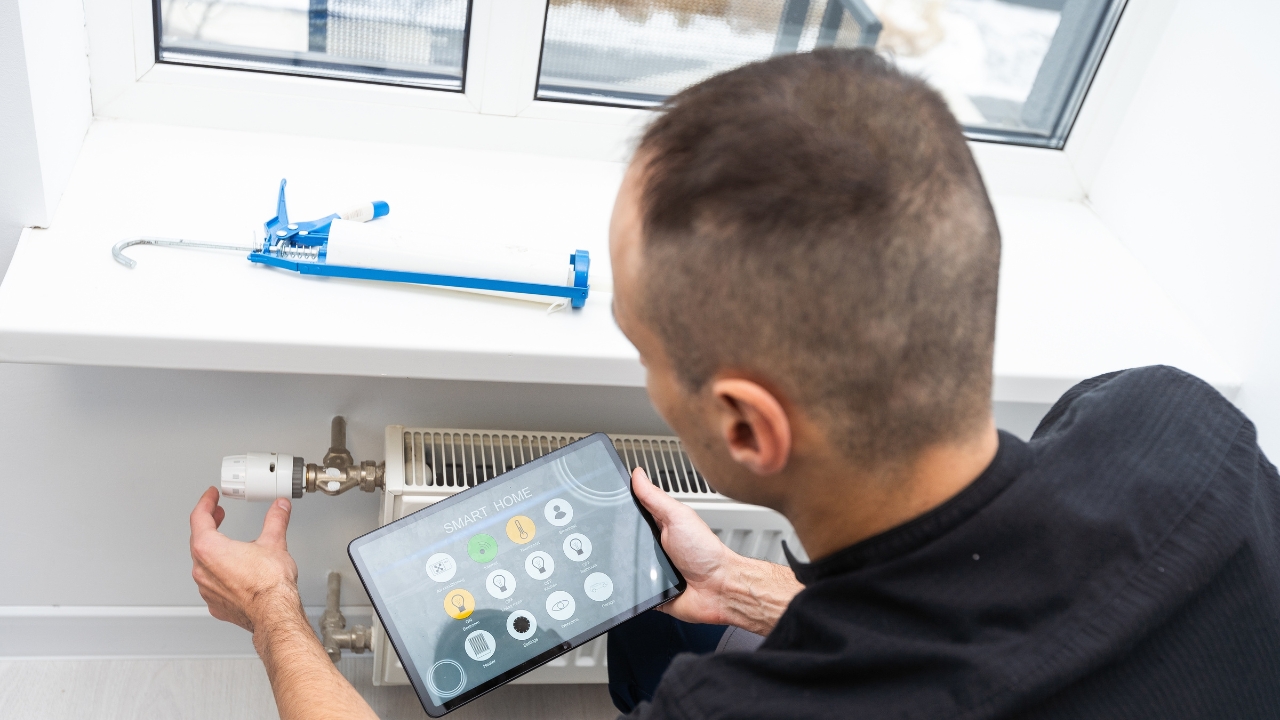
There’s nothing worse than flipping on the heat during the first cold snap and realizing it’s not working. Avoid that mess by having your heating system inspected early—October is a great time to do this. A pro can make sure everything’s running smoothly, and you can swap out filters while you’re at it.
Protect Indoor Pipes
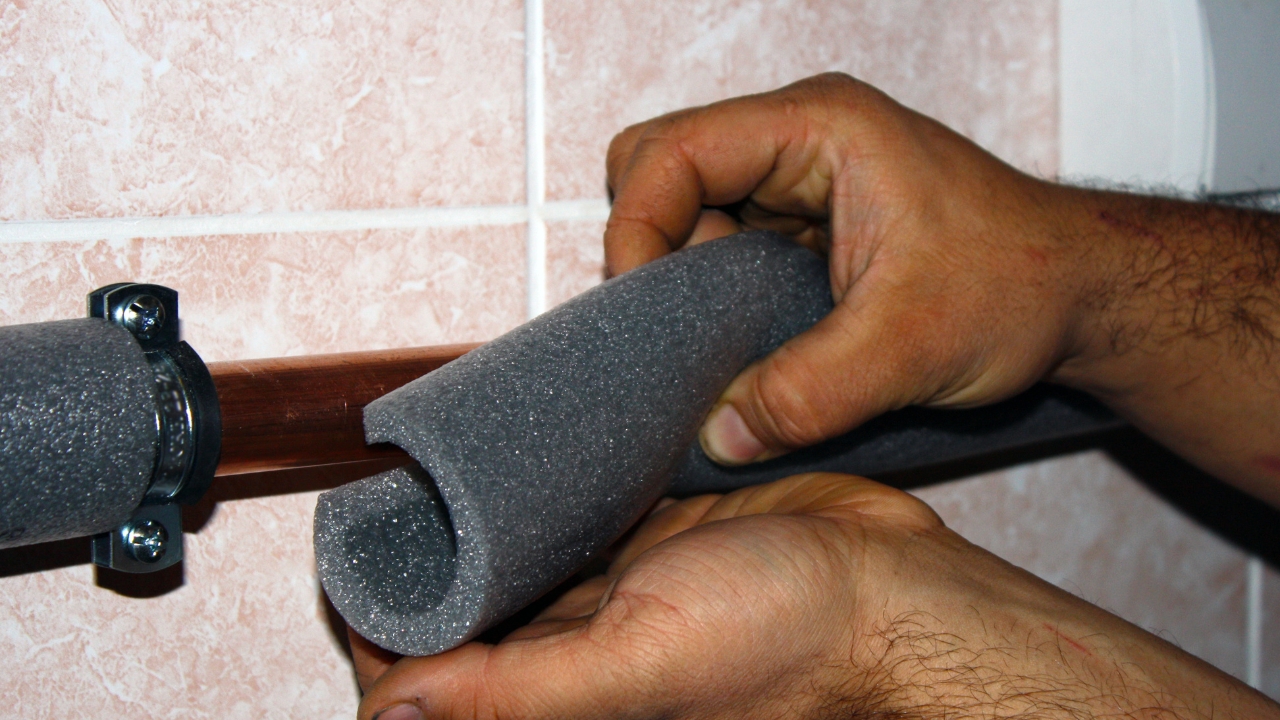
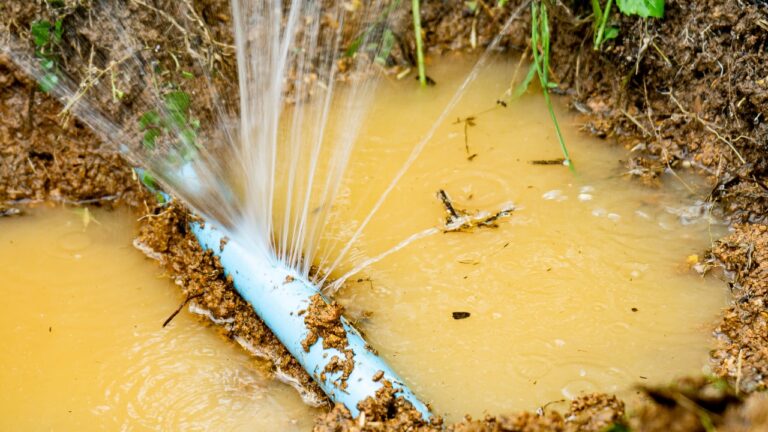
Nobody wants to deal with a flooded basement in the middle of winter, but burst pipes can make that nightmare a reality. The good news? Preventing it is way cheaper than fixing it. Pipe insulation is a quick DIY job and costs less than a buck a foot. Wrap it around any exposed pipes, especially in those cold spots like under sinks, in crawl spaces, or along exterior walls.
Basements are the usual troublemakers—most pipe bursts happen there—so don’t skip it. A little prep now means you won’t be mopping up icy water later.
Insulate Your Attic or Crawl Space
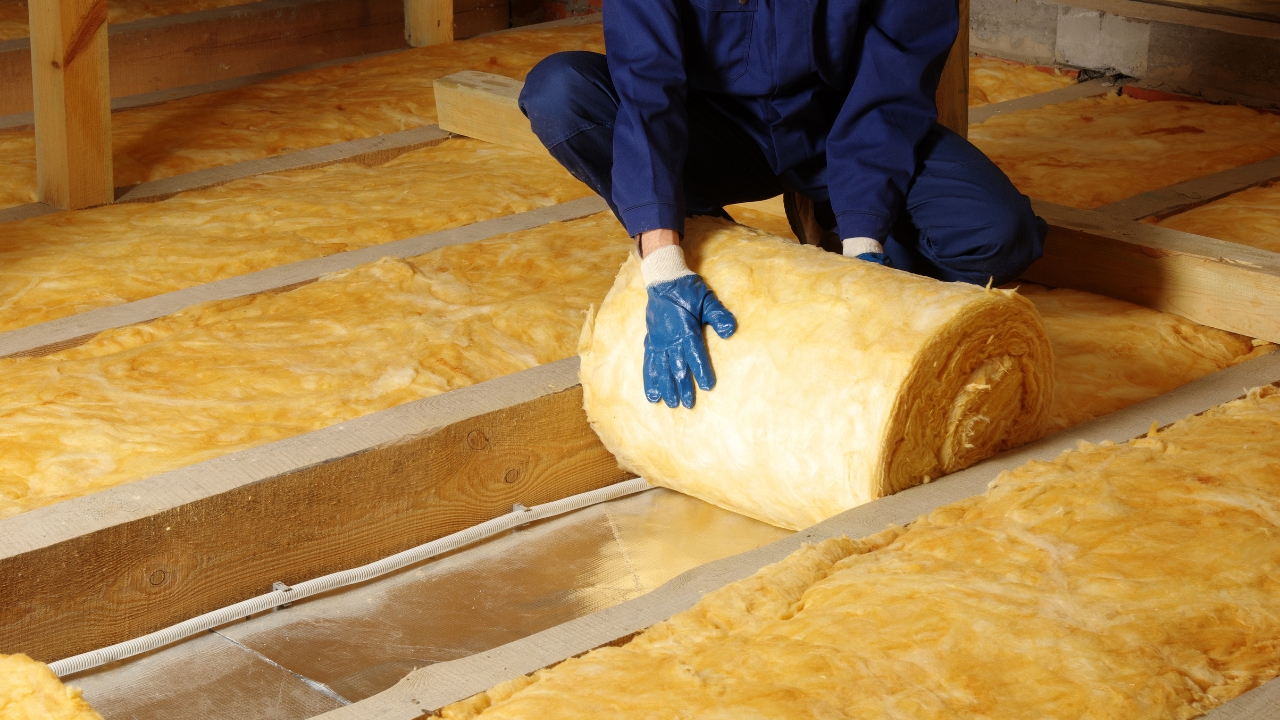
Think of your attic as the lid on a pot—without insulation, all that precious heat just escapes into the void. Adding insulation helps keep your home warm and saves you money on heating. Plus, it can stop ice dams from forming on your roof. Nobody wants to deal with a leaky ceiling because of frozen runoff.
Not sure how much insulation you need? It depends on where you live, but you can find guides online to help.
Service Your Furnace and Chimney
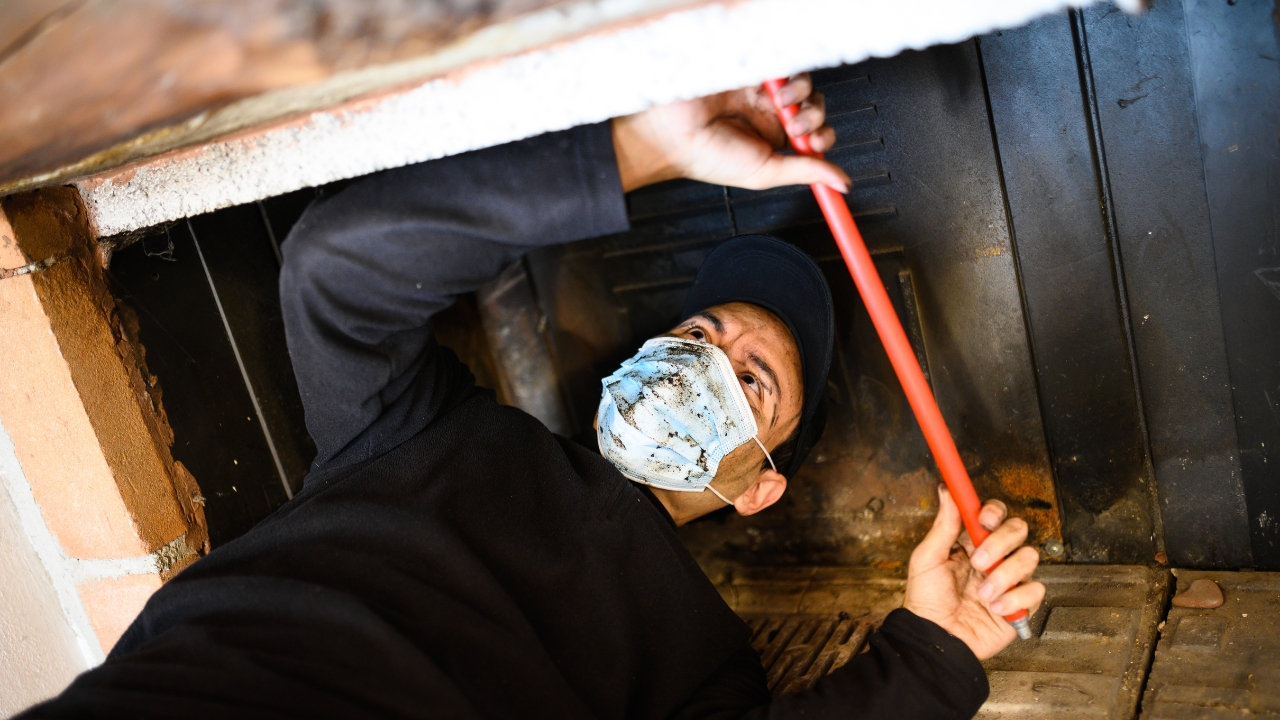
Your furnace and fireplace work overtime in winter, so giving them some love before the cold hits is just smart. An annual check-up can catch small issues before they turn into expensive repairs—or worse. A pro can clean your furnace for better efficiency and inspect your chimney for cracks, leaks, or loose bricks.
And don’t forget the chimney cap! It’s not just there for looks; it keeps critters from turning your flue into their winter retreat.
Swap In Storm Windows
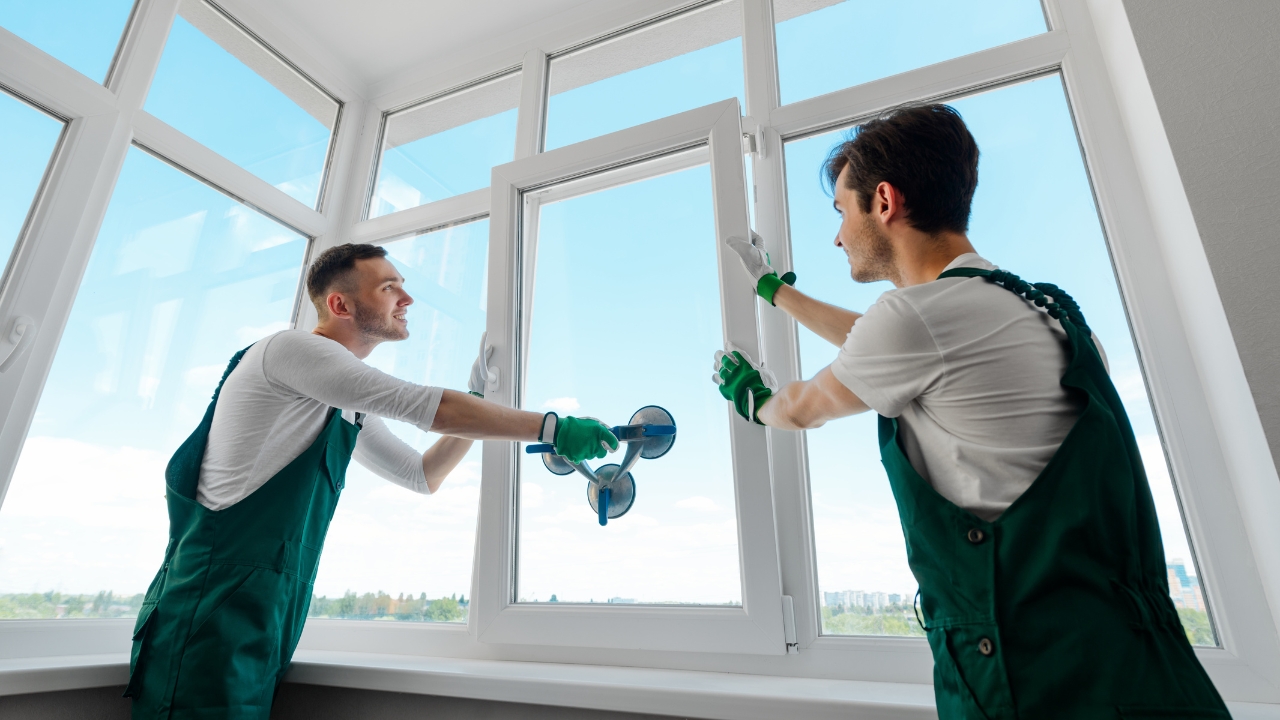
Swapping your window screens for storm windows isn’t just about keeping the cold out—it’s about making your home feel snug and secure. Storm windows add an extra layer of insulation, which means fewer drafts and lower heating bills. Plus, they’re great for blocking out snow and freezing rain, even if your windows are double-paned.
Take those screens down, stash them somewhere safe, and get those storm windows up. It’s a simple swap that makes a big difference when winter decides to show up with a vengeance.
Stock Up on Supplies

Winter storms have a way of catching people off guard, but you don’t have to be one of them. Stock up now on essentials like flashlights, candles, bottled water, and non-perishable food. Toss in some warm blankets, too—you’ll be grateful if the power goes out.
Disconnect Garden Hoses
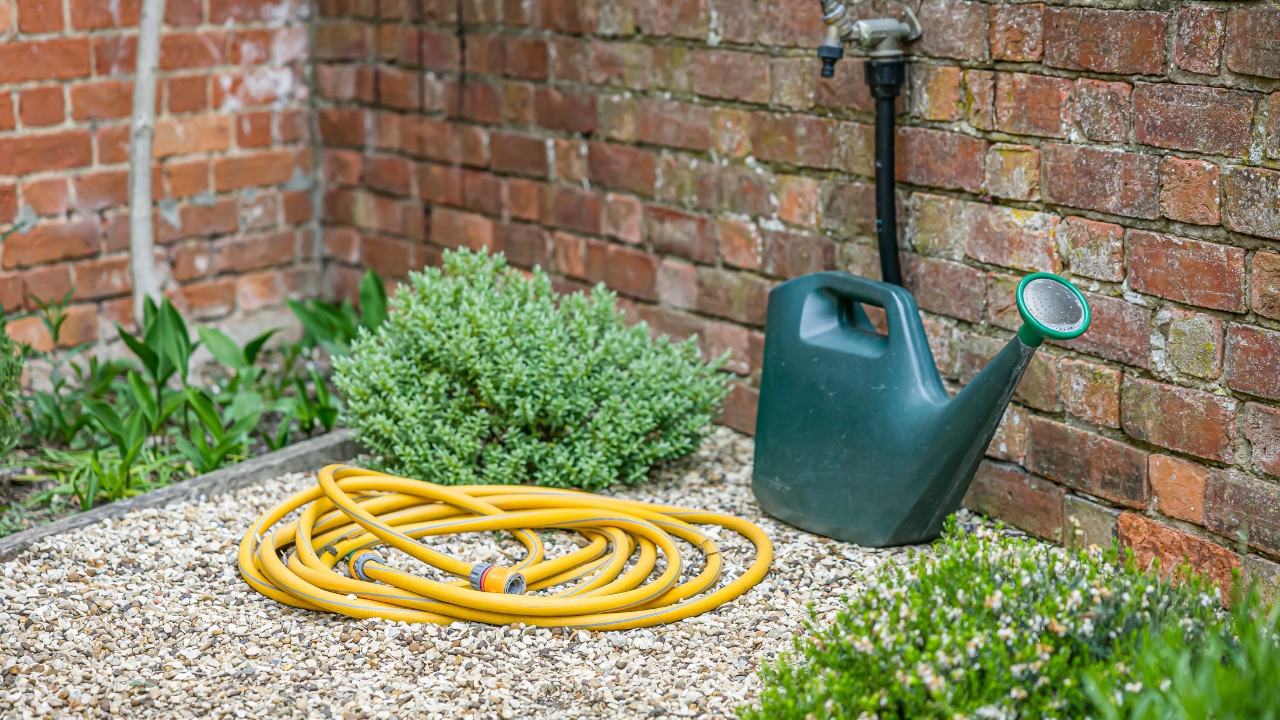
Leaving a garden hose attached during winter is an easy mistake, but it can cause serious damage. Trapped water can freeze and split your hose, spigot, or even the pipes inside your home. And yes, this can happen even with frost-proof spigots or the water supply shut off.
Before the temperatures drop, unhook all your hoses and drain them thoroughly. Stash them in the garage or shed, and you’ll save yourself from a big, messy problem once the freeze hits.