10 Signs Your Chimney Needs Cleaning Before the Next Fire
Photo credit: shutterstock/ingae.com
A wood stove or fireplace feels simple until the flue gets dirty and the whole system starts acting up. Most problems show up in small ways first, a smell, a little smoke, a few flakes on the hearth. Catching those early signs saves mess, money, and a long cold stretch waiting for a sweep.
1. Smoke Spills Into The Room
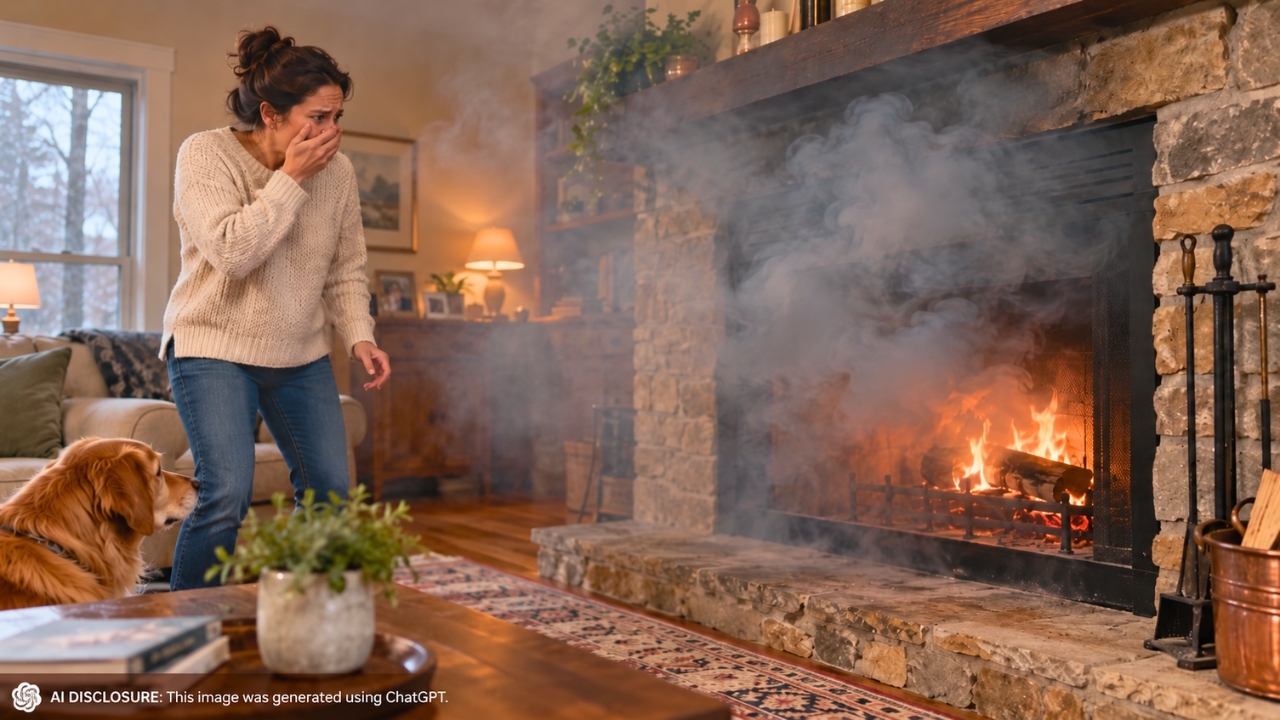
You light a fire and the smoke rolls out instead of up. Sometimes it’s a lazy, gray spill that hangs near the ceiling, sometimes it’s a quick puff when you crack the door on a stove. That’s poor draft, and a dirty flue is a common reason.
Don’t keep feeding it and hope it clears. Check the basics first, the damper fully open, a cracked window for makeup air in tight houses, and wet wood that smolders instead of burning. If it still backdrafts, schedule a cleaning and inspection, because heavy soot or glaze-like creosote narrows the flue and slows everything down.
2. Strong Creosote Odor In Warm Weather
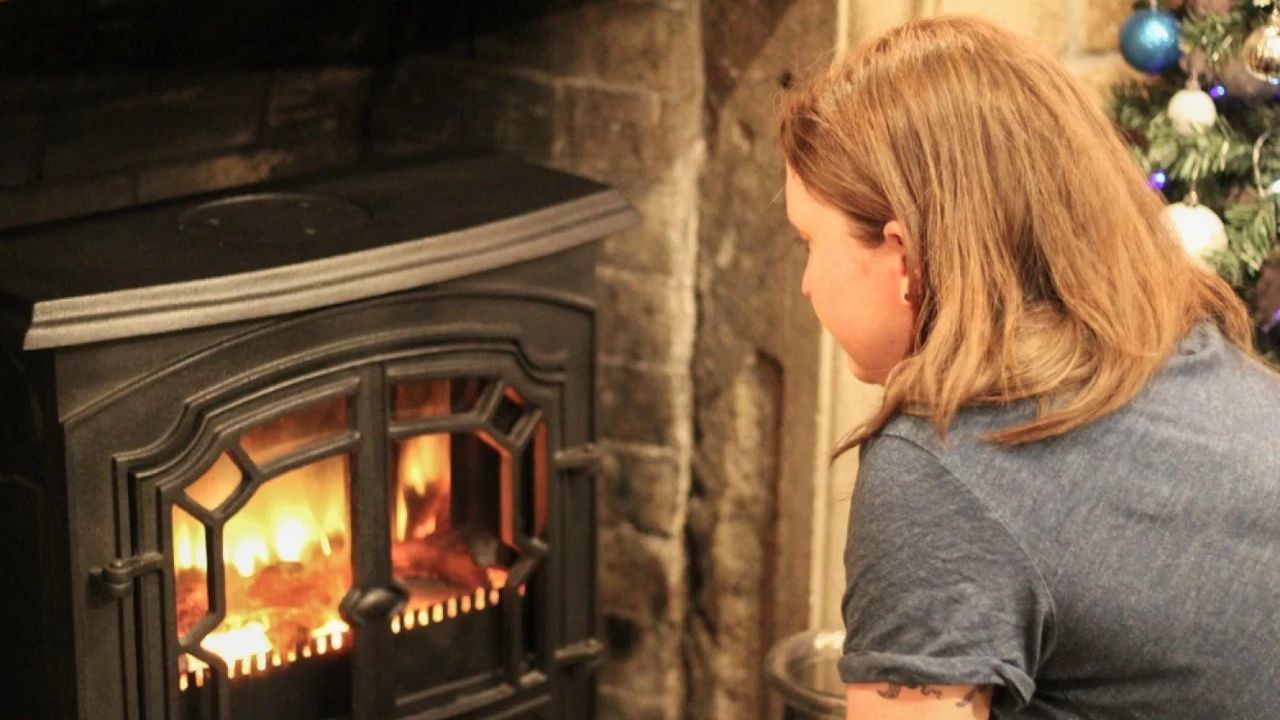
In spring or summer, you walk by the fireplace and get a sharp, tarry smell. It’s worse on humid days, or right after a rain. That odor is creosote in the flue and smoke chamber off-gassing when the chimney warms up.
A little smell in an old hearth can happen, but a strong one usually means you’ve got a decent buildup. Cleaning fixes it, and it also keeps that sticky stuff from attracting moisture and eating at metal parts. If the odor is mixed with a musty, wet-basement smell, check the cap and flashing too, water makes the stink louder.
3. Black Flakes Or Chunks On The Hearth
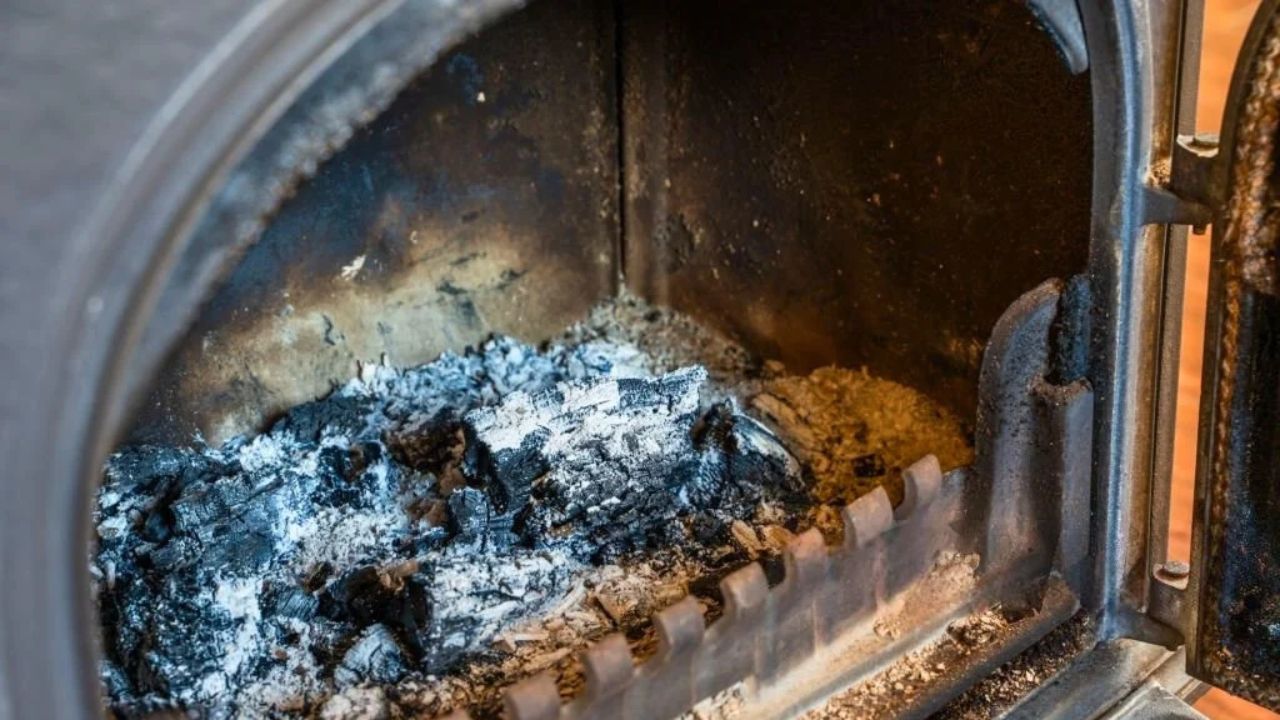
If you’re sweeping up crunchy black bits that weren’t there before, they likely fell from above. Wind, rain, or a hard door slam can knock loose soot and creosote. Sometimes you’ll see it after a big temperature swing when the flue expands and contracts.
Small dust is one thing. Flakes and pea-sized chunks mean buildup is thick enough to break off in layers, and that’s when it starts to restrict the passage. Put down a drop cloth, take a flashlight, and look up past the damper if you can. If you see ridges or shiny, hardened deposits, that’s not a “burn it off” situation.
4. Soot Stains Around The Fireplace Opening
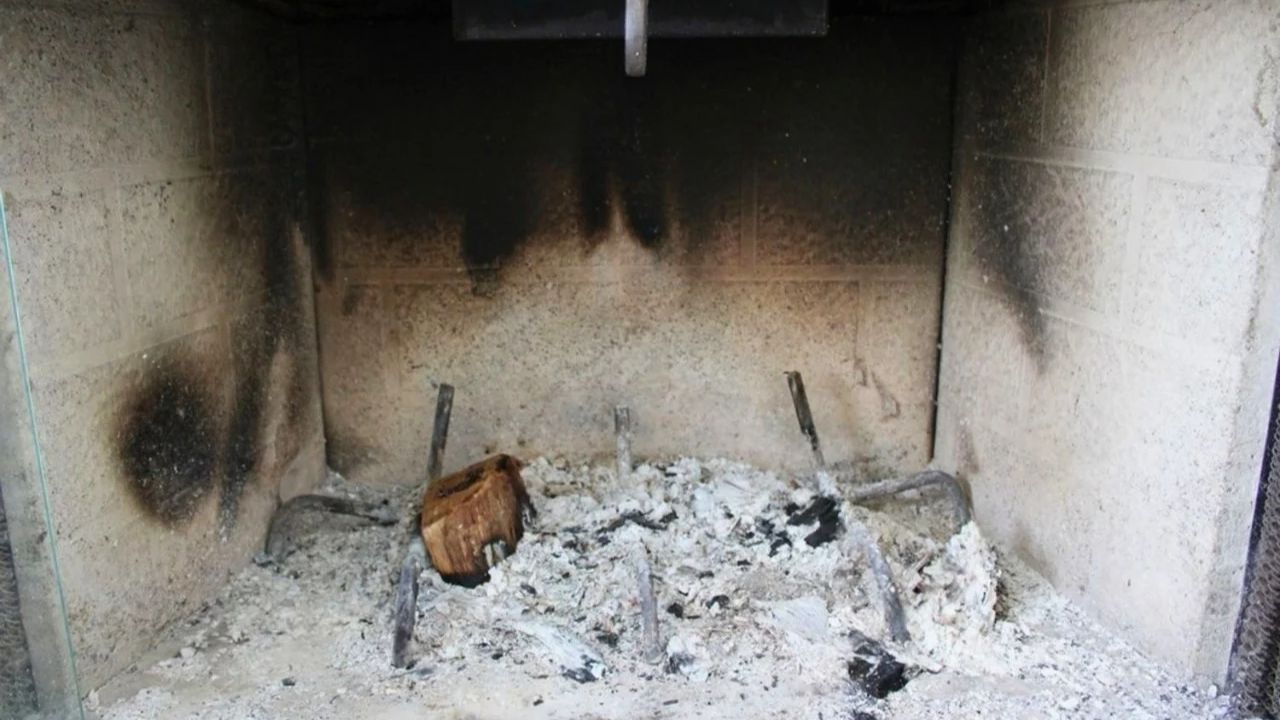
That dark halo on the face brick or the wall isn’t just ugly. It’s a sign smoke is leaking out at startup, during low burns, or when gusts hit the cap. Soot is messy, and it also tells you the system isn’t moving air the way it should.
Try changing the burn habits first if you’ve been doing slow, smoldering fires. Burn drier wood, run the air a little hotter at the start, and don’t shut a stove down too far. If stains keep growing, cleaning the flue and the smoke shelf usually pays off. You can scrub the surround later, but fix the cause first or the stains come right back.
5. Fire Takes Forever To Get Going
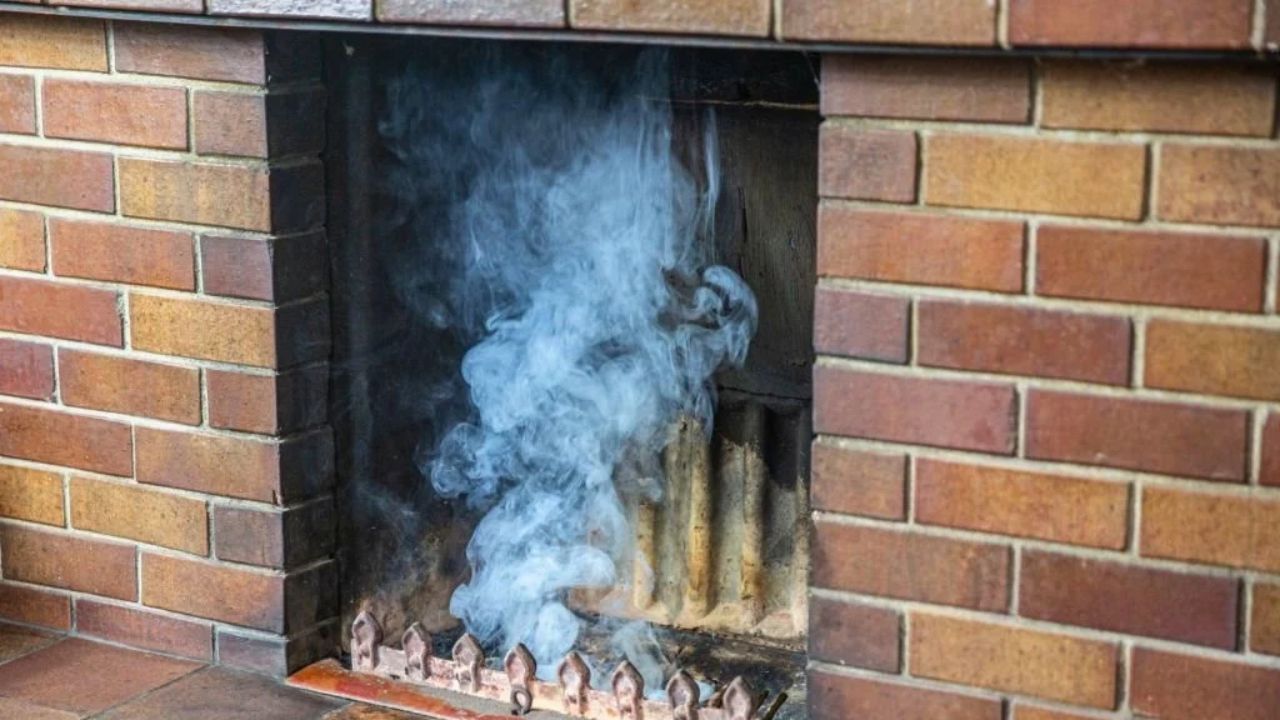
You build a decent stack, light it, and it just sits there sulking. The kindling catches, then struggles, and the room fills with that half-burned smell. A dirty flue can be part of it, because a restricted chimney drafts weakly, especially at the cold start.
There’s an honest exception here. If the issue is mostly on mild days, the chimney could simply be cold and the outdoor air is heavy. Warming the flue with a tight wad of newspaper held up near the damper, or a small top-down start, often fixes that without a cleaning. If it’s slow every time, all season, a cleaning is the next move.
6. Glossy, Hard Creosote You Can See
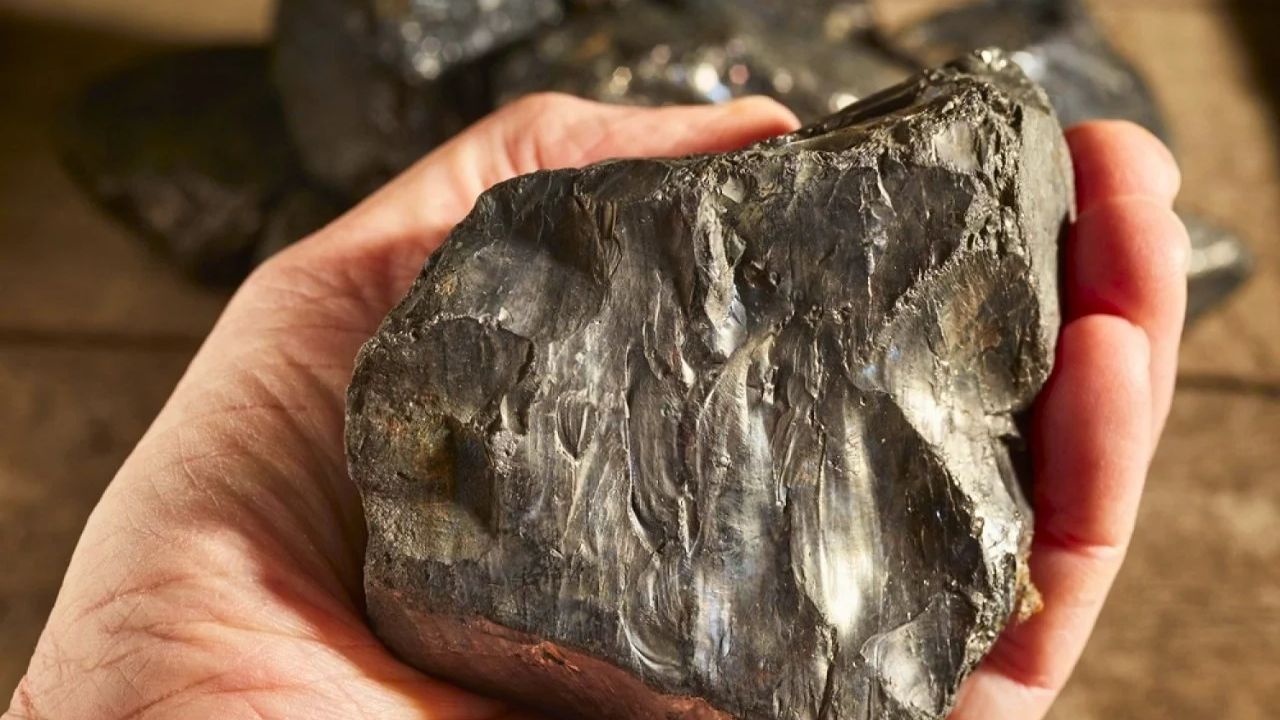
Look up into the flue with a bright flashlight and you see a shiny black surface, almost like it’s been painted. That’s glazed creosote, and it’s the stuff chimney fires love. It doesn’t brush off like fluffy soot.
This is where DIY usually stops. Getting glaze out can take rotary tools, chemical treatment, or repeated professional passes, and you don’t want to damage a liner trying to muscle it. Call a certified chimney pro, and stop burning until it’s handled. If you’ve had a “roaring” sound in the flue before, mention it when you book the visit.
7. Damper Won’t Open Or Won’t Seal
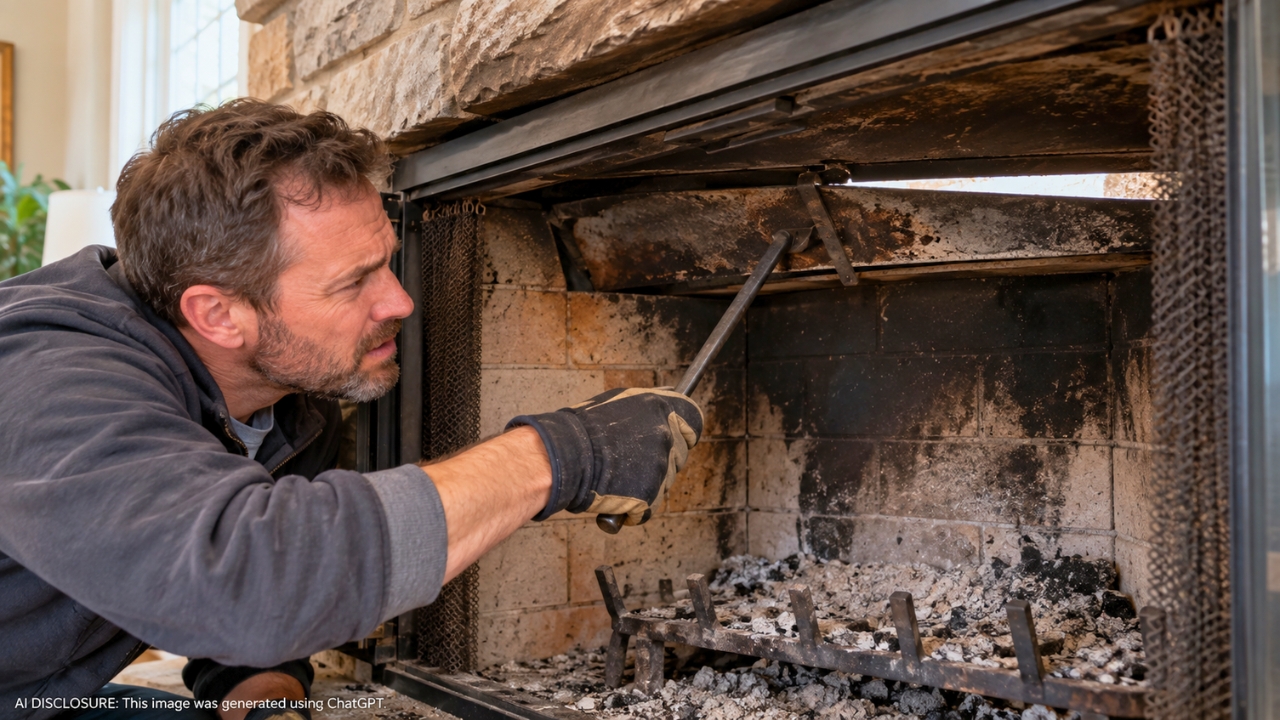
The damper handle gets stiff, gritty, or it refuses to seat. Sometimes you can hear it scraping, like sand in a hinge. Creosote and soot build up right where the damper pivots, and that grime turns into glue when it’s damp.
A damper that won’t open fully kills draft and fills the room with smoke. A damper that won’t close dumps heated indoor air up the chimney all winter, and humid summer air down into the house. Cleaning the smoke shelf and damper area often brings it back. If the plate is warped or the frame is cracked, that’s a repair job, not a scrubbing job.
8. Birds, Squirrels, Or Nest Material In The Flue
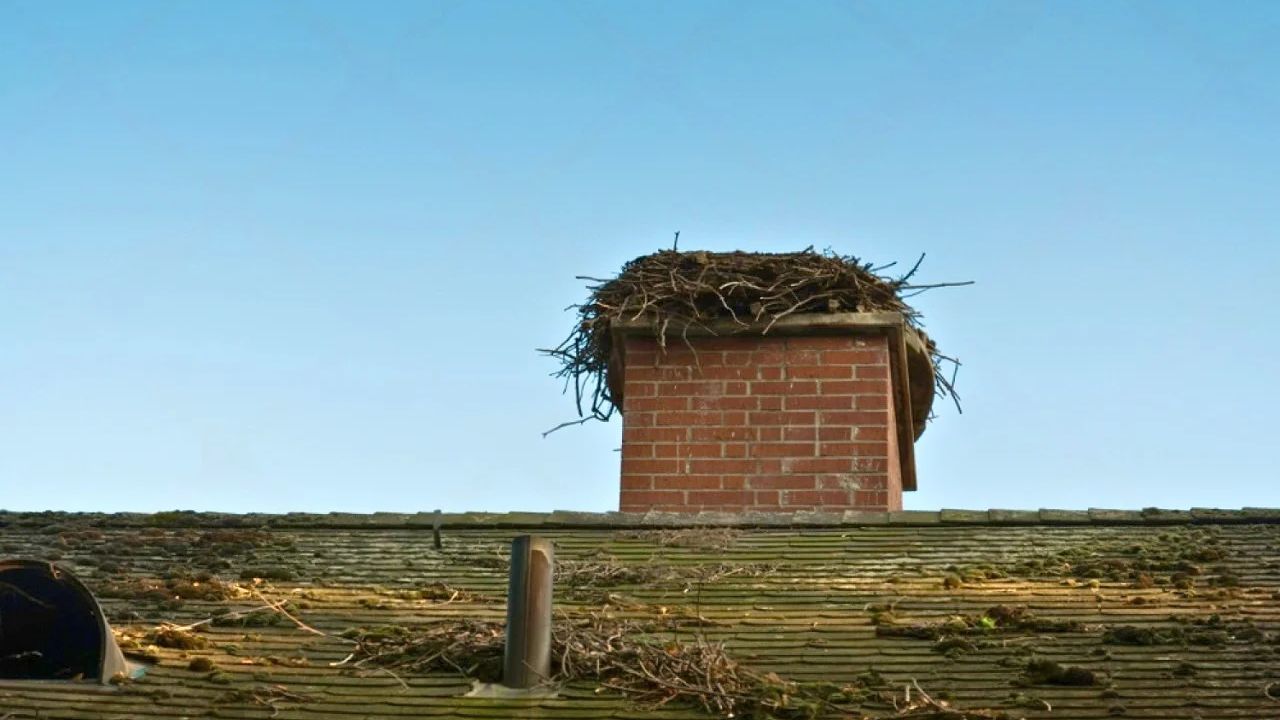
In early fall, you hear scratching, chirping, or a faint thump above the firebox. Or you find twigs and dried grass on the smoke shelf. A chimney that isn’t capped is an open invitation, and animals pack in a lot of debris fast.
Blockages from nests can smoke you out in minutes, and they can burn too. This is also one of those times paying a pro is worth it, because removal can involve live animals and working from the roof. After it’s cleared, put on a proper cap with a screen that matches your flue, and check it every year for clogging.
9. Rust Streaks In The Firebox Or Cleanout
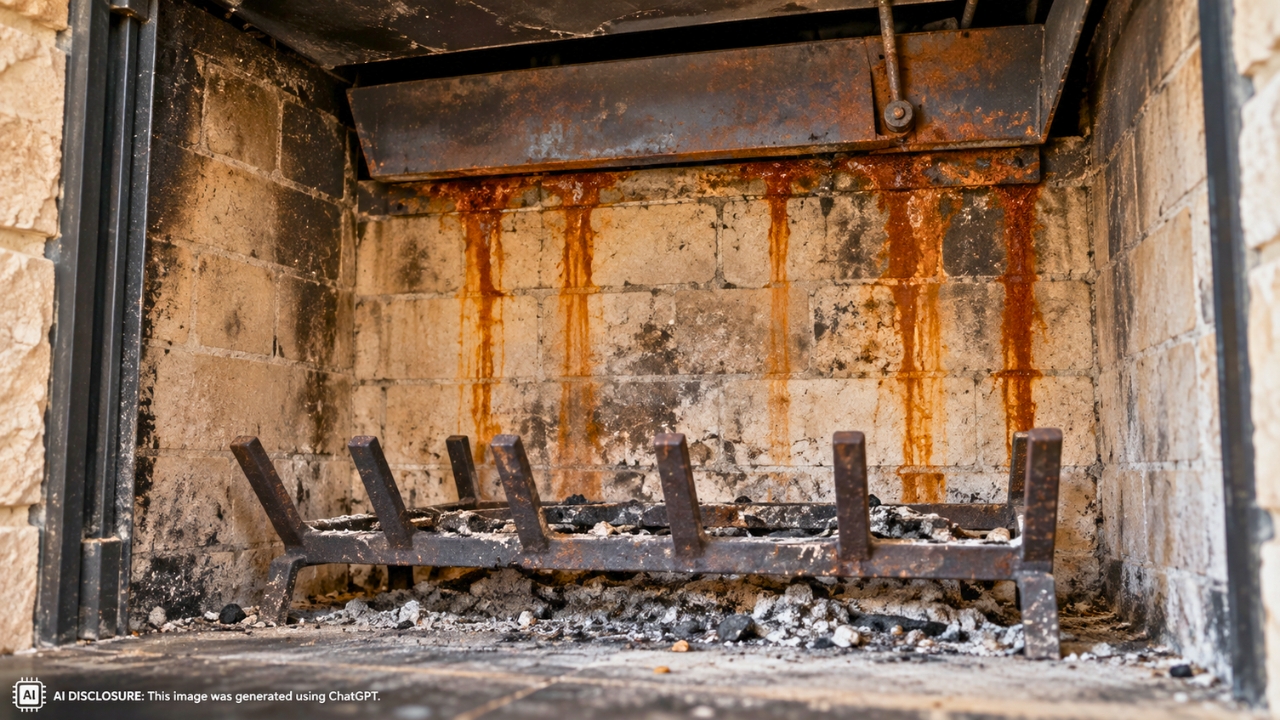
Rust stains, damp soot, or a soggy cleanout door area points to moisture in the system. Water plus creosote makes an acidic mess that eats metal dampers, stove pipe, and some liners. It can also leave the flue walls rougher, which grabs even more soot next burn.
Cleaning helps because it removes the gunk that holds moisture. You’ll still want to hunt the source, a missing cap, cracked crown, bad flashing, or a disconnected liner. If you see white powdery deposits on masonry (efflorescence), the chimney has been wet for a while, and an inspection is smart before you start burning again.
10. It’s Been A Season Of Daily Burning
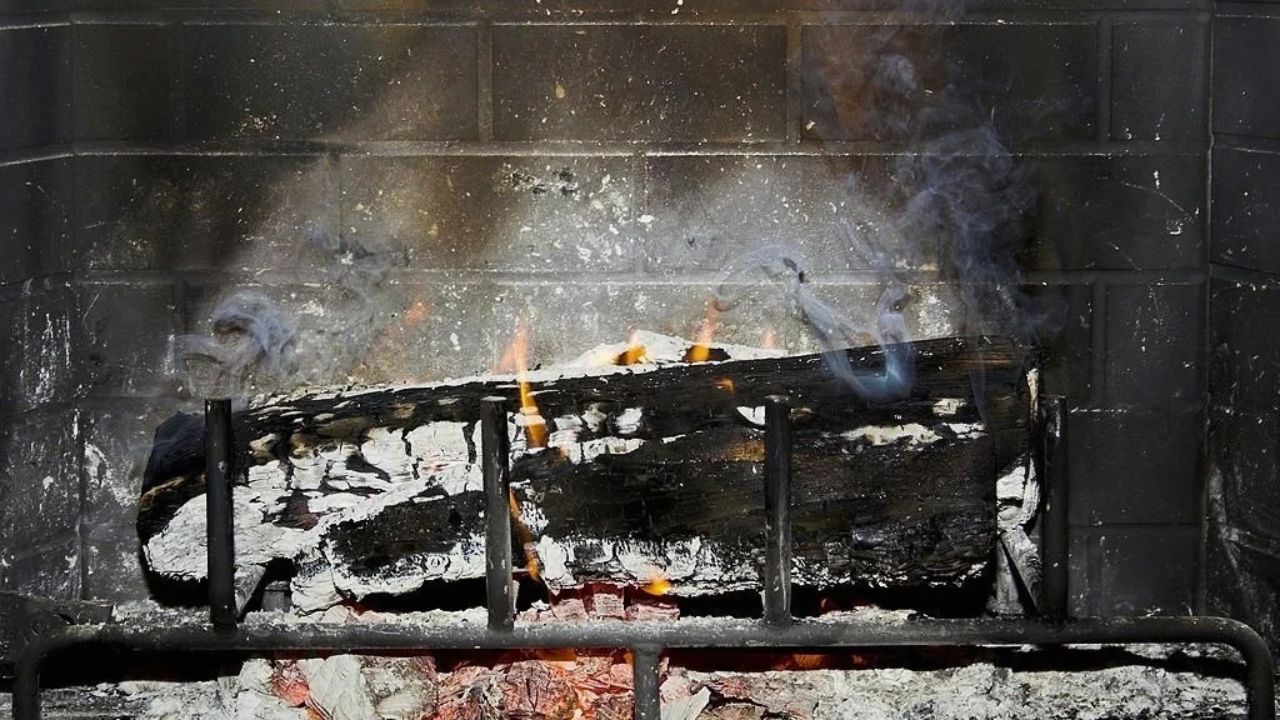
If you heated with wood most days last winter, treat the chimney like any other hardworking tool. Even with dry wood and good technique, soot builds, and it doesn’t take much to start narrowing the flue. Waiting until something goes wrong is how people end up with an emergency call in January.
Schedule a cleaning in the off-season if you can, late spring through early fall. You’ll get better availability, and the sweep can flag cracked tiles, loose caps, or liner issues before you’re relying on that chimney for heat. If you only burn a few holiday fires a year, you can often stretch cleanings, but still get it inspected on a regular cadence.
If any sign points to a blockage, heavy glaze, or water damage, stop using the fireplace or stove until it’s checked out. A basic sweep is a simple appointment compared to repairing a liner, replacing a damper, or cleaning smoke out of the whole house.
Like Fix It Homestead’s content? Be sure to follow us.