10 Country-Living Skills That Can Save You a Small Fortune
Photo credit: unsplash.com
Moving to the country can save you money in the long run—but only if you’re willing to get your hands dirty. Paying people to do everything for you out here adds up fast.
The truth is, the more skills you pick up, the less you’ll have to rely on others (or pay for things that break). These are the skills that can save you thousands if you’re serious about rural living.
Basic Plumbing

You don’t need to be a pro, but knowing how to fix a leaky faucet, unclog a drain, or replace a toilet flapper can save you a call to the plumber every time something acts up. And out here, that call usually comes with a trip charge that costs more than the fix.
Once you learn how your water system works—especially if you’re on well water—you’ll avoid a lot of stress and unnecessary bills when something goes sideways.
Fence Repair
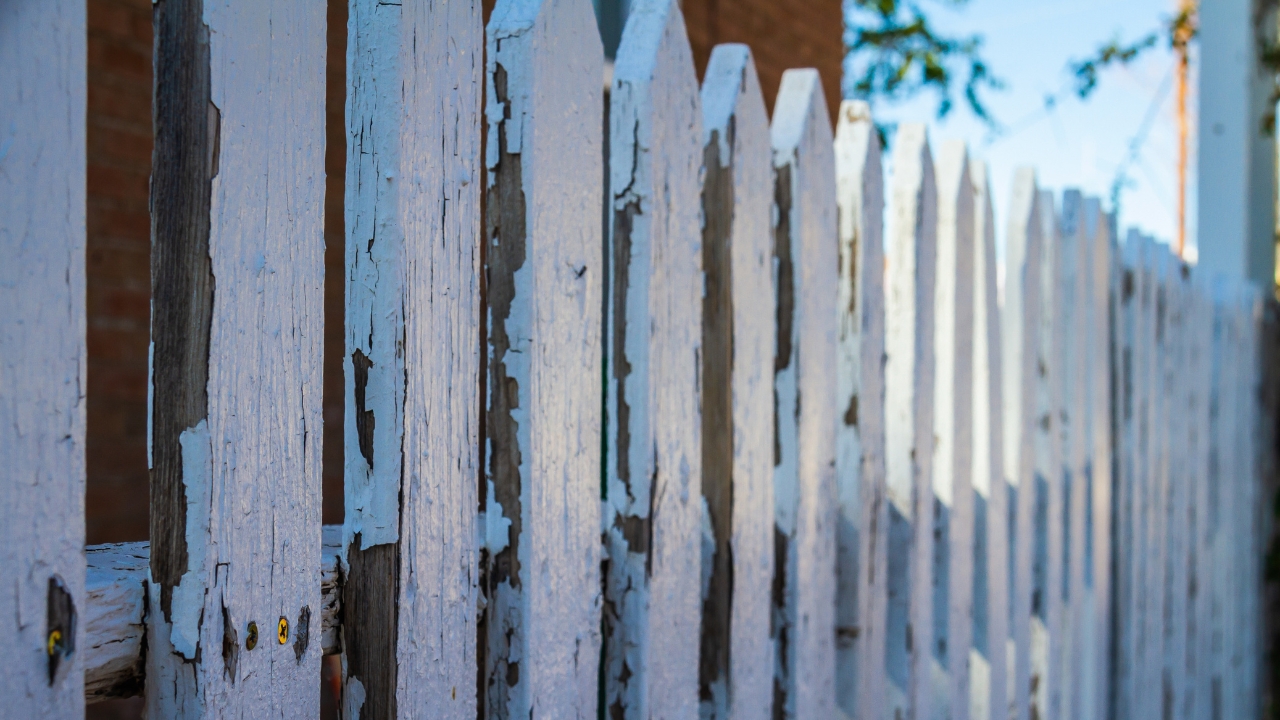
If you’ve got animals or any kind of land worth protecting, your fence will break eventually. Being able to mend wire, brace posts, and work a T-post driver can keep you from losing livestock or letting in what doesn’t belong.
Hiring someone to do it for you isn’t cheap, and they’re not always available fast. Learning to fix it yourself means the fence gets patched the same day—and that alone can save you hundreds.
Basic Carpentry
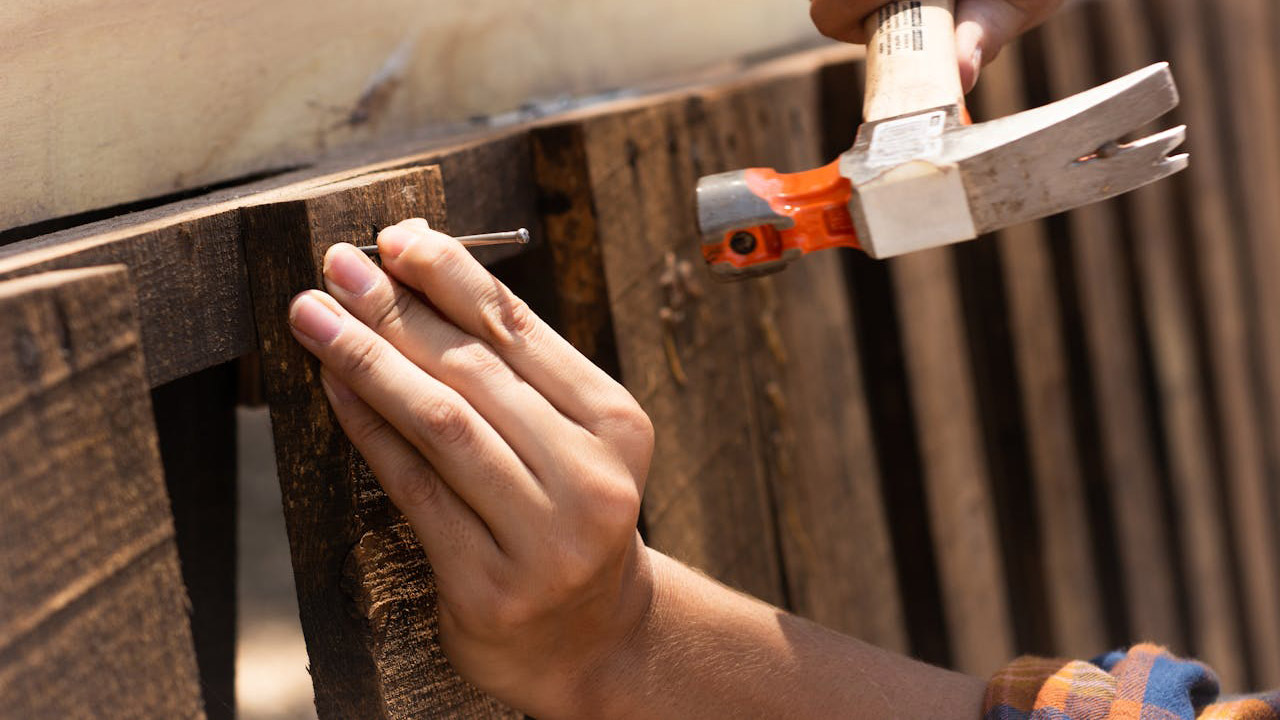
Living rural means things break—and sometimes you need to build what doesn’t exist. Knowing how to measure, cut, and screw things together properly can help you repair sheds, build raised beds, or fix a sagging porch.
Even if you don’t have a fancy setup, having the basic tools and confidence to use them makes a huge difference. You’ll spend way less money and feel a lot more capable in the long run.
Small Engine Maintenance

From lawn mowers to chainsaws to generators, small engines are a part of daily life. Knowing how to change the oil, clean a carburetor, or replace a spark plug means fewer breakdowns and fewer expensive repairs.
You don’t need to overhaul engines, but if you can keep your equipment running smoothly, you’ll save yourself from replacing it way sooner than you should have to.
Gardening
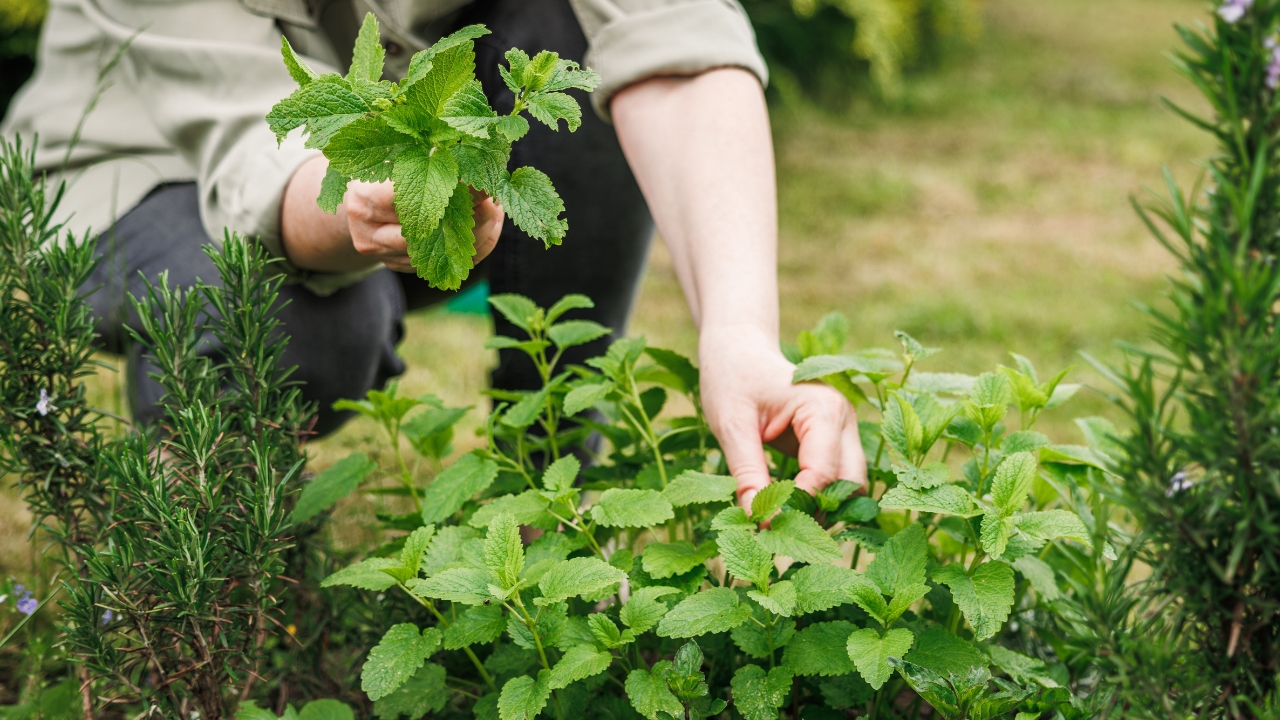
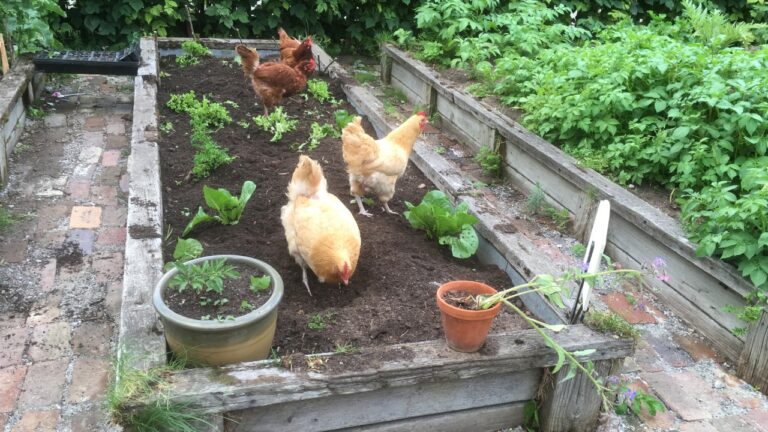
Even a small garden can chip away at your grocery bill if you plant smart and learn how to care for it. Over time, you’ll figure out what grows best in your soil, how to rotate crops, and how to fight off pests without chemicals.
You don’t have to grow everything you eat, but knowing how to grow something well will put money back in your pocket—and food on your table.
Canning and Food Preservation
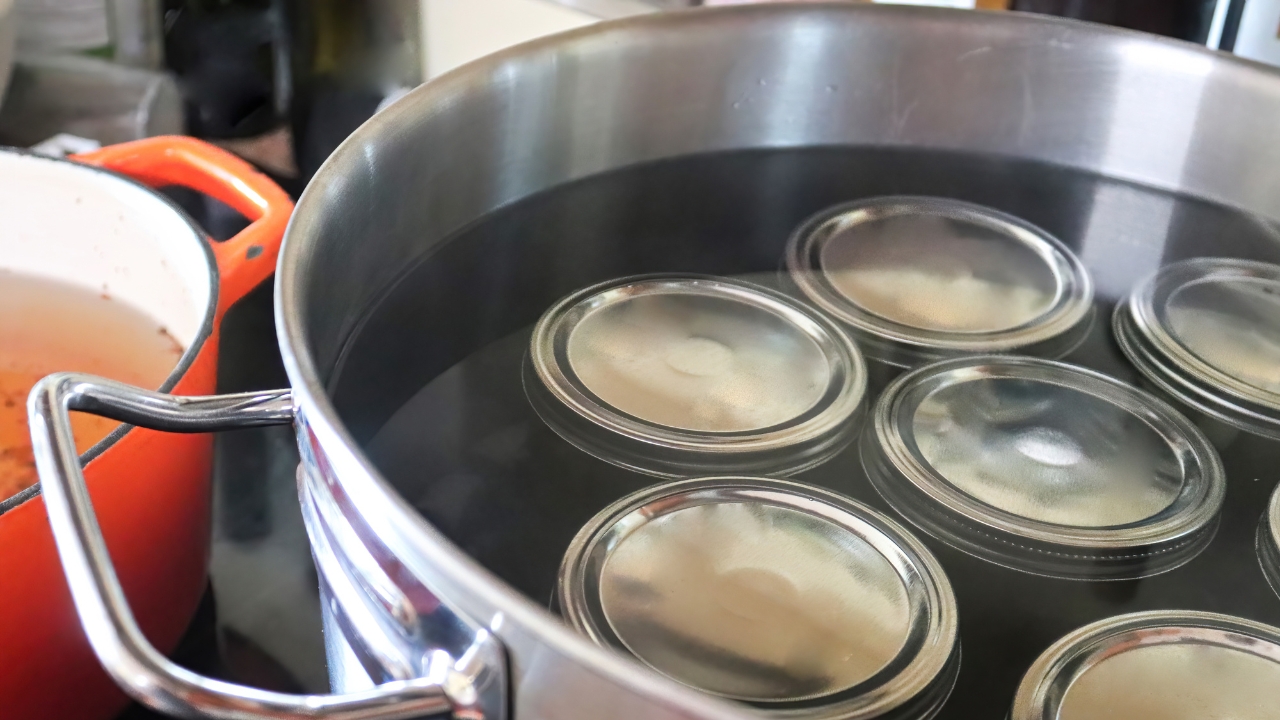
If you’re growing or raising your own food, learning how to can, freeze, or dehydrate it keeps it from going to waste. It also means you don’t have to buy nearly as much from the store year-round.
Canning supplies might feel like an investment at first, but once you get the hang of it, it pays for itself fast. You’ll eat better, waste less, and feel a whole lot more prepared.
Sewing and Mending
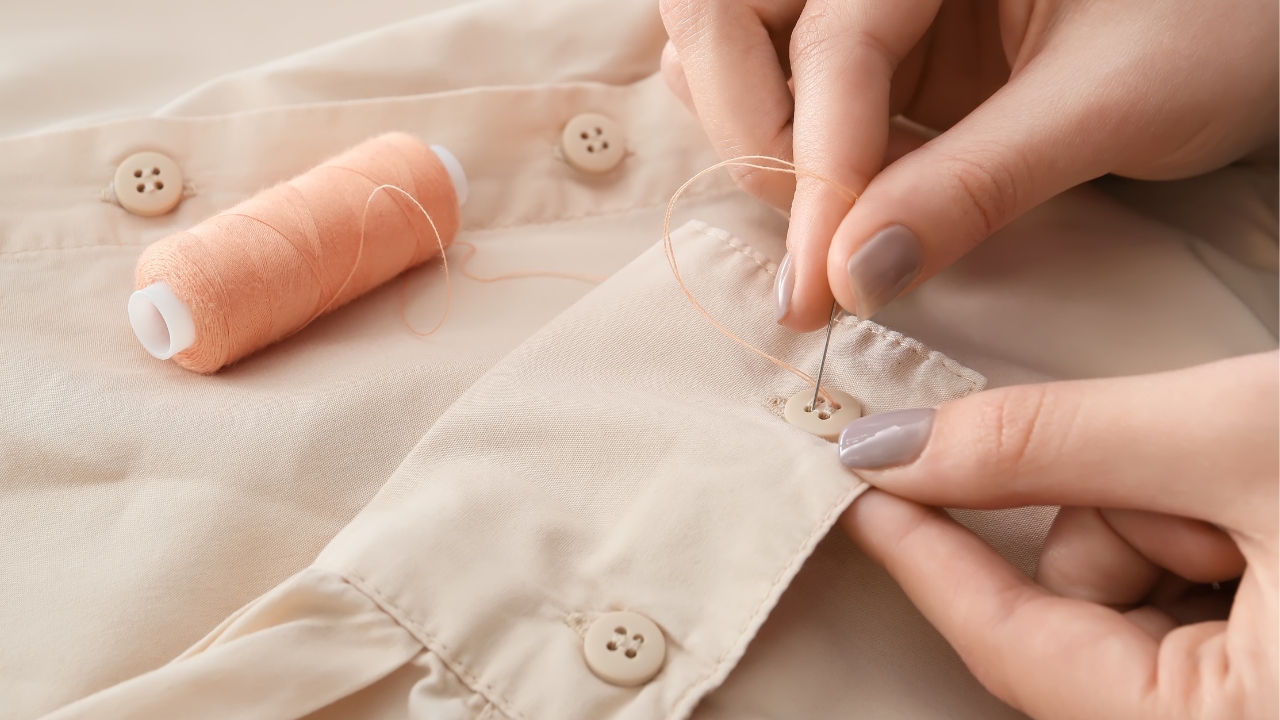
Ripped clothes, busted buttons, torn feed sacks—being able to patch things up instead of tossing them saves money and keeps things out of the trash. You don’t need a full sewing room, either.
A basic sewing kit and the patience to learn a few stitches will go a long way. Plus, it’s one of those skills that turns into a time-saver once you’re good at it.
Animal Care

Whether you’ve got chickens, goats, or just a couple of dogs, being able to handle minor wounds, give shots, trim hooves, or spot illness early keeps you from calling a vet every time something seems off.
You don’t need to be a vet yourself, but learning to handle the routine stuff makes animals way more affordable. It also means they get faster care, which can make all the difference.
Firewood Cutting and Handling
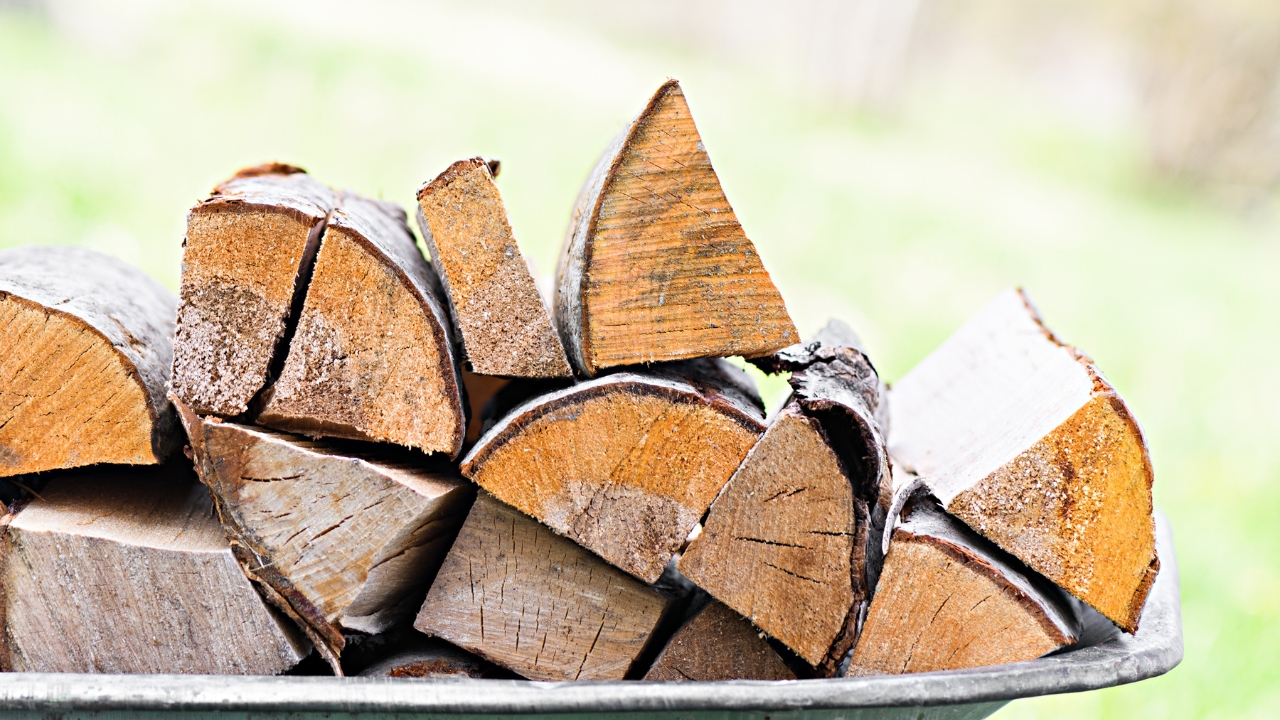
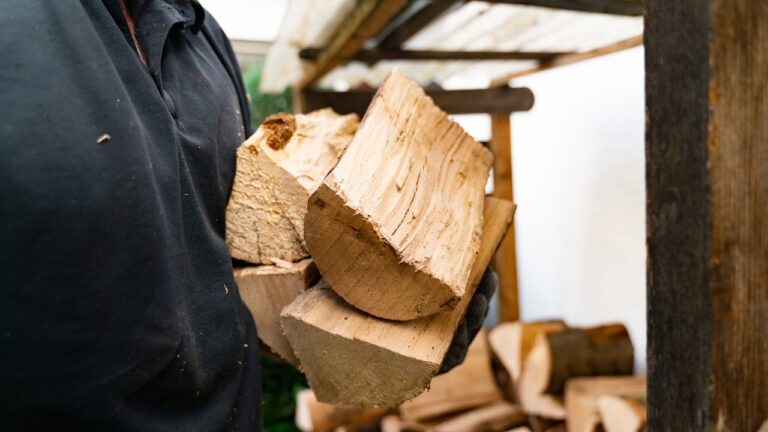
Heating with wood saves a ton on electric or propane bills, but not if you’re paying someone else to cut and split it. Learning to safely run a chainsaw, split logs, and stack them to dry is a skill that adds up fast in winter savings.
If you’ve got access to trees and the tools to handle them, firewood is practically free fuel. And that’s a huge win when energy prices spike.
Budgeting and Resourcefulness

You can’t spend like you live in town and expect it to work out here. Rural life demands more forethought—buying in bulk, watching sales, and stretching what you’ve got.
Getting good at budgeting, bartering, and thinking outside the box is one of the most valuable skills you can develop. It’s not flashy, but it’s the kind of thinking that keeps your homestead running strong even when money’s tight.
*This article was developed with AI-powered tools and has been carefully reviewed by our editors.
Like Fix It Homestead’s content? Be sure to follow us.