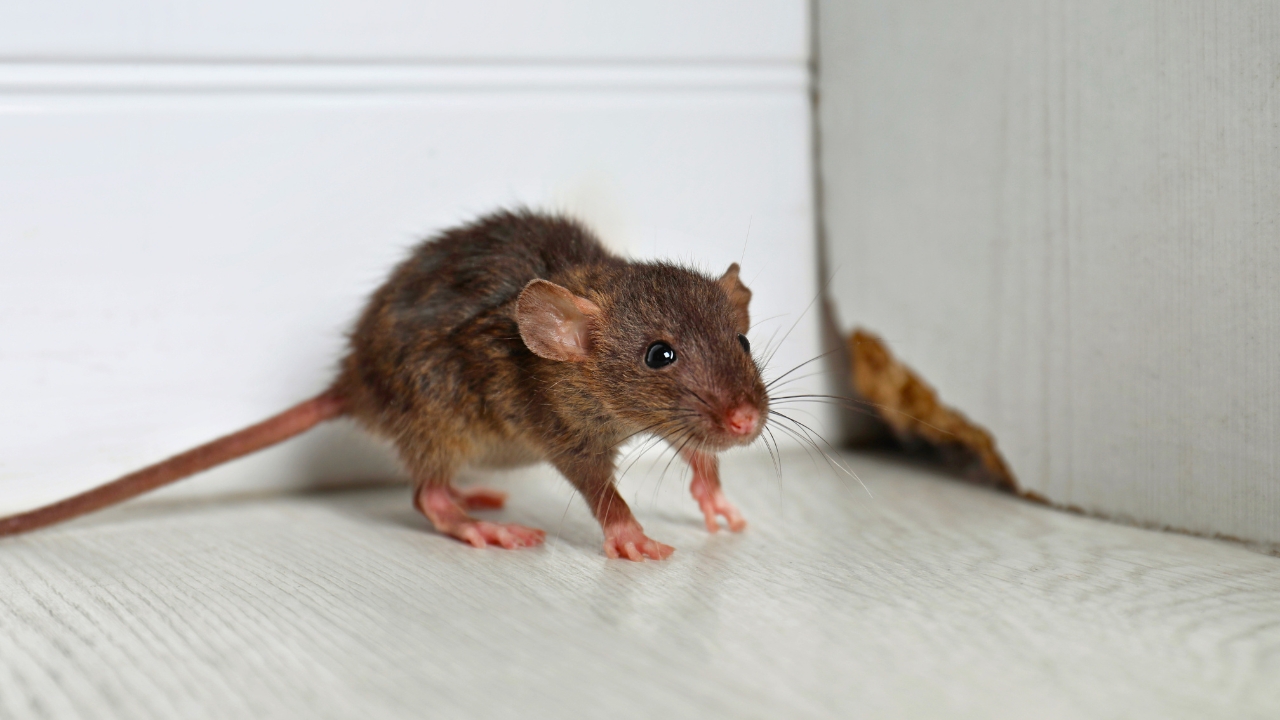
10 Smells That Send Mice Running (And Where I Use Them)
Photo credit: New Africa/Shutterstock.com
I’ve had mice sneak their way into everything from the shed to the kitchen pantry—and once even under the stove. Traps help, sure, but the real trick is making your space somewhere they don’t want to be in the first place.
Strong smells throw them off and make them turn right back around. I use a few of these scents all over the house and barn to keep them from settling in. Here’s what works for me and exactly where I use it.
Peppermint Oil

This is my go-to. Mice can’t handle how strong it is, and it seems to hit their noses like a brick wall. I soak cotton balls in peppermint oil and tuck them in the pantry corners, under sinks, and in drawers where I’ve seen droppings before.
I’ll also mix a few drops into water and spray it around the shed and inside the camper. It needs refreshing every few days, but it’s cheap and way better than dealing with chewed-up wiring.
Clove Oil

Clove oil has a sharp, spicy smell that overwhelms a mouse’s sense of smell. I use it in places I know they’re squeezing into—like behind the fridge or near gaps in the baseboards.
A few drops on a cotton ball goes a long way. You can also mix it with vinegar and water for a strong-smelling cleaner that does double duty. I use that mix for wiping down storage bins or shelves in the garage.
Ammonia
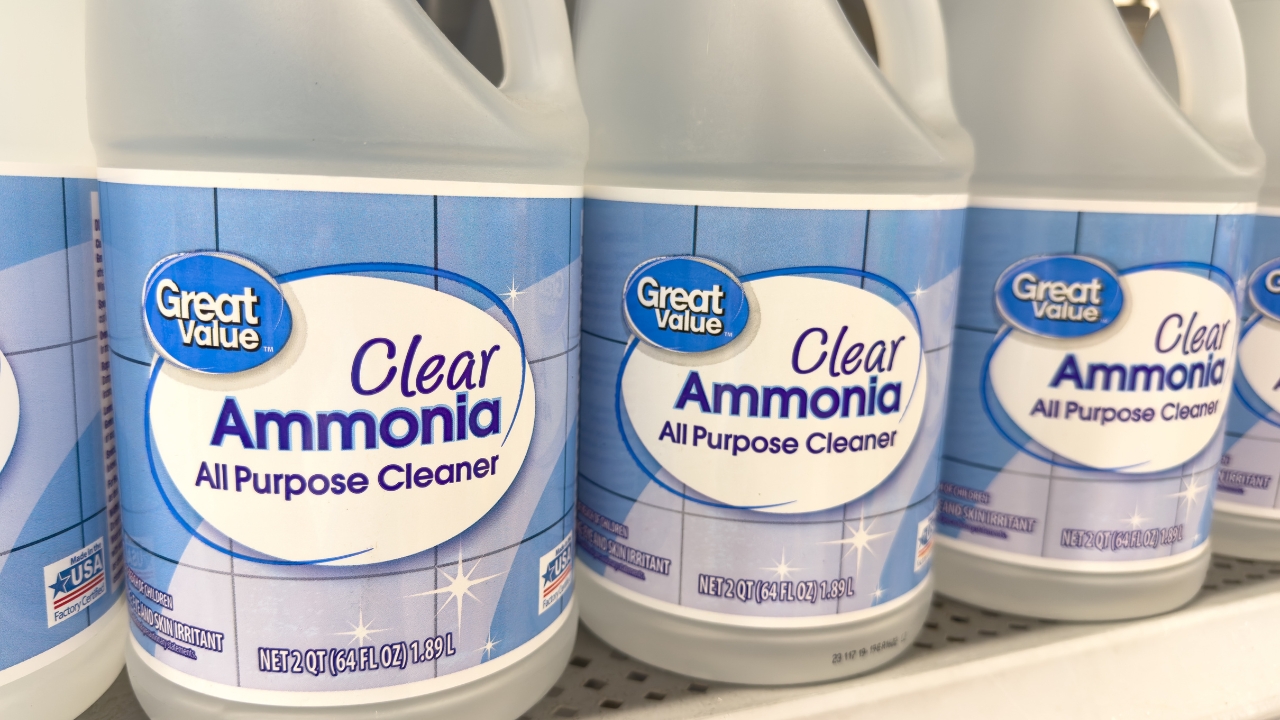
It smells like urine to mice, which tricks them into thinking a predator is nearby. I don’t use it indoors often because it’s strong, but I’ll put small dishes of ammonia in places like the garage or barn where the smell won’t bother anyone.
I never leave it out around kids or pets. But if I’ve got a stubborn mouse problem in a detached building, ammonia usually does the trick pretty fast.
Vinegar

Mice hate how strong and acidic vinegar is. I use white vinegar to clean behind appliances and along floorboards where I’ve seen signs of mice. It strips away their scent trails and makes the area less inviting.
I’ll also use it to wipe down trash bins and the inside of cabinets. It’s not the most pleasant smell, but it’s safe, easy, and effective.
Eucalyptus

This one works well in closets and storage rooms. I add a few drops of eucalyptus oil to cotton balls and place them on shelves or in corners. The smell hangs in the air and makes mice think twice before settling in.
I’ve also used eucalyptus in a diffuser in our mudroom during colder months when mice are more likely to sneak inside. It smells clean and keeps the critters out.
Dryer Sheets
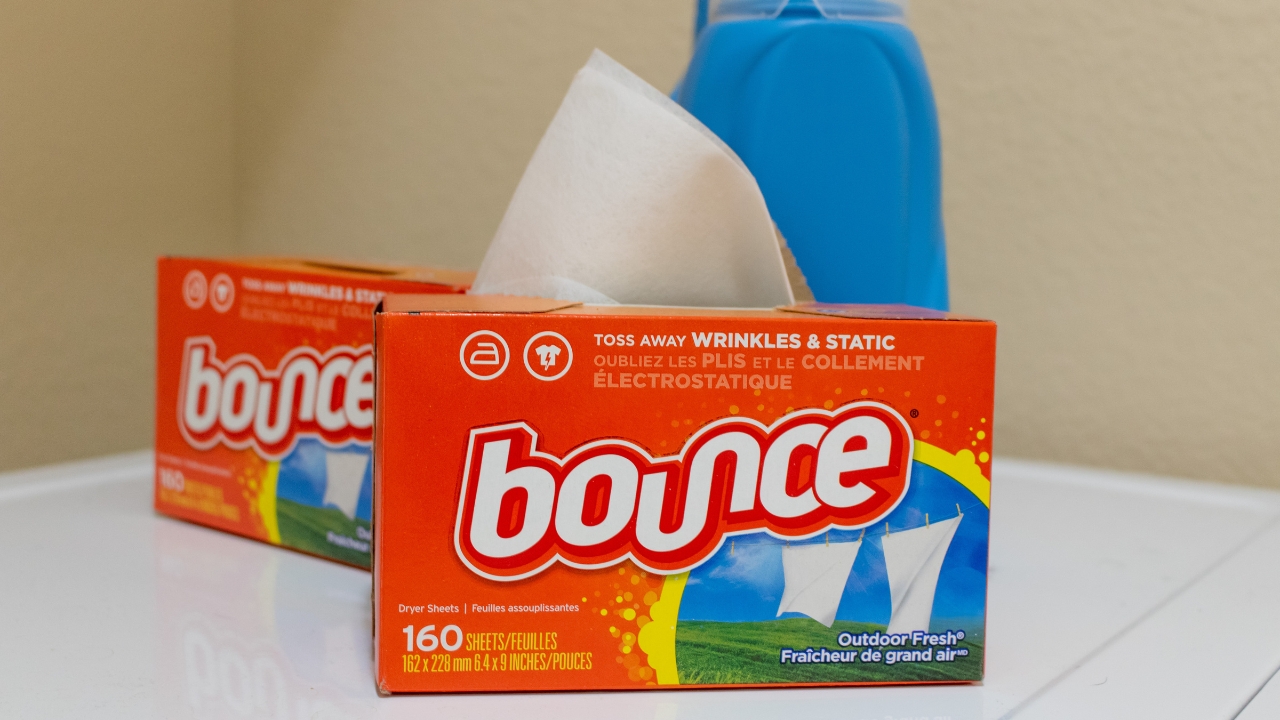
It sounds silly, but the strong perfume scent in dryer sheets actually repels mice. I stuff a few behind the washer and dryer, and in boxes of off-season clothes in the attic or garage.
They’re not a long-term solution, but they help in a pinch. If I’m storing something for a few months, you can bet I’m tossing a dryer sheet or two inside.
Cayenne Pepper

Mice don’t like anything spicy. I sprinkle cayenne pepper in corners of the shed, around trash bins, and even in the garden shed where they try to chew through seed bags.
You can also mix cayenne with water and spray it along the outside walls where mice are trying to find a way in. It doesn’t take much to keep them away.
Garlic
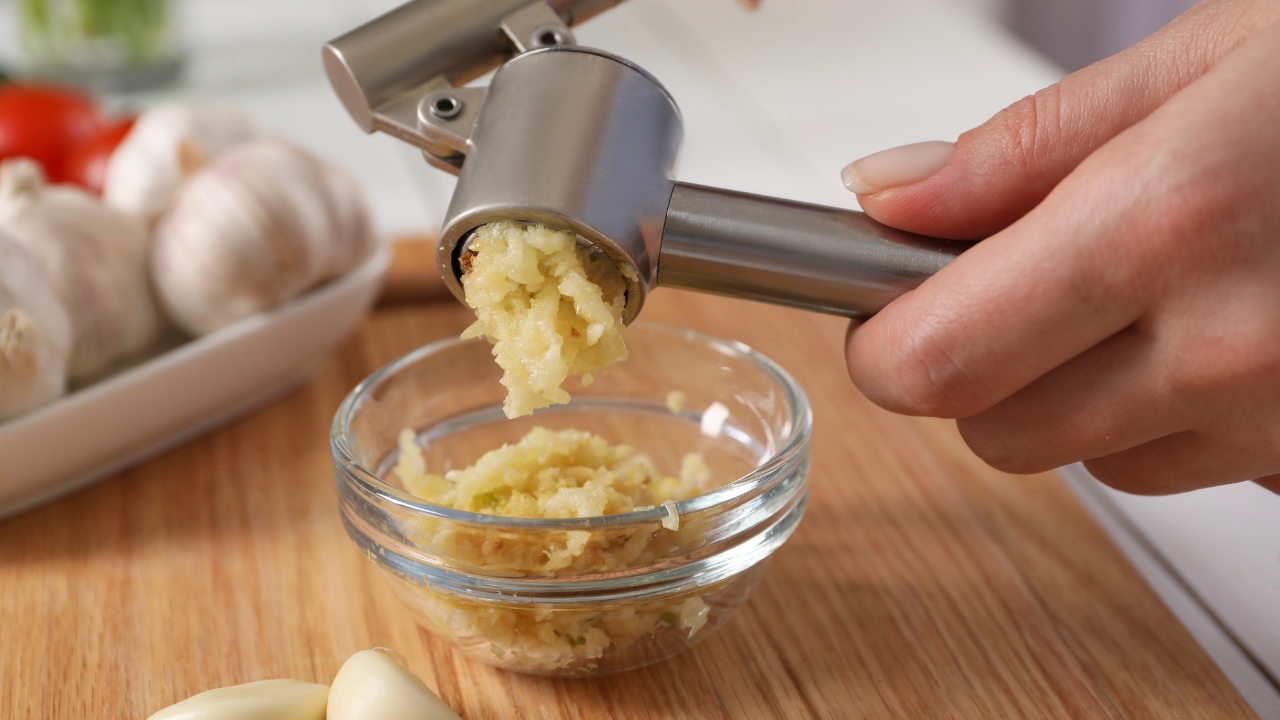
Garlic has a strong, lingering smell that mice will avoid. I’ll crush a few cloves and leave them in open dishes in the garage or under the kitchen sink if I’ve seen activity there.
It’s not something I use every day because of the smell, but it’s handy when you need a natural option fast. Plus, I always have garlic on hand.
Cedar
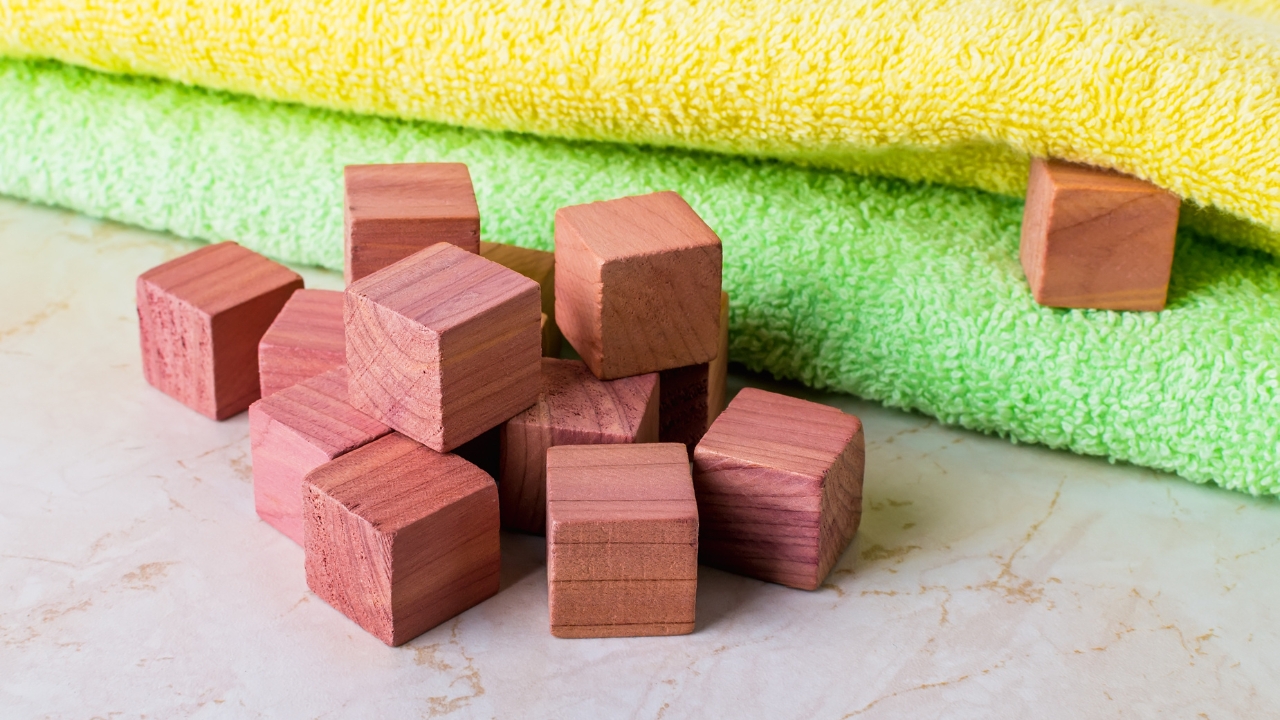
Cedarwood smells great to us but not to mice. I use cedar blocks or shavings in drawers, cabinets, and storage bins—especially in places where I keep linens or pet food.
If you’ve got an old cedar chest, even better. Mice are less likely to go near it, and it keeps everything smelling fresh at the same time.
Tobacco

Mice hate the strong, bitter scent of tobacco. I’ve used old pipe tobacco or dry loose-leaf tobacco in mesh bags and tucked them into drawers in the shop and the barn.
It’s not something everyone has on hand, but if you do, it’s worth trying. Just be careful around pets and don’t use it anywhere near food prep areas.