10 Spring Yard Mistakes That Make Your Place Look Neglected
Spring has a way of spotlighting every flaw outside your front door, from patchy grass to tired containers, and those small missteps can make your property look neglected even when you are trying to keep up. Once you understand which habits quietly drag down curb appeal, you can fix them in a single weekend instead of fighting the same problems all season. By tightening up a few details, you turn your yard into a place that feels cared for, not like a project you never quite finished.
The most common issues are not dramatic design disasters but everyday maintenance gaps, from how short you mow to where you place your shrubs. Real estate pros tie strong curb appeal to better first impressions and easier spring selling, while lawn and garden experts keep pointing to the same patterns that separate a polished exterior from a tired one. Avoid the following mistakes and your yard will read as intentional and welcoming instead of worn out.
1. Letting the lawn go patchy or overgrown
Your grass sets the tone for everything else, so when it looks thin, weedy, or overgrown, the entire property feels uncared for. Lawn specialists describe your turf as the foundation that ties beds, trees, and hardscape together, and when you let it slide, even expensive plantings cannot distract from the rough base. Common problems start with basic habits such as mowing too short, using dull mower blades, or skipping regular weed control, all of which weaken grass and invite bare spots and pests.
Several guides on top lawn care warn that scalping the lawn stresses roots and makes soil more vulnerable to heat and weed seeds, while others highlight how using dull mower tears grass instead of cutting it cleanly. Trouble also shows up when you ignore seasonal timing, such as mowing or watering too early in spring before the turf has fully woken up, which one early spring checklist describes as a way to damage the grass you are trying to grow. If you keep your mowing height moderate, sharpen your blades, and stay ahead of weeds, the lawn immediately reads as cared for even before you add a single flower.
2. Planting too early or crowding spring beds
Impatience is one of the fastest ways to make a yard look rough by midseason. Plant too early, especially in regions like Central Indiana that still see cold snaps in spring, and you risk losing annuals and tender vegetables to frost or stunting them for the rest of the year. One list of Spring Gardening Mistakes to Avoid stresses that you should check soil temperature and nighttime lows before planting, rather than trusting a single warm spell.
Even when you wait for the right moment, you can sabotage yourself with Crowded Beds that look lush in April but chaotic by July. Both a Feb guide and a Mar follow up on Crowded Beds urge you to Plan for the mature size of shrubs and perennials, not just the tiny pots you bring home. Designers advise you to Think in terms of air and light between plants, so each one has room to fill in without smothering its neighbor. When you give spring plantings adequate spacing and respect your local frost dates, your beds stay orderly instead of collapsing into a tangle that reads as neglected.
3. Ignoring edges, paths, and basic structure
You can have healthy grass and pretty flowers, but if your beds and walkways lack definition, the yard still looks like an afterthought. Experts flag Undefined Edges as a major visual problem, since Wonky paths and unlined borders blur the line between lawn and planting areas and make maintenance harder. Without a clear outline, grass creeps into the mulch, soil spills onto the turf, and every mowing session leaves ragged edges that signal you are behind on upkeep.
Designers encourage you to think about Strong curves and straight lines as tools to organize the view from the street, especially around a low foundation planting where a simple outline can frame the house. One guide to Strong curves and explains that even a basic metal or brick edging can make beds feel intentional. When you pair that with a stable base under gravel paths, rather than letting stones drift into the lawn, your yard instantly looks more organized and easier to care for.
4. Using gravel and hardscape without a solid base
Loose gravel, stepping stones, and small patios can look stylish in spring, but without the right foundation they quickly slide into mess. If you skip a compacted base or weed barrier under gravel, you end up with ruts, bare spots, and plants poking through in random patches that make the space feel temporary. Over time, foot traffic and rain push stones into the soil and out into the grass, turning a clean path into a scatter of rocks you keep kicking back into place.
Hardscape specialists recommend Creating a foundational layer under gravel that both holds material in place and still allows water to drain, so you avoid puddles and erosion. One spring design guide notes that Creating a foundational can deliver a relaxed look without the maintenance headaches of poured concrete. If you already have a gravel area that looks tired, you can often rescue it by raking out the stones, installing a proper base, and then reusing the same material in a more controlled way.
5. Overdoing variety and skipping a simple plan
Spring garden centers tempt you with every color and texture, and if you are not careful you come home with one of everything. That impulse leads to Too Much Variety, which one expert describes as making the overall appearance messy and cluttered looking. When you mix too many unrelated shrubs, perennials, and annuals, the eye has nowhere to rest, and visitors read the yard as busy rather than abundant.
Several design checklists urge you to start with a basic game plan before you buy, instead of Landscaping without a game plan that you adjust on the fly. A guide on common design errors warns that when you ignore a simple structure, such as repeating a few plant types or colors along the front walk, your yard can feel like a collection of pots rather than a cohesive setting. One source on Too Much Variety suggests limiting your main plant palette and then adding seasonal accents, which keeps maintenance manageable and makes your place look thoughtfully edited instead of neglected.
6. Neglecting containers, entryways, and clutter
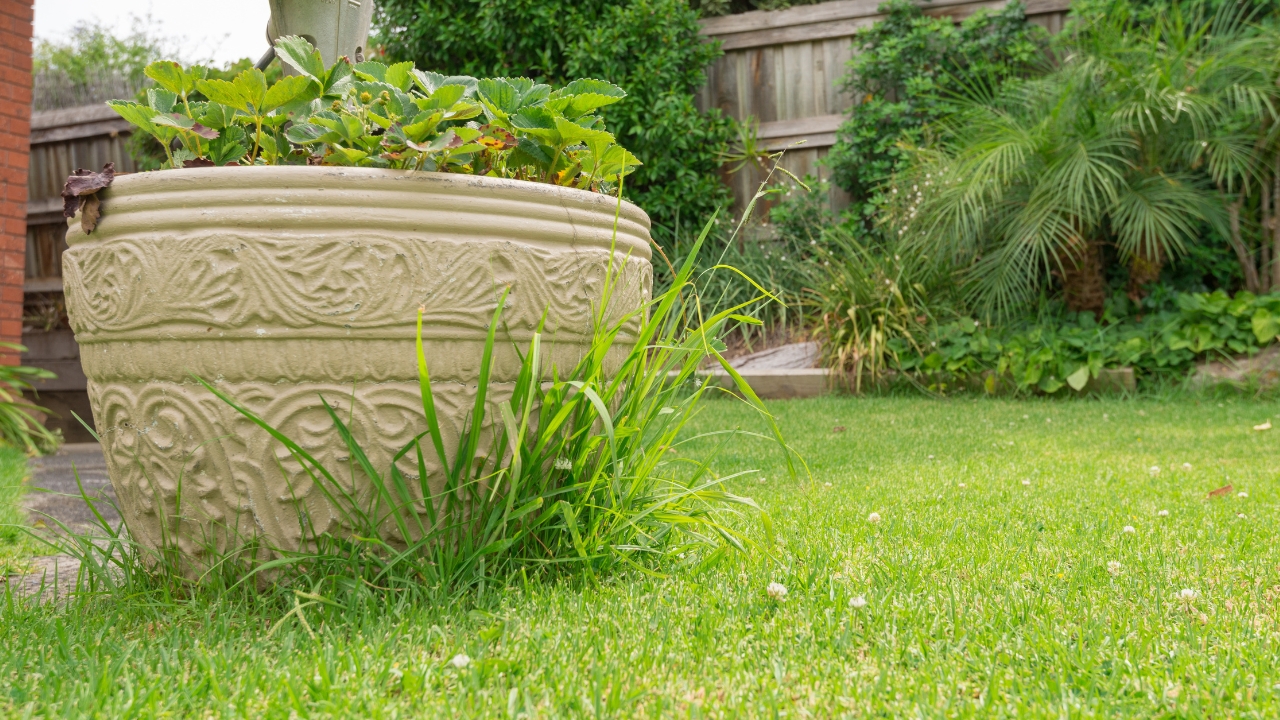
Your front door and porch act as the handshake of your home, so tired containers and random clutter send the wrong signal. When pots are full of dead annuals, cracked plastic, or soil crusted with weeds, visitors assume the rest of the yard is equally ignored. One Mar guide that covers Crowded Beds also calls out Tired Containers as a fast way to drag down curb appeal, since they sit at eye level and frame every arrival and departure.
Real estate and design sources repeatedly warn about Too Much Junk in the front yard, from old planters and broken furniture to unused garden tools leaning against the siding. A curb appeal checklist on Front Yard Mistakes notes that your front yard is your preview of the house, and clutter makes people assume the inside is just as chaotic. If you refresh or remove worn pots, add a couple of healthy plants by the door, and clear anything that does not serve a purpose, you immediately shift the impression from neglected to welcoming.
7. Overgrown or poorly placed shrubs and trees
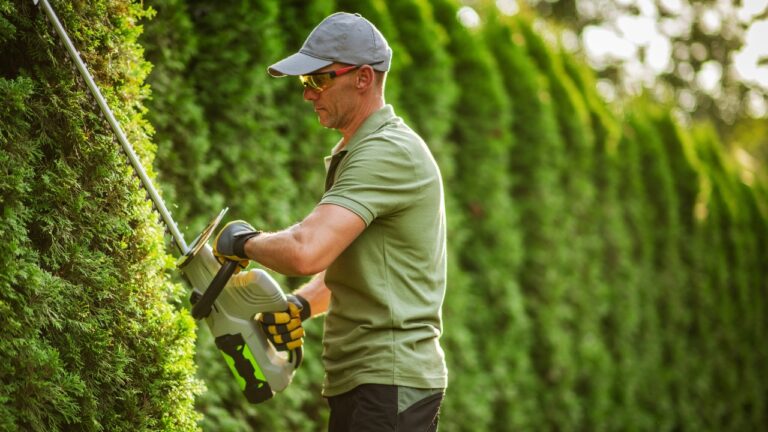
Overgrown shrubs and trees can quietly swallow your house, hide windows, and block pathways, which makes everything feel dark and uncared for. One curb appeal guide points out that Overgrown lawns, untrimmed shrubs, and scattered debris are classic signals of neglect, even when the underlying design is expensive. Letting foundation plantings grow taller than the windows or crowd the front steps also creates security and safety issues because visitors cannot see where they are walking.
Designers caution against OVER PLANTING YOUR landscape and remind you that a tree’s root system and mature canopy can stretch far beyond the little circle on the planting tag. Advice on Avoid These Front Yard Landscaping Mistakes emphasizes that less is more, especially near the house where you want clean lines and clear sightlines. When you thin out crowded shrubs, keep them below window level, and avoid planting large trees too close to the foundation, your yard feels intentional and the architecture can breathe.
8. Watering, fertilizing, and timing mistakes in early spring
Spring enthusiasm often leads you to turn on sprinklers, spread fertilizer, and seed bare spots before the yard is ready, which can cause more problems than it solves. A guide to Common Spring Lawn Care Mistakes Texas & Gulf Coast Homeowners Make explains that Turning Sprinklers On Too Early wastes water and encourages shallow roots, especially when cooler temperatures mean the soil is still holding plenty of moisture. Another early season checklist warns that Mowing Too Early Damages the Grass You are Trying to Grow, since the turf is still fragile as it comes out of dormancy.
Lawn care experts repeatedly flag Improper Fertilization and Misapplying Fertilizer as issues that burn grass, encourage disease, or wash into storm drains. One spring yard guide on Improper Fertilization notes that Whether you use too much or too little, you can weaken turf and invite weeds. Another list of Spring Gardening Mistakes to Avoid highlights Over or Underwatering as a trigger for shallow roots, airflow issues, and disease, especially when you water on a fixed schedule instead of checking soil moisture. If you wait until the lawn is actively growing, follow product labels, and water deeply but infrequently, your yard looks healthier and more deliberately maintained.
9. Skipping curb appeal basics when it matters most
When life is busy, it is easy to focus on big projects and ignore the small exterior details that influence how others see your home. Real estate guidance on spring selling stresses that Curb appeal is particularly important in the spring, the busiest selling period for real estate, because buyers often decide how they feel about a property before they reach the front door. If your paint is faded, your porch light is dirty, and your beds are full of weeds, people assume the interior has the same level of deferred maintenance.
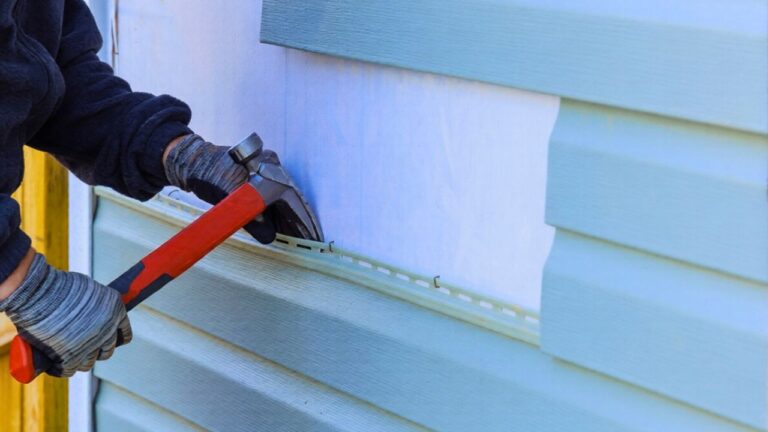
Design checklists on Cluttered or Overgrown Landscaping explain that even modest, well edited planting can look polished without constant upkeep, as long as you keep growth in scale with the house and clear debris. Another curb appeal reminder on What NOT To notes that While quick fixes and upgrades can help, certain oversights like dirty siding, broken fixtures, or neglected beds still drag down the overall impression. If you treat spring as your annual audit, tackle peeling paint, refresh mulch, and edit plantings that have outgrown their spot, you avoid the subtle signals that make your place look neglected and instead present a home that clearly has someone paying attention.
10. Forgetting the power of simple, repeated details
One of the quietest mistakes you can make is underestimating how much consistency matters outside. When every bed, path, and container uses a different style, color, or material, the yard feels disjointed even if each individual element is attractive. Garden design pros who share gardening tips from professional landscapers often highlight repetition as the secret to a polished look, whether that means repeating a single boxwood variety along the front or using the same gravel in all side paths.
You also gain a lot when you repeat maintenance habits with the same discipline you bring to design. Regular edging, a consistent mowing height, and a predictable schedule for refreshing mulch or seasonal annuals keep the yard from sliding back into disorder. Inspiration galleries of best yard ideas show that even simple homes look cared for when the same details echo from the curb to the back fence. If you pick a few materials and plants you love, use them in several spots, and keep up with small weekly tasks, your spring yard reads as intentional and well maintained instead of neglected.
Like Fix It Homestead’s content? Be sure to follow us.
Here’s more from us:
- I made Joanna Gaines’s Friendsgiving casserole and here is what I would keep
- Pump Shotguns That Jam the Moment You Actually Need Them
- The First 5 Things Guests Notice About Your Living Room at Christmas
- What Caliber Works Best for Groundhogs, Armadillos, and Other Digging Pests?
- Rifles worth keeping by the back door on any rural property
*This article was developed with AI-powered tools and has been carefully reviewed by our editors.