10 Summer Maintenance Jobs That Get Expensive When You Ignore Them
Photo credit: Toby Allison/Shutterstock.com
Summer might feel like the time to slow down and take it easy, but certain home maintenance jobs can’t wait for cooler weather. Ignoring them now could mean expensive repairs later—or even safety issues. T
he heat, humidity, and storms all take a toll on your home in ways that sneak up if you’re not watching for them. Staying ahead of these tasks keeps everything running smoothly and saves you from a bigger mess later.
Clean Out Your Gutters
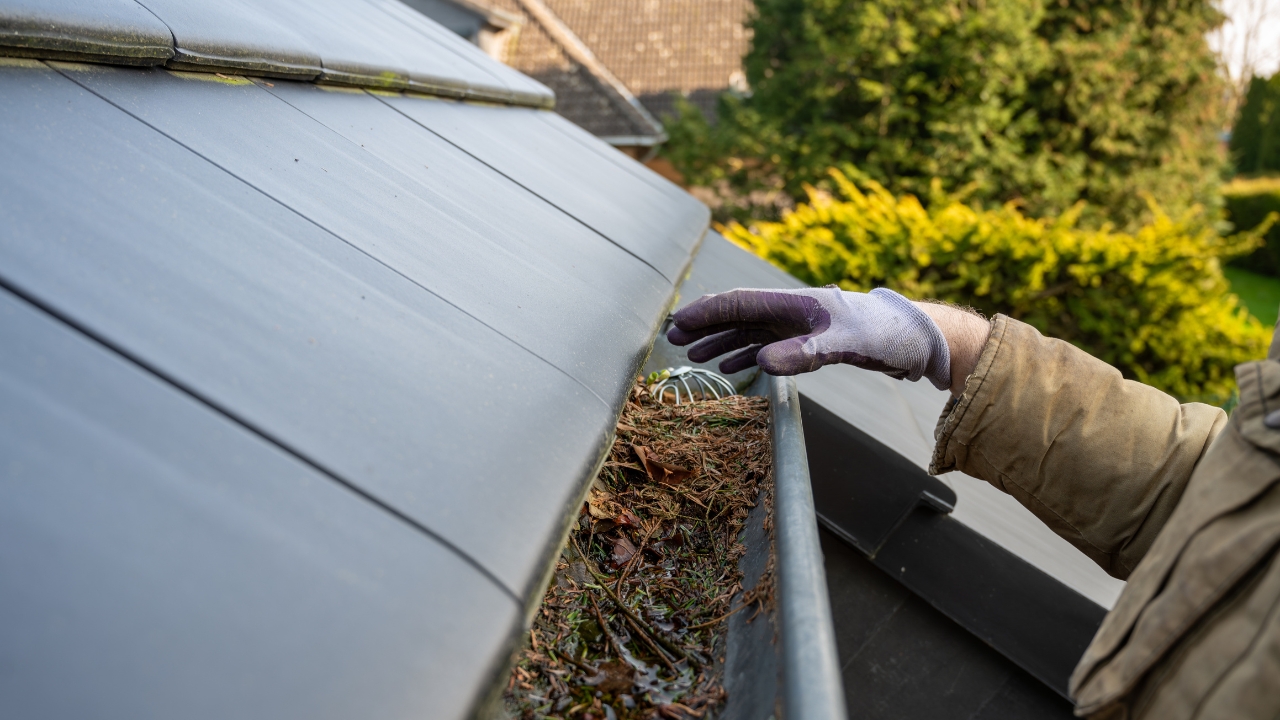
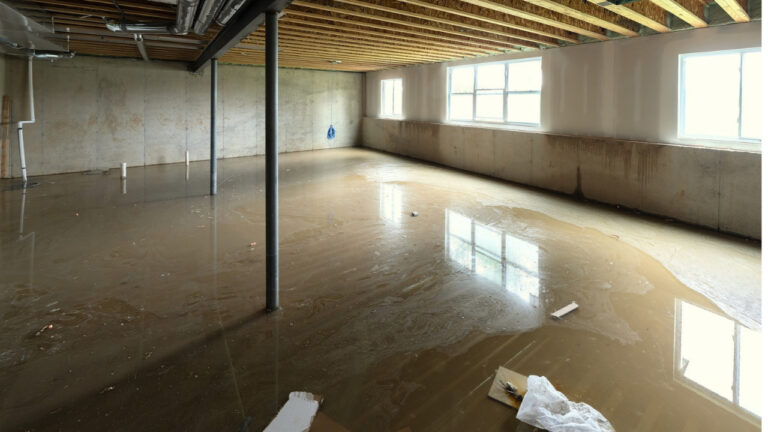
Even in summer, your gutters can clog up fast with leaves, pollen, and roof grit. When those afternoon storms hit, blocked gutters send water straight to places it shouldn’t go—like your foundation, fascia, or basement.
A quick clean-out every few weeks during the rainy season helps keep water moving away from the house. Don’t wait until you see overflow during a storm. If you do, damage is probably already happening behind the scenes.
Check for Cracks Around Windows and Doors
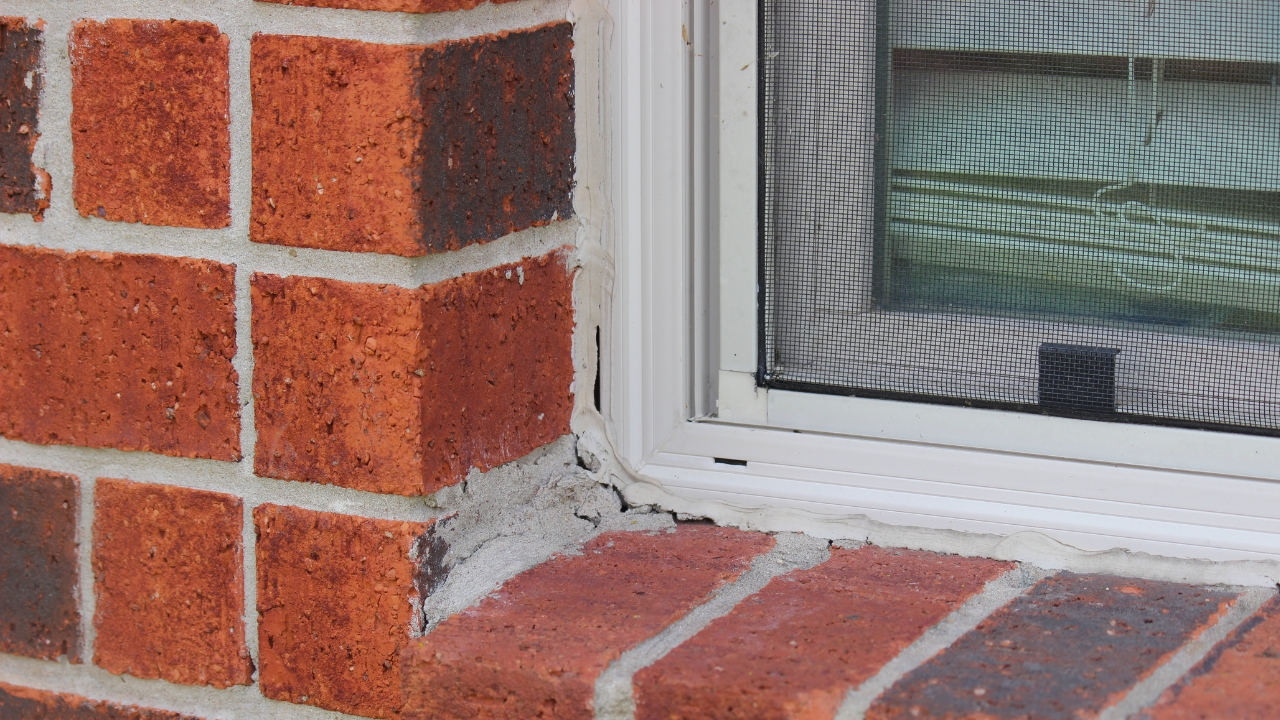
Heat expands everything—including the gaps in your window and door frames. Even small cracks let in hot air and moisture, which messes with your cooling bill and invites mildew.
Take a lap around the house and run your hand along the edges. If you feel any airflow or see cracking caulk, it’s time to reseal. A $5 tube of caulk now can prevent hundreds in energy costs or water damage later.
Service Your AC System
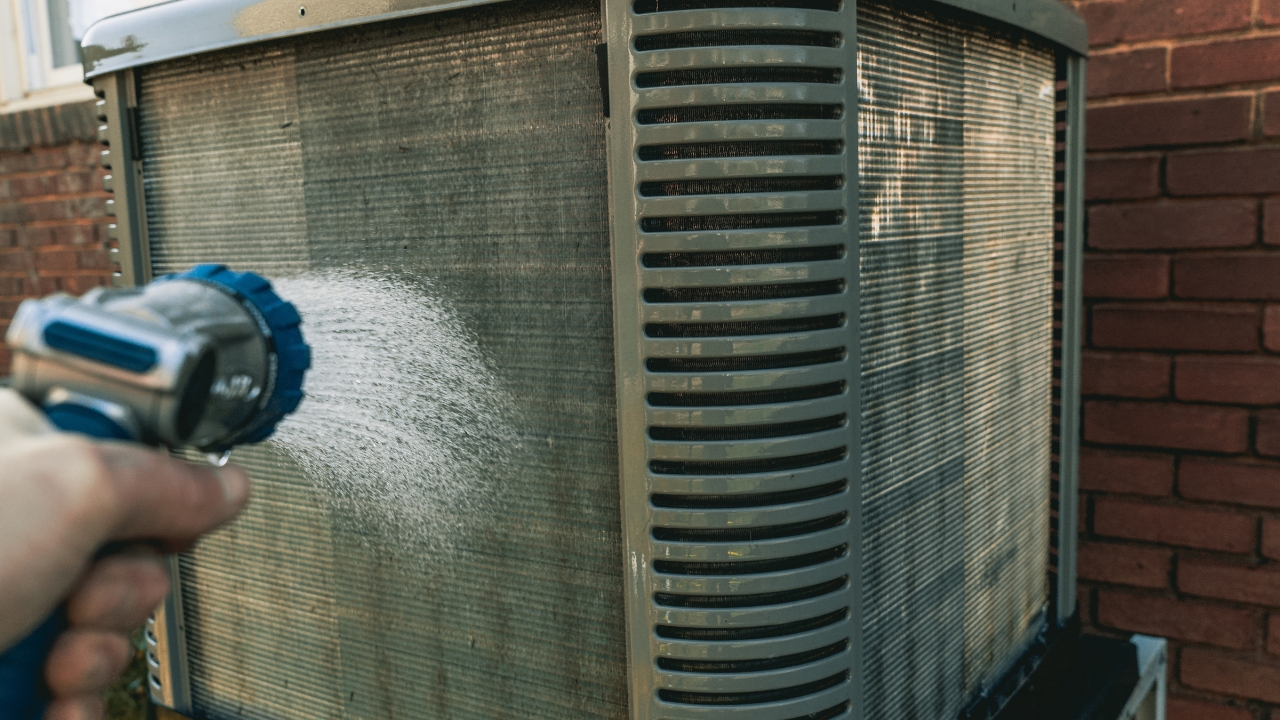
Your air conditioner is doing the most this time of year, and if it hasn’t been serviced lately, you’re risking a breakdown when you need it most.
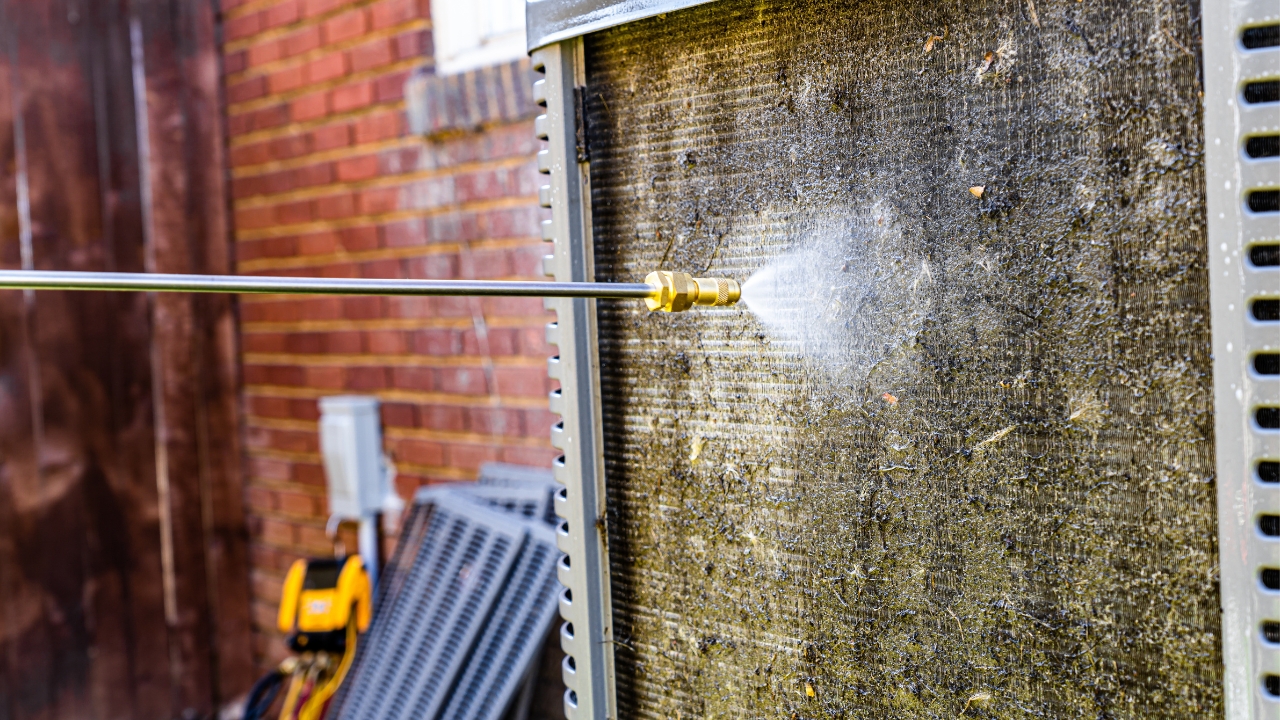
Filters should be changed monthly during heavy use, and the system should be checked for low refrigerant, dirty coils, or clogged drains. A basic tune-up can extend the life of your unit and catch small problems before they become big repairs.
Trim Back Overgrown Trees and Shrubs
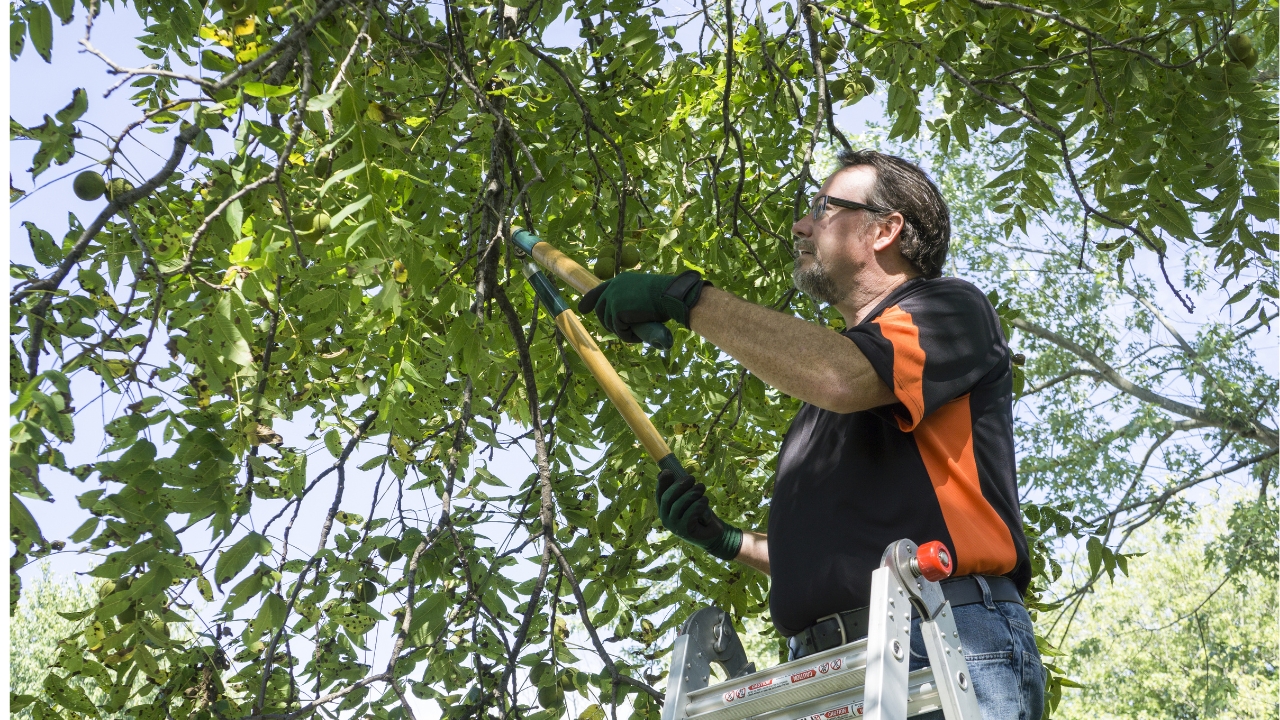
Overgrown limbs aren’t just an eyesore—they’re a safety risk in summer storms. One strong wind gust is all it takes to send branches onto your roof or power lines.
Trim anything hanging near the house, roof, or driveway. It’ll help with airflow, reduce the chance of pests moving in, and protect your home when those surprise thunderstorms roll through.
Check Your Roof for Damage

Summer sun beats down hard on your roof, and storms can strip shingles without you even noticing. If you’ve had high winds or hail recently, get up there and take a look.
Missing or curling shingles, exposed nails, or damaged flashing need to be handled right away. Ignoring it now means you’re asking for a leak the next time it pours—and nobody wants to deal with that in the middle of the night.
Flush Your Water Heater
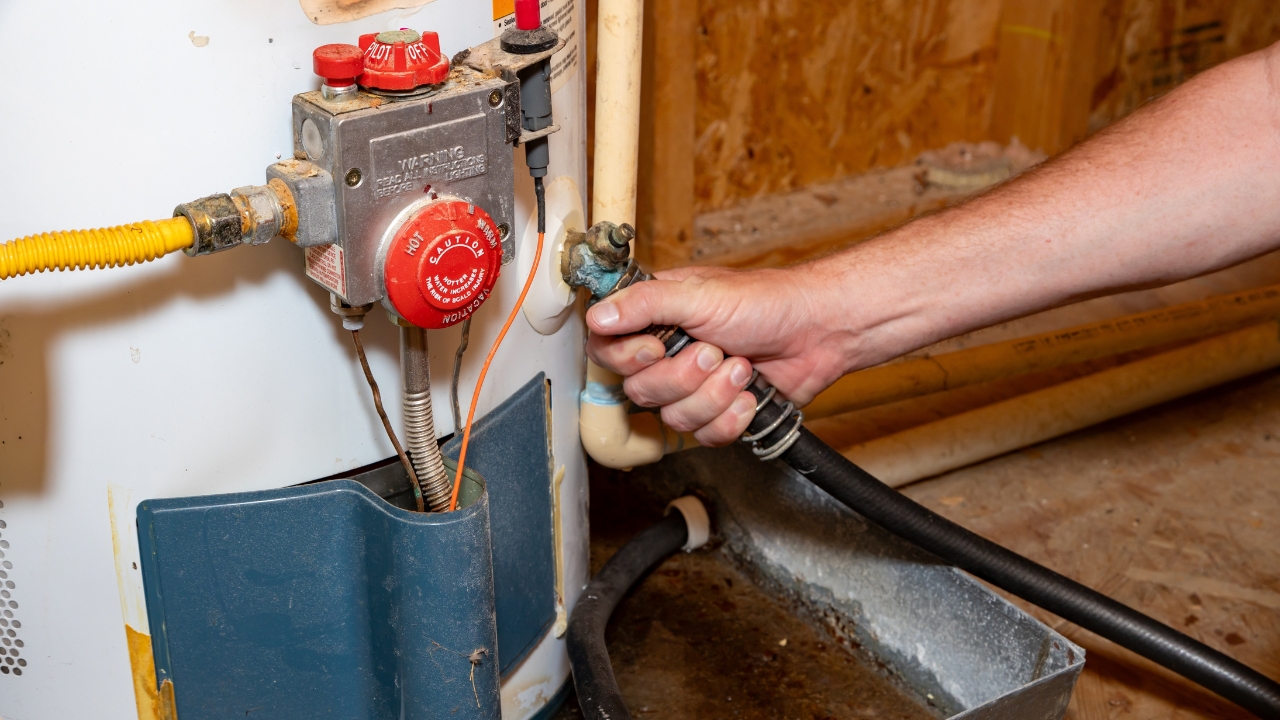
Sediment builds up faster in hot weather, especially if you’ve got hard water. That buildup makes your water heater work harder and can shorten its life.
Draining a few gallons from the tank once or twice a year helps keep it running efficiently. Summer’s a good time to knock this out since you’re probably using less hot water than during winter anyway.
Inspect Your Foundation
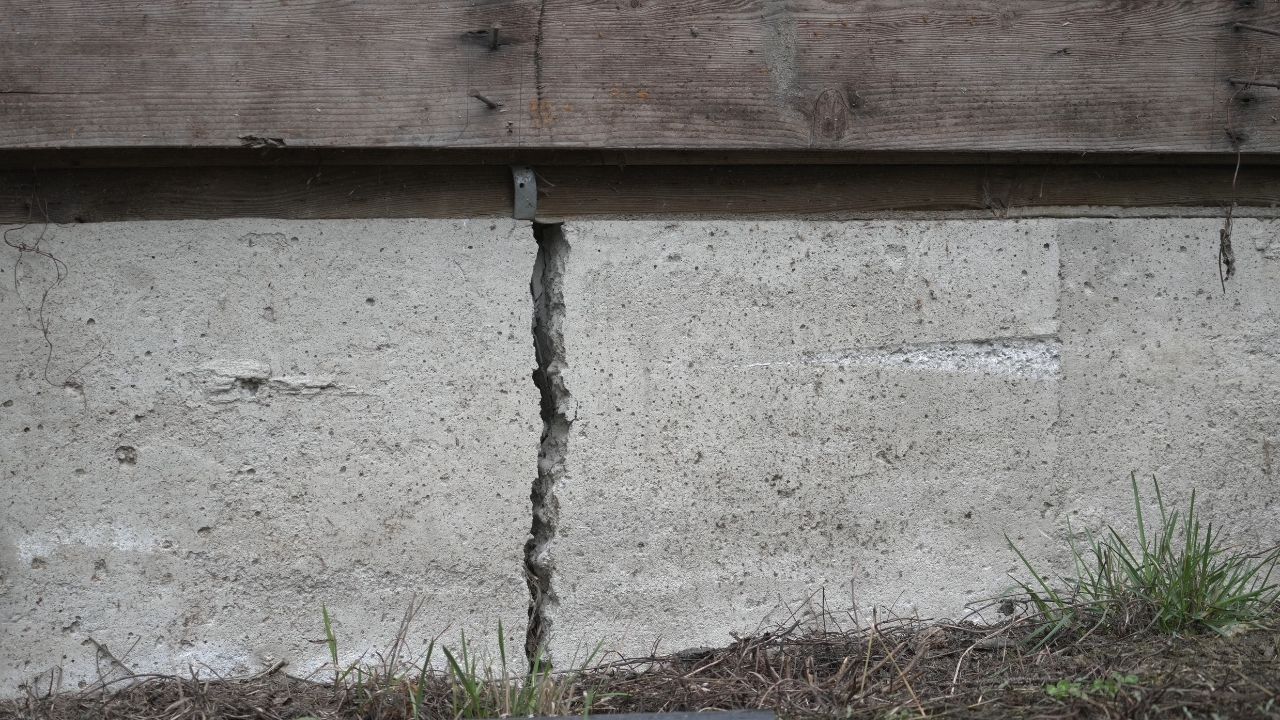
Dry ground in summer can shift and crack, especially around the foundation. If you’ve had long stretches without rain, the soil around your house might pull away and leave gaps.
Walk the perimeter and check for cracks, bulges, or areas where water might pool. Catching small signs early can save you from foundation repairs that cost thousands down the line.
Clean and Seal Outdoor Wood
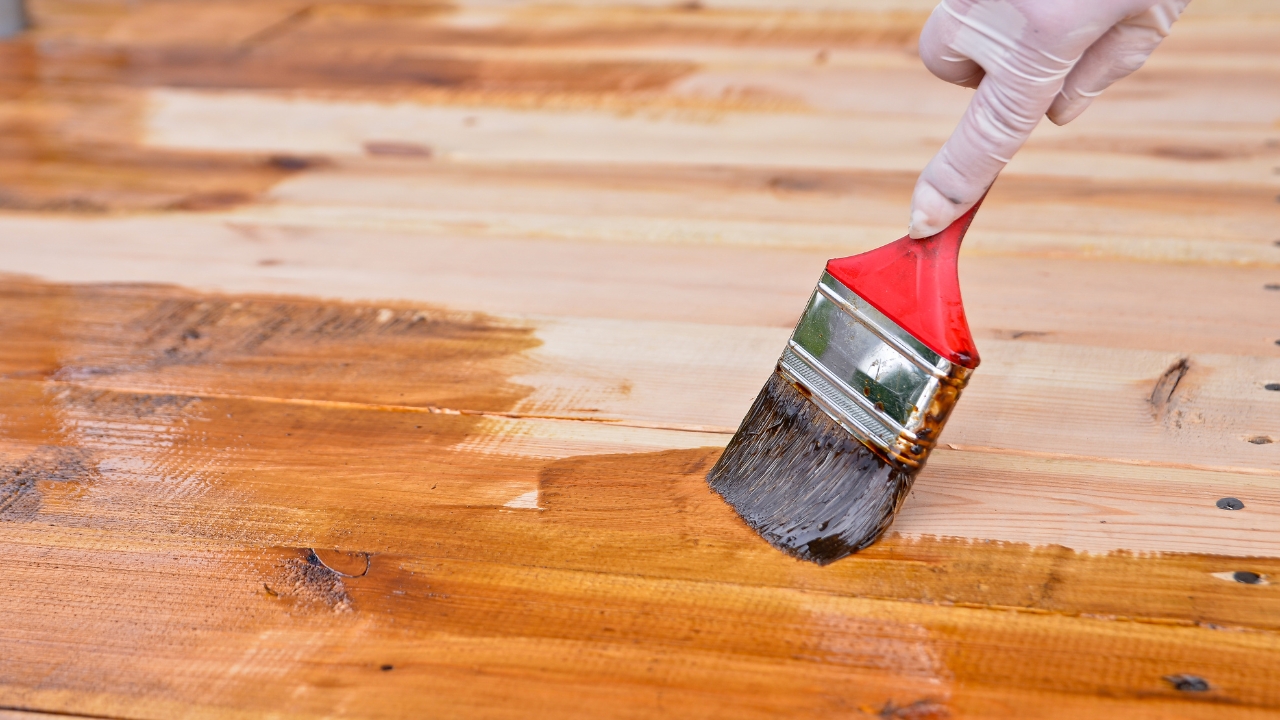
Decks, fences, and railings all take a beating from sun and rain. If they’re looking dry, faded, or splintered, they’re due for a cleaning and resealing.
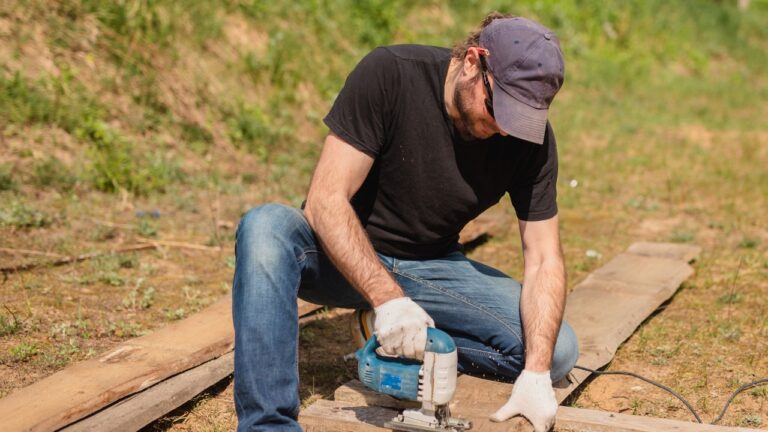
Power wash first, then apply a good quality sealant to protect the wood from moisture and UV damage. Doing this every couple years helps your outdoor spaces last longer and look better through the heat.
Keep an Eye on Pests

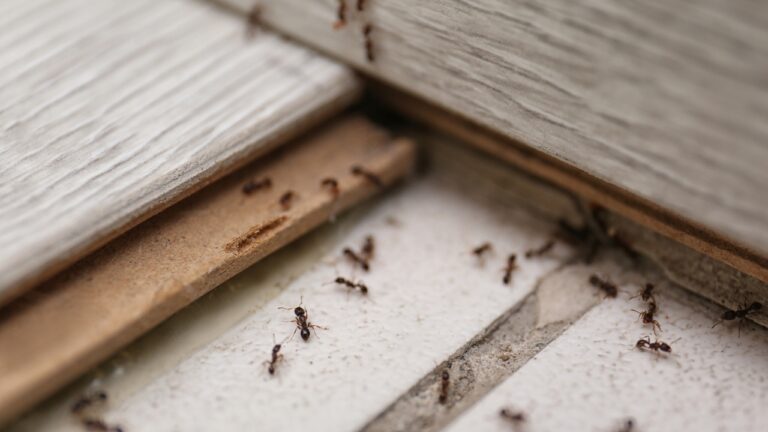
Summer is when pests really get bold—ants, wasps, termites, and rodents all ramp up their activity. If you’re not checking for them, they’ll find their way in.
Look for signs of nests, droppings, chewed wood, or trails around the house and yard. Treat small issues early before they become full-blown infestations that need a pro.
Test Outdoor Water Connections

Spigots, hoses, and irrigation systems all tend to get heavy use in summer—and they can leak without you noticing right away. Those leaks waste water and drive up your bill fast.
Turn everything on and inspect for dripping connections, cracked lines, or loose fittings. Replacing a worn washer or tightening a connection is quick, but waiting too long can lead to bigger plumbing repairs.
Like Fix It Homestead’s content? Be sure to follow us.