10 Things a Professional Organizer Would Never Keep in the Junk Drawer
A “junk drawer” is fine. Every house needs a spot for the random little things that don’t have a perfect home. The problem is when that drawer turns into a black hole where nothing ever gets used and everything gets lost.
Professional organizers don’t hate junk drawers—they’re picky about what earns a spot in one. The goal is a drawer full of useful small items you can actually find, not a stash of “maybe someday” clutter.
Here’s what usually gets cut.
1. Dead or questionable pens and markers
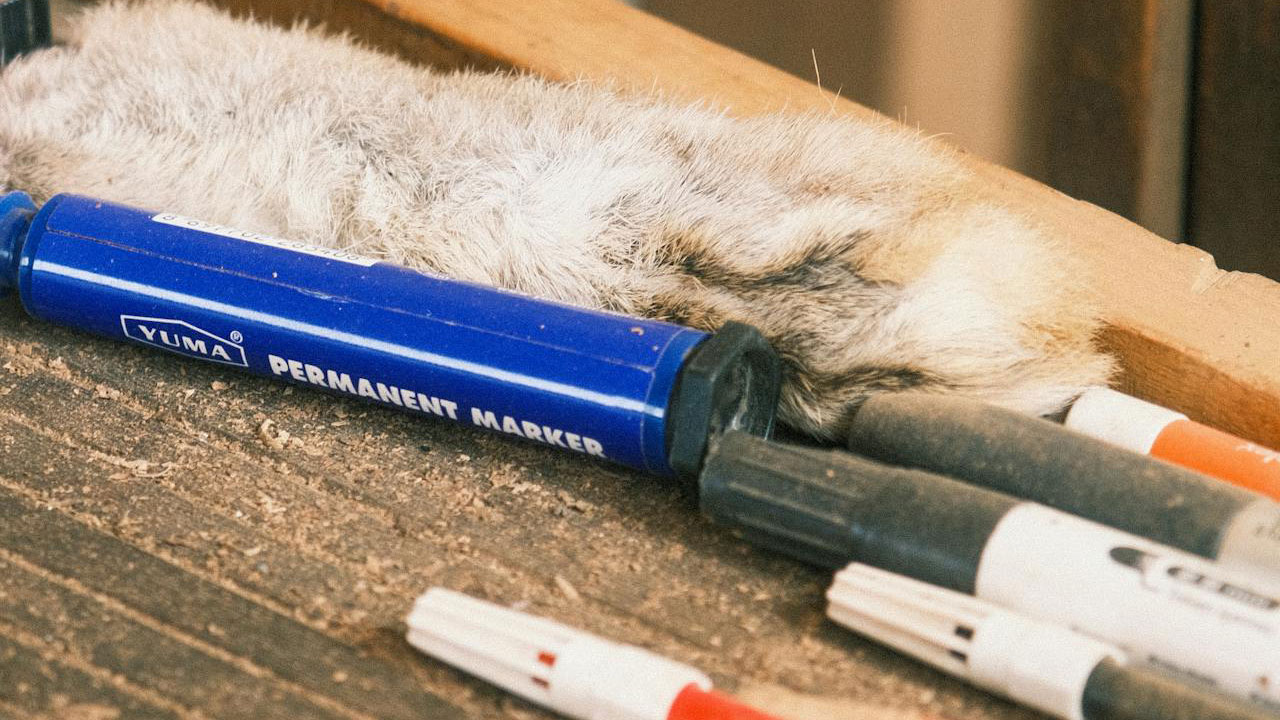
If you have to scribble three times to see if a pen works, it’s not helping you. Organizers don’t keep “maybe” pens in a junk drawer, because they slow you down every time.
Do a quick test: grab a scratch pad, pull every pen and marker from the drawer, and see if they write instantly. Anything streaky, dried out, or annoying to use goes in the trash.
What stays: a small handful of truly good pens and maybe a Sharpie or two. That’s it. You’ll always know that whatever you grab from that drawer actually works.
2. Random spare hardware with no clear purpose
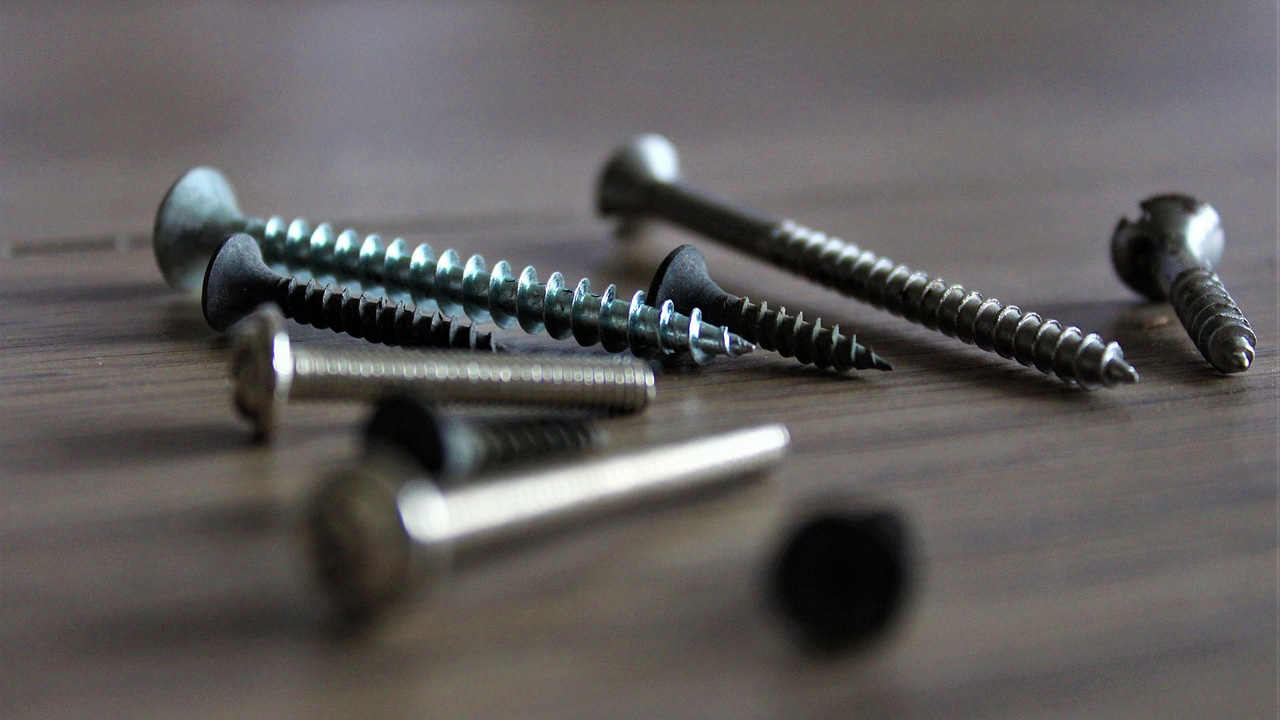
Loose screws, wall anchors, random brackets, and mystery keys all end up in junk drawers “just in case.” The problem is, six months later, you have no idea where they came from.
Organizers know that hardware without a labeled project is clutter. If you truly need to keep extra pieces, they go in a labeled bag or container stored with that item’s manual or in a small “house hardware” bin—not mixed into the drawer with tape and scissors.
If you can’t confidently say what a piece belongs to, you’re not going to remember later. That’s usually a safe sign it can go.
3. Old takeout menus and expired coupons

Most restaurants have menus and hours online now. Physical menus and coupons pile up fast, and a lot of them quietly expire while hiding at the back of the drawer.
Go through menus and coupons once and be ruthless. Toss anything expired or for places you haven’t ordered from in months. If you still like having a few on hand, limit them to one slim folder or envelope, labeled and tucked at the back of the drawer or in your command center.
The front of the junk drawer is prime real estate. It shouldn’t be taken over by outdated delivery flyers you’ll end up Googling anyway.
4. Mystery cords and chargers no one can identify
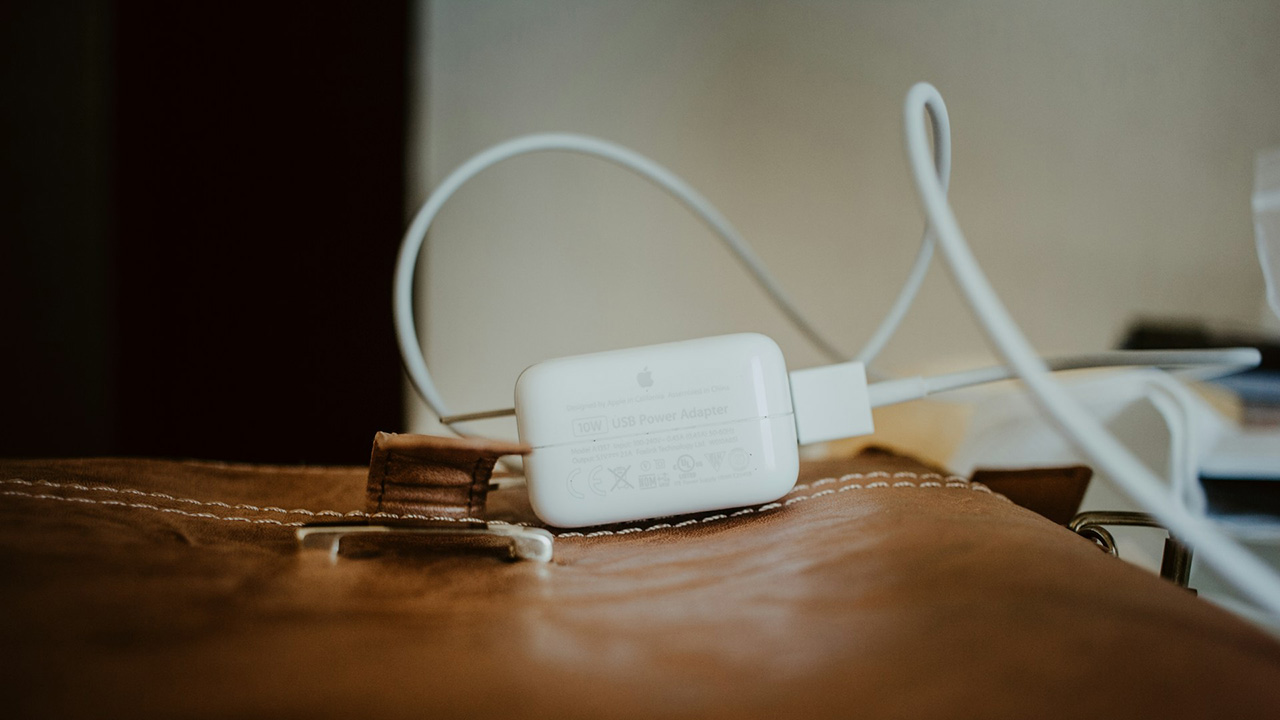
If no one in the house can tell you what a cord goes to, a professional organizer is not keeping it around “just in case.” Drawer space is too valuable for mystery tech.
Pull every cable out and match it to a real device. Label the ones you keep with tape or small tags—“tablet,” “speaker,” “kid’s game system.” Anything that doesn’t match something you own now goes in the donate/recycle pile.
Going forward, keep only 1–2 backup cords for the devices you actually use. No drawer needs six almost-identical phone chargers of unknown age.
5. Loose batteries rolling around

Batteries tossed in loose are messy and not great from a safety standpoint. It’s also impossible to tell which ones are new and which are half-dead from the last remote.
Organizers keep batteries in a small container or tray, ideally sorted by size. If you have kids, storing them higher is even better. Use or responsibly recycle any that are corroded, leaking, or clearly ancient.
If your junk drawer is your battery drawer, fine—but it needs a container, not a handful of AA’s floating under tape and rubber bands.
6. Important documents and sentimental items

Junk drawers eat important things. If you toss sentimental items or official papers in there “for now,” they get buried under batteries and chip clips pretty fast.
Birth certificates, passports, titles, and anything tax-related need a real home—a safe, a file box, or at least a clearly labeled folder. Sentimental items like tiny keepsakes, baby hospital bracelets, or special notes deserve a separate box or bin, not the same drawer where you keep rubber bands.
If it would break your heart to lose it, it doesn’t belong in the junk drawer.
7. Tools that belong in an actual tool zone
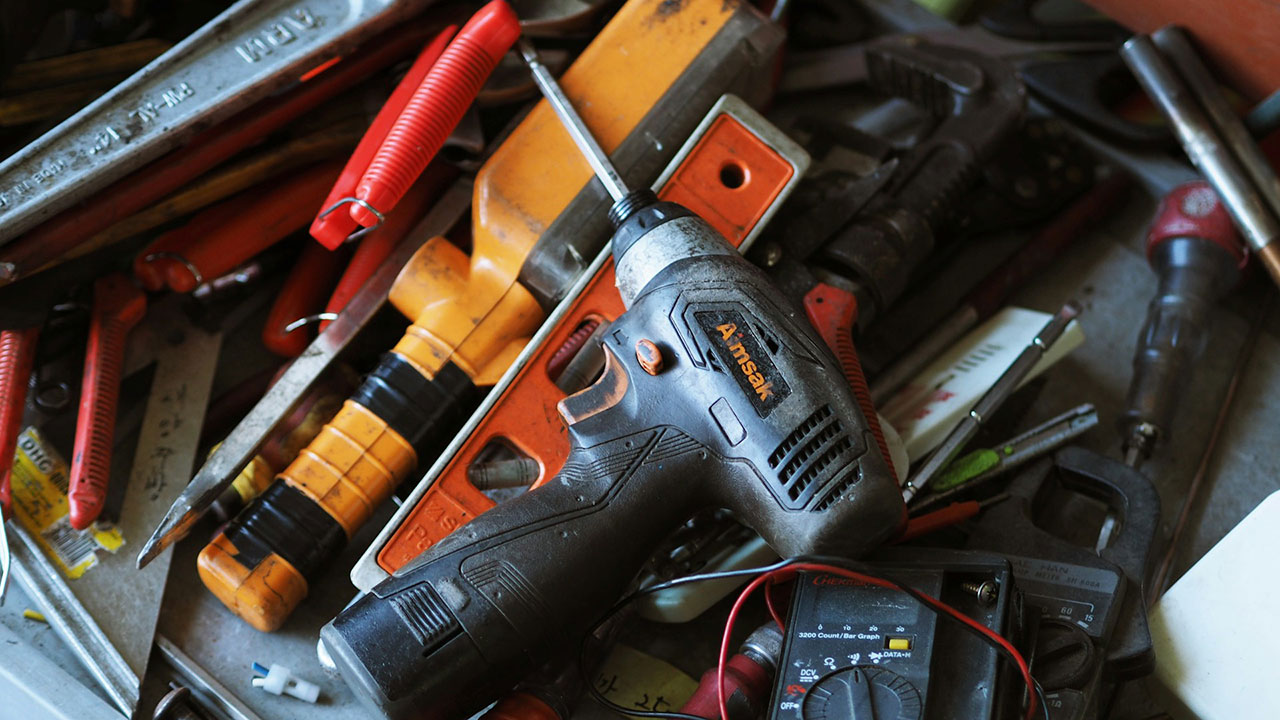
A single small screwdriver or tape measure in the junk drawer is fine. It’s the full hardware store living next to the kitchen scissors that organizers avoid.
Bulkier tools—hammers, pliers, full drill bit sets—need their own spot in a toolbox, cabinet, or utility closet. Otherwise, every time you look for tape, you’re digging around sharp metal and heavy stuff that doesn’t belong in a shallow drawer.
Pick one or two “quick fix” tools to live in the junk drawer and commit to keeping the rest in a separate, reliable place.
8. Old phones, dead remotes, and orphan electronics
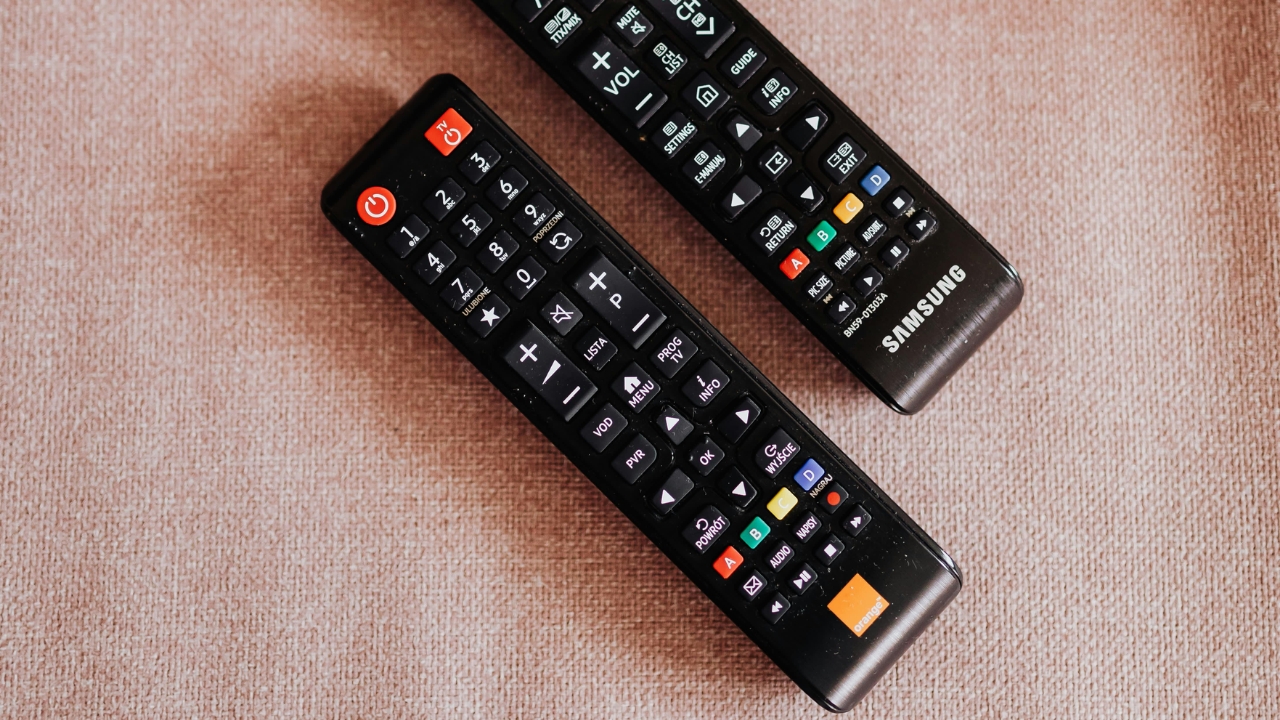
Electronics are bigger than they look once you’ve got three old phones, two dead remotes, and a random MP3 player wedged in the back corner. Organizers don’t treat the junk drawer as an electronics graveyard.
Decide now: either you’re going to wipe and responsibly recycle old devices, or you’re going to store them in a clearly labeled bin elsewhere. The junk drawer isn’t that spot. It’s too shallow, and every device you cram in there makes it harder to find the daily small stuff you reach for.
If it hasn’t been used in a year, it’s probably not coming back into rotation.
9. Tiny toy pieces and random kid clutter
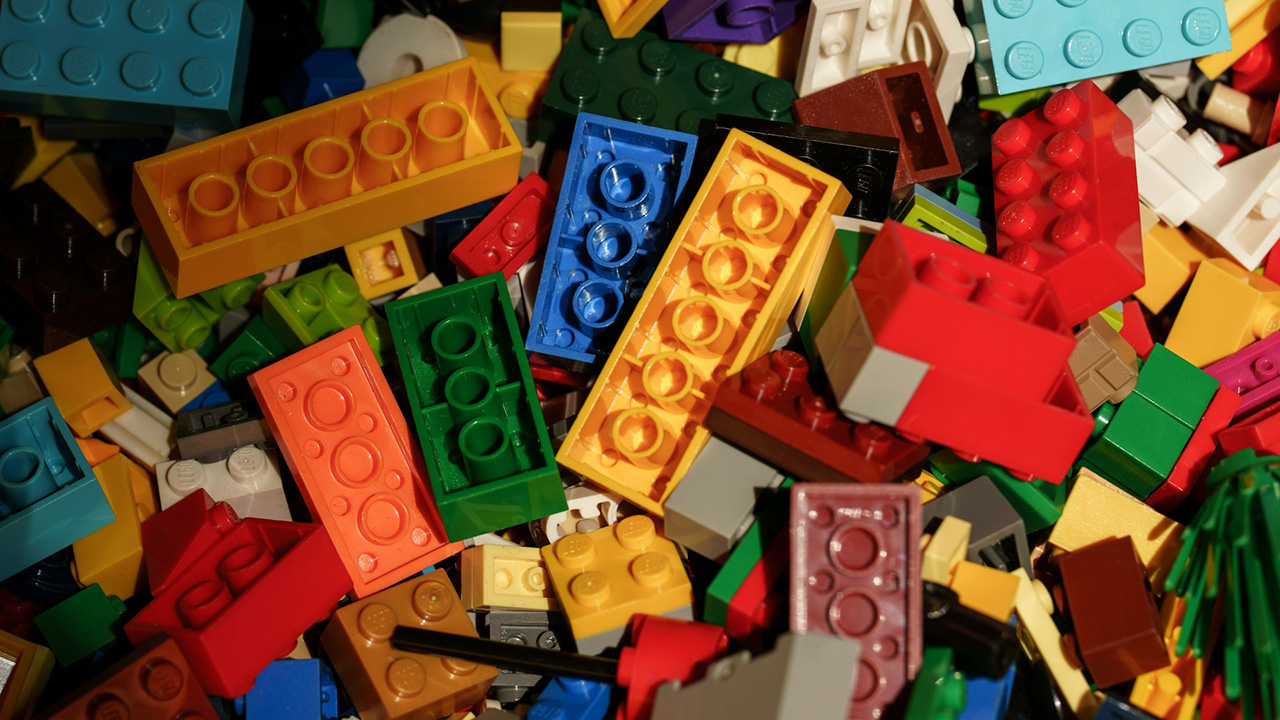
Those one-off Lego heads, puzzle pieces from unknown sets, and plastic trinkets from party bags love to migrate into junk drawers. The problem? They multiply, and none of them matter in that spot.
A pro organizer either tosses broken, mystery pieces or puts “found toys” in a small container in the play area. If a specific toy is truly missed, it’ll be reconnected there.
The junk drawer should hold household basics. Once it becomes a toy bin, kids can’t find what they need and you can’t find the tape. Nobody wins.
10. Anything you keep “just in case” but never actually use

The biggest category an organizer cuts is the vague “just in case” stuff: weird little gadgets, single-use kitchen tools you forgot existed, or items you kept only because you felt bad tossing them.
Ask two questions:
Have I used this in the last year?
If I needed one again, could I easily replace it or improvise?
If both answers point to letting it go, that thing doesn’t deserve junk drawer space. The drawer should serve you, not store your guilt.
Like Fix It Homestead’s content? Be sure to follow us.
- I made Joanna Gaines’s Friendsgiving casserole and here is what I would keep
- Pump Shotguns That Jam the Moment You Actually Need Them
- The First 5 Things Guests Notice About Your Living Room at Christmas
- What Caliber Works Best for Groundhogs, Armadillos, and Other Digging Pests?
- Rifles worth keeping by the back door on any rural property
*This article was developed with AI-powered tools and has been carefully reviewed by our editors.