The outdoor storage habit that makes neighbors lose patience
Photo credit: Detlef Voigt/istock.com
Every neighborhood has one property that quietly tests everyone’s patience, the place where outdoor “storage” spills from the porch to the driveway and then creeps toward the fence line. You might tell yourself it is none of your business, until the clutter starts attracting pests, lowering curb appeal, or even pushing into your own yard. When that happens, what looks like a private quirk becomes a shared problem that can strain relationships and, in some cases, pull in city inspectors and police.
If you are living next to a yard that doubles as a long term storage unit, you are not imagining the stress it creates. From hoarded items stacked in plain view to neighbors who quietly park their extra belongings on your side of the property line, unmanaged outdoor storage can turn an ordinary block into a slow burning feud. Understanding why it happens, how it escalates, and what you can realistically do about it is the first step toward reclaiming both your view and your peace of mind.
The quiet creep from storage to eyesore
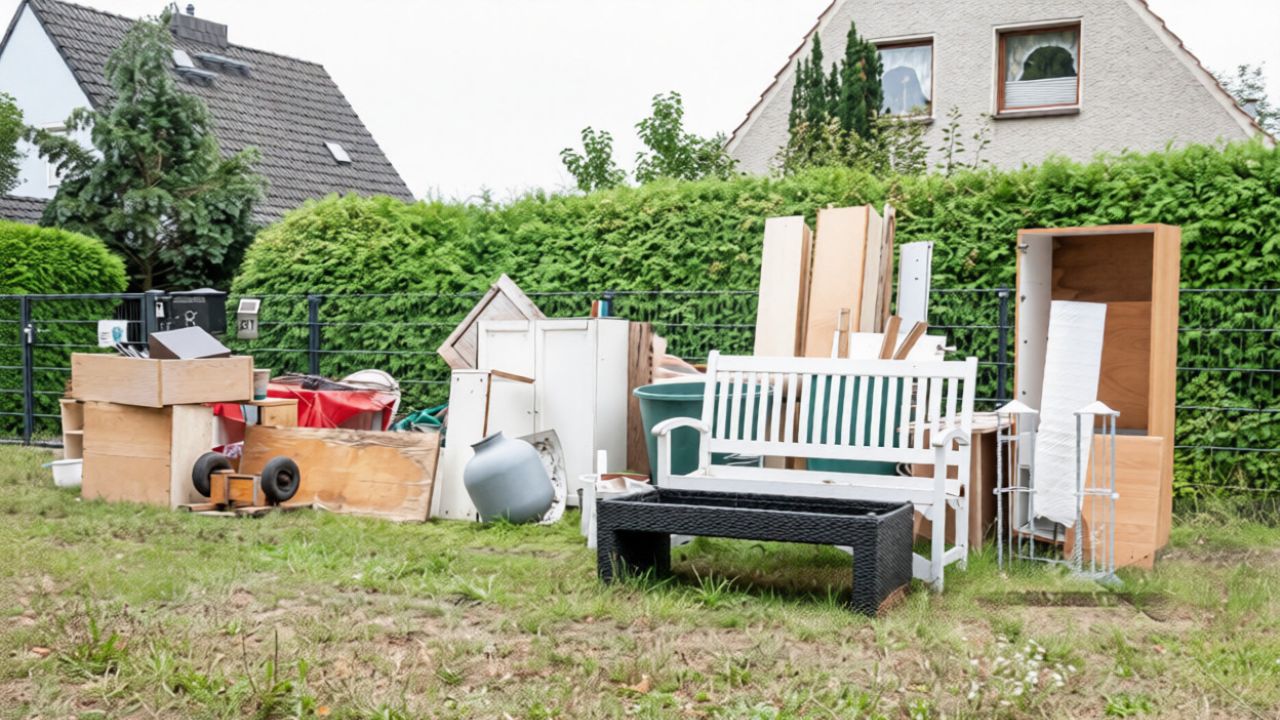
Outdoor clutter rarely arrives all at once. It usually starts with a few “temporary” items, like an extra grill, a broken lawnmower, or boxes that never quite make it to the dump, and then slowly multiplies until the yard reads more like a storage lot than a home. You see this pattern in cases where a homeowner piles up belongings until they form a visible wall along the property, a collection that neighbors say has been growing for years and now raises basic safety concerns. What began as private storage becomes a semi permanent installation that dominates the streetscape and signals to everyone driving by that upkeep is no longer a priority.
Once a yard reaches that point, you are not just dealing with an aesthetic issue. Large outdoor piles can harbor rodents, create fire hazards, and block access for emergency services, especially when they include flammable materials or narrow the space around doors and windows. In one neighborhood, the hoarded items were described as so extensive that they could cause a safety for the surrounding homes, a reminder that the line between “their stuff” and “your risk” is thinner than it looks.
When your neighbor’s stuff crosses the line
The habit that most reliably makes neighbors lose patience is not just visible clutter, it is the moment that someone else’s storage crosses onto your property. You might notice a bike leaning against your fence, a stack of bins tucked under your stairs, or patio furniture that mysteriously migrates to your side of the boundary. One homeowner described how a neighbor’s belongings kept appearing in their yard and sitting there for days, prompting a blunt reminder that you should never allow someone to consistently encroach on your property, even if you are trying to be polite.
Online, you see the same pattern in shared stories from people who discover that a neighbor has quietly turned their patio into overflow storage. One resident asked how to respond when a neighbor with “so much stuff” that they had no room for it all began moving extra items onto the questioner’s patio, even tucking them under an air conditioning unit. Advice from voices like Kathleen Graham, a Retired Silicon Valley manager and clairvoyant Author, and Mike Lalji, a Former Semi Retired Real Estate professional, tends to converge on the same point: you have every right to reclaim your space and to say that your patio is not an extension of someone else’s garage.
How resentment builds on both sides of the fence
By the time you are thinking about calling the city, resentment has usually been simmering for a while. You might feel trapped between wanting to keep the peace and feeling embarrassed every time guests pull up in front of the mess next door. In Cleveland, a CLE homeowner named Jacqueline reached the point of reporting violators to city leaders after living near a so called junk house in a Cleveland neighborhood for several years, a sign of how long these tensions can quietly build before anyone takes formal action. When you see someone like Jacqueline finally speak up, you are also seeing the accumulated frustration of countless small moments when she hoped the situation would improve on its own.
On the other side of the fence, the person with the clutter often feels attacked or misunderstood, especially if they are dealing with health problems, grief, or financial stress that make yard work feel impossible. In one case, an Angry Neighbor demanded that SHE clean up the yard despite a HEART ATTACK and Open Heart Surgery, a clash that shows how quickly compassion can evaporate once outdoor storage is seen as a neighborhood blight. You may sympathize with serious medical issues and still feel that the visible neglect is unfair to everyone else on the block, which is why these disputes so often feel personal even when they start with a simple request to move some items.
When clutter becomes a health and safety risk
There is a point where outdoor storage stops being a matter of taste and becomes a genuine health concern. Piles of scrap, old furniture, and trash can create perfect nesting spots for rats and other pests, which do not respect property lines. In one widely discussed case, THE YARD was described as SO BAD that the NEIGHBOR said SHE WANTS TO SELL HER HOUSE TO GET AWAY, with the property reportedly FULL OF RATS that had taken advantage of the neglected conditions. When a neighbor is ready to move rather than keep living next to that kind of infestation, it is a stark reminder that your surroundings affect your quality of life as much as your own home does.
Fire risk is another underappreciated consequence of treating the yard as a storage shed. Stacks of cardboard, old lumber, and discarded appliances can turn into fuel if a stray spark or a backyard fire pit gets out of hand, especially in tight urban neighborhoods where homes sit close together. In the San Pedro area, a Hoarding Now Impacting situation involved such a dense collection of items that neighbors worried openly about what would happen if a fire ever started. When you see that kind of risk next door, your frustration is not just about appearances, it is about whether your family is safe.
The emotional toll of living next to a “junk yard”
Living beside chronic outdoor clutter wears you down in ways that are hard to explain until you have experienced it. You may find yourself avoiding your own porch, keeping blinds closed on the side that faces the mess, or hesitating to invite friends over because you do not want to answer questions about the property next door. In one viral account, THE YARD was described as so BAD that the NEIGHBOR said SHE WANTS TO SELL HER HOUSE TO GET AWAY, a level of exasperation that shows how a single property can push someone to uproot their life. When you reach the point of browsing listings just to escape a neighbor’s storage habit, the emotional cost is already high.
These situations also strain your sense of fairness. You might spend weekends mowing, trimming, and hauling your own junk to the dump, only to look over the fence and see a growing pile of discarded items that never moves. That imbalance fuels the kind of anger captured in clips where an ANGRY neighbor says they have had ENOUGH of the homeowner ruining the look of the neighborhood, or where an NEIGHBOR explains that SHE WANTS to move away from a yard that has become a magnet for vermin. When you see your own effort undermined by someone else’s neglect, resentment is almost inevitable.
Why polite hints rarely fix chronic outdoor storage
Most people start with subtlety. You might make a light comment about spring cleaning, offer to help haul something to the dump, or joke about how windy it has been when your neighbor’s items blow into your yard. Sometimes that works, especially when the clutter is minor or the neighbor simply has not noticed the impact. One person described putting up a wind break and buying steel mesh patio furniture so the wind could blow through, then talking with their neighbor, who was very nice about it and even offered to put the items back on their own shelf. That kind of cooperative fix, shared in a Quora discussion, shows what is possible when both sides are willing to adjust.
Chronic outdoor storage is different. When someone is deeply attached to their belongings or overwhelmed by the scale of the mess, polite hints can feel like criticism and may be brushed off or ignored. In the Reddit thread where a homeowner complained that a neighbor’s objects were constantly in their yard and not addressed for days, the top advice was to stop waiting for hints to land and instead set clear boundaries, since Even a well intentioned neighbor should not be allowed to repeatedly encroach on your property. When the pattern is entrenched, you usually need a more direct conversation, and sometimes outside help, to see real change.
When city codes and police step into the yard
Once outdoor storage reaches a certain scale, local codes and law enforcement often become part of the story. Municipal rules typically limit how much junk can be stored outdoors, especially in front yards and driveways, and they may ban certain items altogether. In Cleveland, the CLE homeowner Jacqueline turned to city leaders after years of living near a junk filled property, highlighting how code enforcement can become the only realistic tool when neighborly requests fail. If you are in a similar position, documenting the conditions with photos and dates before contacting your city’s housing or code department can help officials understand the scope of the problem.
In more extreme cases, police are called not just for the clutter itself but for the conflicts it sparks. One neighborhood saw officers respond to feuding neighbors over 200 times, a staggering figure that shows how a dispute can spiral when communication breaks down. In that situation, a resident named Juan Solless described rolling out a giant nutcracker as part of an ongoing standoff, an almost surreal example of how far people will go once they feel wronged. When you see police cars on your block that often, it is a sign that the original issue, whether clutter or something else, has become a proxy for deeper grievances.
Setting boundaries without starting a war
If you are dealing with a neighbor who treats your yard as their overflow storage, the first step is to be clear and specific about what needs to change. That means calmly stating that items cannot be stored on your property, setting a deadline for removal, and explaining that you will move things back or contact authorities if the pattern continues. In the online discussion where a homeowner asked how to handle neighbors putting extra stuff on their patio, contributors like Kathleen Graham and Mike Lalji emphasized that you do not have to justify your boundaries beyond the simple fact that it is your space. You can be firm without being hostile, and you can repeat your message as needed without escalating your tone.
For neighbors whose own yards are overflowing, you may need a slightly different approach. Acknowledging any health or financial struggles, as in the case where an Angry Neighbor demanded that SHE clean up despite a HEART ATTACK and Open Heart Surgery, can open the door to a more constructive conversation about what is realistically possible. Offering help with a one time cleanup, suggesting community resources, or even proposing a shared dumpster can show that you care about both the person and the block. At the same time, you can make it clear that long term neglect is not an option, especially when it affects property values and safety for everyone around.
Knowing when to walk away
Like Fix It Homestead’s content? Be sure to follow us.
Here’s more from us:
- I made Joanna Gaines’s Friendsgiving casserole and here is what I would keep
- Pump Shotguns That Jam the Moment You Actually Need Them
- The First 5 Things Guests Notice About Your Living Room at Christmas
- What Caliber Works Best for Groundhogs, Armadillos, and Other Digging Pests?
- Rifles worth keeping by the back door on any rural property
*This article was developed with AI-powered tools and has been carefully reviewed by our editors.