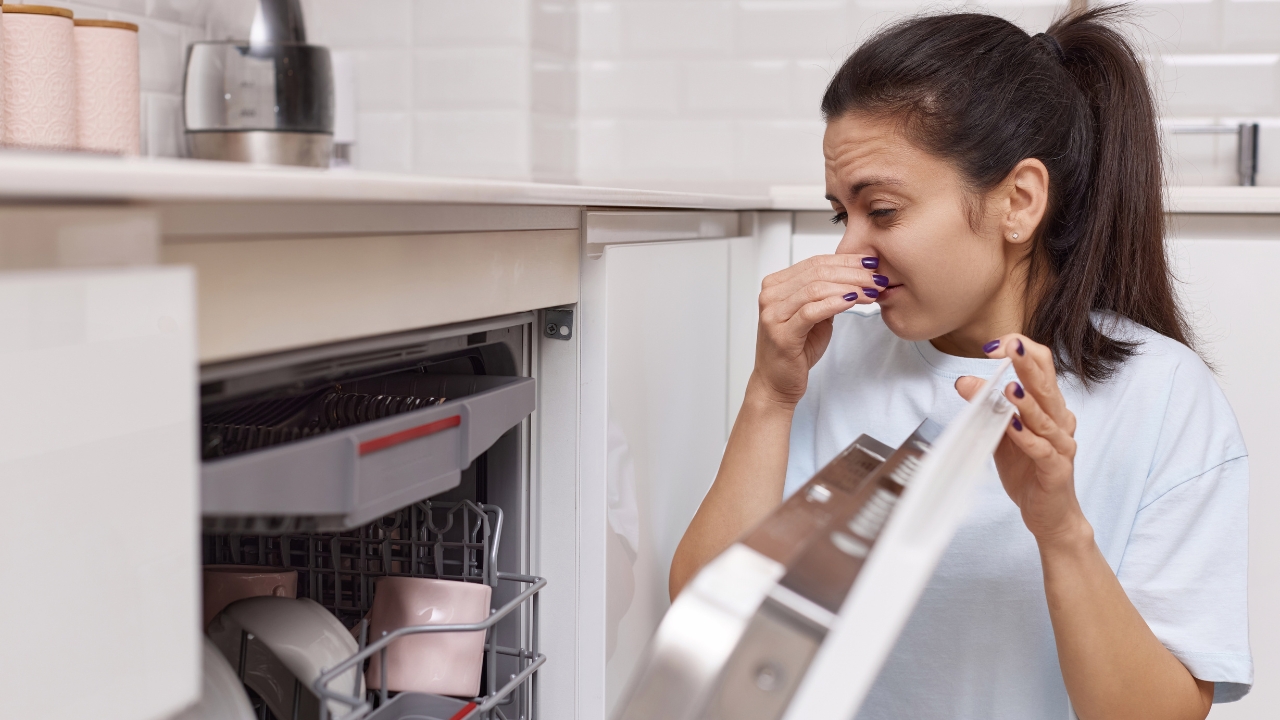
10 things around the house that start smelling first
Every house has spots that pick up odors faster than others. Even if you keep things fairly clean, certain areas trap moisture, food, or bacteria that lead to smells. Knowing where those problem spots are makes it easier to stay ahead of them instead of wondering where the odor is coming from.
Most of the time, it isn’t about scrubbing harder—it’s about staying on top of the right areas before smells build up. A few minutes of attention in these places can keep your whole home fresher for longer.
Trash cans
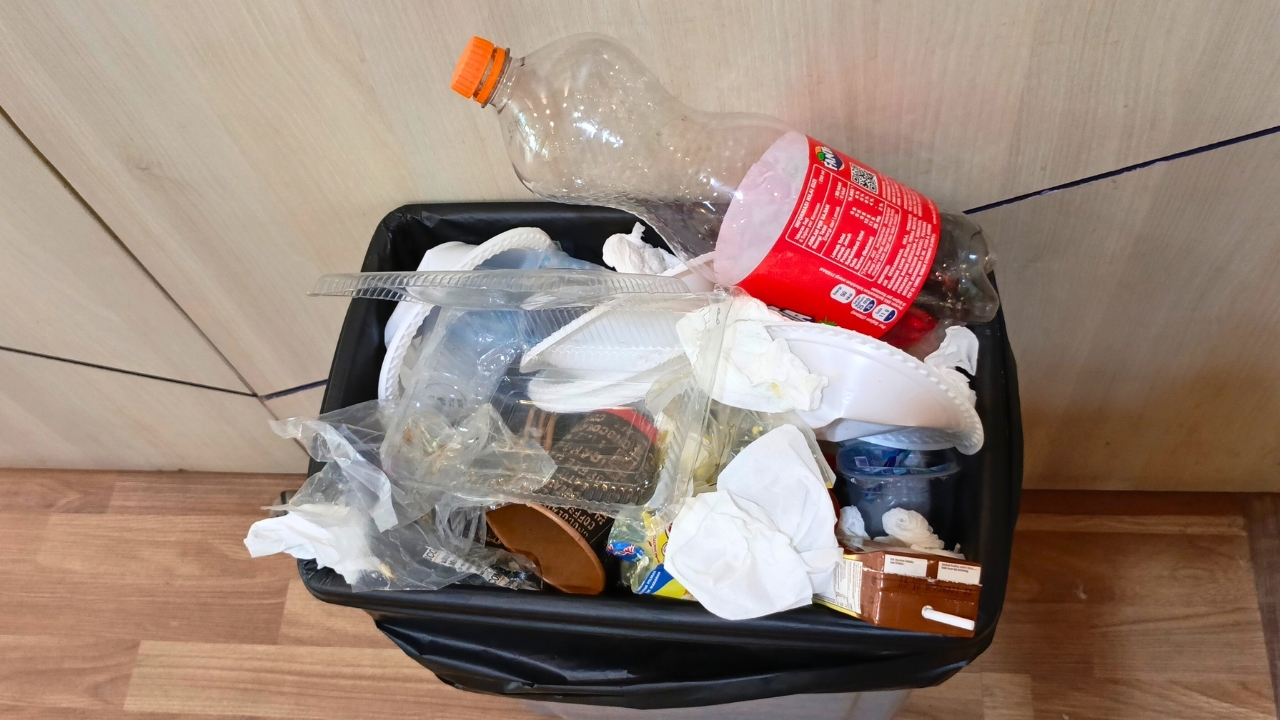
Even with liners, trash cans absorb drips and odors from food scraps and liquids. Over time, those smells stick around even after you’ve taken the bag out.
Wiping cans down with a disinfecting cleaner every week or two keeps them from turning sour. Adding baking soda to the bottom helps absorb smells before they spread.
Sink drains
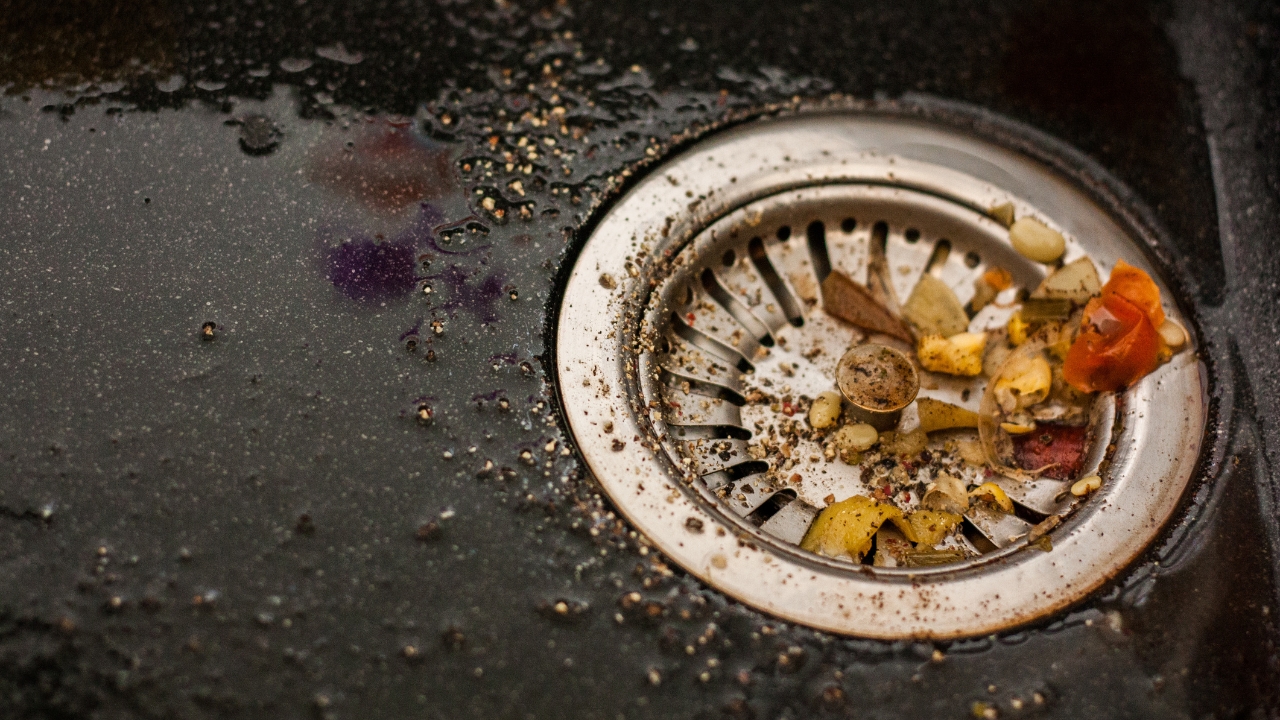
Food particles and grease coat the sides of drains, creating a breeding ground for bacteria and odors. You might notice smells even if the sink looks clean.
Flushing drains with boiling water or a vinegar-and-baking soda mix helps clear buildup. Doing it regularly prevents odors from becoming noticeable.
Fridge

Expired food or spills hiding in the back of the fridge can cause strong odors that stick to everything inside. Even small drips can sour over time.
Cleaning shelves and drawers every month and tossing old items before they linger too long will keep smells from spreading. An open box of baking soda helps too.
Dishwasher
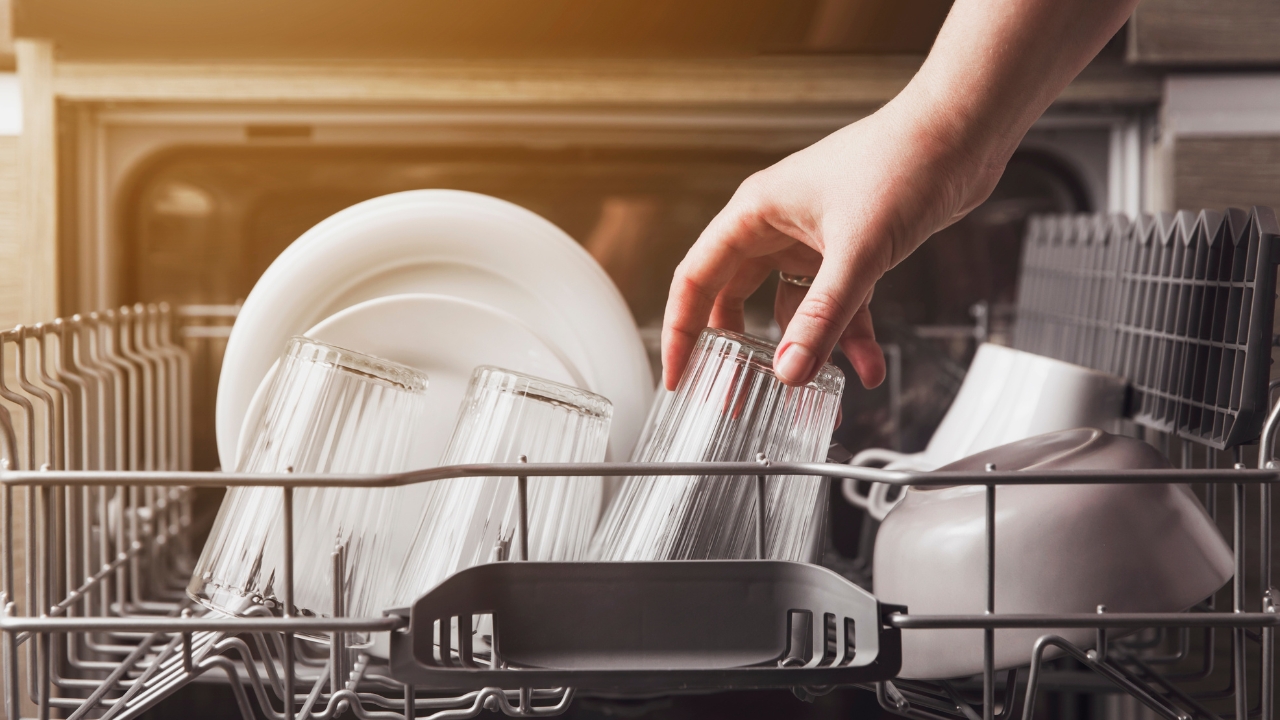
Trapped food particles and moisture can make dishwashers smell musty. Even with detergent, residue builds up inside the machine.
Running a cleaning cycle with vinegar or a dishwasher cleaner once a month helps keep odors under control. Always check and clean the filter at the bottom.
Laundry hampers
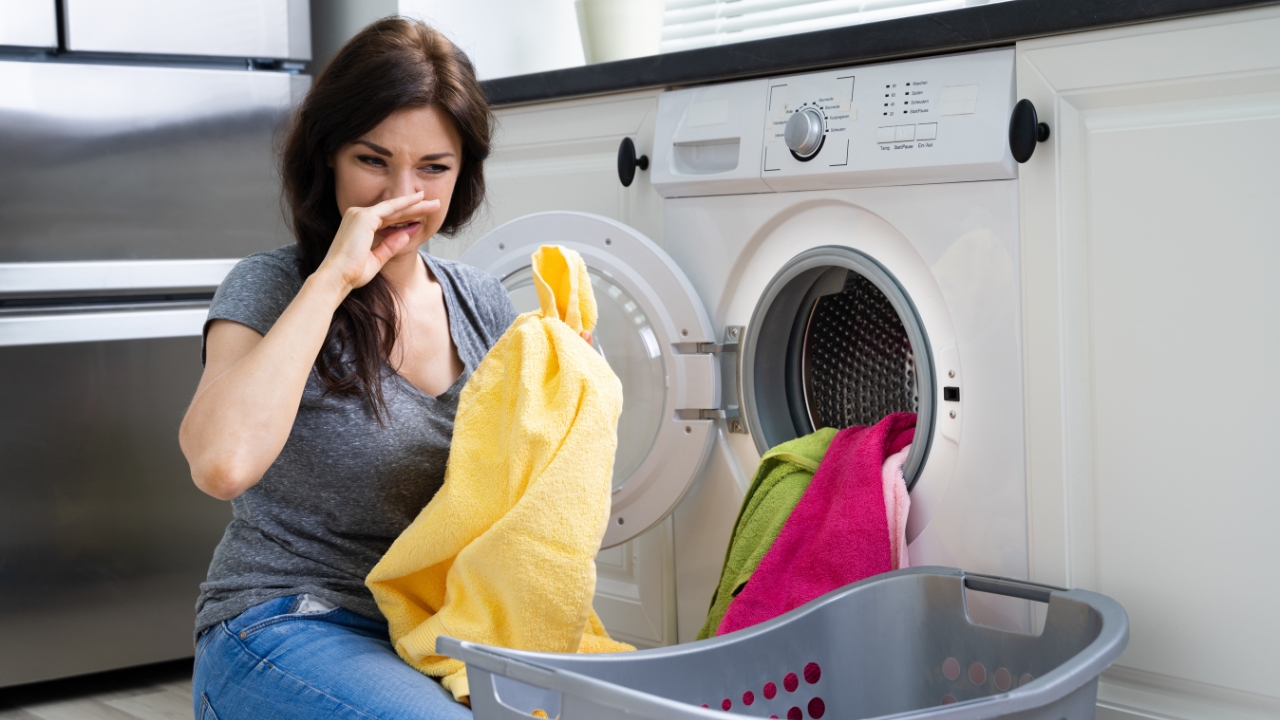
Damp clothes sitting for too long in a closed hamper can quickly sour. Bacteria thrive in dark, moist environments, and the smell spreads fast.
Using a breathable hamper and washing laundry more frequently keeps this from becoming a problem. A quick spray with a fabric refresher can also help in between washes.
Carpets and rugs

Fibers absorb spills, pet odors, and everyday dirt. Even vacuumed rugs can hold onto smells that slowly release into the air.
Deep cleaning a couple of times a year helps, but sprinkling baking soda and vacuuming regularly keeps things fresher in between.
Towels
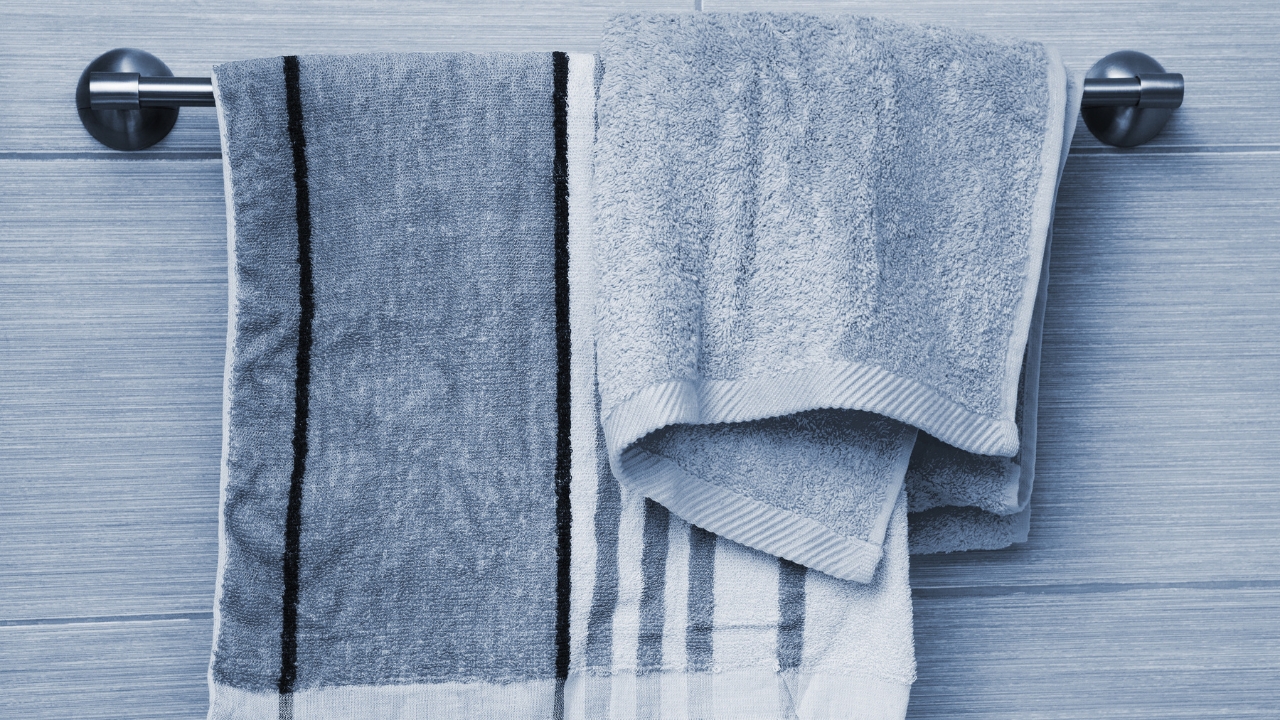
Towels trap moisture, and if they’re not dried properly, they develop that mildew smell. Stacking them damp in a closet makes it worse.
Hanging towels to dry fully before tossing them in the hamper helps. Washing them with vinegar occasionally can also refresh them.
Shoes
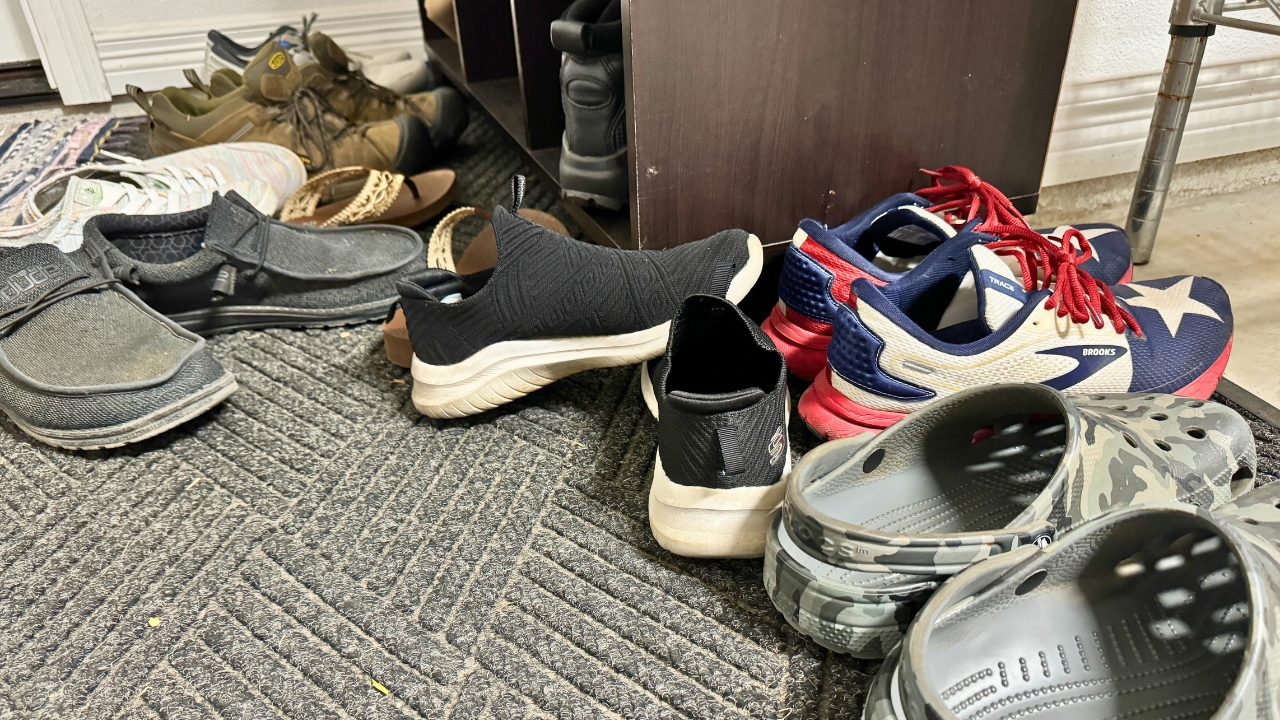
Shoes pick up sweat and bacteria, especially if worn daily without airing out. Closets and mudrooms can start smelling because of them.
Rotating pairs, using odor-absorbing inserts, and letting them air out after wearing prevents that sour smell from taking over.
Pet areas
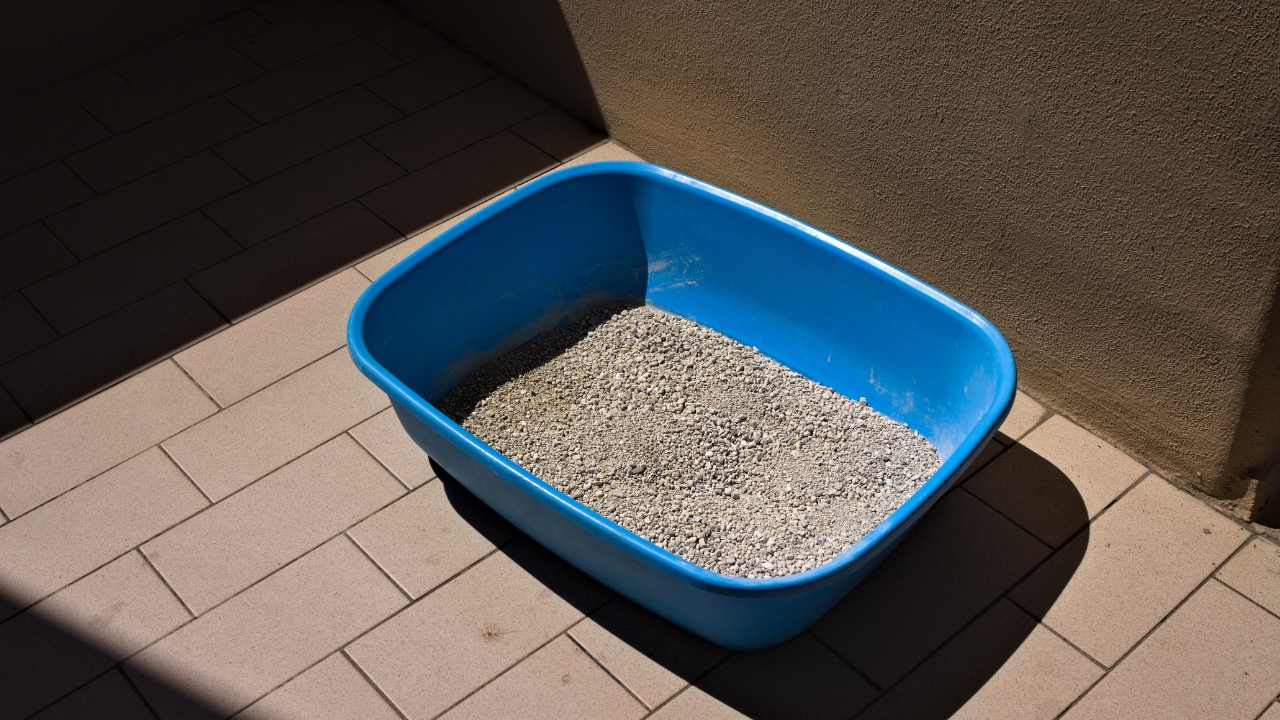
Beds, litter boxes, and food bowls all pick up odors quickly. Even when you clean regularly, pet smells can linger.
Frequent washing, deodorizing sprays, and replacing worn bedding or pads help keep pet odors under control.
Garbage disposal
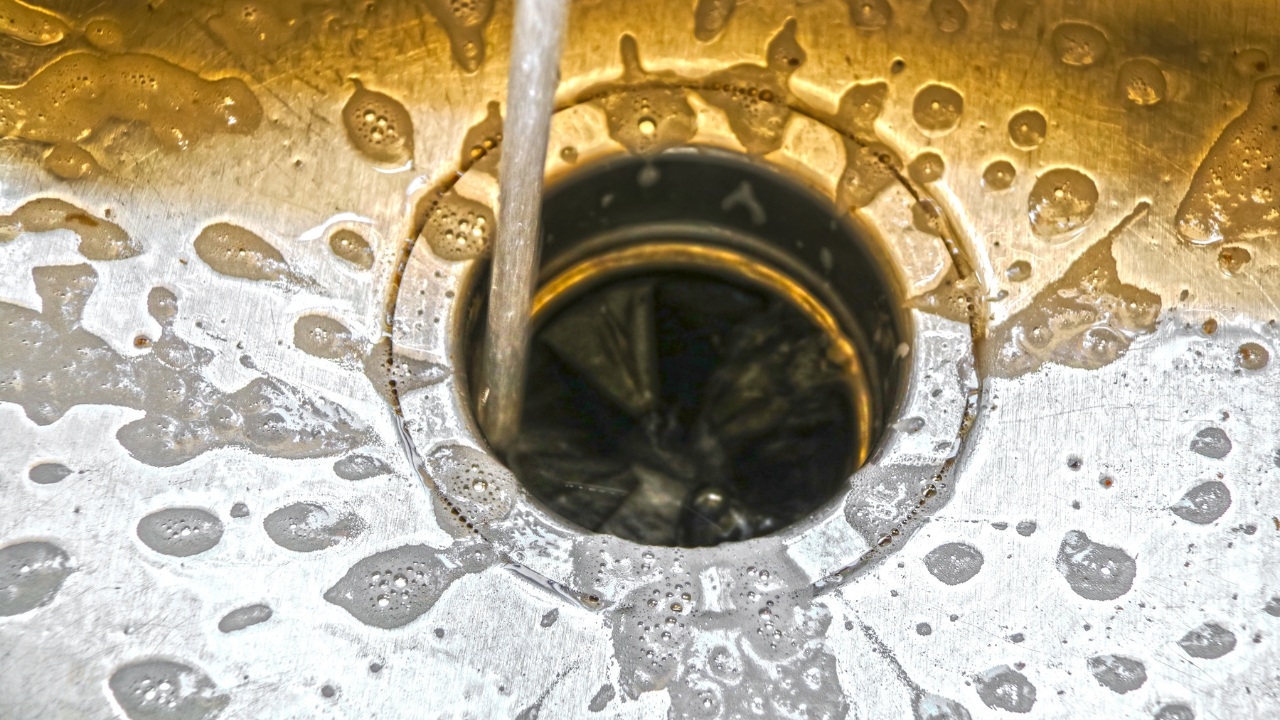
Leftover food particles stick under the blades and start to rot, causing strong odors. Even rinsing isn’t always enough.
Running citrus peels or a disposal cleaner through it freshens things up and keeps the smell from spreading into the kitchen.
*This article was developed with AI-powered tools and has been carefully reviewed by our editors.