10 Things Buyers Assume About a House With Land
Photo credit: Turner Theel/Shutterstock.com
Land sells a dream fast. Buyers picture quiet mornings, room to spread out, and fewer headaches than a tight subdivision. Then they move in and find out the house works the same as any other house, plus a whole set of outdoor systems that don’t forgive neglect.
If you’re shopping, these are the assumptions that trip people up. If you’re selling, they’re the spots buyers will test, poke, and mentally price out.
1. The Fence Lines Are Where They Look
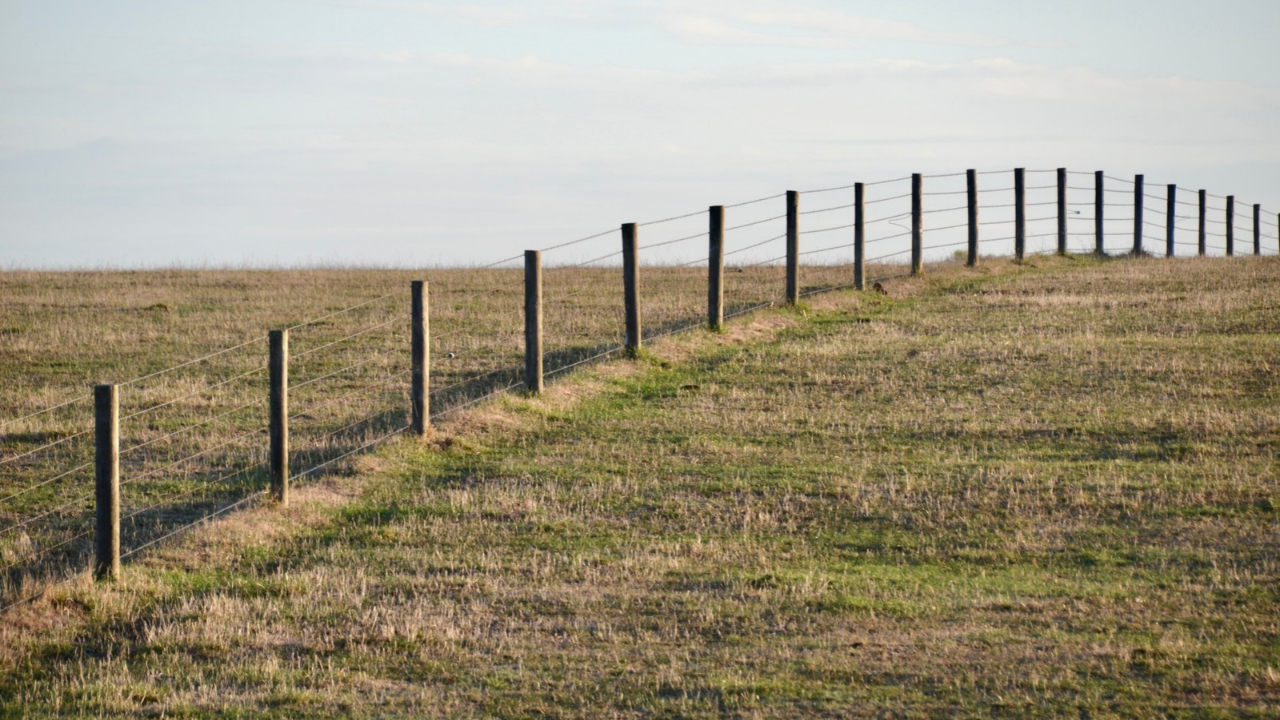
A lot of people see a fence and treat it like the property line. Out in the country, fences get moved for convenience, old corners get lost, and “that tree line” turns out to be a guess from 1978. You don’t want to find out after you build a shed or start cutting trails.
Get a survey if the stakes are high, like barns, driveways, or a new fence. At minimum, pull the plat map, find the pins, and walk the corners with a metal detector. Before you dig any posts or trench anything, call 811 for utility locate, even on acreage.
2. The Well Water Is Automatically Great

Clear water in the kitchen doesn’t mean good water. Some wells have iron that stains every sink, sulfur that smells like rotten eggs, or hardness that chews up water heaters and leaves scale in every faucet. A shallow well can swing season to season, and drought makes it worse.
Test it before you fall in love, then budget for treatment if needed. A basic lab panel for bacteria, nitrates, and minerals costs a lot less than replacing appliances. If the water has issues, you’re looking at options like a sediment filter, softener, iron filter, or UV, and a real installer can save you a month of guessing.
3. Septic Means No Monthly Utility Bills
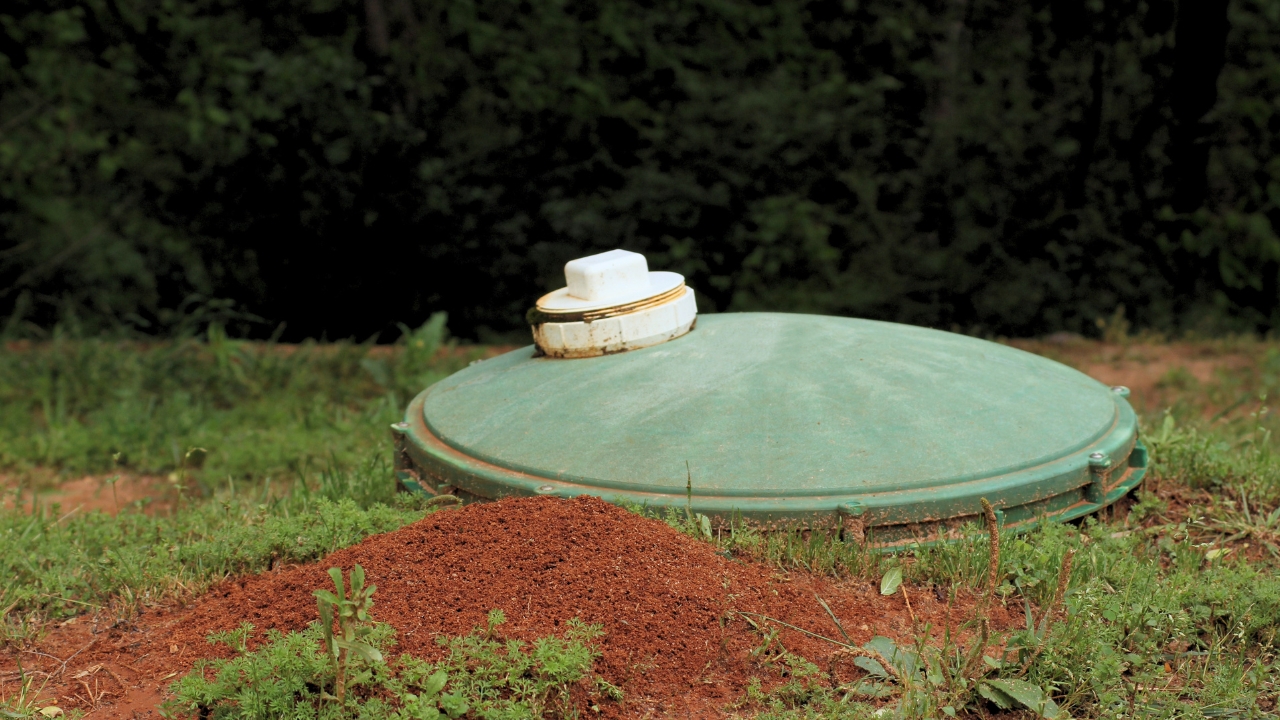
Septic feels free until it isn’t. Buyers assume a tank is a tank, but the drainfield is the whole deal, and it hates heavy traffic, wet soil, and people who treat the toilet like a trash can. A slow drain and that swampy smell outside after rain are the early warnings nobody wants.
Make the sale contingent on a septic inspection and pumping if records are thin. If you buy, find the tank lids right away and map them, then keep a simple log. Any repairs beyond a clogged inlet baffle or a broken lid can turn into permits, excavation, and a yard that looks like a construction site for weeks.
4. The Driveway Will Behave Like Pavement
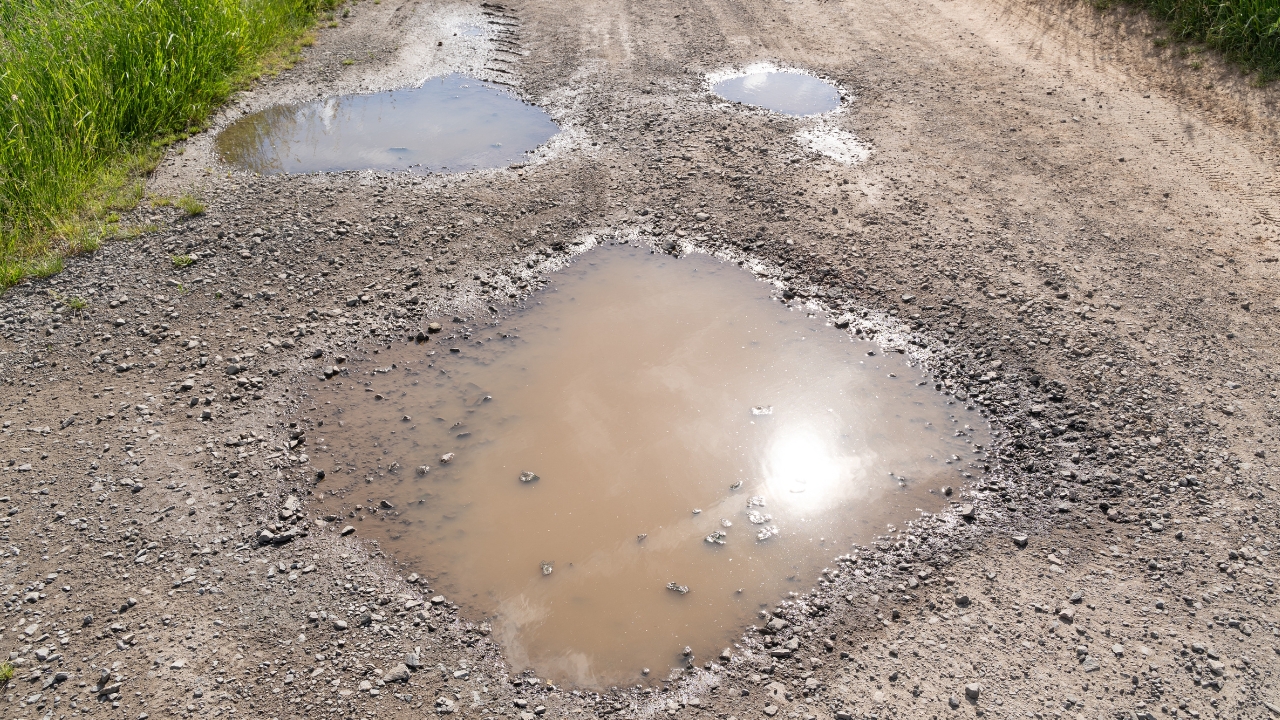
A long gravel drive can look perfect on showing day and turn into washboard in a month. Spring thaw makes ruts, summer dries it into dust, and a hard rain cuts channels that steer your tires whether you like it or not. Plow season adds a new level of pain when the edge disappears under snow.
Plan on routine grading, and don’t expect a light lawn tractor blade to fix it. A box blade on a compact tractor works, but the real trick is drainage: crown the drive, clean ditches, add culverts where water crosses. Putting down more stone without fixing water just gives you expensive gravel that migrates into the yard.
5. Mowing Is Just “More Mowing”
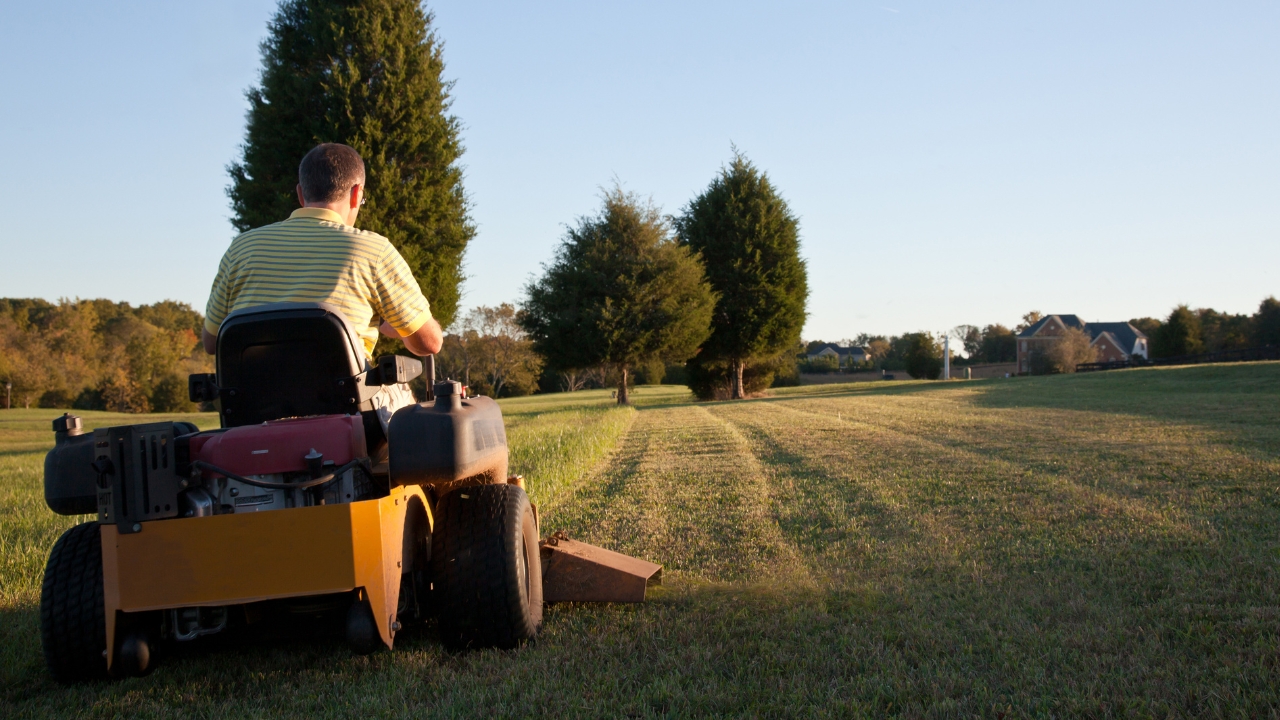
You don’t just mow a bigger yard, you manage a field. Tall grass hides rocks, wire, and old junk that can wreck blades in one pass. Ticks and snakes don’t care that you wanted a meadow look, and neither do the mice that move into shoulder high cover next to your garage.
Pick a plan early: lawn near the house, rough cut farther out, and true “leave it alone” areas kept away from buildings. A brush hog on a tractor beats trying to kill yourself with a walk-behind on uneven ground. If you want low effort, seed clover in some areas, but keep it out of spots where you need clean footing, like around steps and propane tanks.
6. A Wooded Lot Means Free Firewood
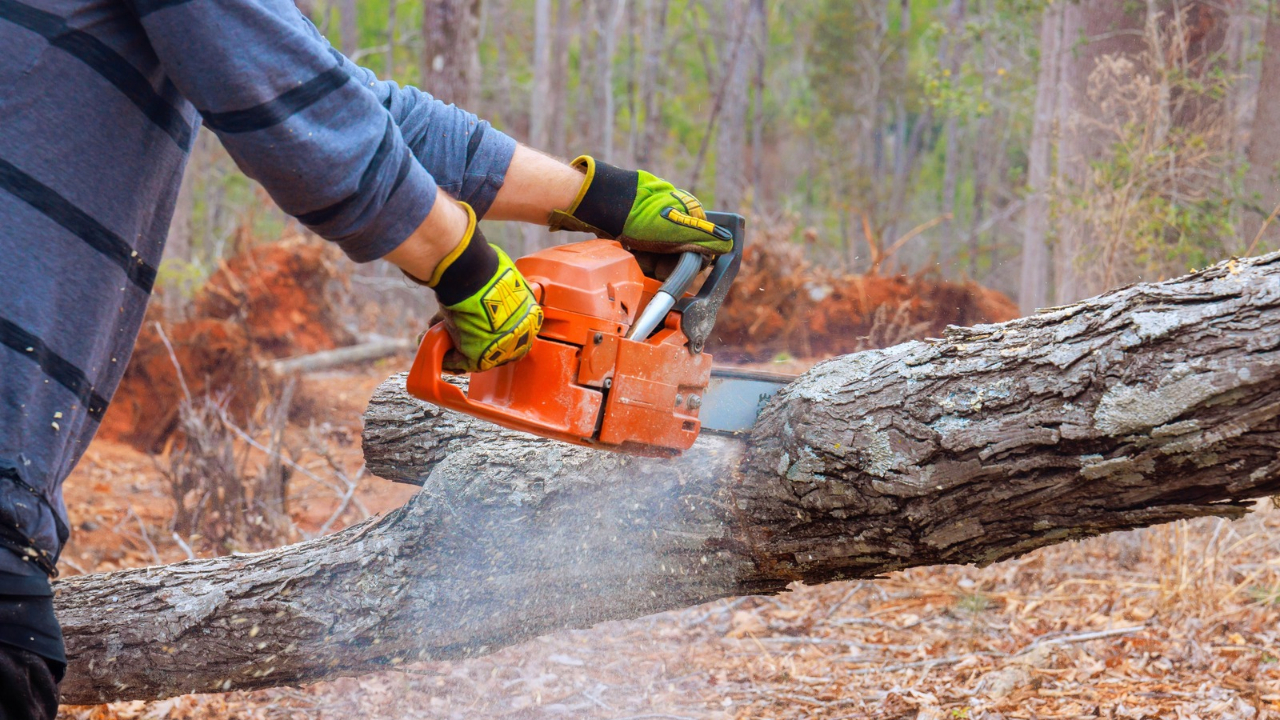
Free wood is the fastest way to get hurt or break equipment. Storm-downed trees are often under tension, and a bar pinch can turn a simple cut into a stuck saw and a bad day. Standing dead trees look like easy pickings until you find rot, widowmakers, and a trunk that shatters instead of falls.
If you heat with wood, buy a saw that’s sized for the job and keep it sharp, then invest in wedges, chaps, eye protection, and a helmet. For anything near the house, power lines, or fences, pay a licensed tree service. The check hurts once, the regret sticks around.
7. Pests Stay Out Because It’s Quiet

More land often means more animals. Mice move into sheds, bats find gaps at rooflines, and ants set up shop under that pretty stone walkway. Deer will eat your new fruit trees to the ground, and groundhogs can undermine a barn pad like they’re getting paid for it.
Walk the buildings like a pest does, low to the ground and up at the eaves. Seal holes with hardware cloth and proper flashing, not spray foam by itself. If you plant trees, protect trunks with guards and use fencing early, because once the browsing habit starts, it doesn’t stop.
8. Outbuildings Are “Bonus Space” Right Away

An old barn feels like a gift until you try to use it. Dirt floors stay damp, roofs drip onto anything stored, and the wiring is often a mess of extension cords and mystery circuits. Buyers also assume a pole barn is a workshop, then realize there’s no insulation, no vapor barrier, and no way to keep tools from rusting.
Start with structure and water. Fix roof leaks, gutters, and grading before you build shelves or park equipment. For power, have an electrician evaluate the service and add proper subpanels and outlets, permits and code matter here, especially for detached buildings.
9. The Cheap Tractor Will Do Everything
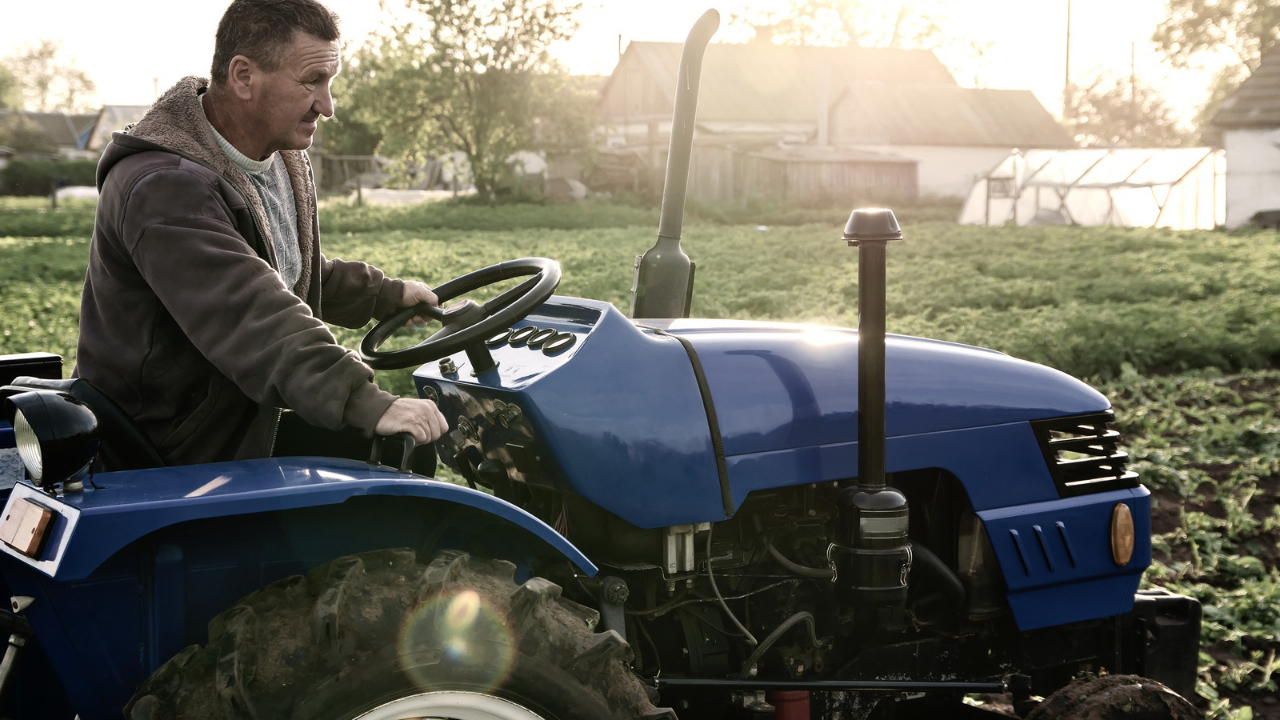
Buying the smallest machine to “save money” is how you end up doing the same job twice. Light tractors lose traction in mud, can’t lift what you thought they could, and get pushed around by a full bucket of wet gravel. Attachments aren’t cheap either, and the wrong ones sit in the weeds.
Match the machine to your hardest job, not your easiest one. But here’s the exception: if your land is mostly lawn and light chores, a quality riding mower with a small cart can be totally fine for a couple seasons. Rent or borrow bigger equipment first, then buy once you know what you actually need.
10. The House Will Heat And Cool Normally

Acreage often comes with exposure. Wind hits harder, shade is uneven, and a long driveway means service calls take longer, sometimes days longer during a cold snap. Buyers assume the HVAC system is the same story as town, then find out the house has a propane tank, a wood stove, and ductwork that was never sealed right.
Before you close, ask for a full list of fuel types, tank ownership, and service providers. After you move in, air seal the attic, check insulation depth, and replace weatherstripping on exterior doors. If the house uses propane or oil, keep an eye on delivery access in winter, because a stuck truck becomes your problem fast.
Land can be a great deal, but it rewards people who pay attention. Walk the property in bad weather if you can, ask for records, and take notes like you’re already the one fixing it. The best surprises are the ones you planned for.
Like Fix It Homestead’s content? Be sure to follow us.