10 Things People Forget Until the Power Is Already Out
Photo credit: Tawseem Hakak/Unsplash.com
The lights flicker, the house goes quiet, and all the little shortcuts you’ve been taking show up at once. You don’t need a bunker, but you do need a few boring basics handled before the next storm rolls in. Most of the hassle comes from small stuff you meant to do “this weekend.”
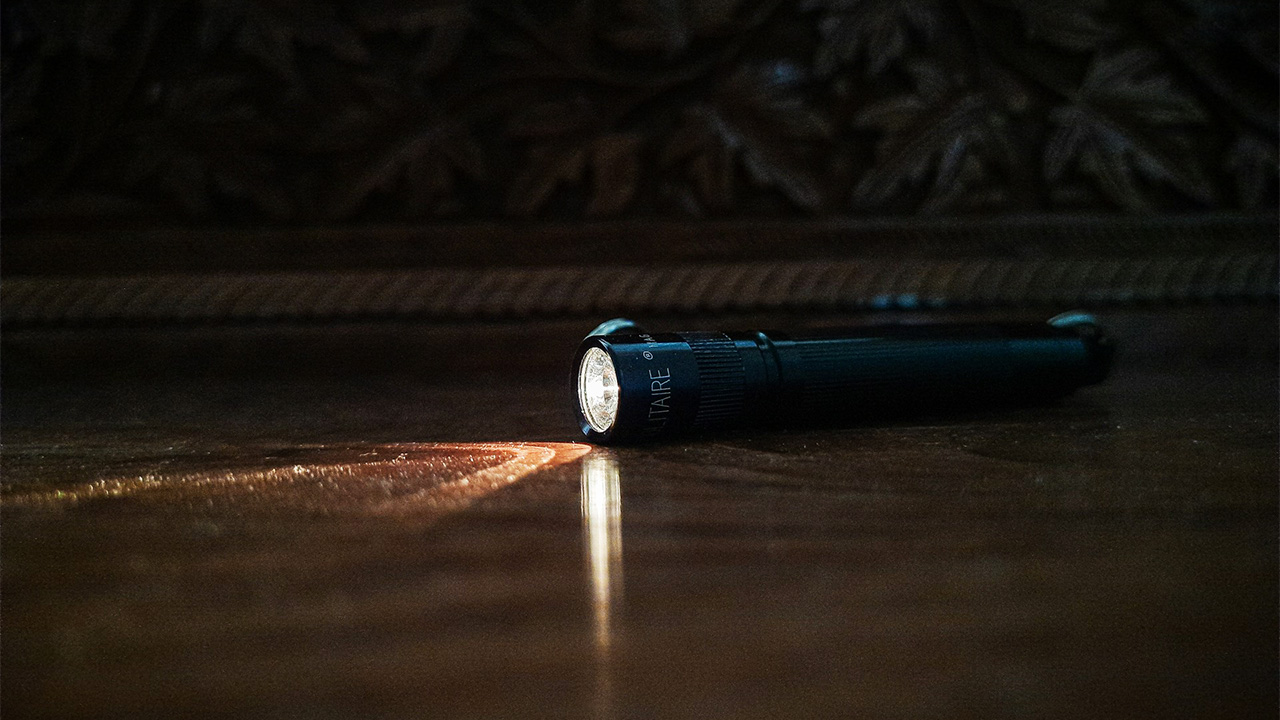
1. Flashlights With Dead Batteries
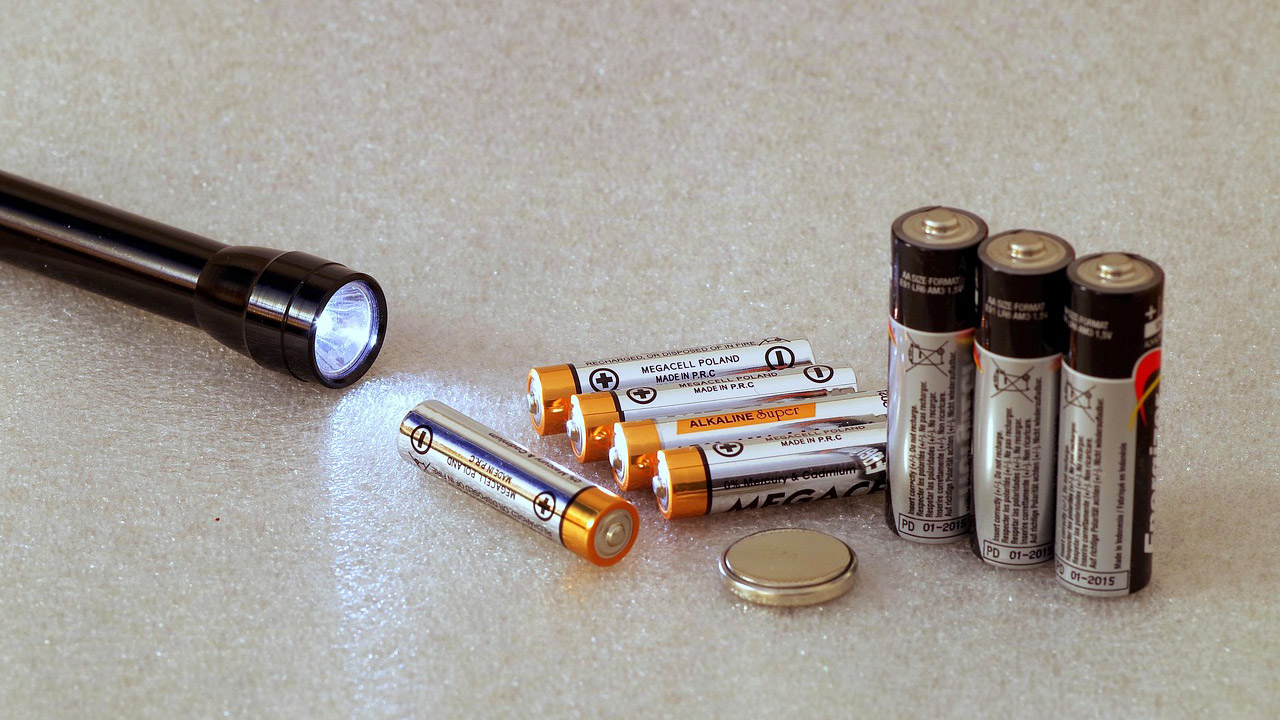
You grab the kitchen drawer flashlight and get the sad click, nothing. Or it comes on dim and dies while you’re halfway to the breaker panel. That’s how ankles get rolled and candles get used for jobs candles shouldn’t be used for.
Pick a few real flashlights and give them homes, one by the bed, one in the kitchen, one by the main exit. Check batteries twice a year, same time you change smoke alarm batteries. If you like rechargeable lights, charge them monthly and keep one simple AA light as backup because AA batteries are easy to scrounge.
2. Phones Not Charged Past Twenty Percent
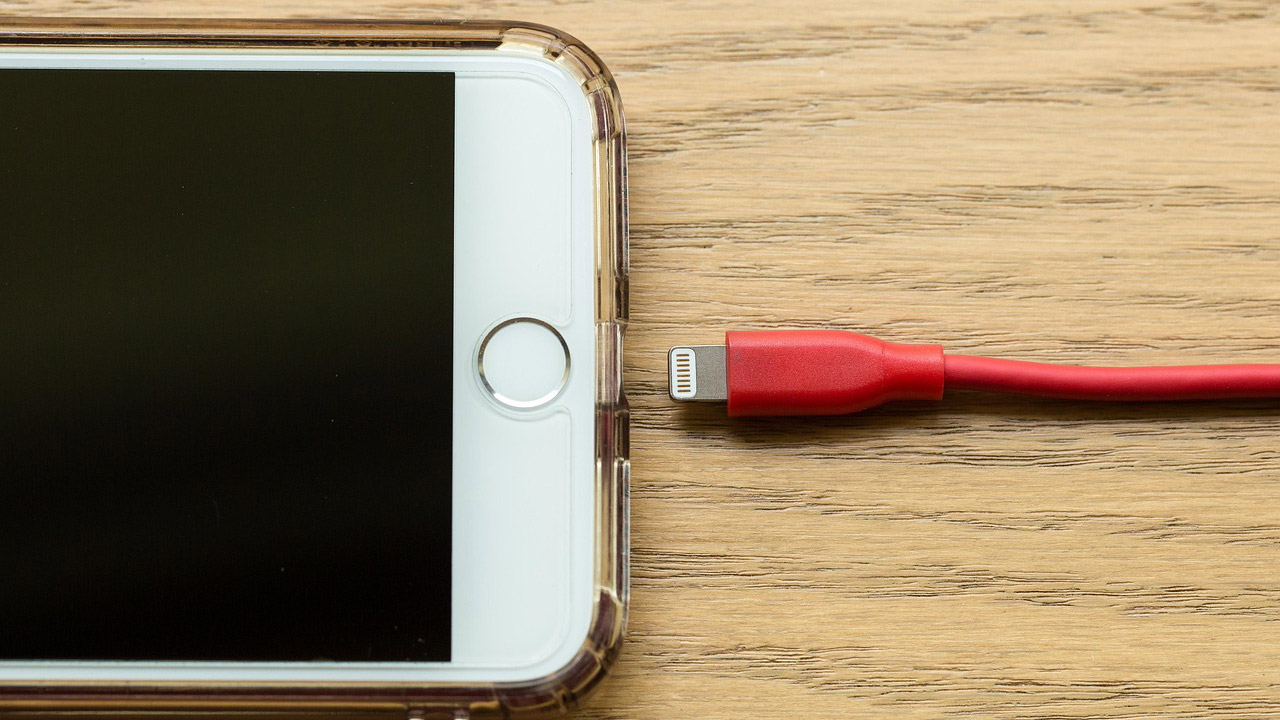
People baby their phone battery all week, then the grid drops and the phone is sitting at 17 percent. Now your “flashlight” is your last lifeline, and it’s also your weather radio, your neighbor phone tree, and your map. That’s a lot to ask from a dying battery.
Keep a charging routine that fits real life, top off before bed when storms are forecast, and don’t rely on one cord. A car charger and a decent power bank solve most of this. If you’ve got a cordless tool system, a USB adapter for those batteries is a cheap way to get a couple emergency charges without buying another gadget.
3. A Garage Door Stuck Closed
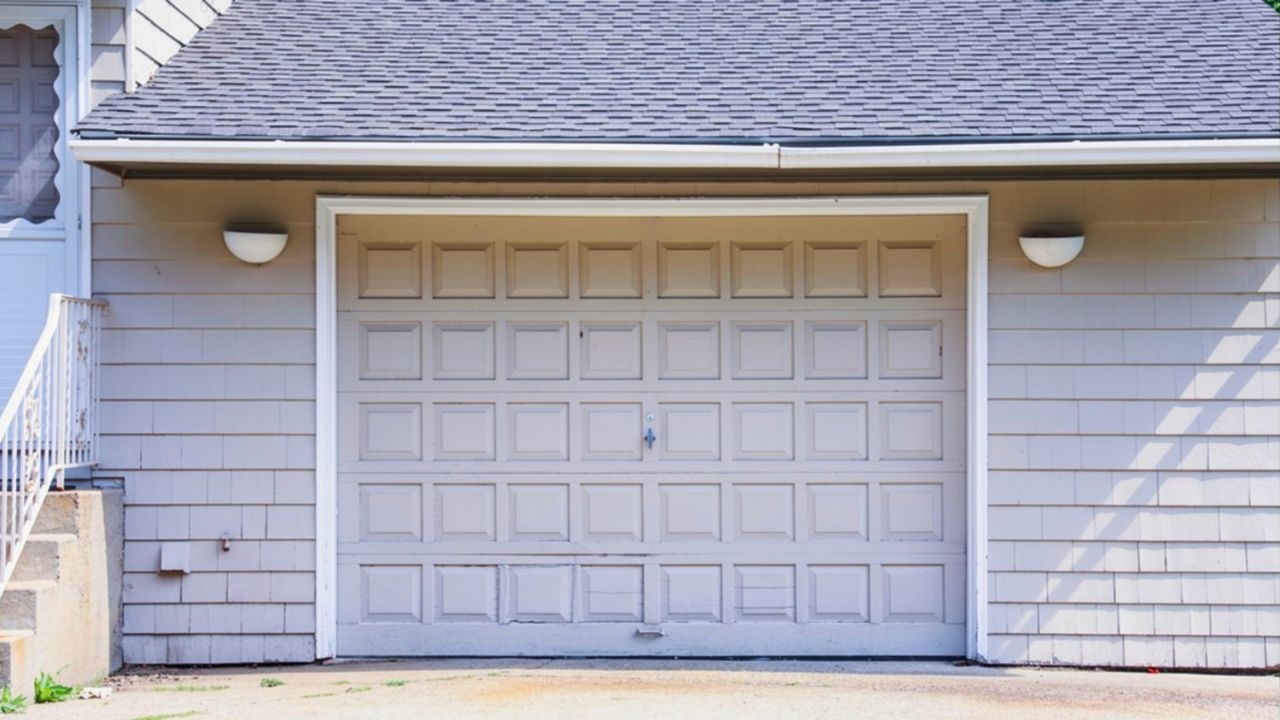
The power goes out and suddenly your car is trapped. You yank the opener like it owes you money, it grinds, and nothing moves because the door is binding or the release cord is missing. If you need to get to work, pick up supplies, or leave during a fire warning, that’s a bad time to learn your door isn’t balanced.
Test the manual release on a calm day, and lift the door by hand. It should move smoothly and stay halfway up without slamming down. If it’s heavy or drops, the springs need adjustment or replacement, that’s a job for a garage door pro, not a DIY experiment.
4. Sump Pump With No Backup

A basement that stays dry on grid power can flood fast during an outage. Storms that knock out lines also dump rain, and the sump pit fills while the pump sits there quiet. By the time you notice, the carpet is floating and the dehumidifier is useless.
If you’ve got a sump, think about a battery backup pump or a water powered backup if you’re on city water. Battery systems need a battery that’s actually maintained, not a dead one from the corner of the garage. If you’re on a well, the water powered option won’t help, so plan for battery capacity and test it a couple times a year.
5. Freezer Packed With No Plan

It feels smart to stock up, right up until the power is out and you can’t tell what should be cooked first. Every extra door opening dumps cold air, and that food thaws from the top down. A full freezer buys you time, but only if you stop treating it like a snack drawer.
Keep a cheap fridge thermometer in the freezer and one in the fridge so you can see temps at a glance. Freeze a couple containers of water ahead of storm season, they help hold temps and they turn into extra ice for coolers. If the outage drags on, move the highest value items, meat and breast milk if you have it, into the coldest, most stable spot and keep the door shut.
6. Generator That Won’t Start
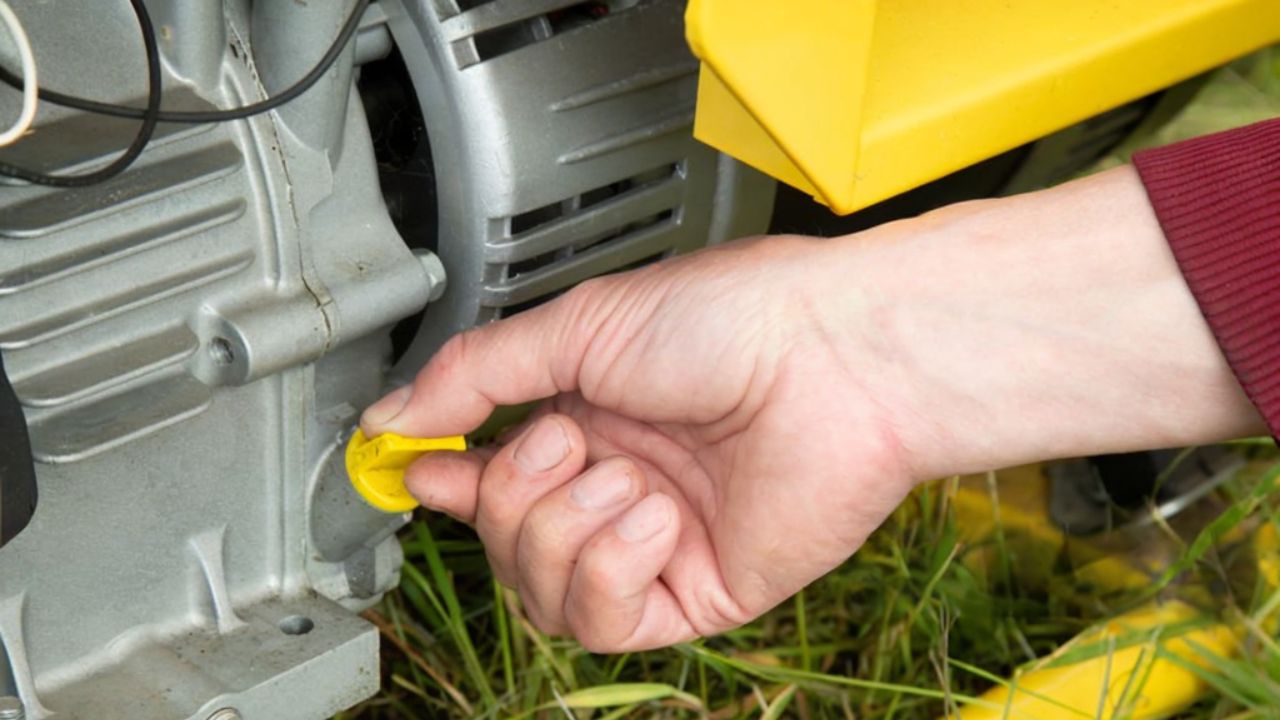
The pull cord snaps back, the engine coughs once, and then nothing. Most portable generators fail for boring reasons, old fuel, a gummed up carb, a dead battery on electric start, or no oil. When the lights are out, a “quick fix” turns into a long night.
Run the generator under load every month or two, even if it’s just a space heater or a shop light, and shut off fuel so the carb runs dry if the manual calls for it. Store fuel safely in approved cans, and rotate it so you’re not feeding it varnish. If you’re wiring anything into your panel, transfer switch or interlock, permits and a licensed electrician are the right move, and it keeps line workers safe.
7. Extension Cords Too Thin And Too Short
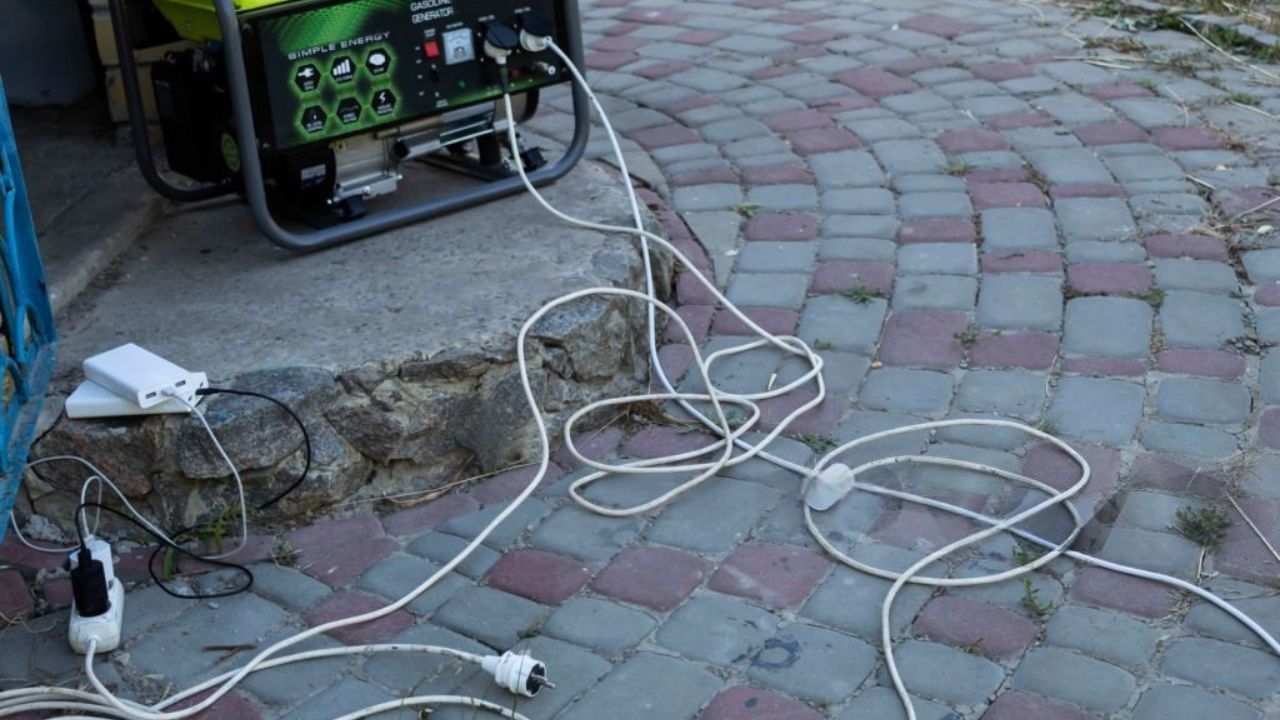
You find a cord, it barely reaches, so you add another. Then the cord gets warm, the plug looks a little melty, and the heater keeps tripping. Cheap skinny cords are fine for a lamp, not for a fridge, sump pump, or window AC.
Keep one or two heavy duty outdoor cords, 12 gauge is a solid choice for many high draw loads, and pick lengths that reach without daisy chaining. Label them and keep them coiled where you can grab them in the dark. The cheap orange 16 gauge cords are fine for phone chargers and a fan, that’s the honest exception, just don’t ask them to run heat.
8. Water Stored In The Wrong Place
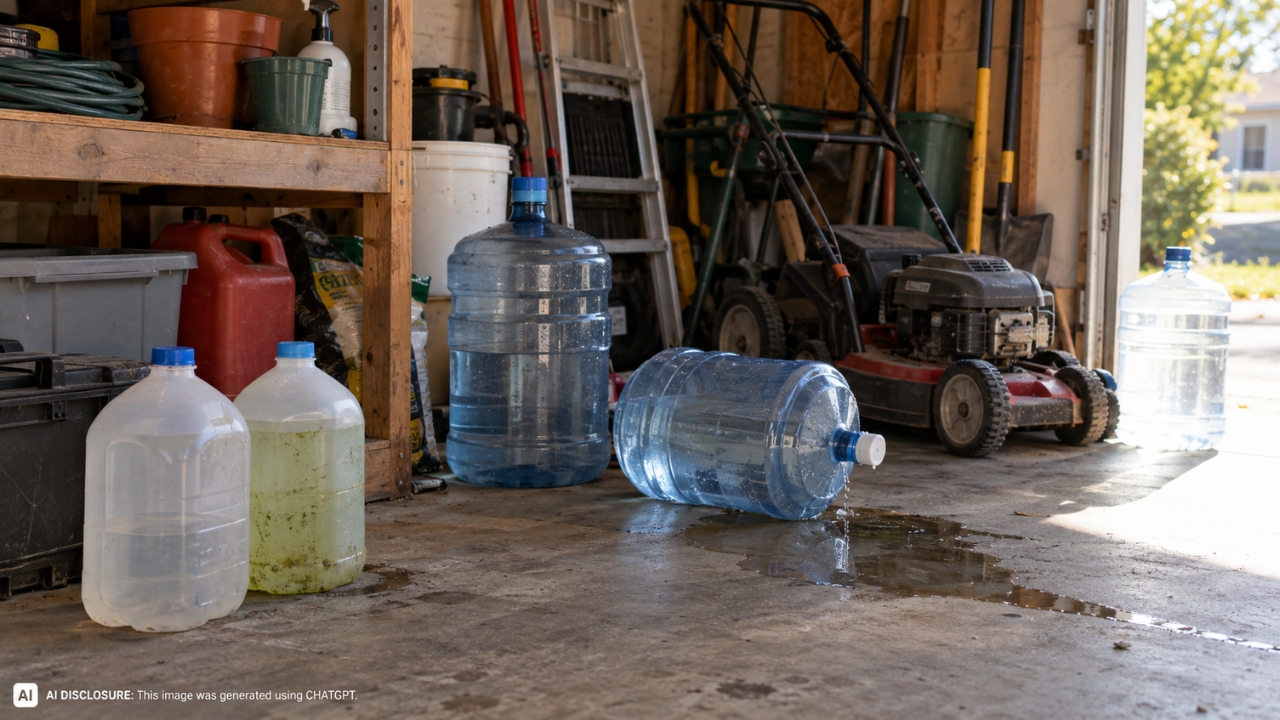
You fill jugs, set them in the garage, and forget about them until you need them. Then the jug tastes like plastic, has algae, or it leaked and made a mess behind the mower. If the outage also kills a well pump, you’re suddenly rationing water for flushing and washing.
Use food safe containers, keep them out of sun, and date them with a marker so you actually rotate. For rural places, store more “dirty use” water than you think you need, flushing toilets eats a lot. If you’ve got a creek or pond, having a basic filter and a way to boil water covers a lot, but practice before you’re doing it by lantern.
9. A Wood Stove With No Kindling
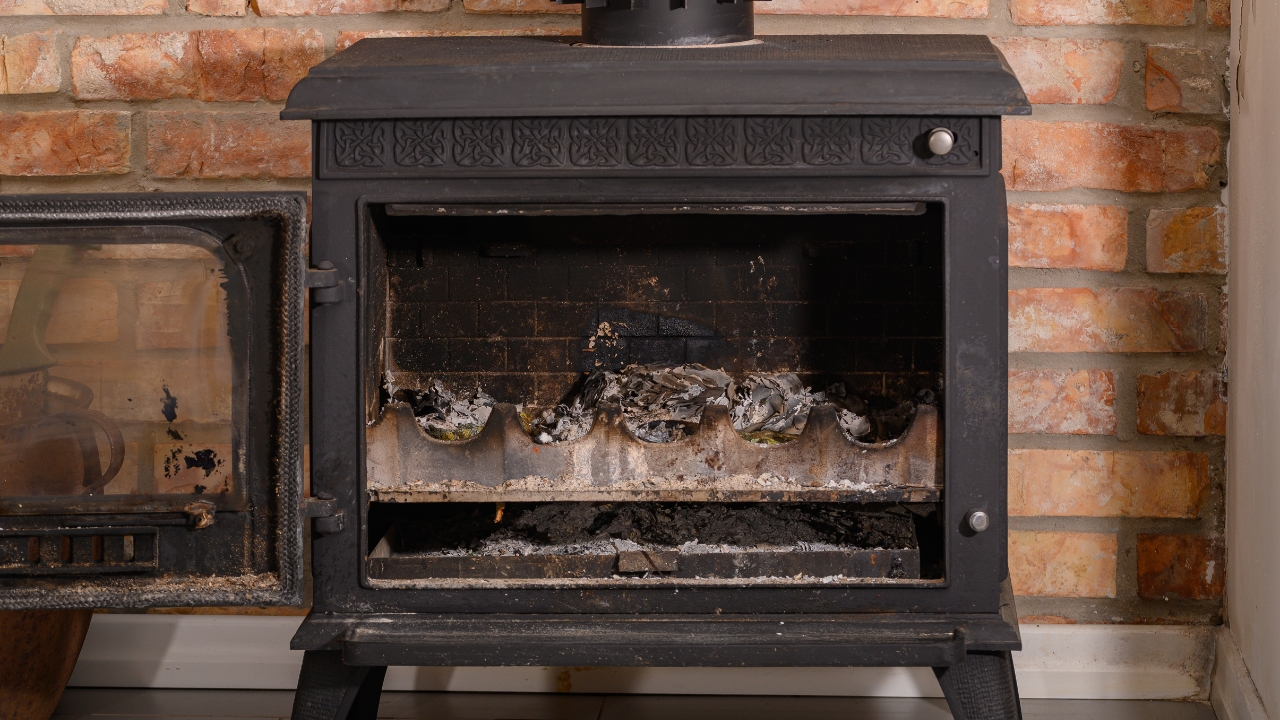
Big logs look impressive, but they don’t light themselves. People stack firewood all summer and skip the small stuff, then fight smoke and a cold house because there’s nothing dry that catches fast. Even worse, the only “kindling” left is wet scraps from the bottom of the pile.
Split and store a tote of dry kindling and a box of matches or a lighter in the same spot, not in some mystery drawer. If you burn wood, clean the ash and keep the air intakes working so you don’t smoke up the room. Chimneys need regular inspection and sweeping based on use, and if you don’t know the condition, pay for the sweep before burn season.
10. Cash, Keys, And Paper Numbers

Card readers go down, ATMs go dark, and the gas station across town is cash only. The power may be out, but you still have to buy ice, fuel, or a motel room if pipes freeze and the house isn’t safe. Also, the phone contact list doesn’t help much when your battery is dead.
Keep a small envelope with cash in small bills, a spare house key, and a printed sheet of numbers for family, neighbors, your utility, and your electrician. Add the model numbers for your generator and well pump if you have them, it speeds up getting the right parts. Put it somewhere boring and consistent, like the same bin as your flashlights.
Do a quick run through on a calm Saturday, and you’ll notice what’s missing in ten minutes. The fixes are mostly cheap and they don’t take much space. The real win is not having to learn any of it by candlelight.
Like Fix It Homestead’s content? Be sure to follow us.
- Man Says He Found Out the Fence He Paid For Wasn’t Actually on His Property
- Woman Says Her Neighbor Started Taking Mulch From Her Delivery Pile Before She Could Even Spread It
- I made Joanna Gaines’s Friendsgiving casserole and here is what I would keep
- What Caliber Works Best for Groundhogs, Armadillos, and Other Digging Pests?