10 Things in Your Tool Shed That Keep Attracting Bugs
Photo credit: matheus ferreira/unsplash.com
When the bugs show up in your shed, it’s not random. Something in there—or around it—is calling them in. And once they’re inside, they don’t leave quietly. Whether you’re storing tools, gear, or yard supplies, you don’t want ants in the corners, spiders in the rafters, or wasps trying to move in.
The good news is most of what attracts them is fixable. A few smart changes can make a big difference in keeping your shed bug-free through the summer.
Unsealed Cracks and Gaps
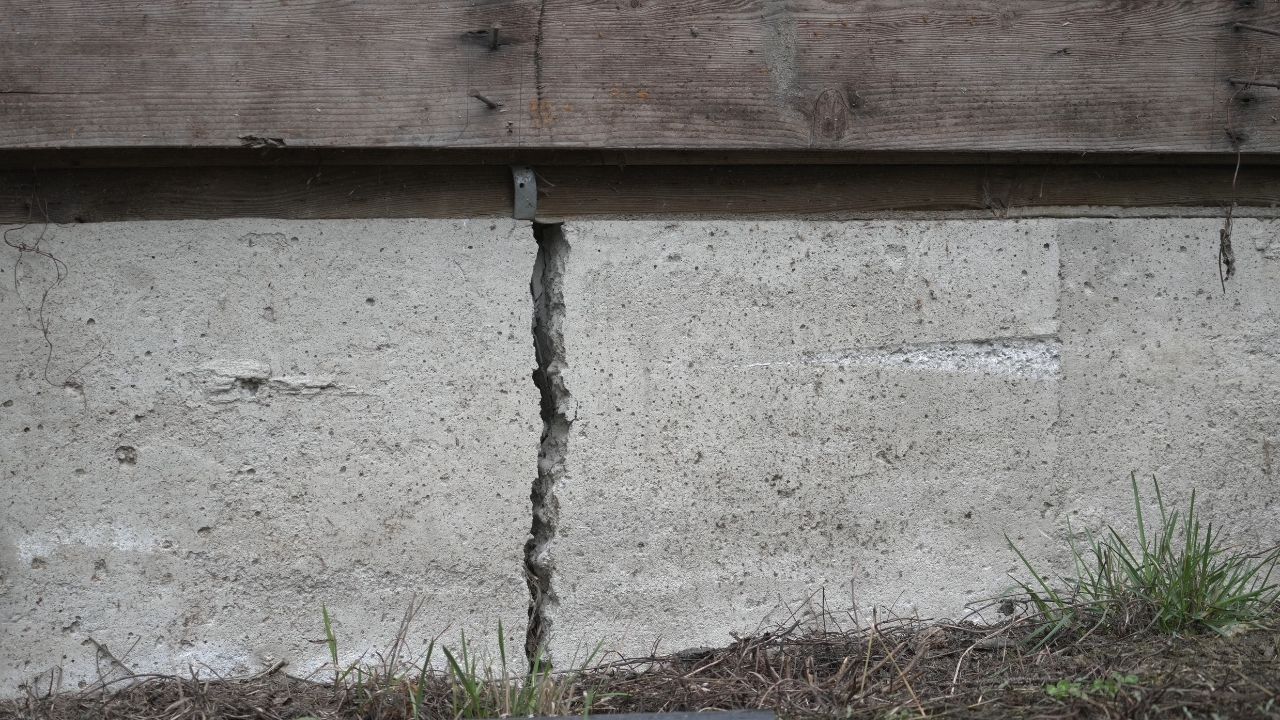
Tiny gaps around doors, windows, and foundation edges are open invitations. Bugs don’t need much room—ants and spiders can squeeze in through cracks you barely notice. If you haven’t sealed up those spots, it’s likely your shed has become a summer hangout.
Caulk, weatherstripping, or even foam filler can go a long way in keeping the critters outside. Check high and low, especially along the floor and corners where moisture and rot can weaken the structure over time.
Stagnant Water Nearby

If you’ve got buckets, trays, or anything else that holds water nearby, you’re basically building a mosquito nursery. Even small amounts of standing water are enough to draw them in.
Walk around after a rain and check for pooling water near the shed. Empty anything collecting it and consider improving drainage around the base. Keeping the area dry helps reduce more than just mosquitoes—it also helps with roaches and ants.
Stored Seeds, Bird Food, or Pet Feed
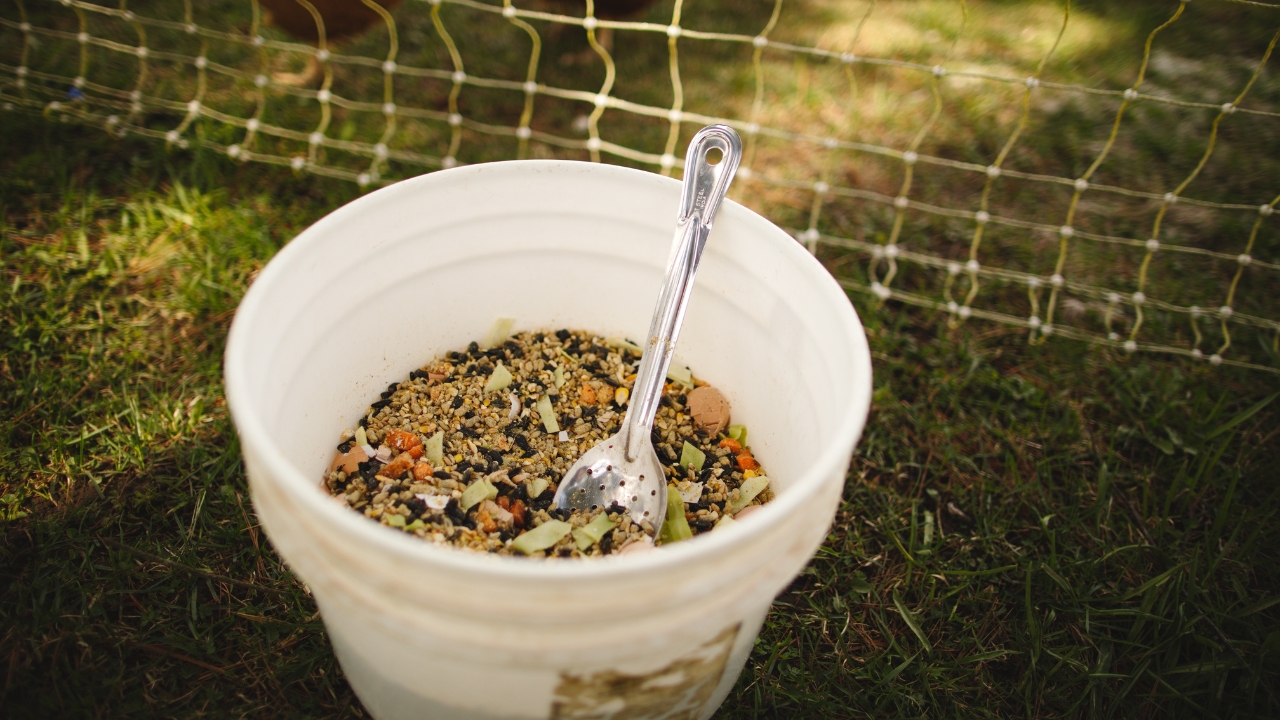
It might seem harmless to stash a bag of seed in your shed, but pests love a free snack. Mice, ants, beetles—you name it. Once they find it, they’ll keep coming back.
If you need to store any kind of feed, use airtight containers and keep them off the ground. It’s also smart to sweep up any spills quickly. Even crumbs are enough to get their attention.
Cardboard Boxes

Cardboard absorbs moisture and gives bugs a cozy spot to hide or nest. Spiders, silverfish, and roaches love it. Over time, the boxes start breaking down, which makes the problem even worse.
Swap them out for plastic totes with tight-fitting lids. They’re more durable and way less attractive to pests. It’s a small switch that keeps your shed cleaner and easier to manage long-term.
Dead Leaves and Yard Debris
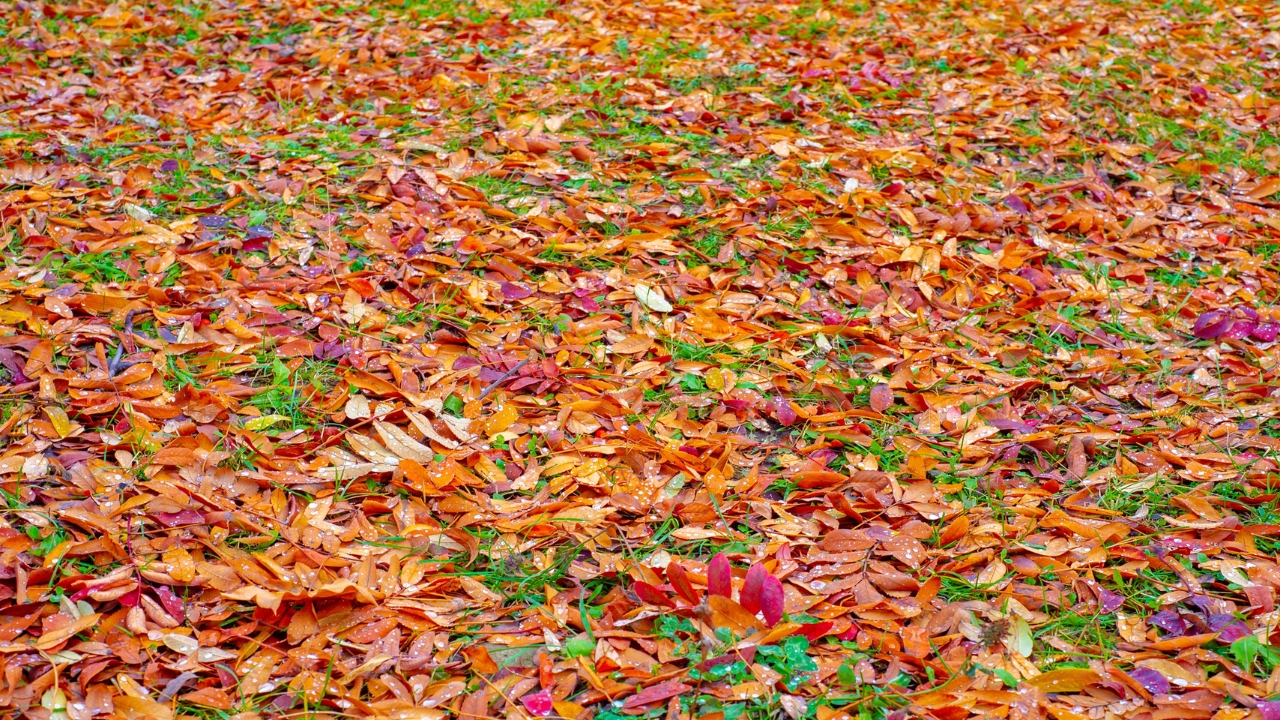
If you’re blowing leaves up against the shed or piling up clippings nearby, bugs are going to move right in. That decaying organic matter creates a perfect hiding place, especially for ants and beetles.
Clear out the area around your shed regularly. A clean perimeter helps discourage nesting and makes it easier to spot any other issues, like water runoff or foundation damage.
Dirty Tools and Equipment
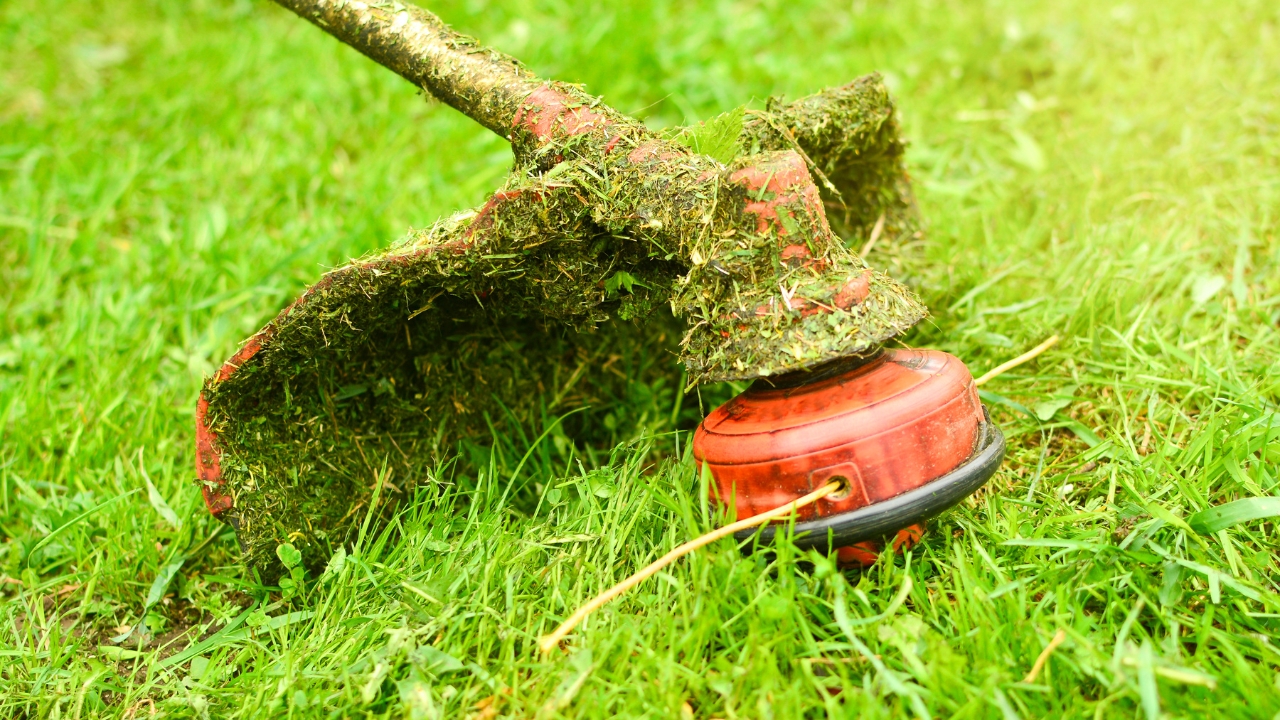
Leaving lawn tools caked in grass or mulch is a fast way to bring bugs inside. Anything organic stuck to your tools will start to break down and attract pests looking for food or shelter.
Before storing anything, give it a quick rinse or brush-off. It doesn’t have to be spotless, but knocking off the mess helps keep your shed from becoming a bug magnet.
Gaps Around the Door
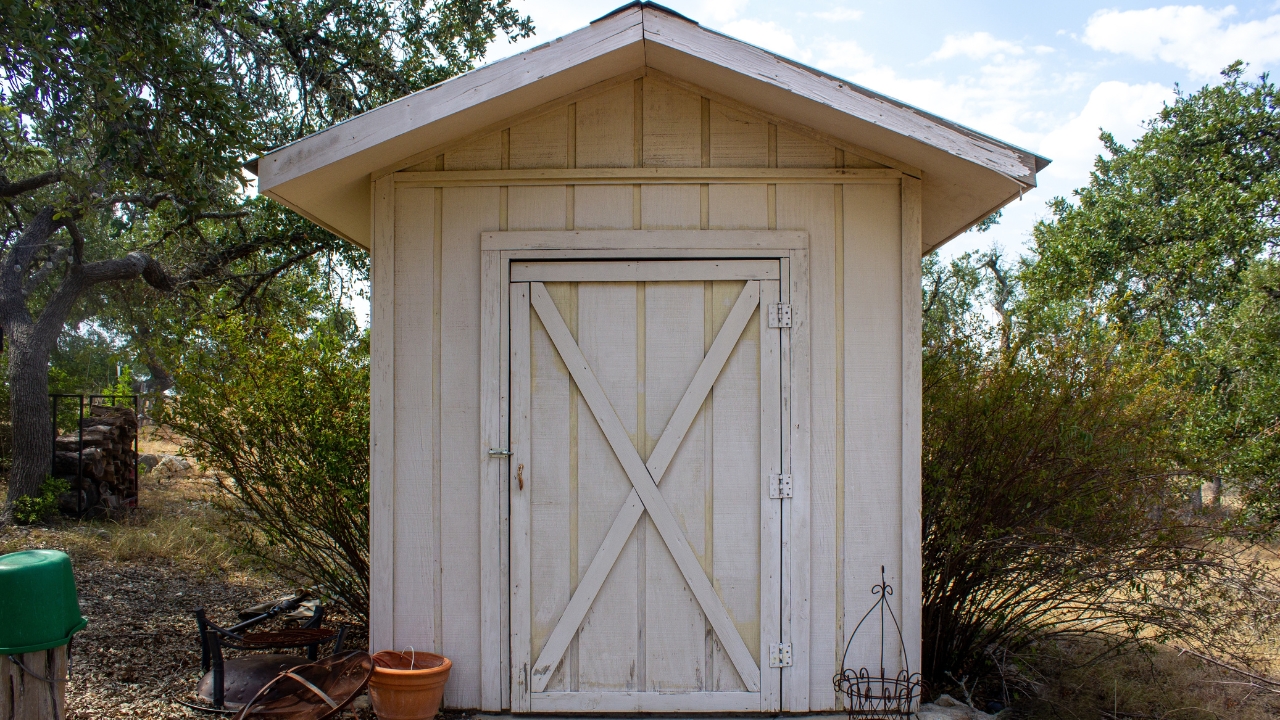
Most shed doors aren’t airtight, and bugs know it. If there’s even a little light showing through the edges, they can get in. Door sweeps and weatherstripping can close those gaps without much effort.
It’s worth checking the door frame too—sometimes the wood warps or shifts with heat and moisture. Tightening up the fit goes a long way in keeping critters out.
Cluttered Corners
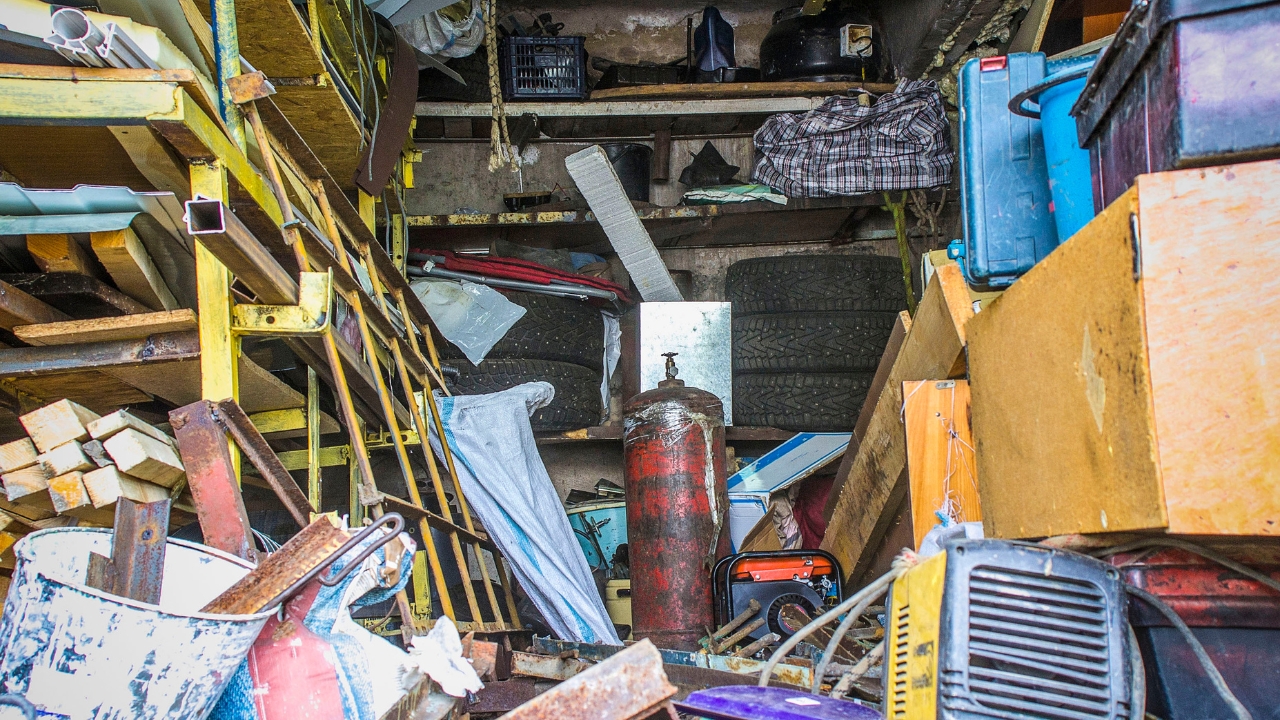
Bugs love a good hiding spot, and piles of stuff shoved into corners give them plenty. The more cluttered your shed is, the easier it is for pests to move in unnoticed.
Try to keep things off the floor and spaced out so air can flow through. You’ll find your tools faster, and it’ll be easier to notice when something doesn’t belong—like a wasp nest forming under a shelf.
No Ventilation
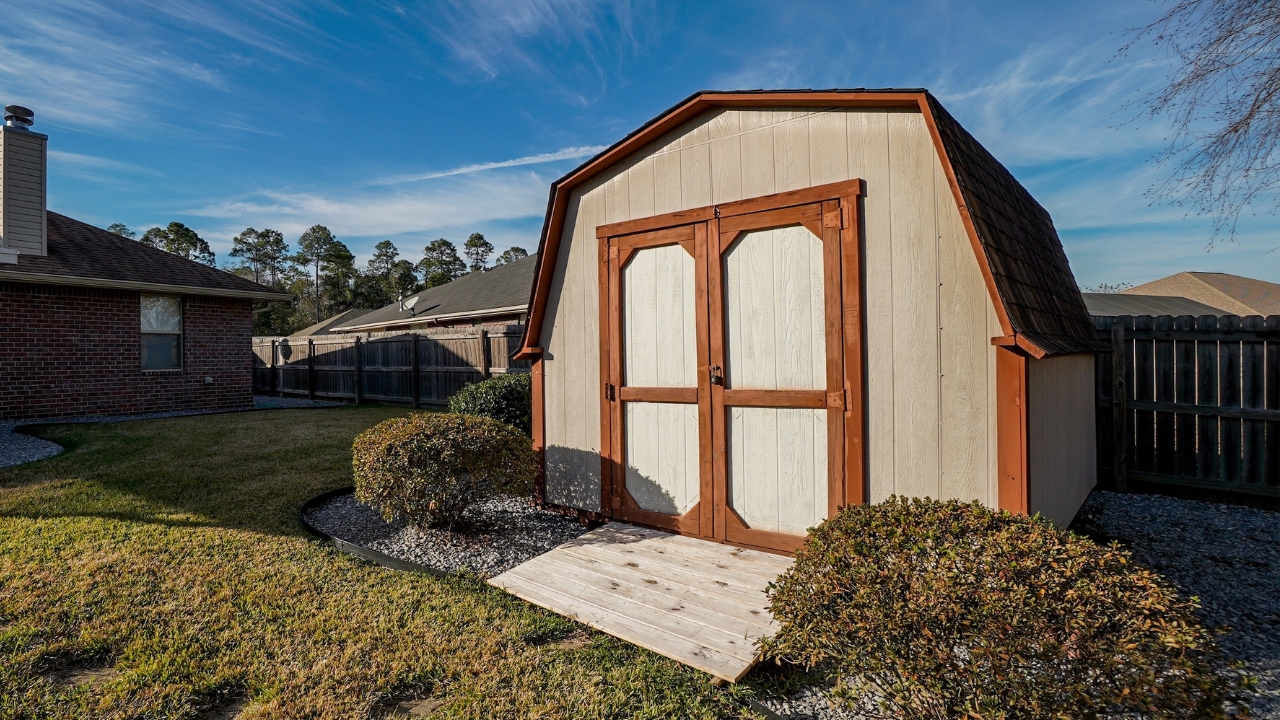
A hot, damp shed is bug paradise. If your shed doesn’t breathe, the moisture builds up fast, especially after a rain. That humidity draws in silverfish, mold-loving pests, and even termites if there’s wood involved.
Add a couple vents near the roofline or leave the door cracked on dry days to air it out. Good airflow helps cut down on moisture, heat, and the bugs that come with both.
Old Paint, Rotted Wood, or Mold
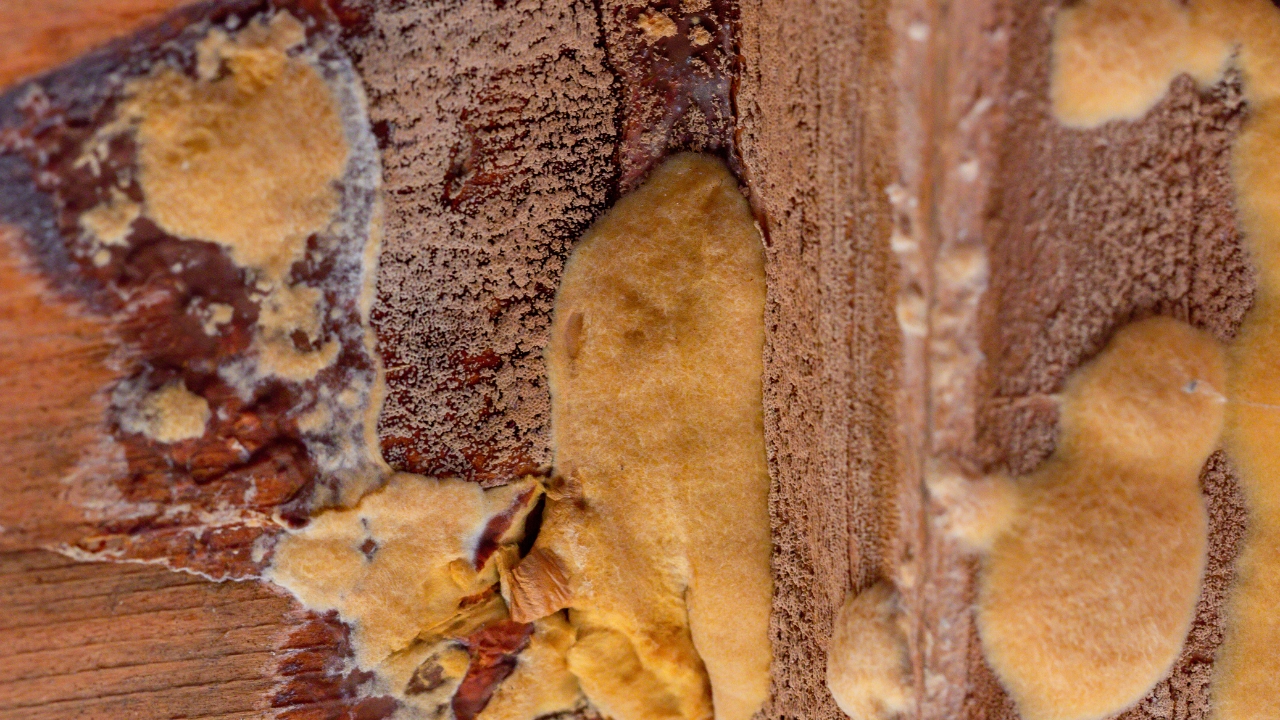
Peeling paint and rotting boards don’t just look bad—they invite insects. Termites, carpenter ants, and other wood-destroyers are drawn to damaged surfaces. Mold and mildew also bring in bugs that thrive in damp environments.
Keep your shed in decent shape. A coat of paint or sealant can make a big difference. If any wood is rotting, replace it. Staying ahead of the wear and tear helps stop a bug problem before it starts.
Like Fix It Homestead’s content? Be sure to follow us.