10 Things to Fix Around the House Before You Start Hosting Again
When you invite people back into your home, the little flaws you have learned to ignore suddenly feel a lot bigger. A sticky door, a dim hallway, or a musty guest room can quietly undermine the warm welcome you want to offer. By tackling a focused list of fixes before your next gathering, you give yourself fewer last‑minute surprises and a space that works as well as it looks.
Rather than chasing every project on your wish list, concentrate on the repairs and refreshes guests actually notice, along with the behind‑the‑scenes maintenance that keeps your systems reliable. The following checklist helps you prioritize ten practical upgrades so you can host with confidence rather than anxiety.
1. Start With Safety Checks Guests Never See
You experience your home every day, so you tend to notice clutter or dust long before you notice risk. Guests, however, rely on you for the basics: safe stairs, working smoke alarms, and clear exits. Before you think about decor, walk your space with a safety lens and test what protects everyone when something goes wrong. That includes checking smoke and carbon monoxide detectors, confirming that fire extinguishers are accessible, and making sure stair railings and deck boards feel solid underfoot.
Several home maintenance guides recommend building these inspections into a regular routine, alongside tasks like checking furnace filters and inspecting visible wiring, so you are not scrambling the day before a party. A structured Home Maintenance Checklist can help you remember to clean, check, and inspect the systems that quietly guard your guests, from your HVAC equipment to your water heater. You should also verify that exterior paths are well lit and free of tripping hazards so late arrivals or people leaving after dark can move safely.
2. Refresh Walls, Trim, and High‑Impact Surfaces
Once safety is covered, your next win comes from surfaces that frame every room. Scuffed walls, dinged trim, and stained baseboards make a space feel tired even when it is technically clean. A fresh coat of paint in a living room or hallway can change how guests perceive your home more than almost any other quick project, especially if you choose a light, neutral color that reflects more light and hides minor imperfections. Touching up door frames and baseboards where luggage and shoes have left marks can be done in an afternoon and instantly sharpens the whole space.
Short renovation guides aimed at pre‑guest prep often put wall refreshes at the top of the list, since you can complete them quickly and at relatively low cost while still getting a visible payoff. One set of holiday prep ideas specifically suggests you refresh your walls before visitors arrive, then consider small upgrades like new cabinet hardware or updated faucet finishes to modernize kitchens and baths. If you have time for only one cosmetic project, repainting the entry or the room where guests will gather most gives you the greatest impact for the effort.
3. Tune Up HVAC and Improve Indoor Air
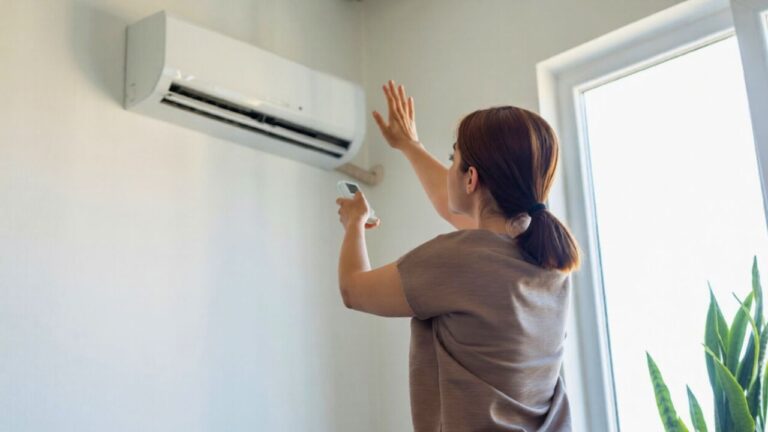
Comfortable air is one of those things guests only notice when it is missing. If your home feels stuffy, smells stale, or swings between too hot and too cold, people remember the discomfort more than the menu. Before hosting season, service your heating and cooling system, confirm that vents are open and unobstructed, and replace any aging thermostats that no longer hold temperature accurately. If your home tends to trap humidity, especially in bathrooms or a basement guest room, a portable dehumidifier can make the space feel significantly fresher.
Routine HVAC care is not just about comfort, it also protects your equipment. Maintenance checklists advise that you replace HVAC filters on a regular schedule to keep air flowing freely and reduce strain on the system. One guide specifies that you should replace your HVAC filters at least every six months, or every 30 to 90 days if you have pets or someone in the home with allergies, and also keep debris away from your outdoor A/C unit. Combining fresh filters with a quick vacuum of intake grilles and a check of bathroom exhaust fans helps you deliver cleaner air and a quieter background for conversation.
4. Fix Plumbing Quirks and Bathroom Wear
Few things unsettle guests faster than plumbing that does not behave. A toilet that runs endlessly, a faucet that drips, or a showerhead that sprays sideways can make bathrooms feel neglected and raise questions about what else might be wrong. Before people stay overnight, walk through every bath and powder room as if you were a visitor, flushing toilets, running sinks, and checking that drains clear quickly. Replacing worn flappers, tightening loose handles, and cleaning or swapping out clogged showerheads are inexpensive repairs that prevent awkward moments.
Regular plumbing inspections are also a smart way to avoid water damage that can quietly build behind walls or under sinks. One monthly maintenance guide recommends inspecting your plumbing visually, looking for signs of leaks, corrosion, or moisture around pipes and fixtures so you can address problems before they waste water and money. If you spot cracked grout or missing caulk in a shower, repairing it promptly protects both your subfloor and your guests from unpleasant surprises like soft tiles or musty smells.
5. Make the Guest Bedroom Truly Guest‑Ready
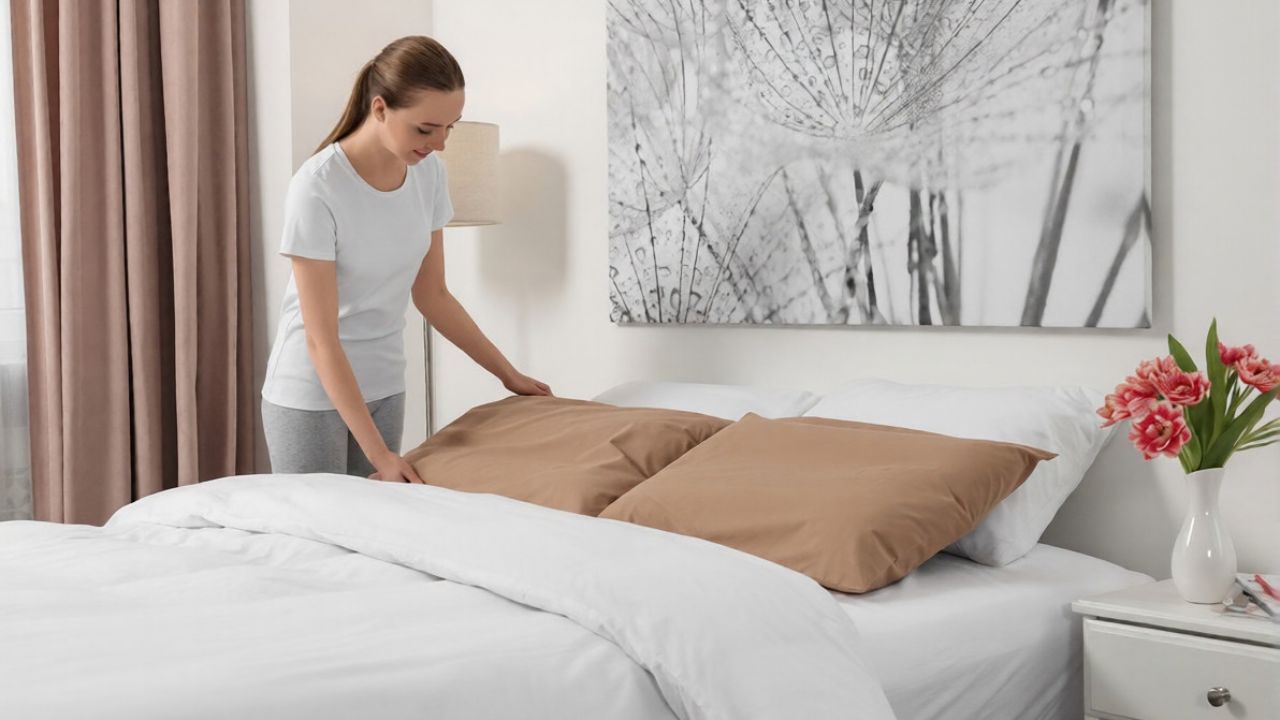
A dedicated guest room often becomes a catchall between visits, which means you may not realize how cluttered or uncomfortable it has become until someone is due to arrive. To create a space that feels intentional rather than improvised, clear surfaces, remove off‑season storage, and test the bed yourself for sagging mattresses or squeaky frames. Fresh bedding, extra blankets, and a place to set a suitcase all signal that you planned for your guests instead of squeezing them into a spare corner.
Retail checklists for hosting highlight simple but effective upgrades such as swapping in new bedding or throw pillows, hanging curtains or blinds for privacy, and laying a soft rug on hardwood floors to warm up the room. One house guest guide specifically advises that you swap in new, hang window coverings, and lay an area rug in the guest bedroom so the space feels finished rather than temporary. You can also add a small tray with water glasses, a phone charger, and a written Wi‑Fi password so guests do not have to ask for basics late at night.
6. Deep‑Clean High‑Traffic Zones Guests Notice First
Even if you keep up with everyday tidying, hosting calls for a deeper pass through the areas guests see and use most. Entryways, living rooms, kitchens, and guest baths collect the most dirt and clutter, so start there. Focus on tasks that change how a room feels: washing windows, wiping baseboards, vacuuming upholstery, and steam cleaning rugs or high‑traffic carpet paths. In the kitchen, go beyond the counters and clean cabinet fronts, appliance handles, and the sink area, where fingerprints and water spots accumulate.
Cleaning specialists often recommend scheduling this work about a week before guests arrive so you have time for touch‑ups rather than a frantic marathon. One checklist suggests that you deep clean high in living spaces and guest rooms, then maintain them with quick daily sweeps. You can also borrow a strategy from vacation rental hosts, who perform a brief check‑in and touch‑up between stays, scanning for missed smudges, stray pet hair, or dust on nightstands before each new arrival.
7. Brighten Lighting and Update Key Fixtures
Lighting shapes how your home feels more than almost any other design choice, yet it is easy to ignore mismatched bulbs or dim corners when you live with them every day. Before you host, walk through your rooms in the evening with all lights on and off, noting where guests might struggle to read a menu, see a step, or find a light switch. Replacing burned‑out bulbs, choosing warmer color temperatures for living spaces, and adding a floor lamp in a dark corner can make gatherings feel more relaxed and inviting.
Entertaining experts often point to flexible lighting as a simple way to adapt your home to different types of events. One set of renovation tips recommends that you install easy lighting controls, such as dimmable switches, so you can shift from bright task lighting while you cook to softer mood lighting once guests sit down. Swapping out a dated dining fixture or adding under‑cabinet lighting in the kitchen can also modernize the space without a full remodel, especially when paired with freshly painted walls.
8. Tackle Exterior Maintenance and First Impressions
Your front walk and entry set expectations long before anyone sees your living room. Peeling paint on the front door, overgrown shrubs, or sagging gutters can make guests wonder about the condition of the rest of the house. Before a gathering, clear cobwebs, sweep steps, and wipe down the door hardware that everyone touches. A quick pressure wash of siding or a scrub of the porch floor can restore color and remove algae or mildew that you might have stopped seeing.
Exterior maintenance guides emphasize that seemingly small tasks like cleaning gutters and trimming vegetation also protect your home from damage. One set of tips advises you to keep your gutters clear so water flows away from the foundation, and to clean window wells to avoid pooling water. Another set of holiday prep suggestions encourages you to trim back any overgrown shrubs around the entry and consider repainting or replacing the front door to upgrade curb appeal. Even if you have only an hour, adding a new doormat and a potted plant near the threshold helps guests feel they are walking into a cared‑for space.
9. Learn the Essential Fixes Every Host Should Handle
Some repairs are better left to professionals, but a core set of skills helps you respond quickly when something small goes wrong during a visit. Knowing how to reset a tripped breaker, shut off water to a leaking toilet, or relight a pilot light can turn a potential disruption into a brief pause. Before you host again, locate your main water shutoff, label your electrical panel clearly, and keep basic tools in one accessible place so you are not hunting for a screwdriver while guests wait.
Home maintenance educators often highlight a short list of tasks that every homeowner should be comfortable performing, from plunging a toilet to testing a sump pump. One guide on homeowner basics walks through 10 things every should know, including how to turn off utilities, reset GFCI outlets, and recognize early signs of foundation or moisture problems. Another set of tips encourages you to build a small toolkit with items like a utility knife, adjustable wrench, and pliers so you can handle minor repairs yourself and reserve service calls for complex or high‑risk work.
Like Fix It Homestead’s content? Be sure to follow us.
Here’s more from us:
- I made Joanna Gaines’s Friendsgiving casserole and here is what I would keep
- Pump Shotguns That Jam the Moment You Actually Need Them
- The First 5 Things Guests Notice About Your Living Room at Christmas
- What Caliber Works Best for Groundhogs, Armadillos, and Other Digging Pests?
- Rifles worth keeping by the back door on any rural property
*This article was developed with AI-powered tools and has been carefully reviewed by our editors.