10 Things You Should Never Use on a Glass Cooktop
Photo credit: NavinTar/Shutterstock.com
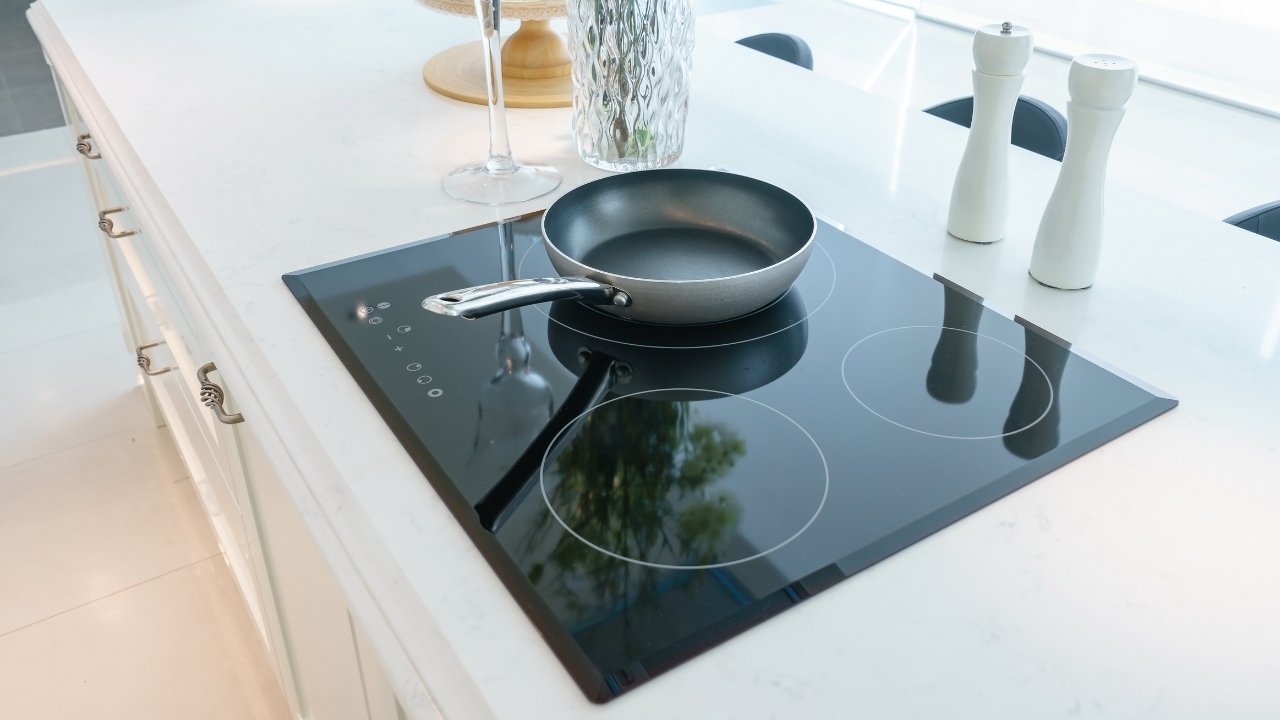
Glass cooktops look clean and modern, but they’re easier to damage than you might think. Scratches, burns, and dull spots are all common when you use the wrong products or tools. Some things seem harmless—until they leave a permanent mark or affect how well the cooktop works.
If you want yours to last and still look good down the road, there are a few things you’ll want to keep far away.
Cast Iron Skillets
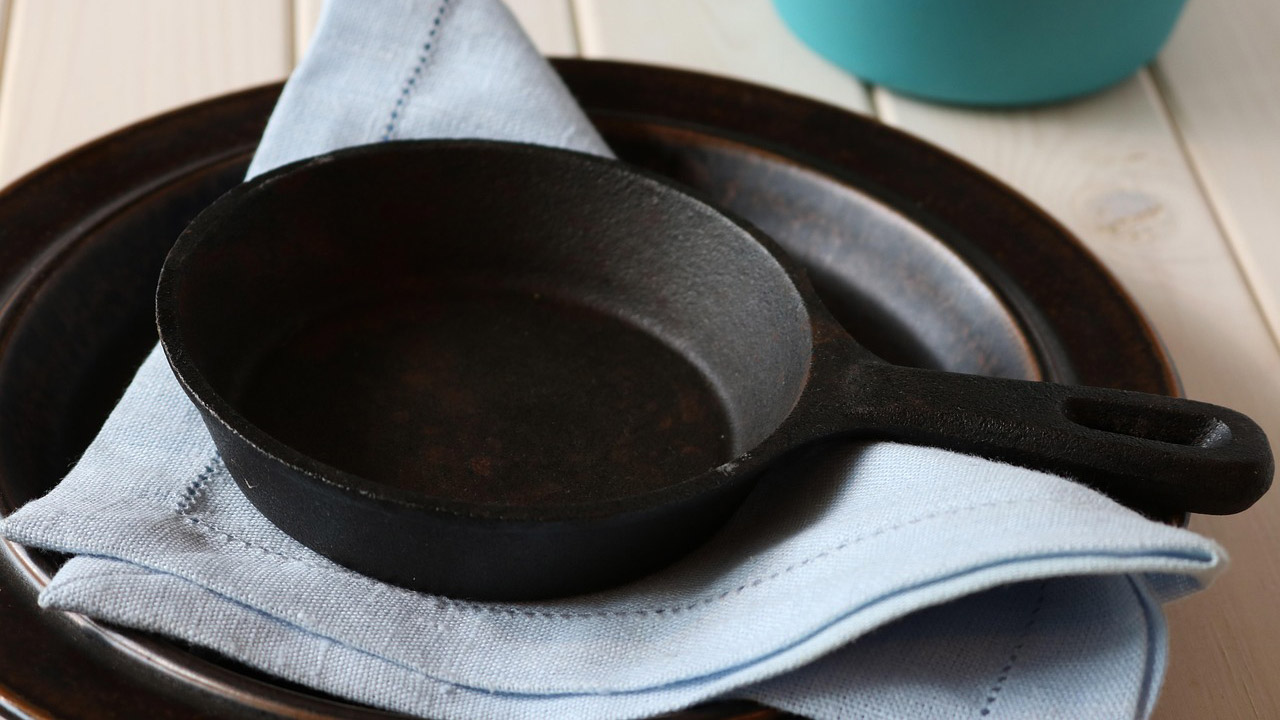
Cast iron pans hold heat well, but they’re heavy with rough bottoms that can scratch the surface fast. Even a slight drag across the glass can leave behind a mark you won’t be able to buff out.
If you want to use cast iron, lift it carefully and never slide it. Better yet, save it for another burner or stove type that can handle the weight and texture without damage.
Abrasive Cleaners
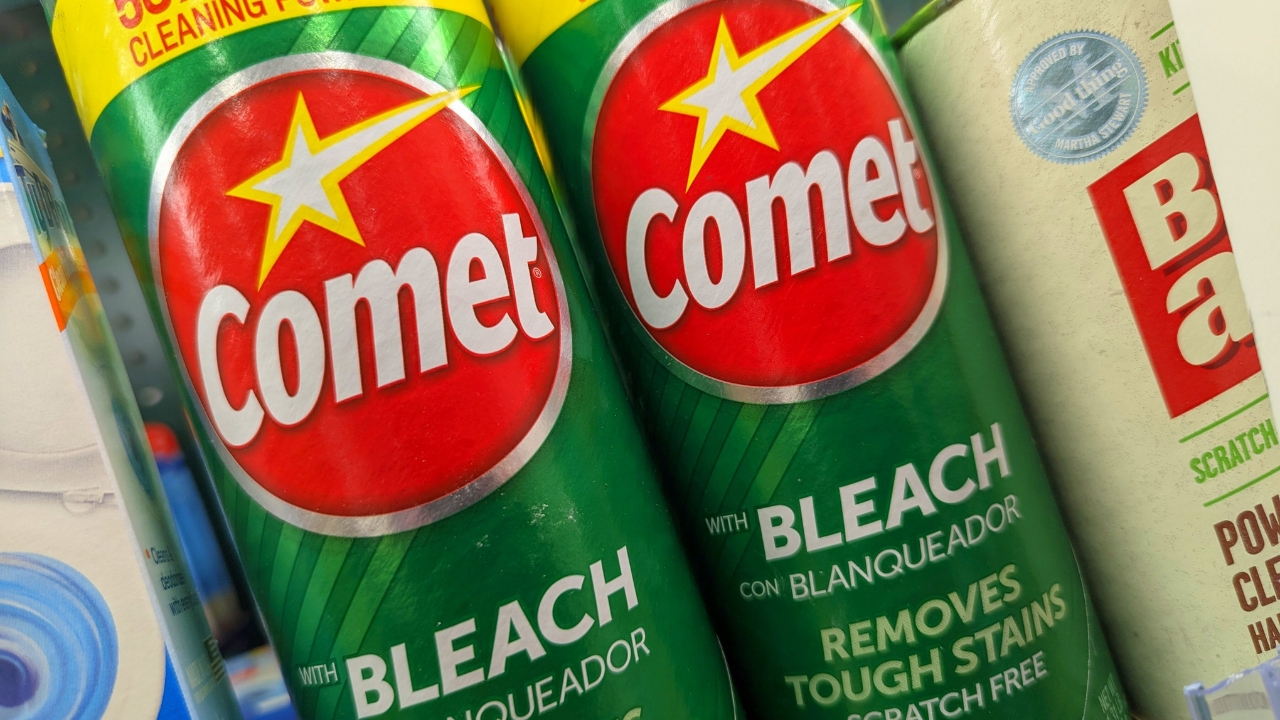
Products like Comet or Ajax might work on sinks and tubs, but they’re too harsh for a glass cooktop. The grit can leave tiny scratches that dull the surface and make it harder to clean later.
Stick with cooktop-safe creams or sprays labeled for glass or ceramic. A soft cloth and a gentle cleaner go a long way without risking damage.
Steel Wool

Steel wool pads will tear up the surface of a glass cooktop in no time. Even the fine ones leave scratches that catch grime and grease.
If something’s burned on, reach for a razor blade scraper made for glass. Used at a low angle, it can lift stubborn spots without scarring the surface.
Baking Soda with Too Much Pressure

Baking soda is often recommended as a gentle cleaner, but if you scrub too hard or use it too dry, it can still leave micro-scratches.
If you’re going to use baking soda, mix it into a paste and wipe gently with a soft cloth. Rinse well so it doesn’t leave a residue behind.
Glass Cleaner with Ammonia
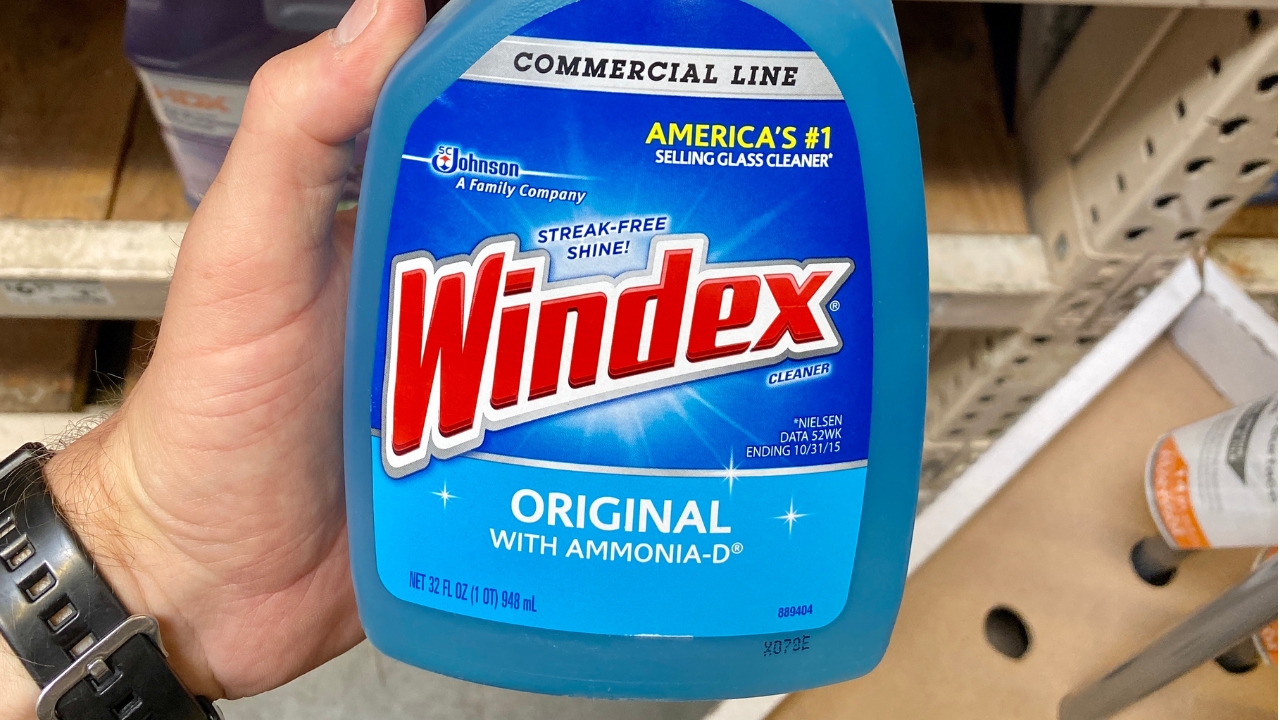
Regular window cleaners often contain ammonia, which can discolor the glass or damage the finish over time—especially when combined with heat.
Use a cooktop cleaner made specifically for your stove, or opt for a mix of vinegar and water if you’re looking for a DIY option.
Heavy-Duty Spatulas or Metal Tools
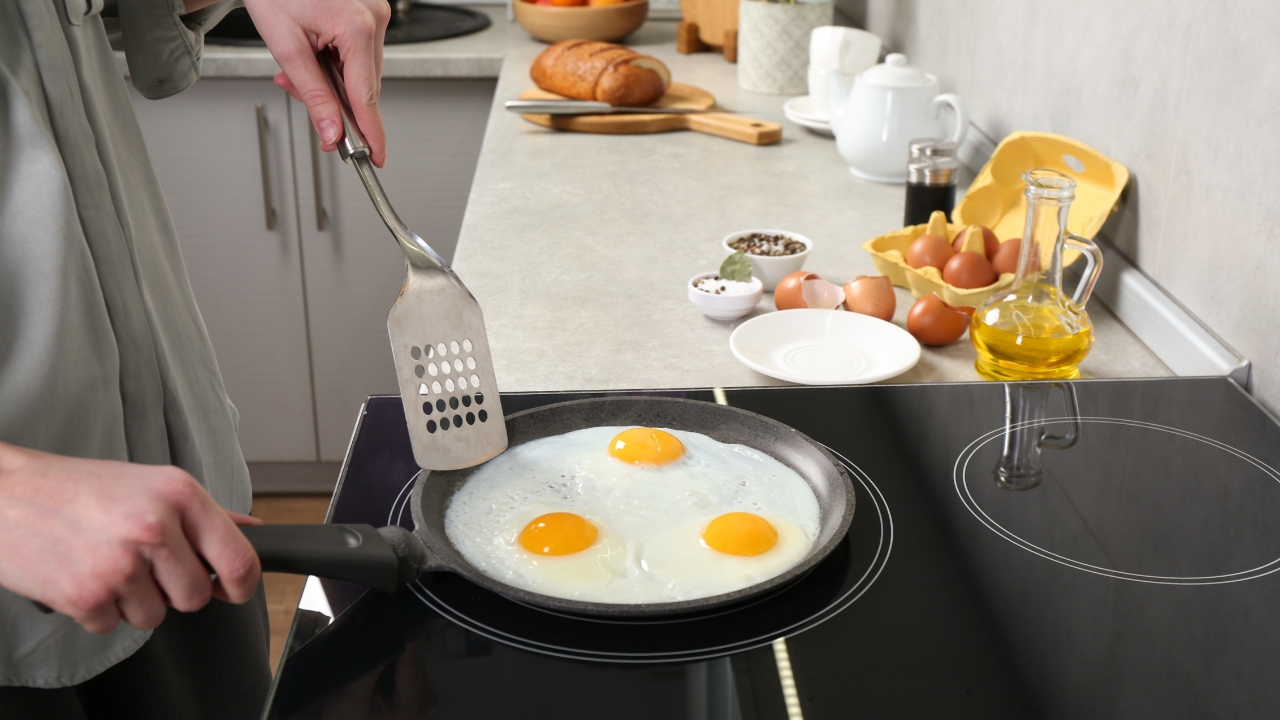
Metal utensils can leave scratches, especially if you’re stirring or flipping something in a pan that slips a little. It doesn’t take much force for the damage to show.
Use silicone or wooden utensils instead. They’re gentle on cookware and won’t leave marks behind if they touch the glass by accident.
Aluminum Foil
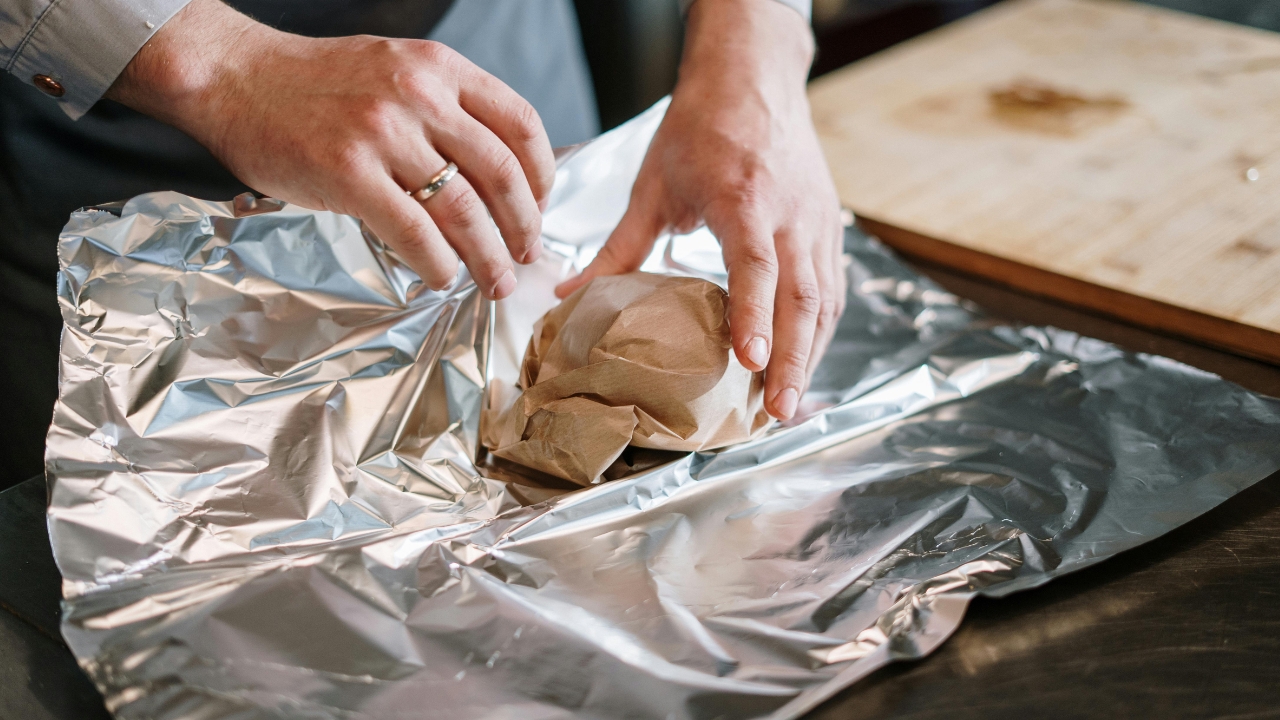
It might not seem like a threat, but foil can melt onto the surface if it touches a hot burner. Once that happens, it’s nearly impossible to remove without damage.
If you’re lining pans or covering something, make sure the foil stays far from the heating elements and never touches the cooktop directly.
Dish Soap Left Behind

Dish soap might seem harmless, but leftover residue can burn when the burner heats up. It can leave a streaky or filmy mark that’s tough to remove.
Always wipe the surface thoroughly with a clean, damp cloth after cleaning, and dry it to keep buildup from baking onto the glass next time you cook.
Plastic Lids or Utensils
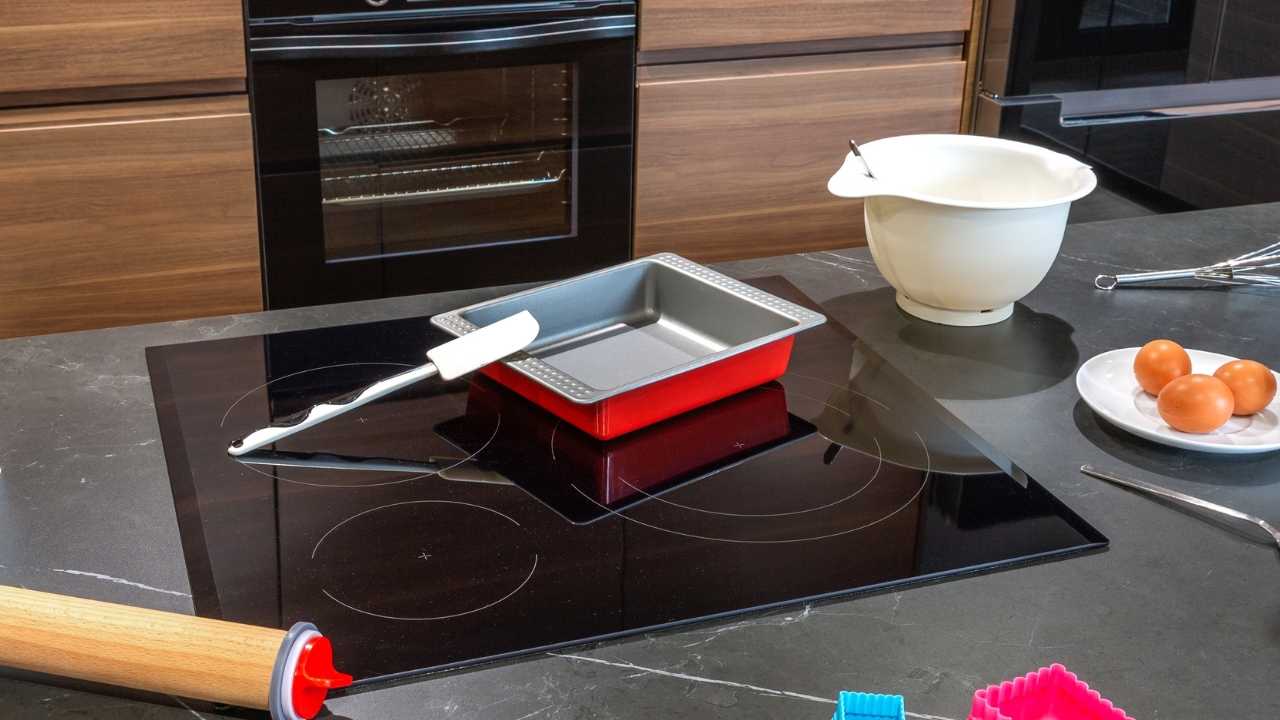
Plastic melts fast on a hot cooktop, and once it’s melted, it can fuse with the surface. That kind of damage is hard to fix and may need professional help.
Keep anything plastic well off the stove surface—even when it’s off. Leftover heat can still do damage if something’s sitting on the glass.
Paper Towels During Cooking
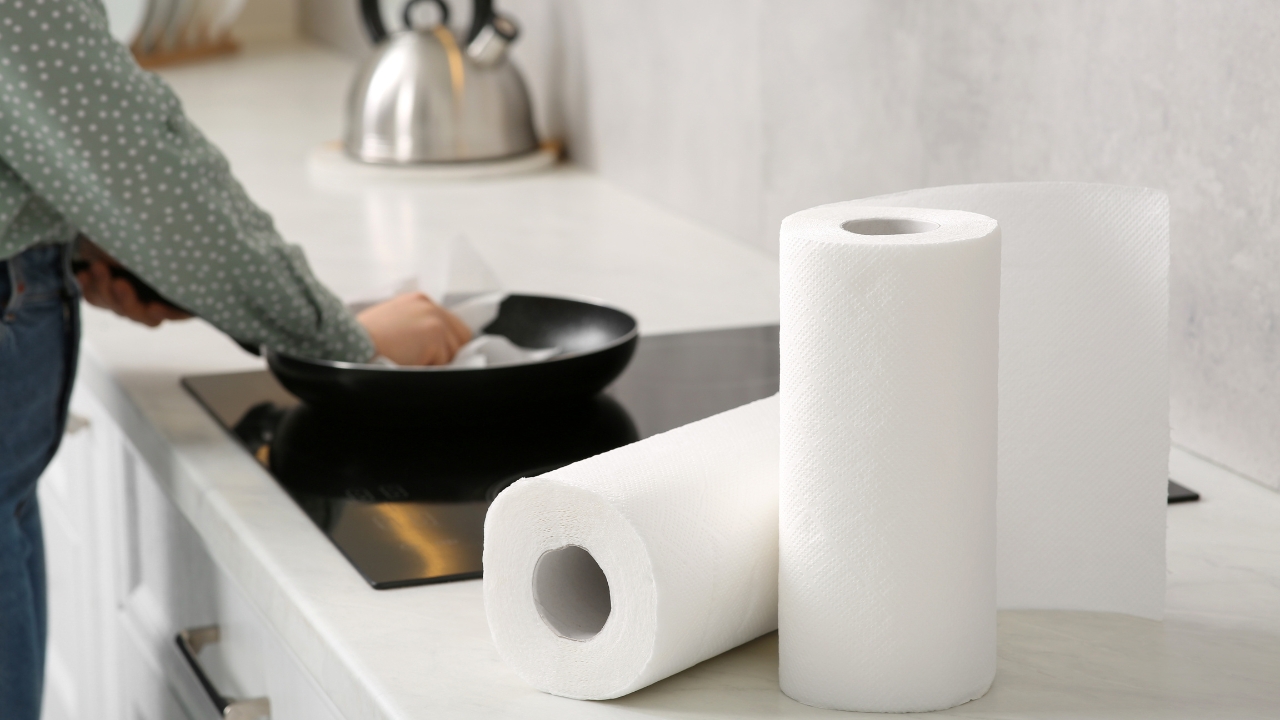
Paper towels left under pans to “catch spills” can scorch, stick, or even ignite. Even if nothing catches fire, the burned-on paper can leave a mess.
Use a lid if you’re trying to prevent splatter, and always keep paper products far from burners once the stove is turned on.
Like Fix It Homestead’s content? Be sure to follow us.