10 Things You Should Absolutely Never Pressure Wash
Pressure washers are powerful tools, but they’re not for everything. Some surfaces can’t handle that kind of force and end up worse off than before you started. Cracked paint, splintered wood, or water damage deep inside walls or siding can sneak up fast if you’re not careful.
If you’ve been tempted to spray everything in sight, take a second to make sure you’re not causing more harm than good. These are the things you should absolutely never pressure wash.
Asphalt Shingles

Blasting your roof might seem like a smart way to get rid of moss or dirt, but it strips off the protective granules and cuts the life of your shingles short. Even a lower setting can loosen them or cause leaks.
If your roof needs cleaning, go with a soft wash method or a roof-safe cleaner instead. Pressure washing up there does way more harm than good—and often voids warranties.
Electrical Panels and Outdoor Outlets
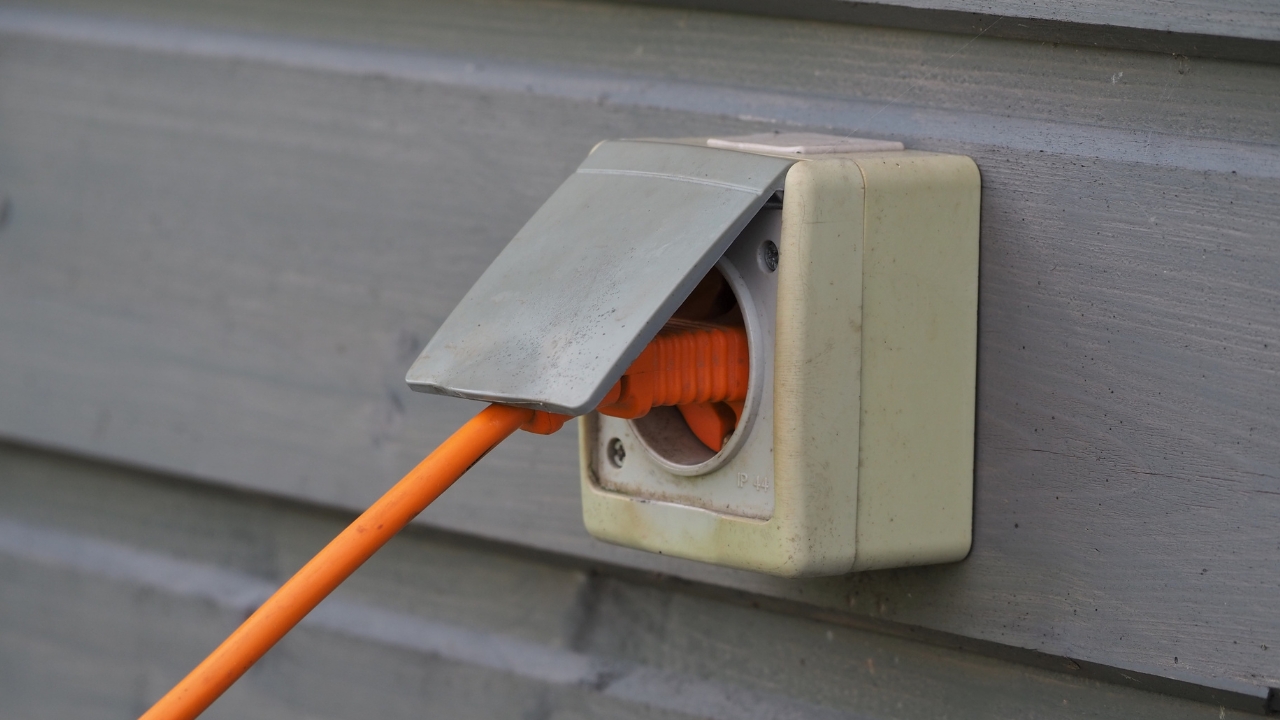
Even if the outlet or panel looks weatherproof, it’s not designed to take a high-pressure spray. Water can get past the covers, short things out, and create a real hazard.
Stick to wiping these areas down by hand. If they’re looking rough, call an electrician to check them out safely. A pressure washer and electricity are not a mix you want to gamble on.
Brick With Old or Crumbling Mortar

Brick can handle pressure—but the mortar holding it together can’t always. On older homes or walls, pressure washing can blast out weak joints and open the door for water damage and crumbling.
If your mortar is showing wear, skip the washer. Use a garden hose and brush instead, or talk to a pro before going in with heavy water pressure. Once it’s damaged, repairs get expensive fast.
Wood Siding
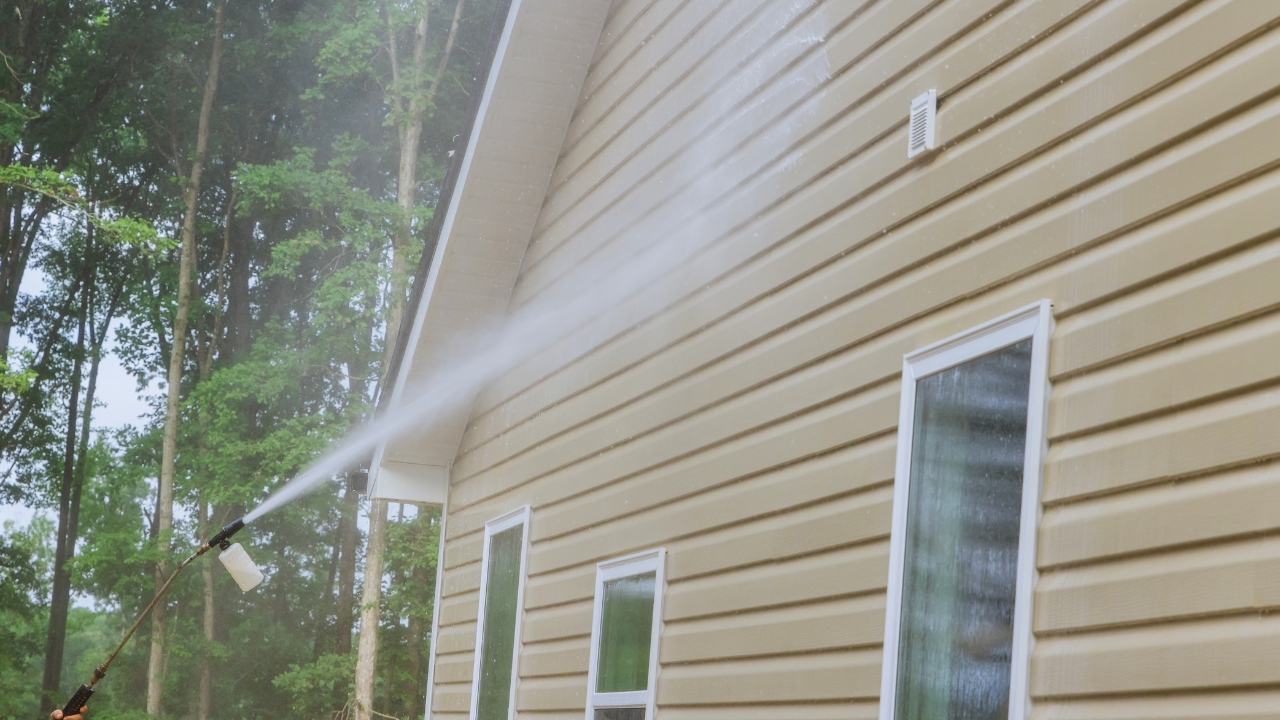
Wood siding might look sturdy, but a pressure washer can splinter it, force water behind the panels, or strip the finish completely. That moisture trapped underneath can lead to mold, rot, or swelling.
If your wood siding needs cleaning, use a soft brush and a gentle cleaner. A regular garden hose can rinse it off without forcing water into places it doesn’t belong.
Lead Paint
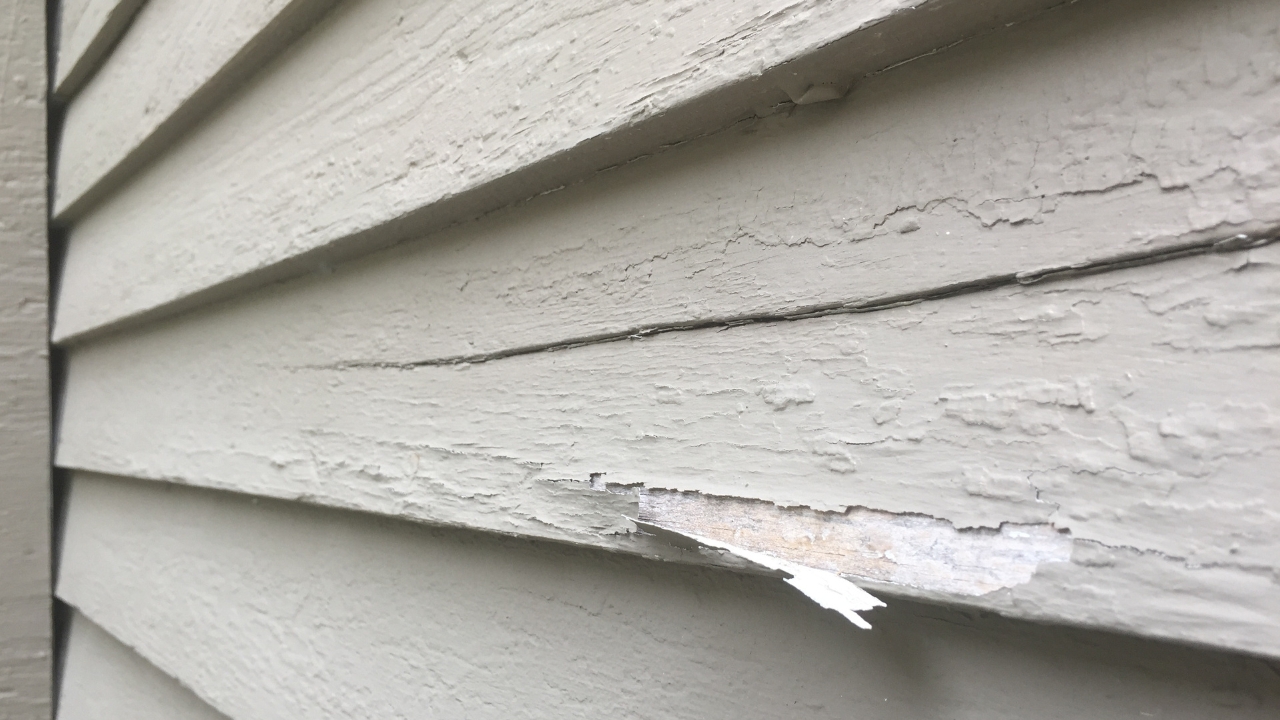
If your home was built before the late 1970s, there’s a chance it has lead-based paint. Pressure washing can send those dangerous flakes flying through the air or into the soil where your kids or pets play.
Always test for lead before stripping old paint. If it’s there, don’t pressure wash it—call a certified professional to handle the cleanup safely.
Air Conditioners
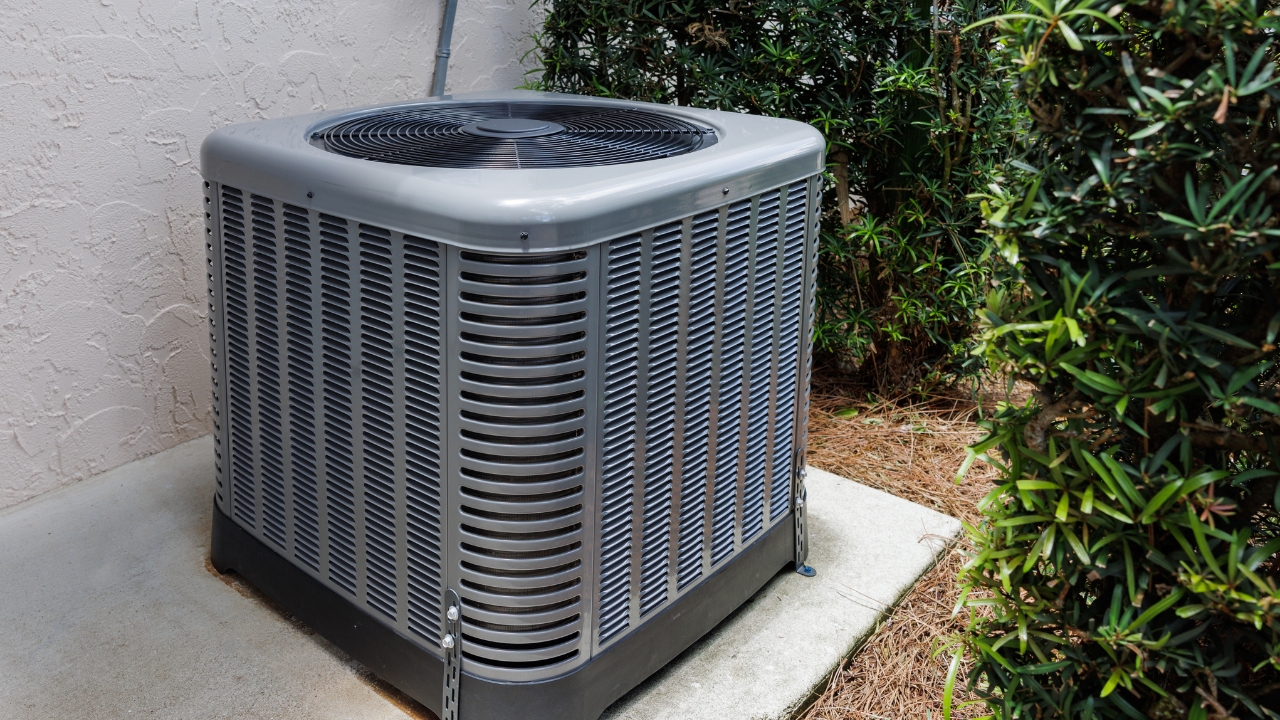
Your outdoor AC unit looks like it could use a good rinse—but blasting it with a pressure washer can bend the fins, damage the coils, or push water into electrical parts.
If it’s dirty, turn off the power and gently rinse the unit with a hose. Use a soft brush if needed, but leave the pressure washer in the garage for this one.
Windows and Window Screens
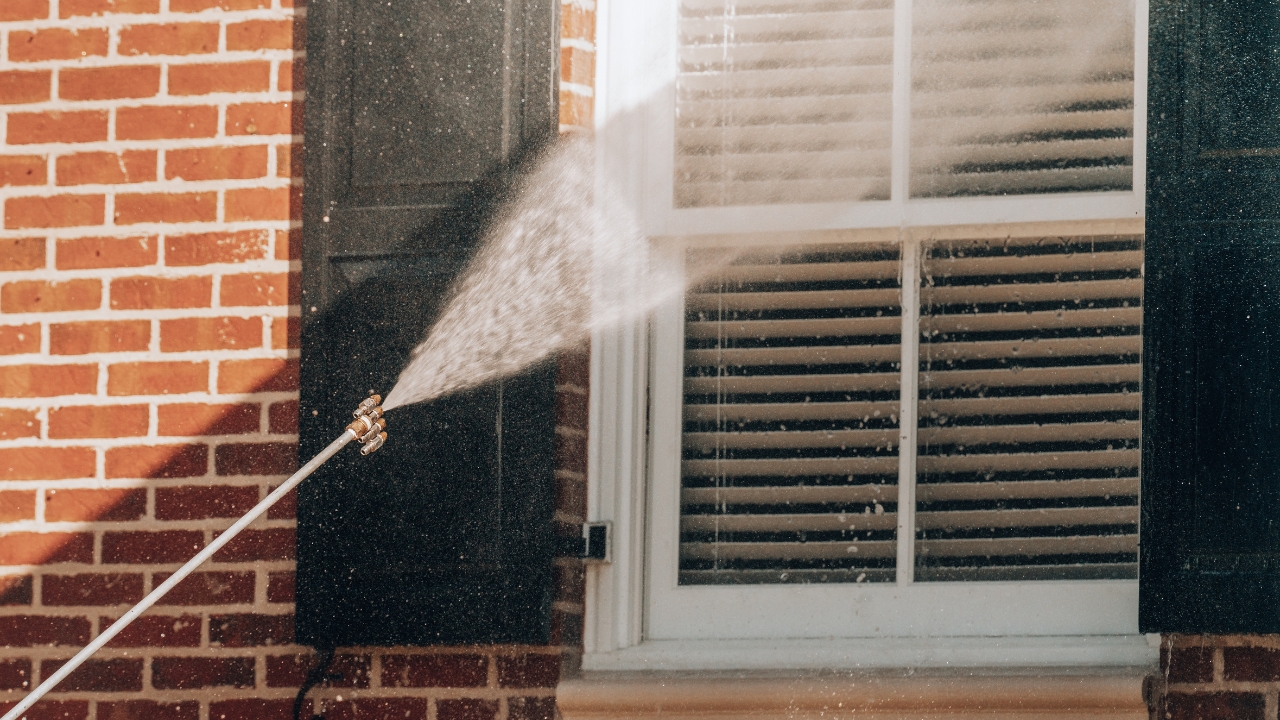
Pressure washers and glass don’t get along. High pressure can crack windows, rip screens, or damage seals that keep water out. Once that seal’s gone, you’re looking at condensation and energy loss.
Stick to hand washing your windows or using a squeegee and a hose. If screens need attention, remove and rinse them gently—don’t blast them while they’re still on the frame.
Vehicles With Aging Paint
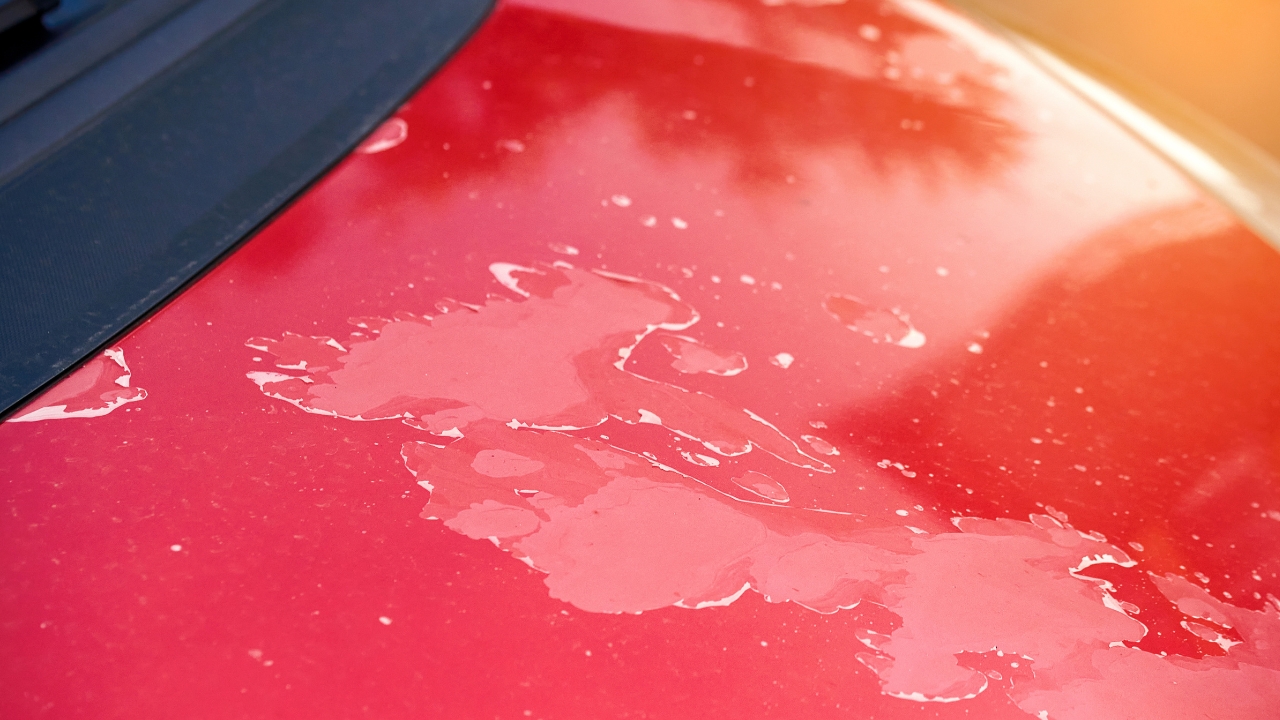
A car or truck might seem like a pressure-wash-safe job, but if the paint is already weak or peeling, you can make things worse fast. High-pressure water can lift paint, damage trim, or push water into seals.
Use a foam cannon or soft wash mitt instead. Gentle methods actually clean better and don’t run the risk of wrecking the finish. Save the pressure washer for your driveway.
Stained or Sealed Decking

If your deck has a fresh stain or sealant, high pressure can strip it right back off. Even pressure-treated wood isn’t safe from gouges or splinters when the PSI’s too high.
When you need to clean your deck, go with a lower-pressure setting or a cleaner designed for the job. Scrubbing might take longer, but you’ll save yourself from redoing the whole finish.
Living Plants and Gardens

You might think you’re giving your flower beds a little rinse, but pressure washers can shred leaves, snap stems, and ruin delicate plants in seconds. The soil gets blasted too, which can expose roots or cause runoff.
Keep the pressure washer away from anything living. Use a regular hose or watering can instead. If your beds need cleanup, hand weeding or trimming is always safer.
*This article was developed with AI-powered tools and has been carefully reviewed by our editors.