10 Things You Should Check Before Drilling a Well
Drilling a well isn’t something you just jump into. If you don’t know what you’re doing—or trust the wrong people to do it for you—you could end up paying a lot more later or wind up with a well that doesn’t meet your needs at all. The goal is to make sure you’re set up with safe, long-term access to water, not scrambling later to fix things that could’ve been handled up front.
Here’s what you should always check before drilling.
Where the Septic System Will Go
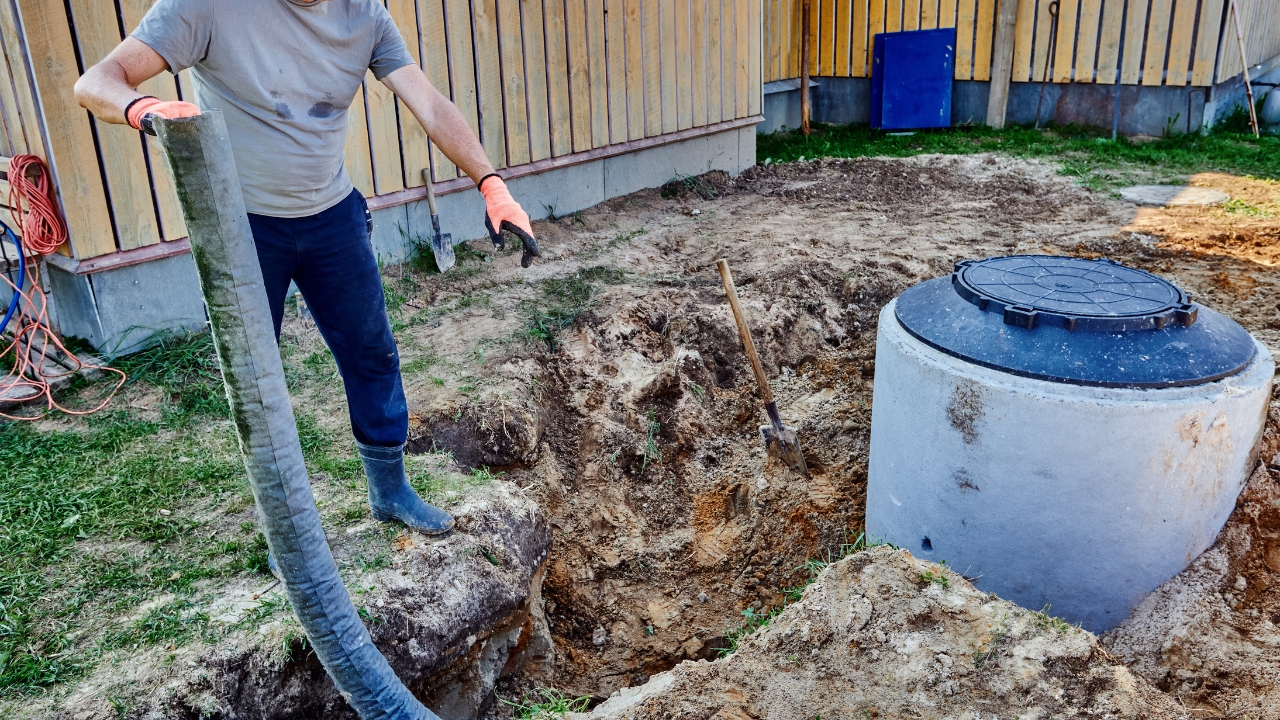
Your well needs to be far enough away from your future or existing septic system to avoid contamination. This isn’t a guess-and-check situation—there are real health risks if you get this wrong. Every state has minimum distance rules, but going even further than the legal minimum is often a smart move.
If you haven’t already decided where your septic will be, now’s the time. Lock that down first, then measure out your well location accordingly. The last thing you want is to hit water and find out it’s too close to your drain field.
What the Neighbors’ Wells Look Like
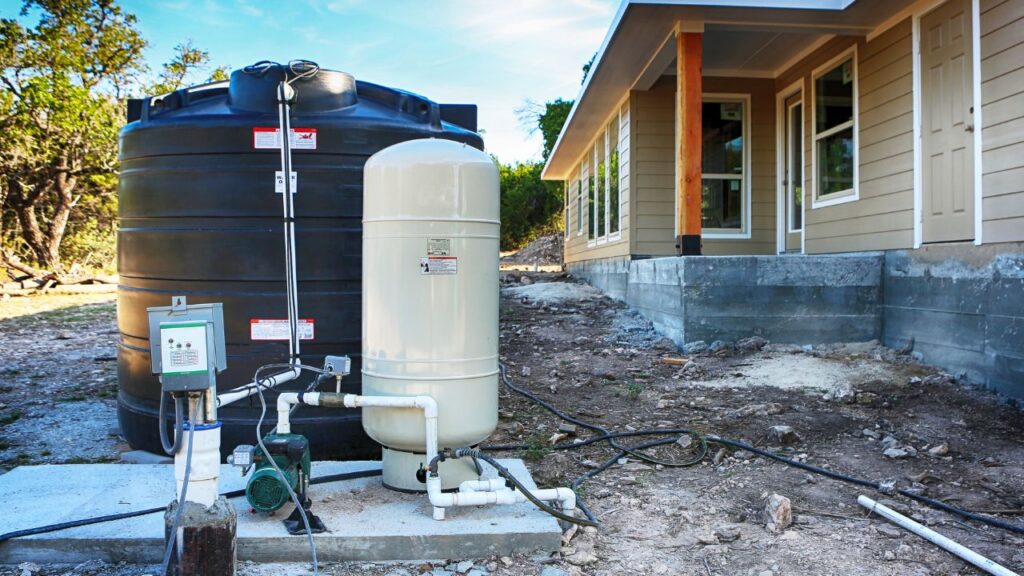
If you’re on rural land, chances are someone nearby has a well. Ask them how deep they had to drill and how their flow rate turned out. This gives you a ballpark idea of what you might be working with—and what it might cost.
Keep in mind, things can vary even on the same road, but it’s still worth asking around. If everyone around you had to go 400+ feet deep, don’t count on hitting water at 100. That info can also help you choose the right contractor.
Where the Water Table Actually Is
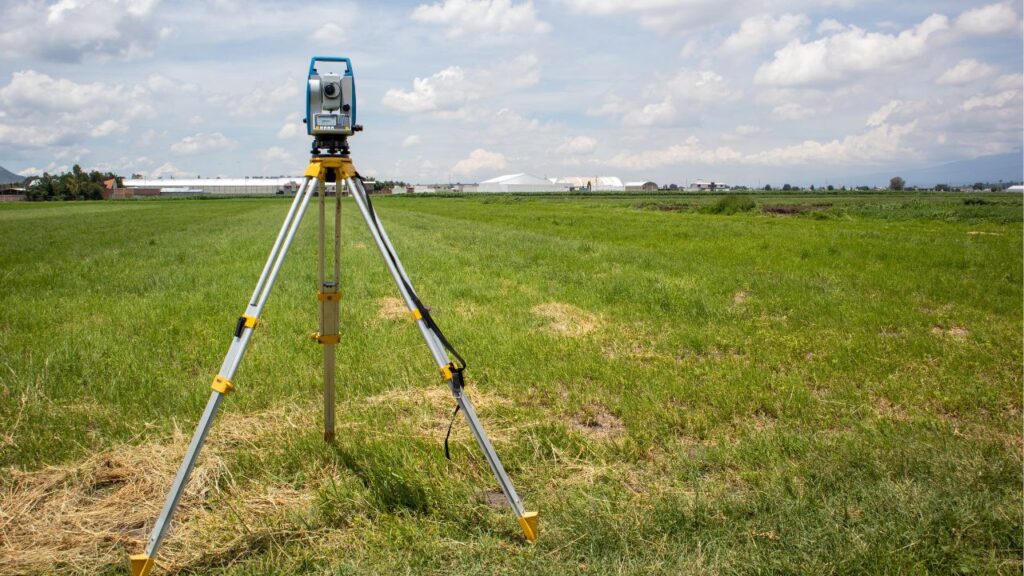
You need to get an idea of your property’s water table and if it fluctuates seasonally. If the water level drops during dry months, your well could end up running too low unless it’s drilled deep enough from the start.
Check state geological survey records or talk to your county office. Some areas offer maps or drilling reports that show average depths and groundwater availability. It’s better to study now than to run out of water later.
How You’ll Power the Pump
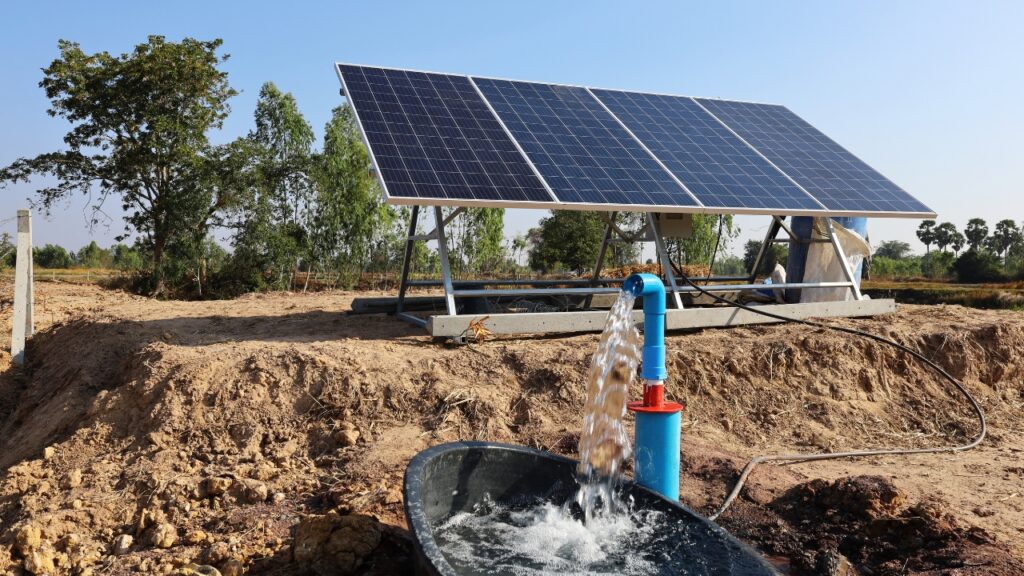
A well needs power, and you’ll need to decide how you’re going to get it. If you’re off-grid or haven’t run electric yet, that needs to be part of the plan. Solar setups are an option, but they’re not plug-and-play. You need to size your system to your pump.
Even if you already have electric nearby, make sure the wiring and panel setup can handle it. You don’t want to find out later that your system is underpowered and needs an expensive upgrade.
The Location for Maintenance Access
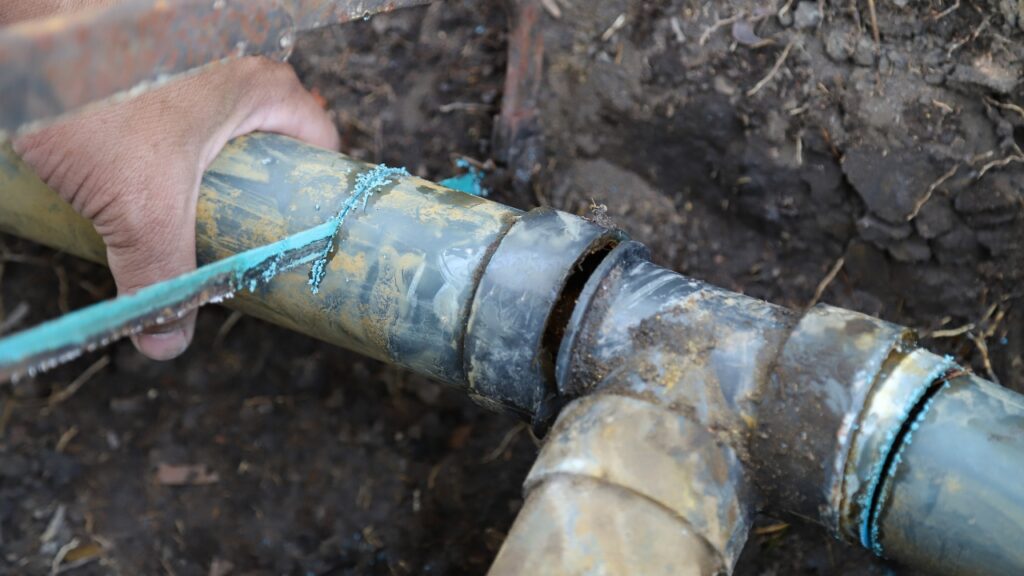
It’s easy to get excited and drill where it’s most convenient—until you realize you can’t get equipment back to it. Your well needs to be accessible for future service, pump replacement, or repairs, and that includes a truck-mounted rig if something big goes wrong.
That means avoiding tight spots between buildings, fencing, or trees. Leave room to maneuver now, and you won’t be stuck later trying to figure out how to dig out a failed pump by hand.
The Quality of the Water Source
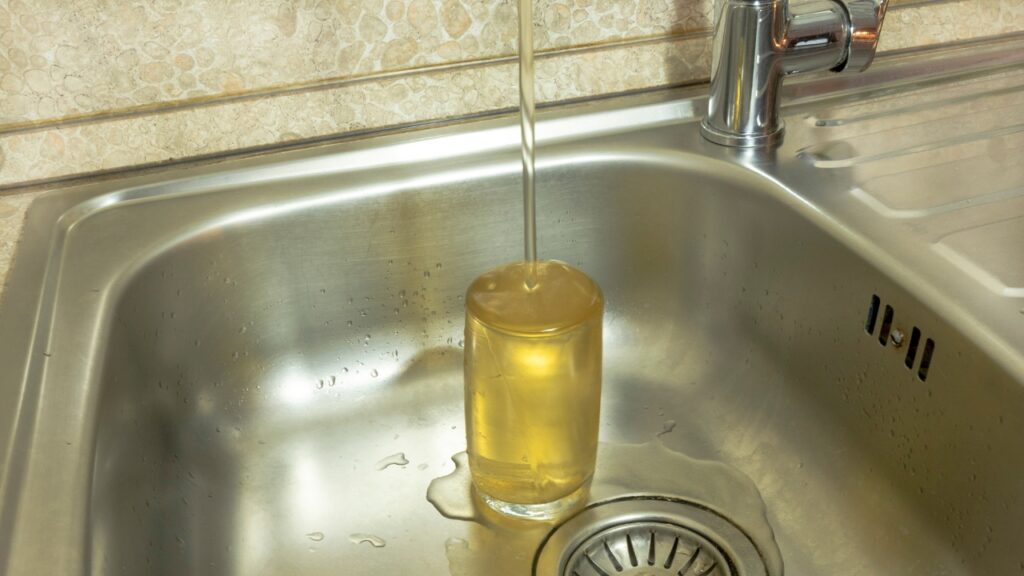
Not all groundwater is safe. Some wells pull up water with high levels of iron, sulfur, or even arsenic. You won’t know what’s in yours until you test it. Don’t assume it’s fine because it looks clear.
Once your well is drilled, have a sample professionally tested before hooking anything up. That way you’ll know if you need filters or treatment systems—or if it’s clean enough to drink straight.
What Permits You Need
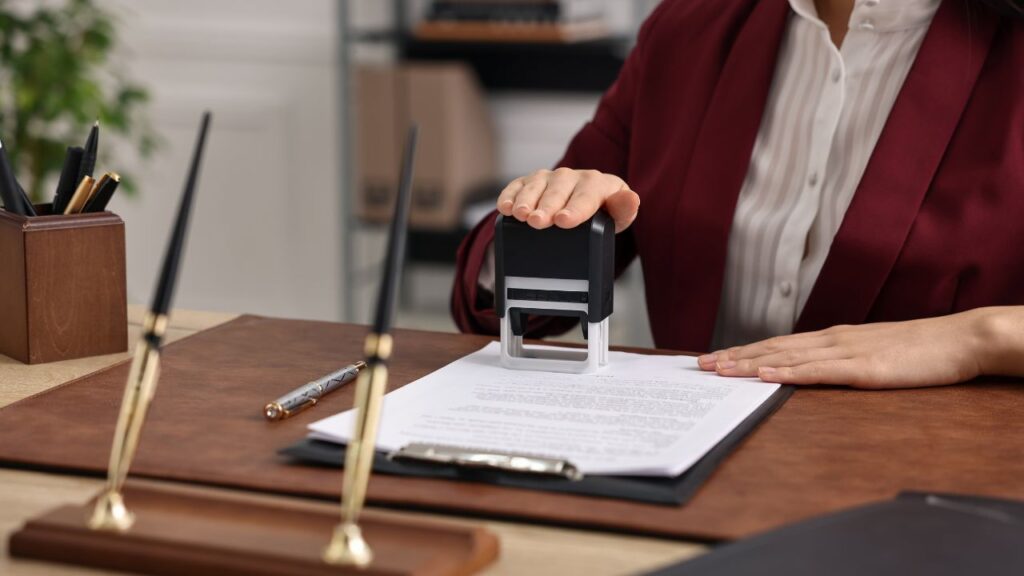
Some counties are strict about well permits and inspections, and others barely bat an eye. But skipping the permit process entirely can lead to trouble when it’s time to sell or if a neighbor complains.
Before you bring in a rig, check with your county or state office to make sure you’re following the rules. A good well driller should already know this, but it’s still on you to double-check.
The Flow Rate You Actually Need
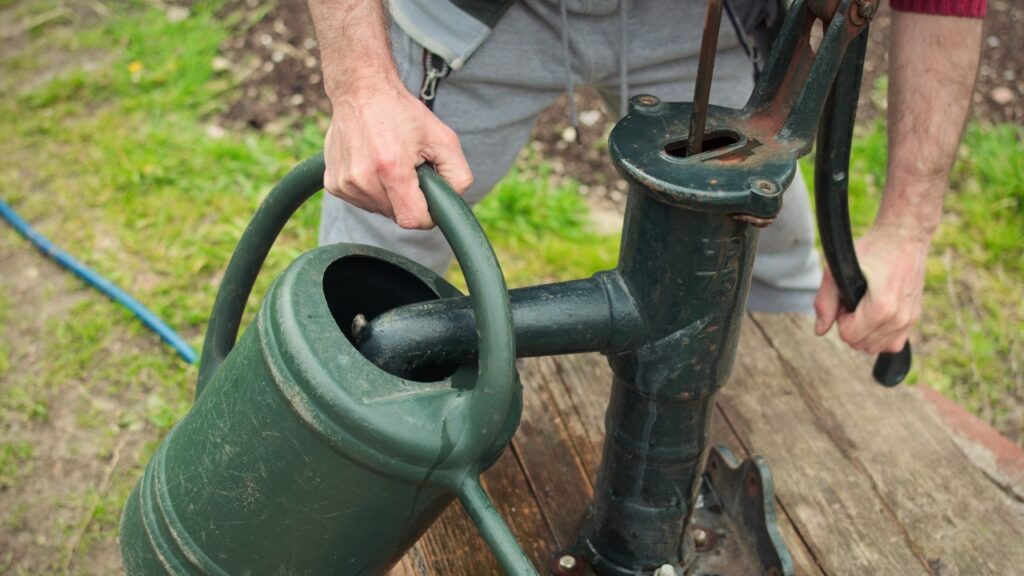
Not everyone needs the same water output. If you’re running a big household, irrigating land, or planning livestock, you’ll need more than someone who’s just using it for light household use.
Don’t assume “any well” will work. Your flow rate needs to support your usage. Talk to your driller about your expected water demand so you don’t end up with a weak well that can’t keep up.
The Driller’s Reputation
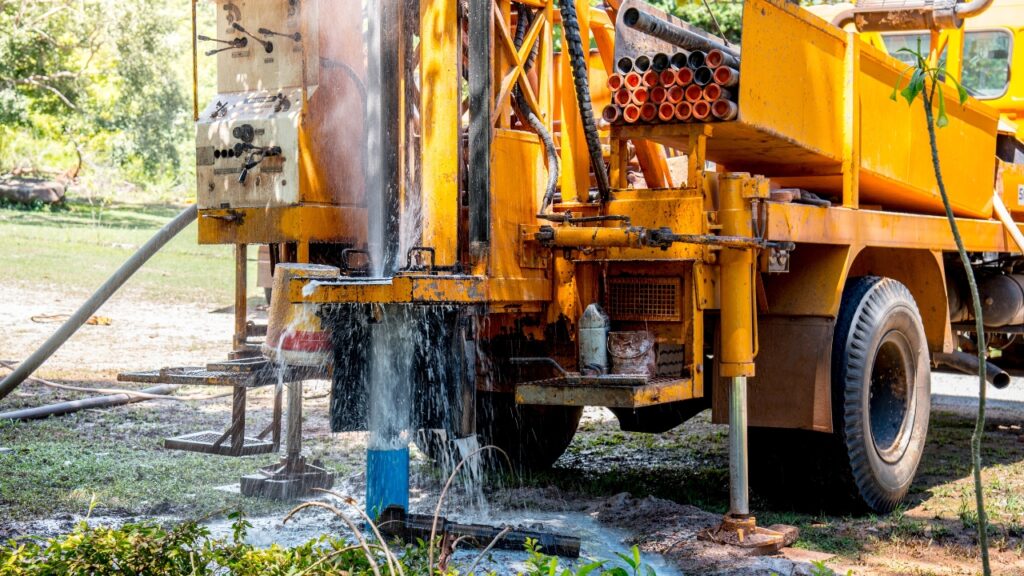
Not all well drillers are created equal. Ask around, read reviews, and don’t be afraid to call references. You want someone who knows the area, isn’t going to cut corners, and will stand behind their work.
A reputable driller should be able to explain the process, tell you what to expect, and give you an honest estimate. If they’re vague or pushing you to commit without questions, that’s a red flag.
How You’ll Keep It Protected
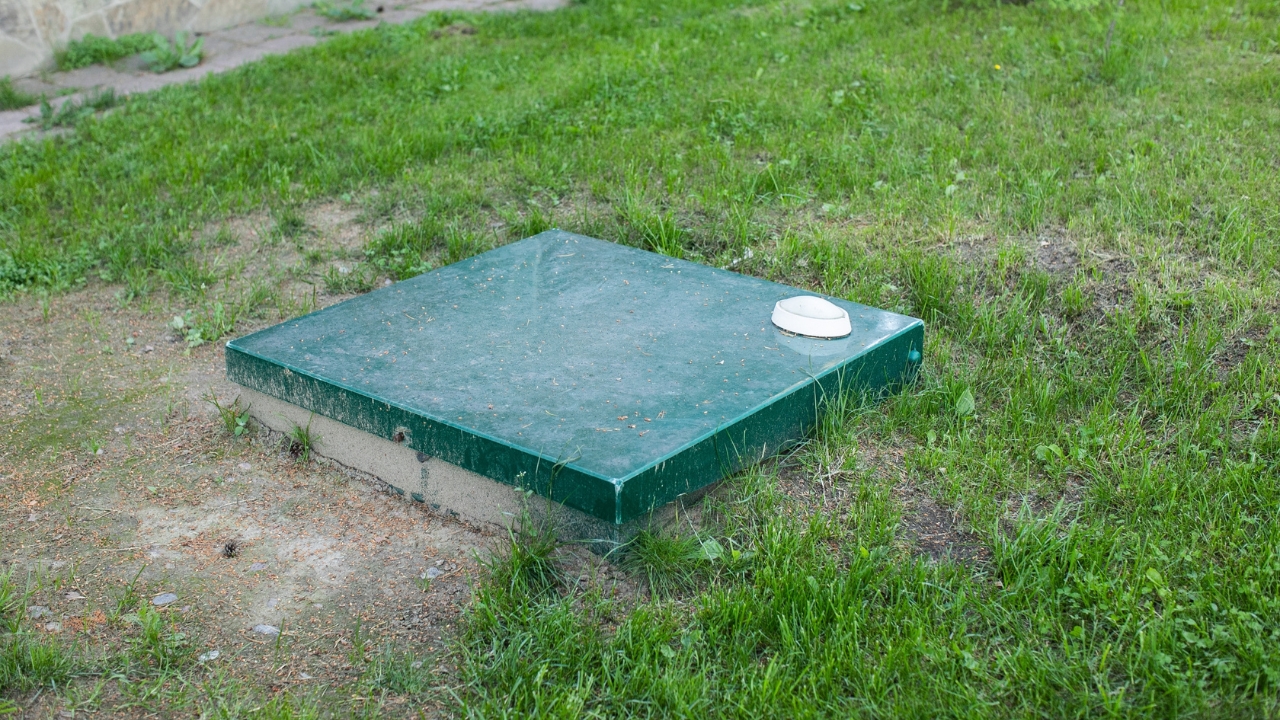
Once your well is drilled, you need to keep the area around it clean and protected. That means no piling trash, storing chemicals, or parking vehicles near it. Keep it capped and make sure any runoff from the rest of the property doesn’t wash into the well casing.
Treat your well like the lifeline it is. A little extra care up front can save you major headaches later.
*This article was developed with AI-powered tools and has been carefully reviewed by our editors.