8 Things You’ll Wish You Knew Before Pouring a Driveway
Photo credit: Sketchart/Shutterstock.com
Pouring a driveway sounds easy until you realize how many things can go wrong—or how expensive it is to fix after the fact. If you’re doing this on your own land, every choice you make will affect how that driveway holds up over time. Here’s what to keep in mind so you don’t waste time or money.
How Water Will Flow Around It

If water pools or flows over your driveway, you’re going to have problems. Erosion, cracking, and frost heave all get worse when drainage isn’t handled right.
Look at your land’s slope and decide where water needs to go before pouring anything. That might mean installing a culvert or adding a slight pitch to help it run off to the side.
How Thick It Needs to Be
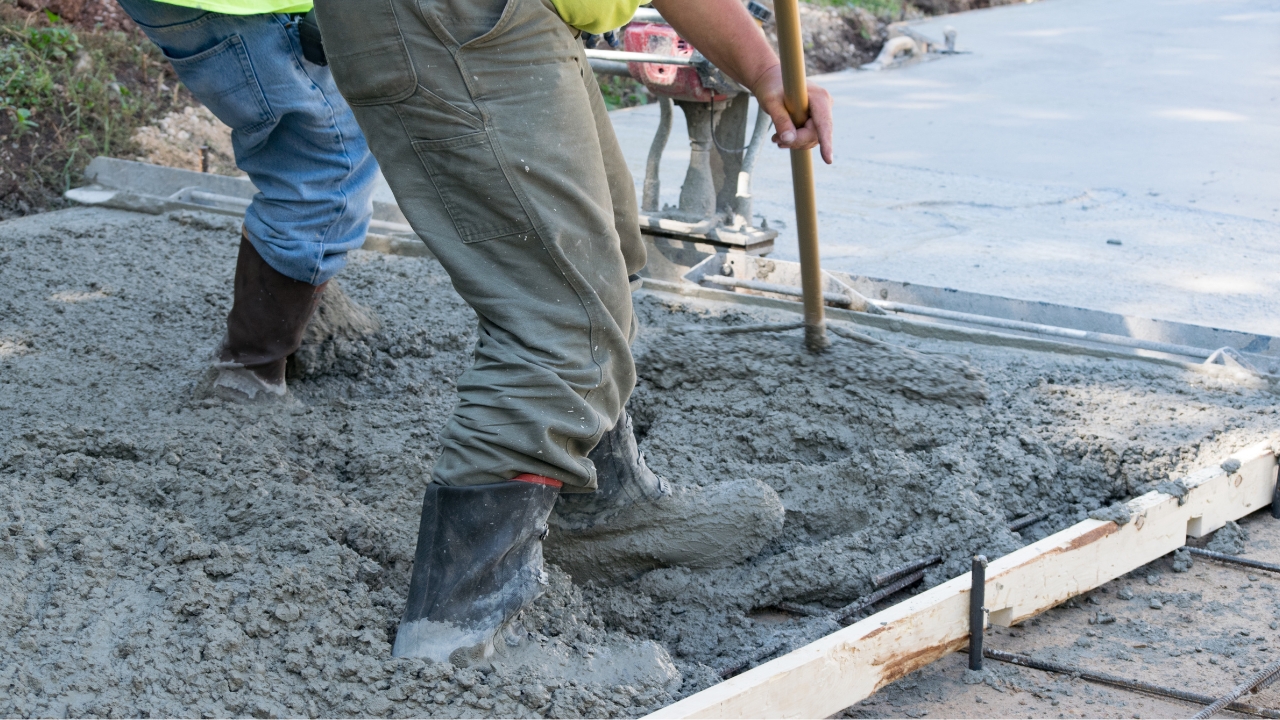
A too-thin slab might save money upfront, but you’ll pay later when it cracks under pressure. If you plan on driving heavy trucks, trailers, or equipment over it, don’t skimp on depth.
Most residential driveways need to be at least 4 inches thick, but in rural setups with trucks or tractors, 6 inches is more realistic. Reinforcement matters too—think rebar or mesh, not just poured concrete.
What’s Underneath Matters More Than You Think
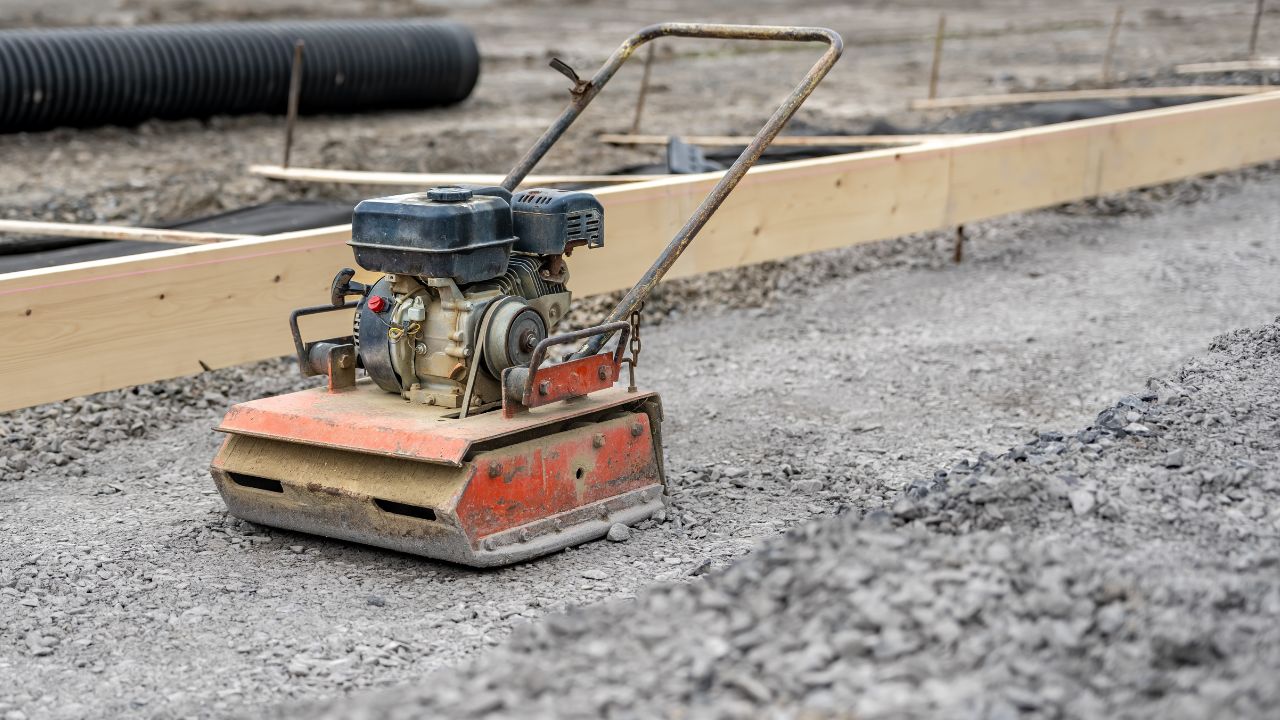
You can pour the best concrete in the world, but if the base underneath is bad, it’ll still fail. A soft, uneven, or un-compacted base means shifting, sinking, and cracking later.
Make sure the ground is properly leveled and compacted. Adding gravel underneath also helps with drainage and support. Don’t skip this part to save time—it’s what makes or breaks the whole job.
Where the Expansion Joints Will Go
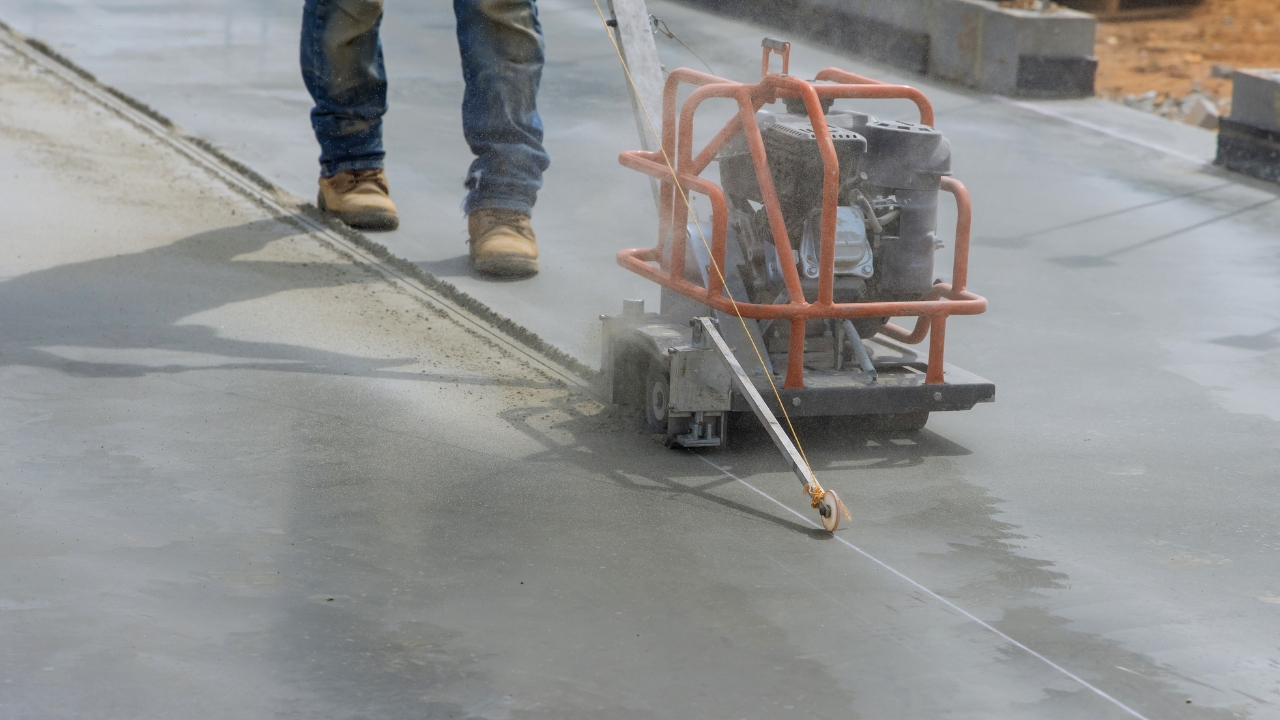
Expansion joints are those thin lines cut or placed into the concrete that let it move without cracking. Skip them, and you’ll end up with random, ugly cracks all over the place.
Plan these joints in advance and space them based on the width and length of your pour. Even if it’s one continuous driveway, joints help keep things looking clean as the concrete naturally expands and contracts.
The Real Curing Time
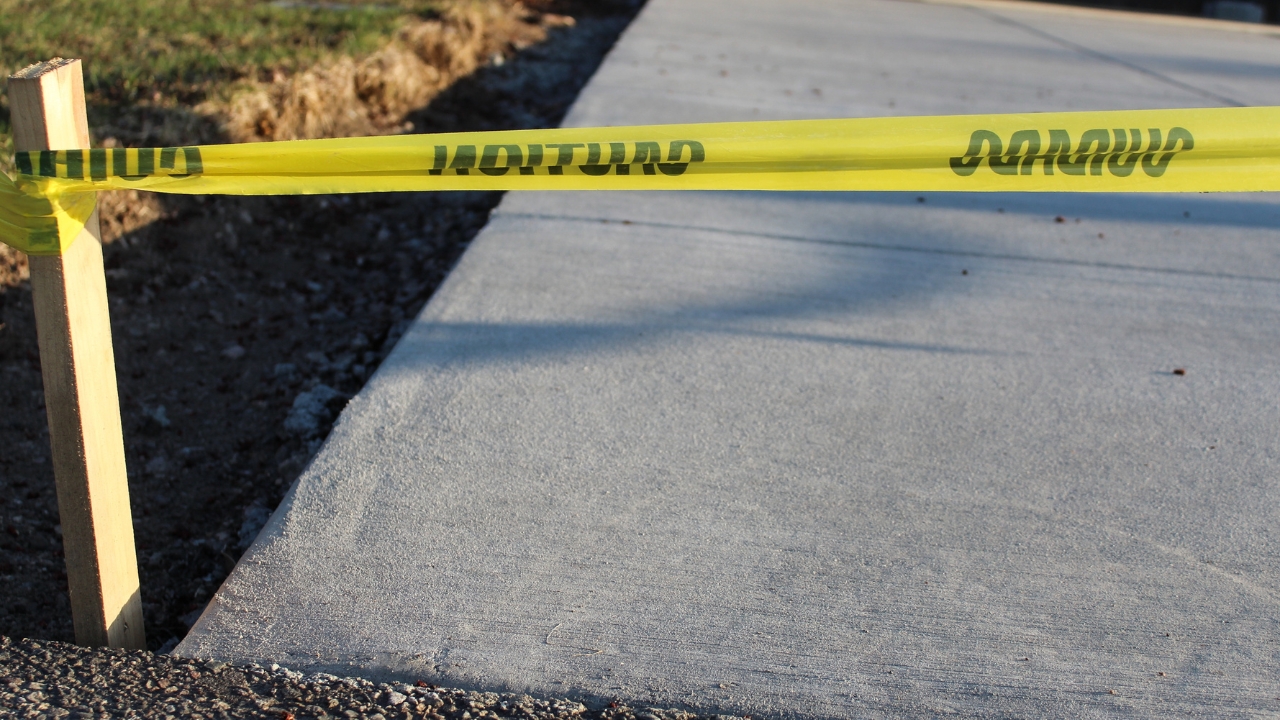
Your driveway might look dry after a day or two, but that doesn’t mean it’s ready for vehicles. Concrete takes about a month to fully cure, and it’s especially vulnerable in the first week.
Don’t park on it too early. Give it time, and keep it wet or covered if you’re in a hot or dry area. Rushing this part will leave you with early surface damage that doesn’t go away.
How the Edges Will Be Finished
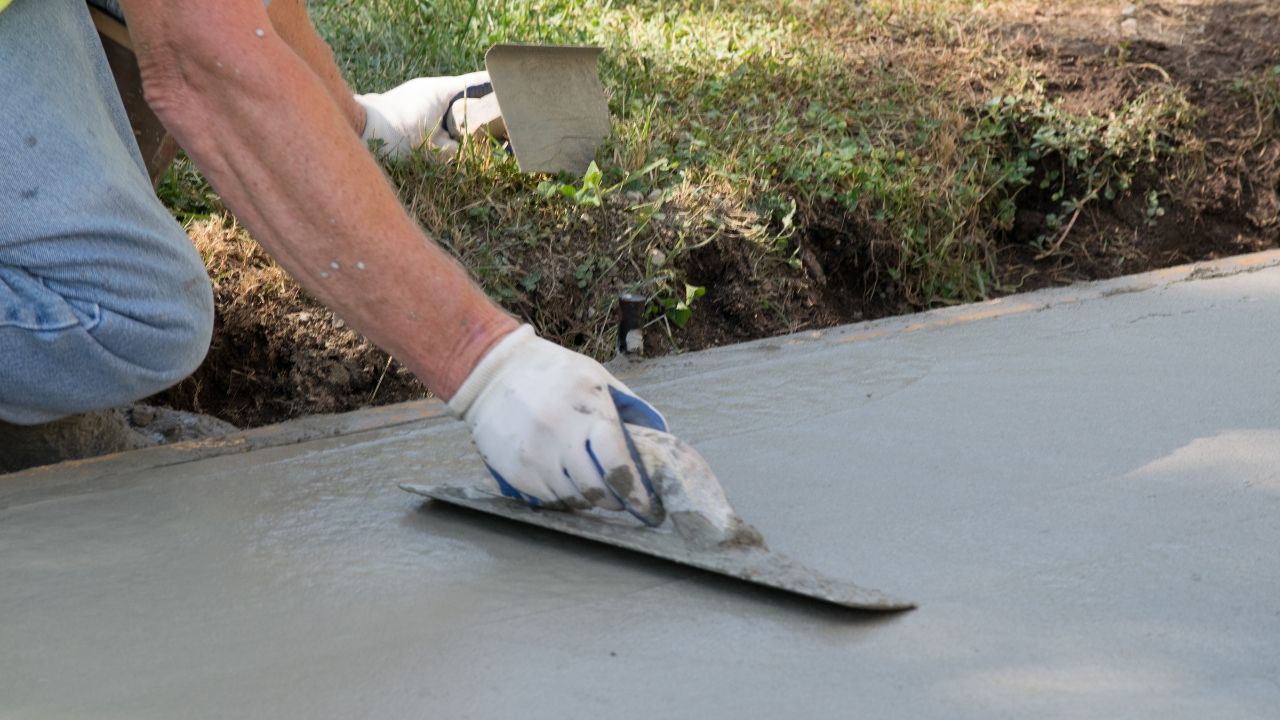
The outer edges of your driveway are more likely to crack or crumble if they aren’t done right. They need support and a clean finish—not left thin or jagged.
Ask for beveled edges or a proper form setup that gives strength all the way through. This helps keep the driveway looking sharp and prevents issues as soil settles around it.
Whether You’ll Need Reinforcement
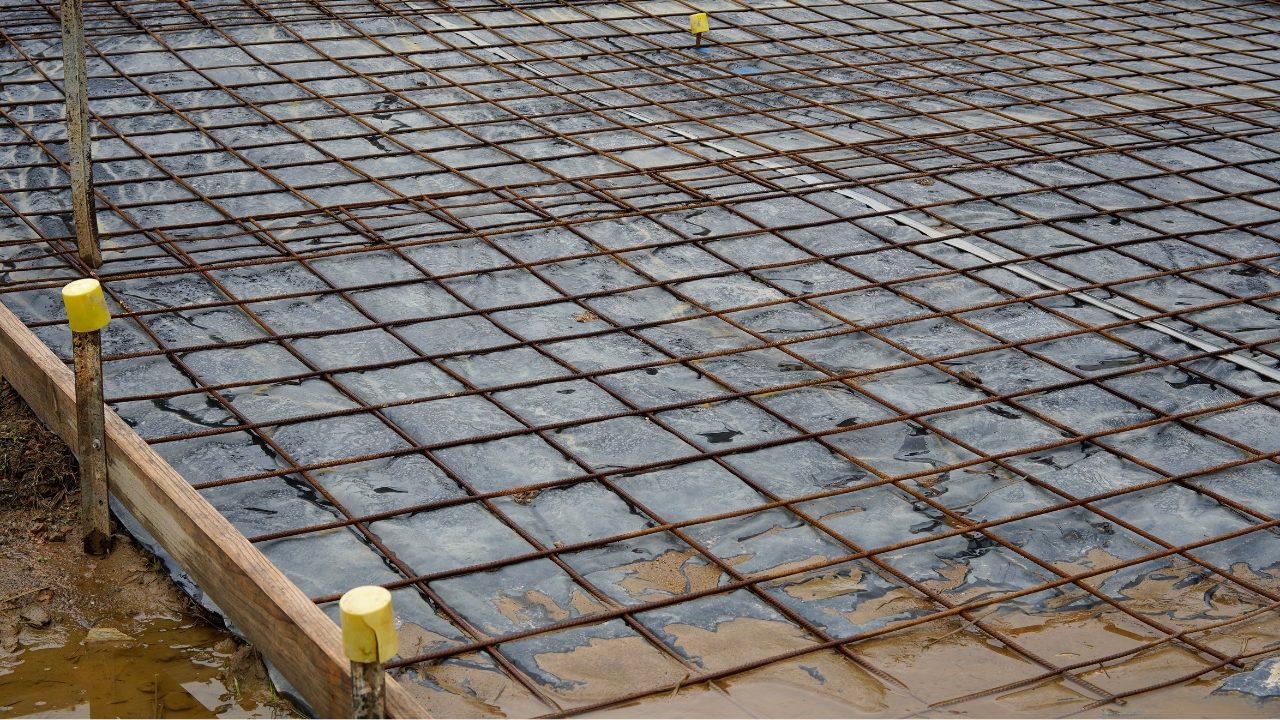
Wire mesh or rebar isn’t overkill—it’s often necessary, especially if your soil is soft or you’ll have heavy vehicles. Concrete alone is strong in compression but weak in tension. Reinforcement helps balance that out.
It doesn’t add a lot to the overall price, but it can double the lifespan of your driveway. If someone tells you it’s not needed, push back and ask why—not every pour is the same.
Where You Might Want Extra Width

If you’re going to pour a driveway, think about how you use the space. Is there room to open truck doors? Turn trailers? Back into a garage without going off the edge?
Adding a couple extra feet in key spots now is easier than trying to add on later. You don’t want to regret tight turns every time you pull in.
*This article was developed with AI-powered tools and has been carefully reviewed by our editors.
Like Fix It Homestead’s content? Be sure to follow us.