10 things you should never plant near your septic field
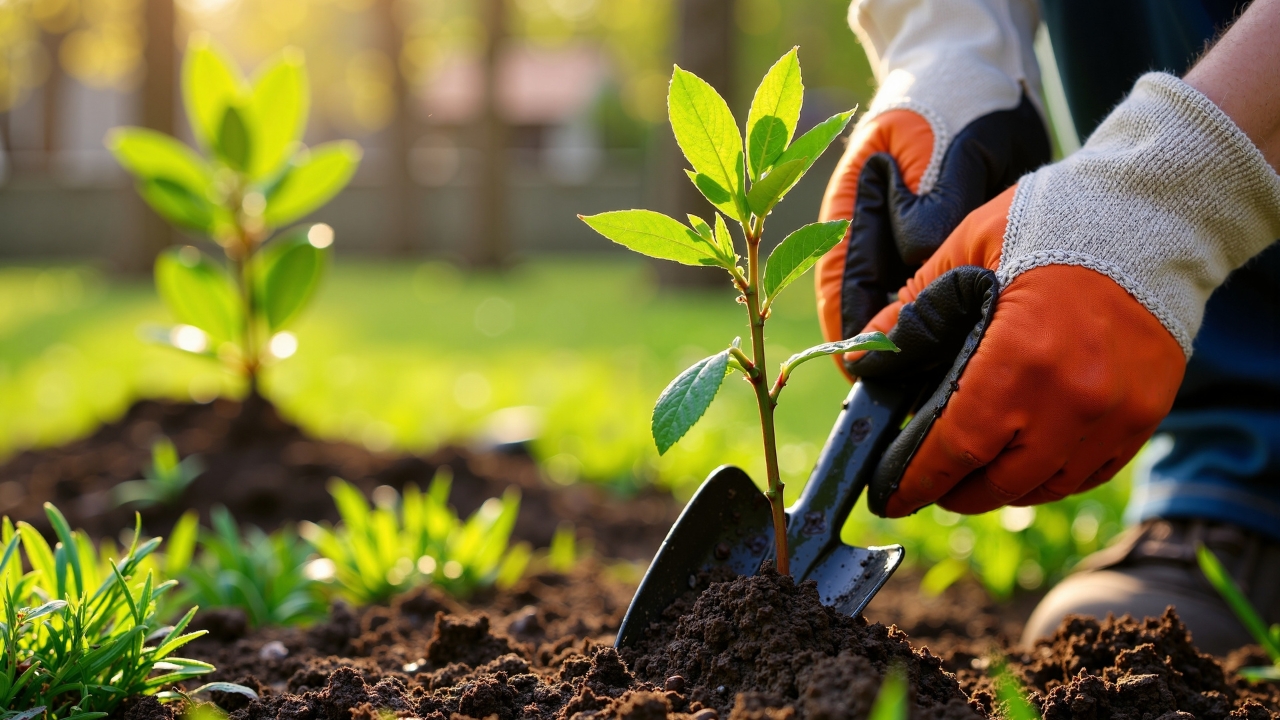
Your septic field works quietly underground, but what you plant above it can make or break how well it functions. Certain roots, moisture-loving plants, and even dense groundcover can clog pipes, compact the soil, or block the system from filtering wastewater properly.
Once damage starts, it’s expensive—and sometimes impossible—to fully fix without replacing part of the system. The best approach is prevention. Knowing which plants to avoid keeps your septic field healthy and saves you a major repair bill later.
Trees with invasive root systems
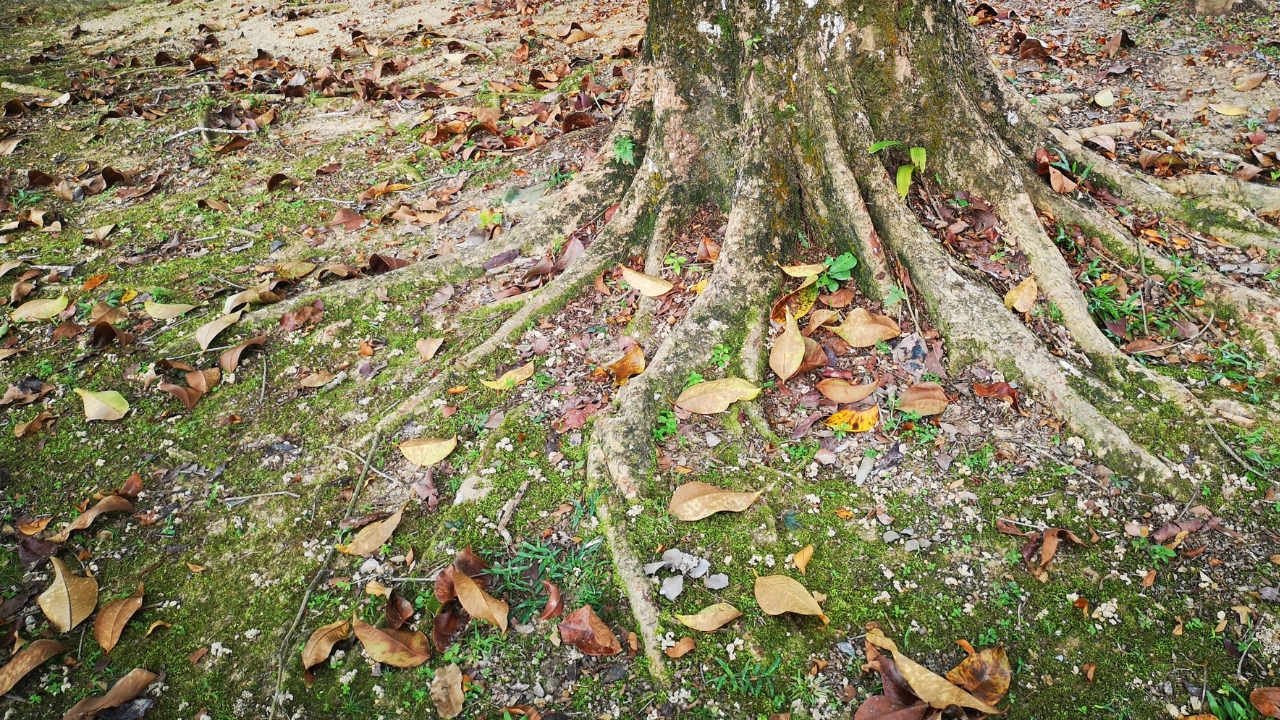
Trees like willows, poplars, maples, and elms are notorious for their aggressive roots. They’ll travel dozens of feet underground in search of moisture, often finding their way into drain lines and breaking them apart.
Keep large trees at least 50 feet away from your septic field. Even if they’re pretty, they’ll do more harm than good when their roots start wrapping around your pipes.
Shrubs that like constant moisture
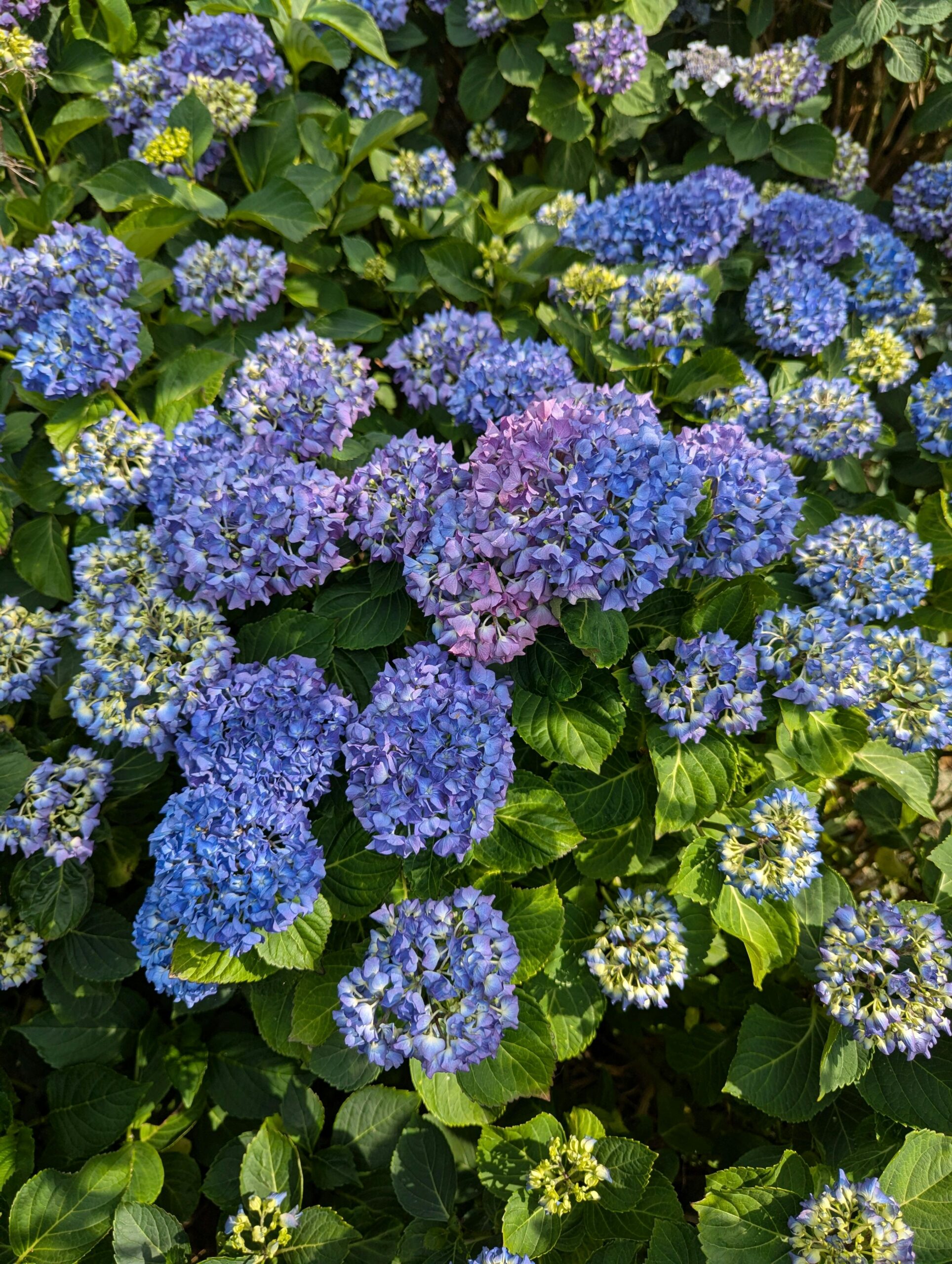
Shrubs such as hydrangeas, azaleas, and dogwoods thrive in damp soil—and that’s exactly the problem. Their roots grow deep and fast in search of water, which can disrupt your septic system’s drainage balance.
Stick to shallow-rooted, drought-tolerant options if you want greenery nearby. Anything that loves “wet feet” should be planted well away from the field.
Vegetable gardens

It might seem efficient to plant veggies where the soil stays rich and damp, but septic runoff can contain harmful bacteria and chemicals that contaminate edible crops.
Even root vegetables like carrots and potatoes can absorb bacteria from the soil. Keep your garden uphill and far from your system—it’s not worth the risk to your health.
Bamboo
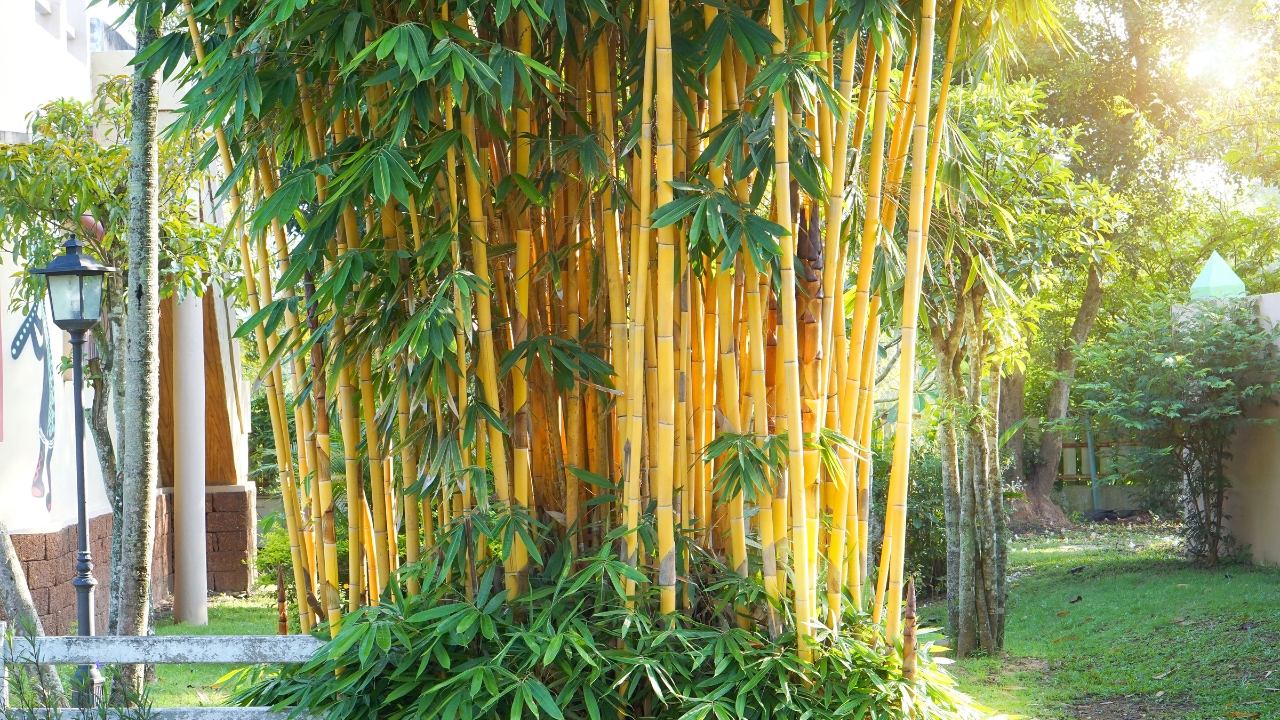
Bamboo spreads fast and far underground through rhizomes that can travel 10 feet or more in a single season. Once it finds a path into your septic area, it’s almost impossible to remove without digging up the system.
If you love the look, grow bamboo in containers or install an underground barrier well away from your septic zone. Otherwise, it will take over before you realize it.
Groundcovers with dense mats
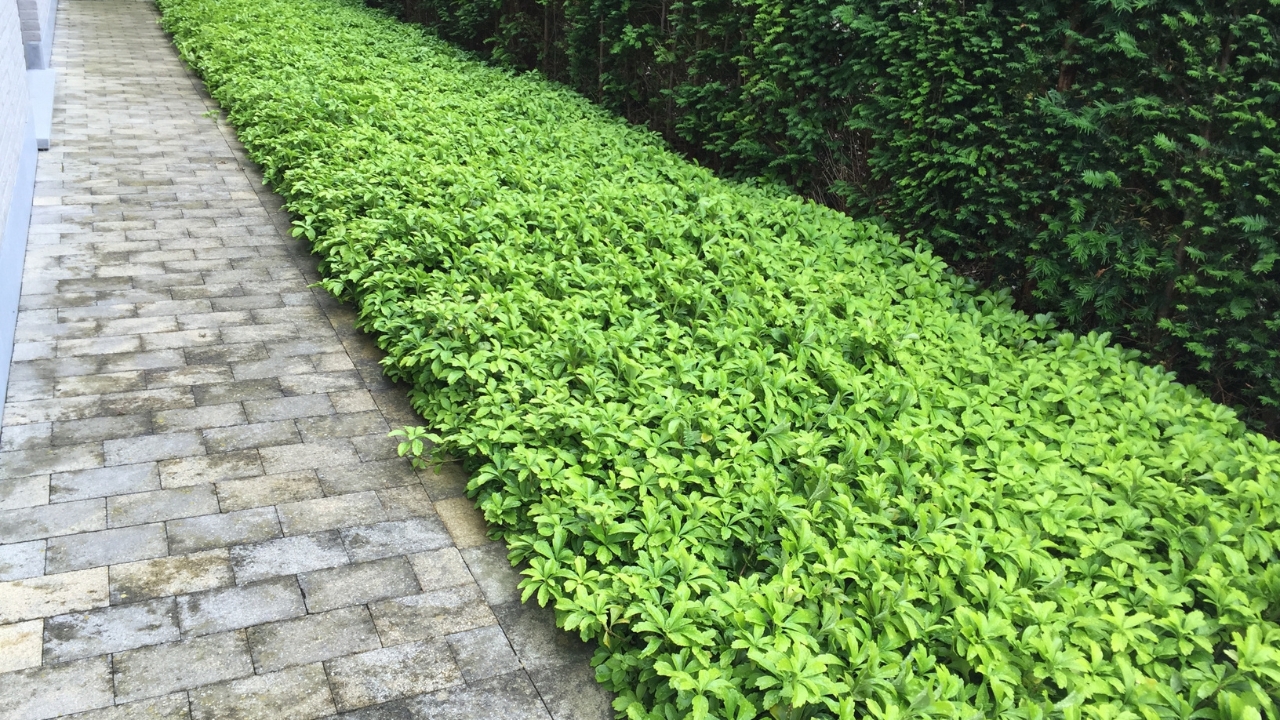
Plants like ivy, pachysandra, or periwinkle seem harmless, but their thick roots compact soil and make it harder for your septic field to “breathe.” Drain fields rely on air movement through the soil to process wastewater.
Choose light, native grasses or wildflowers instead. They stabilize the soil without suffocating it or trapping excess moisture.
Ornamental grasses with deep roots

Some ornamental grasses, like pampas or fountain grass, grow deep, tough roots that can reach into drain lines. They also tend to reseed aggressively, spreading across the area fast.
If you want a natural look, go for shallow native grasses that only grow a few inches deep. They’re safer for your system and easier to maintain.
Fruit trees
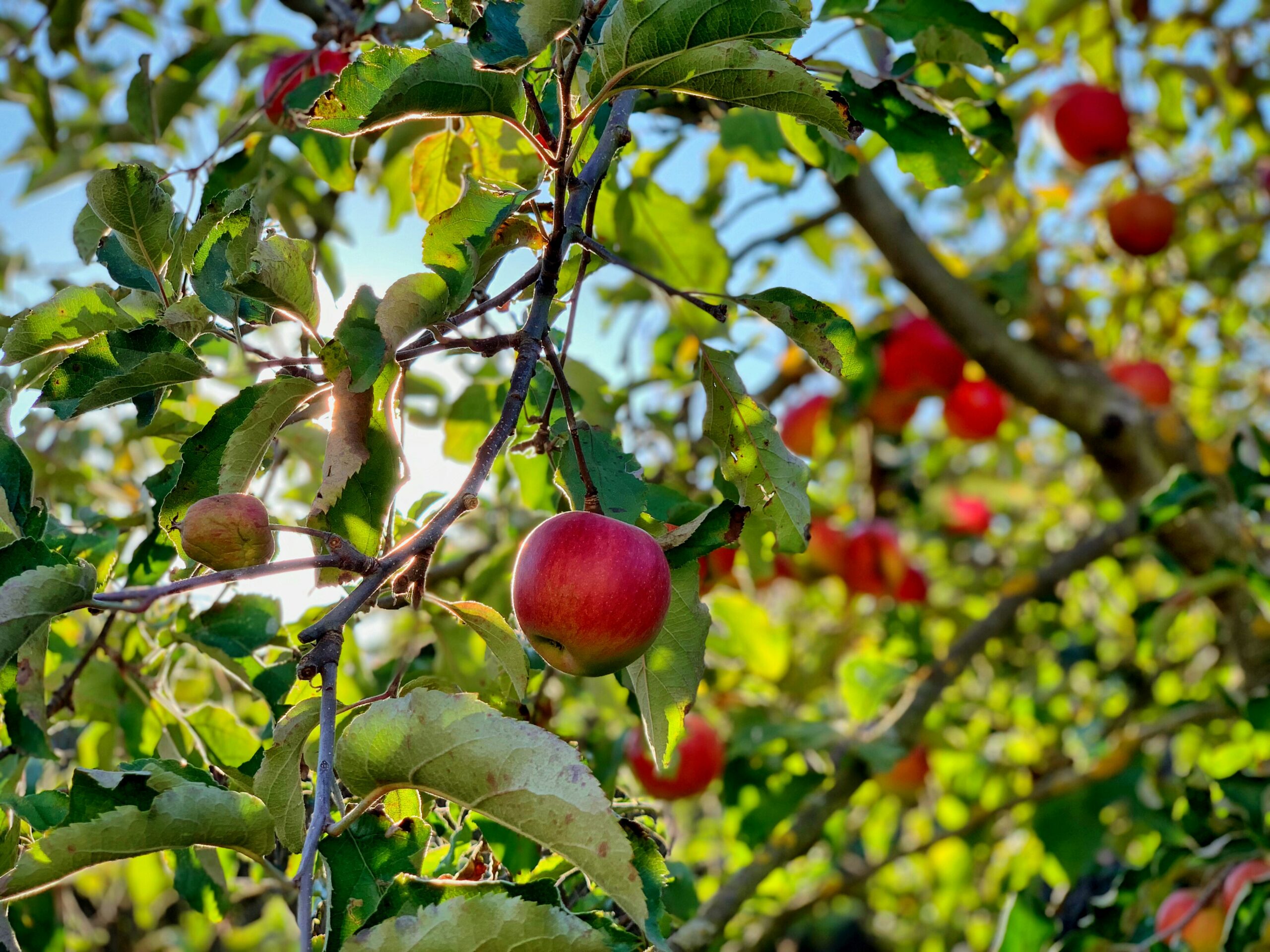
Fruit trees like apple, pear, or plum often have large root systems that expand in all directions. Their roots can infiltrate pipes, and the constant watering needed to keep them healthy can oversaturate the soil.
Plant fruit trees well outside the septic field boundary. They’ll still thrive, and you won’t have to worry about roots or runoff causing problems underground.
Water-loving plants and reeds
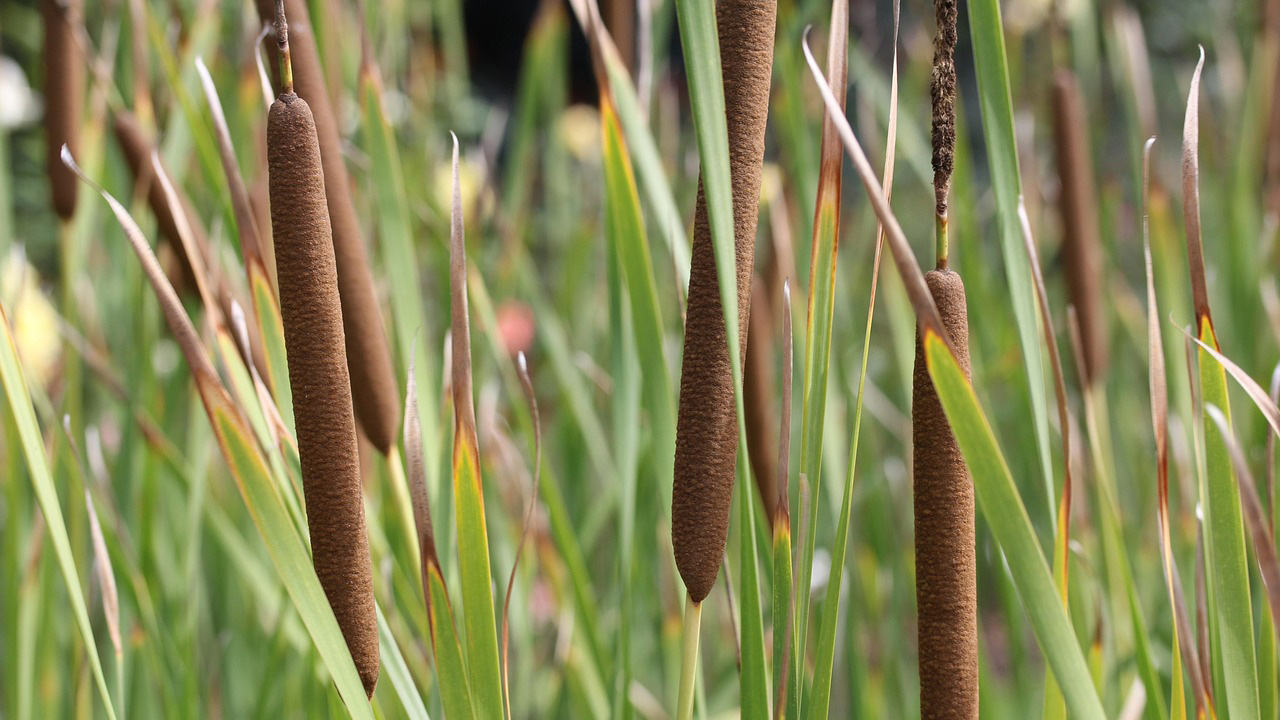
Cattails, reeds, and marsh plants may look pretty near low-lying areas, but they spell trouble for a drain field. These plants love nutrient-rich, moist soil and will crowd out everything else while sending roots deep into your lines.
Keep those moisture-hungry species away. They belong near ponds or rain gardens—not over buried infrastructure.
Large perennials

Plants like hostas, daylilies, or cannas might not seem dangerous, but they form dense root clusters that can stress your system over time. They also require regular watering, which keeps your soil too wet.
Stick with smaller perennials or native wildflowers that don’t hold moisture or form heavy clumps. Your drain field needs airflow and balance, not constant dampness.
Anything needing frequent watering or fertilizing
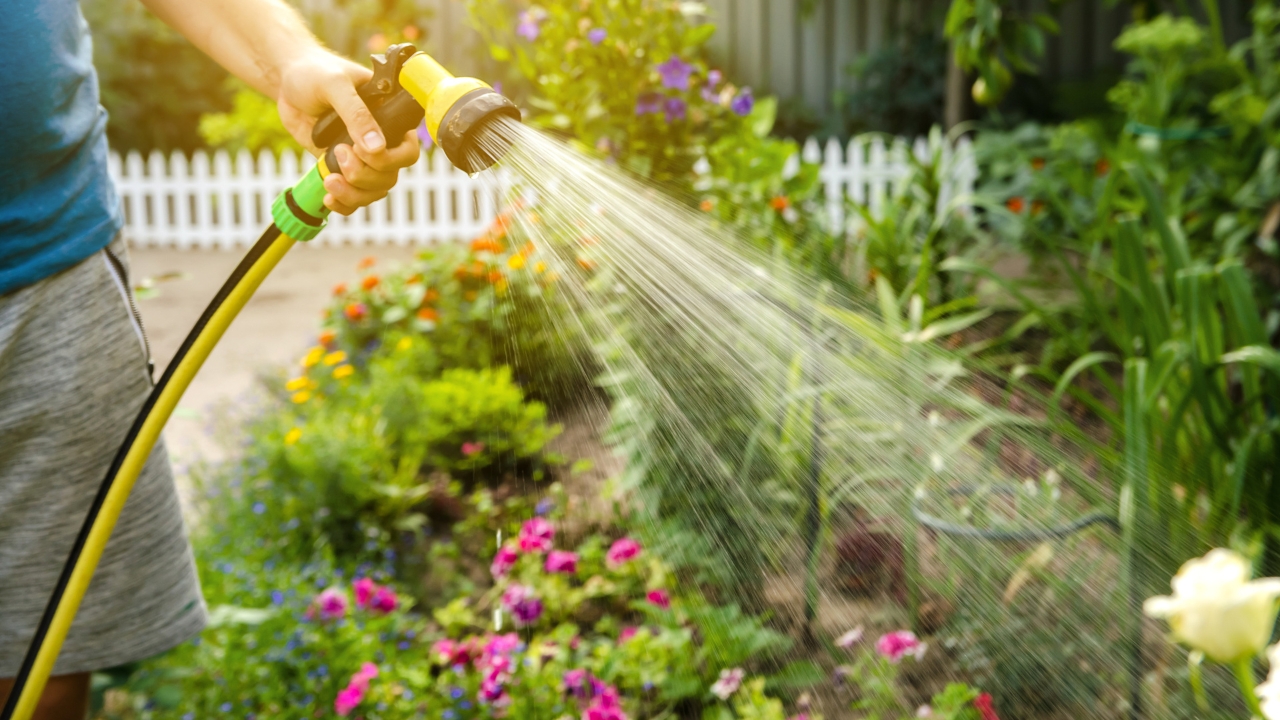
Extra water or fertilizer might seem harmless, but it can oversaturate the soil and mess with how your system filters waste. Fertilizer also increases the risk of nutrient runoff into groundwater.
The less you add to the area, the better. Let your septic field do its job undisturbed—and keep heavy watering, fertilizing, and planting projects safely away.
*This article was developed with AI-powered tools and has been carefully reviewed by our editors.