10 Shower Habits That Are Turning Your Bathroom Into a Mold Magnet
Photo credit: nadisja/Shutterstock.com
Mold loves moisture, so it makes sense that the shower is one of the first places it shows up. But it’s not just the water that’s feeding it. Some of the everyday products you’re using—or how you’re using them—are making the problem worse without you even realizing it. If your shower smells musty or you’re constantly scrubbing mildew off the walls, it might be time to rethink a few things.
Loofahs and Bath Sponges

Natural loofahs and sponges stay wet long after you finish your shower. That constant moisture makes them the perfect home for mold and bacteria.
If they’re hanging in the corner or sitting on a shelf with no airflow, they’re going to trap humidity. Even synthetic poufs can be a problem if you’re not replacing them regularly or letting them dry completely between uses.
Bar Soap

Bar soap leaves behind residue that builds up on shower shelves and corners. That residue holds water and gives mold a place to grow—especially if the bar sits in a dish that doesn’t drain.
Switching to a soap dish with ventilation or switching to liquid body wash can help. But either way, if you’re seeing black buildup around the soap, mold is already hanging out there.
Fabric Shower Curtains

If you’ve got a fabric curtain without a liner—or if the liner is constantly damp and touching the tub wall—you’ve got a mold magnet. That fabric holds onto moisture like a sponge.
Even washable curtains can be a problem if you’re not washing them regularly. If you notice a funky smell or black spots near the bottom, mold is already growing.
Wooden Bath Mats or Shower Benches
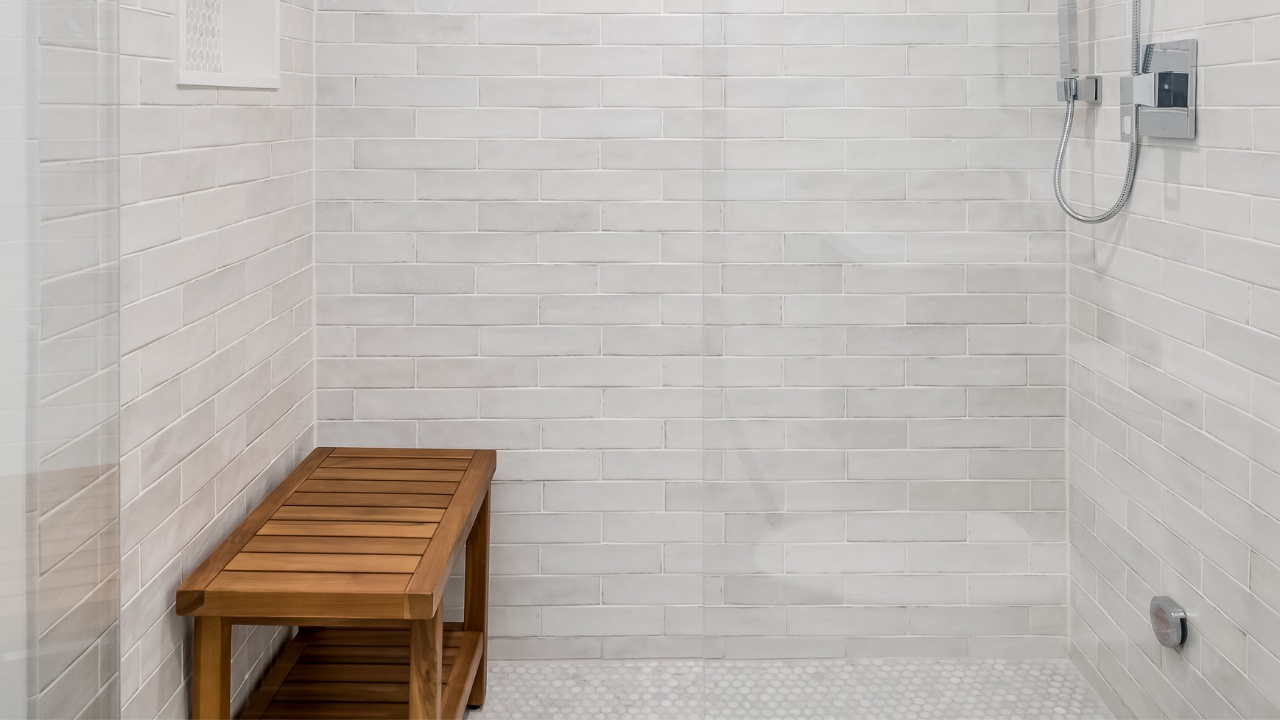
Wood and water don’t mix long-term unless you’re sealing and drying properly. Unsealed wood soaks up water and takes forever to dry, which gives mold a place to settle in.
Even bamboo can start to mildew if it’s not aired out after each use. If you’re using a wooden bath accessory, make sure it’s getting full airflow and cleaned often.
Razors Left in the Shower

That razor sitting on the ledge? It’s probably rusting underneath or collecting water in the handle. That standing moisture creates a moldy puddle you can’t always see.
Some razors also have soap strips that break down over time and leave residue behind. Keep them dry and stored somewhere they can fully air out.
Suction Cup Holders

Suction cup baskets and caddies trap water behind them. You might not notice it until you take them off and see the black mold stuck to the tile underneath.
The moisture gets sealed in, especially if your bathroom doesn’t dry quickly. Wall-mounted options that allow airflow are usually better long-term.
Conditioner Bottles with Leaky Lids
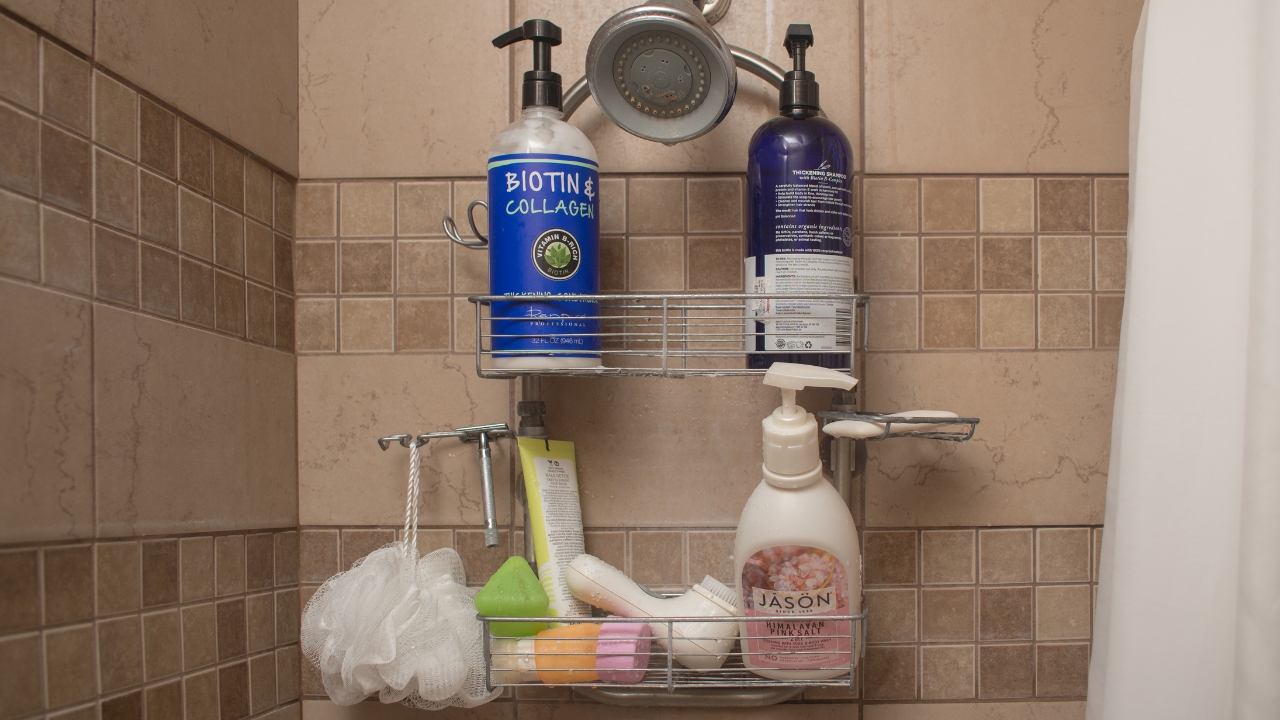
If the cap on your conditioner bottle dribbles or leaks, it’s leaving sticky residue on your shelves. That residue traps moisture and gives mold a food source.
Even a small leak adds up, especially if the bottle lives in a warm, steamy corner. Wipe down bottles regularly and toss any that are coated in buildup.
Bath Toys in the Shower
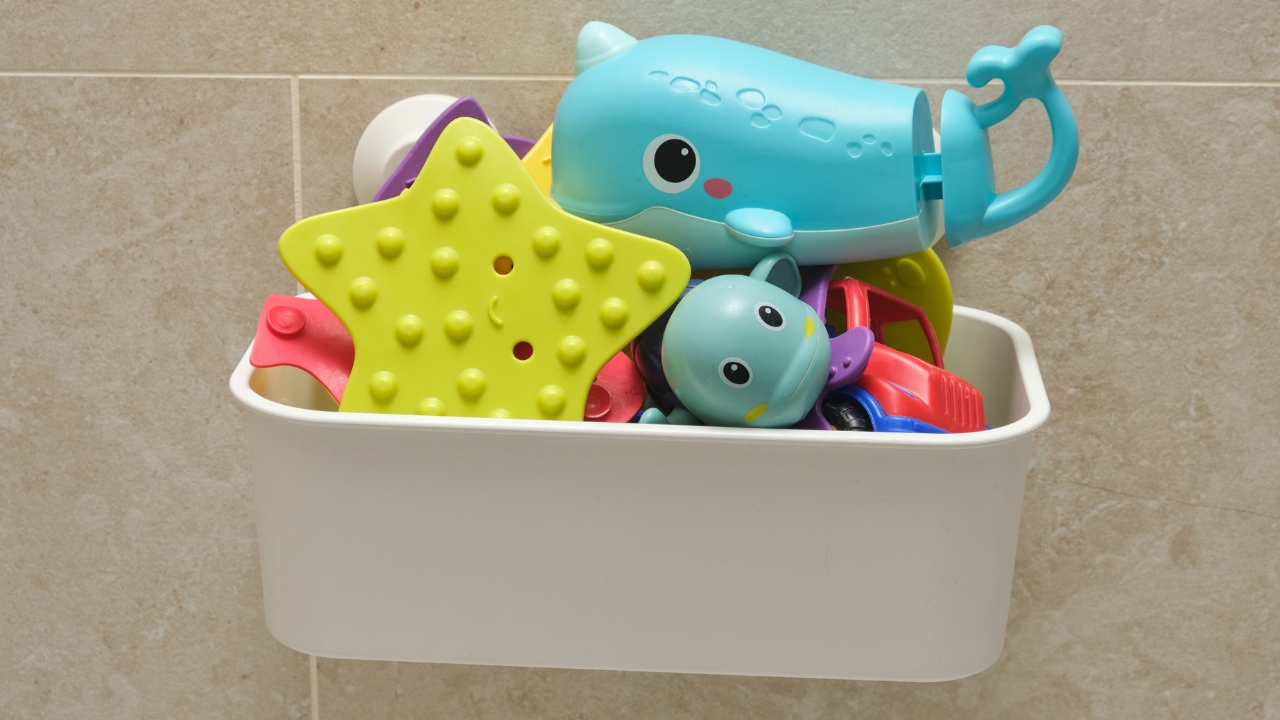
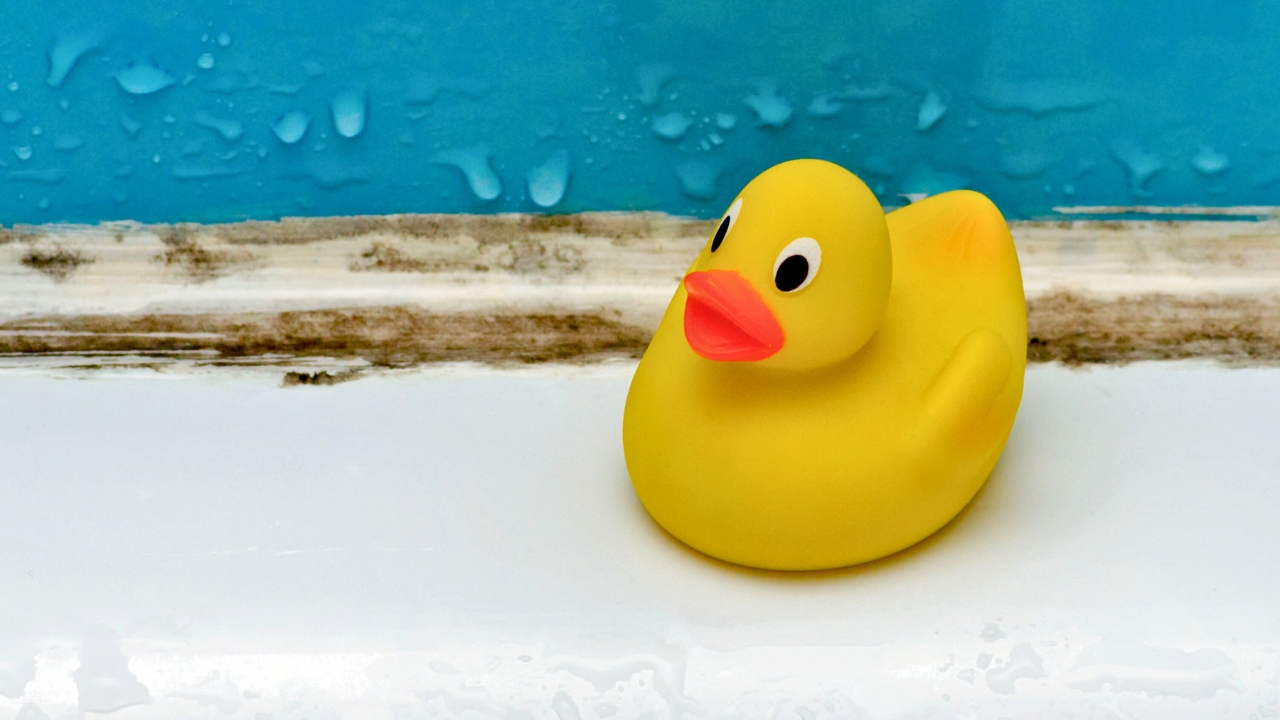
Bath toys left behind after the kids are done can cause hidden mold problems. Most have holes in the bottom, which means they fill with water and grow mold inside.
If you’ve ever seen black gunk shoot out of a toy when squeezed, you already know. Store them outside the shower and clean them often or plug the holes to avoid the mess.
Like Fix It Homestead’s content? Be sure to follow us.