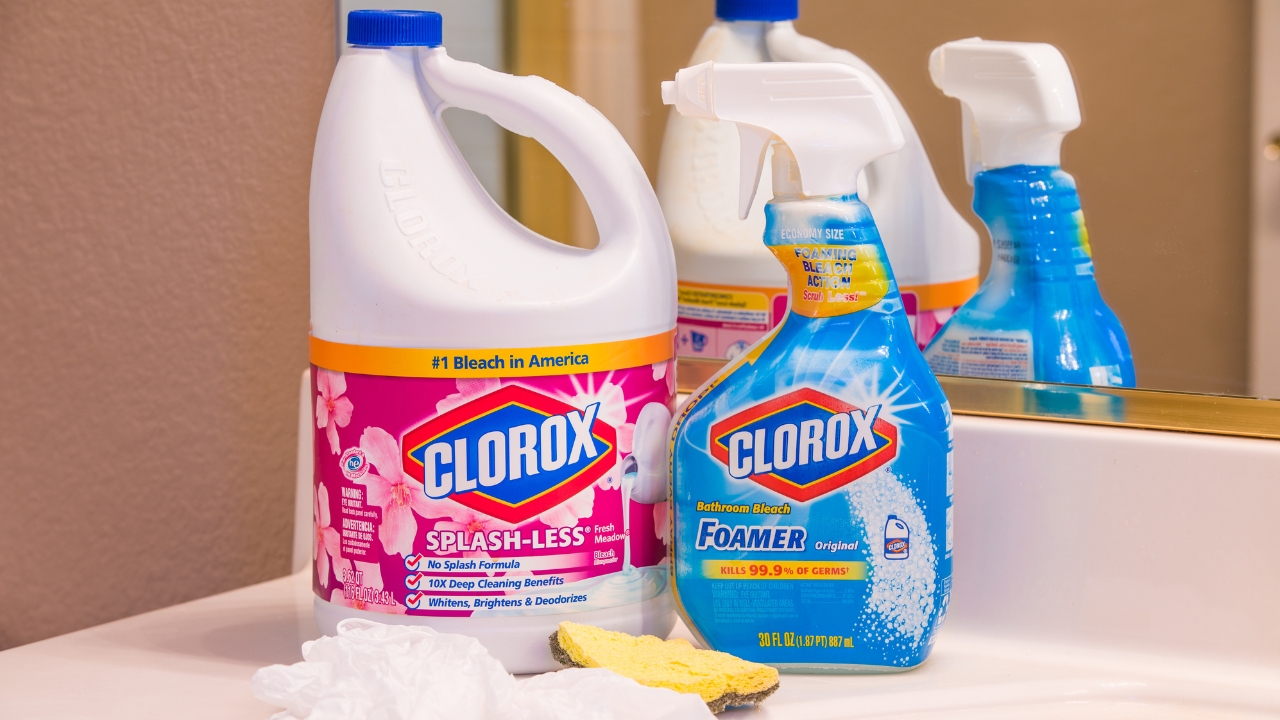
10 Times You Shouldn’t Use Bleach (But People Still Do)
Photo credit: RYO Alexandre/Shutterstock.com
Bleach feels like the ultimate cleaner, but there are plenty of places it doesn’t belong. It’s powerful, yes—but it can cause damage, discoloration, and even chemical reactions if used wrong. Here’s when you need to keep the bleach on the shelf.
In Your Toilet Tank
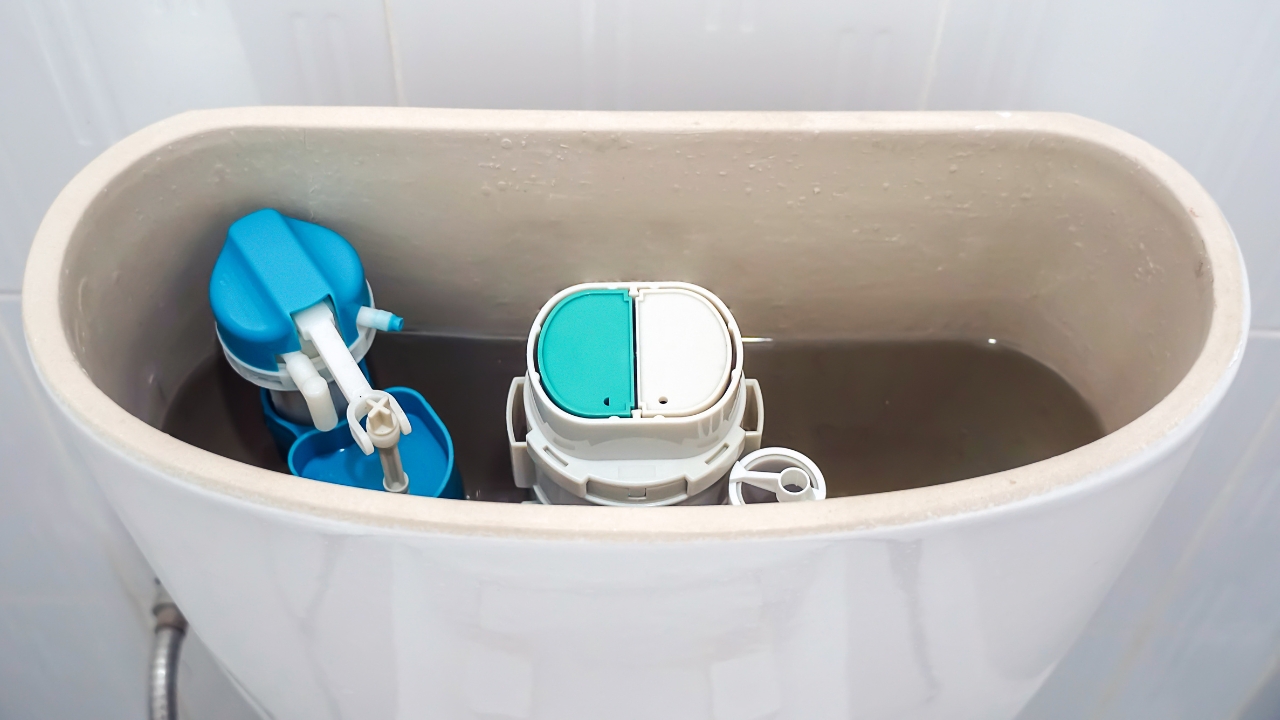
People dump bleach into toilet tanks thinking it’ll keep things fresh, but it can damage rubber seals and corrode parts. Eventually, it’ll lead to leaks or constant running. Stick to drop-in tablets made for that use—or just clean the bowl.
On Natural Stone Surfaces
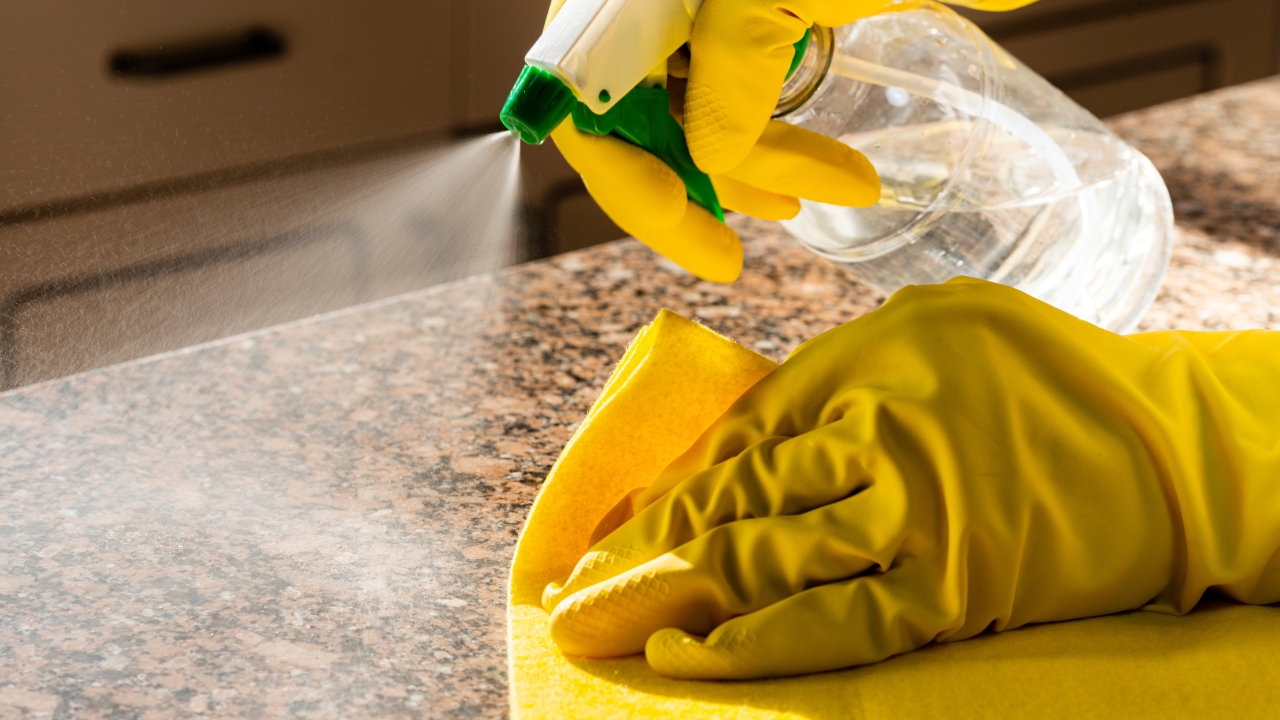
Bleach is way too harsh for granite, marble, and other natural stone. It eats away at the sealant and causes discoloration over time. Use a cleaner specifically made for stone, or stick with mild soap and water to avoid expensive damage.
On Wood Floors or Furniture

Bleach and wood don’t mix. Even diluted, bleach can strip the finish, dry out the wood, and cause long-term wear. It also ruins the color. If you’re trying to disinfect, there are safer options that won’t leave your floors looking rough.
In a Closed Bathroom
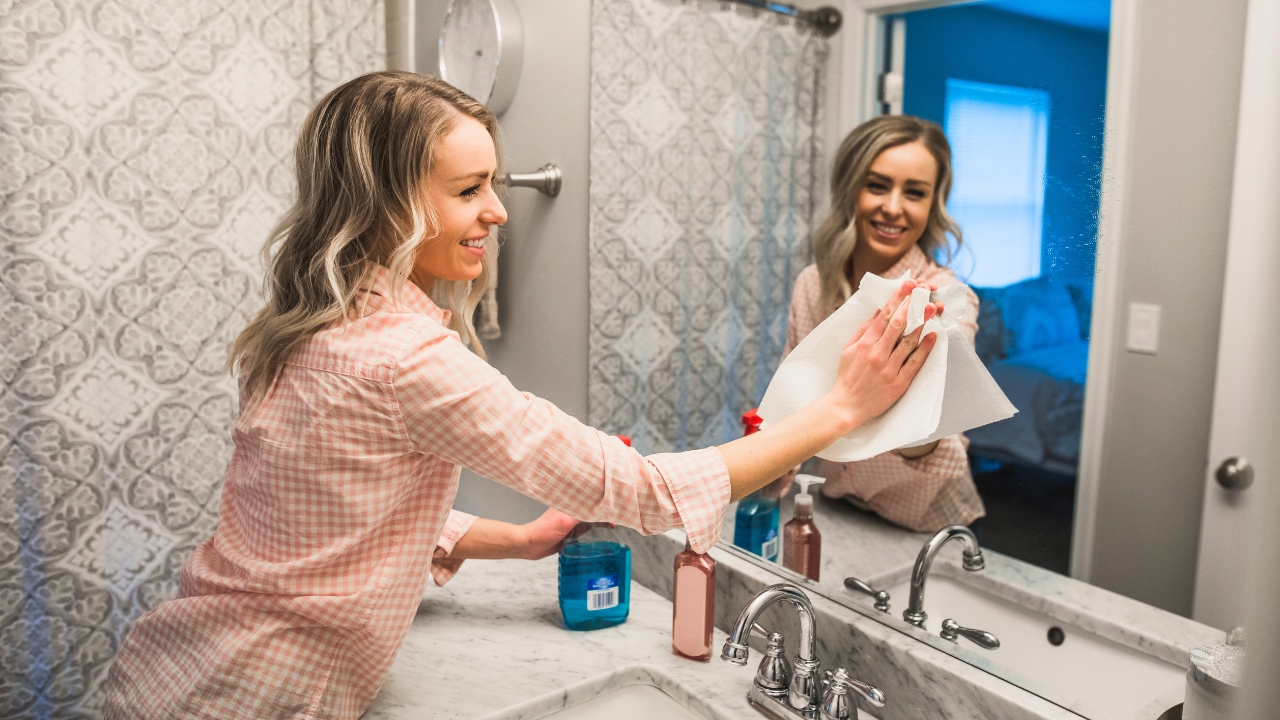
Mixing bleach with ammonia-based cleaners (like many glass sprays) can release toxic gas. And in a small, poorly ventilated room, that gas can build up fast. Always make sure you’ve got airflow, or skip the bleach entirely in tight spaces.
Around Pets

Bleach fumes can irritate your pet’s nose, eyes, and lungs. And if they walk across a still-wet surface and lick their paws? Even worse. Opt for pet-safe cleaners when possible, especially on floors, kennels, or areas they hang out in often.
On Colored Fabrics
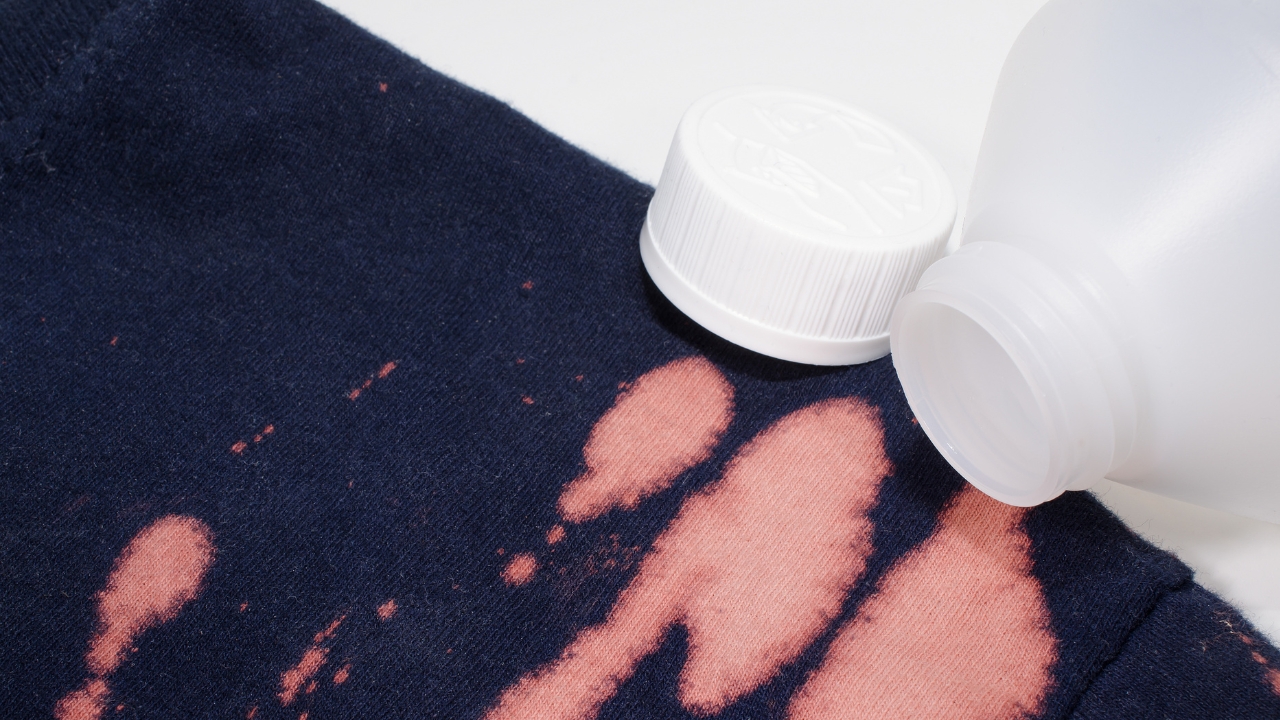
Bleach doesn’t just fade colors—it can completely destroy fabric fibers. Even a splash can leave permanent white spots. Always check the label before adding it to laundry. If it doesn’t say bleach-safe, skip it.
In a Septic System
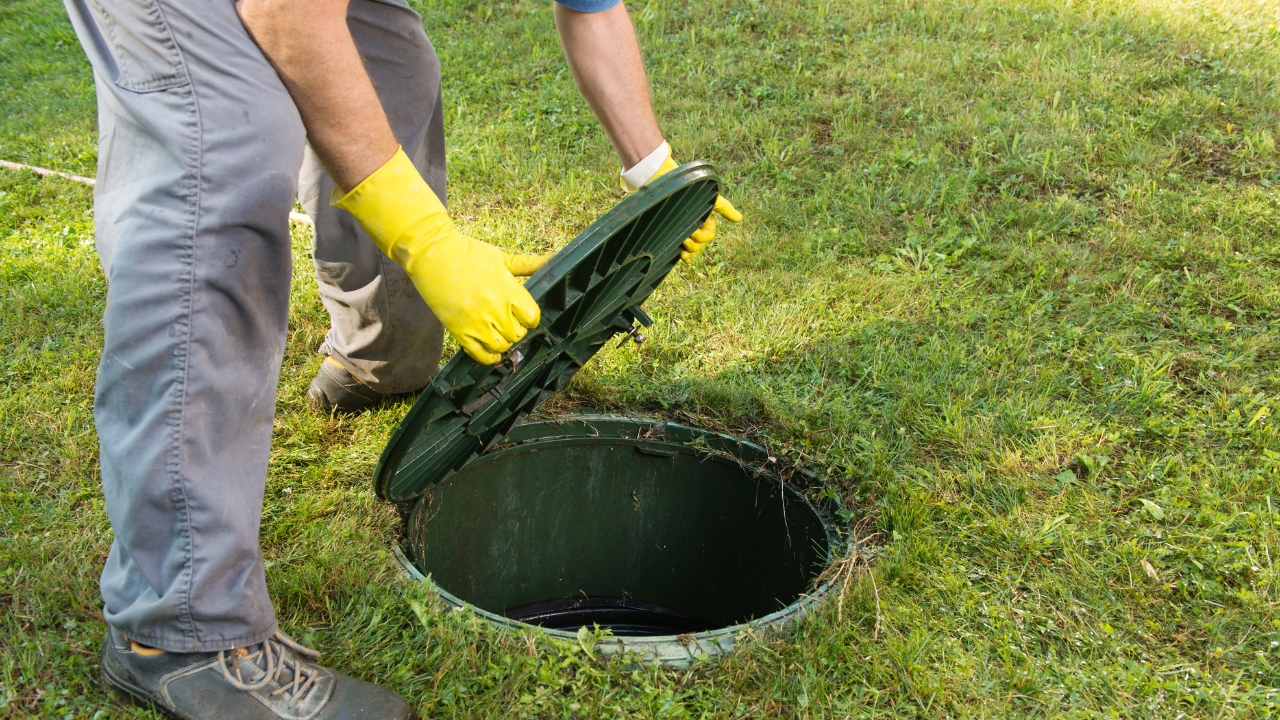
Bleach kills bacteria—including the good kind that helps your septic tank break down waste. Over time, it can mess with the system’s balance and cause backups or failures. Septic systems need gentler cleaners and septic-safe labels.
On Metal Fixtures

Bleach can corrode metal fast, especially if it sits for more than a minute. Faucets, drains, and hardware can pit, discolor, or weaken. If you’re trying to shine them up, use vinegar or a dedicated metal-safe cleaner instead.
Around Plants

Using bleach to clean outdoor areas like patios or garden tools might seem harmless, but runoff can kill nearby plants. It messes with soil pH and poisons the roots. Use water and soap or oxygen-based cleaners that are safer for landscaping.
As a Daily Cleaner

Bleach isn’t made for everyday use. It’s a disinfectant—not a regular cleaning product. Using it too often can damage surfaces, irritate skin, and cause breathing issues over time. Reserve it for tough jobs and emergencies—not weekly wipe-downs.
Like Fix It Homestead’s content? Be sure to follow us.