10 trends decorators are sick of pretending they like
Photo credit: Dariusz Jarzabek/Shutterstock.com
Designers may not say it out loud, but there are plenty of trends they’ve quietly grown tired of. Some looked fresh when they first appeared, but after years of seeing the same look copied, filtered, and repeated, the charm has worn off.
Many of these ideas were never practical to begin with—they photograph well but don’t hold up to real life. If you want your home to feel current (and actually livable), these are the trends decorators are over pretending they still like.
All-white everything
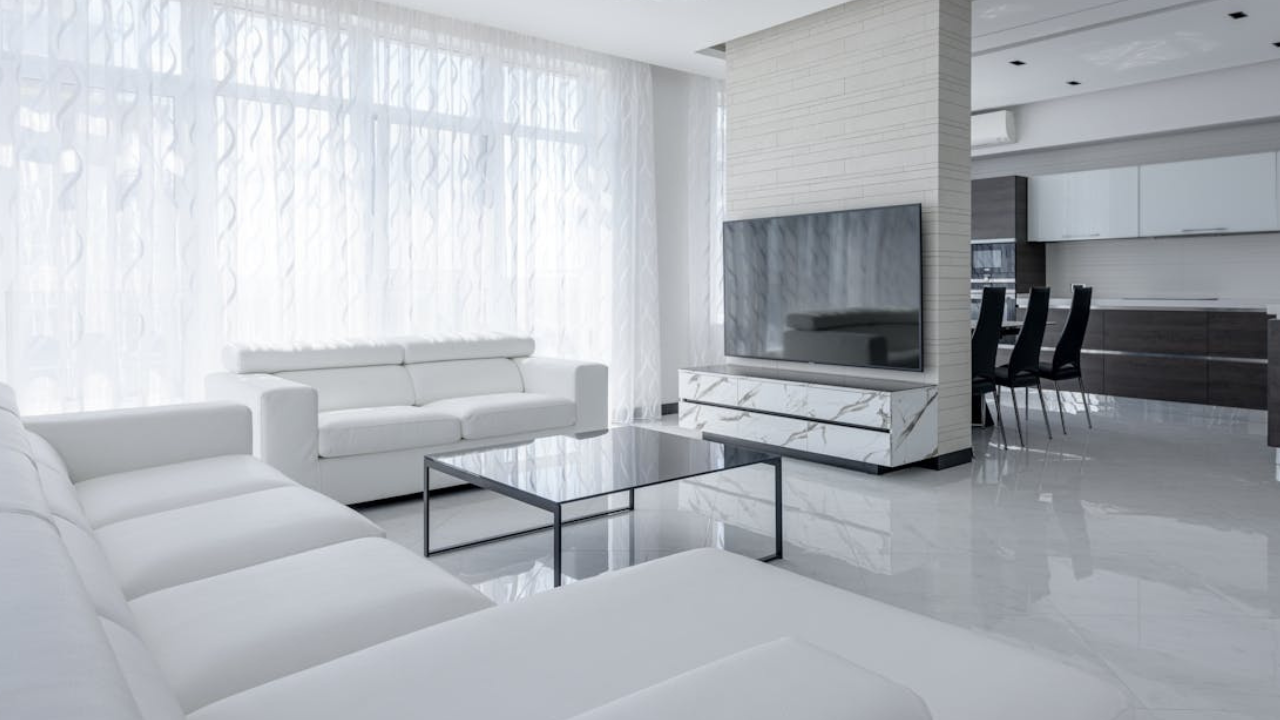
White walls, white furniture, and white decor had their moment. For a while, the “clean slate” look felt calming, but now it just feels flat and cold.
Designers are craving contrast and warmth again—woods, stone, and earthy tones that bring life to a space. A white base can still work, but when the whole room lacks depth or texture, it ends up looking sterile instead of stylish.
Shiplap walls
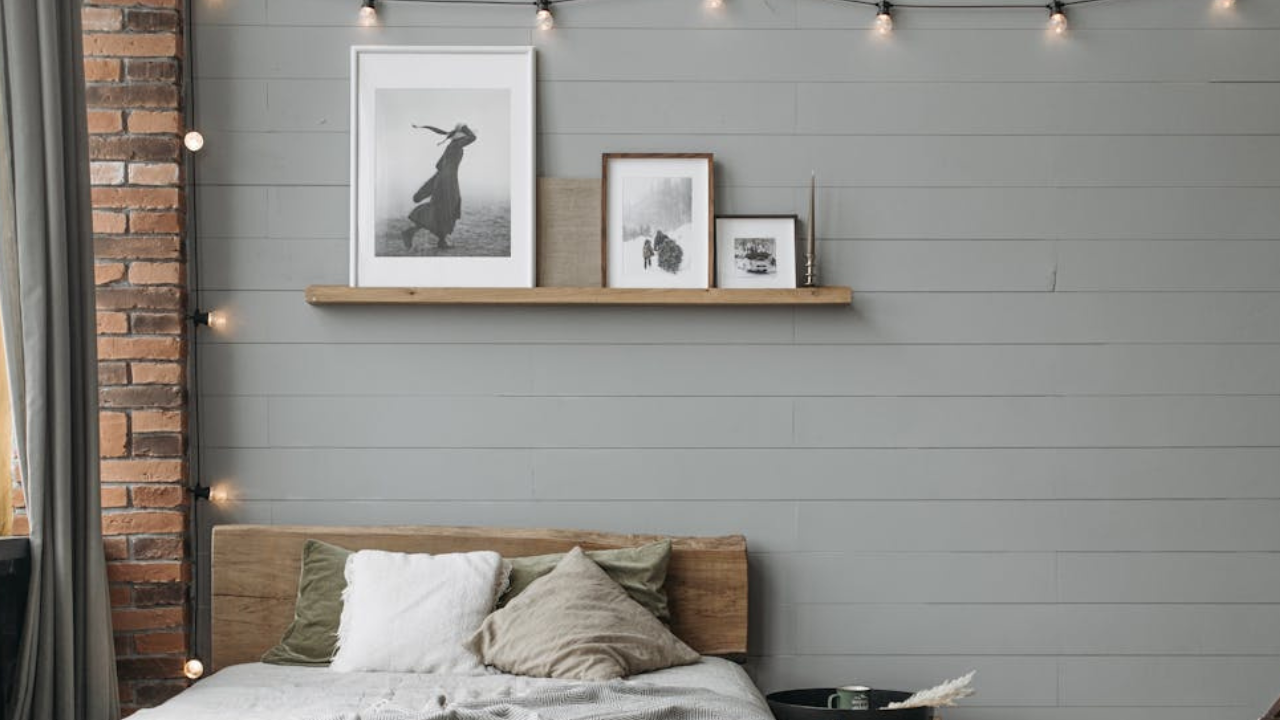
Shiplap was charming when used sparingly, but it’s been overdone. Entire homes covered in it feel dated now, especially when paired with the same farmhouse signs and distressed finishes.
Decorators are moving toward smoother wall treatments like plaster, beadboard, or simple painted drywall. Those options feel more timeless and don’t box you into one specific style.
Open shelving in kitchens
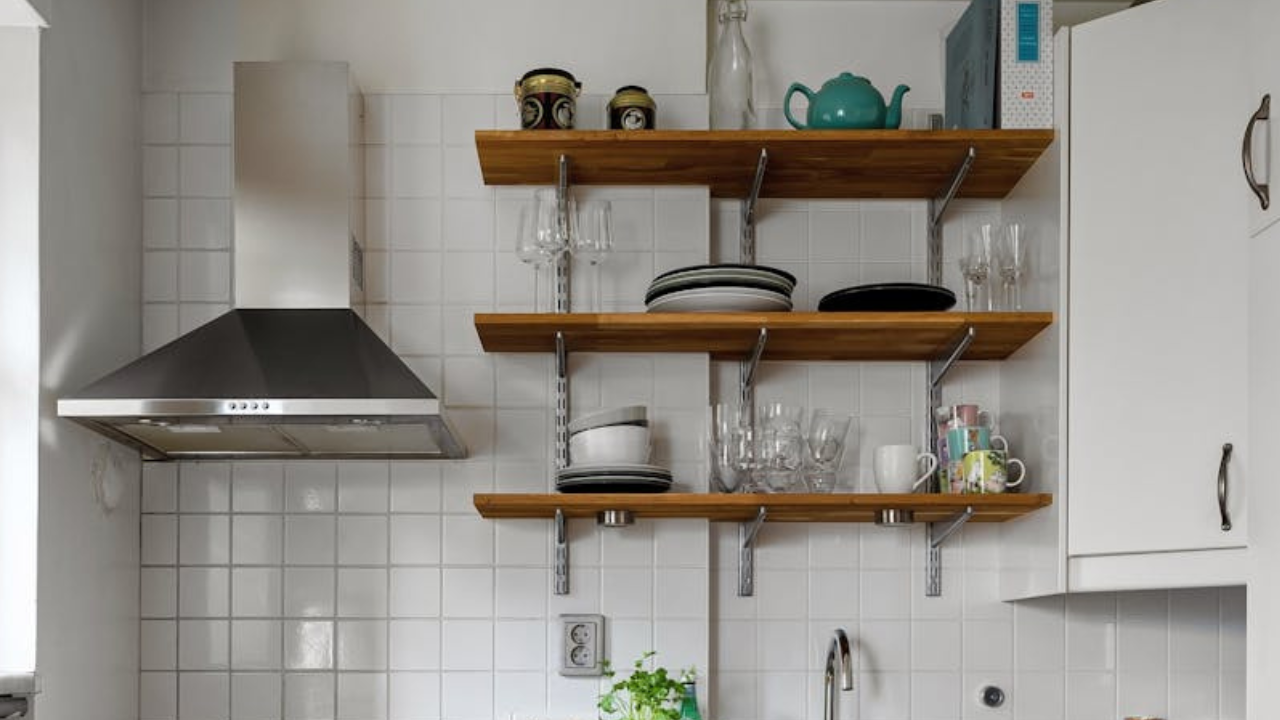
The idea sounded great—pretty dishes on display, everything within reach—but in reality, open shelves collect dust and grease faster than you’d expect.
Most decorators now prefer closed cabinetry with a few glass fronts or a single styled shelf. It gives you the same airy feel without the constant upkeep or cluttered look.
Gray overload
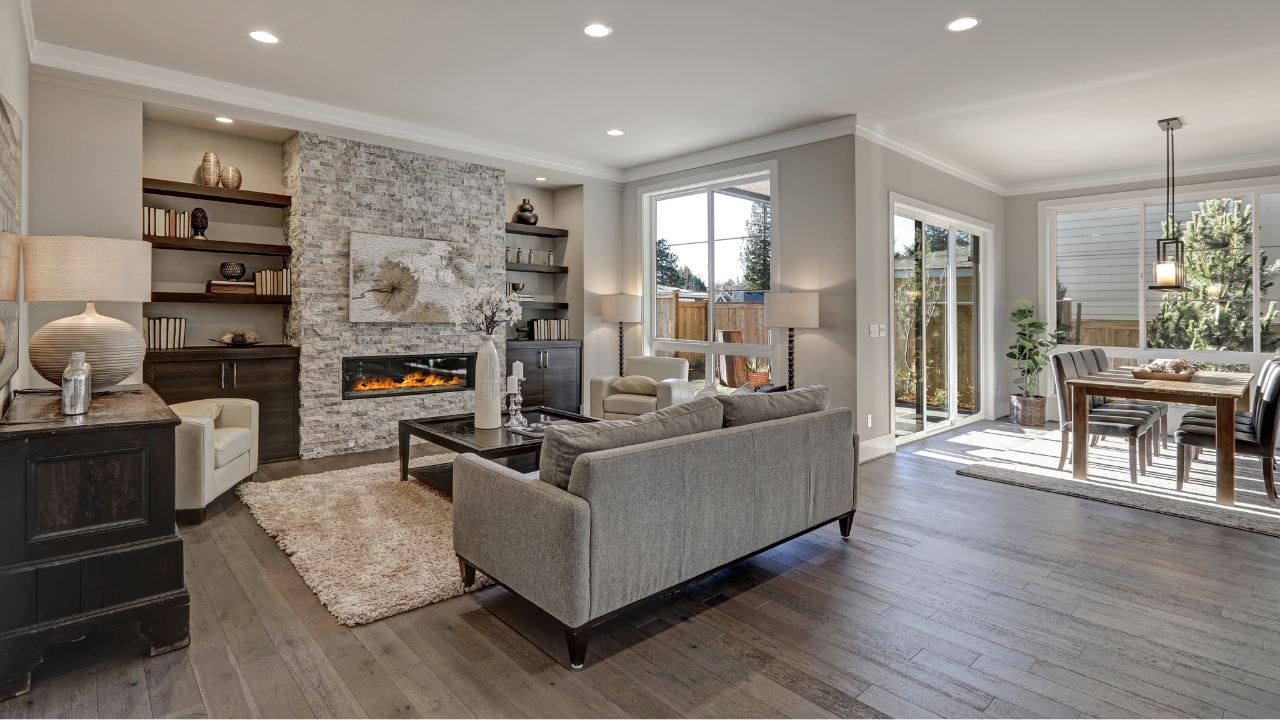
For years, gray dominated paint decks and furniture showrooms. But too much gray leaves a space feeling lifeless and cold.
Decorators are swapping it for warmer neutrals like taupe, greige, and soft beige. Those tones still feel modern but bring more dimension and comfort to a room.
Barn doors inside the house
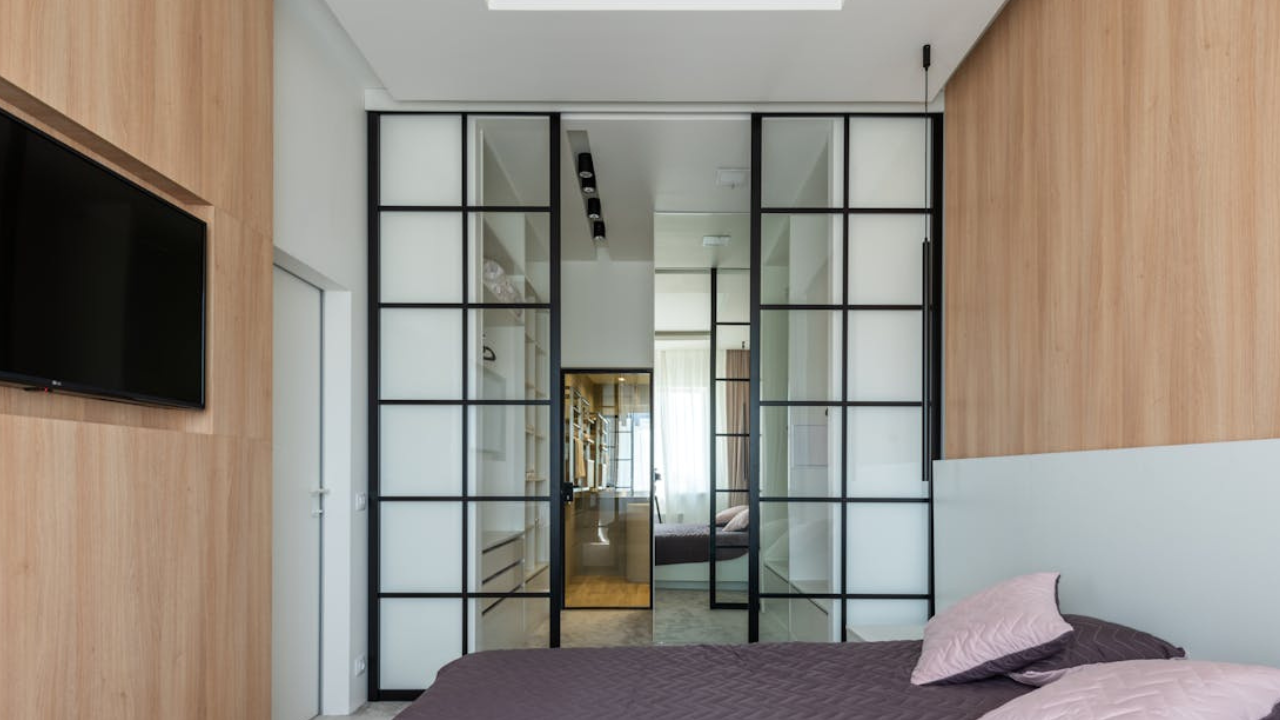
Barn doors made sense in rustic settings, but they’ve been forced into every style of home. They’re loud, take up wall space, and don’t fully block sound or light.
Now, designers are leaning toward pocket doors or sleek hinged ones instead. They still make a statement, but they function better and don’t scream “2017 farmhouse.”
Matching furniture sets

Buying an entire room’s worth of matching furniture used to be considered “put together,” but now it looks more cookie-cutter than curated.
Mixing textures, finishes, and styles creates a layered, lived-in feel decorators love. It’s less showroom-perfect and more personal—which always looks more expensive in the end.
Over-the-top gallery walls
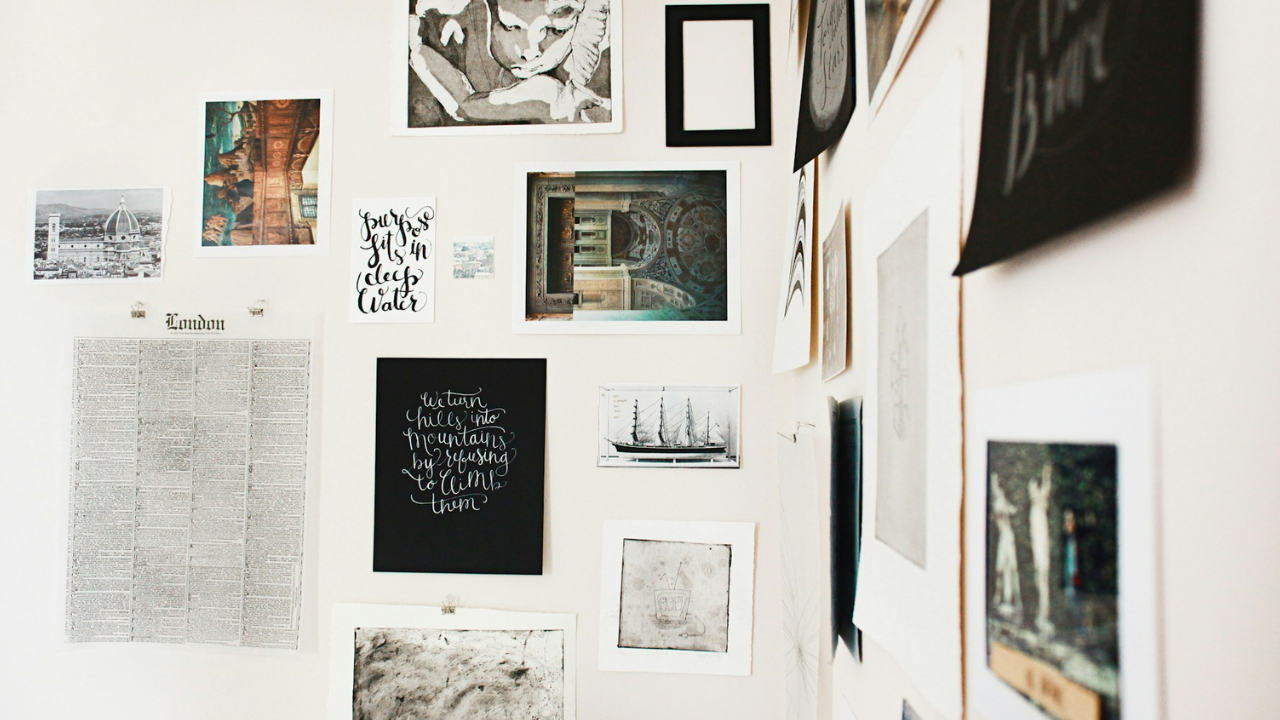
Gallery walls were fun for a while, but too many frames can make a space look chaotic. Designers are pulling back, focusing on one or two larger, impactful pieces instead.
It feels calmer and more intentional—and you can actually appreciate the art instead of scanning a collage of random frames and quotes.
Fake “industrial” style
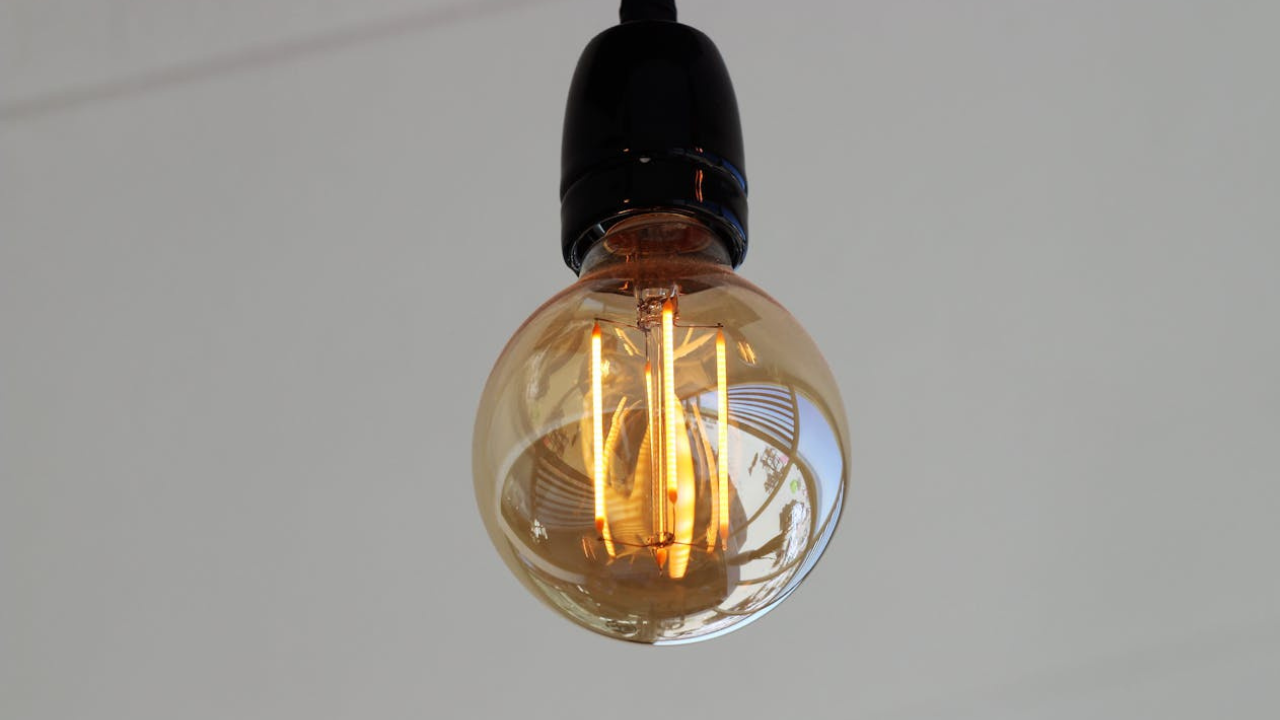
There was a time when exposed bulbs, metal pipes, and faux brick were everywhere. But now, that mass-produced “factory chic” aesthetic feels forced.
Designers are keeping authentic materials—like real wood and aged metal—but balancing them with warmth and softness. The trend now is natural, not staged.
Accent walls in bold colors
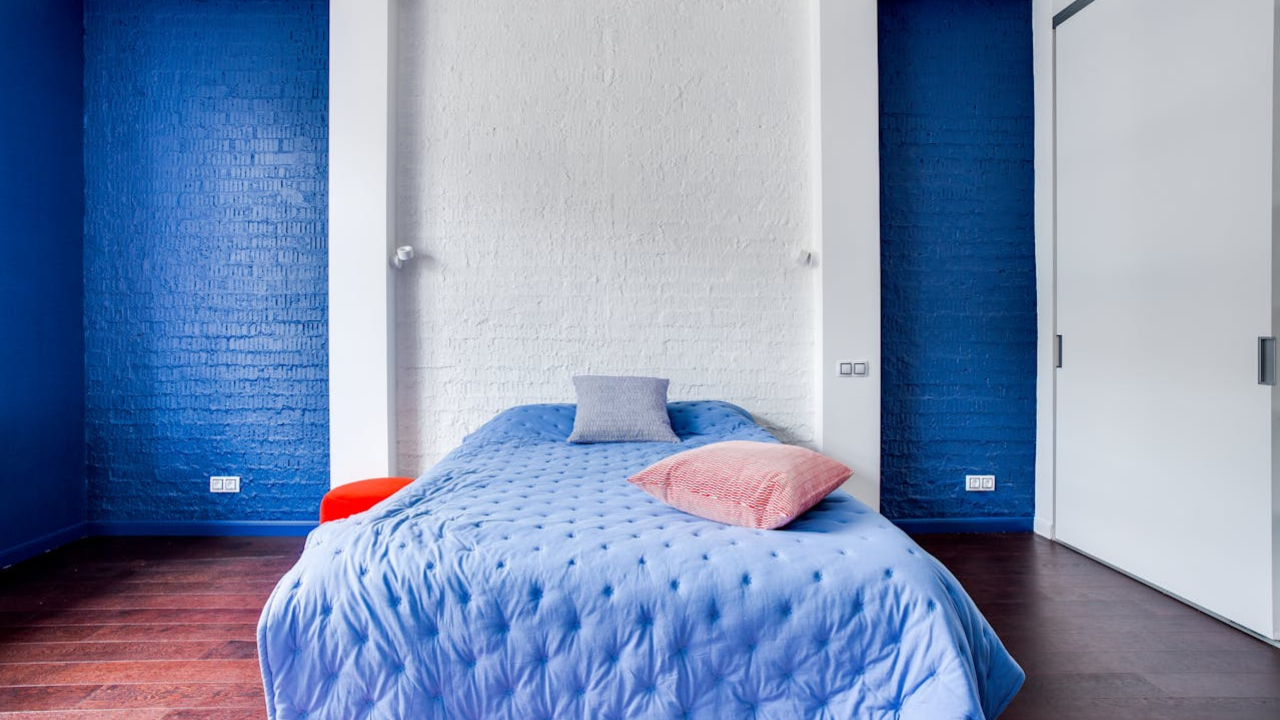
Accent walls were meant to add drama, but most end up looking like an afterthought. One bright wall rarely ties the room together—it usually just distracts from it.
Decorators prefer carrying one cohesive color throughout or using texture to add interest instead. It’s less jarring and makes a space feel more intentional.
Overstyled open concepts
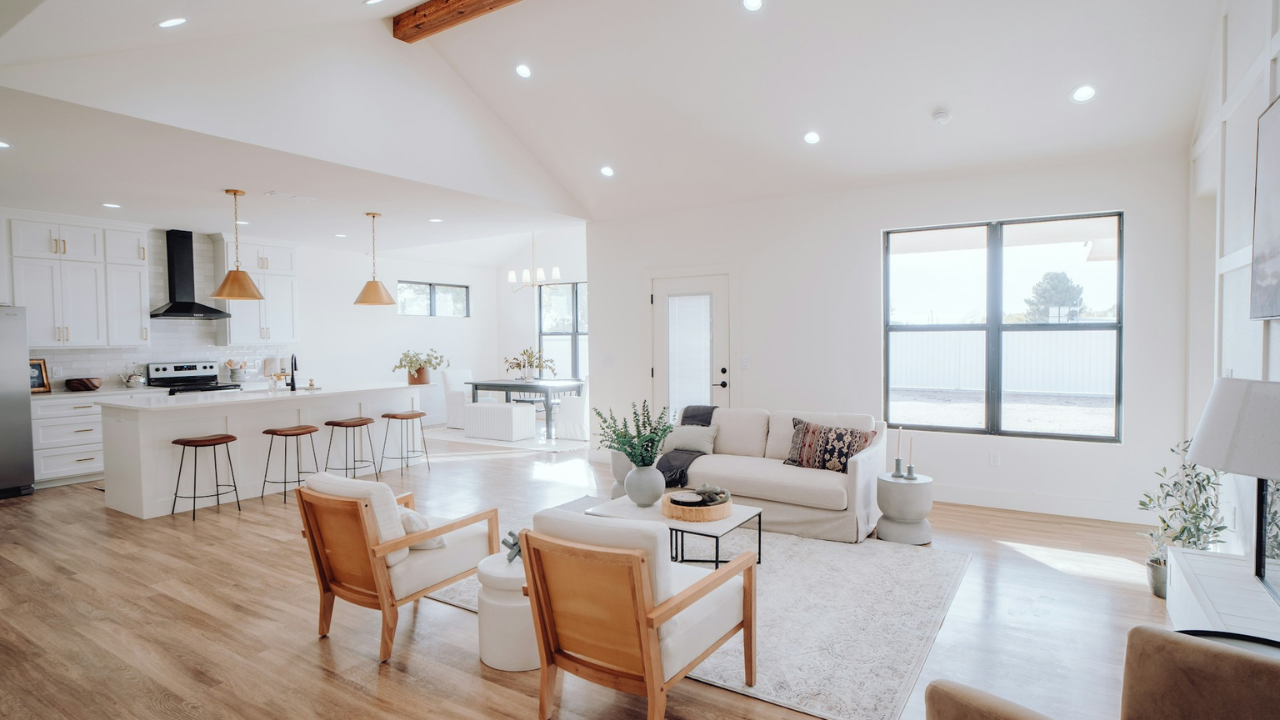
Open floor plans used to feel luxurious, but decorators are starting to admit they’re hard to live in. Too much openness means noise, visual clutter, and zero privacy.
Now, there’s a shift toward creating defined zones—half walls, furniture placement, or even curtains to separate spaces. It still feels airy, but it functions more like a real home again.
*This article was developed with AI-powered tools and has been carefully reviewed by our editors.