10 tricks interior designers use to fake luxury
Luxury design doesn’t always mean luxury prices. Interior designers are experts at making homes look elevated with tricks that don’t cost a fortune. It’s about knowing where to spend, where to save, and how to make small tweaks that change the way a space feels. These are the tricks they rely on most often.
Hanging Curtains High and Wide

Instead of placing your curtain rod right above the window frame, extend it higher and wider. This makes windows appear bigger and ceilings look taller. Designers say this trick instantly gives a more expensive feel without upgrading the actual windows. Light, airy fabrics like linen or cotton work best to create that upscale look.
Using Oversized Rugs
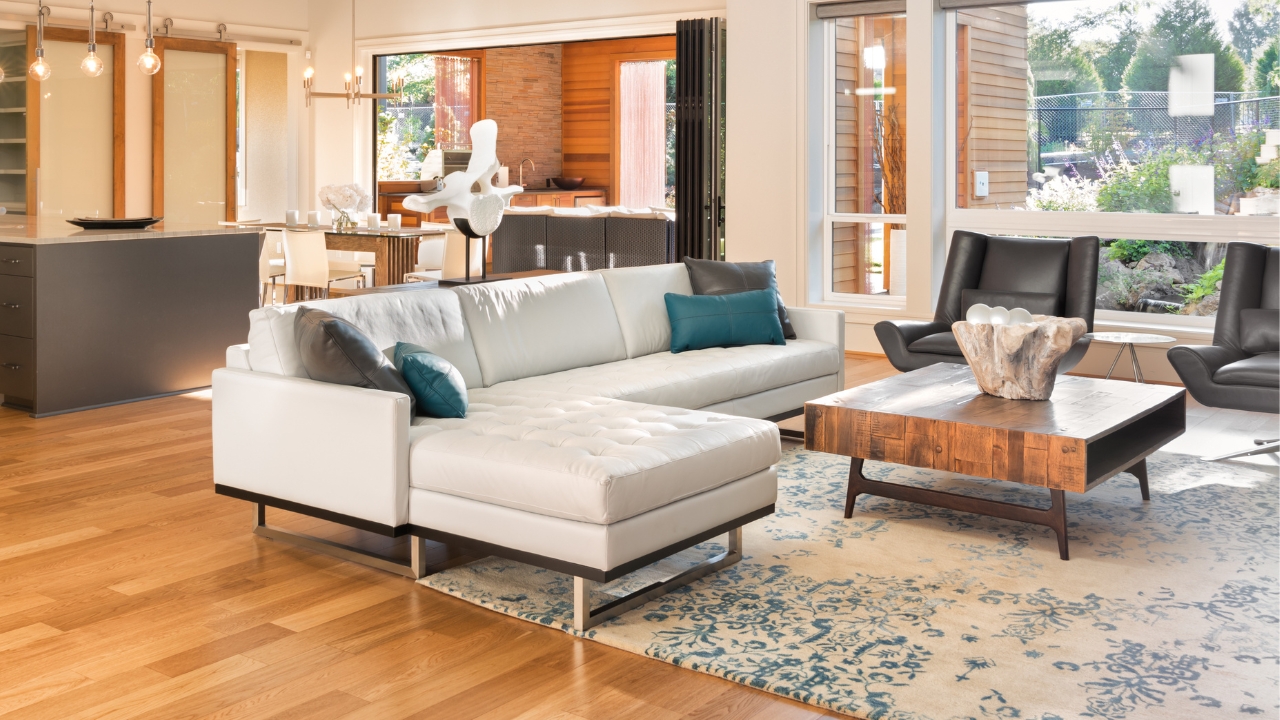
A rug that’s too small shrinks a room and makes furniture look awkward. Designers often choose oversized rugs that anchor all major furniture pieces. Even in small rooms, a larger rug makes the space feel intentional and pulled together. Affordable big rugs from places like Rugs USA or Wayfair can do the job without breaking the budget.
Mixing Textures and Materials
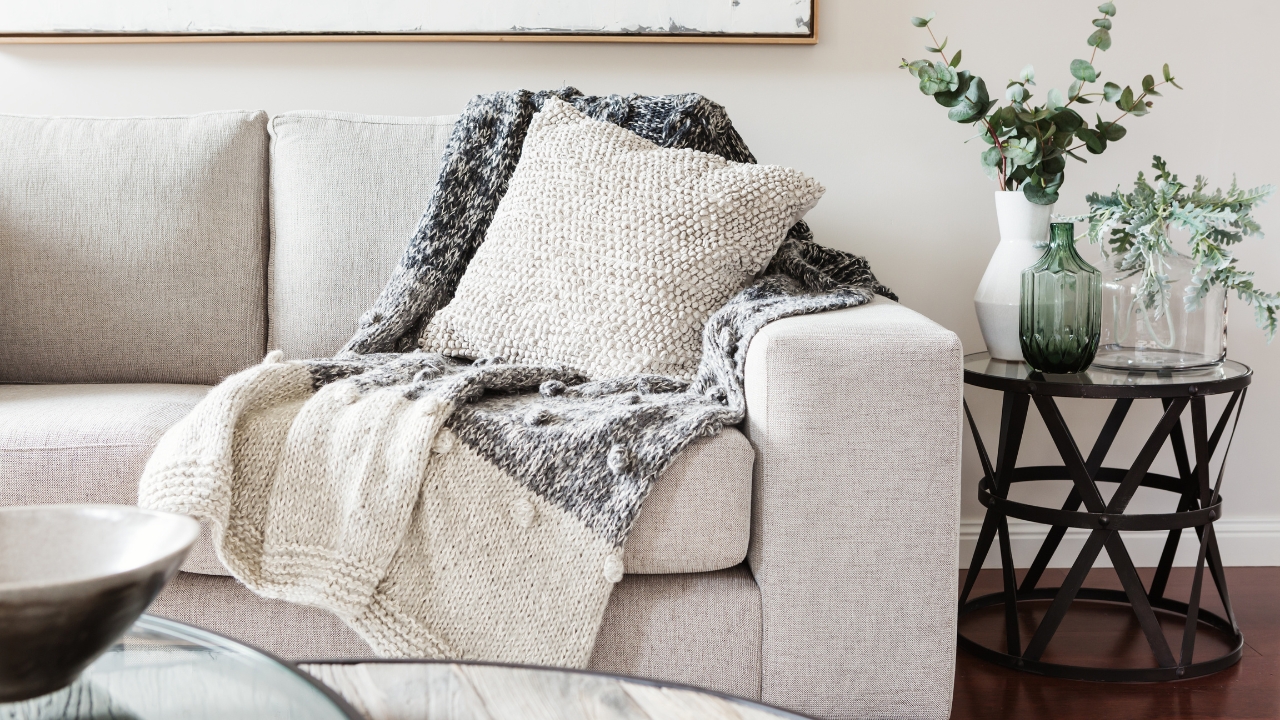
High-end homes rarely stick to one texture throughout. Designers mix materials like velvet pillows, linen throws, and wood accents to add depth. Layering different finishes — shiny, matte, soft, rough — creates richness without the need for luxury furniture. Even a few texture changes can upgrade the feel of a room.
Upgrading Hardware
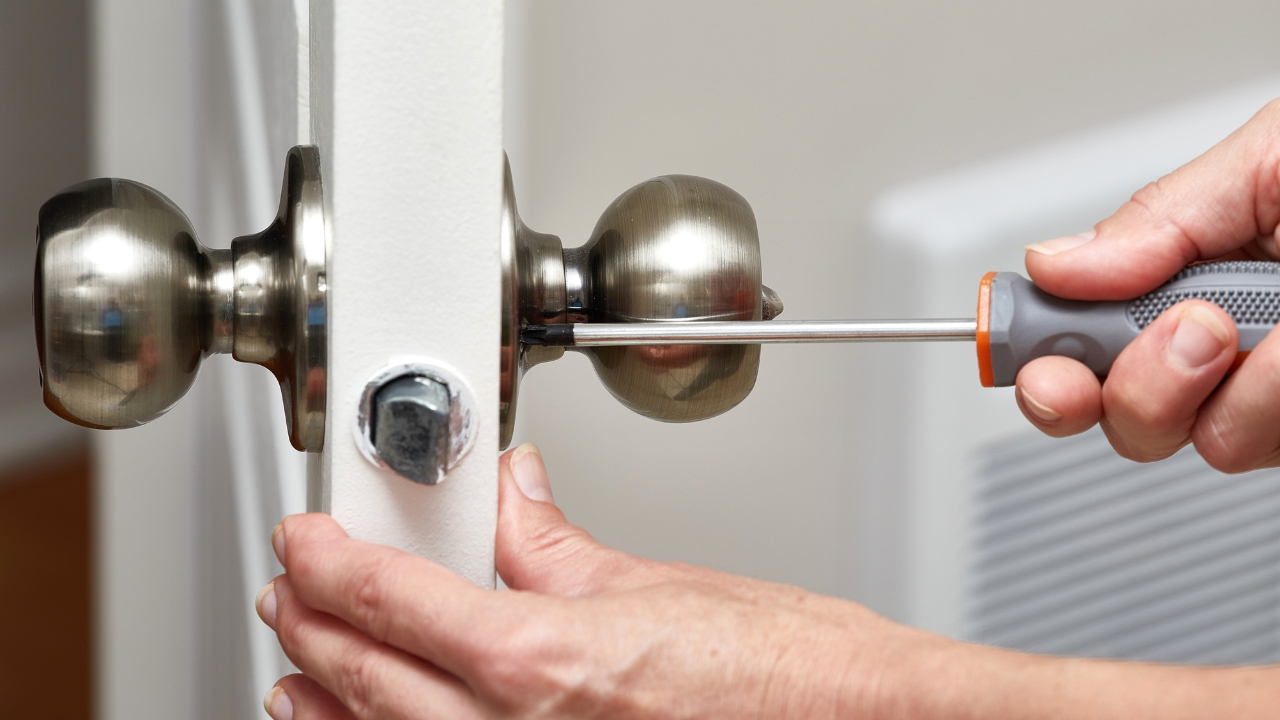
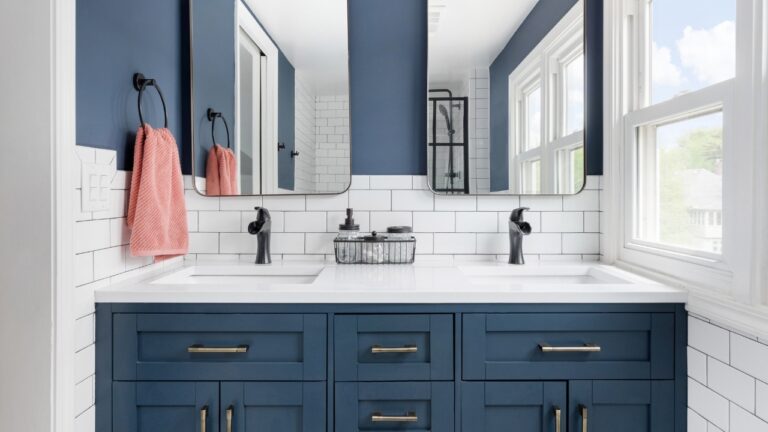
Swapping out cabinet pulls, doorknobs, or faucet handles can transform how polished a space looks. Designers often recommend brushed brass, matte black, or polished nickel for a timeless feel. It’s one of the cheapest updates you can make, and it immediately elevates kitchens, bathrooms, or even bedroom furniture.
Layered Lighting
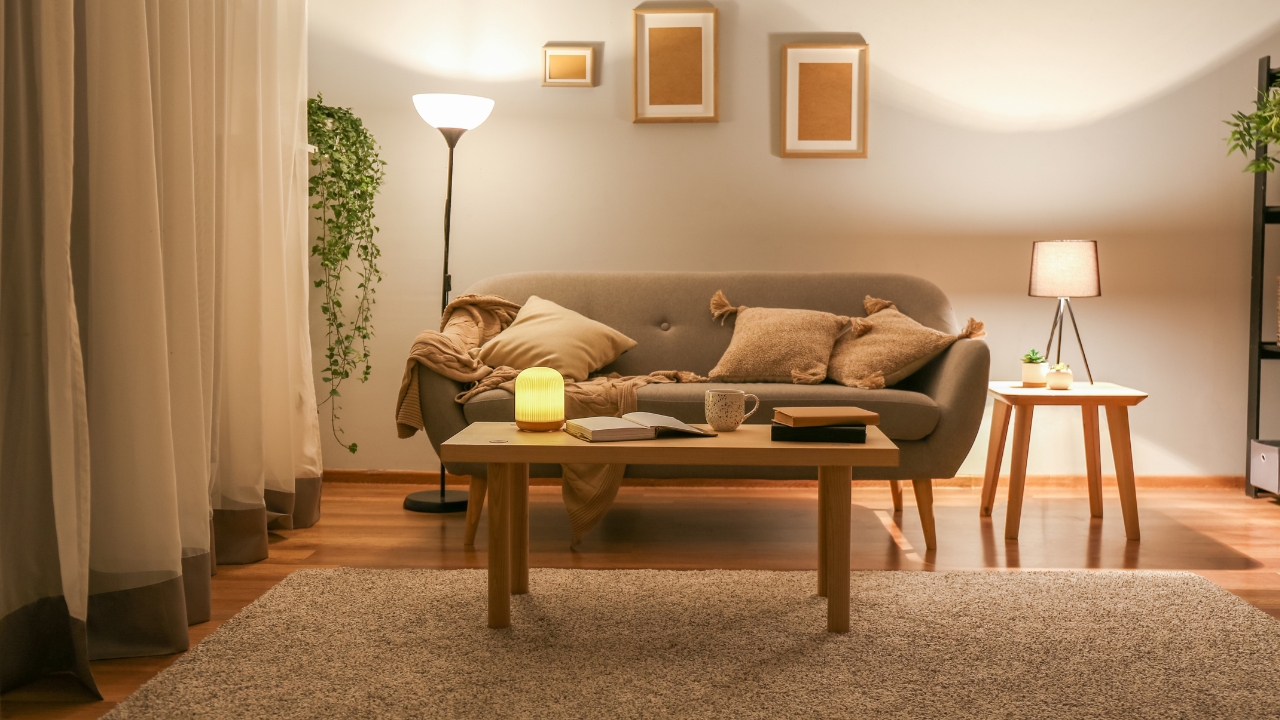
Luxury homes always have more than one light source. Designers use overhead fixtures, sconces, and table lamps together so the lighting feels warm and balanced. Relying on a single overhead light makes a space look flat. Even affordable lamps from Target or IKEA can add that layered look.
Incorporating Large-Scale Art

Tiny art pieces can make walls look bare or cluttered. Designers often go for one or two oversized art pieces instead of a dozen small ones. A large frame instantly feels more impactful and more “expensive.” You don’t have to spend thousands — even DIY prints or thrifted frames can work if scaled properly.
Keeping a Neutral Base

Designers often start with neutral walls and furniture, then bring in color through accents. This trick makes spaces feel cohesive and higher-end because everything works together. Neutrals also make it easier to swap décor seasonally without repainting or buying new furniture every time.
Using Statement Lighting

A striking light fixture can elevate an entire room. Designers often recommend investing in one standout chandelier, pendant, or sconce. Even in a modest home, a statement light draws attention and sets the tone for the space. Affordable statement pieces can be found at places like Wayfair or Home Depot.
Adding Architectural Details

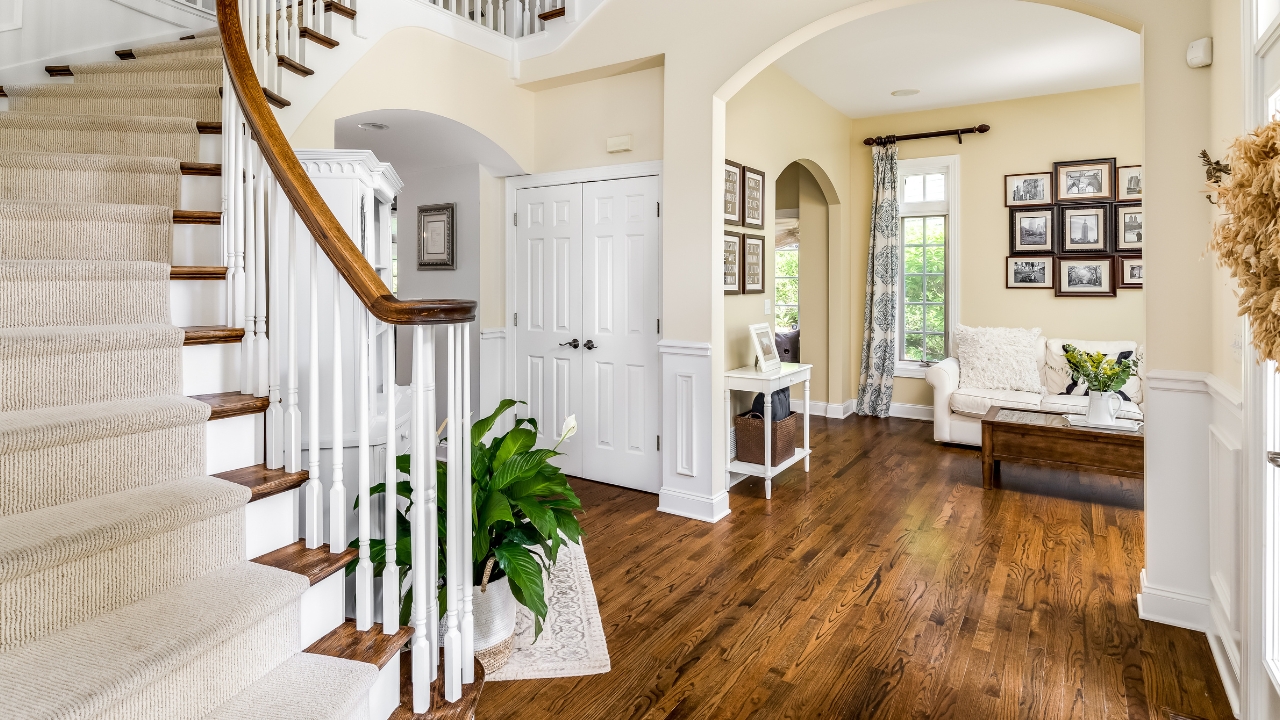
Things like crown molding, chair rails, or wainscoting instantly make a room feel custom. Designers often use peel-and-stick molding kits for a budget-friendly option. These small touches add visual weight to a room, making it feel more expensive than it really is.
Styling with Greenery

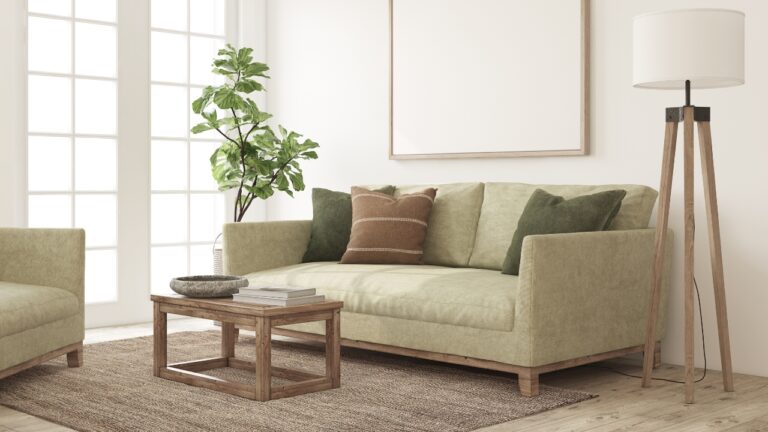
Plants instantly soften a space and make it look curated. Designers recommend mixing real and faux plants to keep the look fresh without constant upkeep. Tall plants like fiddle leaf figs or snake plants add height and make rooms feel more finished. Even a few well-placed plants can mimic the feel of a designer-styled home.
*This article was developed with AI-powered tools and has been carefully reviewed by our editors.